

- 27/05/2025
- Posted by: phucthien
- Category: Blog

Toupee cleaning by base material is essential for maintaining a natural look and extending the lifespan of your hairpiece. Proper cleaning removes dirt, oils, and styling product buildup, ensuring your hair system remains fresh and comfortable. Whether you have a lace front, skin base, or monofilament toupee, Phucthien Toupee provides the best ways to maintain a stunning look.
Why Base Material Dictates Your Toupee Cleaning Method
Understanding the core structure of your toupee, specifically the base material, is the crucial first step in effective cleaning. Each material possesses unique characteristics that influence how it interacts with water, cleaning solutions, adhesives, and handling techniques. Applying a one-size-fits-all approach can inadvertently damage delicate materials or prove ineffective on more resilient ones.
- Porosity: Materials like lace are porous, allowing for breathability but also potentially absorbing more product or residue if not rinsed thoroughly. Non-porous materials like polyurethane (skin) require different methods for adhesive removal and cleaning as substances sit on the surface.
- Durability: Monofilament is known for its durability, while fine Swiss lace is exceptionally delicate. Skin bases can vary in thickness and resilience but are susceptible to tearing if handled improperly, especially during adhesive removal.
- Adhesive Interaction: The type of adhesive used (tape vs. liquid glue) and the base material significantly impact the removal process. Solvents that work well on a poly base might be too harsh or time-consuming for a lace base.
- Hair Ventilation: How the hair is attached (knotted, injected, looped) also plays a role. Certain cleaning motions or harsh chemicals can loosen knots or damage injection points, leading to premature shedding.
A study published in the International Journal of Trichology highlights the importance of gentle handling and appropriate products for maintaining the integrity of hair prostheses, emphasizing that mechanical stress (like harsh scrubbing) and chemical damage are primary causes of degradation. By tailoring your cleaning technique to the specific base material, as recommended by Phucthientoupee, you actively protect your investment and ensure a consistently natural appearance. This base-specific approach is central to effective hair system care.

Clean like a pro: Master Hair System Cleaning and proper Hair System Maintenance methods
Essential Toupee Cleaning Supplies You Need
Before beginning any cleaning process, gathering the right supplies is essential for a smooth and effective outcome. Using products specifically designed for hair systems is highly recommended, as regular hair care products may contain harsh sulfates, detergents, or conditioning agents that can damage the hair fibers, loosen knots, or degrade the base material. Phucthien suggests assembling the following toolkit:
| Supply Item | Purpose | Recommended Type | Why It’s Important |
| Wig Stand or Mannequin Head | Securely holds the toupee for cleaning, drying, and styling. | Styrofoam or cork canvas head | Prevents tangling, maintains shape, allows air circulation |
| Wide-Tooth Comb | Gently detangles hair without causing stress or breakage. | Smooth, wide-set teeth | Minimizes shedding and fiber damage, especially when wet |
| Toupee-Specific Shampoo | Cleans hair and base without stripping moisture or damaging materials. | Sulfate-free, paraben-free, pH-balanced formula | Preserves hair quality, color, and base integrity |
| Toupee-Specific Conditioner | Restores moisture, enhances softness, and aids detangling. | Lightweight, moisturizing, formulated for hair systems | Keeps hair manageable, prevents dryness and brittleness |
| Adhesive Remover/Solvent | Dissolves adhesive residue from the base material. | Base-material appropriate (e.g., citrus-based, alcohol-based) | Ensures clean bonding surface, prevents buildup |
| Spray Bottle (Water) | For wetting hair during detangling or diluting solutions. | Standard misting spray bottle | Allows controlled application of moisture |
| Soft Towels | Gently blotting excess water after washing. | Microfiber or soft cotton towels | Absorbs water efficiently without roughing up cuticles |
| Basin or Sink | For soaking and rinsing the hair system. | Large enough to fully submerge the unit | Facilitates thorough cleaning and rinsing |
| Knot Sealer (Optional) | Helps secure knots on lace or monofilament bases, reducing shedding. | Specifically designed for hair system knots | Enhances longevity, particularly for knotted bases |
Important Note: Always perform a patch test with any new cleaning product or solvent on a small, inconspicuous area of the toupee base first to ensure it doesn’t cause discoloration or damage. Choosing high-quality, appropriate supplies is a cornerstone of effective toupee maintenance and hairpiece hygiene.
🔧 Don’t throw it away — let us restore your old toupee to like-new condition!
Technique 1: Cleaning Lace Base Toupees (French/Swiss)
Lace bases, whether French or Swiss, are prized for their natural appearance and superior breathability. However, they are also among the most delicate base materials, requiring a particularly gentle approach to cleaning.
Understanding Lace Bases
- French Lace: Offers a good balance of natural appearance and durability. It’s slightly thicker and more resilient than Swiss lace.
- Swiss Lace: Provides the most undetectable hairline due to its finer, thinner mesh. It is extremely delicate and requires maximum care.
- Key Characteristic: Porosity. Lace allows air and water to pass through easily. Hair is typically hand-tied to the lace with tiny knots.
Step-by-Step Lace Toupee Cleaning Guide
Follow these steps meticulously for optimal results and to prevent damage:
- Preparation – Gentle Detangling:
- Place the dry toupee on a mannequin head or hold it securely at the base.
- Starting from the ends and working upwards towards the base, use a wide-tooth comb to gently remove any tangles. Never comb or brush aggressively, especially near the base, to avoid loosening knots. If hair is very tangled, lightly mist with water or a detangling spray designed for hair systems.
- Adhesive Removal (Crucial Step):
- Lay the toupee inside-out, exposing the lace base.
- Apply a lace-appropriate adhesive solvent/remover liberally onto the areas with adhesive residue. Citrus-based removers are often preferred for lace due to their gentler action, though they may require longer soaking times (e.g., 15-60 minutes depending on buildup and product). Alcohol-based removers work faster but can be more drying; use cautiously.
- Let the solvent sit for the time recommended by the product manufacturer. You should see the adhesive soften and break down.
- Gently wipe away the loosened residue using a soft cloth or paper towel. For stubborn spots, you may need to reapply solvent and wait longer. Avoid rubbing or scraping the delicate lace. A dabbing or gentle lifting motion is preferred. Some professionals use a soft toothbrush very lightly on stubborn spots, but extreme caution is needed.
- Once most residue is removed, prepare for washing. A preliminary rinse of the base under cool running water can help remove residual solvent and loosened adhesive particles.
- Washing:
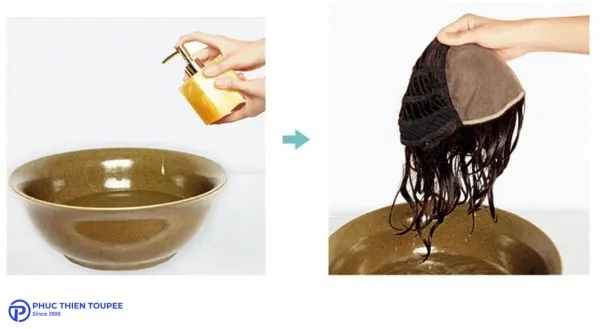
- Fill a basin or sink with cool water. Hot water can damage human hair fibers and potentially weaken knots.
- Add a small amount (e.g., 1-2 capfuls) of toupee-specific shampoo to the water and swish to create a mild lather.
- Fully submerge the lace toupee in the water.
- Use gentle, downward stroking motions with your fingers to distribute the shampoo through the hair. Do not rub, scrub, twist, or bunch the hair, as this will cause tangling and potentially damage the lace or knots.
- Pay gentle attention to the base, allowing the soapy water to flow through the lace. Avoid scrubbing the knots directly. The focus is on letting the water and shampoo cleanse the area.
- Wash for approximately 3-5 minutes, ensuring the hair and base are cleansed.
- Conditioning (Hair Only):
- Drain the soapy water and refill the basin with clean, cool water.
- Apply a small amount of toupee-specific conditioner primarily to the mid-lengths and ends of the hair. Crucially, avoid applying conditioner directly to the lace base and knots. Conditioner can loosen the knots, leading to significant shedding.
- Gently work the conditioner through the hair with your fingers, again using downward strokes.
- Let the conditioner sit for the time recommended on the bottle (usually 2-5 minutes).
- Rinsing:
- Rinse the toupee thoroughly under cool, running water. Ensure all traces of shampoo and conditioner are removed. Residue buildup can make the hair look dull and feel stiff, and shampoo residue on the base can attract dirt.
- Allow the water to flow through the hair and lace in a downward direction, mimicking the natural fall of the hair.
- Drying:
- Gently squeeze out excess water from the hair, again moving downwards. Do not wring or twist the unit.
- Lay the toupee flat on a clean, soft towel. Place another towel on top and gently blot or pat to absorb more moisture.
- Place the damp toupee on a wig stand or mannequin head. Gently comb through with a wide-tooth comb, starting from the ends.
- Allow the toupee to air dry completely. Avoid using high heat blow dryers, as excessive heat can damage the hair and potentially the lace or knots over time. If blow drying is necessary, use the lowest heat and speed setting and keep the dryer moving.
- Once completely dry, you may consider applying a knot sealer to the inside of the base, following product instructions, for added security.
Common Mistakes to Avoid with Lace Toupees
- Using hot water for washing or rinsing.
- Applying conditioner directly to the base/knots.
- Scrubbing or rubbing the lace base vigorously.
- Aggressively combing or brushing, especially when wet or near the base.
- Using harsh chemicals or regular hair products not designed for toupees.
- Insufficient rinsing, leading to residue buildup.
- Using excessive heat during drying.
Adhering to these gentle lace toupee cleaning methods ensures the delicate structure is preserved, maximizing the lifespan and natural appearance of your hair system. This careful hairpiece maintenance is vital for lace wearers.
💡 Save money — get expert repair service instead of buying a new one
Technique 2: Cleaning Skin/Polyurethane (Poly) Base Toupees
Skin base toupees, made from polyurethane (often abbreviated as poly), offer a highly realistic scalp appearance as the hair is often injected or V-looped into the thin membrane, mimicking hair growing directly from the skin. These bases are non-porous and come in various thicknesses, affecting durability and cleaning methods.
Understanding Skin/Poly Bases
- Thickness: Ranges from ultra-thin (e.g., 0.03mm, extremely realistic but very delicate) to thicker, more durable options (e.g., 0.08mm or more).
- Hair Attachment: Typically injected or V-looped, meaning there are often no knots on the underside, enhancing the scalp illusion.
- Key Characteristic: Non-porous. Adhesives and oils sit on the surface rather than soaking in. This makes adhesive removal different from lace but also means the base doesn’t breathe.
Step-by-Step Skin/Poly Toupee Cleaning Guide
While potentially more resilient to certain cleaning aspects than lace, skin bases require careful handling to prevent tearing or stretching, especially the ultra-thin varieties.
- Preparation – Inspection and Detangling:
- Place the toupee on a flat surface or mannequin head. Inspect the poly base carefully for any small tears or weak spots, particularly around the edges where attachment occurs. Be extra gentle if damage is noted.
- Gently detangle the hair using a wide-tooth comb, starting from the ends and moving upwards. Lightly misting with water can help.
- Adhesive Removal (Surface Focused):
- Turn the toupee inside-out to access the poly base.
- Apply an appropriate adhesive solvent designed for skin bases directly onto the adhesive residue. Solvents often work quickly on non-porous poly. Citrus-based removers offer a gentler option, while alcohol or specialized solvents provide faster action.
- Allow the solvent to sit for the manufacturer’s recommended time (often shorter than for lace, perhaps 5-20 minutes).
- The adhesive should soften and lift easily. Use a soft cloth, paper towel, or sometimes even your fingers (if safe according to the solvent instructions) to gently wipe or roll the residue off the base. Avoid sharp tools or excessive scraping, which can gouge or tear the polyurethane.
- The ‘mirror slide’ technique can be effective here: apply solvent, wait, then gently slide the base across a mirror or smooth plastic surface – the residue often sticks to the surface, peeling away from the poly.
- Clean the base thoroughly, ensuring all adhesive and solvent residues are removed. Wiping with a damp cloth after residue removal can help neutralize the solvent before washing.
- Washing:
- Fill a basin with cool or lukewarm water. Poly bases are generally less sensitive to slightly warmer temperatures than lace knots or human hair cuticles, but cool remains the safest default.
- Add toupee-specific shampoo and create a gentle lather.
- Submerge the toupee. Focus on cleaning both the hair and the base. You can be slightly more direct when cleaning the poly base compared to lace, using gentle rubbing motions with your fingertips on the inside of the base to ensure it’s clean.
- Wash the hair using downward stroking motions. Avoid circular scrubbing that can cause tangles.
- Wash for approximately 3-5 minutes.
- Conditioning (Hair Focus):
- Rinse out the shampoo thoroughly with cool or lukewarm water.
- Apply toupee-specific conditioner mainly to the hair, avoiding the base if possible, especially if hair is V-looped or injected without knots, though conditioner is less likely to cause shedding here than with knotted lace/mono. Still, keeping the base clean is ideal for bonding.
- Work the conditioner through the hair gently. Let it sit for 2-5 minutes.
- Rinsing:
- Rinse the unit completely under cool or lukewarm running water, ensuring no product residue remains on the hair or base.
- Drying:
- Gently squeeze excess water from the hair.
- You can gently wipe the poly base (inside and out) with a soft towel, as it doesn’t absorb water.
- Pat the hair gently with a soft towel. Do not rub vigorously.
- Place the toupee on a wig stand to air dry completely.
- Detangle carefully with a wide-tooth comb once partially dry or fully dry.
- Low-heat blow drying can be used cautiously if needed, focusing on the hair.
Tips for Maintaining Skin Base Integrity
- Be exceptionally gentle with ultra-thin skin bases (under 0.06mm) as they tear easily.
- Avoid over-stretching the base when handling or applying/removing.
- Ensure adhesive solvent is thoroughly removed before washing, as residual solvent can degrade the poly over time.
- Store the toupee properly on a stand to maintain its shape and prevent creasing of the base.
- Consider using scalp protectors before application to minimize direct contact between scalp oils and the poly base, potentially extending cleanliness.
Cleaning a skin toupee correctly focuses on careful adhesive removal from the non-porous surface and gentle handling to prevent tears. This specific hair system washing technique protects the realistic appearance and structure.

Technique 3: Cleaning Monofilament (Mono) Base Toupees
Monofilament, often called “mono,” is a durable base material made from a fine, nylon-like mesh. Hair is individually hand-tied onto this mesh, offering a natural appearance where the hair parts and allowing for good airflow, though typically less than lace. It’s known for its robustness compared to lace.
Understanding Mono Bases
- Material: Fine, durable mesh, usually nylon or polyester.
- Appearance: Offers a realistic scalp look at the parting areas. Can be combined with other materials (e.g., poly perimeter).
- Key Characteristic: Durability combined with a natural look. Hair is knotted, similar to lace, but the base material itself is stronger.
Step-by-Step Mono Toupee Cleaning Guide
The process shares similarities with lace cleaning due to the knotted hair but allows for slightly less delicate handling owing to the stronger base material.
- Preparation – Detangling:
- Secure the toupee on a stand or hold it firmly.
- Use a wide-tooth comb to detangle the hair gently, working from tips to base. Avoid pulling hard on knots.
- Adhesive Removal:
- If adhesive is used on the mono section (less common unless combined with poly edges, but possible), apply an appropriate solvent to the residue areas on the underside of the base.
- Allow the solvent to work as directed. Monofilament is generally resilient to most toupee solvents.
- Gently wipe or lift away the softened residue. While more durable than lace, avoid harsh scraping that could fray the mesh or loosen knots over time. Use a soft cloth or cotton pads.
- Rinse the base area lightly under cool water to remove solvent traces.
- Washing:
- Fill a basin with cool water and add toupee-specific shampoo.
- Submerge the monofilament toupee.
- Use gentle, downward stroking motions to wash the hair.
- You can apply slightly more pressure when cleaning the monofilament base compared to lace, using fingertips to gently cleanse the mesh, but still avoid vigorous scrubbing directly on the knots.
- Ensure soapy water flows through the mesh to cleanse thoroughly. Wash for 3-5 minutes.
- Conditioning (Avoid Knots):
- Rinse out the shampoo with cool water.
- Apply toupee-specific conditioner to the hair’s mid-lengths and ends. Crucially, avoid the monofilament base and the knots. Conditioner can cause knots to loosen and slip through the mesh (known as hair pull-through or shedding).
- Distribute conditioner gently through the hair. Leave on for 2-5 minutes.
- Rinsing:
- Rinse thoroughly under cool, running water, ensuring all shampoo and conditioner are removed. Let water flow downwards through the hair and base.
- Drying:
- Gently squeeze out excess water, moving downwards.
- Blot the unit gently with a soft towel.
- Place on a wig stand for air drying.
- Comb gently with a wide-tooth comb when damp or dry, starting from the ends.
- Low-heat blow drying is acceptable if necessary, but air drying is preferred for hair longevity.
- Applying a knot sealer to the underside of the monofilament base after cleaning and drying is highly recommended to help secure the knots and minimize shedding.
🔍 Looking for a specific size, base, or hair color? Order a fully personalized toupee now!
Preventing Hair Pull-Through on Mono Bases
- Avoid conditioner on the base/knots. This is the most common cause of loosening.
- Use knot sealer regularly as preventative maintenance.
- Handle gently during washing and combing – avoid pulling directly on the knots.
- Use cool water for washing and rinsing.
Cleaning a monofilament toupee involves techniques similar to lace due to the knots, but the base’s durability allows for slightly more confident handling. The primary concern is preventing knot loosening. Following these best toupee cleaning methods preserves the unit’s density and appearance.

Technique 4: Cleaning Hybrid Base Toupees
Hybrid toupees combine different base materials to leverage the advantages of each. A common example is a breathable lace front for an undetectable hairline, paired with a more durable and easier-to-bond polyurethane perimeter around the sides and back. Cleaning these requires a blended approach.
Understanding Hybrid Bases
- Construction: Combines two or more materials (e.g., Lace + Poly, Mono + Poly, Lace + Mono + Poly).
- Purpose: Offers benefits like a natural hairline (lace), durability/easy bonding (poly), or scalp appearance/durability (mono).
- Key Challenge: Requires addressing the specific cleaning needs of each material section within the same hair system.
Step-by-Step Hybrid Toupee Cleaning Guide
This process involves applying the techniques learned for each individual material to the corresponding sections of the hybrid base.
- Preparation – Detangling & Inspection:
- Secure the unit and gently detangle the hair with a wide-tooth comb, tips to base.
- Inspect each base material section for any specific issues (e.g., residue on poly, frayed lace).
- Adhesive Removal (Targeted Approach):
- This step requires careful, section-specific work. Lay the unit inside-out.
- Poly Sections: Apply an appropriate solvent directly to the polyurethane areas with adhesive. Allow it to sit and then gently wipe or roll off the residue as described in Technique 2. Be precise to avoid excessive solvent spreading onto the lace or mono sections if possible, although some overlap is often unavoidable.
- Lace/Mono Sections: If adhesive was used on these parts (less common if there’s a full poly perimeter, but possible), apply a gentler, lace/mono-appropriate solvent only to those specific areas. Follow the soaking and gentle removal methods described in Techniques 1 and 3. Take extra care near the transition points between materials.
- Work patiently, addressing one material type at a time if needed. Thoroughly remove all residue from all sections. A final wipe-down with a damp cloth over the poly areas can be beneficial before washing.
- Washing (Gentle Overall):
- Use cool water and toupee-specific shampoo in a basin.
- Submerge the hybrid toupee.
- Employ the gentle, downward stroking motions suitable for the most delicate part of the base (usually the lace). This ensures the entire unit is treated with care.
- You can pay slightly more attention to cleaning the poly sections with gentle fingertip motions on the underside, but maintain an overall gentle approach. Avoid scrubbing lace or mono knots.
- Wash for 3-5 minutes.
- Conditioning (Hair Only, Avoid Bases):
- Rinse out shampoo thoroughly with cool water.
- Apply toupee-specific conditioner carefully to the mid-lengths and ends of the hair only. Be extra vigilant to avoid getting conditioner on the lace front, any mono sections, and the poly perimeter (to ensure a clean bonding surface).
- Let conditioner sit for 2-5 minutes.
- Rinsing:
- Rinse the entire unit meticulously under cool, running water, ensuring all product is removed from hair and all base sections.
- Drying:
- Gently squeeze out excess water.
- Blot gently with a soft towel. You can wipe the poly sections more directly.
- Place on a wig stand to air dry completely.
- Comb gently with a wide-tooth comb when damp or dry.
- Optional: Apply knot sealer to the underside of the lace and/or mono sections once fully dry.
Balancing Care for Different Materials
- Always default to the gentlest technique required by the most delicate material present (usually lace).
- Be precise during adhesive removal, using appropriate solvents for each section.
- Prioritize keeping conditioner off all base materials – lace/mono for knot integrity, poly for clean bonding.
Cleaning a hybrid toupee successfully means understanding and respecting the needs of each constituent material. This multi-faceted approach to hair system washing ensures the entire unit remains in optimal condition.
Technique 5: Deep Cleaning and Residue Removal
Over time, even with regular cleaning, hair systems can accumulate buildup from styling products, environmental factors, scalp oils, or stubborn adhesive traces that regular washing might not fully remove. Occasional deep cleaning is necessary to restore freshness and ensure a clean base for secure attachment.
When is Deep Cleaning Necessary?
- Noticeable product buildup making hair feel heavy, dull, or sticky.
- Persistent odors that regular washing doesn’t eliminate.
- Visible adhesive residue that remains after standard solvent application.
- Reduced adhesive bond strength, possibly due to microscopic residue on the base.
- Generally recommended every 4-6 weeks, depending on lifestyle, products used, and adhesive type.
Safe Deep Cleaning Methods
Deep cleaning often involves slightly longer soaking times or specific clarifying products. Always prioritize the safety of the base material and hair.
- Clarifying Soak (for Hair Buildup):
- After adhesive removal, fill a basin with cool water.
- Add a toupee-specific clarifying shampoo or a designated deep-cleaning solution for hair systems. These are formulated to strip away buildup without being overly harsh. Do not use regular clarifying shampoos meant for scalp hair.
- Submerge the toupee and let it soak for a slightly longer period than usual, perhaps 10-15 minutes. Avoid agitation.
- Proceed with gentle washing motions, thorough rinsing, and conditioning (hair only, avoiding base) as usual.
- Base Deep Soak (for Stubborn Base Residue – Use Caution):
- This is primarily for poly or durable mono bases after initial adhesive removal attempts. Extreme caution needed for lace.
- In a well-ventilated area, place the toupee inside-out in a solvent-resistant container.
- Pour a small amount of appropriate adhesive solvent into the container, just enough to cover the base area with the stubborn residue.
- Allow the base to soak for a longer duration (e.g., 30 minutes to several hours, depending heavily on the solvent type and base material tolerance – always follow product guidelines and start with shorter times). Never soak the hair itself in strong solvents.
- Periodically check the residue. Gently try to wipe it away.
- Once residue is removed, neutralize the base thoroughly (e.g., wipe with isopropyl alcohol if compatible, then wash immediately with shampoo and water) to remove all solvent traces. Proceed with the full washing and conditioning steps.
- Phucthien strongly advises seeking professional help if unsure about extended solvent soaks, especially for delicate bases.
🔄 Extend the lifespan of your hair system with our professional repairs.
Addressing Stubborn Adhesive Residue
- Re-application and Patience: Often, simply reapplying the standard solvent and allowing more time is sufficient.
- Mirror Slide/Base Scrape (Poly Only): As mentioned in Technique 2, gently sliding the solvent-treated poly base over a smooth surface can lift residue. Some professionals use a specialized, blunt plastic scraper very gently on durable poly bases, but this carries risk of damage if not done correctly.
- Different Solvent Type: If one solvent type (e.g., citrus) isn’t working, trying another (e.g., alcohol-based or a specialized remover) might be effective. Always patch test.
- Professional Cleaning: For extremely stubborn residue or if you’re hesitant to use aggressive methods, professional hair system cleaning services have specialized tools and expertise.
Deep cleaning is a vital part of long-term toupee care, ensuring both aesthetic appeal and functional performance (secure bonding). Performing it correctly and safely restores your hair system effectively.

Care for every base: Find the best Hairpiece Cleaning Products for your Toupee Base Materials to avoid Hair System Repair
General Toupee Care Best Practices
Maintaining your toupee involves more than just washing. Integrating these best practices into your routine will significantly enhance its longevity and appearance.
- Frequency of Cleaning: This is highly individual. Factors include:
- Base Material: Lace and thinner skin bases may need more frequent cleaning due to breathability or sensitivity to oil buildup.
- Adhesive Type: Daily wear tapes require cleaning after each removal. Extended wear adhesives might allow for 1-4 weeks between full cleanings (off-head).
- Lifestyle: Active individuals or those in humid climates may need to clean more often due to sweat and oil production.
- Scalp Condition: Oilier scalps necessitate more frequent cleaning.
- General Guideline: For extended wear, cleaning every 1-3 weeks is common. For daily wear, clean as needed, potentially every few days to a week. Listen to your scalp and observe the unit.
- Proper Storage:
- Always store your clean, dry toupee on a wig stand or mannequin head. This helps maintain its shape and prevents tangling or crushing.
- Keep it away from direct sunlight, excessive heat, or high humidity when not in use.
- Detangling Techniques:
- Always detangle when dry or slightly damp, starting from ends and working up.
- Use a wide-tooth comb or a specialized loop brush designed for hair systems.
- Support the base while combing to avoid putting stress on the knots or injected hair.
- Using the Right Styling Products:
- Opt for styling products specifically formulated for hair systems or wigs. These are typically lighter and less prone to causing buildup than regular products.
- Avoid products with high alcohol content, which can dry out the hair.
- Apply styling products sparingly, focusing on mid-lengths and ends rather than the base.
- Knot Sealing (Lace/Mono):
- Regularly apply a knot sealer to the underside of lace or monofilament bases after cleaning and drying. This helps lock the knots, significantly reducing shedding. Follow product instructions carefully.
- Protecting from Environmental Damage:
- Minimize prolonged exposure to direct sunlight, which can cause color fading (oxidation). Consider UV-protective sprays for hair systems.
- Protect the hair from chlorine (swimming pools) and saltwater, as these can be very damaging and drying. If swimming, wear a dedicated swim cap or an older unit, and wash/condition thoroughly immediately afterward.
- Sleeping:
- It’s generally recommended to avoid sleeping in your toupee if possible (for daily wearers) to reduce friction and tangling.
- If sleeping in an extended wear system, consider using a silk or satin pillowcase to minimize friction. Gently tying long hair back can also help prevent tangles.
Consistent application of these best practices, combined with the correct toupee cleaning by base material, forms a comprehensive hair system care regimen that yields the best results.
✨ A toupee shouldn’t just hide hair loss — make it a style statement!
Conclusion: Mastering Toupee Care for Lasting Confidence
Mastering toupee cleaning based on base material is essential for maintaining the quality, look, and lifespan of your hair system. Understanding the differences between lace, skin/poly, monofilament, and hybrid bases—and applying the right cleaning techniques—helps keep your toupee in top condition. Key practices include gentle handling, using suitable products, careful adhesive removal, and proper washing and drying.
Consistent care leads to a more natural appearance, longer durability, and increased confidence. Phucthientoupee offers guidance, resources, and professional support to help you maintain your hair system effectively. For a complete approach, explore their articles on attachment methods and styling tips.
Phuc Thien Toupee Co., Ltd
Design Brand: Royal Hair Vietnam
Office Address:
🏢 Room A909, Decapella Building, 116 Luong Dinh Cua Street, An Khanh Ward, Thu Duc City, Ho Chi Minh City 700000, Vietnam
Factory Address:
🏭 No. 26/9, Street 57, Thuong Hamlet, Tan Thong Hoi Ward, Cu Chi District, Ho Chi Minh City 700000, Vietnam
Email: ✉️ phucthientoupeevn@gmail.com
Phone / WhatsApp: 📞 +84 933 901 196
Websites: 🌐 phucthientoupee.com – 🌐 royalhair.shop



