

- 09/05/2025
- Posted by: phucthien
- Category: Blog

Hairpiece base materials are the unsung heroes of natural-looking hair restoration. Finding the right base material is the first step toward achieving a comfortable, secure, and undetectable hairpiece. Phucthien is here to guide you through the options and help you
Understanding Hairpiece Base Materials
The base of a hairpiece is the foundation to which individual hairs are attached. Its primary function is to mimic the scalp, providing a natural-looking hairline and overall appearance.
- Material Diversity: Bases can be made from a variety of materials, each with its own set of advantages and disadvantages.
- Key Considerations: When selecting a base material, factors such as comfort, durability, breathability, and naturalness are crucial.
- The Phucthien Difference: Phucthien understands that the ideal base material is a personal choice. We offer a wide range of options and expert guidance to help you find the perfect fit.
Types of Bases:
- Lace
- Skin (Polyurethane or Silicone)
- Monofilament
- Combination

Choose your base: Compare Lace vs Poly Hair Systems and explore Custom System Base Materials for comfort
Common Types of Base Materials
Lace: The Pinnacle of Natural Appearance
Lace is a highly sought-after base material, renowned for its ability to create an exceptionally realistic and virtually undetectable hairline. It consists of a fine, mesh-like fabric where individual hair strands are meticulously hand-tied.
Detailed Description: Lace bases work by allowing your natural scalp color to show through the tiny holes in the mesh, creating a seamless illusion. The hair strands are knotted onto the lace; these knots can sometimes be bleached, especially at the front hairline, to further enhance the appearance of hair growing directly from the scalp. Common types include French Lace (more durable, slightly more visible) and Swiss Lace (finer, less detectable, but more delicate). HD Lace (High Definition Lace) is an even finer variation, offering unparalleled invisibility but requiring the most careful handling.
- Advantages (Pros):
- Unmatched Natural Hairline: Lace excels at creating the most natural-looking front hairline, making it ideal for styles worn off the face.
- Superior Breathability: The open mesh structure allows for excellent air circulation, keeping the scalp cool and reducing sweat buildup, enhancing comfort significantly.
- Lightweight Feel: Lace bases are incredibly light, contributing to overall comfort, making you feel like you are not wearing anything.
- Styling Versatility: Hair can be parted anywhere, offering maximum styling freedom.
- Considerations (Cons):
- Delicate Nature: Lace is the most fragile base material and requires gentle handling during application, removal, and cleaning to prevent tearing or fraying.
- Maintenance Learning Curve: Requires careful cleaning techniques and specific adhesives or tapes designed for lace. Bleached knots can weaken the hair attachment point over time.
- Shorter Lifespan: Due to its delicate structure, lace bases generally have a shorter lifespan compared to other materials.
- Cost: High-quality lace systems, especially those using Swiss or HD lace with expertly bleached knots, often come at a higher price point.
- Key Characteristics Table:
| Feature | Rating / Detail |
| Breathability | Excellent |
| Naturalness (Hairline) | Very High |
| Naturalness (Scalp) | High (Scalp visible through mesh) |
| Durability | Low |
| Typical Lifespan | 1-6 months |
| Ideal For | Undetectable hairline, active users |
| Scalp Sensitivity | Generally good, very breathable |
- Variations: French Lace, Swiss Lace, HD Lace.
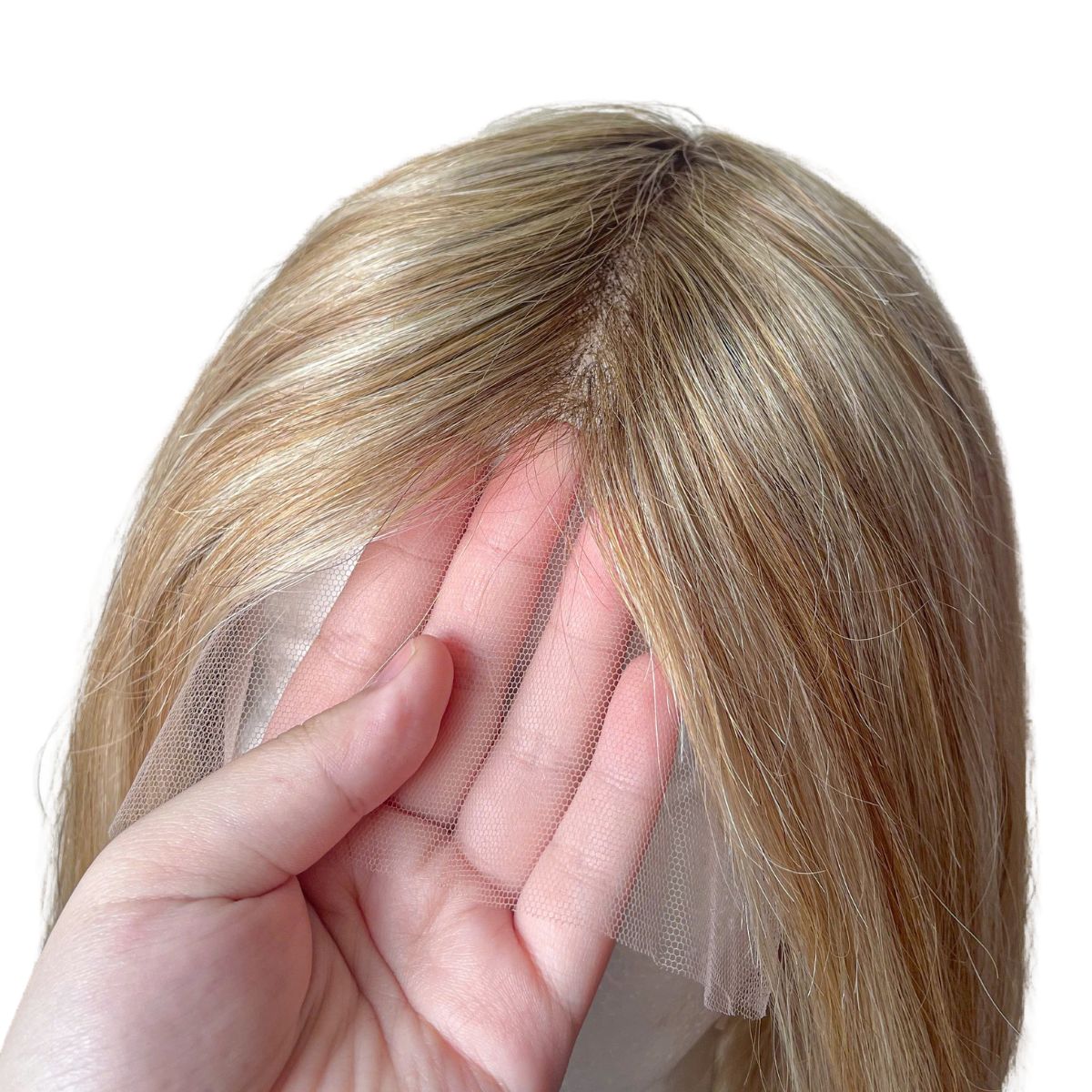
🎨 Your style, your hair — we make it exactly how you want.
Monofilament: Durability Meets Realistic Scalp
Monofilament, often called ‘Mono,’ is another popular base material known for its durability and realistic scalp appearance. It’s constructed from a fine, mesh-like material, typically nylon or polyester, woven in single strands (hence ‘mono-filament’).
Detailed Description: Unlike lace where hair is knotted onto the mesh, in many monofilament bases, hair is individually hand-tied through the mesh. This allows the hair to move freely and mimics natural hair growth from the scalp when viewed from above. The material is slightly thicker and less delicate than lace but still provides a convincing look.
- Advantages (Pros):
- Realistic Scalp Appearance: Monofilament creates a very natural-looking scalp area, making it great for parting the hair.
- Good Durability: It is considerably more durable than lace, able to withstand more wear and tear and a longer lifespan.
- Natural Hair Movement: Hair tied to monofilament can swivel more freely, mimicking natural movement.
- Comfortable Texture: High-quality monofilament can feel soft against the skin.
- Considerations (Cons):
- Less Breathable than Lace: While offering some ventilation, it’s generally not as breathable as lace due to the tighter weave.
- Hairline Definition: The edge of a monofilament base can be more noticeable than lace. For this reason, mono bases are often combined with a lace front for the best hairline appearance.
- Slightly Heavier: Can feel slightly heavier on the head compared to an all-lace system.
- Key Characteristics Table:
| Feature | Rating / Detail |
| Breathability | Good |
| Naturalness (Hairline) | Moderate (Often needs lace front) |
| Naturalness (Scalp) | High (Excellent parting area) |
| Durability | Medium |
| Typical Lifespan | 6-12 months |
| Ideal For | Balance of realism & durability |
| Scalp Sensitivity | Generally good |
- Variations: Fine Mono, Fine Welded Mono (stronger edges).
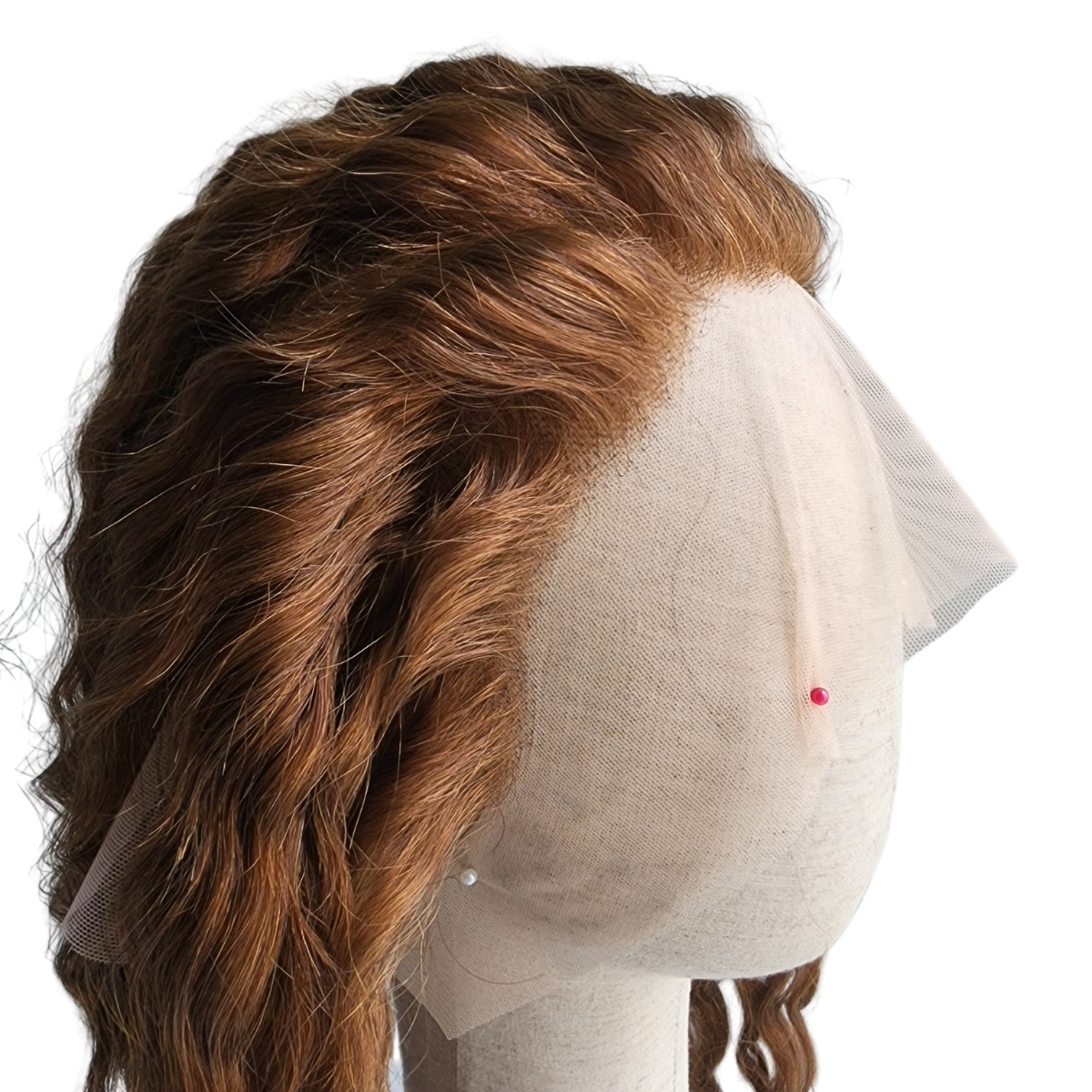
Skin (Polyurethane/PU): Seamless Scalp Illusion
‘Skin’ bases, typically made from polyurethane (PU) or sometimes silicone, are designed to mimic the appearance of the wearer’s scalp closely. They are thin, flexible layers onto which hair is attached.
Detailed Description: These bases create a very convincing illusion of hair growing directly from the scalp because the material itself looks like skin. Hair can be attached in several ways.
- Advantages (Pros):
- Highly Realistic Scalp: Can look exactly like skin, especially with injected or V-looped hair.
- Easy Application/Cleaning: The non-porous surface makes applying adhesive and cleaning residue straightforward.
- Secure Bond: Adhesives tend to bond very securely to PU bases.
- Durability (Thickness Dependent): Thicker PU bases are quite durable.
- Cost-Effective: Often more affordable than high-end lace or monofilament systems.
- Considerations (Cons):
- Limited Breathability: This is the major drawback. PU bases trap heat and sweat, which can be uncomfortable, especially in warm climates or for active individuals.
- Potential for Irritation: Lack of breathability can sometimes lead to scalp irritation for sensitive individuals.
- Can Appear Shiny: Some PU materials can have an unnatural shine if not properly matted or cared for.
- Durability (Ultra-Thin): Ultra-thin skin bases are extremely fragile and have very short lifespans, similar to or even shorter than lace.
- Hairline: Achieving a truly invisible hairline requires very thin edges or specific knotting/injection techniques.
- Key Characteristics Table:
| Feature | Rating / Detail |
| Breathability | Fair to Poor (Improved slightly with ventilation) |
| Naturalness (Hairline) | Moderate to High (depends on thickness/technique) |
| Naturalness (Scalp) | Very High (Especially injected/V-looped) |
| Durability | Low (Ultra-Thin) to High (Thicker PU) |
| Typical Lifespan | 1-8 months (Highly dependent on thickness) |
| Ideal For | Ease of maintenance, realistic scalp look |
| Scalp Sensitivity | Potential issue due to low breathability |
- Variations: Ultra-Thin Skin (0.03mm), Thin Skin (0.06-0.08mm), Medium PU, Thick PU, Silicone (less common, heavier, very durable but less realistic). Some have perforations for ventilation.
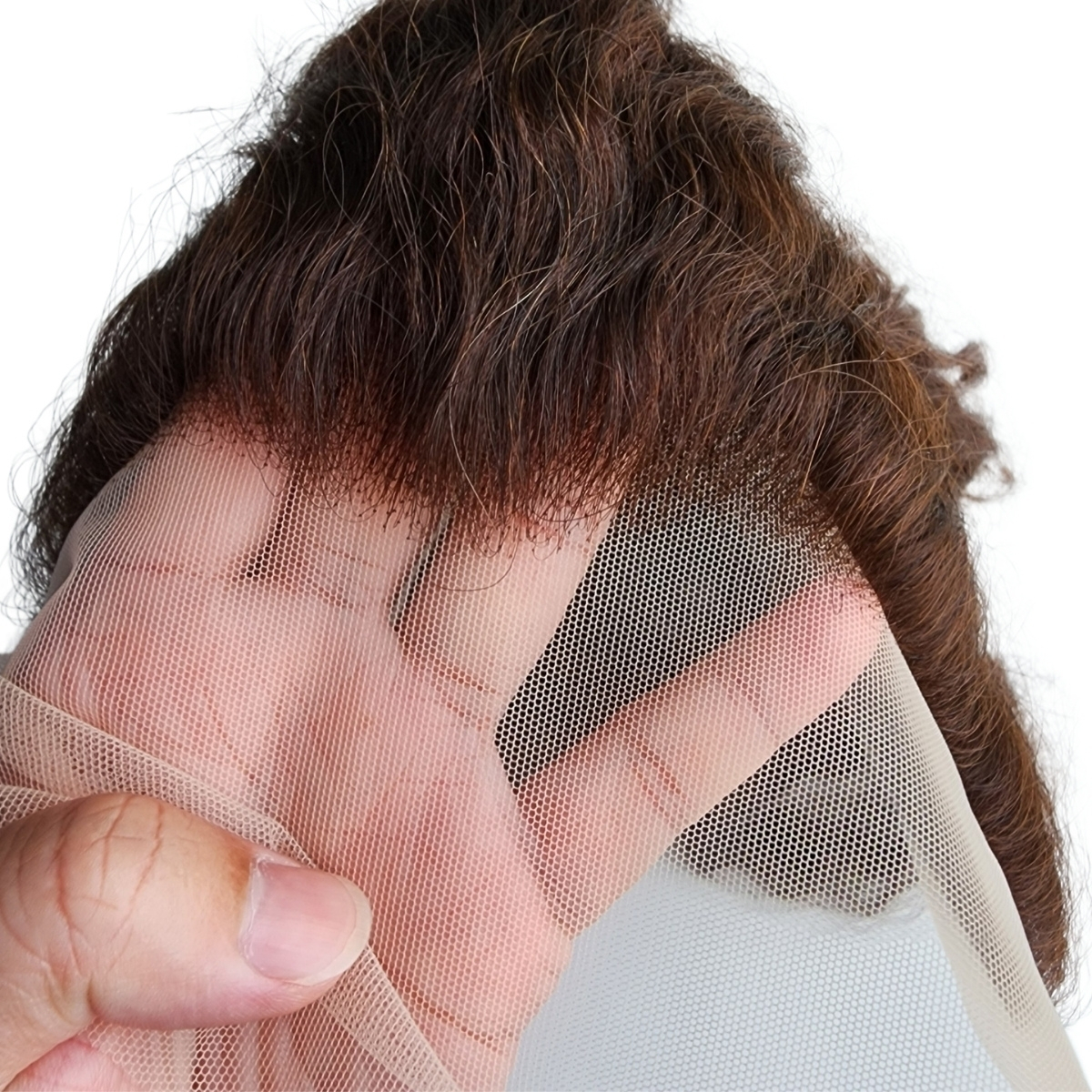
💼 Whether for personal use or salon business, custom orders are always welcome.
Combination (Hybrid) Bases: The Best of Both Worlds
As the name suggests, combination or hybrid bases incorporate two or more materials into a single hair system. This approach aims to leverage the strengths of each material while minimizing their weaknesses.
Detailed Description: These are intelligently designed bases that strategically place different materials where their benefits are most needed. A very common example is a system with a lace front for an undetectable hairline, a monofilament top for parting versatility and scalp appearance, and a polyurethane perimeter for easy adhesive application and durability.
- Advantages (Pros):
- Optimized Performance: Tailored to offer the best balance of natural appearance (e.g., lace front), durability (e.g., mono top), and ease of use (e.g., PU perimeter).
- Customized Solutions: Can be designed to meet very specific wearer needs and preferences.
- Addresses Weaknesses: For example, adding a PU perimeter reinforces the edges of a delicate lace or mono base, making it easier to handle and bond securely.
- Considerations (Cons):
- Complexity: Can be more complex in construction and potentially in care (different areas might need slightly different handling).
- Cost: Often more expensive than single-material bases due to the intricate construction.
- Potential Transition Points: Depending on construction quality, seams between materials could potentially be felt or visible if not expertly made.
- Key Characteristics Table:
| Feature | Rating / Detail |
| Breathability | Varies (Depends on materials used) |
| Naturalness (Hairline) | Often Very High (if using Lace) |
| Naturalness (Scalp) | Often High (if using Mono/Skin) |
| Durability | Often Medium to High |
| Typical Lifespan | Varies (e.g., 4-10 months) |
| Ideal For | Users seeking specific blended benefits |
| Scalp Sensitivity | Varies (Depends on materials used) |
- Common Combinations: Lace Front + Mono Top + PU Perimeter; Lace Front + Skin Top/Body; Full Lace with PU Perimeter Tabs.
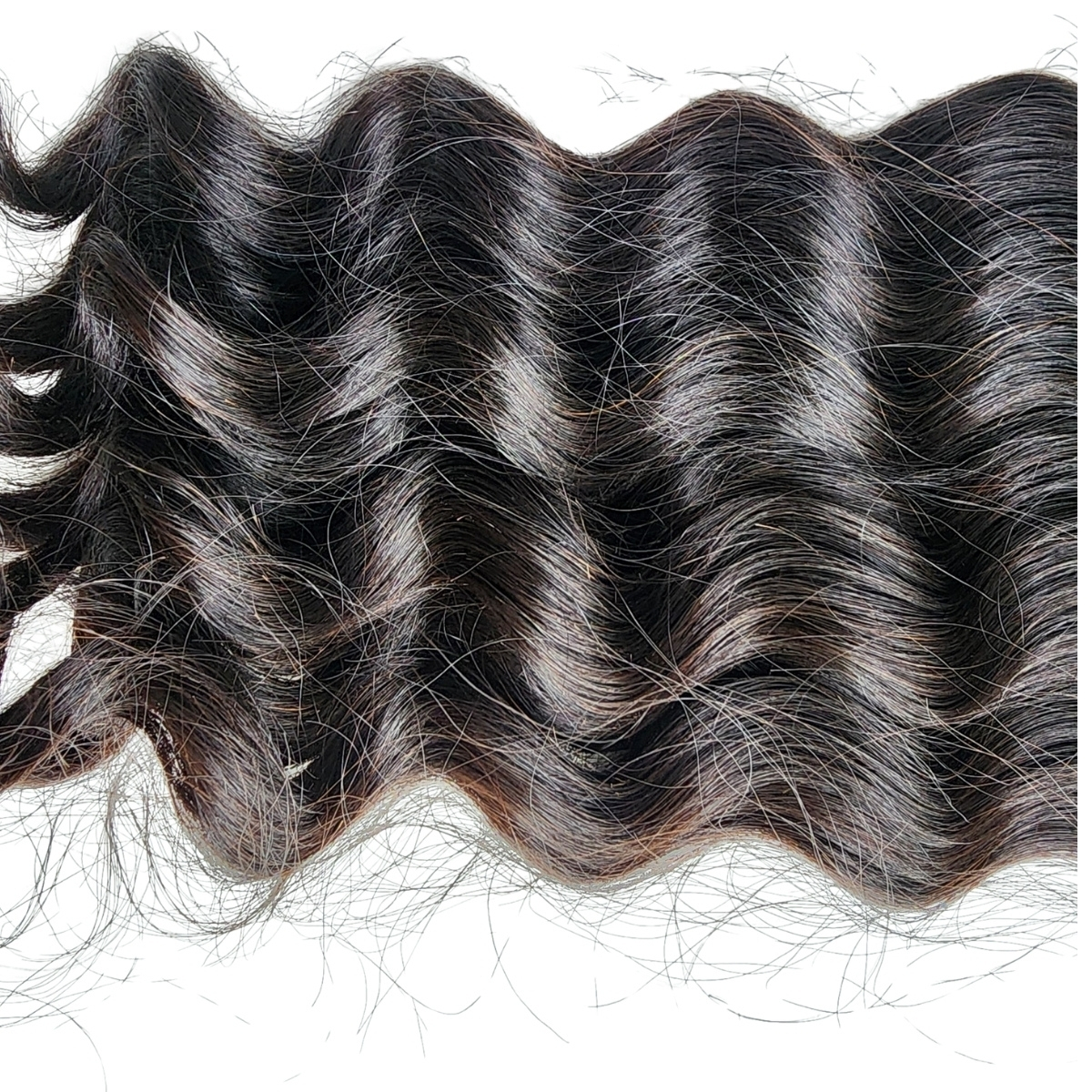
🌸 Lightweight, breathable, and stylish — discover the perfect topper just for you.
Wefted Bases: Traditional Volume and Affordability
While less common today for high-end, full-scalp custom hair systems aiming for total undetectability (compared to lace, mono, skin), wefted constructions are still prevalent, especially in traditional wigs and hair integration pieces.
Detailed Description: In a wefted base, curtains of hair (wefts) are sewn, either by machine or hand, onto rows of material, often strips of fabric or elasticated bands, forming the base structure. The cap itself might be made of various materials, including stretchable fabrics or a mesh, sometimes with features like a lace front or monofilament part added.
- Advantages (Pros):
- Cost-Effective: Generally the most affordable type of base construction.
- Volume and Density: Wefting allows for a lot of hair to be packed in, creating natural volume and density easily.
- Durability: Machine-wefted caps are typically quite durable.
- Good Airflow (Open Wefting): Caps with open wefting (spaces between the wefts) can offer reasonable breathability.
- Considerations (Cons):
- Less Natural Appearance: The scalp appearance is generally not as realistic as hand-tied lace or monofilament bases, as the wefts can be visible. Hair movement can also be less natural.
- Bulkiness: Can sometimes feel bulkier or heavier than hand-tied options.
- Limited Styling: Parting options are often restricted unless combined with a mono top/part. The hairline is typically less natural unless enhanced with a lace front.
- Potential Discomfort: The structure of the wefts can sometimes feel less comfortable against the scalp compared to smoother base types.
- Key Characteristics Table:
| Feature | Rating / Detail |
| Breathability | Moderate (Better with open wefting) |
| Naturalness (Hairline) | Fair (Improved with added lace front) |
| Naturalness (Scalp) | Fair to Moderate |
| Durability | Medium to High |
| Typical Lifespan | 3-9 months |
| Ideal For | Volume, affordability, integration pieces |
| Scalp Sensitivity | Can vary, structure might be felt |
👨🦱 Ready to wear and natural-looking — explore our men’s stock hairpieces today!
Hairpiece Base Material Comparison
To assist in making an informed decision, here’s a comprehensive comparison of the most popular hairpiece base materials:
| Feature | Lace | Skin (PU/Silicone) | Monofilament |
| Breathability | Excellent | Poor | Moderate |
| Naturalness | Very High | High | High |
| Durability | Low | Moderate | Moderate |
| Attachment | Adhesive/Tape | Adhesive/Tape | Adhesive/Clips |
| Cost | Moderate | Low to Moderate | Moderate to High |
| Maintenance | High | Low | Moderate |
| Lifespan | 2-4 Months | 3-6 Months | 4-8 Months |
| Scalp Sensitivity | Excellent | May Cause Irritation | Good |
| Best For | Active, Warm Climate | Durability, Easy Use | Versatility, Style |
🏭 With over 25 years of experience, we’re your trusted OEM partner.
Choosing the Right Base for Your Lifestyle
The ideal hairpiece base material depends on your individual needs and lifestyle. Consider the following factors:
- Activity Level: If you’re active or live in a warm climate, lace is an excellent choice for breathability.
- Skin Sensitivity: If you have a sensitive scalp, lace or monofilament may be more comfortable than skin.
- Maintenance Preference: If you prefer low-maintenance options, skin bases are easy to clean and maintain.
- Budget: Lace and skin bases are generally more affordable than monofilament.
- Desired Naturalness: HD Lace and ultra-thin skin bases offer the most natural appearance.
Guidance: Phucthien offers personalized consultations to help you assess your needs and find the perfect hairpiece base material.

Care and Maintenance for Longevity
Proper care and maintenance can significantly extend the lifespan of your hairpiece. Here are some general tips:
- Washing: Use a mild shampoo and conditioner specifically designed for hairpieces.
- Detangling: Gently detangle the hair with a wide-tooth comb, starting from the ends and working your way up.
- Drying: Allow the hairpiece to air dry or use a low-heat hairdryer.
- Storage: Store the hairpiece on a wig stand or in a protective case to maintain its shape.
- Adhesive Removal: Use a gentle adhesive remover to avoid damaging the base material.
Material-Specific Care:
- Lace: Avoid harsh chemicals and excessive pulling, as this can damage the delicate lace.
- Skin: Clean the skin base regularly to prevent buildup of oils and debris.
- Monofilament: Be gentle when styling to avoid damaging the hand-tied hairs.

Design your fit: Learn about Custom Base Design Options and Custom Base Size and Shape with advanced Custom Ventilation Patterns
Phucthien: Your Partner in Hair Restoration
At Phucthien, we are committed to providing high-quality hairpieces and exceptional customer service. We understand that choosing the right hairpiece can be overwhelming, which is why we offer personalized consultations and expert guidance.
Our Commitment:
- Quality: We use only the finest materials and craftsmanship to create our hairpieces.
- Selection: We offer a wide range of base materials, hair types, and styles to meet your unique needs.
- Support: Our team of experts is available to answer your questions and provide ongoing support.
Contact Phucthien today for a free consultation and discover the perfect hairpiece to transform your look and boost your confidence. Our products are suitable for various aesthetics such as, African American Hair Replacement, European Hair Systems and Asian Hair systems.
🤝 Contact us now to start your private-label hair system business!
Phuc Thien Toupee Co., Ltd
Design Brand: Royal Hair Vietnam
Office Address:
🏢 Room A909, Decapella Building, 116 Luong Dinh Cua Street, An Khanh Ward, Thu Duc City, Ho Chi Minh City 700000, Vietnam
Factory Address:
🏭 No. 26/9, Street 57, Thuong Hamlet, Tan Thong Hoi Ward, Cu Chi District, Ho Chi Minh City 700000, Vietnam
Email: ✉️ phucthientoupeevn@gmail.com
Phone / WhatsApp: 📞 +84 933 901 196
Websites: 🌐 phucthientoupee.com – 🌐 royalhair.shop



