

- 30/06/2025
- Posted by: phucthien
- Category: Blog

Want to instantly transform your wig and elevate your style? Learning how to cut bangs on a wig is the perfect way to achieve a personalized, natural-looking hairstyle. Bangs can frame your face, highlight your best features, and add a touch of flair. Discover the magic of wig customization and unlock your dream hairstyle with these easy steps.
This comprehensive guide will equip you with the knowledge and confidence to cut bangs on any wig, from synthetic to lace front, achieving salon-worthy results right at home. Get ready to explore the world of wig styling and create a look that’s uniquely you. We’ll cover everything from essential tools to cutting techniques, and even offer tips for styling different types of bangs. Let’s dive into wig trimming techniques and fringe customization and discover the art of synthetic hair styling.
Preparing to Cut Bangs on Your Wig
Before you even think about picking up a pair of scissors, proper preparation is key to achieving a natural and flattering finish. This stage is about setting the stage for success, ensuring you have the right tools, a clear plan, and a steady hand.
✂️ Be unique — create your custom-made toupee today!
Gathering Essential Tools: Your Wig-Styling Arsenal
Having the right tools can make all the difference between a professional-looking cut and a potential wig disaster. Here’s a breakdown of the essential tools you’ll need:
- Wig Head or Mannequin: A Styrofoam or canvas wig head is crucial for holding your wig securely while you work. Look for one with a clamp to attach it to a table for added stability. (Average cost: \$10-30)
- T-Pins: These pins will help secure the wig to the head, preventing it from slipping or moving during the cutting process. (Approx. \$5 for a pack)
- Sharp Scissors: Invest in a pair of sharp, professional-grade hair-cutting shears. Dull scissors will tug and damage the wig fibers, resulting in uneven and choppy bangs. (Professional shears: \$30-100, but you can find decent ones for around \$40)
- Thinning Shears (Optional): These shears have teeth that remove some of the bulk from the bangs, creating a softer, more natural look. If you’re aiming for wispy or textured bangs, thinning shears are a must-have. (Around \$20-50)
- Comb: A fine-tooth comb is essential for sectioning the hair and ensuring a clean, even cut.
- Hair Clips: Use clips to keep the rest of the wig hair out of the way while you’re focusing on the bangs.
- Measuring Tape or Ruler: This will help you determine the desired length of your bangs and ensure they are even on both sides.
- Spray Bottle with Water: Lightly misting the wig hair with water will make it easier to work with and prevent static.
- Mirror: A large mirror is essential for seeing the overall shape and length of the bangs as you cut.
- Hair Dryer (Optional): If you want to style the bangs after cutting them, a hair dryer with a diffuser attachment can be helpful.
Pro Tip From Phuc Thien: Always clean and sanitize your tools before and after each use to prevent the spread of bacteria and maintain the quality of your wig.

Customize your look: Follow Wig Styling Tutorials with the right Wig Styling Tools
Choosing Your Bang Style: From Classic to Trendy
Before you start cutting, it’s important to decide on the type of bangs you want to achieve. Here are some popular styles to consider:
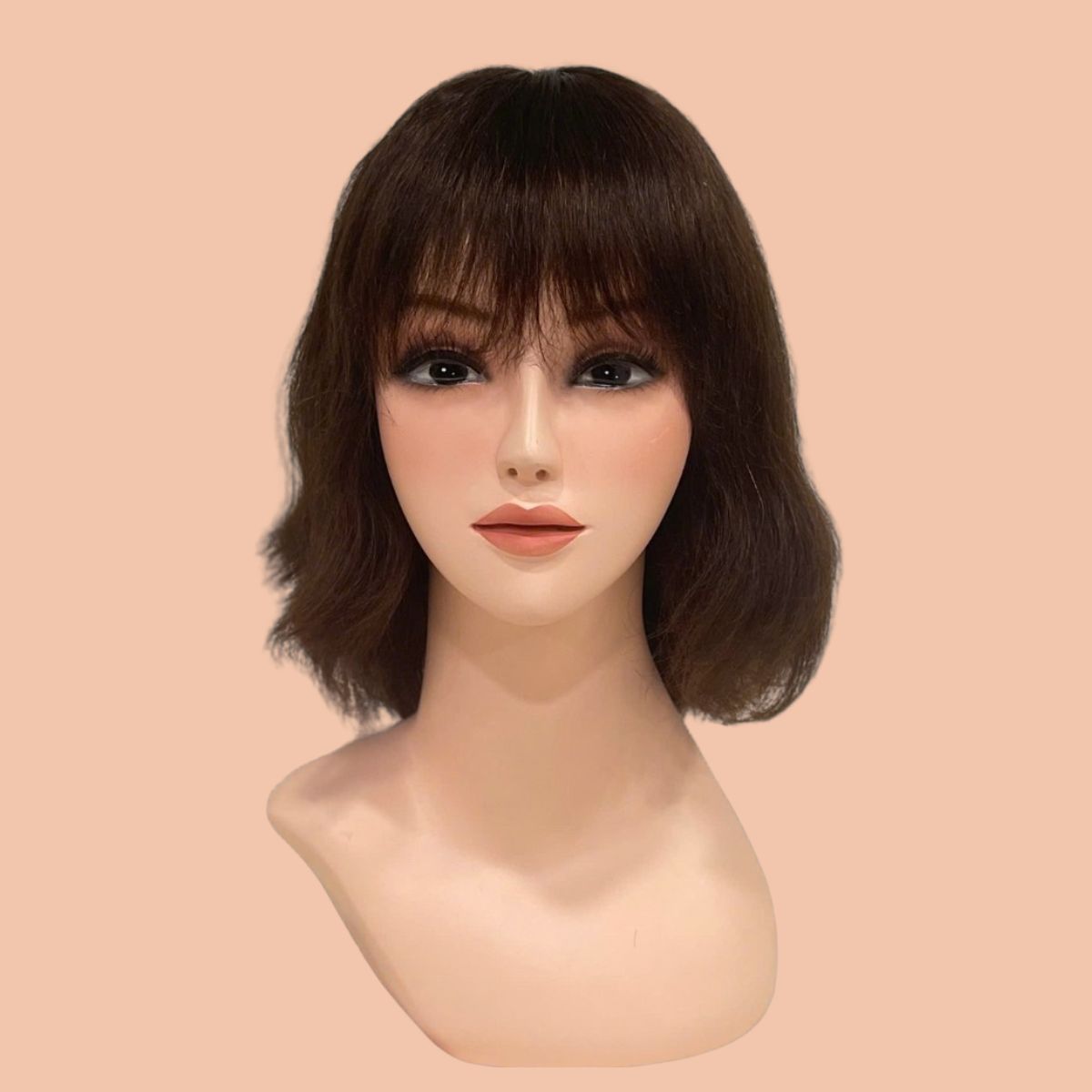
- Straight Bangs: These bangs are cut straight across the forehead and can be blunt or slightly textured. They work well with most face shapes but can be particularly flattering on oval and heart-shaped faces.
- Side-Swept Bangs: These bangs are angled to one side and can be worn long or short. They are a versatile option that can soften angular features and add a touch of elegance.
- Curtain Bangs: These bangs are parted in the middle and frame the face like curtains. They are a trendy and low-maintenance option that suits a variety of face shapes.
- Wispy Bangs: These bangs are thin and delicate, with lots of texture and movement. They are a great option for adding softness and femininity to your look.
- Micro Bangs: These are very short bangs, typically cut an inch or two above the eyebrows. They’re a bold and edgy choice.
Consider Your Face Shape: This is important!
- Oval: Lucky you! Most bang styles will suit an oval face shape.
- Round: Opt for angled or side-swept bangs to add dimension. Avoid blunt, heavy bangs that can make your face appear wider.
- Square: Soften your jawline with wispy or curtain bangs.
- Heart: Balance a wider forehead with longer, side-swept bangs.
- Long: Shorter, straight bangs can help make your face appear less elongated.
Example: Let’s say you have a round face. A study in the Journal of Cosmetic Science showed that asymmetrical hairstyles, including side-swept bangs, can create the illusion of a slimmer face.
Preparing the Wig: Washing, Drying, and Placement
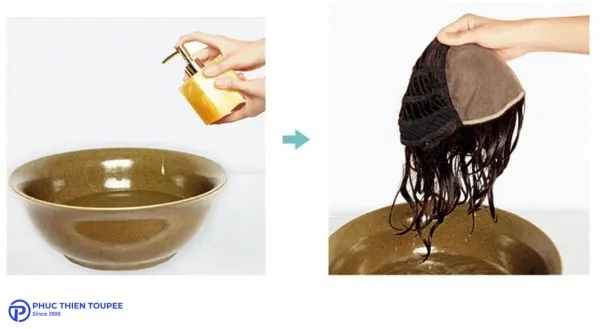
- Wash and Condition: Gently wash your wig with a wig-specific shampoo and conditioner. This will remove any product buildup and make the fibers easier to work with.
- Dry the Wig: Allow the wig to air dry completely on a wig stand. Avoid using heat styling tools on synthetic wigs, as they can damage the fibers. Human hair wigs can be blow-dried on a low heat setting.
- Secure the Wig: Place the dried wig on the wig head and secure it with T-pins. Make sure the wig is positioned correctly, with the hairline aligned with the natural hairline.
Key Statistic: According to a survey by the American Hair Loss Association, proper wig care, including washing and drying techniques, can extend the lifespan of a wig by up to 50%.
Sectioning and Measuring Your Bangs: Precision is Paramount
Accurate sectioning and precise measurement are critical for achieving symmetrical and well-proportioned bangs. This is where your attention to detail will truly shine.
Determining the Bang Section: Where to Start
The size and shape of the section you create will determine the overall look of your bangs.
- The Triangle Method: A common technique is to create a triangle section at the front of the wig. The base of the triangle should start at the temples, and the point should extend back towards the crown of the head. The size of the triangle will depend on the desired thickness of the bangs.
- The Arc Method: Another option is to create an arc-shaped section that follows the natural curve of the hairline. This method is ideal for creating soft, face-framing bangs.
- The Box Method: For thicker, bolder bangs, create a rectangular or box-shaped section.
Phuc Thien’s Tip: Use a comb to create clean, precise partings. The sharper your partings, the more defined your bangs will be.
Measuring Bang Length: Finding the Perfect Fit
- Eyebrow Length: For classic bangs, aim for a length that falls just at or slightly below the eyebrows. This length is universally flattering and easy to style.
- Cheekbone Length: For side-swept bangs, consider a length that reaches the cheekbones. This will create a soft, face-framing effect.
- Chin Length: For longer, curtain bangs, the length can extend down to the chin.
Pro Tip: Always err on the side of caution and cut less hair than you think you need. You can always trim more, but you can’t put hair back on a wig.
Example: If you want eyebrow-length bangs, measure from the hairline to the eyebrows using a measuring tape. Add an extra half-inch for wiggle room and potential trimming later.
🎨 Your style, your hair — we make it exactly how you want.
Securing the Section: Keeping Things in Place
Use hair clips to secure the rest of the wig hair away from the bang section. This will prevent accidental snips and ensure a clean, even cut. Double-check that all the hair is out of the way before proceeding.
Expert Advice: Work in a well-lit area to ensure you can see the hair clearly and avoid making mistakes. Natural light is ideal, but if that’s not available, use a bright, overhead light.
Cutting Techniques for Different Bang Styles: Mastering the Art
Now for the exciting part – actually cutting the bangs! This section will guide you through specific techniques for achieving different bang styles, ensuring you get the look you desire.
Cutting Straight Bangs: The Classic Approach
- Dampen the Hair: Lightly mist the bang section with water to make it easier to work with.
- Comb Through: Use a fine-tooth comb to comb through the hair, removing any tangles or knots.
- Point Cutting: Hold the scissors vertically and use a point-cutting technique to create a soft, textured edge. Point cutting involves making small, angled snips into the hair, rather than cutting straight across.
- Check for Symmetry: After cutting, check the bangs for symmetry by comparing the length on both sides. Make any necessary adjustments.
- Fine-Tune: Use thinning shears to remove some of the bulk from the bangs, creating a more natural look.
Statistic: A study by Statista found that straight bangs are consistently among the most popular bang styles, accounting for approximately 30% of all bang styles requested in salons.
Example: Imagine you’ve cut your straight bangs a bit too bluntly. Using point-cutting, hold the scissors almost vertically and snip small V-shapes into the ends. This breaks up the harsh line and creates a softer edge.
Cutting Side-Swept Bangs: The Soft and Elegant Look
- Determine the Angle: Decide which direction you want the bangs to sweep. Typically, side-swept bangs are angled towards the cheekbone.
- Cut on an Angle: Hold the scissors at a 45-degree angle and cut the hair in a diagonal line, starting at the shortest point and gradually increasing the length towards the longest point.
- Blend the Bangs: Use thinning shears to blend the bangs into the rest of the hair, creating a seamless transition.
- Style and Refine: Use a round brush and hairdryer to style the bangs, sweeping them to the side and adding volume.
Pro Tip: When cutting side-swept bangs, start with a longer length than you think you need. You can always trim more, but it’s difficult to add length back in.
Benefit: Side-swept bangs are incredibly versatile and can be adapted to suit a wide range of face shapes and hair textures.
Cutting Curtain Bangs: The Trendy Face-Framers
- Part the Hair: Create a center part in the bang section.
- Determine the Length: Decide how long you want the bangs to be. Curtain bangs typically fall between the cheekbones and the chin.
- Cut the Center Section: Hold the scissors vertically and point-cut the hair in the center section to the desired length.
- Angle the Sides: Gradually angle the scissors outwards as you move towards the sides of the bang section, creating a soft, face-framing effect.
- Blend the Bangs: Use thinning shears to blend the bangs into the rest of the hair, creating a seamless transition.
Insight: Curtain bangs have experienced a resurgence in popularity in recent years, driven by their effortless chic and ability to complement a variety of hairstyles.
Example: After cutting the initial center section of your curtain bangs, you notice they look a bit too blunt. Use your thinning shears to gently remove some weight from the ends, creating a softer, more feathered look.
Cutting Wispy Bangs: The Light and Airy Style
- Thin the Hair: Use thinning shears to remove a significant amount of bulk from the bang section. The goal is to create a very light and airy look.
- Point Cut Sparingly: Use point-cutting to create a textured edge, but be careful not to overdo it. The key is to maintain a soft and delicate look.
- Check for Balance: After cutting, check the bangs for balance and symmetry. Make any necessary adjustments.
- Style with Texture: Use a texturizing spray or mousse to add volume and definition to the bangs.
Phuc Thien’s Recommendation: Wispy bangs are a great option for those who want to experiment with bangs without committing to a heavy or dramatic look.
🔍 Looking for a specific size, base, or hair color? Order a fully personalized toupee now!
Handling Synthetic vs. Human Hair Wigs: The Material Matters
- Synthetic Wigs: Synthetic fibers are less forgiving than human hair. It’s generally recommended to cut synthetic wigs when they are dry, as the fibers can shrink when wet. Use sharp scissors specifically designed for synthetic hair. Avoid using heat styling tools on most synthetic wigs, as they can melt or damage the fibers.
- Human Hair Wigs: Human hair wigs can be cut and styled just like natural hair. You can cut them wet or dry, depending on your preference. Use high-quality hair-cutting shears and heat styling tools as needed.
Important Note: Always check the manufacturer’s instructions for your specific wig, as care and styling recommendations may vary depending on the type of fiber and construction.
Styling and Finishing Your Bangs: The Perfect Polish
Cutting is only half the battle. Styling and finishing your bangs are essential for achieving a polished and natural-looking result.
Washing and Drying After Cutting: A Gentle Approach
- Gentle Wash: After cutting, gently wash your wig with a wig-specific shampoo and conditioner. This will remove any loose hairs and product buildup.
- Air Dry Preferred: Allow the wig to air dry completely on a wig stand. Avoid using heat styling tools on synthetic wigs. Human hair wigs can be blow-dried on a low heat setting.
- Shape as You Dry: While the wig is drying, gently shape the bangs with your fingers or a comb to help them fall in the desired direction.
Tip From Phuc Thien: A leave-in conditioner can help keep the wig fibers hydrated and prevent frizz.
Styling with Heat (Human Hair Wigs Only)
If you have a human hair wig, you can use heat styling tools to add volume and shape to your bangs.
- Heat Protectant: Always use a heat protectant spray before using heat styling tools to prevent damage.
- Round Brush and Dryer: Use a round brush and hairdryer to create volume and shape. Roll the bangs around the brush and direct the heat from the dryer at the roots.
- Flat Iron: Use a flat iron to smooth and straighten the bangs, or to create a sleek, polished look.
- Curling Iron: Use a curling iron to create soft waves or curls in the bangs.
Warning: Be careful not to overheat the wig fibers, as this can cause damage. Use a low heat setting and work in small sections.

Styling Without Heat (Synthetic and Human Hair)
Even without heat, you can still create beautiful and stylish bangs.
- Texturizing Products: Use texturizing sprays, mousses, or creams to add volume and definition.
- Finger Styling: Use your fingers to shape and style the bangs. Scrunching, twisting, or lifting the hair can create texture and movement.
- Hair Clips: Use hair clips to hold the bangs in place while they dry, creating a desired shape or style.
- Wig Spray: Use a wig spray to hold the style in place and prevent frizz.
Example: For wispy bangs on a synthetic wig, apply a small amount of texturizing mousse to your fingertips and gently scrunch the bangs to create a tousled, natural look.
Maintaining Your Bangs: Keeping Them Fresh and Fabulous
- Regular Trims: Trim your bangs every few weeks to maintain their shape and length.
- Proper Storage: Store your wig on a wig stand or in a wig box to prevent tangling and damage.
- Wig Care: Follow the manufacturer’s instructions for washing and caring for your wig.
Key Point: With proper care and maintenance, your wig bangs can look fabulous for months to come.
✨ A toupee shouldn’t just hide hair loss — make it a style statement!
Troubleshooting and Common Mistakes
Even with careful preparation and execution, mistakes can happen. This section will address some common challenges and provide solutions to help you achieve a flawless finish.
Uneven Bangs: Identifying and Correcting Asymmetry
- Problem: One side of the bangs is longer than the other.
- Solution: Carefully trim the longer side to match the shorter side. Use a comb to ensure a straight and even cut.
Important: Always double-check your work in a mirror to ensure symmetry.
Bangs Are Too Thick: Reducing Bulk and Creating Texture
- Problem: The bangs are too heavy and overwhelming.
- Solution: Use thinning shears to remove some of the bulk from the bangs. Focus on the roots and mid-shaft, avoiding the ends.
Phuc Thien’s Insight: Thinning shears are your best friend when it comes to creating soft, natural-looking bangs.
Bangs Are Too Short: A Temporary Setback
- Problem: The bangs are shorter than desired.
- Solution: Unfortunately, you can’t add hair back on a wig. If the bangs are only slightly too short, you can try styling them differently or using hair accessories to camouflage the length. If they are significantly too short, you may need to consider a different wig or consult a professional wig stylist.
Lesson Learned: Always err on the side of caution and cut less hair than you think you need.
Bangs Are Frizzy or Unruly: Taming the Fibers
- Problem: The bangs are frizzy, dry, or difficult to style.
- Solution: Use a wig-specific serum or oil to hydrate and smooth the fibers. Avoid using harsh chemicals or heat styling tools, as these can further damage the wig.
Expert Tip: A small amount of hairspray can help tame flyaways and keep the bangs in place.
Seeking Professional Help: When to Call in the Experts
If you’re feeling overwhelmed or unsure about cutting bangs on your wig, don’t hesitate to seek professional help from a wig stylist. A stylist can assess your wig, discuss your desired look, and create a customized bang style that perfectly complements your face shape and features.
Remember: There’s no shame in seeking professional help. It’s better to invest in a professional service than to risk damaging your wig.
Pro cutting tips: Master Hairpiece Cutting and Styling and enhance your Wig Customization skills
Conclusion: How To Cut Bangs On A Wig
Learning how to cut bangs on a wig is a rewarding skill that can transform your look and boost your confidence. By following these detailed steps and tips, you can achieve salon-worthy results right at home. Remember to take your time, be patient, and don’t be afraid to experiment. With a little practice, you’ll be able to create a variety of bang styles that perfectly suit your individual style and personality. So go ahead, unleash your creativity, and embrace your new look!
Phuc Thien Toupee Co., Ltd
Design Brand: Royal Hair Vietnam
Office Address:
🏢 Room A909, Decapella Building, 116 Luong Dinh Cua Street, An Khanh Ward, Thu Duc City, Ho Chi Minh City 700000, Vietnam
Factory Address:
🏭 No. 26/9, Street 57, Thuong Hamlet, Tan Thong Hoi Ward, Cu Chi District, Ho Chi Minh City 700000, Vietnam
Email: ✉️ phucthientoupeevn@gmail.com
Phone / WhatsApp: 📞 +84 933 901 196
Websites: 🌐 phucthientoupee.com – 🌐 royalhair.shop



