

- 28/06/2025
- Posted by: phucthien
- Categories: Blog, Styling, Color & Lifestyle, Wigs & Full-Cap Hairpieces

How to Style a Synthetic Wig: 7 Tips For Natural Looks
Style a synthetic wig can be a fun and affordable way to experiment with different looks.
1. Choosing the Right Synthetic Wig
Selecting the right wig is the foundation for achieving a natural look. Fiber Quality: Opt for high-quality synthetic fibers that mimic the texture and movement of human hair.

2. Customizing the Hairline
The hairline is a key factor in achieving a natural look.
- Plucking the Hairline: Purpose: Plucking creates a less dense and more irregular hairline, mimicking natural hair growth. How-To: Use tweezers to gently pluck hairs along the hairline, focusing on creating a gradual density.
- Bleaching the Knots (Lace Front Wigs): Purpose: Bleaching the knots on a lace front wig makes them less visible, creating the illusion of hair growing directly from the scalp. Mix a bleach powder and developer according to the manufacturer’s instructions.
- Using Skin-Toned Concealer or Foundation: Purpose: Concealer or foundation can help blend the lace with your skin tone, further enhancing the natural appearance. Apply a thin layer of concealer or foundation to the underside of the lace, matching your skin tone.
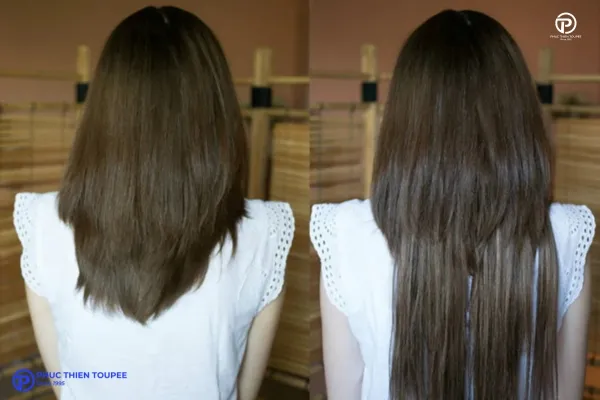
3. Trimming and Layering
Synthetic wigs often come with a generic, one-size-fits-all cut. Trimming and layering can personalize the wig and make it look more natural.
- Determining the Right Length: Consider Your Face Shape: Different lengths flatter different face shapes. Think About Your Lifestyle: Consider your lifestyle and how much maintenance you’re willing to commit to.
- Adding Layers: Purpose: Layers add movement, volume, and dimension to the wig, creating a more natural look. Place the wig on a wig stand.
- Thinning Out the Wig: Purpose: Synthetic wigs can sometimes be too thick, making them look unnatural. Thinning out the wig removes excess bulk and creates a more realistic density.

4. Styling Without Heat
Heat can damage synthetic fibers, so it’s best to style your wig without heat whenever possible.
- Using Rollers: Purpose: Rollers can create curls, waves, and volume without heat.
- Braiding: Purpose: Braiding can create waves and crimps without heat.
- Pin Curls: Purpose: Pin curls create defined curls without heat.
5. Styling with Heat (Use with Caution)
While heat can damage synthetic fibers, some heat-resistant wigs can be styled with low heat.
- Choosing the Right Heat Tools: Temperature Control: Use heat tools with adjustable temperature settings.
- Protecting the Fibers: Heat Protectant Spray: Apply a heat protectant spray specifically designed for synthetic wigs before using any heat tools. Test Strand: Before styling the entire wig, test the heat on a small, inconspicuous strand to ensure it doesn’t melt or frizz.
- Styling Techniques: Quick Passes: Use quick, fluid motions to avoid overheating any one section of the wig. Avoid Prolonged Heat: Do not hold the heat tool in one place for an extended period.
6. Adding Texture and Volume
Texture and volume can make a synthetic wig look more natural and stylish.
- Teasing or Backcombing: Purpose: Teasing or backcombing adds volume and lift to the wig. Hold a section of hair up and comb it towards the roots in short, quick strokes.
- Using Texturizing Sprays or Powders: Purpose: Texturizing sprays and powders add grip and definition to the hair, creating a more natural texture.
- Dry Shampoo: Purpose: Dry shampoo absorbs excess oil and adds volume to the wig. Spray the dry shampoo onto the roots of the wig. Choose a dry shampoo specifically designed for synthetic hair.
7. Securing and Blending
A well-secured and blended wig is essential for a natural and comfortable look.
- Using Wig Caps: Purpose: Wig caps protect your natural hair, create a smooth surface for the wig, and help it stay in place.
- Adjusting the Wig: Purpose: Adjusting the wig ensures a secure and comfortable fit. Place the wig on your head, aligning the hairline with your natural hairline.
- Blending with Your Natural Hair (If Applicable): Purpose: Blending the wig with your natural hair can create a more seamless and natural look.
Blending with Your Natural Hair (If Applicable)
| Technique | Purpose | How-To | Tips |
| Using Wig Caps | Protects natural hair, creates a smooth surface, and helps the wig stay in place | Flatten your natural hair; place the wig cap over your hair; adjust the cap for a snug fit. | Choose a wig cap that matches your skin tone; use multiple wig caps. |
| Adjusting the Wig | Ensures a secure and comfortable fit | Place the wig on your head, aligning the hairline; adjust the straps and combs; use bobby pins to secure loose areas. | Experiment with different positions; trim the lace front for a custom fit. |
| Blending with Natural Hair (If Applicable) | Creates a more seamless and natural look | Leave out a small section of your natural hair along the hairline; blend this section with the wig; use heat (if the wig is heat-resistant) to style the blended section. | Choose a wig color that closely matches your natural hair color; use a root concealer to blend any color differences. |