

- 11/05/2025
- Posted by: phucthien
- Category: Blog
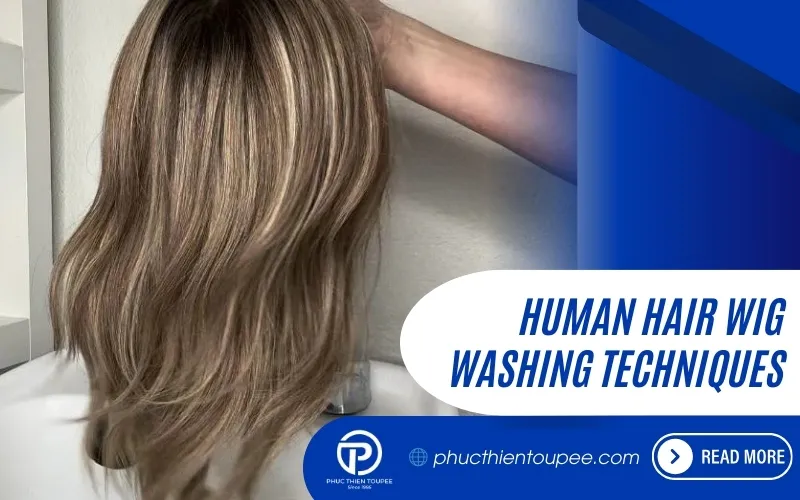
Wig washing techniques are essential for maintaining the beauty and longevity of your hairpieces. Discover how to cleanse and care for your wigs properly, ensuring they always look their best. This comprehensive guide from Phucthien will walk you through proven methods and best practices for both human hair and synthetic wigs. Proper hairpiece care, wig maintenance, hair system cleaning.
Why Proper Wig Washing Techniques Are Crucial
Wigs are investments, and like any investment, they require care to maintain their value. Neglecting wig washing leads to several undesirable consequences.
- Reduced Lifespan: Accumulated dirt, oils, and styling products degrade the wig fibers, causing them to become brittle and break. Regularly washing prevents this.
- Unpleasant Odors: Buildup of sweat and oils creates a breeding ground for bacteria, leading to unpleasant odors.
- Dull Appearance: Dirt and product residue make the wig look dull and lifeless. Washing restores its shine and vibrancy.
- Scalp Irritation: For those who wear wigs directly on their scalp, a dirty wig can transfer irritants, leading to itching and discomfort.
According to a study by the American Academy of Dermatology, maintaining a clean scalp and hair environment is crucial for overall hair health. This principle extends to wig care as well.

Cleanse with confidence: Master Human Hair Wig Care for lasting beauty and vibrant Wig Coloring
How Often Should You Wash Your Wig?
Determining the optimal frequency for washing your human hair wig is a common question, and the answer isn’t one-size-fits-all. Unlike natural hair that receives constant oils from the scalp, wigs only accumulate external elements and products. Washing too often can strip the hair and potentially shorten its lifespan, while not washing enough leads to build-up, dullness, and potential odor. Finding the right balance is key for wig longevity and appearance.
Phucthien recommends considering these factors:
- Frequency of Wear: This is the most significant factor.
- Daily Wear: If you wear your wig every day, washing it every 7-10 days (or wears) is a good starting point.
- Occasional Wear: If you wear your wig only a few times a week or for special occasions, you can extend the time between washes to 10-15 wears or even longer.
- Styling Product Usage: Heavy use of hairsprays, gels, mousses, or serums will cause build-up more quickly.
- Heavy Product Use: If you use sticky or heavy products daily, you might need to wash your wig closer to the 7-wear mark.
- Light/No Product Use: If you use minimal or no styling products, you can likely stretch the time between washes towards the 14-wear mark or beyond.
- Environment: Where you wear your wig matters.
- Exposure to Strong Odors/Pollutants: If you’re frequently in environments with smoke, heavy cooking smells, dust, or high pollution, your wig will absorb these elements and require more frequent washing.
- Clean Environments: Primarily indoor or clean-air environments allow for longer intervals between washes.
- Lifestyle and Activity Level:
- Active Lifestyle: If you perspire significantly while wearing your wig (e.g., during light exercise, in hot climates), sweat and oils can transfer to the cap, necessitating more frequent washing for hygiene.
- Sedentary Lifestyle: Less perspiration generally means less frequent washing is needed from a hygiene perspective.
- Personal Sensitivity and Preference: Some individuals are more sensitive to the feeling of build-up or potential odors and may prefer to wash their wig more frequently, even if it doesn’t appear visibly dirty. Trust your senses – if the wig starts to feel heavy, looks dull, loses its bounce, smells stale, or becomes difficult to style, it’s likely time for a wash.
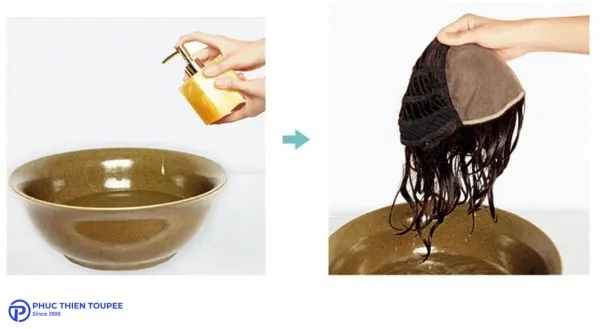
Table: General Wig Washing Frequency Guidelines (Human Hair)
| Wear Frequency | Product Use | Environment | Activity Level | Estimated Wash Frequency (Days/Wears) |
| Daily | Heavy | Smoky/Polluted | Active | 7-10 Days / ~7 Wears |
| Daily | Light/None | Clean | Sedentary | 10-14 Days / ~10-14 Wears |
| 3-4 Times/Week | Moderate | Mixed | Moderate | 14-21 Days / ~10-15 Wears |
| Occasional | Light/None | Clean | Low | 21+ Days / ~15-20+ Wears |
| Signs it needs washing: Dullness, Stiff/Heavy Feeling, Odor, Difficult to Style, Visible Build-up | Wash Immediately |
Important Considerations:
- Listen to Your Wig: These are guidelines, not rigid rules. Pay attention to how your specific wig looks and feels.
- Synthetic Wigs: As mentioned earlier, synthetic wigs generally require less frequent washing than human hair wigs because the fibers don’t absorb oils in the same way. Aim for every 15-20 wears as a starting point, adjusting based on the factors above.
- Between Washes: You can refresh your wig between washes using techniques like dry shampoo (Technique 5) sparingly at the roots or using a wig refresher spray.
By evaluating these factors, you can establish a washing routine that keeps your human hair wig clean, fresh, manageable, and beautiful without overwashing, contributing positively to its overall health and lifespan.
🎨 Your style, your hair — we make it exactly how you want.
Essential Tools and Products for Wig Washing
Gathering the right tools and products before you begin the wig washing process is essential for achieving the best results and protecting your investment. Using incorrect items can lead to tangling, drying, or even permanent damage. Phucthientoupee recommends having the following items ready:
Essential Tools
- Sink or Basin: A clean basin or sink large enough to comfortably submerge the wig without crowding it. Ensure it’s free from any cleaning chemical residue.
- Wig Stand or Mannequin Head: Crucial for air drying the wig properly, allowing air to circulate freely through the cap and hair. It also helps maintain the wig’s shape. Styrofoam heads are common, but plastic or cork canvas heads offer more stability and longevity. A collapsible travel wig stand is also useful.
- Wide-Tooth Comb: Essential for detangling the wig before washing and after conditioning while wet. Look for combs with smooth, widely spaced teeth to minimize snagging and breakage. Avoid fine-tooth combs on wet hair.
- Wig Brush (Optional but Recommended): A brush specifically designed for wigs, often with looped bristles or smooth plastic pins, can be useful for detangling dry hair before washing or for styling after it’s dry. Avoid regular brushes with ball tips, which can catch and break the hair or damage the cap.
- Clean Towels (Microfiber Recommended): You’ll need at least two soft, absorbent towels. Microfiber towels are highly recommended as they absorb water quickly and create less friction on the hair cuticles compared to traditional terry cloth towels, reducing the risk of frizz and tangling.

Essential Products
- Wig Shampoo (Sulfate-Free): This is non-negotiable for human hair wigs. Use a high-quality shampoo specifically formulated for human hair wigs or color-treated hair. Crucially, ensure it is sulfate-free. Sulfates are harsh detergents found in many regular shampoos that can strip the hair of its natural oils (or the processed coating on wig hair), leading to dryness, brittleness, and color fading. Look for gentle, moisturizing formulas.
- For Synthetic Wigs: Use only shampoo explicitly labeled for synthetic hair fibers.
- Wig Conditioner: Similar to shampoo, use a conditioner designed for human hair wigs or color-treated hair. Conditioner helps to restore moisture, smooth the cuticle, improve manageability, and reduce static.
- For Synthetic Wigs: Use conditioner or conditioning spray designed for synthetic fibers. Regular conditioner can build up on synthetic fibers.
- Cool to Lukewarm Water: Never use hot water on human hair wigs, as it can open the cuticle excessively, leading to tangling, frizz, and potential damage. Hot water can also relax the style or damage fibers in synthetic wigs. Aim for a temperature below 80°F (27°C). Cool water helps seal the cuticle, promoting shine and smoothness.
Optional but Helpful Products
- Detangling Spray: A leave-in detangling spray formulated for human hair wigs can be very helpful when combing the wig after conditioning, especially if it’s prone to tangles. Apply sparingly to damp hair before combing.
- Deep Conditioner or Hair Mask: For human hair wigs that feel particularly dry or have been exposed to harsh conditions, an occasional deep conditioning treatment (using a wig-safe product) can restore moisture and softness. This is typically done after shampooing, left on for a longer period (as per product instructions), and then rinsed out.
- Knot Sealer (for Lace Wigs): A specialized product sprayed lightly onto the inside of the lace cap after washing and drying can help secure the hand-tied knots, potentially reducing shedding. Use sparingly and allow it to dry completely.
Having these specific tools and products on hand transforms the wig washing process from a potentially damaging chore into a beneficial maintenance routine. Investing in quality wig care products is an investment in the longevity and beauty of your wig.
🔧 Don’t throw it away — let us restore your old toupee to like-new condition!
8 Human Hair Wig Washing Techniques Explained
Now that you understand the importance of washing, know your wig type, have the right tools, and have prepped your wig, let’s explore various techniques for washing your human hair wig. Phucthientoupee presents eight methods, ranging from the standard approach to specialized care options.
Technique 1: The Standard Basin Method (Most Common)
This is the most widely recommended and gentlest method for thoroughly cleaning a human hair wig. It minimizes friction and allows the products to work effectively.
Ideal For: Routine cleaning of most human hair wigs.
Steps:
- Fill Basin: Fill a clean sink or basin with cool to lukewarm water (below 80°F/27°C). Use enough water to fully submerge the wig without it being cramped.
- Add Shampoo: Add approximately 1-2 tablespoons of sulfate-free wig shampoo to the water. Gently swish the water with your hand to distribute the shampoo evenly and create mild suds. Do not use too much shampoo, as excessive suds can be hard to rinse out.
- Gently Submerge: Holding the wig by the cap area, gently lower it into the water until it is fully submerged. Ensure all hair strands are saturated.
- Swish and Soak: Let the wig soak for about 5-10 minutes. During this time, you can gently swish the wig in the water using smooth, downward motions from the cap to the ends. Crucially, do NOT rub, scrub, massage, twist, or agitate the hair vigorously. This is the primary cause of tangling. Let the shampoo and water do the work of lifting dirt and oil.
- Rinse Thoroughly: Lift the wig from the soapy water (letting excess water drip off). Drain the basin and refill it with clean, cool water. Submerge the wig again and gently swish to rinse away the shampoo. Repeat this rinsing process (draining and refilling) 2-3 times, or until absolutely no suds remain. Ensure water runs clear from the cap to the ends. Residual shampoo can leave the hair looking dull and feeling sticky.
- Apply Conditioner: Gently squeeze out excess water (do not wring). Place the wig on a towel momentarily. Apply a small amount (about a teaspoon to a tablespoon, depending on length) of wig conditioner directly to your palm. Distribute it evenly through the hair, focusing on the mid-lengths and ends. Critically important: Avoid applying conditioner directly to the roots, the cap, or any hand-tied knots (especially on lace fronts or monofilament tops). Conditioner can loosen these knots, leading to shedding.
- Condition and Rinse Again: Let the conditioner sit for 2-5 minutes (or as directed by the product). While the conditioner is in, you can very gently use your fingers or a wide-tooth comb to detangle any minor tangles, always starting from the ends and working up. Then, rinse the wig thoroughly under cool running water (holding the cap area) or by swishing it in a basin of clean, cool water until all conditioner is removed. Hair should feel smooth but not slippery or coated.
- Gently Squeeze Excess Water: Lift the wig and gently squeeze the hair from top to bottom to remove excess water. Again, do not wring or twist the hair. Place the wig flat between the folds of a clean, absorbent towel (microfiber preferred) and gently pat or blot to remove more moisture.
💡 Save money — get expert repair service instead of buying a new one.
Technique 2: The Shower Head Rinse Method (For Quick Cleans)
This method uses a gentle stream of water and is suitable for lighter cleansing or rinsing out light styling products between full washes. It requires careful control of water pressure.
Ideal For: Quick freshening up, rinsing out light products, wigs that are not heavily soiled.
Steps:
- Secure Wig: Place the wig securely on a sturdy waterproof mannequin head or hold it very firmly by the cap.
- Adjust Water Flow: Use a detachable shower head if possible. Adjust the water flow to a gentle, low-pressure stream of cool or lukewarm water.
- Wet the Hair: Holding the wig so the water flows downwards from the cap to the ends (mimicking natural hair flow), thoroughly wet the hair.
- Apply Diluted Shampoo: Mix a small amount of wig shampoo with water in a spray bottle or your hands. Gently distribute it through the hair, mainly focusing on areas with product build-up. Avoid vigorous rubbing.
- Rinse Thoroughly: Using the gentle shower stream, rinse the hair completely from top to bottom until all shampoo is gone.
- Condition Ends: Apply a small amount of conditioner primarily to the ends, avoiding the cap and roots.
- Final Rinse: Rinse again thoroughly with the cool water stream.
- Gently Squeeze: Proceed with gently squeezing out excess water and blotting with a towel as in the Basin Method.
Caution: Ensure water pressure is consistently low to avoid forcing tangles or damaging the cap structure. This method might not be thorough enough for heavily soiled wigs.
Technique 3: The Soaking Method with Deep Conditioning
This technique builds upon the Standard Basin Method by incorporating a longer conditioning soak, ideal for revitalizing dry, dull, or slightly tangled human hair wigs.
Ideal For: Restoring moisture, improving softness and shine, handling dry or frizzy wigs.
Steps:
- Wash as per Standard Basin Method: Follow steps 1-5 of the Standard Basin Method (Fill, Shampoo, Submerge, Swish/Soak, Rinse).
- Apply Deep Conditioner: After thoroughly rinsing out the shampoo, gently squeeze out excess water. Apply a generous amount of wig-safe deep conditioner or hair mask, focusing application from mid-lengths to ends. Ensure good saturation. Remember to avoid the cap/roots.
- Soak in Conditioner: Instead of the usual 2-5 minute conditioning time, allow the wig to soak with the deep conditioner for a longer period, typically 20-30 minutes (follow product instructions). You can leave it laid flat on a towel or place it back into a clean basin (without extra water, just the conditioner in the hair).
- Optional: Add Gentle Heat (Use with Caution): For enhanced penetration, you can cover the conditioned wig loosely with a plastic cap and wrap it in a warm (not hot), damp towel for the duration of the soak. Do NOT apply direct heat.
- Rinse Thoroughly: After the soaking time, rinse the wig meticulously with cool water until all traces of the deep conditioner are removed. This might take slightly longer than rinsing regular conditioner.
- Gently Squeeze and Blot: Proceed with gently squeezing excess water and blotting with a towel.
Note: Use deep conditioning treatments sparingly, perhaps once a month or as needed, as overuse can sometimes weigh the hair down.
🔄 Extend the lifespan of your hair system with our professional repairs.
Technique 4: The Wig Bag Laundry Method (Use with Extreme Caution)
Phucthientoupee strongly advises against this method for valuable human hair wigs due to the high risk of damage. However, as some may inquire about machine washing, we include it with significant warnings. Proceed entirely at your own risk. This should never be used for lace front, hand-tied, or delicate wigs.
Ideal For: Potentially very sturdy, machine-wefted human hair wigs ONLY, when other methods are not feasible and the owner accepts the risk. Not Recommended.
Disclaimer: Machine washing can cause severe tangling, matting, shedding, and cap damage. It voids most warranties. Phucthien does not endorse this method.
Steps (If you choose to ignore warnings):
- Detangle Meticulously: The wig must be 100% tangle-free.
- Place in Mesh Bag: Turn the wig inside out and place it carefully inside a sturdy mesh laundry bag designed for delicates. Secure the bag tightly.
- Select Machine Settings: Use the most delicate cycle available (e.g., ‘Hand Wash’ or ‘Delicate’). Select COLD water wash and COLD water rinse ONLY. Use the lowest spin setting possible or preferably NO spin.
- Use Minimal Detergent: Use only a tiny amount of very gentle, wig-safe (sulfate-free) liquid detergent. Do NOT use fabric softener.
- Wash Alone: Wash the wig bag by itself or only with a couple of very soft towels. Avoid washing with heavy or abrasive items.
- Remove Immediately: Remove the wig bag as soon as the cycle finishes.
- Handle Gently: Carefully remove the wig from the bag. Assess for tangles immediately.
- Condition Manually: Do NOT put conditioner in the machine. Apply conditioner manually (ends only), detangle gently with fingers/comb, and rinse thoroughly by hand under cool running water or in a basin.
- Air Dry Only: Proceed with blotting and air drying. NEVER put a wig in a machine dryer.
Risk Reminder: The agitation, even on a delicate cycle, can be too harsh for wig construction and hair cuticles. Tangling and damage are highly likely.
Technique 5: The Dry Shampoo Method (For In-Between Washes)
Dry shampoo is not a washing method but a temporary refreshing technique. It absorbs excess oil, primarily at the roots or cap area, and can add volume.
Ideal For: Extending time between washes, reducing shine/oiliness at the parting or hairline, quick refresh.
Steps:
- Shake Can Well: Vigorously shake the can of dry shampoo formulated for wigs or human hair.
- Section Hair (Optional): For targeted application, lift sections of hair near the cap or parting.
- Spray Lightly: Hold the can about 6-10 inches away from the wig. Spray lightly and evenly onto the oily areas, typically near the cap or where the wig contacts the skin. Avoid spraying the lengths of the hair excessively, as it can cause build-up.
- Let Sit: Allow the dry shampoo to sit for a minute or two to absorb the oil.
- Brush or Massage Out: Gently massage the sprayed areas with your fingertips or brush the wig thoroughly (using a wig brush) from roots to ends to distribute the product and remove any visible white residue.
Note: Dry shampoo does not clean the wig; it only absorbs oil. Overuse can lead to build-up, making the hair feel gritty or dull. It is not a substitute for proper wet washing.
🛠️ Send us your damaged piece today and receive a fast quote!
Technique 6: The Co-Washing Method (Conditioner Only Washing)
Co-washing involves washing the wig using only conditioner. This method is popular in the natural hair community and can be adapted for human hair wigs, especially curly or wavy textures that benefit from extra moisture.
Ideal For: Adding moisture, enhancing curl definition, gentle cleansing for wigs not heavily soiled, suitable for dry or curly/wavy human hair wigs.
Steps:
- Wet the Wig: Thoroughly wet the wig with cool or lukewarm water using the Basin Method (Step 1 & 3) or Shower Head Method (Step 3).
- Apply Conditioner Generously: Instead of shampoo, apply a generous amount of a lightweight, wig-safe conditioner throughout the hair, from roots to ends (be slightly more cautious near hand-tied knots if applicable, but some root application is needed for cleansing).
- Gently Massage/Swish: Gently massage the conditioner into the hair and cap area using downward strokes, similar to how you would use shampoo but much gentler. You can also swish it gently in a basin of water. The cleansing agents in many conditioners can lift mild dirt and oil. This process should take about 5 minutes.
- Detangle (Optional): While the conditioner is in, gently detangle with fingers or a wide-tooth comb, starting from the ends.
- Rinse Thoroughly: Rinse the wig meticulously with cool water until all conditioner is removed and the water runs clear.
- Apply Conditioner Again (Optional): For extra softness and detangling, you can apply a smaller amount of conditioner again, focusing on mid-lengths and ends, leave for 2-3 minutes, then rinse again.
- Gently Squeeze and Blot: Proceed with the standard post-wash water removal.
Note: Co-washing may not effectively remove heavy product build-up. Alternate co-washes with occasional clarifying washes using shampoo (Standard Basin Method) to prevent residue accumulation.
Technique 7: Spot Cleaning Method (For Small Stains/Buildup)
Sometimes, only a small area of the wig needs attention, such as makeup on the lace front or a small food spill. Spot cleaning avoids unnecessarily washing the entire wig.
Ideal For: Targeting small, specific areas of dirt, makeup, or product build-up.
Steps:
- Isolate Area: Identify the specific spot needing cleaning.
- Prepare Cleaning Solution: Dampen a clean cloth or cotton swab with cool water. Add a tiny drop of wig shampoo or a gentle, wig-safe stain remover. Alternatively, mix a small amount of wig shampoo with water in a small bowl.
- Dab Gently: Gently dab the stained area with the damp cloth or swab. Do not rub, especially on lace. Work from the outside of the stain inward.
- Rinse Area Carefully: Dampen a clean section of the cloth or a new swab with plain cool water. Gently dab the area to rinse away the cleaning solution. Repeat until the spot is clean and residue-free. For lace, be extremely gentle.
- Blot Dry: Gently blot the cleaned area with a dry towel or allow it to air dry.
Caution: Test any stain remover on an inconspicuous inner area first. Be extremely careful when working near lace or hand-tied sections.
Technique 8: Professional Cleaning (The Safest Bet for Complex Issues)
When in doubt, or dealing with a particularly expensive, delicate, or problematic wig (severe tangles, color treatment concerns), seeking professional cleaning services is often the best choice.
Ideal For: Severely tangled/matted wigs, heavily soiled wigs, color-treated wigs needing special care, delicate constructions (e.g., full lace), users unsure about DIY washing, preserving high-value wigs.
Benefits:
- Expert Handling: Professionals have experience with various wig types and potential issues.
- Proper Products: They use high-quality, professional-grade products suited for the specific wig fiber and construction.
- Damage Prevention: Experts know how to handle wigs gently to minimize shedding, tangling, and cap damage.
- Additional Services: Often includes deep conditioning, minor repairs, and professional styling.
Choosing the right wig washing technique depends on the wig’s condition, your available time, and your comfort level. For routine care, the Standard Basin Method is highly recommended by Phucthien. Incorporating other methods like co-washing, deep conditioning, or spot cleaning as needed provides a comprehensive care routine for your human hair wig.

Common Wig Washing Mistakes to Avoid
Even with the best intentions, small mistakes during the wig washing process can inadvertently lead to damage, tangling, or a shorter lifespan for your human hair wig. Awareness of these common pitfalls, highlighted by Phucthientoupee, can help you preserve your wig’s beauty and integrity.
- Using Hot Water: This is perhaps the most frequent mistake. Hot water opens the hair cuticle excessively, making it rough and prone to severe tangling and frizz. For human hair, it can also strip color and moisture. For synthetics, it’s disastrous, potentially melting fibers or relaxing the style permanently. Always use cool or lukewarm water (below 80°F/27°C).
- Using Regular Human Hair Shampoo/Conditioner: Many standard shampoos contain sulfates (like Sodium Lauryl Sulfate or Sodium Laureth Sulfate). These are harsh detergents that strip the processed human hair used in wigs of its protective coating and moisture, leading to dryness, brittleness, and faster color fading. Regular conditioners might contain ingredients that build up or are too heavy. Always use sulfate-free shampoos and conditioners specifically designed for wigs or color-treated hair.
- Rubbing, Scrubbing, or Twisting the Hair: Treating wig hair like robust natural hair during washing is a recipe for disaster. Vigorous friction through rubbing or scrubbing lifts the cuticles in opposing directions, causing immediate and often severe tangling and matting. Wringing or twisting the hair to remove water stretches and breaks the delicate fibers. Always use gentle swishing motions in the water and gentle squeezing motions to remove excess water.
- Applying Conditioner to the Base/Cap/Knots: Conditioner is designed to smooth and moisturize the hair shaft. When applied directly to the knots securing the hair to the cap (especially in lace front or hand-tied areas), it acts like a lubricant, loosening the knots over time. This leads to significant and often irreparable shedding. Apply conditioner only from the mid-lengths to the ends of the hair, keeping it several inches away from the cap and roots.
- Not Detangling Properly Beforehand: Washing a wig that already has tangles will inevitably worsen them, often creating tight mats that are extremely difficult or impossible to remove without causing breakage. Always detangle thoroughly with a wide-tooth comb or wig brush, starting from ends to roots, before the wig gets wet.
- Washing Too Frequently or Infrequently: As discussed earlier, washing too often can strip the hair, while not washing enough leads to damaging build-up and hygiene issues. Establish a washing schedule based on wear frequency, product use, and environment (generally every 7-14 wears for daily use).
- Improper Drying Techniques: Letting a wet wig sit crumpled, attempting to speed-dry with high heat, or placing it in direct sunlight can all cause damage. Not allowing the cap to dry fully can lead to stretching or mildew. Always air dry on a proper wig stand away from direct heat/sun, or use a blow dryer only on a low heat setting with heat protectant after partial air drying.
- Using Products Not Designed for Wigs: Hairsprays, serums, or oils designed for natural scalp hair might contain ingredients (like heavy silicones or certain alcohols) that build up on wig fibers or degrade the cap material over time. Stick to wig-specific styling products or those known to be wig-safe.
- Neglecting the Inside of the Cap: While focus is often on the hair, the inside of the cap needs gentle cleansing too, as it contacts the scalp/wig cap. Ensure the water and shampoo swish through the cap during washing, and rinse it thoroughly.
- Brushing Wet Hair Incorrectly: While some detangling with a wide-tooth comb is okay during the conditioning phase, vigorous brushing of soaking wet hair can cause stretching and breakage. Be extremely gentle if combing wet, or wait until it’s mostly dry for more thorough brushing.
Avoiding these common errors is straightforward with a little care and attention. Following the recommended techniques consistently will ensure your washing process helps, rather than harms, your valuable human hair wig.
Maintain perfection: Learn proper Wig Styling Tools and how to avoid Wig Repair by caring for Caring for Colored Wigs
Conclusion: Nurturing Your Wig for Lasting Beauty
Mastering wig washing techniques is essential for maintaining the beauty, longevity, and hygiene of your wigs. By following these step-by-step guides and incorporating Phucthien’s expert tips, you can ensure your wigs always look and feel their best. Remember, proper care is an investment in your confidence and appearance.
Phuc Thien Toupee Co., Ltd
Design Brand: Royal Hair Vietnam
Office Address:
🏢 Room A909, Decapella Building, 116 Luong Dinh Cua Street, An Khanh Ward, Thu Duc City, Ho Chi Minh City 700000, Vietnam
Factory Address:
🏭 No. 26/9, Street 57, Thuong Hamlet, Tan Thong Hoi Ward, Cu Chi District, Ho Chi Minh City 700000, Vietnam
Email: ✉️ phucthientoupeevn@gmail.com
Phone / WhatsApp: 📞 +84 933 901 196
Websites: 🌐 phucthientoupee.com – 🌐 royalhair.shop



