

- 18/06/2025
- Posted by: phucthien
- Categories: Blog, Hair Loss & Hairpiece Options
No Comments

Stress-Related Hair Loss Management: 8 Effective Techniques
Stress-related hair loss management involves understanding the connection between psychological distress and hair thinning, implementing effective stress reduction techniques, and adopting targeted hair care strategies to promote regrowth.
Understanding Stress-Related Hair Loss: More Than Just Shedding
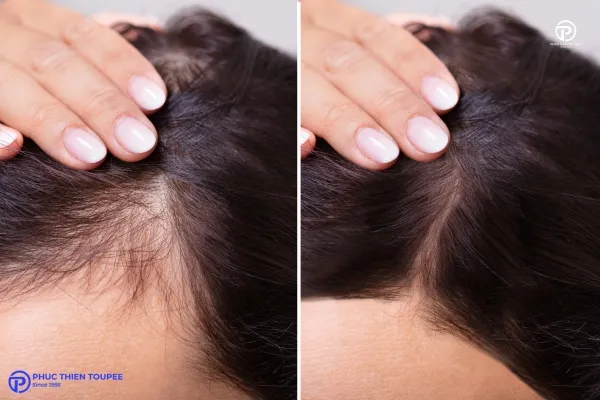
- What Exactly is Stress-Induced Hair Thinning?: Stress-induced hair thinning, often referred to scientifically, refers to excessive hair shedding triggered by significant physical or emotional stress.
- The Science: How Stress Impacts Your Hair Follicles: The link between stress and hair loss is grounded in physiological processes.
- Identifying the Culprit: Types of Stress-Related Hair Loss: Stress doesn’t just cause one type of hair loss.
- Alopecia Areata (AA): An Autoimmune Response: While the exact cause of Alopecia Areata is complex and involves genetic predisposition, severe stress is considered a potential trigger for flare-ups in susceptible individuals.
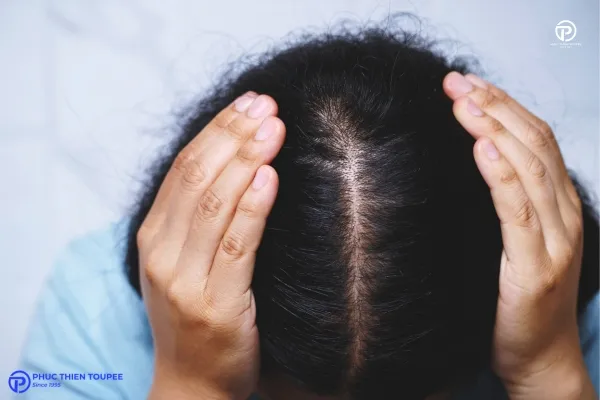
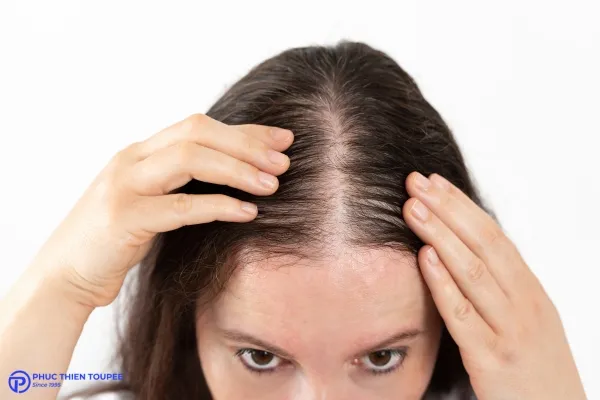
- Recognizing the Signs: Early Detection is Key: Increased Shedding: Noticing significantly more hair than usual on your brush, pillow, or shower drain.

Effective Management Techniques: A Holistic Approach
Managing stress-related hair loss requires a multifaceted strategy.
- Step 1: Addressing the Root Cause – Stress Management is Paramount: Since stress is the trigger, reducing and managing it effectively is non-negotiable for stopping stress-induced hair loss and encouraging regrowth.
- Step 2: Optimizing Scalp and Hair Health from Within: Nutrition: Your hair follicles require a steady supply of specific nutrients to function optimally and produce strong, healthy hair.
- Step 3: Topical Treatments and Hair Care Practices: While internal factors like stress and nutrition are critical, how you care for your hair and scalp externally also plays a role in managing shedding and promoting a healthy environment for regrowth.
- Choosing the Right Shampoo: Best Hair Loss Shampoos for Stress: While no shampoo can single-handedly cure stress-related hair loss (as the root cause is internal), certain formulations can support scalp health and create an optimal environment for regrowth.
- Scalp Serums and Treatments: Minoxidil (Rogaine): This is an FDA-approved over-the-counter topical treatment proven effective for stimulating hair growth in conditions like androgenetic alopecia and sometimes used off-label to help encourage regrowth after TE.
- Scalp Massage Benefits: Gentle scalp massage can be beneficial and relaxing.
- Step 4: Exploring Natural Remedies for Stress-Induced Hair Loss: Many people seek natural approaches to complement conventional methods.
- Essential Oils: Peppermint, Rosemary, Lavender: Certain essential oils are popularly used for hair health, often diluted in a carrier oil (like jojoba, coconut, or almond oil) for scalp massage.
- Importance of Patch Testing and Consulting Professionals: Patch Test: Always patch test topical natural remedies (like essential oil mixtures) before applying them widely to your scalp to avoid adverse reactions.
Prevention Strategies: Proactive Steps for Healthy Hair
While completely eliminating stress is unrealistic, building resilience and adopting proactive habits can significantly reduce the likelihood and severity of stress-induced hair loss episodes.
- Building Resilience: Long-Term Stress Coping Mechanisms: Developing a robust toolkit for managing stress is the most effective preventative measure.
- Regular Health Check-ups: Ruling Out Other Causes: Sometimes, hair loss attributed to stress might be influenced or caused by other underlying health issues.
- Maintaining a Consistent Hair Care Routine: A gentle, consistent hair care routine supports scalp health and minimizes physical stress on hair follicles.
When to Seek Professional Help: Finding the Right Specialist
While managing stress and implementing healthy hair care practices are crucial first steps, there are times when professional guidance is necessary for accurate diagnosis and effective treatment.
- Consulting a Dermatologist Specializing in Hair Loss: A dermatologist, particularly one with expertise in hair and scalp disorders (sometimes called a trichologist-dermatologist), is the primary medical professional to consult for hair loss concerns.
- The Role of Trichologists: Trichologists are specialists who focus specifically on the study of hair and scalp health and diseases.
- Considering Mental Health Professionals: Since stress is the trigger, addressing the psychological component is vital, especially if stress is chronic, overwhelming, or linked to conditions like anxiety, depression, or Trichotillomania.


Step 2: Optimizing Scalp and Hair Health from Within: Nutrition
| Nutrient | Potential Benefit for Hair | Good Food Sources | Notes |
| Iron | Prevents deficiency-related TE, supports oxygen delivery | Red meat, poultry, fish, lentils, spinach, fortified cereal | Confirm deficiency via blood test before supplementing |
| Zinc | Supports hair tissue growth and repair, follicle function | Oysters, beef, pumpkin seeds, chickpeas, lentils | Essential for many enzymatic processes |
| Biotin (B7) | Aids in keratin production | Eggs, nuts, seeds, salmon, sweet potatoes | Deficiency is rare but important for hair structure |
| Vitamin D | Follicle cycling, potentially reduces inflammation | Fatty fish, fortified milk/cereal, egg yolks, sunlight | Check levels via blood test; supplement if needed |
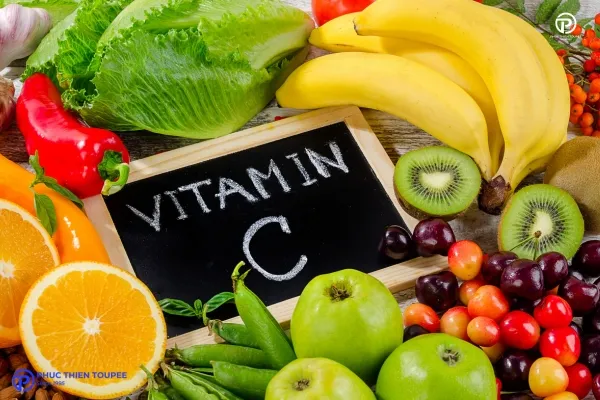
| Vitamin C | Collagen production, iron absorption, antioxidant | Citrus fruits, berries, bell peppers, broccoli, kiwi | Supports overall scalp and hair health |
| Vitamin E | Antioxidant, protects follicle cells from damage | Sunflower seeds, almonds, spinach, avocados | Combats oxidative stress |
| Protein | Provides building blocks (amino acids) for keratin | Meat, poultry, fish, eggs, dairy, legumes, tofu, nuts | Essential structural component of hair |
| Selenium | Antioxidant, involved in hair formation | Brazil nuts (1-2/day max), tuna, sardines, eggs | Important trace mineral |