

- 19/05/2025
- Posted by: phucthien
- Category: Blog

Hair loss and stress are intricately linked, impacting scalp health and potentially leading to noticeable hair thinning or shedding for many individuals. Understanding this connection is the first step towards implementing effective stress management techniques and exploring solutions for hair restoration.
Fortunately, hair loss triggered by stress is often temporary, and proactive steps can support healthy regrowth and overall well being. Phucthientoupee is here to guide you through the science, solutions, and strategies to navigate stress related hair concerns, promoting follicle vitality and hair wellness.
Understanding the Intricate Link: How Stress Impacts Hair
Stress, whether sudden and severe or chronic and low grade, triggers a cascade of physiological responses within the body. These responses, primarily mediated by hormones, can directly interfere with the normal hair growth cycle, leading to increased shedding and potentially other hair related issues. Understanding these mechanisms is crucial for effectively managing stress induced hair loss.
The Science Behind Stress and Hair Follicles
Hair growth occurs in a cyclical pattern involving three main phases for each follicle:
- Anagen (Growth Phase): This is the active phase where hair cells divide rapidly, and the hair shaft grows longer. This phase can last anywhere from 2 to 7 years, determining the maximum length of hair. At any given time, about 85-90% of scalp hairs are in the anagen phase.
- Catagen (Transitional Phase): A short phase, lasting about 10 days, where hair growth stops. The hair follicle shrinks, and the hair detaches from its blood supply, preparing to shed. Only about 1-2% of hairs are in this phase.
- Telogen (Resting Phase): The follicle remains dormant for about 3 months before the cycle restarts. The detached hair rests in the follicle until it is pushed out by a new anagen hair growing underneath. Around 10-15% of scalp hairs are typically in the telogen phase.
Significant physiological or psychological stress can disrupt this finely tuned cycle. It can prematurely push a large number of growing (anagen) hairs into the resting (telogen) phase. This phenomenon is the primary driver behind the most common type of stress related hair loss.
✂️ Be unique — create your custom-made toupee today!
Cortisol: The Stress Hormone’s Role in Hair Thinning
When you experience stress, your adrenal glands release cortisol, often called the primary stress hormone. While cortisol is essential for various bodily functions in short bursts (like the fight or flight response), chronically elevated levels can have detrimental effects, including on hair follicles.
Research, including studies published in journals like Experimental Dermatology, suggests that high cortisol levels can:
- Shorten the Anagen Phase: Cortisol can signal hair follicles to exit the growth phase sooner than they normally would.
- Prolong the Telogen Phase: It might delay the reentry of follicles into the anagen phase, meaning fewer hairs are actively growing at any given time.
- Affect Follicle Function: Cortisol can directly impact the cells within the hair follicle, potentially impairing their ability to produce healthy hair fibers. A study published in the Journal of Investigative Dermatology indicated that stress hormones can inhibit hair growth by affecting key signaling pathways within the follicle.
- Increase Follicle Miniaturization: Some evidence suggests chronic stress might contribute to the shrinking of hair follicles over time, leading to finer, weaker hairs, similar to patterns seen in androgenetic alopecia (pattern baldness), although the primary mechanism differs.
Manage your well-being: Learn Stress-Related Hair Loss Management and its link to Hair Loss and Hormones
Inflammation and Scalp Health Under Stress
Chronic stress is also known to promote low grade systemic inflammation throughout the body. This inflammation can extend to the scalp environment. An inflamed scalp is not conducive to healthy hair growth. Inflammation around the hair follicles can:
- Restrict blood flow and nutrient delivery to the follicles.
- Create an environment that further disrupts the hair growth cycle.
- Exacerbate other scalp conditions like dandruff or seborrheic dermatitis, which can indirectly impact hair health.
- Potentially trigger or worsen autoimmune responses affecting the hair, such as Alopecia Areata.
Therefore, the link between hair loss and stress involves hormonal disruptions impacting the hair cycle and inflammatory processes creating an unfavorable scalp environment. Managing stress effectively addresses both these pathways.

Types of Stress Related Hair Loss Conditions
While stress is a common trigger, it can manifest as different types of hair loss, each with distinct characteristics. Identifying the specific condition is important for understanding prognosis and determining the appropriate course of action. Phucthien observes these conditions frequently in consultations.
Telogen Effluvium (TE): The Most Common Culprit
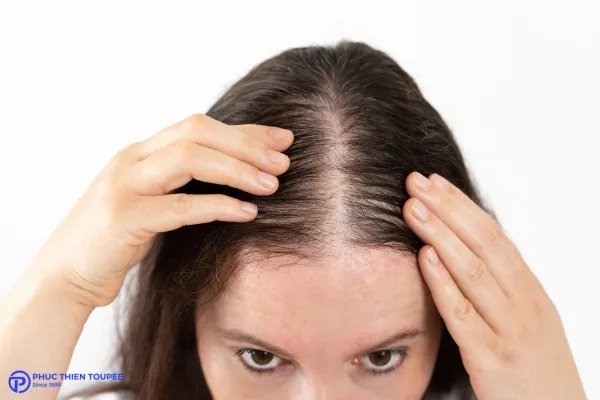
Telogen Effluvium is the most frequent type of hair loss associated with significant stress. It is characterized by a diffuse shedding of hair across the entire scalp.
- Mechanism: A stressful event (physical or emotional) triggers a large number of hair follicles simultaneously to shift from the anagen (growth) phase into the telogen (resting) phase.
- Trigger Examples: Common triggers include major surgery, high fever, severe infection (like COVID-19), childbirth, significant emotional distress (loss of a loved one, job loss, divorce), extreme dieting, or certain medications.
- Timeline: The shedding typically doesn’t occur immediately after the stressful event. Since the telogen phase lasts about 3 months, noticeable hair loss usually begins 2-4 months after the trigger.
- Shedding Pattern: Hair loss is generally diffuse, meaning it comes from all over the scalp rather than in distinct patches. People often notice more hair on their pillow, in the shower drain, or in their hairbrush. It can feel like a sudden, alarming amount of shedding. Daily shedding can increase from the normal 50-100 hairs to 300 hairs or more.
- Appearance: The scalp usually looks normal, without significant redness, scaling, or scarring. The hair density appears reduced overall.
- Prognosis: In most cases, Telogen Effluvium is temporary and fully reversible once the underlying stressor is removed or managed. Hair typically starts to regrow within 3-6 months after the shedding phase begins, although regaining previous density can take longer (up to 12-18 months for some).
🎨 Your style, your hair — we make it exactly how you want.
Alopecia Areata (AA): An Autoimmune Response
Alopecia Areata is an autoimmune condition where the body’s immune system mistakenly attacks healthy hair follicles, causing hair loss. While the exact cause is complex and involves genetic predisposition, severe stress is often cited as a potential trigger or exacerbating factor for flare ups in susceptible individuals.
- Mechanism: Immune cells (T lymphocytes) infiltrate the hair bulb, disrupting hair formation and causing the hair to fall out. Stress may modulate the immune system in ways that contribute to this attack.
- Appearance: AA typically presents as one or more smooth, round, completely bald patches on the scalp or sometimes other hair bearing areas (beard, eyebrows). The patches can vary in size. In rarer forms, it can affect the entire scalp (Alopecia Totalis) or the entire body (Alopecia Universalis).
- Timeline: The onset can be relatively sudden. Patches may appear and sometimes regrow spontaneously, while new patches might form elsewhere.
- Stress Link: While not the sole cause, significant emotional or physical stress often precedes the initial onset or a recurrence of AA patches in many individuals. Research published in journals like the International Journal of Dermatology explores the complex interplay between the nervous system, stress hormones, and the immune response in AA.
- Prognosis: The course of AA is unpredictable. Hair may regrow on its own within months, or the condition may persist, cycle, or worsen. Treatments aim to suppress the immune response and stimulate regrowth but are not always curative.

Trichotillomania: A Compulsive Behavior
Trichotillomania (TTM) is classified as an obsessive compulsive related disorder characterized by the recurrent, irresistible urge to pull out one’s own hair, resulting in noticeable hair loss. Stress and anxiety are significant triggers or worsening factors for this behavior.
- Mechanism: TTM is a complex behavioral and psychological condition. The act of pulling hair often provides a temporary sense of relief or gratification for individuals experiencing tension, anxiety, stress, or boredom. It’s not done out of a desire to be bald but rather as a coping mechanism or habit.
- Appearance: Hair loss is typically patchy and irregular, often with hairs of different lengths in the affected areas due to ongoing pulling. Common sites include the scalp, eyebrows, and eyelashes. The pattern can look bizarre or asymmetrical. Broken hairs are characteristic.
- Stress Link: Episodes of hair pulling often increase during periods of heightened stress, anxiety, or emotional distress. Addressing the underlying stress and psychological factors is central to managing TTM.
- Prognosis: TTM can be a chronic condition requiring behavioral therapy (like Habit Reversal Training), sometimes combined with medication, to manage the urges. Hair can regrow if the pulling stops, provided the follicles haven’t been permanently damaged by chronic traction.
Understanding these distinctions helps guide individuals toward the most appropriate support, whether it’s primarily focused on stress reduction (TE), immune modulation (AA), or behavioral therapy (TTM), often alongside direct hair and scalp care strategies recommended by professionals like Phucthientoupee.
Is Hair Loss From Stress Reversible? Good News Ahead
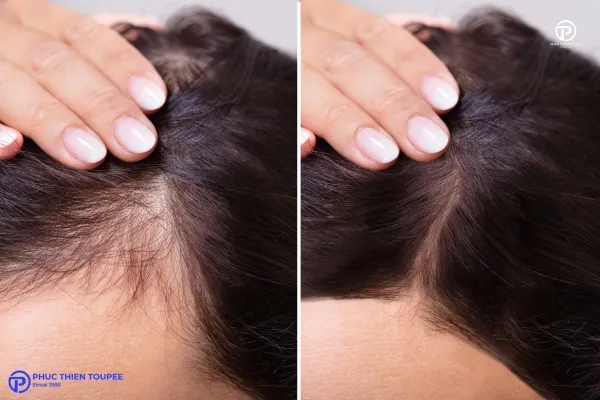
One of the most pressing questions for individuals experiencing stress related hair shedding is whether their hair will grow back. For the most common type, Telogen Effluvium (TE), the answer is overwhelmingly positive: yes, it is typically reversible.
The Timeline for Regrowth After Stress Reduction
Once the significant stressor that triggered TE has passed or is being effectively managed, the hair growth cycle gradually returns to normal.
- Shedding Stops: The excessive shedding phase usually subsides within 3 to 6 months after the stressor is resolved. You’ll notice less hair falling out in the shower or on your brush.
- Regrowth Begins: New anagen hairs start growing from the rested follicles. This initial regrowth might appear as fine, short hairs (sometimes called baby hairs) along the hairline or throughout the scalp. This regrowth phase often becomes noticeable around 6 months after the shedding phase peaked.
- Density Restoration: While regrowth starts relatively soon, regaining the previous hair density and length takes time. Hair grows approximately half an inch (about 1.25 cm) per month on average. Therefore, achieving significant visible improvement in volume can take 12 to 18 months or sometimes longer, depending on the individual’s hair growth rate and the extent of the initial shedding.
Patience is key during this recovery period. Seeing those first signs of regrowth is a very encouraging indicator that the follicles are recovering.
Factors Influencing Recovery Speed
While TE is generally reversible, the speed and completeness of recovery can be influenced by several factors:
- Duration and Severity of Stress: Chronic, unrelenting stress can prolong the shedding phase or make recovery slower compared to hair loss triggered by a single, acute event. Ongoing stress management is critical.
- Nutritional Status: Hair follicles require adequate nutrients (protein, iron, zinc, biotin, vitamins) for optimal growth. Deficiencies can hinder regrowth. A balanced diet supports faster recovery.
- Underlying Health Conditions: Pre existing conditions like thyroid disorders, hormonal imbalances, or autoimmune diseases can affect hair growth and recovery. Addressing these issues is important.
- Age: Hair growth cycles naturally slow down slightly with age, which might mean recovery takes a bit longer in older individuals.
- Scalp Health: A healthy scalp environment supports robust regrowth. Conditions like dandruff or inflammation should be managed.
- Hair Care Practices: Harsh treatments, tight hairstyles, or excessive heat styling can cause breakage, masking the underlying regrowth. Gentle care is advisable.
🔍 Looking for a specific size, base, or hair color? Order a fully personalized toupee now!
When Stress Hair Loss Might Persist
In most cases of TE, full recovery is expected. However, there are situations where stress related hair loss might seem persistent:
- Chronic Telogen Effluvium: If the underlying stressor becomes chronic or if there are recurrent stressful episodes, the shedding can continue for longer than 6 months, sometimes years. This requires ongoing stress management and potentially investigation for other contributing factors.
- Unmasking Androgenetic Alopecia: Significant shedding from TE can sometimes reveal or accelerate underlying genetic hair loss (androgenetic alopecia, or pattern baldness) that was previously less noticeable. In these cases, while the TE component resolves, the pattern thinning may remain or progress independently. A professional evaluation can help distinguish between these conditions.
- Persistent Alopecia Areata or Trichotillomania: If the stress related hair loss is AA or TTM, the condition’s chronicity depends on managing the autoimmune response or the compulsive behavior, respectively, rather than just the stressor itself. Stress management remains crucial but may not be sufficient alone for full resolution.
For the majority experiencing TE due to stress, the outlook is positive. Focusing on stress reduction and supporting overall health provides the best foundation for robust hair regrowth. Consulting with experts like Phucthien can provide personalized assessments and reassurance during the recovery process.
Effective Stress Related Hair Loss Treatments
Managing stress related hair loss involves a multi faceted approach, addressing both the root cause (stress) and supporting optimal hair regrowth. Several effective strategies and treatments are available, many accessible within the USA. Phucthientoupee advocates for a holistic plan tailored to individual needs.
The Cornerstone: Effective Stress Management
This is the most critical component. Reducing the physiological impact of stress allows the hair growth cycle to normalize. Techniques vary in effectiveness per individual, so exploration is key.
- Mindfulness and Meditation: Practices like mindfulness based stress reduction (MBSR), deep breathing exercises, and daily meditation can lower cortisol levels and promote relaxation. Apps like Headspace or Calm offer guided sessions. Studies, including meta analyses reviewed by the National Center for Complementary and Integrative Health (NCCIH), support meditation’s role in stress reduction.
- Regular Physical Activity: Exercise is a proven stress reliever. Aim for at least 150 minutes of moderate intensity aerobic activity (like brisk walking, cycling, swimming) or 75 minutes of vigorous intensity activity per week, as recommended by the American Heart Association. Exercise releases endorphins, improves mood, and reduces stress hormones.
- Adequate Sleep: Chronic sleep deprivation elevates cortisol. Aim for 7-9 hours of quality sleep per night. Establish a consistent sleep schedule, create a relaxing bedtime routine, and optimize your sleep environment (dark, quiet, cool).
- Healthy Diet: A balanced diet rich in fruits, vegetables, lean protein, and whole grains supports overall health and stress resilience. Avoid excessive caffeine, sugar, and processed foods, which can exacerbate stress responses.
- Hobbies and Social Connection: Engaging in enjoyable activities and maintaining strong social support networks are crucial buffers against stress. Make time for hobbies, relaxation, and connecting with loved ones.
- Time Management and Boundaries: Feeling overwhelmed contributes to stress. Practice effective time management techniques, learn to say no to excessive commitments, and establish clear boundaries between work and personal life.
- Professional Support: If stress feels unmanageable, consider seeking help from a mental health professional (therapist, counselor, psychologist). Cognitive Behavioral Therapy (CBT) is particularly effective for developing coping strategies.
Nutritional Support for Healthy Hair Growth
Ensuring adequate nutrient intake provides the building blocks for hair regrowth. While a balanced diet is primary, certain nutrients are especially important:
| Nutrient | Role in Hair Health | Food Sources | Supplementation Note |
| Iron | Essential for hemoglobin, carrying oxygen to follicles. | Red meat, poultry, fish, lentils, spinach, fortified cereals. | Check levels first; excess iron can be harmful. |
| Zinc | Involved in hair tissue growth and repair. | Oysters, beef, pumpkin seeds, lentils, chickpeas. | Essential for follicle function. |
| Biotin (B7) | Supports keratin infrastructure (hair protein). | Eggs, nuts, seeds, salmon, sweet potatoes. | Often included in hair supplements; deficiency rare. |
| Vitamin D | May help create new follicles (pores). | Fatty fish, fortified milk/cereals, sunlight exposure (safely). | Deficiency common; blood test recommended. |
| Vitamin C | Antioxidant, aids iron absorption, collagen production. | Citrus fruits, berries, bell peppers, broccoli. | Supports scalp health and collagen. |
| Vitamin E | Antioxidant, may improve scalp circulation. | Nuts, seeds, spinach, avocados. | Protects cells from damage. |
| Protein | Hair is primarily made of keratin (a protein). | Meat, poultry, fish, eggs, dairy, legumes, tofu, nuts, seeds. | Crucial building block. |
| Omega-3s | Anti-inflammatory, support scalp health. | Fatty fish (salmon, mackerel), flaxseeds, chia seeds, walnuts. | May reduce scalp inflammation. |
Consult a healthcare provider or registered dietitian before starting new supplements, especially high doses. Blood tests can identify specific deficiencies.
Topical Treatments: Shampoos and Serums
While not a cure for the underlying stress, certain topical products can support scalp health and create a better environment for regrowth.
- Ketoconazole Shampoos: (e.g., Nizoral A-D, available OTC in the US) Anti fungal properties, but also has mild anti inflammatory and potential anti androgen effects that may benefit scalp health. Use 1-2 times per week.
- Caffeine Shampoos/Serums: Some studies suggest caffeine may stimulate hair follicles and prolong the anagen phase when applied topically. Results vary.
- Niacinamide Serums: Vitamin B3 derivative, can improve scalp barrier function and circulation.
- Gentle, Sulfate Free Shampoos: Avoid harsh detergents (like Sodium Lauryl Sulfate) that can strip natural oils and irritate the scalp. Look for nourishing ingredients.
- Scalp Serums with Peptides/Growth Factors: More advanced formulations aim to nourish follicles directly. Evidence is still evolving for many ingredients.
- Minoxidil (Rogaine): FDA approved for hair loss (androgenetic alopecia, but sometimes used off label for persistent TE or AA). Available OTC (2% and 5% solutions/foam). It works by widening blood vessels and prolonging the anagen phase. Requires consistent, long term use. Consult a doctor before starting.
Phucthien emphasizes that shampoos and serums are supportive; managing stress and ensuring good nutrition are paramount.
Medical Interventions When Necessary
If hair loss is severe, persistent, or suspected to be something other than TE (like AA or underlying pattern hair loss), consulting a dermatologist or trichologist is recommended.
- Diagnosis Confirmation: A professional can perform scalp examinations (sometimes with trichoscopy) or blood tests to confirm the diagnosis and rule out other causes.
- Prescription Minoxidil: Higher strengths may be prescribed.
- Finasteride (Propecia): FDA approved for male pattern baldness (oral pill). Primarily works by blocking DHT. Not typically used for TE and generally not prescribed for pre menopausal women due to potential side effects. Requires prescription and medical supervision.
- Corticosteroid Injections/Topicals: Used for Alopecia Areata to reduce inflammation and suppress the immune attack on follicles. Administered by a dermatologist.
- Addressing Underlying Conditions: Treatment for thyroid issues, iron deficiency anemia, or hormonal imbalances is crucial if identified.
✨ A toupee shouldn’t just hide hair loss — make it a style statement!
Exploring Low Level Laser Therapy (LLLT)
LLLT devices (combs, bands, caps) use red light wavelengths to potentially stimulate cellular activity in the follicles, potentially promoting growth and extending the anagen phase. Some studies show modest benefits for certain types of hair loss. FDA cleared devices are available for home use in the US. Consistency is key, and results can take several months. It’s often used as an adjunct therapy.
Phucthientoupee’s Approach: Personalized Solutions
At Phucthientoupee, we understand the distress hair loss can cause. We advocate for a personalized approach:
- Consultation: Thorough discussion of your history, stress levels, lifestyle, and hair loss pattern.
- Assessment: Visual scalp examination.
- Guidance: Providing education on the stress-hair link and realistic expectations.
- Strategy Development: Recommending a combination of stress management techniques, nutritional advice, appropriate scalp care, and potentially suggesting suitable topical products or referral for medical evaluation if needed.
- Support: Offering ongoing support and adjustments to the plan as needed during the recovery phase.
Combining these effective treatment strategies, with a strong emphasis on stress management, provides the best chance for recovery from stress related hair loss.
Preventing Stress Induced Hair Loss: Proactive Steps
While it’s impossible to eliminate all stress from life, building resilience and adopting proactive habits can significantly reduce the likelihood of stress triggering significant hair loss like Telogen Effluvium. Prevention focuses on long term well being and scalp health.
Building Resilience: Long Term Stress Coping Skills
Developing robust coping mechanisms helps manage life’s inevitable stressors before they overwhelm your system and impact your hair.
- Identify Your Stressors: Become aware of what typically triggers your stress response (work deadlines, relationship conflicts, financial worries, etc.).
- Develop a Stress Management Toolkit: Regularly practice techniques that work for you. This isn’t just for when you’re already stressed, but as a daily or weekly routine. Examples:
- Daily mindfulness practice (even 5-10 minutes).
- Scheduled exercise sessions.
- Yoga or Tai Chi classes.
- Journaling to process emotions.
- Deep breathing exercises during potentially stressful moments.
- Cultivate a Positive Mindset: Practice gratitude, challenge negative thought patterns, and focus on solutions rather than dwelling on problems. Techniques from Cognitive Behavioral Therapy (CBT) can be very helpful here.
- Learn Assertiveness and Boundary Setting: Effectively communicating your needs and limits prevents taking on too much, reducing overwhelm.
- Seek Support Preventatively: Don’t wait for a crisis. Maintain strong social connections. Talk to friends, family, or a therapist regularly, not just when things are difficult.
Prioritizing Scalp Health: Gentle Care Routines
A healthy scalp provides the optimal foundation for strong hair, making it potentially more resilient to stressors.
- Gentle Cleansing: Wash hair regularly with a mild, sulfate free shampoo suitable for your scalp type. Avoid overly frequent washing if your scalp is dry, or cleanse more often if it’s oily.
- Avoid Harsh Treatments: Minimize chemical processing (perms, relaxers, harsh dyes), excessive heat styling (flat irons, curling irons, high heat blow drying), and tight hairstyles (ponytails, braids, weaves) that put physical stress (traction) on the follicles.
- Scalp Massage: Gentle scalp massage can improve blood circulation to the follicles. Use fingertips (not nails) in circular motions for a few minutes daily or during shampooing.
- Protect from Sun: The scalp can get sunburned, causing inflammation. Wear a hat or use scalp sunscreen when exposed to strong sun for extended periods.
- Address Scalp Conditions Promptly: Treat dandruff, psoriasis, or seborrheic dermatitis effectively using appropriate medicated shampoos or treatments recommended by a professional.
Regular Health Checkups: Identifying Underlying Issues
Sometimes, hair shedding attributed solely to stress might be compounded by underlying health issues that make follicles more vulnerable.
- Annual Physicals: Regular checkups with your primary care physician can screen for conditions like thyroid disorders, anemia (iron deficiency), and vitamin deficiencies (especially Vitamin D).
- Hormonal Balance: Discuss any concerns about hormonal changes (related to menopause, PCOS, etc.) with your doctor, as these can influence hair health.
- Medication Review: Be aware that some medications can cause hair loss as a side effect. Discuss any new hair shedding with your doctor if you’ve recently started a new medication.
Mindful Lifestyle Choices: Diet, Sleep, Exercise Synergy
These pillars of health work together to build overall resilience against stress and support bodily functions, including hair growth.
- Consistent Nutrition: Maintain a balanced diet rich in hair healthy nutrients (as listed previously) year round, not just during recovery. Avoid crash dieting.
- Prioritize Sleep: Make 7-9 hours of quality sleep a non negotiable part of your routine. Good sleep hygiene is crucial for hormone regulation and cellular repair.
- Sustained Physical Activity: Incorporate regular exercise into your lifestyle for its long term stress buffering and health benefits. Find activities you enjoy to ensure consistency.
By proactively managing stress, nurturing scalp health, staying on top of overall wellness, and making mindful lifestyle choices, you create an environment where your hair follicles are less likely to be severely impacted by stressful periods. Phucthien encourages these preventative measures as part of a holistic approach to hair wellness.
Choosing the Best Hair Loss Shampoos for Stress
While managing stress is the primary solution for stress induced hair loss like Telogen Effluvium, choosing the right shampoo can play a supportive role by maintaining a healthy scalp environment conducive to regrowth. It’s important to have realistic expectations – shampoos are not miracle cures but can be beneficial adjuncts.
Key Ingredients to Look For
When selecting a shampoo to support hair health during or after stressful periods, consider formulations containing these ingredients:
- Ketoconazole: As mentioned earlier, this anti fungal agent (found in Nizoral A-D 1% OTC) can help control scalp flaking and inflammation. Some research suggests it may have mild benefits for hair growth cycles, potentially by reducing scalp micro inflammation or having weak anti androgenic effects. Use as directed, typically 1-2 times weekly.
- Salicylic Acid: Helps exfoliate the scalp, removing dead skin cells, product buildup, and excess oil that can clog follicles. This creates a cleaner environment for hair growth. Often found in shampoos targeting dandruff or oily scalps.
- Biotin (Vitamin B7): While oral biotin’s effectiveness for hair growth in non deficient individuals is debated, topical biotin in shampoos is thought to strengthen the hair shaft and potentially improve scalp health.
- Caffeine: Emerging research suggests topical caffeine may help stimulate blood flow to the scalp and potentially counteract the effects of DHT (a hormone linked to pattern hair loss) at the follicle level, possibly extending the anagen phase. Look for it in specific hair stimulation shampoos.
- Niacinamide (Vitamin B3): Known for its anti inflammatory properties and ability to improve skin barrier function. In scalp care, it may help reduce irritation and improve circulation.
- Natural Oils & Extracts (Peppermint, Rosemary): Some essential oils like peppermint and rosemary oil have shown potential in preliminary studies to stimulate scalp circulation and may possess properties beneficial for hair growth. Ensure they are properly diluted in the formulation to avoid irritation.
- Amino Acids & Peptides: Building blocks of protein (like keratin). Some shampoos include these to nourish the scalp and potentially strengthen hair fibers.
- Gentle Surfactants: Look for milder cleansing agents derived from coconut oil or glucose (e.g., Coco Glucoside, Decyl Glucoside) instead of harsh sulfates.
Ingredients to Avoid
Certain common shampoo ingredients can potentially irritate the scalp or strip hair, which is counterproductive when trying to encourage regrowth.
- Sulfates (Sodium Lauryl Sulfate/SLS, Sodium Laureth Sulfate/SLES): Potent detergents that create a rich lather but can strip natural oils, leading to dryness, irritation, and potential inflammation for sensitive scalps.
- Parabens: Preservatives that some studies have linked to hormonal disruption, although regulatory bodies in the US deem them safe at current levels in cosmetics. Many people prefer to avoid them as a precaution.
- Harsh Alcohols (e.g., Alcohol Denat.): Can be drying to the hair and scalp if present in high concentrations. Fatty alcohols (like Cetyl or Stearyl alcohol) are different and generally moisturizing.
- Artificial Fragrances and Dyes: Can be common sources of scalp irritation or allergic reactions for sensitive individuals. Look for fragrance free options if needed.
Setting Realistic Expectations for Shampoos
It is crucial to understand what shampoos can and cannot do for stress related hair loss:
- Supportive Role: Shampoos primarily cleanse the scalp and hair, removing dirt, oil, and buildup. Beneficial ingredients can help optimize the scalp environment for growth.
- Not a Primary Treatment for TE: Shampoos alone will not stop Telogen Effluvium caused by internal stress. Addressing the stressor and allowing time for the hair cycle to normalize are essential.
- Limited Penetration: Most shampoo ingredients have limited contact time and penetration depth into the scalp compared to leave in treatments or oral medications.
- Consistency Matters: If using a specific beneficial shampoo (like Ketoconazole), use it consistently as directed to see potential scalp benefits.
- Focus on Scalp Health: The main goal when choosing a shampoo in this context is to maintain a clean, calm, and healthy scalp, free from irritation and buildup, allowing new hairs the best chance to grow through.
Holistic solutions: Explore how Hair Loss and Nutrition and good Scalp Health and Hair Loss can boost Hair Loss Prevention
Consulting Phucthien for Recommendations
Navigating the vast array of hair care products can be confusing. Phucthientoupee can help. Based on an assessment of your specific scalp condition (oily, dry, sensitive, flaky) and hair needs, Phucthien can provide personalized recommendations for shampoos and conditioners that align with your goal of supporting healthy hair regrowth during and after periods of stress. We focus on gentle yet effective formulations that prioritize scalp wellness.
Phuc Thien Toupee Co., Ltd
Design Brand: Royal Hair Vietnam
Office Address:
🏢 Room A909, Decapella Building, 116 Luong Dinh Cua Street, An Khanh Ward, Thu Duc City, Ho Chi Minh City 700000, Vietnam
Factory Address:
🏭 No. 26/9, Street 57, Thuong Hamlet, Tan Thong Hoi Ward, Cu Chi District, Ho Chi Minh City 700000, Vietnam
Email: ✉️ phucthientoupeevn@gmail.com
Phone / WhatsApp: 📞 +84 933 901 196
Websites: 🌐 phucthientoupee.com – 🌐 royalhair.shop



