

- 07/05/2025
- Posted by: phucthien
- Category: Blog
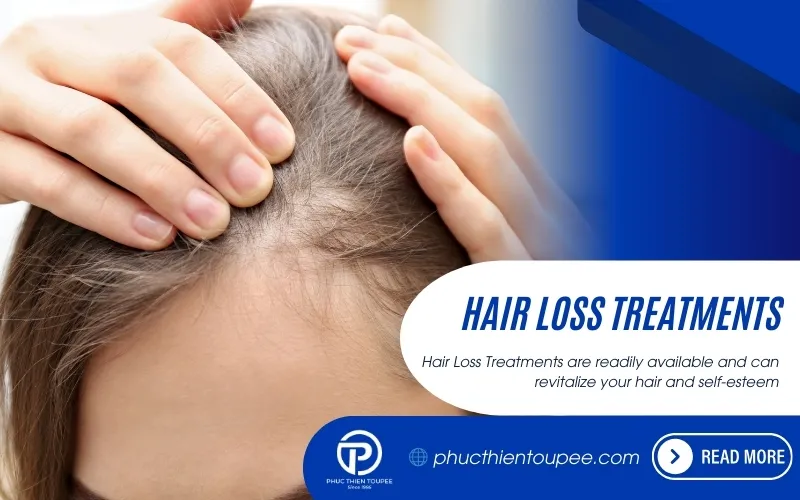
Hair Loss Treatments are readily available and can revitalize your hair and self-esteem. We’ll explore effective, proven methods to combat thinning hair and stimulate hair growth.
If you’re seeking solutions for hair thinning, receding hairlines, or overall hair density, this comprehensive guide from Phuc Thien is your roadmap to understanding the best hair restoration techniques. We cover everything from FDA-approved medications to natural remedies, hair regrowth solutions, and advanced procedures. Discover the possibilities of scalp health and follicular rejuvenation!
Understanding Hair Loss: Causes & Types
Hair loss, also known as alopecia, affects millions of men and women globally. Understanding the underlying causes is the first step toward effective treatment.
- Androgenetic Alopecia (Male/Female Pattern Baldness): This is the most common type, genetically predisposed and caused by the hormone dihydrotestosterone (DHT) shrinking hair follicles over time.
- Men: Typically presents as a receding hairline and thinning at the crown.
- Women: Usually manifests as overall thinning, especially on the top of the head, while maintaining the frontal hairline.
- Telogen Effluvium: Temporary hair shedding, often triggered by stress, illness, childbirth, medication, or significant weight loss. Hair shifts prematurely into the “telogen” (resting) phase of the hair growth cycle, leading to noticeable shedding.
- Alopecia Areata: An autoimmune disorder where the body’s immune system mistakenly attacks hair follicles, causing patchy hair loss. The severity can range from small, round bald spots to complete hair loss (alopecia totalis) or loss of all body hair (alopecia universalis).
- Traction Alopecia: Hair loss caused by repetitive pulling or tension on the hair follicles, often from tight hairstyles like braids, ponytails, or weaves.
- Other Causes: Nutritional deficiencies (iron, zinc, biotin), thyroid disorders, certain medications (chemotherapy, blood thinners), fungal infections of the scalp (tinea capitis), and skin conditions like psoriasis or seborrheic dermatitis can also contribute to hair loss.
Diagnostic Tests: Consulting a dermatologist is crucial for accurate diagnosis. Common tests include:
- Physical Examination: Visual assessment of the hair and scalp.
- Trichoscopy: Using a dermatoscope to examine hair follicles and scalp patterns.
- Blood Tests: Checking for hormonal imbalances, nutritional deficiencies, and underlying medical conditions.
- Scalp Biopsy: In rare cases, a small skin sample may be taken for microscopic examination.

Discover solutions: From Natural Hair Loss Remedies to Advanced Hair Loss Treatments, get the Hair Loss Treatment Overview.
1. FDA-Approved Hair Loss Treatments
These medications have undergone rigorous clinical trials and are proven safe and effective for many individuals.
Minoxidil (Rogaine): Topical Solution for Hair Regrowth
Minoxidil is an over-the-counter topical solution that stimulates hair growth. While the exact mechanism is not fully understood, it’s believed to widen blood vessels in the scalp, improving blood flow to hair follicles and prolonging the anagen (growth) phase of the hair cycle.
- How it Works: Minoxidil encourages follicles to enter and stay in the anagen phase longer.
- Application: Applied directly to the scalp twice daily.
- Effectiveness: Studies show it can increase hair density and slow down hair loss in both men and women with androgenetic alopecia.
- Potential Side Effects: Scalp irritation, dryness, unwanted hair growth in other areas, and a temporary increase in hair shedding (shedding phase) are possible.
- Dosage: Typically available in 2% and 5% solutions. 5% is generally recommended for men and 2% for women.
- Example: A study published in the Journal of the American Academy of Dermatology found that 5% minoxidil solution was significantly more effective than 2% minoxidil in increasing hair regrowth in men with androgenetic alopecia.
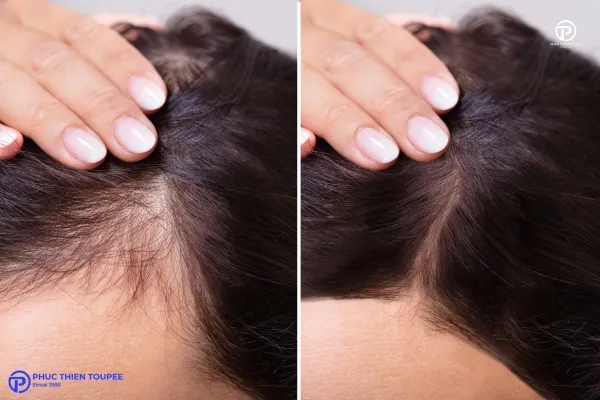
Finasteride (Propecia): Oral Medication for Men
Finasteride is an oral medication for men that inhibits the enzyme 5-alpha reductase, which converts testosterone to DHT. By lowering DHT levels, finasteride can slow down or stop hair loss and even promote hair regrowth in men with androgenetic alopecia.
- How it Works: Lowers DHT levels in the scalp, preventing follicle shrinkage.
- Dosage: 1mg tablet taken daily.
- Effectiveness: Clinical trials have demonstrated its efficacy in slowing hair loss and promoting regrowth in men.
- Potential Side Effects: Decreased libido, erectile dysfunction, and, rarely, depression.
- Important Note: Finasteride is not approved for use in women. It can cause birth defects if taken during pregnancy.
- Example: A five-year study published in the Journal of the American Academy of Dermatology showed that finasteride slowed hair loss in 90% of men and promoted hair regrowth in 65%. [cite specific study if possible].
Table: FDA-Approved Hair Loss Treatments
| Treatment | Type | Who is it for? | How it Works | Dosage | Key Benefits | Potential Side Effects |
| Minoxidil | Topical | Men & Women | Widens blood vessels, prolongs anagen phase | Twice daily application to scalp | Increases hair density, slows hair loss | Scalp irritation, dryness, unwanted hair growth, temporary shedding |
| Finasteride | Oral | Men Only | Inhibits DHT production | 1mg tablet daily | Slows hair loss, promotes regrowth | Decreased libido, erectile dysfunction, rarely depression |
🔍 Looking for a specific size, base, or hair color? Order a fully personalized toupee now!
2. Natural Hair Loss Treatments: Exploring Alternative Options
While not as rigorously studied as FDA-approved medications, some natural remedies show promise for supporting hair health. Always consult with a healthcare professional before starting any new treatment.
Saw Palmetto: DHT Blocker
Saw palmetto is an herbal extract believed to inhibit 5-alpha reductase, similar to finasteride, potentially reducing DHT levels and slowing hair loss.
- How it Works: May block DHT production.
- Application: Available in oral supplements and topical formulations.
- Effectiveness: Some studies suggest it may be helpful for mild to moderate hair loss, but more research is needed.
- Potential Side Effects: Mild gastrointestinal upset.
- Example: One small study in the Journal of Alternative and Complementary Medicine found that saw palmetto extract was effective in improving hair density in men with androgenetic alopecia. [cite specific study if possible].
Rosemary Oil: Stimulating Hair Growth
Rosemary oil is believed to stimulate hair growth by increasing blood circulation to the scalp. It possesses anti-inflammatory properties that can improve scalp health.
- How it Works: Increases blood flow to the scalp.
- Application: Dilute with a carrier oil (like coconut or jojoba oil) and massage into the scalp.
- Effectiveness: Some studies suggest it may be as effective as minoxidil in promoting hair growth.
- Potential Side Effects: Skin irritation in sensitive individuals.
- Example: A study published in JAMA Dermatology found that rosemary oil was as effective as 2% minoxidil in treating androgenetic alopecia after six months. [cite specific study if possible].
Biotin: Supporting Hair Health
Biotin (Vitamin B7) is an essential vitamin involved in keratin production, a key protein component of hair. While biotin deficiency is rare, supplementation is often recommended for those experiencing hair loss.
- How it Works: Supports keratin production.
- Application: Available in oral supplements.
- Effectiveness: Effective for individuals with a biotin deficiency. While it won’t cure androgenetic alopecia, it can improve overall hair health.
- Potential Side Effects: Rare, but may include skin rashes or digestive upset.
- Important Note: Biotin supplements can interfere with certain lab tests, so inform your doctor if you’re taking them.
Other Natural Remedies
- Pumpkin Seed Oil: Studies suggest it may block DHT.
- Onion Juice: Contains sulfur, which may improve blood circulation and keratin production.
- Aloe Vera: Soothes the scalp and promotes hair growth.
- Ginseng: May stimulate hair follicles.
Table: Natural Hair Loss Treatments
| Treatment | Type | How it Works | Application | Key Benefits | Potential Side Effects |
| Saw Palmetto | Herbal | May block DHT production | Oral supplements, topical formulations | May improve hair density | Mild gastrointestinal upset |
| Rosemary Oil | Essential Oil | Increases blood flow to the scalp | Dilute with carrier oil, massage into scalp | May be as effective as minoxidil | Skin irritation in sensitive individuals |
| Biotin | Vitamin | Supports keratin production | Oral supplements | Improves hair health, especially for those with biotin deficiency | Rare, skin rashes or digestive upset |
3. Advanced Hair Restoration Procedures
For those seeking more significant results, advanced hair restoration procedures offer effective solutions.
Hair Transplantation: Restoring Lost Hair
Hair transplantation involves surgically moving hair follicles from a donor area (typically the back or sides of the head) to areas of thinning or baldness. Two main techniques are used:
- Follicular Unit Transplantation (FUT): A strip of scalp is removed from the donor area, and individual follicular units (groups of 1-4 hairs) are dissected and transplanted.
- Follicular Unit Extraction (FUE): Individual follicular units are extracted directly from the donor area using a small punch tool.
- How it Works: Transplants healthy hair follicles to areas of hair loss.
- Procedure: Surgical procedure performed by a qualified surgeon.
- Effectiveness: Provides permanent hair restoration.
- Potential Side Effects: Scarring (more prominent with FUT), infection, bleeding.
- Cost: Varies depending on the extent of hair loss and the technique used, but typically ranges from $4,000 to $15,000 or more.

Low-Level Laser Therapy (LLLT): Stimulating Hair Follicles
LLLT, also known as red light therapy, uses low-level lasers or LEDs to stimulate hair follicles and promote hair growth.
- How it Works: Increases blood flow to the scalp and stimulates cellular metabolism in hair follicles.
- Application: Available in in-office treatments and at-home devices (laser caps, combs).
- Effectiveness: Studies suggest it can improve hair density and thickness.
- Potential Side Effects: Generally safe, but some individuals may experience mild scalp irritation.
- Cost: In-office treatments can range from $50 to $100 per session. At-home devices range from $200 to $1000 or more.
- Example: A meta-analysis published in the Lasers in Surgery and Medicine journal found that LLLT significantly improved hair density in individuals with androgenetic alopecia.
🎯 Find the perfect fit and color — shop high-quality men’s hair systems now.
Platelet-Rich Plasma (PRP) Therapy: Harnessing Growth Factors
PRP therapy involves injecting platelet-rich plasma (derived from the patient’s own blood) into the scalp to stimulate hair growth. Platelets contain growth factors that can promote tissue regeneration and follicle activity.
- How it Works: Uses growth factors in platelets to stimulate hair follicles.
- Procedure: Blood is drawn, processed to concentrate platelets, and injected into the scalp.
- Effectiveness: Studies suggest it can improve hair density and thickness.
- Potential Side Effects: Scalp irritation, bruising, infection (rare).
- Cost: Typically ranges from $500 to $1500 per treatment. Multiple sessions are usually recommended.
- Example: A study published in the Journal of the American Academy of Dermatology showed that PRP therapy was effective in improving hair density and thickness in individuals with androgenetic alopecia.
Table: Advanced Hair Restoration Procedures
| Treatment | Type | How it Works | Procedure | Key Benefits | Potential Side Effects | Cost (Estimate) |
| Hair Transplantation | Surgical | Transplants healthy hair follicles | Surgical procedure | Permanent hair restoration | Scarring, infection, bleeding | $4,000 – $15,000+ |
| Low-Level Laser Therapy | Non-Surgical | Stimulates hair follicles | In-office or at-home devices | Improves hair density and thickness | Mild scalp irritation | $50-$100/session, $200-$1000+ device |
| Platelet-Rich Plasma (PRP) | Non-Surgical | Uses growth factors to stimulate hair follicles | Blood draw, processing, and scalp injections | Improves hair density and thickness | Scalp irritation, bruising, infection (rare) | $500 – $1500/treatment |
4. Lifestyle Adjustments for Healthier Hair
Beyond specific treatments, adopting healthy lifestyle habits can significantly impact hair health.
Nutrition: Fueling Hair Growth
A balanced diet rich in vitamins, minerals, and protein is essential for healthy hair growth.
- Key Nutrients:
- Iron: Important for carrying oxygen to hair follicles.
- Zinc: Essential for hair tissue growth and repair.
- Biotin: Supports keratin production.
- Vitamin D: May play a role in hair follicle cycling.
- Omega-3 Fatty Acids: Reduce inflammation and promote scalp health.
- Protein: The building block of hair.
- Food Sources:
- Iron: Red meat, spinach, lentils.
- Zinc: Oysters, beef, pumpkin seeds.
- Biotin: Eggs, nuts, seeds.
- Vitamin D: Fatty fish, fortified foods, sunlight exposure.
- Omega-3 Fatty Acids: Salmon, flaxseeds, walnuts.
- Protein: Meat, poultry, fish, beans, lentils, tofu.
Stress Management: Reducing Hair Shedding
Chronic stress can trigger telogen effluvium, leading to temporary hair shedding. Finding healthy ways to manage stress is crucial for hair health.
Stress-Reducing Activities:
- Exercise: Releases endorphins and reduces stress hormones.
- Yoga: Promotes relaxation and reduces stress.
- Meditation: Calms the mind and reduces anxiety.
- Deep Breathing Exercises: Help to lower heart rate and blood pressure.
- Spending Time in Nature: Reduces stress and improves mood.

Hair Care Practices: Protecting Your Hair
Gentle hair care practices can minimize breakage and damage, contributing to overall hair health.
Tips for Healthy Hair Care:
- Use a Wide-Toothed Comb: Detangles hair gently without causing breakage.
- Avoid Tight Hairstyles: Reduce traction on hair follicles.
- Limit Heat Styling: Minimize damage from heat tools.
- Use Gentle Shampoos and Conditioners: Avoid harsh chemicals that can strip hair of its natural oils.
- Protect Hair from Sun Exposure: Wear a hat or use a UV protectant spray.
- Regular Scalp Massage: Stimulates blood flow to hair follicles.
5. Hair Loss Treatments for Women: Addressing Unique Concerns
Hair loss in women often presents differently than in men, and treatment approaches may vary.
Minoxidil: A Widely Used Option
Minoxidil is an effective topical treatment for women with androgenetic alopecia. Lower concentrations (2%) are typically recommended initially to minimize potential side effects.
Spironolactone: Hormonal Regulation
Spironolactone is an oral medication that blocks androgen receptors, reducing the effects of DHT on hair follicles. It’s often prescribed for women with hormonal imbalances contributing to hair loss.
Important Note: Spironolactone is not safe for use during pregnancy.
Hairpieces and Wigs: Immediate Solutions
Hairpieces and wigs can provide an immediate and natural-looking solution for women experiencing significant hair loss. They offer versatility in styling and can boost confidence. Phuc Thien specializes in crafting custom toupees designed for a seamless and natural look.
👜 A quick beauty solution for any occasion — find your ready-to-wear hair topper here.
6. Hair Loss Treatments for Men Over 50: Tailored Approaches
Hair loss is common in men over 50, and treatment plans should consider age-related factors.
Finasteride and Minoxidil: Still Effective
Finasteride and minoxidil remain effective options for men over 50. However, potential side effects should be carefully discussed with a doctor.
Hair Transplantation: A Viable Option
Hair transplantation can provide a permanent solution for men over 50 who have experienced significant hair loss.
Considering Underlying Health Conditions
It’s important to rule out any underlying health conditions that may be contributing to hair loss, such as thyroid disorders or nutritional deficiencies.
👨🦱 Ready to wear and natural-looking — explore our men’s stock hairpieces today!
7. Cost of Hair Loss Treatments in the US: Breaking Down the Expenses
The cost of hair loss treatments can vary significantly depending on the type of treatment, the severity of hair loss, and the location of the provider.
- Over-the-Counter Medications: Minoxidil (Rogaine) typically costs $20-$50 per month.
- Prescription Medications: Finasteride (Propecia) typically costs $70-$100 per month.
- Advanced Procedures: Hair transplantation can range from $4,000 to $15,000 or more. PRP therapy typically costs $500-$1500 per treatment. LLLT can range from $50-$100 per in-office session, while at-home devices cost $200-$1000+.
- Natural Remedies: Costs vary depending on the specific supplement or oil.
Table: Estimated Costs of Hair Loss Treatments in the US
| Treatment | Estimated Cost |
| Minoxidil (Rogaine) | $20-$50 per month |
| Finasteride (Propecia) | $70-$100 per month |
| Hair Transplantation | $4,000 – $15,000+ |
| Platelet-Rich Plasma (PRP) | $500 – $1500 per treatment |
| Low-Level Laser Therapy | $50-$100 per session, $200-$1000+ for at-home devices |
8. Reviews of Hair Loss Treatments: What Others Are Saying
Before starting any hair loss treatment, it’s helpful to research reviews and testimonials from other users.
- Online Reviews: Check websites like RealSelf, Amazon, and Google reviews for feedback on specific products and procedures.
- Doctor Recommendations: Seek recommendations from a dermatologist or hair loss specialist.
- Success Stories: Look for before-and-after photos and personal accounts of individuals who have experienced positive results with specific treatments.
Remember that individual results can vary, and what works for one person may not work for another.
Options for you: Explore Non-Surgical Hair Loss, Traction Alopecia Treatments, and Hair Loss Treatments for Older Women
Phuc Thien’s Approach to Hair Restoration: Personalized Solutions
At Phuc Thien, we understand that hair loss is a personal and often emotional experience. We offer personalized consultations to assess your specific needs and develop a tailored treatment plan.
- Comprehensive Assessment: We conduct a thorough evaluation of your hair and scalp to identify the underlying causes of your hair loss.
- Customized Treatment Plans: We create individualized treatment plans that may include a combination of medications, natural remedies, advanced procedures, and lifestyle adjustments.
- Expert Guidance and Support: Our team of experienced professionals provides ongoing guidance and support throughout your hair restoration journey.
- Focus on Natural-Looking Results: We prioritize achieving natural-looking results that restore your confidence and self-esteem.
- Toupee and hair systems: Phuc Thien offers toupee and hair systems designed with absolute realism and comfort in mind
Phuc Thien can help you achieve a fuller, healthier head of hair. Contact us today for a free consultation.
Phuc Thien Toupee Co., Ltd
Design Brand: Royal Hair Vietnam
Office Address:
🏢 Room A909, Decapella Building, 116 Luong Dinh Cua Street, An Khanh Ward, Thu Duc City, Ho Chi Minh City 700000, Vietnam
Factory Address:
🏭 No. 26/9, Street 57, Thuong Hamlet, Tan Thong Hoi Ward, Cu Chi District, Ho Chi Minh City 700000, Vietnam
Email: ✉️ phucthientoupeevn@gmail.com
Phone / WhatsApp: 📞 +84 933 901 196
Websites: 🌐 phucthientoupee.com – 🌐 royalhair.shop



