

- 18/06/2025
- Posted by: phucthien
- Categories: Blog, Hair Loss & Hairpiece Options
Postpartum Hair Loss and Hair Systems: 7 Replacement System
Postpartum hair loss and hair systems offer a promising solution for women experiencing shedding after childbirth.
Understanding Postpartum Hair Loss
Postpartum hair loss, also known as telogen effluvium, is a temporary condition that many women experience after giving birth.
- What Causes Postpartum Hair Loss?: Estrogen and progesterone levels surge during pregnancy, prolonging the growth phase of hair.
- Symptoms of Postpartum Hair Loss: Excessive hair shedding, especially when brushing or washing hair.

Why Consider Hair Systems?
While postpartum hair loss is usually temporary, it can be distressing.
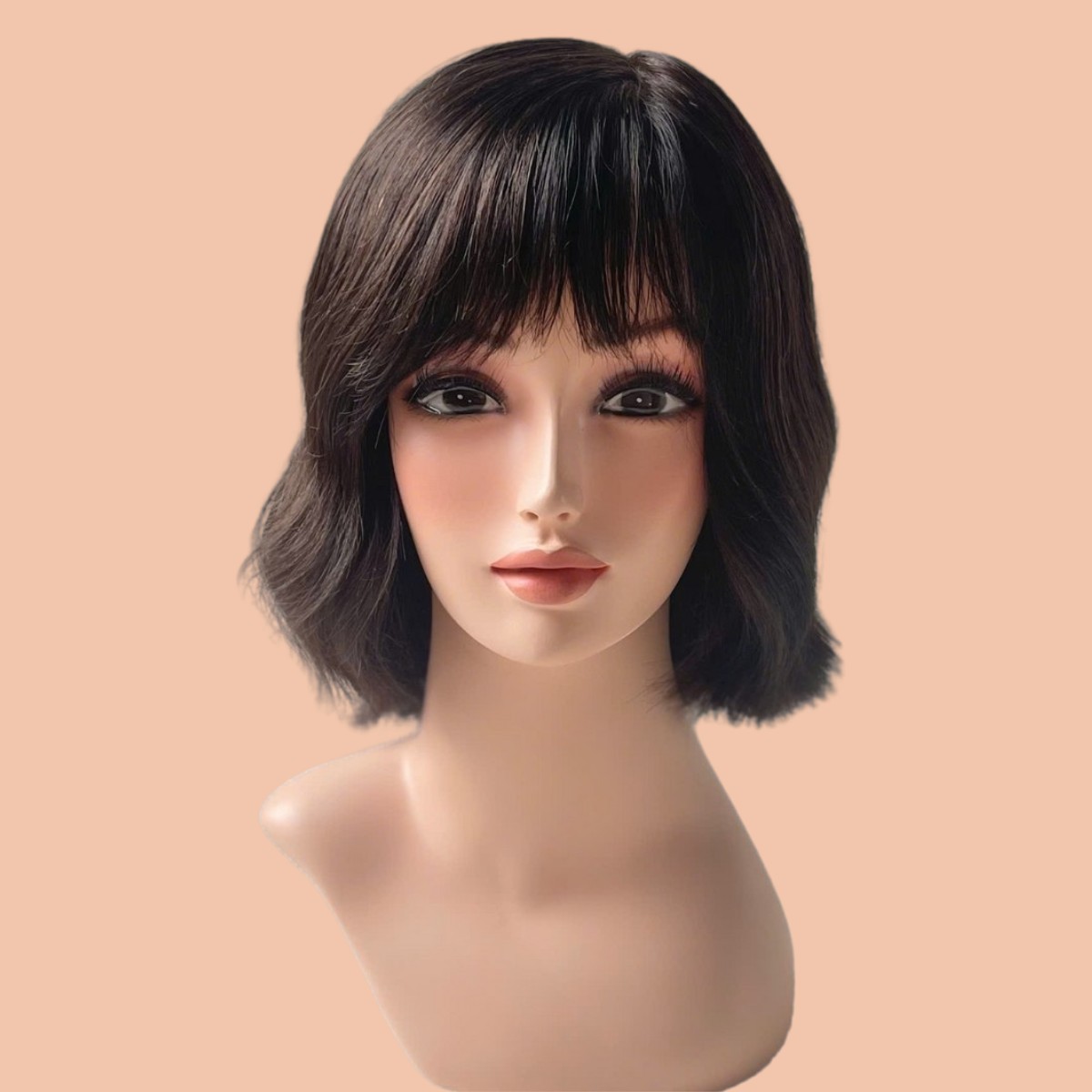
7 Hair Replacement Systems for Postpartum Hair Loss
Phuc Thien specializes in providing customized hair replacement solutions for women experiencing postpartum hair loss.
- 1. Lace Front Wigs: The Pinnacle of Natural Hairlines: Detailed Description: Lace front wigs feature a fine, sheer lace panel extending across the forehead, typically temple-to-temple.
- 2. Monofilament Wigs: Comfort Meets Natural Appearance: Detailed Description: Monofilament (or “mono-top”) wigs incorporate a fine, gauze-like mesh material, usually at the crown or across the entire top section.
- 3. Top Closures: Targeted Crown Coverage: Detailed Description: Closures are relatively small hairpieces (e.g., 4×4, 5×5 inches) designed specifically to cover hair loss or thinning at the crown or parting area.
- 4. Hair Toppers: Volumizing Mid-Scalp Solutions: Detailed Description: Hair toppers (also known as wiglets or top pieces) provide more coverage than closures, extending further down the head.
- 5. Integration Hair Systems: Seamless Blending with Your Hair: Detailed Description: Integration systems feature a unique base construction, often a mesh or net with larger openings.
- 6. Full Cap Wigs: Complete Coverage and Transformation: Detailed Description: As the name suggests, full cap wigs cover the entire head.
- 7. Clip-In Hair Extensions: Temporary Volume and Length: Detailed Description: Clip-in extensions are wefts (strips) of hair with small clips sewn onto them.
Choosing the Right Hair System
Selecting the right hair system depends on your individual needs and preferences.
- Step 1: Honestly Assess Your Hair Loss Pattern and Density: Parting/Crown: Closures or small toppers are often ideal. Top/Crown Diffuse Thinning: Larger toppers or integration systems work well.
- Step 2: Consider Your Daily Routine and Lifestyle: If you exercise frequently or have a very active job, you’ll need a system with a secure attachment method (e.g., well-placed clips on a topper, properly applied adhesive for a wig, or a professionally attached integration system).
- Step 3: Define Your Desired Look and Style Goals: Hair systems offer the chance to match your natural color and texture closely or experiment with different lengths, colors, or styles.
- Step 4: Understand the Investment: Budget and Longevity: Synthetic options are typically more affordable upfront but may have a shorter lifespan and less styling versatility. High-quality human hair systems are a greater initial investment but offer longevity and realism.
- Step 5: Prioritize Comfort and Scalp Health: Monofilament bases, soft lace, and hand-tied caps are generally considered the most comfortable options. Ensure the cap size is correct to avoid tightness or rubbing.
- The Phuc Thien Consultation Advantage: We listen: We discuss your experiences, concerns, and desired outcomes.

Cost of Hair Systems for Postpartum Hair Loss
Type of Hair System: Wigs generally cost more than toppers or closures.

Maintaining Your Hair System
Proper maintenance is essential to prolong the life of your hair system and keep it looking its best.
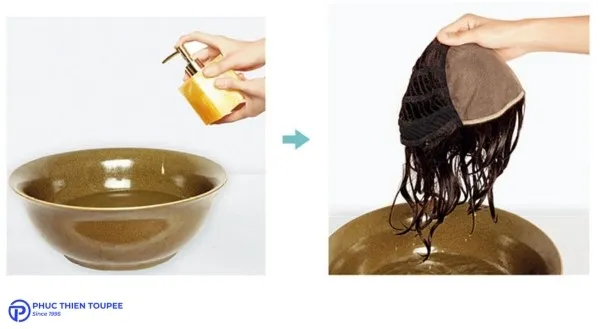
- Gentle Cleansing Routine: For daily wear systems, washing every 7-14 wears is a good guideline.
- Proper Drying Techniques: Remove Excess Water: Gently squeeze out excess water with your hands (downward motion). Place the hair system flat on a clean towel and gently blot – do NOT rub or wring.
- Detangling with Care: When to Detangle: Detangle when the hair is completely dry or only slightly damp after conditioning.
- Styling Savvy: Human Hair: Can be styled using heat tools (curling irons, flat irons) on low to medium settings.
- Smart Storage Solutions: Purpose: Proper storage prevents tangling, dust accumulation, and loss of shape. Method: Store your clean, dry hair system on a wig stand or mannequin head.
- Managing Adhesives and Tapes (If Applicable): Allow adhesive to become tacky before placement.
- The Importance of Professional Maintenance: Regular Check-ups: Phuc Thien recommends periodic professional maintenance, especially for extended wear systems or high-quality human hair pieces.

Finding the Best Hair Systems for Postpartum Hair Loss
Consultations: Schedule a consultation with Phuc Thien to discuss your specific needs and preferences.



Cost of Hair Systems for Postpartum Hair Loss
| Hair System Type | Material | Average Cost (USD) |
| Clip-In Hair Extensions | Synthetic | 50 – 200 |
| Clip-In Hair Extensions | Human Hair | 150 – 500 |
| Top Closures | Synthetic | 80 – 250 |
| Top Closures | Human Hair | 200 – 600 |
| Hair Toppers | Synthetic | 100 – 350 |
| Hair Toppers | Human Hair | 300 – 800 |
| Monofilament Wigs | Synthetic | 150 – 400 |
| Monofilament Wigs | Human Hair | 500 – 1500 |
| Lace Front Wigs | Synthetic | 200 – 500 |
| Lace Front Wigs | Human Hair | 600 – 2000+ |
| Full Cap Wigs | Synthetic | 100 – 300 |
| Full Cap Wigs | Human Hair | 400 – 1200+ |
| Integration Hair Systems | Human Hair | 500 – 1500+ |