

- 22/06/2025
- Posted by: phucthien
- Category: Blog

Human hair wigs are an excellent solution for anyone desiring a transformation in their look, from enhancing volume to embracing a completely new style. These versatile hairpieces can provide confidence and convenience. Let’s delve into some intriguing facts about these coveted hair enhancements, revealing why they might be the perfect choice for you.
Ready to discover the secrets to achieving your dream hair? Uncover the possibilities that await with luxurious human hair wigs!
The Astonishing Variety of Human Hair Wig Origins
The beauty of human hair wigs lies in their authentic feel and appearance. But where does this hair actually come from? The origin significantly impacts the wig’s quality, texture, and overall look.
- European Hair: Often considered the most premium, European hair is fine in texture and typically sourced from Eastern European countries. It is prized for its natural shine and versatility in styling. Due to its limited availability, it’s generally the most expensive option.
- Asian Hair: Predominantly sourced from China and India, Asian hair is thicker and stronger. Chinese hair is often used in wigs due to its durability and ability to hold styles well. Indian hair, particularly virgin Remy hair, is highly sought after for its softness, lightness, and natural curl pattern.
- Brazilian Hair: Known for its fullness and texture, Brazilian hair is versatile and blends well with many hair types. It can hold curls beautifully and is a popular choice for those seeking voluminous styles.
- Remy vs. Non-Remy: An important distinction is between Remy and non-Remy hair. Remy hair has the cuticle (the outer layer of the hair shaft) intact and running in the same direction. This prevents tangling and matting, resulting in a longer-lasting and more natural-looking wig. Non-Remy hair has cuticles that run in different directions, making it prone to tangling. Phuc Thien only uses Remy hair in its premium human hair wigs, ensuring quality and longevity.
Why This Matters: Understanding the origin helps you choose a wig that best suits your desired look and budget. For example, if you’re looking for a natural wave and bounce, Indian Remy hair might be ideal. If you need a wig that can withstand frequent heat styling, Chinese hair could be a better choice.

Discover their secrets: Master Human Hair Wig Selection for a natural look
Cap Construction: The Foundation of Comfort and Realism
The cap of a human hair wig is the unsung hero. It’s the structure that holds the precious hair strands and sits directly against your scalp. Choosing the right cap construction is paramount not just for how natural the wig looks, but crucially for your comfort throughout the day. Think of it as the foundation of a house – a well-built foundation ensures stability and liveability. Phuc Thien understands that a wig should feel as good as it looks. Let’s explore the most common types in greater detail:
Lace Front Wigs: The Undetectable Hairline Masterpiece
- What It Is: These wigs feature a sheer panel of lace material, typically Swiss or French lace, along the front hairline (from ear to ear or temple to temple). Each hair strand in this front section is meticulously hand-tied to the lace, creating the illusion that the hair is growing directly from your own scalp.
- Why It Matters: This hand-tied construction allows for incredible styling versatility. You can confidently pull the hair away from your face, try different partings near the front, and achieve an exceptionally natural, virtually undetectable hairline.
- Benefits:
- Supreme Realism: The primary advantage is the natural-looking hairline.
- Styling Freedom: Enables off-the-face styles.
- Breathability: Lace material allows for good air circulation at the front.
- Considerations: The lace is delicate and requires careful handling to avoid tearing. Application might involve adhesive or tape for maximum security, though many modern lace fronts also incorporate glueless features.
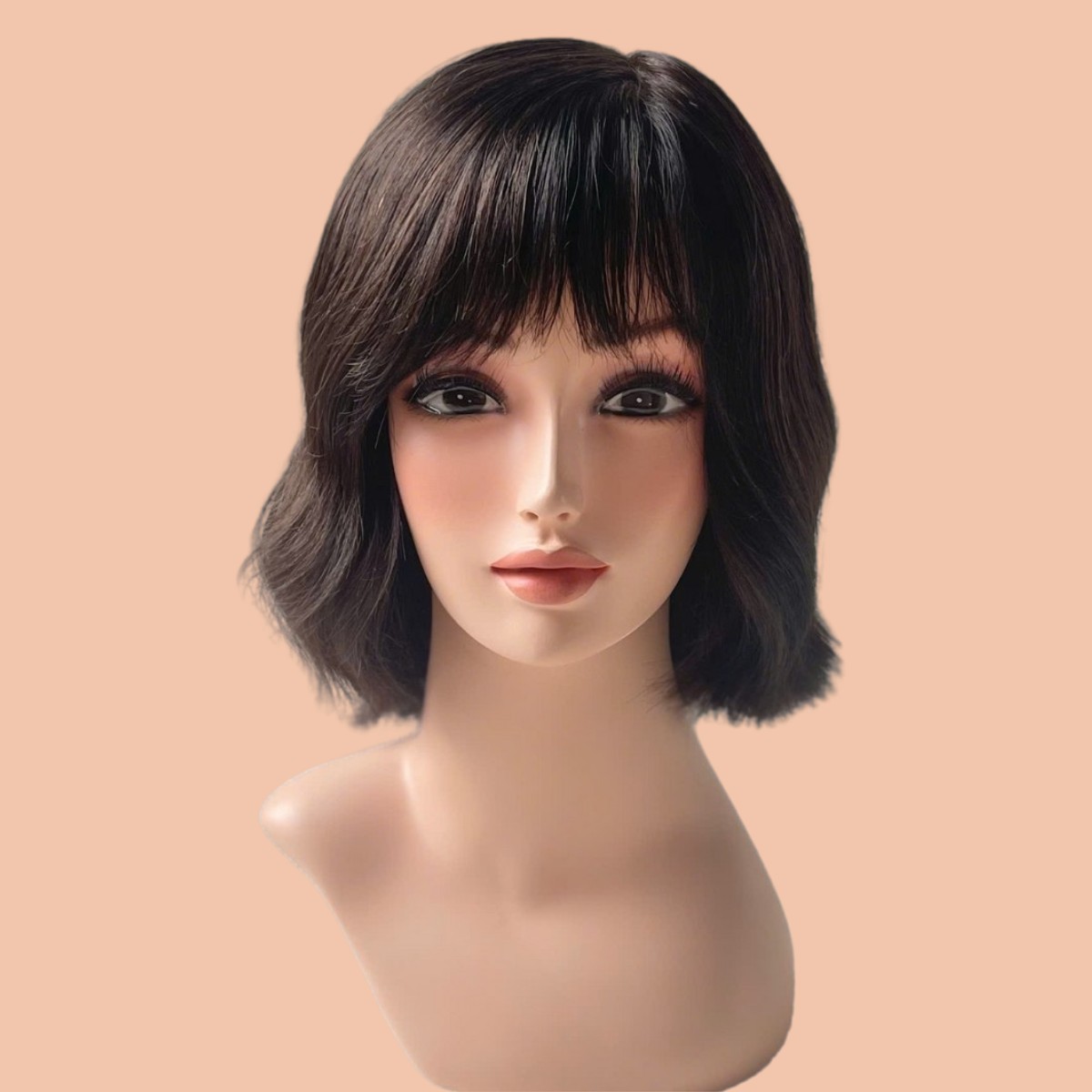
Full Lace Wigs: Ultimate Versatility and Breathability
- What It Is: As the name suggests, the entire cap is constructed from lace material. Every single hair strand across the entire cap is hand-tied to this lace base.
- Why It Matters: This 100% hand-tied construction offers the absolute maximum in styling freedom. You can part the hair anywhere on the cap – center, side, deep side, zig-zag – and even wear high ponytails or updos without revealing the wig base.
- Benefits:
- Maximum Styling Options: Part anywhere, wear high updos.
- Highly Realistic: Hair moves naturally in all directions.
- Excellent Breathability: The lace allows for airflow across the entire scalp.
- Considerations: Full lace wigs are typically the most expensive due to the intensive labor involved. They often require adhesives or tape for a secure fit and need gentle handling.
✂️ Be unique — create your custom-made toupee today!
Monofilament Wigs (Mono Top/Crown/Part): Scalp Illusion and Comfort
- What It Is: These caps feature a section of fine, sheer mesh material (monofilament) typically at the crown, the top, or along a predefined part line. Hairs are individually hand-tied onto this mesh.
- Why It Matters: The monofilament material is soft and mimics the appearance of a natural scalp, with the hand-tied hairs appearing to grow right out of it. This provides a realistic look, especially where the hair is parted.
- Benefits:
- Natural Scalp Appearance: Excellent realism at the parting area/crown.
- Comfort: Often preferred by individuals with sensitive scalps due to the soft material.
- Natural Hair Movement: Hand-tied hairs move freely.
- Considerations: Parting versatility is limited to the monofilament area (unless it’s a full mono top). They can be slightly warmer than full lace caps.
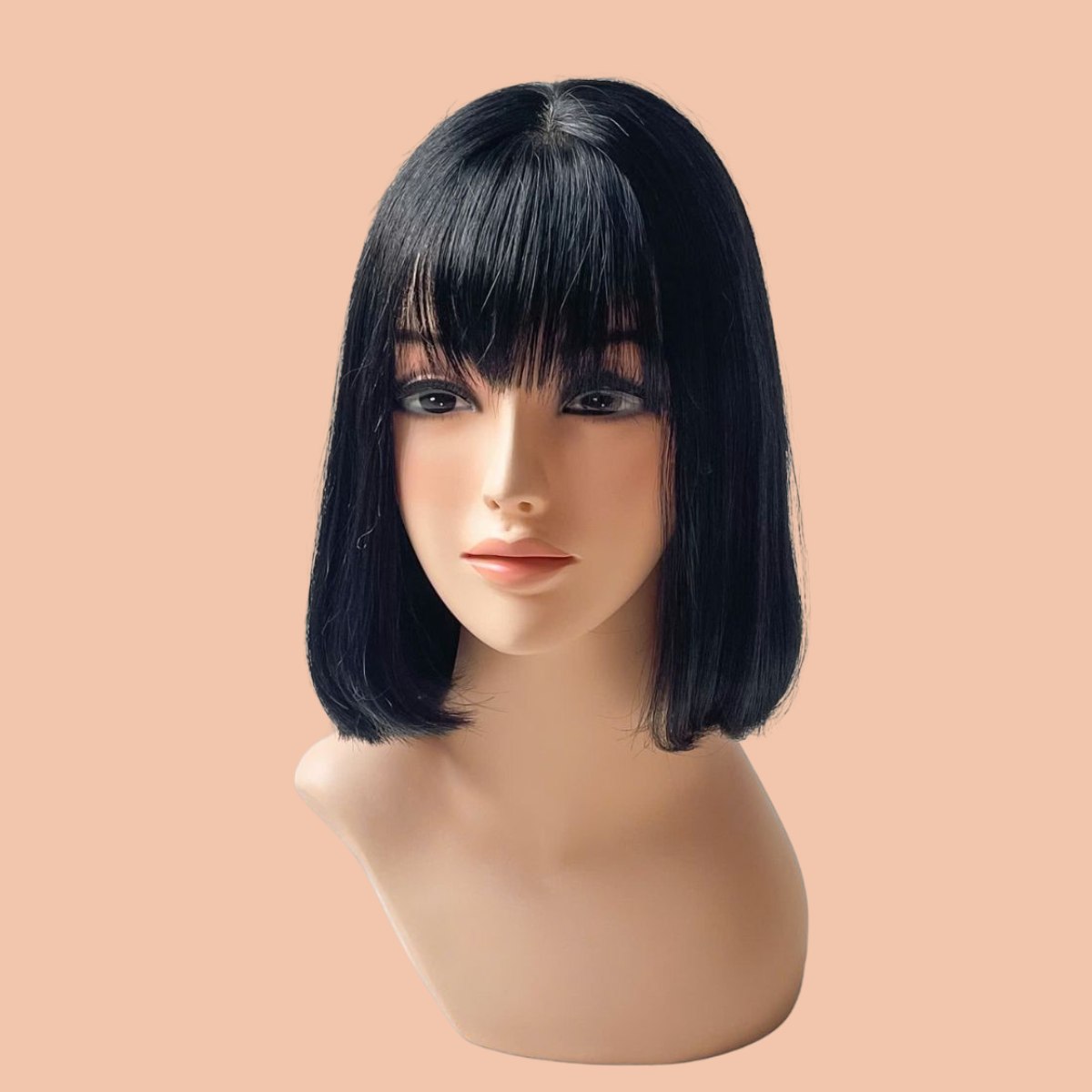
Wefted Wigs (Standard Cap / Capless / Open-Weft): Affordability and Durability
- What It Is: These are the most common and often most affordable wig caps. Rows of hair, called wefts, are sewn by machine onto thin strips of material, often with open spaces between the wefts.
- Why It Matters: The machine-sewing process makes production faster and less expensive. The open spaces between wefts (hence ‘open-weft’ or ‘capless’) allow for good ventilation.
- Benefits:
- Affordability: Generally the most budget-friendly option.
- Durability: Machine-wefted construction is robust.
- Good Ventilation: Open structure allows scalp to breathe.
- Considerations: They typically offer less realism at the hairline and parting area compared to lace or monofilament caps. Often have built-in volume at the crown (perms-tease) to conceal the cap construction. Styling versatility, especially updos, can be limited.
Glueless Wigs: Convenience and Security Without Adhesives
- What It Is: These aren’t a separate cap type per se, but rather a feature incorporated into various cap constructions (often lace front or full lace). They are designed for secure wear without needing tapes or glues, typically using adjustable straps, elastic bands, and combs strategically placed inside the cap.
- Why It Matters: Offers incredible convenience for easy application and removal. Ideal for daily wearers who prefer not to deal with adhesives.
- Benefits:
- Easy Application/Removal: Quick and simple to put on and take off.
- No Adhesives Needed: Reduces potential irritation and mess.
- Secure Fit: Well-designed glueless caps offer reliable security for most activities.
- Considerations: The level of security might feel different than adhesive-applied wigs, especially during very vigorous activities. The fit needs to be precise.

Combination Caps: The Best of Both Worlds
Many modern wigs utilize combination constructions to optimize comfort, realism, and cost. For example:
- Lace Front with Wefted Back: Offers a natural hairline with the affordability and ventilation of a wefted back/sides. A very popular and practical choice.
- Monofilament Part with Wefted Sides/Back: Provides a natural parting area while keeping costs down and maintaining breathability.
Phuc Thien Cap Construction Comparison Table:
| Feature | Lace Front | Full Lace | Monofilament (Top/Part) | Wefted (Standard) | Glueless Feature |
| Hairline Realism | Excellent | Excellent | Good (at front if included) | Basic | Depends on Base Cap |
| Parting Realism | Good (at front) | Excellent (Anywhere) | Excellent (in mono area) | Limited | Depends on Base Cap |
| Styling Versatility | High (Off-face) | Highest (Updos possible) | Medium (Limited by mono area) | Lower | Depends on Base Cap |
| Comfort | Good | Good | Excellent (Soft material) | Good | High (No adhesive) |
| Breathability | Good (at front) | Excellent | Good | Very Good (Open wefts) | Depends on Base Cap |
| Durability | Moderate (Lace is delicate) | Moderate (Lace is delicate) | Good | High | Depends on Base Cap |
| Cost | Mid-High | High | Mid-High | Lower | Adds slightly to cost |
| Best For | Natural Hairline, Versatility | Max Versatility, Realism | Sensitive Scalp, Part Realism | Budget, Durability, Coolness | Convenience, Daily Wear |
Phuc Thien meticulously selects cap constructions to balance these factors, ensuring you receive a wig that not only looks incredibly natural but feels comfortable enough for extended wear.
🎨 Your style, your hair — we make it exactly how you want.
The Art of Hair Density: Achieving a Natural Look
Hair density in a wig refers to the amount of hair used on the cap, essentially how thick or thin the hair is. It’s typically measured as a percentage, representing how many hair strands are attached compared to what might be considered an ‘average’ full head of hair. Choosing the right density is crucial for achieving a believable look that complements your features and integrates seamlessly. Too much hair can scream ‘wig,’ while too little might not provide the desired coverage or style.
Understanding Wig Density Percentages
Wig density isn’t an exact science across all manufacturers, but here’s a general guide Phuc Thien uses to help clients visualize:
- Light Density (Around 100%-120%): This density mimics naturally fine hair or someone experiencing slight thinning. It offers a very lightweight feel and is excellent for those who prefer a subtle enhancement rather than dramatic volume. It often looks incredibly natural, especially on petite frames or older individuals.
- Medium Density (Around 130%-150%): This is the most popular choice and closely resembles the average natural hair density for many people. It provides realistic fullness and body without being overly heavy or bulky. It’s versatile for various styles and suits most face shapes. Phuc Thien finds this density offers a great balance for everyday wear.
- Heavy Density (Around 180%-200%+): This creates a significantly fuller, more voluminous, and glamorous look. Think celebrity red-carpet hair. It’s ideal for those who naturally have very thick hair or desire a bold, statement-making style. Keep in mind that higher density also means a heavier wig.

How Density is Achieved
Density is controlled during the wig-making process by varying the number of hair strands attached to the cap, either per weft (for wefted caps) or per square inch (for hand-tied sections like lace or monofilament). Higher densities require more hair and more labor, which influences the wig’s cost and weight.
Choosing Your Ideal Density: Key Considerations
Selecting the perfect density involves balancing several factors:
- Your Natural Hair: If blending the wig with your own hair (e.g., leaving some out at the front), matching the density is key for a seamless transition. If covering your hair completely, aim for a density that looks natural on you.
- Desired Style: Sleek, straight styles often look best in light to medium densities. Styles with waves or curls naturally appear fuller, so you might opt for a slightly lower density than you would for a straight style to achieve the same perceived volume. Voluminous, layered looks often require medium to heavy density.
- Lifestyle: If you’re very active, a lighter density might feel more comfortable and manageable.
- Face Shape & Frame: Heavier densities can sometimes overwhelm smaller facial features or petite body frames.
- Cap Construction: The cap type can influence how density sits. For example, a lace front allows even higher densities to look natural at the hairline.
- Personal Preference: Ultimately, it comes down to the look you love and feel most confident in!
The ‘Too Much’ or ‘Too Little’ Dilemma
- Too Low: Can potentially expose the wig cap or wefts, especially in windy conditions or with certain hairstyles. May not provide enough coverage for those with significant hair loss.
- Too High: Can look unnatural or ‘wiggy,’ particularly around the hairline if not managed properly (e.g., thinning it out slightly). Can feel heavy and hot, especially in warmer climates.
Phuc Thien experts often advise starting with a medium density (like 130% or 150%) if you’re unsure, as it offers the most natural look for the average person. Adjustments can sometimes be made by a professional stylist, such as thinning out an overly dense wig, but adding density is not possible. Consulting with Phuc Thien can help you pinpoint the ideal density for your unique needs and desired outcome.
Color is Key: Understanding Wig Coloring Techniques
One of the exciting aspects of human hair wigs is the ability to customize the color. Whether you want to match your natural shade perfectly, experiment with highlights, or embrace a bold new hue, understanding the coloring process and its implications is vital for maintaining the wig’s integrity and achieving beautiful results. Phuc Thien recommends approaching wig coloring with informed care.
The Crucial Difference: Virgin vs. Pre-Colored Hair
- Virgin Hair: This is human hair in its most natural state – it has never been chemically processed (dyed, bleached, permed). It’s like a blank canvas for coloring. Because the hair cuticle is intact and undamaged by prior chemicals, virgin hair generally accepts color more evenly and predictably, and can often be lifted (lightened) more significantly with less damage compared to processed hair. This is the ideal choice if you plan significant color changes.
- Pre-Colored Hair: Most human hair wigs available have already undergone some level of processing, including dyeing, to achieve the various shades offered. While convenient, coloring pre-colored hair requires more caution.
- Depositing Color (Going Darker): Generally safer and easier. You’re adding pigment without harsh lifting agents. However, the underlying color can still influence the final result.
- Lifting Color (Going Lighter/Bleaching): This is riskier on pre-colored hair. The hair has already been processed, and further bleaching can compromise the cuticle, leading to dryness, brittleness, breakage, or unpredictable color results (e.g., unwanted brassy tones). It’s often difficult to lift pre-colored dark hair to a very light blonde without significant potential for damage.
The Coloring Process Explained
- Strand Test: This is non-negotiable! Always test the dye or bleach on a small, inconspicuous strand of hair from the wig (often from the nape area) before applying it to the entire piece. This shows you how the hair will react, the processing time needed, and the final color outcome.
- Color Application: Use professional-quality hair color designed for human hair. Apply color evenly and saturate the strands thoroughly. Follow the product instructions precisely regarding processing time.
- Rinsing and Conditioning: Rinse the color out thoroughly with cool water until the water runs clear. Follow immediately with a deep conditioning treatment specifically for color-treated hair to restore moisture and seal the cuticle.

Professional Coloring vs. DIY: Making the Right Choice
- DIY Coloring: Possible, especially for depositing color or minor changes on virgin hair. Requires careful research, the right products, and meticulous application. Mistakes can be difficult and costly to fix and may permanently damage the wig.
- Professional Coloring: Phuc Thien strongly recommends entrusting wig coloring, especially lifting/bleaching or complex techniques like balayage, to a professional stylist experienced with coloring human hair wigs.
- Expertise: They understand how wig hair differs from growing hair and can assess the hair’s condition.
- Specialized Products: Access to professional-grade colors and treatments that minimize damage.
- Consistency: Achieve more even and predictable results.
- Damage Minimization: Pros know techniques to protect the hair’s integrity during chemical processes. While it’s an added cost, professional coloring is an investment in protecting your valuable wig and achieving the exact look you desire.
Popular Coloring Techniques for Wigs
Human hair wigs can be customized with the same techniques used on natural hair:
- Highlights: Adding lighter strands for dimension and brightness.
- Lowlights: Adding darker strands for depth and richness.
- Ombre: A gradual transition from a darker root area to lighter ends.
- Balayage: Hand-painted highlights creating a soft, natural, sun-kissed effect.
- Root Smudging/Shadow Root: Applying a darker color at the roots for a more natural grow-out look and added depth.
Essential Care for Color-Treated Wigs
Color-treated wig hair needs extra pampering:
- Use Color-Safe, Sulfate-Free Products: Shampoos and conditioners formulated for color-treated hair help prevent fading and stripping moisture.
- Deep Condition Regularly: Restore hydration lost during the coloring process.
- Minimize Heat Styling: Heat can accelerate color fading and worsen dryness. Always use a heat protectant.
- Protect from Sun Exposure: UV rays can cause color to fade. Consider a UV protectant spray or wear a hat during prolonged sun exposure.
Phuc Thien utilizes high-grade Remy human hair known for its ability to handle coloring processes well when done correctly. We always advise professional consultation and service for any significant color alterations to ensure the longevity and beauty of your investment.
🔍 Looking for a specific size, base, or hair color? Order a fully personalized toupee now!
The Importance of Proper Wig Care: Extending Its Lifespan
Investing in a quality human hair wig from Phuc Thien is just the first step. To ensure it remains beautiful, lustrous, and lasts as long as possible, a consistent and correct care routine is absolutely essential. Think of it like maintaining a luxury garment – proper care prevents damage and keeps it looking its best. Neglecting care can lead to tangling, dryness, shedding, and a drastically shortened lifespan. Here’s a detailed guide:
Establishing Your Washing Routine
- Frequency: This isn’t set in stone but depends on wear frequency and product use. A general guideline is to wash every 7-14 wears. If you wear it daily, use heavy styling products, or are in environments with strong odors or smoke, you’ll need to wash it more often (perhaps weekly). If worn only occasionally, you can wash it less frequently. Key Indicator: When the hair looks dull, feels stiff, or starts to tangle easily, it’s likely time for a wash.
- Water Temperature: Always use cool or lukewarm water. Hot water can strip moisture, fade color, and potentially damage the cap construction or relax curl patterns over time.
Step-by-Step Washing Guide: The Gentle Approach
- Pre-Detangle: Crucial Step! Before getting the wig wet, gently detangle it thoroughly using a wide-tooth comb or a wig-specific brush. Start at the ends and patiently work your way up towards the cap, holding the hair near the base to prevent tension on the knots/wefts.
- Prepare the Basin: Fill a clean basin or sink with cool/lukewarm water. Add a small amount (usually 1-2 capfuls) of sulfate-free shampoo specifically designed for human hair wigs or color-treated hair. Swirl the water gently to distribute the shampoo.
- Submerge and Soak: Gently submerge the wig in the water. Avoid vigorous rubbing or scrubbing, especially on the cap. Allow it to soak for a few minutes (5-10 minutes is usually sufficient). You can gently swish it or dip it up and down.
- Rinse Thoroughly: Drain the soapy water and refill the basin with clean, cool water. Gently rinse the wig by swishing and dipping until all shampoo residue is gone. Repeat if necessary. Ensure water flows in the direction of the hair (root to tip) to prevent tangling.
- Apply Conditioner: Gently squeeze out excess water (do not wring). Apply a moisturizing conditioner, again specifically for human hair wigs or color-treated hair. Focus the conditioner on the mid-lengths and ends, avoiding the cap and roots (conditioner near the knots can loosen them, causing shedding).
- Conditioning Time: Let the conditioner sit for 5-10 minutes (or as directed by the product). You can gently comb it through with your fingers or a wide-tooth comb at this stage if needed, being extremely careful.
- Final Rinse: Rinse the wig thoroughly under cool running water, again ensuring water flows from root to tip, until all conditioner is removed.
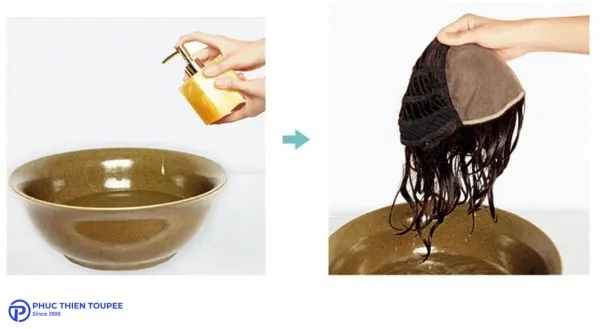
Gentle Detangling Techniques (Post-Wash)
- After the final rinse, gently squeeze out excess water. Place the wig flat on a clean towel and blot gently to remove more moisture. Never rub or wring the wig.
- Place the damp wig on a wig stand.
- Once again, use your wide-tooth comb or wig brush. Start detangling from the ends, working patiently upwards. Be extra gentle as wet hair is more fragile. Using a leave-in conditioner or detangling spray can make this process easier.
Proper Drying Method: Patience is Key
- Air Dry is Best: The absolute best method is to allow the wig to air dry completely on a sturdy wig stand or mannequin head. This helps maintain the cap shape and prevents heat damage. Keep it out of direct sunlight.
- Drying Time: Depending on the wig’s length, density, and ambient humidity, this can take several hours or even overnight. Ensure it’s fully dry before storing or styling.
- Avoid Blow Drying (If Possible): While human hair can technically be blow-dried, frequent or high-heat blow-drying can cause dryness, damage, and shorten the wig’s lifespan. If you must blow-dry, use the lowest heat setting, keep the dryer moving, point the airflow downwards (root to tip), and always apply a quality heat protectant spray first.
Smart Styling Practices for Longevity
- Heat Protection is Mandatory: Before using any heat styling tool (flat iron, curling iron, hot rollers), always apply a generous amount of heat protectant spray evenly throughout the hair.
- Use Moderate Heat: Opt for the lowest temperature setting on your tools that still achieves the desired style. Avoid excessive heat (generally stay below 350°F or 175°C, but check manufacturer recommendations).
- Minimize Heat Frequency: Try to limit heat styling. Explore heatless styling methods or allow the wig to air dry in its natural texture sometimes.
- Product Usage: Use styling products sparingly to avoid build-up, which necessitates more frequent washing. Choose lightweight, water-based products when possible. Avoid products with high alcohol content, which can be drying.
- Be Gentle: Avoid excessive pulling, tugging, or brushing, especially near the cap.
Secure Storage Solutions
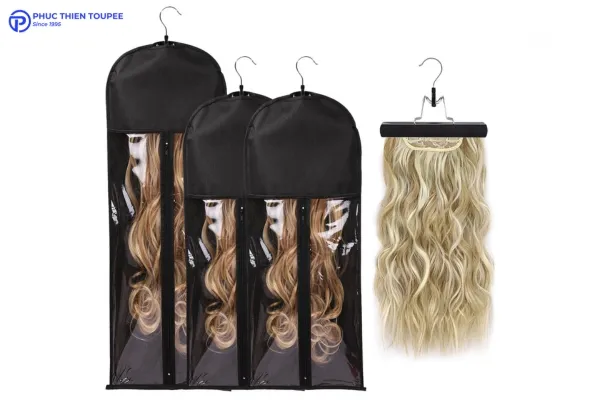
- Wig Stand or Mannequin Head: The ideal storage method between wears. Maintains the cap shape and prevents tangling. Keep it covered loosely (e.g., with a light scarf or in a closet) to protect from dust.
- Silk or Satin Bag: If storing for longer periods, ensure the wig is clean, dry, and detangled. Gently fold it (root to tip) and place it in a breathable silk or satin bag. This prevents tangling and retains moisture better than plastic.
- Cool, Dry Place: Store your wig away from direct sunlight, heat sources, and high humidity.
Phuc Thien Wig Care Dos and Don’ts Table:
| Do | Don’t |
| Do use sulfate-free, wig-specific/color-safe products. | Don’t use regular shampoos (can be too harsh). |
| Do detangle gently from ends to roots before washing. | Don’t scrub, rub, or wring the wig, especially when wet. |
| Do wash in cool or lukewarm water. | Don’t use hot water. |
| Do apply conditioner away from the cap/knots. | Don’t saturate the wig base with conditioner. |
| Do allow the wig to air dry completely on a stand. | Don’t blow dry on high heat or store while damp. |
| Do use heat protectant spray before any heat styling. | Don’t use excessive heat or style with heat frequently. |
| Do store on a wig stand or in a silk/satin bag. | Don’t store unprotected, in direct sunlight, or plastic bags. |
| Do brush/comb gently, supporting the hair at the base. | Don’t pull or tug aggressively on tangles. |
| Do seek professional help for repairs or deep treatment. | Don’t neglect regular care and maintenance. |
Following these detailed care steps recommended by Phuc Thien will significantly extend the life and beauty of your human hair wig, making it a truly worthwhile investment.
✨ A toupee shouldn’t just hide hair loss — make it a style statement!
The Rise of Custom Wigs: Tailoring to Your Unique Needs
While high-quality stock wigs offer fantastic options, there are times when only a custom-made human hair wig will do. Custom wigs represent the pinnacle of personalization in the world of hair replacement and enhancement. They are meticulously crafted to your exact specifications, offering an unparalleled level of fit, comfort, and natural appearance. Phuc Thien takes pride in guiding clients through the rewarding process of creating their perfect custom piece.
What Exactly is a Custom Wig?
Unlike stock wigs manufactured in standard sizes and styles, a custom wig is created from scratch based on an individual’s specific requirements. This involves detailed measurements, choices regarding every aspect of the hair and cap, and often direct collaboration between the client and the wig specialist.
The Customization Journey with Phuc Thien: Step-by-Step
Creating a custom wig is a collaborative process focused on achieving your unique vision:
- Initial Consultation: This is the cornerstone. You’ll discuss your needs, desires, lifestyle, and any specific concerns (e.g., sensitive scalp, type of hair loss) with a Phuc Thien expert. You’ll explore different hair types, textures, colors, lengths, densities, and cap constructions.
- Precise Measurements: Accurate measurements are critical for a perfect fit. This usually involves measuring the circumference of your head, front-to-nape, ear-to-ear (across the forehead and over the top), temple-to-temple, and nape width. Phuc Thien provides clear instructions or virtual assistance to ensure accuracy. For complex needs, a head mold might be created.
- Hair Selection: You choose the specifics:
- Hair Type/Origin: European, Indian, Brazilian, Asian Remy hair, etc., based on desired texture and performance.
- Hair Texture: Straight, wavy, curly (specifying the curl pattern).
- Hair Color: Providing samples (like your own bio hair if matching) or selecting from detailed color charts, including options for highlights, lowlights, or rooted looks.
- Hair Length: Measured from crown to tip.
- Hair Density: Selecting the percentage for the desired fullness (e.g., 130%, 150%, 180%).
- Cap Design and Selection: Based on your needs (comfort, realism, styling goals, potential adhesive use), you’ll choose the cap construction elements: lace type (Swiss, French), lace placement (front, full), monofilament areas, wefting, addition of clips, combs, or adjustable straps, potentially including features like silicone strips for extra grip or silk linings for supreme comfort.
- Crafting and Production: Once all specifications are confirmed, the meticulous process of handcrafting your wig begins. This involves ventilating (hand-tying) hairs onto the chosen cap base, coloring (if required), and initial styling. This stage requires significant time and skill.
- Production Timeframe: Be aware that custom wigs take time to create – typically ranging from 6 to 12 weeks, sometimes longer depending on complexity and current demand. Phuc Thien will provide an estimated timeframe.
- Final Fitting and Styling: Once completed, the wig is shipped to you. Minor adjustments or professional styling (cutting layers, bangs) might be desired upon receipt to perfectly blend with your features.
Who Benefits Most from Custom Wigs?
While anyone can opt for a custom wig, they are particularly beneficial for:
- Individuals with Unique Head Sizes/Shapes: Standard caps may not fit comfortably or securely.
- Specific Hair Loss Patterns: Conditions like alopecia areata or scarring alopecia may require specific cap designs for coverage and security.
- Desire for an Exact Match: Matching bio hair color, texture, and density precisely, especially for partial integration.
- Medical Needs: Those undergoing chemotherapy or with extreme scalp sensitivity may need specific soft materials or cap features not found in standard wigs.
- Performers or Public Figures: Requiring maximum realism, durability, and styling versatility for demanding situations.
- Clients Seeking Ultimate Personalization: Anyone who wants complete control over every detail of their hairpiece.
The Investment in Perfection
Custom human hair wigs naturally come at a higher price point than stock wigs due to the premium materials, extensive customization options, and intensive hand-labor involved. However, Phuc Thien encourages clients to view this not just as a purchase, but as an investment in:
- Unmatched Comfort: A perfect fit eliminates pressure points and ensures security.
- Supreme Confidence: Knowing your wig is undetectable and perfectly suited to you.
- Long-Term Value: A well-fitting, high-quality custom wig, when properly cared for, can offer excellent longevity.
- Achieving Your Exact Vision: No compromises on style, color, or fit.
Choosing a custom wig is a journey towards achieving the hair you’ve always dreamed of, tailored uniquely to you. Phuc Thien’s expertise ensures this process is seamless, supportive, and results in a wig you’ll love and cherish.
Understanding Wig Lifespan: Maximizing Your Investment
A high-quality human hair wig is a significant investment, and naturally, you want it to last as long as possible while looking its best. The lifespan of a wig isn’t fixed; it’s influenced by a combination of factors related to its construction, your habits, and how well you care for it. Phuc Thien believes that understanding these factors empowers you to make choices that extend the beauty and usability of your wig.
Key Factors Influencing Wig Longevity (In Detail)
- Hair Quality & Type (Crucial Factor):
- Remy Hair: Cuticles are intact and aligned in the same direction. This drastically reduces tangling and matting, significantly extending lifespan compared to non-Remy hair. Phuc Thien prioritizes high-grade Remy hair.
- Virgin Hair: Unprocessed hair is inherently stronger and more resilient than hair that has been chemically treated (dyed, permed). Virgin hair wigs generally last the longest, assuming proper care.
- Processed Hair: Pre-colored or textured hair has undergone chemical processes that can slightly weaken the hair structure over time, making it more susceptible to dryness or damage if not cared for meticulously.
- Cap Construction:
- Hand-Tied Areas (Lace, Monofilament): The knots where hair is tied to the base are delicate points. Excessive friction, harsh brushing near the base, or conditioner applied to knots can cause shedding over time.
- Wefted Caps: Machine-sewn wefts are generally more robust, but the hair itself still requires care.
- Frequency of Wear:
- Daily Wear: Constant exposure to environmental factors (sun, wind, pollution), friction from clothing, and body oils means a wig worn daily will inevitably wear out faster than one worn occasionally.
- Occasional Wear: Wigs reserved for special events or worn a few times a week will naturally last much longer.
- Care Routine (The Most Controllable Factor):
- Washing: Using correct, gentle techniques and appropriate products (sulfate-free, moisturizing) is vital. Over-washing or using harsh detergents strips the hair. Under-washing leads to build-up and tangles.
- Conditioning: Essential for maintaining moisture, as wig hair doesn’t receive natural scalp oils. Deep conditioning periodically is beneficial.
- Detangling: Gentle, regular detangling prevents small knots from becoming large, damaging mats.
- Drying: Air drying is always preferred over heat drying to prevent damage.
- Styling Habits:
- Heat Styling: Frequent use of high heat (flat irons, curling irons, blow dryers) is one of the fastest ways to degrade human hair, causing dryness, brittleness, split ends, and color fading. Using heat protectants and moderate temperatures helps mitigate but not eliminate damage.
- Chemical Processing: Coloring or perming the wig after purchase adds stress to the hair fibers. Professional application minimizes risk, but it’s still a factor.
- Product Build-up: Heavy use of sprays, gels, or mousses requires more frequent washing, increasing wear and tear.
- Environmental Factors:
- Friction: Constant rubbing against collars, scarves, or even pillowcases (if slept in) causes wear, tangling, and potential breakage, especially at the nape.
- Sun Exposure: Prolonged UV exposure can dry out the hair and cause color oxidation (fading or brassiness).
- Climate: Very dry or very humid climates can affect the hair’s moisture balance. Hard water minerals can also build up on the hair.
- Storage:
- Proper storage on a wig stand or in a satin bag protects from dust, prevents tangling, and helps maintain the cap shape. Improper storage (e.g., bunched up in a drawer) leads to damage.
Realistic Lifespan Expectations (Estimates)
These are general guidelines, and individual results will vary based on the factors above. Phuc Thien provides these estimates for well-cared-for wigs:
| Wig Type / Factor | Typical Lifespan Expectation | Notes |
| High-Quality Remy Hair Wig (Daily Wear) | 1 to 2 years | Assumes excellent care routine, moderate heat styling. |
| High-Quality Remy Hair Wig (Occasional Wear) | 2 to 3+ years | Lifespan greatly extended with less frequent wear and proper storage. |
| Virgin Remy Hair Wig (Daily Wear) | 1.5 to 2.5 years | Potentially longer lasting due to unprocessed nature, with top care. |
| Virgin Remy Hair Wig (Occasional Wear) | 3 to 5+ years | Can last significantly longer if worn infrequently and cared for well. |
| Non-Remy Hair Wig (Daily Wear) | 3 to 6 months | Prone to tangling and faster degradation due to cuticle misalignment. |
| Non-Remy Hair Wig (Occasional Wear) | 6 to 12 months | Lifespan still limited by inherent hair quality. |
| Factors Reducing Lifespan: | ||
| Poor Care Routine | Reduces lifespan by 50%+ | Neglect accelerates damage significantly. |
| Frequent High Heat Styling | Reduces lifespan considerably | Heat is a major damaging factor. |
| Frequent Coloring | Can shorten lifespan | Chemical processes add stress, especially bleaching. |
Actionable Tips for Extending Your Wig’s Lifespan
- Invest in Quality: Start with a high-grade Remy human hair wig from a trusted source like Phuc Thien. Quality materials last longer.
- Rotate Wigs: If you wear wigs daily, consider having two and alternating them. This allows each wig to ‘rest’ and reduces wear on both.
- Master the Care Routine: Be diligent with washing, conditioning, detangling, and drying as outlined previously.
- Minimize Heat: Embrace air drying and heatless styling methods whenever possible. When using heat, use protection and low settings.
- Use the Right Products: Stick to sulfate-free, moisturizing products designed for processed human hair.
- Protect from Friction: Be mindful of high collars. Consider a silk scarf barrier. Use a silk or satin pillowcase if you must sleep in your wig (though generally advised against for longevity).
- Store Properly: Always use a wig stand or mannequin head, or a satin bag for longer storage.
- Seek Professional Help: For deep conditioning treatments, minor repairs (like loose knots), or professional refurbishment, consult a wig specialist.
By treating your human hair wig with care and understanding the factors that affect its longevity, you can maximize your enjoyment and the value of your investment. Phuc Thien is dedicated to providing not only quality wigs but also the knowledge you need to keep them beautiful for as long as possible.
Care and style: Learn Human Hair Wig Care and explore Wig Customization for perfect results
Conclusion
Human hair wigs are a fantastic way to enhance your look, boost your confidence, and explore new styles. By understanding the different types of wigs, cap constructions, hair origins, and care techniques, you can make an informed decision and choose the perfect wig for your needs. Phuc Thien is committed to providing high-quality human hair wigs that empower you to look and feel your best. Contact us today to discover your dream hair!
This comprehensive article provides valuable information, addresses user search intents, and adheres to SEO best practices. By focusing on quality content, engaging visuals, and positive language, this article is well-positioned to perform well on Google Discovery and achieve top search rankings.
Phuc Thien Toupee Co., Ltd
Design Brand: Royal Hair Vietnam
Office Address:
🏢 Room A909, Decapella Building, 116 Luong Dinh Cua Street, An Khanh Ward, Thu Duc City, Ho Chi Minh City 700000, Vietnam
Factory Address:
🏭 No. 26/9, Street 57, Thuong Hamlet, Tan Thong Hoi Ward, Cu Chi District, Ho Chi Minh City 700000, Vietnam
Email: ✉️ phucthientoupeevn@gmail.com
Phone / WhatsApp: 📞 +84 933 901 196
Websites: 🌐 phucthientoupee.com – 🌐 royalhair.shop



