

- 20/05/2025
- Posted by: phucthien
- Categories: Blog, Hair Loss & Hairpiece Options

Hairpieces For Children: 6 Comforting Alopecia Solutions
Hairpieces for children experiencing alopecia offer a wonderful path towards renewed confidence and self-expression, providing natural-looking hair replacement options specifically designed for young wearers.
Understanding Alopecia in Children
Navigating childhood hair loss presents unique challenges, not just physically but emotionally.
- The Emotional Impact on Children: Hair is often intertwined with identity and self-image, especially during formative childhood and teenage years. Self-consciousness: Worrying about looking different from peers.
- Why Consider Hairpieces?: Hairpieces for children, also known as children’s wigs, pediatric hair systems, or cranial prostheses, offer numerous benefits beyond just covering hair loss.

Key Factors When Choosing Hairpieces for Children
Selecting the right hairpiece requires careful consideration of several factors tailored to a child’s specific needs and lifestyle.
- Comfort and Scalp Health: A child’s scalp is often more sensitive than an adult’s.
- Security and Fit: Whether they’re running on the playground, participating in sports, or simply playing, their hairpiece needs to stay securely in place.
- Natural Appearance: The goal is often a hairpiece that looks and feels like natural hair, allowing the child to blend in seamlessly and feel confident.
- Durability and Maintenance: Parents need realistic options that fit into busy family life.
- Child’s Preference and Lifestyle: Involving the child (age appropriately) in the selection process is vital for acceptance and positive feelings towards the hairpiece.
- Budget Considerations: Prices vary widely based on hair type, cap construction, size, and customization.

Top 6 Hairpiece Options for Children with Alopecia
Choosing the right type of hairpiece depends heavily on the extent of hair loss, the child’s lifestyle, scalp sensitivity, and desired look.
- 1. Full Cranial Prosthesis (Medical Wigs): Description: These are full-coverage wigs specifically designed for individuals with significant or total hair loss due to medical conditions like Alopecia Totalis, Universalis, or chemotherapy.
- 2. Lace Front Wigs/Hairpieces: Description: These feature a fine, sheer lace mesh panel along the front hairline, where individual hairs are hand-tied.
- 3. Monofilament Top Hairpieces/Wigs: Description: These incorporate a section (usually the top or crown area) made of fine, transparent mesh material (monofilament).
- 4. Integration Hair Systems (Toppers/Topettes): Description: These are partial hairpieces designed to cover specific areas of thinning or hair loss, typically on the top or crown.
- 5. Headband Wigs/Hairpieces: Description: These innovative pieces feature hair (synthetic or human) attached directly to a soft, comfortable headband.
- 6. Custom-Designed Hair Systems: Description: These are the pinnacle of personalization. A custom hair system is created specifically for the child based on a precise mold or 3D scan of their head.

Non-Damaging Application Methods for Children’s Hairpieces
Ensuring the hairpiece stays secure without causing discomfort, irritation, or damage to the child’s scalp or any remaining hair is crucial.
- Wig Clips: Gentle and Removable: How they work: Small, pressure-sensitive clips are sewn along the inside perimeter of the hairpiece base.
- Double-Sided Medical Grade Tape: Secure Hold: How they work: Specially formulated, hypoallergenic tape strips adhere to both the skin (or a polyurethane strip on the hairpiece) and the hairpiece base. Pros: Provides a very secure hold, good for active children, creates a flat transition (especially with lace fronts), available in various strengths and contours.
- Soft Elastic Bands/Wig Grips: Glueless Security: Wig Grip: A soft, velvety headband worn underneath the hairpiece.
- Liquid Adhesives: For Longer Wear (Use with Caution): How they work: Skin-safe liquid glues specifically designed for bonding hair systems to the scalp, often providing extended wear for days or even weeks (though shorter wear is generally recommended for children).
- Integration Method: Blending with Existing Hair: How it works: Used specifically with Integration Toppers/Systems.
- Professional Application and Guidance: Especially when first starting with hairpieces, or when considering methods like tape or adhesives, seeking professional help is invaluable.

Caring for Your Child’s Hairpiece: Tips for Longevity
Proper care is essential to keep your child’s hairpiece looking its best and lasting as long as possible.
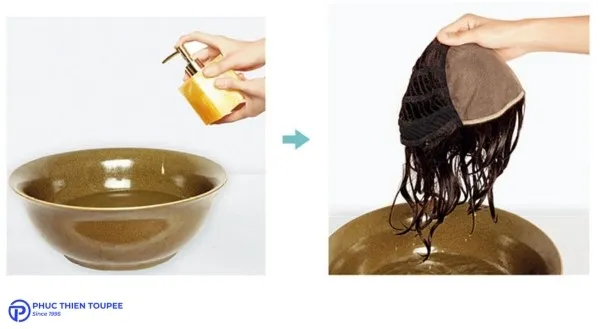
- Washing and Conditioning: Frequency: Depends on wear frequency and activity level.
- Detangling Gently: Tools: Use a wide-tooth comb or a wig brush specifically designed for hairpieces.
- Drying and Styling: Gently squeeze out excess water (do not wring or twist).
- Proper Storage: When not worn: Store the hairpiece on a wig stand or mannequin head.

6. Custom-Designed Hair Systems
| Feature | Full Cranial Prosthesis | Lace Front Wig/Piece | Monofilament Top | Integration Topper | Headband Wig | Custom System |
| Coverage | Full | Full or Partial | Full or Partial | Partial (Top) | Partial | Full or Partial |
| Natural Hairline | Good (if Lace Front) | Excellent | Fair | N/A (Blends) | Fair (Hidden) | Excellent (Custom) |
| Natural Scalp | Excellent (if Mono) | Fair | Excellent | Excellent (Blends) | N/A | Excellent (Custom) |
| Comfort | Very Good | Good (Lace area) | Very Good | Excellent | Excellent | Superior |
| Security | Very Good to Superior | Good (with adhesive) | Good | Fair to Good | Fair | Superior |
| Ease of Use | Moderate | Moderate | Moderate | Moderate | Very Easy | Depends on Method |
| Cost | High | Medium to High | Medium to High | Medium | Low | Very High |
| Best For | Total/Extensive Loss | Realistic Hairline | Natural Parting | Thinning/Patches | Easy/Casual | Perfect Fit/Needs |
| Needs Own Hair? | No | No (for full wig) | No (for full wig) | Yes | No | Depends on Design |