

- 16/05/2025
- Posted by: phucthien
- Category: Blog
Alopecia hairpiece irritation can be a frustrating reality for many seeking hair restoration solutions. Fortunately, Phucthien offers effective strategies and premium hairpieces designed to minimize discomfort and maximize confidence. Let’s explore how to manage scalp irritation and choose the best hairpiece for sensitive skin, ensuring a comfortable and stylish experience. Dive into our comprehensive guide for solutions regarding wig itch, scalp sensitivity, and hair system comfort.
Understanding Alopecia and the Need for Hair Systems
Alopecia is a medical term referring to hair loss. It can manifest in various forms and affect individuals of any age, gender, or ethnicity. While not life-threatening, hair loss can significantly impact self-esteem and quality of life, leading many to explore hair replacement solutions like hairpieces, also known as hair systems or toupees.
Understanding the type of alopecia you have can sometimes provide context for scalp sensitivity:
- Alopecia Areata: An autoimmune condition causing patchy hair loss, potentially progressing to complete scalp hair loss (Alopecia Totalis) or total body hair loss (Alopecia Universalis). The underlying inflammation associated with this condition can contribute to scalp sensitivity even before a hairpiece is worn.
- Androgenetic Alopecia: Commonly known as male-pattern baldness or female-pattern hair loss, this is a genetic condition influenced by hormones. While not typically inflammatory, the scalp can still become sensitive.
- Traction Alopecia: Hair loss caused by sustained tension on the hair follicles, often from tight hairstyles. While hairpieces can cover this, improper attachment could theoretically exacerbate sensitivity in affected areas if not applied correctly.
- Cicatricial Alopecia (Scarring Alopecia): A group of rare disorders that destroy hair follicles and replace them with scar tissue, causing permanent hair loss. The scarring process itself can lead to significant scalp tenderness, itching, or pain, making hairpiece selection crucial.
Wearing a hairpiece can restore a sense of normalcy and confidence for those experiencing hair loss. However, the very solution designed to help can sometimes lead to challenges like scalp irritation, redness, itching, or soreness. This is where understanding alopecia hairpiece irritation becomes vital.

Soothe your scalp: Find gentle Sensitive Skin Adhesives and effective Sensitive Skin Adhesives for Hairpieces
Decoding Alopecia Hairpiece Irritation Causes
Experiencing irritation while wearing a hairpiece when you have alopecia is a common concern, but it is often manageable once the specific cause is identified. Several factors can contribute to scalp sensitivity and discomfort. Phucthien believes that pinpointing these triggers is essential for finding lasting comfort.
Scalp Sensitivity from Alopecia Itself
As mentioned, some forms of alopecia, particularly Alopecia Areata and Cicatricial Alopecia, involve underlying inflammation or changes to the scalp skin. This pre-existing sensitivity can make the scalp more reactive to anything placed upon it, including the materials and adhesives used in hair systems. Even in non-inflammatory types like Androgenetic Alopecia, the scalp might become more exposed and potentially more sensitive over time.
🎨 Your style, your hair — we make it exactly how you want.
Hairpiece Base Materials
The material used for the base of the hairpiece is a primary factor in comfort and potential irritation. Different materials have varying levels of breathability, flexibility, and potential to cause reactions.
- Lace (French or Swiss): Generally considered highly breathable, allowing air and moisture to escape. However, some individuals might find the texture slightly abrasive, especially if the fit isn’t perfect or if cheaper, coarser lace is used.
- Monofilament (Mono): A durable mesh-like material, offering good breathability, though often less than lace. Its structure is generally smooth, but sensitivity can still occur.
- Polyurethane (Poly/Thin Skin): These bases create a very realistic scalp appearance and are easy to clean. However, they are typically less breathable than lace or mono. Trapped heat and sweat underneath can be a significant source of irritation for sensitive scalps. Thinner poly bases offer more comfort but less durability.
- Silicone: Often used in suction or vacuum wigs, silicone can be hypoallergenic for many. However, like poly, it lacks breathability, which can lead to irritation from trapped moisture and heat, especially in warmer climates or during physical activity.
Adhesives, Tapes, and Solvents
The products used to attach the hairpiece are frequent culprits behind scalp irritation.
- Chemical Composition: Liquid adhesives and tapes contain various chemicals. Allergic reactions or irritant contact dermatitis can occur if your skin reacts negatively to specific ingredients. Common irritants include acrylates, latex (in some older or cheaper tapes), and fragrances.
- Residue Buildup: Improper cleaning can leave adhesive or solvent residue on the scalp or the hairpiece base. This buildup can clog pores, trap bacteria, and lead to irritation, inflammation, or even folliculitis (inflammation of hair follicles where some hair remains).
- Solvents: The removers used to dissolve adhesives can also be harsh on the scalp, stripping natural oils and causing dryness or irritation if not used correctly or if they are too aggressive for sensitive skin.
Improper Fit and Application
A hairpiece that doesn’t fit correctly can cause mechanical irritation.
- Friction: If the base edge rubs against the scalp due to poor fit or movement, it can cause chafing and soreness.
- Excessive Tightness: While a secure fit is necessary, applying the hairpiece too tightly can restrict blood flow and put pressure on the scalp, leading to discomfort or headaches, which can be perceived as irritation.
- Incorrect Placement: Placing adhesive or tape too close to remaining hair follicles (if any) can cause pulling and inflammation.
🔍 Looking for a specific size, base, or hair color? Order a fully personalized toupee now!
Hygiene and Maintenance Issues
Maintaining both the scalp and the hair system is crucial for preventing irritation.
- Sweat and Oil Buildup: The scalp naturally produces sweat and sebum (oil). Underneath a hairpiece, especially less breathable ones, this can accumulate, creating a breeding ground for bacteria and fungi, leading to itching and irritation.
- Infrequent Cleaning: Not cleaning the hairpiece or the scalp often enough allows sweat, oil, dead skin cells, and product residue to build up, significantly increasing the risk of irritation.
- Harsh Cleaning Products: Using shampoos, conditioners, or styling products with harsh chemicals (like sulfates or alcohol) on the hairpiece or the scalp can cause dryness and irritation.

Environmental Factors
External conditions can exacerbate scalp sensitivity when wearing a hairpiece.
- Heat and Humidity: Warmer temperatures increase sweating, which can worsen irritation, especially under less breathable bases.
- Dry or Cold Weather: Can lead to scalp dryness and flakiness, making it more prone to itching and irritation under the hairpiece.
Underlying Skin Conditions
Individuals with pre-existing skin conditions like eczema, psoriasis, or seborrheic dermatitis may find that wearing a hairpiece can trigger or worsen flare-ups on the scalp. The occlusive nature of the hairpiece, combined with potential irritants, can disrupt the skin barrier.
Identifying the specific cause or combination of factors is the foundation for effectively managing and preventing alopecia hairpiece irritation. Consulting with a hair replacement specialist, like the team at Phucthientoupee, and potentially a dermatologist is often beneficial.
Preventing Alopecia Hairpiece Irritation: Proactive Strategies
Prevention is always the preferred approach when dealing with potential scalp irritation from hairpieces. By making informed choices and adopting consistent care routines, you can significantly enhance your comfort and wearing experience. Phucthien emphasizes these proactive steps for optimal scalp health.
Choosing the Best Hairpiece for Your Sensitive Scalp
Selecting the right hair system is arguably the most critical step in preventing irritation, especially for individuals with alopecia and sensitive skin.
- Prioritize Breathable Base Materials:
- Lace (Swiss or French): These are often the top recommendation for sensitive scalps due to their excellent ventilation. Swiss lace is finer and softer but more delicate; French lace is slightly more durable. Breathability allows heat and moisture to escape, reducing the risk of sweat-related irritation.
- Monofilament: Offers good breathability and durability. It can be a good option if lace feels too fragile or slightly abrasive.
- Hybrid Bases: Many modern systems combine materials. For example, a lace front for a natural hairline with a monofilament top for durability and parting flexibility, or poly perimeter for easier cleanup with a breathable center. These can offer a good balance.
- Consider Hair Type:
- Human Hair: Generally preferred for its natural look and feel. Ensure it is high-quality processed hair (like Remy hair) to minimize potential chemical residues from processing that could cause sensitivity.
- Synthetic Hair: Modern synthetics can look very natural but are less breathable than human hair fibers. The fiber itself rarely causes irritation, but it can contribute to heat buildup.
- Ensure Proper Customization and Fit:
- A custom-made hairpiece ensures the base contours perfectly to your head shape. This minimizes gaps where sweat can pool and prevents edges from rubbing or digging into the scalp. Phucthientoupee specializes in creating custom fits for maximum comfort.
- Accurate measurements are crucial. A professional consultation can guarantee the template and resulting hairpiece are perfectly sized.
- Material Patch Testing:
- Before committing to a full system or a new material, ask your provider (like Phucthientoupee) if you can obtain small samples of the base materials being considered.
- Tape a small piece of the material to an inconspicuous area of your skin (like the inner forearm or behind the ear) for 24-48 hours to check for any redness, itching, or reaction.

Table: Hairpiece Base Materials for Sensitive Scalps
| Material | Breathability | Softness | Durability | Sensitivity Considerations | Best For |
| Swiss Lace | Excellent | Very Soft | Low | Ultra-gentle, best ventilation. Can be fragile. | High sensitivity, prioritize comfort over lifespan |
| French Lace | Very Good | Soft | Medium | Good ventilation, slightly more durable than Swiss. | Moderate to high sensitivity, good balance |
| Monofilament | Good | Moderate | High | Durable, less abrasive than some lace. Less airy than lace. | Mild to moderate sensitivity, durability needed |
| Thin Skin PU | Low to Poor | Very Soft | Low-Medium | Realistic look, easy clean. Traps heat/sweat. | Low sensitivity, prioritize realism, cool climates |
| Silicone | Poor | Soft | High | Hypoallergenic potential, secure. Traps heat/sweat. | Specific allergies, need for suction grip |
| Hybrid | Varies | Varies | Varies | Balances features e.g., breathable center, easy-clean edge | Tailored needs, combining benefits |
✨ A toupee shouldn’t just hide hair loss — make it a style statement!
Selecting Gentle Adhesives and Tapes
Choosing the right attachment method is as important as choosing the right base.
- Hypoallergenic Options: Look specifically for medical-grade adhesives and tapes labeled hypoallergenic or designed for sensitive skin. Many reputable brands offer product lines catering to this need.
- Water-Based Adhesives: These often contain fewer harsh chemicals than solvent-based glues and can be gentler on the skin. They may require more frequent reapplication but can be a worthwhile trade-off for comfort.
- Extended Wear vs. Daily Wear: Adhesives designed for weeks of wear are typically stronger and may have a higher potential for irritation over time compared to daily wear tapes or glues. Consider shorter attachment periods if you have high sensitivity.
- Adhesive Patch Testing: Crucial Step. Before applying any new adhesive or tape extensively, perform a patch test. Apply a small amount to your inner forearm or behind the ear. Cover with a bandage and leave for 24-48 hours (or the intended wear time, if shorter). Check for any signs of reaction like redness, itching, blistering, or swelling. Perform this test for every new product, even different types from the same brand.
Mastering Proper Application Techniques
How you apply the hairpiece significantly impacts comfort.
- Scalp Preparation:
- Cleanse Thoroughly: Start with a clean, dry scalp. Use a gentle, pH-balanced cleanser recommended for scalp use before hairpiece application. Ensure all previous adhesive residue is removed.
- Use a Scalp Protector/Barrier: Applying a scalp protector forms a thin barrier between your skin and the adhesive/tape. This is highly recommended for sensitive skin. Products like No Sweat or Sure Prep can minimize irritation and improve adhesion. Let the protector dry completely before applying adhesive.
- Adhesive/Tape Application:
- Apply to Base or Scalp as Directed: Follow product instructions. Some adhesives go on the base, others on the scalp.
- Use Thin, Even Layers: For liquid adhesives, apply thin, even coats and allow them to become tacky as instructed before placement. Thick layers can cure improperly and trap solvents against the skin.
- Avoid Contact with Remaining Hair: If you have some remaining hair, be careful not to get adhesive or tape directly onto it, as removal can cause pulling and follicle irritation.
- Hairpiece Placement:
- Gentle Placement: Position the hairpiece carefully without excessive stretching or pulling on the base or your scalp.
- Ensure Smooth Contact: Press down gently but firmly to ensure good contact between the adhesive/tape and the scalp, eliminating air bubbles.
- Seek Professional Guidance: Especially when starting, having a professional at Phucthientoupee apply your system can ensure proper technique, fit, and product selection, minimizing initial irritation risks.
Implementing Consistent Hygiene and Maintenance
A clean scalp and a clean hair system are non-negotiable for preventing irritation.
- Regular Scalp Cleansing:
- Remove your hairpiece according to your chosen wear schedule (daily, weekly, bi-weekly).
- Gently cleanse your scalp with a mild, sulfate-free, hypoallergenic shampoo. Avoid scrubbing aggressively.
- Rinse thoroughly to remove all product.
- Pat dry gently. Allow your scalp to air dry completely before reapplying the hairpiece or applying soothing lotions if taking a break.
- Thorough Hairpiece Cleaning:
- Remove all adhesive residue from the base using a recommended remover suitable for the base material and your skin sensitivity. Citrus-based or oil-based removers are often gentler than alcohol-based ones, but always patch test.
- Wash the hairpiece (hair and base) using shampoos and conditioners specifically designed for hair systems or those that are sulfate-free and gentle.
- Rinse meticulously to remove all cleaning products.
- Allow the hairpiece to air dry completely before reapplication.
- Allow Scalp Breathing Time: If possible, incorporate breaks from wearing your hairpiece, even if just overnight or for a few hours each day. This allows the scalp to breathe, recover, and reduces continuous occlusion.
- Scalp Care Between Wears: Apply gentle, fragrance-free moisturizers or soothing lotions (like aloe vera or chamomile-based products) to the scalp during breaks to maintain skin health and hydration.
By diligently following these preventative strategies, you significantly increase your chances of a comfortable and irritation-free experience with your alopecia hairpiece. Remember that consistency is key.

Treating Alopecia Hairpiece Irritation: Finding Relief
Despite best prevention efforts, irritation can sometimes still occur. Knowing how to effectively treat alopecia hairpiece irritation when it arises is crucial for comfort and continued successful wear. Phucthien advises prompt and appropriate action.
Immediate Steps for Relief
If you start experiencing itching, burning, redness, or soreness under your hairpiece:
- Remove the Hairpiece: This is the most important first step. Continuing to wear the system over irritated skin will likely worsen the condition. Carefully remove the hairpiece using the appropriate solvent/remover, being as gentle as possible.
- Gentle Cleansing: Cleanse your scalp very gently with cool or lukewarm water and a mild, hypoallergenic, fragrance-free cleanser. Avoid hot water and harsh soaps, which can further irritate the skin. Pat the scalp dry softly with a clean towel; do not rub.
- Cool Compresses: Apply a cool compress (a clean cloth soaked in cool water or wrapped around ice packs) to the affected area for 15-20 minutes at a time, several times a day. This can help reduce inflammation, itching, and burning sensations.
- Avoid Scratching: Although difficult, try to avoid scratching the irritated area, as this can break the skin, introduce bacteria, and worsen inflammation. Keeping fingernails short can help minimize damage from unconscious scratching.
Over-the-Counter (OTC) Treatments
Several readily available OTC products can help manage mild to moderate irritation:
- Hydrocortisone Cream (0.5% or 1%): A low-potency topical steroid that can effectively reduce itching and inflammation. Apply a thin layer to the affected area 1-2 times daily for a few days. Important: Use only for short periods unless directed by a healthcare professional, as prolonged use can thin the skin. Do not apply to broken skin without medical advice.
- Topical Antihistamines: Creams or gels containing diphenhydramine can help relieve itching. However, some people can develop sensitivity to topical antihistamines, so use with caution and monitor the skin’s reaction.
- Oral Antihistamines: Non-drowsy (e.g., cetirizine, loratadine) or drowsy (e.g., diphenhydramine – Benadryl) antihistamines taken by mouth can help control widespread itching, especially if it disrupts sleep. Consult a pharmacist or doctor if you have other medical conditions or take other medications.
- Soothing Lotions and Gels: Products containing calming ingredients like aloe vera, chamomile, calendula, or colloidal oatmeal can help soothe irritated skin and reduce redness. Ensure they are fragrance-free and hypoallergenic.
- Medicated Shampoos: If dandruff or seborrheic dermatitis seems to be contributing, using a shampoo containing ketoconazole, selenium sulfide, or zinc pyrithione on the scalp (when the hairpiece is off) might help, but introduce them carefully as they can sometimes be drying.
Note: Always perform a patch test with any new topical product on a small, unaffected area of skin before applying it to the irritated scalp.

When to Seek Professional Medical Help
While many cases of irritation can be managed at home, it is important to consult a healthcare professional (dermatologist or primary care physician) if:
- Irritation is severe, widespread, or includes blistering, weeping, or significant pain.
- Symptoms do not improve or worsen after a few days of home care.
- You suspect an infection (increased redness, warmth, pus, fever).
- Irritation occurs repeatedly despite preventative measures.
- You have a known history of severe skin allergies or conditions like psoriasis or eczema that are flaring badly.
A doctor can accurately diagnose the cause (e.g., allergic contact dermatitis vs. irritant contact dermatitis vs. infection vs. flare-up of an underlying condition) and prescribe stronger treatments if necessary, such as:
- Prescription-Strength Topical Steroids: More potent creams or ointments for severe inflammation.
- Topical or Oral Antibiotics/Antifungals: If a bacterial or fungal infection is present.
- Allergy Testing (Patch Testing): A dermatologist can perform patch testing to identify specific allergens in adhesives, tapes, base materials, or care products that might be causing an allergic reaction. This is invaluable for pinpointing problematic substances.
- Oral Steroids: In very severe, widespread cases, a short course might be prescribed.
Adjusting Your Hairpiece Routine Post-Irritation
Once the irritation has subsided (allow the scalp to heal completely before reapplying), you need to make adjustments to prevent recurrence:
- Identify the Trigger: Based on the likely cause (new adhesive? prolonged wear? heat?), make specific changes.
- Switch Products: If an adhesive, tape, solvent, or scalp protector is suspected, switch to a different formulation, preferably one specifically for sensitive skin, after patch testing the new product. Phucthientoupee can offer alternative product recommendations.
- Change Base Material: If the base material itself seems problematic (e.g., constant irritation with poly), discuss switching to a more breathable option like lace or mono with your provider.
- Modify Wear Schedule: Reduce the duration of attachment (e.g., switch from extended wear to daily wear or take more frequent breaks).
- Enhance Scalp Protection: Be more diligent about using scalp barrier products before every application.
- Review Cleaning Procedures: Ensure you are thoroughly removing all residue and using gentle, appropriate cleaning agents for both the scalp and the system.
Treating alopecia hairpiece irritation effectively involves immediate relief measures, appropriate OTC or prescription treatments, and crucially, making necessary adjustments to your products and routine to prevent future episodes. Patience and working closely with professionals like Phucthien and dermatologists are key.
6 Hairpieces for Alopecia: Focus on Itching and Irritation Management
Choosing the right hairpiece construction is paramount when dealing with alopecia, particularly if you have a sensitive scalp prone to itching and irritation. The base design directly impacts breathability, contact with the skin, and ease of maintenance – all critical factors for comfort. Here, Phucthientoupee highlights six types of hairpiece bases/constructions, evaluating them specifically through the lens of minimizing irritation for alopecia wearers.
1. Full French Lace Systems
- Description: The entire base is constructed from French lace, a fine, mesh-like fabric. Hair is individually hand-tied to the lace.
- Irritation Management Pros:
- Excellent Breathability: Allows air to circulate freely to the scalp and perspiration to evaporate, significantly reducing the risk of heat and moisture buildup, a major source of irritation.
- Lightweight: Feels less heavy or occlusive on the scalp compared to denser bases.
- Soft Texture: Generally soft against the skin, though quality can vary. High-quality French lace is smoother.
- Irritation Management Cons:
- Potential for Abrasion: Lower quality or improperly finished lace edges might feel slightly scratchy to highly sensitive skin initially, though this often softens with wear and washing.
- Adhesive Spread: Liquid adhesive can sometimes seep through the lace if applied too thickly, potentially increasing direct contact with the scalp over a wider area. Careful application is needed.
- Best Suited For: Individuals with mild to high scalp sensitivity who prioritize breathability and a natural look above all else. Ideal for warmer climates or active lifestyles. Requires gentle handling.

2. Full Swiss Lace Systems
- Description: Similar to French lace but made from an even finer, more delicate lace material. Offers the most undetectable hairline.
- Irritation Management Pros:
- Maximum Breathability: The most breathable option available, offering superior comfort in terms of heat and moisture management.
- Ultra-Soft and Lightweight: Extremely gentle on the scalp due to its fine texture. Virtually weightless feel.
- Irritation Management Cons:
- Extreme Delicacy: Very fragile and requires careful handling during application, removal, and cleaning. Can tear easily, potentially leading to frustration or improper handling that could indirectly cause irritation.
- Adhesive Considerations: Similar seepage potential as French lace; requires precise application of adhesives or specialized tapes.
- Best Suited For: Those with very high scalp sensitivity where even French lace feels noticeable. Users who prioritize the ultimate undetectable look and are prepared for meticulous care. Less suitable for very long attachment periods due to fragility.
🌸 Lightweight, breathable, and stylish — discover the perfect topper just for you.
3. Monofilament Top Systems (Often with Poly Perimeter)
- Description: Features a top section made of monofilament (a fine nylon mesh), allowing multi-directional parting and a natural scalp appearance where parted. Often combined with polyurethane (poly) around the perimeter for easier tape/adhesive application and durability, and sometimes a lace front.
- Irritation Management Pros:
- Good Breathability (Top): The mono top offers decent air circulation, though generally less than full lace.
- Smooth Surface: The monofilament material itself is typically smooth against the scalp.
- Durability: Generally more durable than full lace systems.
- Irritation Management Cons:
- Reduced Perimeter Breathability: If combined with a standard poly perimeter, the edges will be less breathable, potentially trapping sweat and causing irritation there. Opting for thin poly or scallop edges can help.
- Potential Stiffness: Depending on the type of mono used, it can sometimes feel slightly stiffer than lace.
- Best Suited For: Individuals with mild to moderate sensitivity who need durability and natural parting. A good compromise if full lace feels too delicate but breathability is still important. Careful selection of perimeter material is key.
4. Thin Skin (Polyurethane – PU) Systems
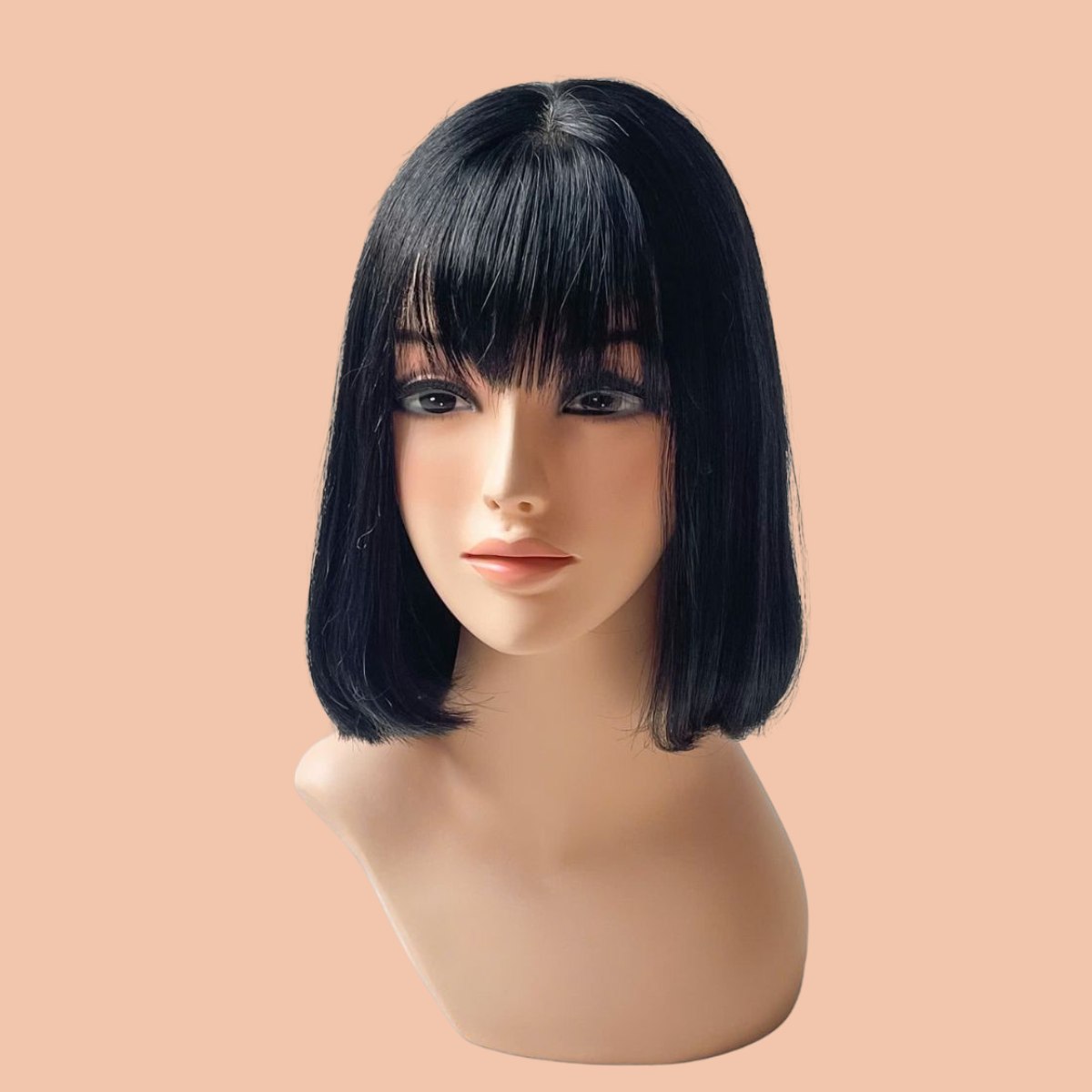
- Description: The base is made entirely of a thin layer of polyurethane, designed to mimic the appearance of skin. Comes in various thicknesses (ultra-thin, thin, medium). Hair is typically injected or looped into the base.
- Irritation Management Pros:
- Realistic Scalp Look: Undeniably offers a very natural scalp appearance.
- Easy Cleanup: Adhesive residue cleans off the smooth poly surface relatively easily.
- Smooth Feel: The surface itself is non-abrasive.
- Irritation Management Cons:
- Poor Breathability: This is the major drawback for sensitive scalps. Polyurethane traps heat and sweat significantly more than lace or mono. This is a primary driver of irritation for many users.
- Potential for Reactions: While the material itself can be inert, the lack of breathability creates an occlusive environment that can exacerbate sensitivity or lead to heat rash (miliaria).
- Durability vs. Comfort: Ultra-thin skin bases (e.g., 0.03mm) are more comfortable and flexible but very delicate and short-lived. Thicker bases are more durable but less comfortable and trap more heat.
- Best Suited For: Individuals with low scalp sensitivity who prioritize the most realistic scalp appearance and easy cleanup, perhaps in cooler climates or with less physical activity. Ultra-thin options may be tolerable for some with sensitivity, but require frequent replacement. Thorough scalp hygiene is critical. Patch testing the specific poly material is advisable.
👜 A quick beauty solution for any occasion — find your ready-to-wear hair topper here.
5. Silicone Base Systems (Often for Suction/Vacuum Fit)
- Description: Utilizes a base made partly or entirely of medical-grade silicone. Often designed for individuals with total hair loss (like Alopecia Totalis/Universalis) and can sometimes adhere through suction without extensive use of tapes or glues, although adhesives are often still needed for security.
- Irritation Management Pros:
- Hypoallergenic Potential: Medical-grade silicone is generally considered biocompatible and less likely to cause allergic reactions than some adhesive chemicals.
- Reduced Adhesive Need (Potentially): If a secure suction fit is achieved, reliance on potentially irritating adhesives might be lessened.
- Smooth and Non-abrasive: The material feels smooth against the skin.
- Irritation Management Cons:
- Very Poor Breathability: Similar to polyurethane, silicone does not breathe well, leading to potential heat and sweat buildup, which can cause irritation.
- Requires Precise Fit: For suction to work, a perfect custom mold and fit are essential. An imperfect fit can cause friction or require more adhesives.
- Can Feel Warm: The insulating properties can make the scalp feel warm.
- Best Suited For: Individuals with extensive or total hair loss, potentially with known allergies to common adhesives (though patch testing silicone is still wise). Best suited for less active individuals or those in cooler climates due to breathability issues. Requires commitment to meticulous hygiene.
6. Hybrid Base Systems (Combining Materials)
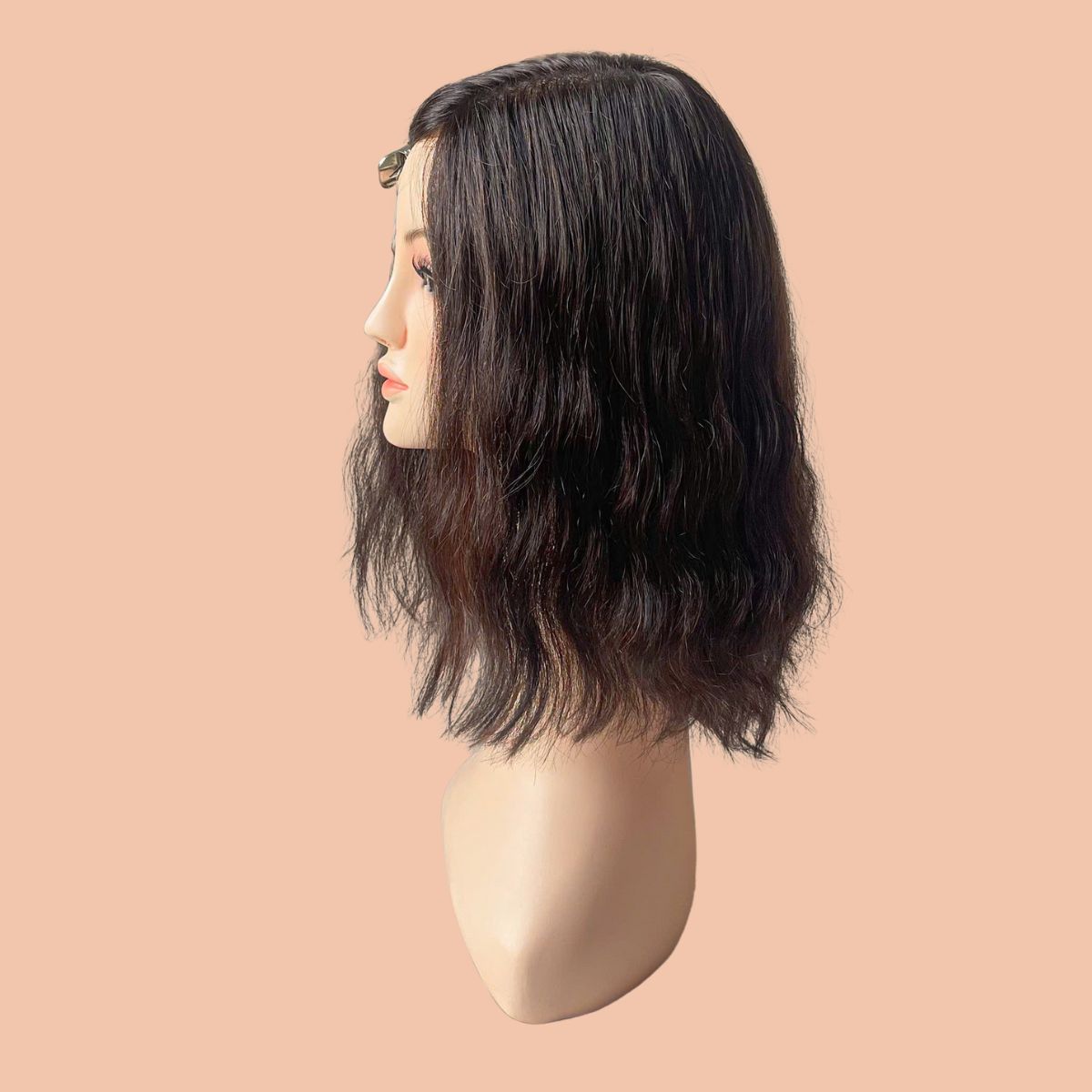
- Description: These systems strategically combine different materials to leverage their respective strengths. Common examples include:
- Lace Front + Mono Top + Poly Perimeter
- Lace Front + French Lace Top + Thin Skin Perimeter
- Mono Top + Full Lace Base
- Irritation Management Pros:
- Balanced Properties: Can offer a good mix of natural hairline (lace front), breathability (lace or mono center), and easier cleanup/secure edge attachment (poly perimeter).
- Customizable Comfort: Allows tailoring the base construction to prioritize comfort in specific areas (e.g., maximum breathability on top, undetectable front).
- Irritation Management Cons:
- Complexity: Can be more complex in construction and sometimes care.
- Potential Irritation Zones: While aiming for balance, areas with less breathable materials (like poly perimeters) can still be potential irritation points if not managed well. Choosing thinner poly or scalloped edges can mitigate this.
- Best Suited For: Many users find hybrids offer the best overall solution. Ideal for those needing a blend of natural appearance, reasonable breathability, and durability/ease of use. Allows customization based on specific sensitivity patterns and lifestyle needs. Working with an expert like Phucthientoupee is key to designing the optimal hybrid base.
✨ Designed to blend seamlessly — shop ready-made toppers for a natural look.
Living Comfortably: Lifestyle, Mindset, and Support
Successfully managing alopecia hairpiece irritation goes beyond just products and techniques; it also involves lifestyle adjustments, a positive mindset, and seeking the right support. Phucthien believes that a holistic approach empowers individuals to wear their hair systems with confidence and comfort long-term.
Managing Expectations and Patience
Understand that finding the perfect combination of hairpiece, adhesive, and care routine might take some trial and error. It is uncommon to achieve flawless, irritation-free wear from day one, especially with a sensitive scalp.
- Be Patient: Allow time for your scalp to adjust to wearing a system and for you to perfect your application and maintenance techniques.
- Expect Adjustments: Be prepared to try different products or even base materials if your initial choice causes persistent issues. View this as a process of discovery, not failure.
- Small Irritations vs. Major Reactions: Learn to differentiate between minor, temporary redness after removal (which might be normal) and significant itching, burning, or rash that signals a bigger problem needing intervention.
Prioritizing Overall Scalp Health
A healthy scalp is more resilient to potential irritants. Focus on nurturing your scalp skin even when not wearing the hairpiece.
- Gentle Cleansing: Use mild, pH-balanced cleansers.
- Moisturizing: Apply light, fragrance-free moisturizers during breaks from wear to prevent dryness. Ingredients like hyaluronic acid or ceramides can be beneficial.
- Avoid Harsh Treatments: Be cautious with harsh chemical treatments, excessive heat styling near the scalp (if you have some bio hair), or abrasive scalp scrubs.
- Nutrition and Hydration: A balanced diet rich in vitamins and minerals and adequate water intake support overall skin health. According to the American Academy of Dermatology Association (AAD), nutrients like iron, zinc, and biotin play roles in hair and skin health. While supplements should be discussed with a doctor, a healthy diet is fundamental.
Building a Support Network
Dealing with alopecia and navigating hair replacement options can sometimes feel isolating. Connecting with others can provide emotional support and practical tips.
- Online Forums and Groups: Platforms like Reddit (e.g., r/alopecia, r/HairSystem) or dedicated Facebook groups offer communities where individuals share experiences, product recommendations, and coping strategies related to alopecia and hair systems.
- Support Organizations: Organizations like the National Alopecia Areata Foundation (NAAF) provide resources, support groups, and information for people living with alopecia.
- Trusted Professionals: Build a relationship with your hair replacement specialist (like Phucthientoupee) and dermatologist. They are key resources for technical support and medical advice.
Focusing on Confidence and Empowerment
Remember why you chose a hairpiece – often to regain confidence and feel more like yourself. Do not let the challenges of potential irritation overshadow the benefits.
- Celebrate Successes: Acknowledge the positive impact the hairpiece has on your life.
- Shift Focus: When you feel comfortable and the system looks good, focus on that positive feeling rather than constantly worrying about potential irritation.
- Advocate for Yourself: Communicate clearly with your hair system provider about your needs and any issues you experience. You deserve a comfortable solution.
Comfort first: Address common issues in Alopecia Hairpieces FAQs and boost Alopecia and Confidence with proper care
Phucthientoupee: Your Partner in Comfort
At Phucthientoupee, we understand the specific challenges faced by individuals with alopecia seeking hair replacement. Our expertise extends beyond just providing high-quality hair systems.
- Personalized Consultations: We take the time to understand your type of alopecia, scalp sensitivity, lifestyle, and aesthetic goals to recommend the most suitable base materials, hair types, and attachment methods.
- Custom Fitting: Precision is key to comfort. Our custom molds and fittings ensure your hairpiece contours perfectly, minimizing friction and potential irritation points.
- Product Knowledge: We stay updated on the latest hypoallergenic adhesives, tapes, scalp protectors, and gentle care products, guiding you towards options best suited for sensitive skin.
- Ongoing Support: We are here to help you troubleshoot issues, refine your maintenance routine, and make adjustments as needed throughout your hair-wearing journey. Our goal is your long-term comfort and confidence.
Living comfortably with an alopecia hairpiece involves proactive care, informed choices, patience, and the right support system. By focusing on scalp health and partnering with experienced professionals, you can navigate potential irritation challenges and fully enjoy the benefits of your hair replacement solution.
Phuc Thien Toupee Co., Ltd
Design Brand: Royal Hair Vietnam
Office Address:
🏢 Room A909, Decapella Building, 116 Luong Dinh Cua Street, An Khanh Ward, Thu Duc City, Ho Chi Minh City 700000, Vietnam
Factory Address:
🏭 No. 26/9, Street 57, Thuong Hamlet, Tan Thong Hoi Ward, Cu Chi District, Ho Chi Minh City 700000, Vietnam
Email: ✉️ phucthientoupeevn@gmail.com
Phone / WhatsApp: 📞 +84 933 901 196
Websites: 🌐 phucthientoupee.com – 🌐 royalhair.shop



