

- 12/05/2025
- Posted by: phucthien
- Categories: Blog, Men’s Hair Systems
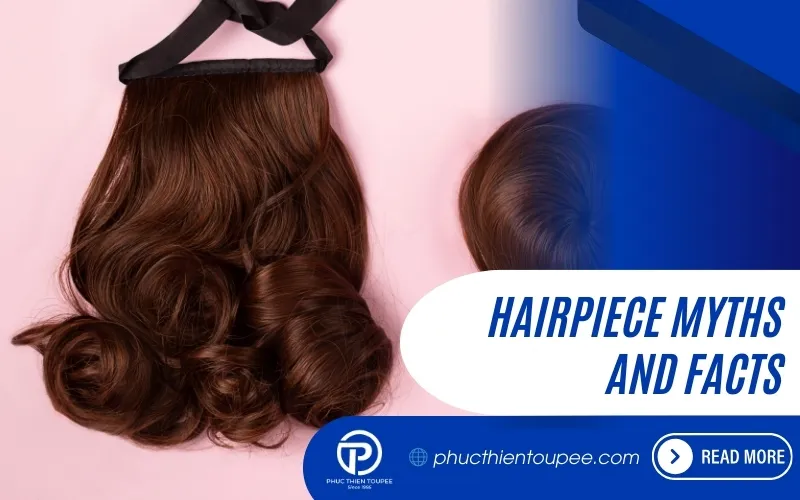
4 Hairpiece Myths and Facts: Separating Fact from Fiction
Hairpiece myths often circulate, creating confusion and hesitation for individuals considering non-surgical hair replacement solutions; these misconceptions can unfortunately prevent people from exploring effective ways to restore their appearance and confidence.
Understanding Hairpieces: Beyond the Stereotypes
Before we dive into debunking specific myths, let’s establish a clear understanding of what modern hairpieces truly entail.
- What Exactly is a Modern Hairpiece?: A modern hairpiece, often referred to as a hair system, toupee, cranial prosthesis, or hair integration system, is a meticulously crafted piece designed to cover areas of partial or significant hair loss or thinning.
- Who Benefits from Hair Replacement Systems?: Hair replacement systems are versatile solutions suitable for a wide range of individuals across diverse demographics (ages 20-65+, all genders, ethnicities including Caucasian and Asian, particularly Korean populations where non-surgical options are popular).

Hairpiece Myth 1: Hairpieces Damage Your Natural Hair and Scalp
One of the most persistent concerns revolves around the potential harm hairpieces might inflict on existing natural hair and the underlying scalp.
- The Fiction: Suffocation and Follicle Damage Fears: The misconception is that wearing a hairpiece creates an impenetrable barrier, preventing the scalp from ‘breathing’ and potentially damaging hair follicles beneath it.
- The Fact: Breathability and Proper Application are Key: The reality is that modern, high-quality hairpieces are designed with scalp health in mind.
- Scientific Insight: What Experts Say About Scalp Health: Dermatologists and trichologists (hair and scalp specialists) generally agree that when used correctly, modern hair systems do not inherently damage hair follicles or prevent hair growth.
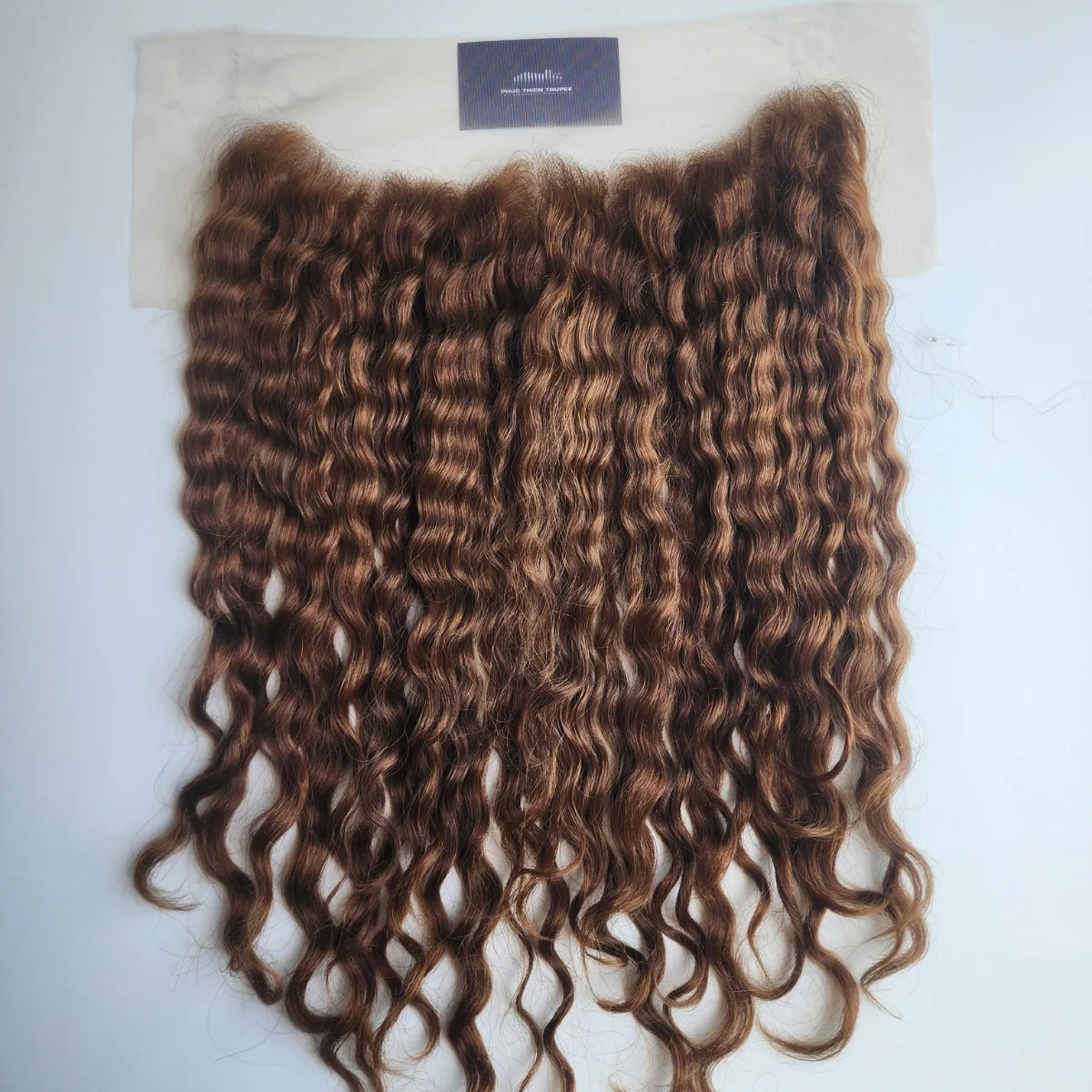
Myth 2: Hairpieces Inevitably Cause Further Hair Loss
Closely related to the first myth is the fear that wearing a hairpiece will actively accelerate or cause new hair loss, particularly traction alopecia.
- The Misconception: Traction Alopecia Link: The worry stems from the idea that the weight of the hairpiece, or the tension created by attachment methods (especially clips or tight bonds), constantly pulls on the existing natural hair follicles.
- Expert Opinions on Hair Loss and Hair Systems: Experts in dermatology and hair restoration acknowledge the potential for traction alopecia with any hair attachment that exerts prolonged tension (including tight hairstyles like braids or weaves).
- Choosing the Right Attachment: Minimizing Stress: Liquid Adhesives/Tapes: Generally considered the lowest risk for traction alopecia when applied to shaved or minimally haired skin under the system’s base.
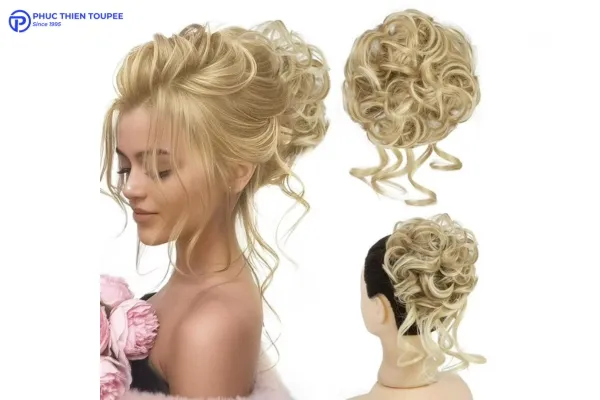
Myth 3: Hairpieces Have a Very Short and Costly Lifespan
A common hesitation point is the perceived cost and maintenance burden, fueled by the myth that hairpieces need constant, expensive replacement, making them financially unsustainable.
- The Truth: Lifespan Depends on Quality and Care: Human Hair: Generally lasts longer than synthetic, especially high-quality Remy human hair.
- Breaking Down Longevity: Human vs. Synthetic Hair: Coloring should typically be done professionally to avoid damage.
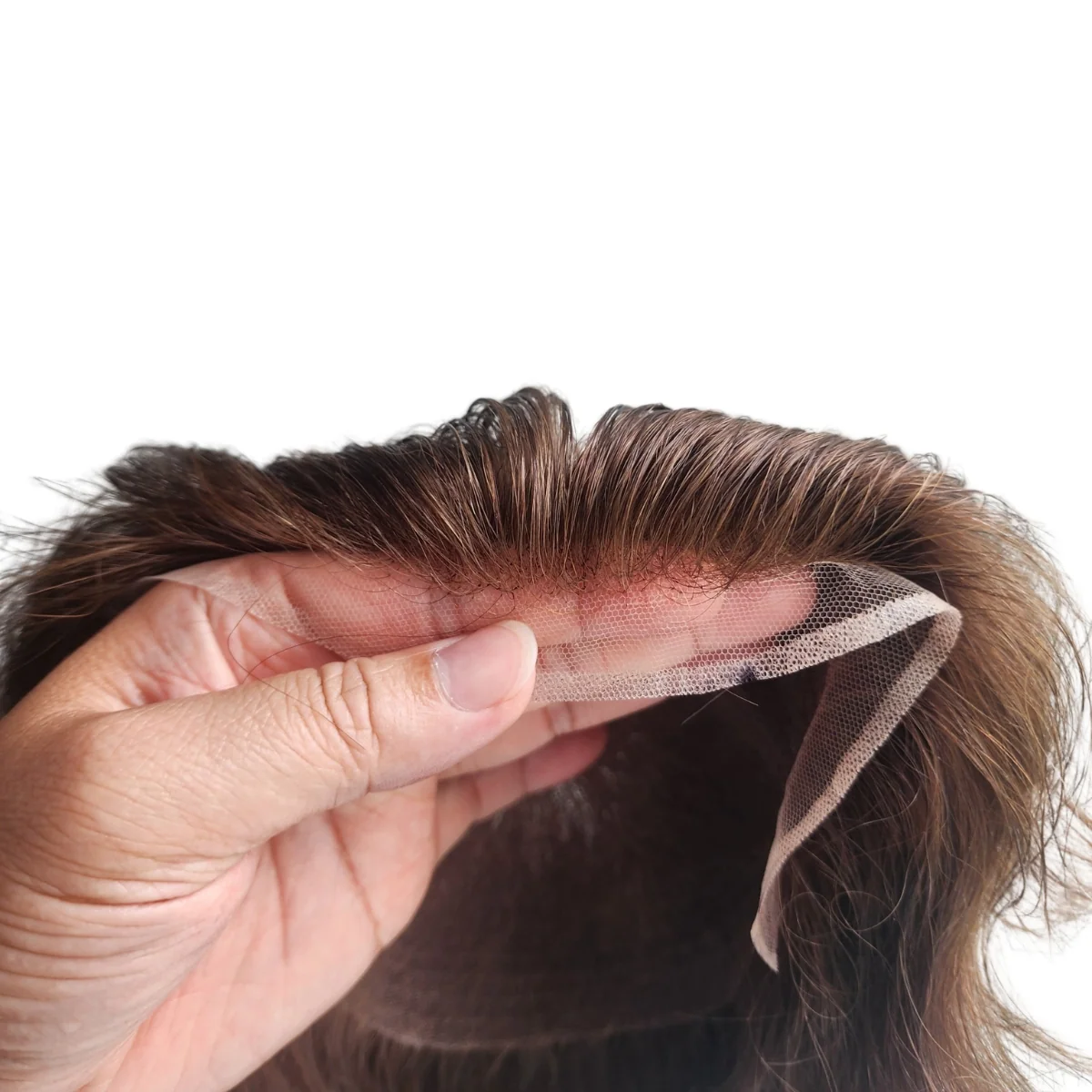
Myth 4: All Hairpieces Look Fake and Unnatural
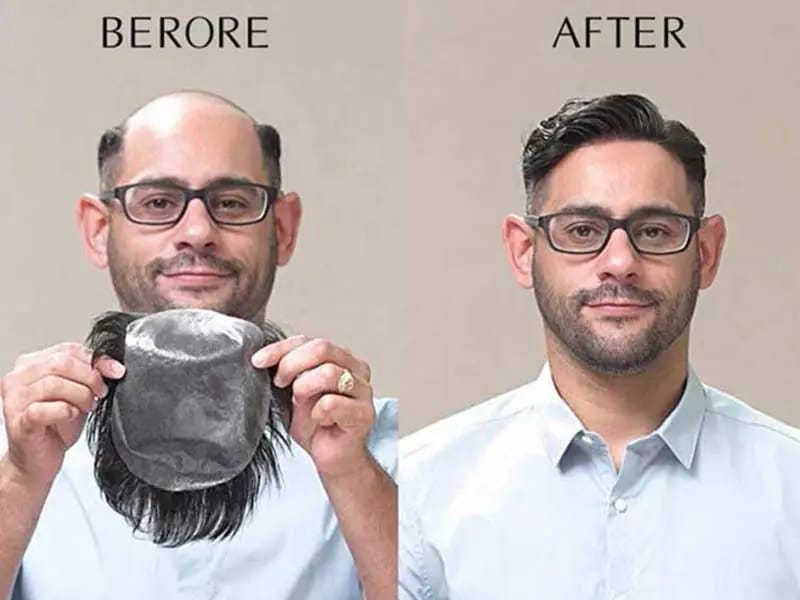
Perhaps the most damaging myth is the persistent stereotype that hairpieces are inherently obvious, looking like a “rug” or “helmet” sitting unnaturally on the head.
- The Modern Reality: Undetectable Integration: Today’s high-quality hair replacement systems, especially custom-made ones like those from Phucthien, are engineered for seamless integration and undetectability.
- Tips for Achieving the Most Natural Appearance: Keep it Clean: A clean system styles better and looks more natural.
Choosing the Right Hairpiece: Addressing Specific Needs
Selecting the ideal hair system involves more than just debunking myths; it requires matching the product to individual requirements, including scalp sensitivity, lifestyle, and aesthetic goals.
- Sensitive Scalps: Finding Hypoallergenic Solutions: Individuals with sensitive skin need to be particularly careful when choosing base materials and adhesives.
- Lifestyle Considerations: Active Users, Humid Climates: Attachment: Strong, waterproof adhesives (liquid or tape) are usually necessary for secure hold during vigorous activity or water exposure.
- The Consultation Process: Why It’s Essential: A thorough consultation is the cornerstone of a successful hairpiece experience.

Essential Hairpiece Maintenance and Cleaning Guide
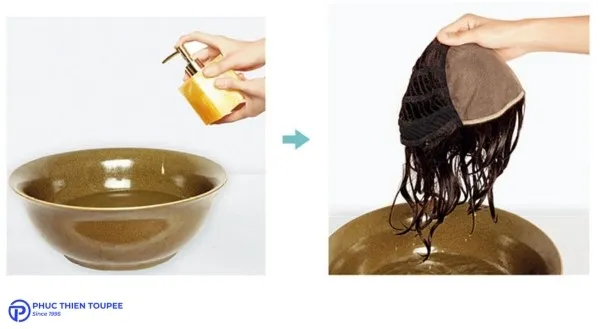
Proper maintenance is non-negotiable for maximizing the lifespan of your hair system and keeping it looking natural and feeling comfortable.
- Recommended Products: Shampoos, Conditioners, Solvents: Shampoos/Conditioners: Look for products specifically formulated for hair systems or color-treated hair.
- Drying and Storing Your Hair System Properly: Place the detangled system on a mannequin head or stand away from direct heat or sunlight.
- Frequency of Maintenance: Finding Your Schedule: Attachment Method: Daily wear systems need cleaning more often (potentially after every few wears) than extended wear systems.
- Troubleshooting Common Issues: Tangling: Often caused by friction, dryness (human hair), or improper washing/handling. Use detangling sprays, condition regularly, and ensure gentle handling.
Breaking Down Longevity: Human vs. Synthetic Hair
| Feature | Human Hair (Remy) | High-Quality Synthetic Hair |
| Lifespan | 4 – 12+ months (variable) | 3 – 6 months (variable) |
| Appearance | Most natural look & feel | Can look very natural initially |
| Styling | Versatile (heat, products, color*) | Limited (holds style, often no heat) |
| Maintenance | Requires regular washing, conditioning, styling | Lower styling effort, careful washing |
| Cost | Higher initial cost | Lower initial cost |
| Durability | Can be revitalized with treatments | Fibers degrade over time (friction) |
| Tangling | Minimal if Remy (cuticles aligned) | Can be prone to frizz/tangling later |