

- 21/06/2025
- Posted by: phucthien
- Category: Blog

Modern hairpieces offer a fantastic solution for boosting confidence and achieving your desired hairstyle effortlessly. These innovative hair enhancements provide versatility and natural-looking results, empowering individuals to embrace their unique style. Let’s explore the world of modern hairpieces together. Discover the transformative power of cranial prosthesis, hair systems, and toppers for men and women alike.
Understanding Modern Hairpieces: More Than Just a Wig
Modern hairpieces have revolutionized the way people address hair loss, thinning hair, or simply desire a new look. They’re not the ill-fitting, unnatural wigs of the past. Think of them as sophisticated hair enhancements designed for comfort, realism, and style.
- What are they? Modern hairpieces are designed to blend seamlessly with your existing hair or cover the entire scalp, depending on the style and need. They come in various shapes, sizes, colors, and materials.
- Who are they for? Anyone can benefit from a modern hairpiece. People experiencing hair loss due to alopecia, chemotherapy, or genetic factors find them particularly helpful. However, they’re also popular among those who want to experiment with different styles without committing to a permanent change.
- Benefits: The benefits are numerous, including:
- Instant volume and length
- A natural-looking hairline
- Increased confidence
- Versatile styling options
- Protection of your natural hair
Statistic: According to the American Academy of Dermatology, approximately 80 million Americans experience hereditary hair loss. Modern hairpieces offer a non-surgical solution for many of these individuals.

Update your style: Explore the latest Hairpiece Trends and discover new Hairpiece Styles
Types of Modern Hairpieces: Finding Your Perfect Fit
Choosing the right modern hairpiece is a crucial step towards achieving your desired look and comfort level. The variety available today ensures there’s a perfect solution for nearly everyone. Understanding the different types, their intended purpose, and construction will empower you to make an informed decision. At Phuc Thien, we guide clients through these options daily.
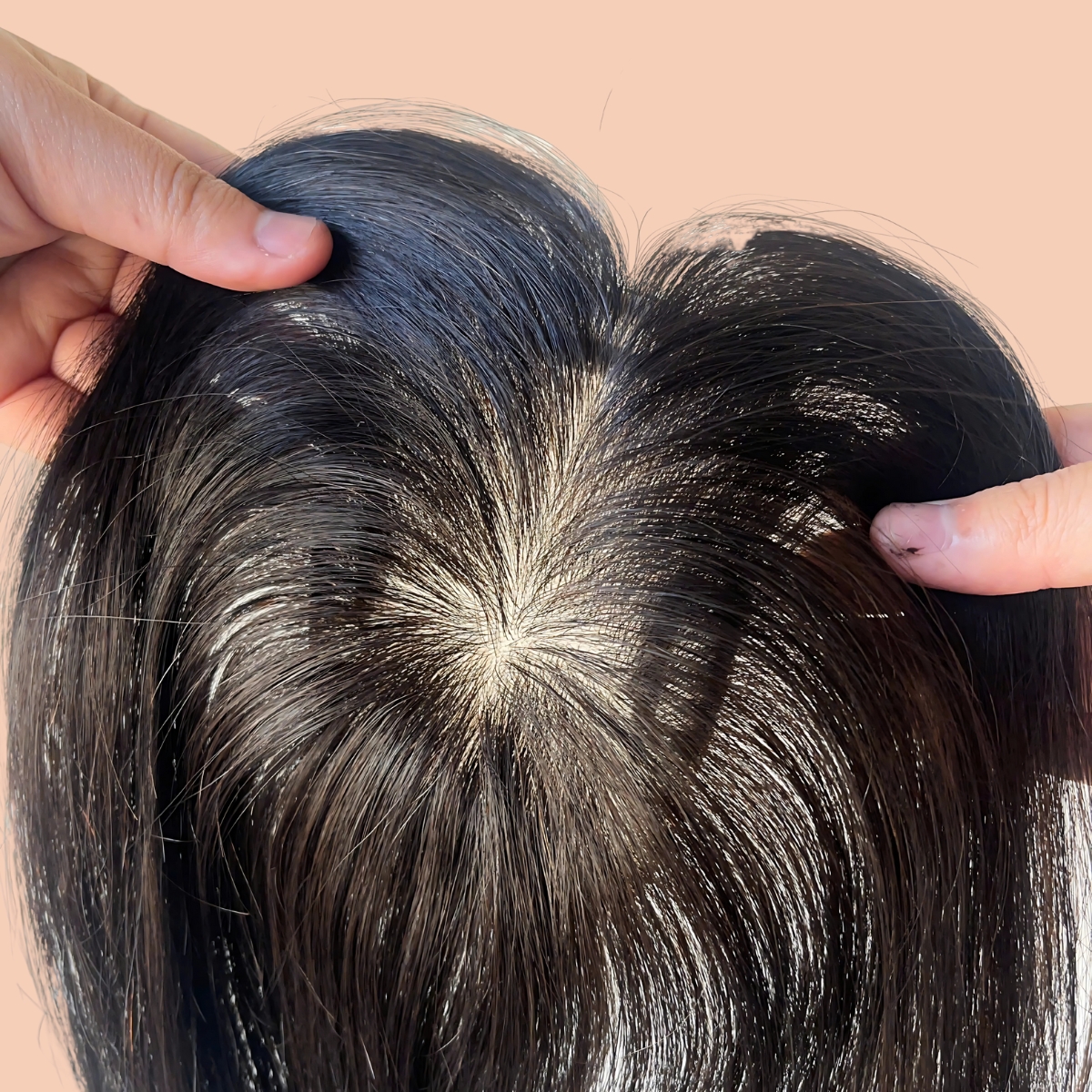
Hair Toppers (or Top Pieces):
- Purpose: Primarily designed to conceal hair loss or thinning specifically on the top or crown area of the head, while blending with your existing hair on the sides and back. They are an excellent choice for adding volume and coverage precisely where needed.
- Who they are for: Ideal for individuals experiencing partial hair loss, often associated with androgenetic alopecia (female or male pattern baldness) or thinning due to age or medical conditions. They’re also great for adding instant volume to fine or flat hair.
- Construction: Bases vary widely, impacting realism and comfort. Common types include:
- Monofilament Base: Offers a natural scalp appearance and allows for multi-directional parting. Durable and breathable.
- Lace Base: Provides excellent breathability and a very natural-looking front hairline, though potentially more delicate.
- Silk Top Base: Features a layer of silk with hidden knots, offering the most realistic scalp appearance but can be less breathable.
- Skin Base (Polyurethane): Mimics the appearance of skin, often used around the perimeter for tape or adhesive application.
- Attachment: Typically secured with pressure-sensitive clips that attach to your existing hair. Some may incorporate combs or allow for semi-permanent bonding.
- Phuc Thien Insight: Toppers offer a targeted solution that feels lightweight and integrates beautifully with your natural hair for a confidence-boosting effect.
Wigs (Full Cranial Prosthesis):
- Purpose: Provide complete scalp coverage, replacing your entire head of hair. They offer the most dramatic transformation possibilities.
- Who they are for: Suitable for individuals with extensive or total hair loss (like alopecia totalis/universalis, or hair loss from chemotherapy). Also popular for those who want to change their hairstyle, color, or length drastically and frequently without altering their natural hair.
- Construction: Cap construction is key:
- Lace Front Wigs: Feature a sheer lace panel along the front hairline, allowing for off-the-face styling and a highly realistic hairline.
- Full Lace Wigs: The entire cap is made of lace, offering maximum styling versatility (including updos) and breathability, but often requiring adhesive.
- Basic/Standard Cap Wigs: More affordable, often with wefted construction. Good for volume but may lack a natural hairline or parting versatility.
- Monofilament Top Wigs: Combine features, offering a natural scalp appearance in the parting area with wefted sides/back.
- Attachment: Can be worn securely with built-in adjustable straps and combs. Lace front and full lace wigs often benefit from wig glue or tape for extra security, especially at the hairline.
- Phuc Thien Insight: Modern wigs are incredibly sophisticated, providing comfort and realism far beyond older stereotypes. They empower wearers with total style freedom.

Hair Systems (Primarily for Men, but adaptable):
- Purpose: Designed to cover specific areas of hair loss, most commonly the top and front of the scalp for male pattern baldness. They aim for a seamless, undetectable integration with existing hair.
- Who they are for: Primarily men experiencing significant pattern baldness, but custom systems can be designed for women with similar localized loss patterns.
- Construction: Often feature ultra-thin skin (polyurethane) bases or fine lace materials designed to disappear against the scalp. Hair is meticulously implanted to mimic natural growth patterns.
- Attachment: Typically semi-permanent, attached using specialized liquid adhesives or tapes for extended wear (often weeks at a time). Requires professional application, removal, and maintenance.
- Phuc Thien Insight: Hair systems offer a remarkably natural and secure solution for men seeking to restore their hairline and density with minimal daily fuss.

Hair Extensions:
- Purpose: Primarily add length and/or volume to existing hair, rather than covering hair loss (though they can help camouflage mild thinning).
- Who they are for: Individuals wanting longer or fuller hair temporarily or semi-permanently.
- Types & Attachment: Include clip-ins (temporary), tape-ins, sew-ins (wefts sewn onto braids), fusion/keratin bonds, and micro-links/beads (semi-permanent).
- Phuc Thien Insight: While distinct from hairpieces meant for coverage, extensions are part of the broader ‘alternative hair’ family and can complement other solutions or be used independently for aesthetic enhancement.

Frontals and Closures:
- Purpose: These are smaller pieces, typically lace or silk-based, used primarily in conjunction with sew-in weaves or wig making. Closures cover the crown parting area, while frontals cover the entire front hairline from ear to ear.
- Who they are for: Primarily those getting sew-in weaves or constructing custom wigs, seeking a natural-looking parting and hairline.
- Phuc Thien Insight: These components allow for greater customization and realism in specific hairstyling techniques.
Making Your Choice:
Consider these factors when selecting your ideal modern hairpiece:
- Area and Extent of Hair Loss: Determines whether you need full coverage (wig) or partial coverage (topper, system).
- Desired Look: Are you aiming for subtle enhancement or a complete style change?
- Lifestyle: How active are you? Do you need a very secure attachment for sports?
- Maintenance Commitment: Are you comfortable with daily application (clips) or prefer longer wear (bonding)?
- Budget: Prices vary significantly based on hair type (human vs. synthetic), construction, and customization.
- Scalp Sensitivity: Breathability and attachment method might be key factors.
Consulting with professionals like the team at Phuc Thien can help navigate these choices, ensuring you find a hairpiece that not only looks fantastic but also feels comfortable and suits your lifestyle perfectly.
🎨 Your style, your hair — we make it exactly how you want.
Materials Matter: Human Hair vs Synthetic
The material of your hairpiece significantly impacts its look, feel, and longevity. The two primary options are human hair and synthetic hair.
| Feature | Human Hair | Synthetic Hair |
| Appearance | Natural look and feel, blends seamlessly with your own hair. | Can look unnatural if not high-quality; some synthetics mimic human hair well. |
| Styling | Can be styled with heat tools (curling irons, flat irons), dyed, and permed. | Heat-resistant synthetic can be styled with low heat; non-heat-resistant can be damaged. |
| Longevity | Longer lifespan with proper care (1+ years). | Shorter lifespan (3-6 months) |
| Price | More expensive. | More affordable. |
| Maintenance | Requires regular washing, conditioning, and styling. | Lower maintenance; holds style well but requires specific cleaning products. |
| Natural movement | Excellent | Can be stiff, can be improved with newer materials |
Phuc Thien’s Perspective: For the most natural look and styling versatility, human hair is often the preferred choice. However, high-quality synthetic options have improved dramatically and offer an excellent budget-friendly alternative.
Finding the Perfect Color Match
Achieving a seamless blend requires a precise color match. Here’s how to do it:
Understand Your Natural Hair Color’s Complexity:
- Most natural hair isn’t one solid color. It has variations, highlights, lowlights, and different tones depending on the light. Look closely at your hair, especially the mid-lengths and ends, as this is typically what the hairpiece will blend with. Roots are often darker.
- Pro Tip: Examine your hair in various lighting conditions, paying special attention to natural daylight (avoid direct harsh sunlight which can bleach out color, and avoid fluorescent indoor lighting which distorts tones). Observe the subtle shifts in color.

Utilize Color Swatches Effectively:
- Reputable vendors like Phuc Thien offer color rings or individual swatches. This is one of the most reliable methods for matching at home.
- How to Use Swatches:
- Hold Correctly: Don’t just hold the swatch on top of your hair. Hold it next to or slightly underneath the strands you want to match (usually mid-length to ends).
- Check in Natural Light: Take the swatch and stand near a window or go outside (on an overcast day or in open shade is often best for true color representation). Check it against your hair.
- Compare Multiple Shades: Often, your best match might be between two shades, or you might need a blended color. Don’t settle for the first one that looks close.
- Consider Rooted Colors: If your natural hair is darker at the roots, a rooted hairpiece color (darker roots transitioning to the main shade) will look significantly more natural, especially for wigs and larger toppers.
Leverage Professional Expertise (Highly Recommended):
- In-Person Consultation: Visiting a specialist like Phuc Thien is the gold standard. Experts have trained eyes, experience with undertones, and access to comprehensive color rings representing various hair types (human, synthetic, different brands). They can assess your hair’s nuances accurately.
- Virtual Consultation: If an in-person visit isn’t possible, many specialists offer virtual consultations. You’ll need good lighting and a high-quality camera. We can guide you on taking useful photos/videos.
- Sending a Hair Sample: For custom pieces or precise matching, providing a small snippet of your own hair (from the mid-lengths or ends, usually taken discreetly from the underneath layer) ensures the most accurate match possible.
Digital Tools – Use with Caution:
- While color-matching apps and online tools exist, rely on them cautiously. Screen calibration differences and lighting in your photo can significantly affect accuracy. Use them as a starting point, perhaps, but always verify with physical swatches or professional advice.
Matching Specific Hairpiece Types:
- Toppers: Match to the hair it will blend with – usually the mid-lengths and ends of your biological hair around the crown and sides. A slightly lighter shade can sometimes blend better than one that’s too dark. Rooted options are often excellent for toppers.
- Wigs: You have more freedom here. You can match your natural color (or your color before loss) for subtlety, or choose a completely new shade. If matching, consider your skin tone and eyebrow color for overall harmony. Lace front hairlines require careful blending with your skin tone.
- Hair Systems: Precision is paramount. These are often custom-colored based on hair samples to ensure an undetectable transition from the system to any existing hair.
Phuc Thien’s Final Tip: Don’t rush the color selection process. It’s better to take a little extra time using swatches or consulting with us at Phuc Thien than to end up with a color that doesn’t quite blend. A perfect color match is the key to wearing your hairpiece with complete assurance and style.
🔍 Looking for a specific size, base, or hair color? Order a fully personalized toupee now!
Achieving a Natural-Looking Hairline
A natural-looking hairline is crucial for a believable hairpiece. Here’s how to achieve it:
- Lace Fronts: Lace front wigs and frontals create the illusion of hair growing directly from your scalp.
- Baby Hairs: Carefully trim a few baby hairs along the hairline for a softer, more natural look.
- Blending: Use makeup or a tinted dry shampoo to blend the hairline of the hairpiece with your skin tone.
- Placement: Ensure the hairpiece is positioned correctly on your head. It shouldn’t be too far forward or too far back.
- Realistic Knots: Look for hairpieces with bleached knots at the hairline, as this minimizes visibility and creates a more natural appearance.
Phuc Thien’s Tip: Practice makes perfect. Experiment with different techniques until you achieve a hairline that you’re comfortable with.
Attachment Methods: Secure and Comfortable Fit
The attachment method determines how securely and comfortably the hairpiece sits on your head. Common options include:
- Clips: Easy to use and temporary. Ideal for toppers and extensions.
- Combs: Similar to clips, providing a secure hold for toppers and wigs.
- Tape: Double-sided tape can be used to secure hairpieces to the scalp.
- Glue: Provides a more permanent bond, often used for hair systems.
- Sew-In: Extensions are sewn into braids or cornrows.
- Micro-Links: Small beads are used to attach extensions to strands of natural hair.
Table: Attachment Method Comparison
| Attachment Method | Pros | Cons | Ideal For |
| Clips | Easy to use, temporary, affordable. | Can be uncomfortable if too tight, may not be secure for vigorous activity. | Toppers, clip-in extensions. |
| Combs | Secure hold, easy to apply. | Can be bulky, may not be suitable for fine hair. | Wigs, toppers. |
| Tape | Secure, relatively easy to apply, can last several days. | Can be irritating to sensitive skin, requires removal products. | Frontals, hair systems. |
| Glue | Very secure, long-lasting. | Requires professional application and removal, can damage the scalp. | Hair systems. |
| Sew-In | Long-lasting, relatively natural look. | Requires braiding, can be time-consuming, can cause tension on the scalp. | Extensions. |
| Micro-Links | Natural look, versatile styling options. | Can be damaging if not installed properly, requires maintenance. | Extensions. |
Choosing the Right Method: Consider your lifestyle, scalp sensitivity, and desired level of commitment when selecting an attachment method.

Styling Your Modern Hairpiece: Unleash Your Creativity
Modern hairpieces offer endless styling possibilities. However, it’s essential to use the right techniques and products.
- Human Hair: Can be styled just like your natural hair. Use heat protectant sprays before using heat tools.
- Synthetic Hair: Heat-resistant synthetic hair can be styled with low heat. Non-heat-resistant hair should be styled with styling products designed for synthetic hair.
- Brushing: Use a wide-tooth comb or a wig brush to gently detangle the hairpiece.
- Washing: Wash your hairpiece regularly with a mild shampoo and conditioner.
- Storage: Store your hairpiece on a wig stand or in a silk scarf to prevent tangling.
- Experiment with styles: Explore various hairstyles, from sleek and straight to voluminous curls, to find the looks that best complement your features and personality.
Caution: Avoid using harsh chemicals or excessive heat on your hairpiece.
✂️ Be unique — create your custom-made toupee today!
Maintaining Your Hairpiece: Keeping it Looking Fabulous
Proper maintenance is crucial for extending the lifespan of your hairpiece.
General Care Principles (Applicable to Both Human and Synthetic Hair):
- Gentle Detangling: This is crucial before washing and regularly between wears.
- Tool: Use a wide-tooth comb or a brush specifically designed for wigs/hairpieces.
- Technique: Start detangling from the ends and gently work your way up towards the base/cap. Never force the comb through knots. Hold the hair near the base to avoid putting tension on the cap or knots.
- Proper Storage:
- Ideal: Store your hairpiece on a wig stand (styrofoam or wire) when not in use. This helps maintain its shape and prevents tangling.
- Alternative: If traveling or lacking space, gently fold it and place it in a silk or satin bag or its original box, ensuring it’s fully dry first.
- Environment: Keep it away from direct sunlight, excessive heat, dust, and high humidity.
- Minimize Friction: Be mindful of high collars, scarves, or backpack straps rubbing against the nape area, as this can cause tangling and frizz, especially with longer styles.
Washing Your Hairpiece (Frequency Varies):
- When to Wash: This depends on wear frequency, environment, and product use.
- Human Hair: Typically every 7-10 wears.
- Synthetic Hair: Typically every 10-15 wears (synthetics don’t absorb oils like human hair).
- Rule of Thumb: Wash when it looks dull, feels dirty, smells, or has product buildup. Over-washing can shorten lifespan.
- Step-by-Step Washing Process:
- Detangle: Thoroughly detangle the dry hairpiece first.
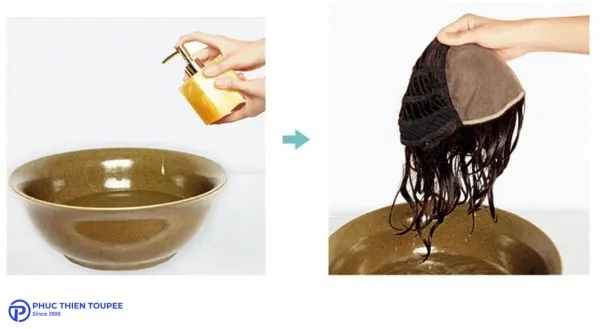
- Prepare Water: Use cool or lukewarm water in a basin or sink. Never use hot water, as it can damage fibers (especially synthetic) and loosen knots.
- Shampoo: Add a small amount of appropriate shampoo (sulfate-free for human hair, synthetic-specific for synthetic) to the water and gently swish to distribute. Submerge the hairpiece.
- Cleanse Gently: Gently distribute the shampoo through the hair with your fingers, always stroking downwards from base to ends. Do NOT rub, scrub, or twist the hair. Pay attention to the cap interior if needed.
- Rinse Thoroughly: Rinse under cool running water until all shampoo is gone, again ensuring water flows from base to ends.
- Condition (Avoid Base): Apply conditioner (appropriate type for hair fiber) mainly to the mid-lengths and ends. Avoid applying conditioner directly to the base, knots, or roots, as this can loosen the hair knots over time. Let it sit for a few minutes (check product instructions).
- Rinse Again: Rinse thoroughly under cool running water.
Drying Your Hairpiece:
- Remove Excess Water: Gently squeeze out excess water (don’t wring or twist). Place the hairpiece flat on a clean towel and gently blot – don’t rub.
- Air Dry: Place the damp hairpiece on a wig stand and allow it to air dry completely at room temperature, away from direct heat or sunlight. This is the safest method for both human and synthetic hair.
- Styling While Damp (Human Hair Only): You can apply leave-in conditioners or styling products suitable for human hair while it’s damp.
- Heat Drying (Use Sparingly & With Caution – Primarily Human Hair): If you must speed up drying for human hair, use a hairdryer on a low heat/cool setting and keep it moving constantly, holding it at a distance. Never use high heat. Heat styling synthetic hair requires specific heat-friendly fibers and low temperature settings (always check manufacturer guidelines).
Styling Precautions:
- Human Hair: Treat it much like your own hair. Use heat protectant sprays before using flat irons, curling irons, or blow dryers. Be mindful of temperature settings. Can be professionally colored or permed, but proceed cautiously as it has already been processed.
- Synthetic Hair:
- Regular Synthetic: Avoid all heat styling tools unless specifically labeled “heat-friendly” or “heat-resistant.” Heat will melt or damage standard synthetic fibers. Use styling products (sprays, mousses) designed for synthetic hair.
- Heat-Friendly Synthetic: Can tolerate low heat (typically below 280-350°F or 140-180°C – always check the specific limit). Use heat tools sparingly, as heat styling can shorten the lifespan even of heat-friendly fibers. Once heat-styled, the style often holds until the next wash.
Professional Maintenance:
- Consider having your hairpiece professionally cleaned, deep conditioned (for human hair), and styled periodically (e.g., every few months depending on wear). Professionals like Phuc Thien have the tools and expertise to refresh the piece, trim ends if needed (human hair), and address any specific issues.
Phuc Thien’s Commitment: Following these maintenance steps diligently will significantly extend the life and beauty of your modern hairpiece. Think of it as protecting your investment and ensuring you continue to enjoy the confidence and style it brings. If you ever have questions about care for your specific piece, the Phuc Thien team is always here to help.
Addressing Common Concerns: Scalp Health & Irritation
Some people may experience scalp irritation or discomfort when wearing hairpieces. Here’s how to address these concerns:
- Choose Breathable Materials: Opt for hairpieces with breathable caps made of materials like lace or mesh.
- Clean Your Scalp Regularly: Gently cleanse your scalp to remove sweat, oil, and product buildup.
- Use a Scalp Protector: Apply a scalp protector to create a barrier between your scalp and the hairpiece.
- Avoid Tight Attachment: Ensure the hairpiece isn’t attached too tightly, which can restrict circulation.
- Take Breaks: Give your scalp a break from the hairpiece whenever possible.
- Consult a Dermatologist: If you experience persistent scalp irritation, consult a dermatologist.
Phuc Thien Recommendation: Prioritizing scalp health by choosing hypoallergenic materials and practicing proper hygiene can prevent irritation and ensure a comfortable experience.
✨ A toupee shouldn’t just hide hair loss — make it a style statement!
Trends in Modern Hairpieces: Staying Stylish
The world of hairpieces is constantly evolving. Here are some current trends:
- Balayage and Ombre: These techniques create a natural, sun-kissed look.
- Rooted Colors: Mimic natural hair growth with darker roots that gradually lighten towards the ends.
- Lace Fronts: Provide a seamless, natural-looking hairline.
- High-Density Wigs: Offer maximum volume and fullness.
- Customization: Personalized hairpieces tailored to your specific needs and preferences.
- Sustainable Options: Eco-conscious consumers are increasingly seeking out ethically sourced hair and sustainable manufacturing practices.
Keeping Up-to-Date: Follow Phuc Thien’s blog and social media channels for the latest trends and tips.
Custom looks for all: Find trendy Men’s Hairpiece Trends and personalized Hairpiece Customization
Phuc Thien Toupee Co., Ltd
Design Brand: Royal Hair Vietnam
Office Address:
🏢 Room A909, Decapella Building, 116 Luong Dinh Cua Street, An Khanh Ward, Thu Duc City, Ho Chi Minh City 700000, Vietnam
Factory Address:
🏭 No. 26/9, Street 57, Thuong Hamlet, Tan Thong Hoi Ward, Cu Chi District, Ho Chi Minh City 700000, Vietnam
Email: ✉️ phucthientoupeevn@gmail.com
Phone / WhatsApp: 📞 +84 933 901 196
Websites: 🌐 phucthientoupee.com – 🌐 royalhair.shop



