

- 15/06/2025
- Posted by: phucthien
- Categories: Blog, Care, Attachment & Repair, Styling, Color & Lifestyle
Hairpiece Attachment for Swimming: 4 Methods
Hairpiece attachment for swimming empowers you to enjoy the water without worry. Discover effective techniques to keep your hair system secure while swimming, ensuring a confident and enjoyable experience.
Understanding Hairpiece Attachment for Swimming
Chlorine, saltwater, and vigorous activity can all compromise the bond and appearance of your hair system. Chlorine: This chemical, commonly used in pools, can dry out hair and cause discoloration, especially in lighter shades.

Four Reliable Hairpiece Attachment Methods for Swimming
- Waterproof Adhesives: The Strongest Hold: Waterproof adhesives are often considered the most robust option for swimming. Apply Skin Protector: Use a skin protector to create a barrier between your skin and the adhesive. Apply Adhesive: Apply a thin, even layer of waterproof adhesive to both your scalp and the base of the hairpiece. Wait for Tackiness: Allow the adhesive to become tacky before attaching the hairpiece. Follow the manufacturer’s instructions for drying time (usually 5-10 minutes).
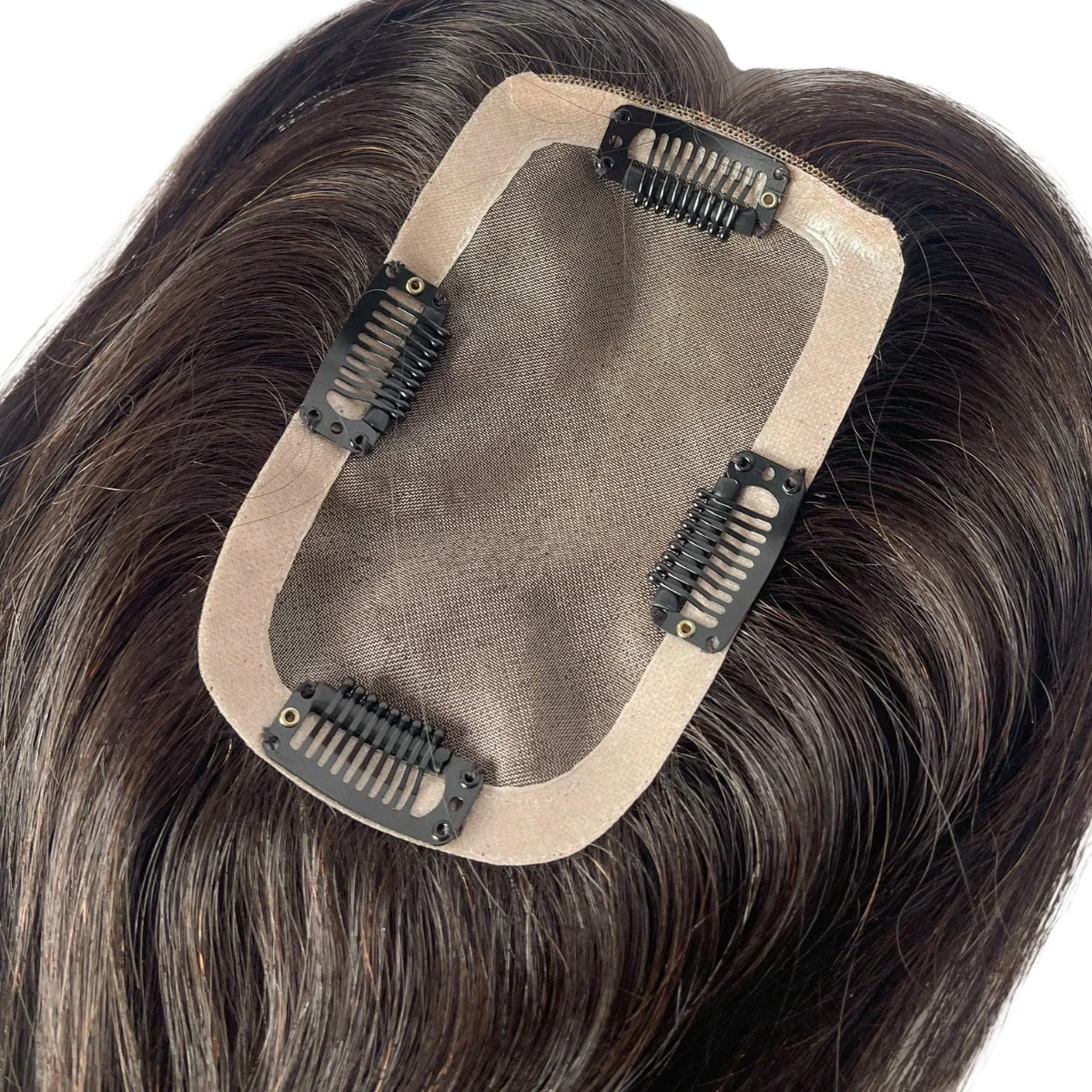
- Toupee Clips: Secure and Reusable: Toupee clips are a popular choice for those who prefer a non-adhesive attachment method.
- Combination Method: Adhesive & Clips: For maximum security and peace of mind, consider combining waterproof adhesives with toupee clips. Apply Adhesive: Follow the steps outlined in the “Waterproof Adhesives” section to apply adhesive to your scalp and the base of the hairpiece. Check Security: Gently tug on the hairpiece to ensure both the adhesive and clips are securely attached.
- Swim Caps: Essential Protection and Security: Swim caps provide an extra layer of protection and security for your hairpiece while swimming.

Protecting Your Hairpiece From Chlorine and Saltwater
Regardless of the attachment method you choose, protecting your hairpiece from the damaging effects of chlorine and saltwater is essential.
- Understanding the Damage Mechanism: Chlorine: This powerful disinfectant works by breaking down chemical bonds, which is great for killing bacteria in pools but detrimental to hair. Hair Fibers: Chlorine strips away the natural protective oils (sebum) from human hair and can degrade the protective coating on synthetic fibers.
- Comprehensive Pre-Swim Protection Protocol: Taking proactive steps before you even touch the water creates a vital defense shield for your hairpiece. Thorough Saturation with Clean Water: This is your first line of defense.
- Essential Post-Swim Care Routine: What you do immediately after swimming is just as important as pre-swim preparation. The goal is to remove damaging residues promptly and restore moisture. Product Choice: Use a high-quality, sulfate-free, color-safe shampoo specifically designed for treated hair or, even better, a specialized “swimmer’s shampoo” or clarifying shampoo formulated to gently remove chlorine, minerals, and salt buildup without excessive stripping. By diligently following these pre- and post-swim protocols, you significantly mitigate the risks of chlorine and saltwater damage, keeping your hairpiece looking vibrant and feeling healthy for longer.
Choosing the Right Hairpiece for Swimming
Not all hairpieces are created equal when it comes to swimming. Pros: Generally more resistant to fading and damage from chlorine and saltwater due to non-porous fibers. Recommendation: Opt for a light to medium-light density (e.g., 90% – 110%). By carefully considering these factors, you and your hairpiece specialist can select a system that not only looks great but is also better equipped to handle the demands of swimming, ensuring a more positive and long-lasting experience.
Maintenance and Care Tips for Hairpieces Worn While Swimming
Proper maintenance is key to extending the life of your hairpiece and maintaining its appearance. Adherence to Post-Swim Routine (Reiteration): The immediate post-swim care outlined in Section 3 (rinse, cleanse, condition, detangle, air dry) is the most critical part of swim maintenance. A full wash and condition should be done at least every 2-3 swim sessions or minimum once a week, depending on exposure intensity and duration. Regular Conditioning: Apply a rinse-out conditioner after every wash, focusing on mid-lengths and ends. Tools: Use only a wide-tooth comb or a wig-specific brush with smooth, rounded tips. Wig Stand: Store the clean, completely dry hairpiece on its stand. A very diluted final rinse with apple cider vinegar (e.g., 1 part ACV to 10 parts water), followed by a plain water rinse, can sometimes help neutralize odors but use cautiously and test first. Importance: Schedule regular check-ups with Phuc Thien Toupee or your hair system specialist (e.g., every 4-8 weeks, depending on wear/swimming).
Addressing Common Concerns
Yes, you can swim with hair extensions. Use a combination of waterproof adhesive and toupee clips, along with a swim cap, for maximum security.
Toupee Clips: Secure and Reusable
| Feature | Pros | Cons |
| Ease of Use | Quick and easy to attach and remove. | May not be suitable for individuals with very fine or thinning hair, as the clips need enough hair to grip onto. |
| Reusability | Clips can be reused multiple times. | Can cause tension and discomfort if not positioned correctly. |
| Scalp Health | Less likely to cause scalp irritation compared to adhesives. | Not as secure as adhesives for high-impact activities. |
| Adjustability | Easy to adjust the position of the hairpiece. | May require additional styling to blend seamlessly with natural hair. |