

- 10/05/2025
- Posted by: phucthien
- Category: Blog
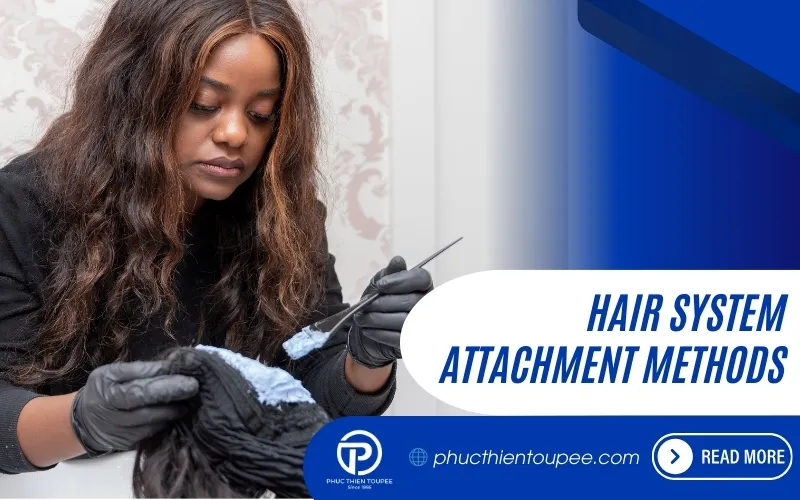
Hair System Attachment Methods are fundamental to a positive non-surgical hair replacement experience, influencing security, comfort, and realism. Understanding the various techniques available empowers you to select the most suitable approach for your lifestyle, scalp condition, and desired look, ensuring your hair enhancement integrates seamlessly into your life.
Choosing the right hair integration technique provides confidence and freedom. At Phucthientoupee, we guide individuals towards solutions that enhance their appearance and daily comfort. Exploring options like bonding agents, tapes, and clips unlocks pathways to regaining a full head of hair appearance. Consider scalp health and base material compatibility for optimal results.
Factors Influencing Your Attachment Method Choice
Before diving into the specific methods, it’s vital to understand the personal and technical factors that will guide your decision. There is no single best method; the optimal choice is unique to you.
- Lifestyle: Are you highly active, frequently engaging in sports or swimming? Or do you lead a more sedentary lifestyle? High activity levels necessitate more robust, waterproof bonding solutions.
- Scalp Sensitivity: Do you have sensitive skin prone to irritation or allergies? Certain adhesives or tapes might cause reactions. Hypoallergenic options or non-adhesive methods like clips might be preferable. A patch test is always recommended before committing to a new adhesive product.
- Desired Hold Duration: Are you looking for a daily attachment you can remove each night, an extended wear option lasting several days, or a semi-permanent bond lasting weeks? Different methods offer varying hold times.
- Hair System Base Material: The construction of your hair system’s base (e.g., lace, polyurethane/poly, monofilament, skin) significantly impacts which attachment methods are suitable. Thin skin bases often pair well with full-head bonding, while lace fronts benefit from specific liquid adhesives for undetectability.
- Climate: High humidity and heat can affect the performance of certain adhesives and tapes, potentially shortening hold times.
- Maintenance Willingness & Skill: Some methods require more frequent maintenance (cleaning, reapplication) and a degree of skill for proper application. Consider how much time and effort you are willing to dedicate.
- Amount and Location of Existing Hair: Methods like clips require sufficient existing hair for attachment. Full bonding methods are suitable even for complete baldness in the application area.
- Budget: While the hair system itself is the primary investment, attachment products (adhesives, tapes, solvents, scalp protectors) represent an ongoing cost.
Understanding these factors provides a framework for evaluating the pros and cons of the following seven attachment methods, helping you make an informed decision in consultation with a hair replacement specialist like Phucthientoupee.

Get a strong hold: Learn Hairpiece Attachment for Beginners and apply Secure Hairpiece Tips
Hair System Attachment Methods: A Detailed Exploration
Let’s explore the seven primary methods used for securing hair replacement systems. Each has unique characteristics, benefits, and considerations.
1. Liquid Adhesives (Bonding)
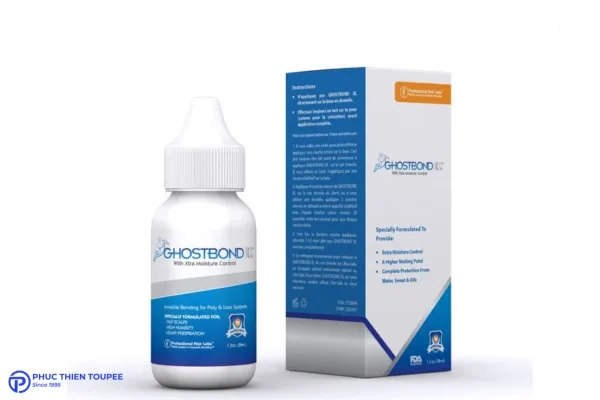
Liquid adhesives are powerful bonding agents designed specifically for securing hair systems to the scalp, offering some of the strongest and most durable holds available. They typically come in two main formulations: silicone-based and water-based.
What Are Liquid Adhesives?
- Silicone-Based Adhesives: These are known for their strong, waterproof bonds and extended hold times, often lasting several weeks. They create a very secure attachment, suitable for active lifestyles and swimming. Examples often contain acrylic polymers. They require specific solvents for removal.
- Water-Based Adhesives: Generally considered gentler on the skin, these adhesives are often white when applied but dry clear. Many are formulated to be low-odor and skin-friendly, making them a good option for individuals with moderate sensitivity. While some offer substantial hold times (1-4 weeks), they might be slightly less water-resistant than top silicone formulas initially. Cleanup typically involves soap and water, although stronger formulations may still benefit from a solvent.
Pros of Liquid Adhesives
- Maximum Security: Offer the strongest potential hold, minimizing worries about the system shifting or lifting, even during vigorous activity or swimming (with appropriate waterproof formulas).
- Natural Hairline: When applied correctly, especially with lace front systems, liquid adhesives can provide an exceptionally natural, undetectable front hairline as they dry clear and flat.
- Extended Wear: Many formulations allow for wear times ranging from 1 to 4+ weeks between reapplications, reducing daily maintenance.
- Versatility: Suitable for various base materials, particularly effective for full polyurethane (poly/skin) base systems requiring a complete seal.
Cons of Liquid Adhesives
- Application Skill: Requires practice and precision for a clean, secure, and invisible application. Incorrect application can lead to seepage or a visible edge.
- Potential for Irritation: Although water-based options are gentler, any adhesive can potentially cause scalp irritation or allergic reactions in sensitive individuals. A patch test is crucial.
- Removal Process: Requires specific adhesive removers (solvents) which must be used carefully to avoid damaging the system or irritating the scalp. Cleanup can be more time-consuming compared to tape.
- Curing Time: Most liquid adhesives require a specific amount of time (minutes to hours) to cure or dry properly before achieving maximum bond strength. Getting the system wet or excessive sweating before curing can compromise the bond.
- Breathability: A full application can reduce scalp breathability, especially under poly/skin bases, which might be a concern in hot climates or for those prone to sweating.
Best For:
- Individuals seeking the longest and most secure hold.
- Active users, including swimmers.
- Achieving the most undetectable front hairline (especially with lace systems).
- Users comfortable with a more involved application and removal process.
- Full poly/skin base systems requiring a complete perimeter and interior bond.
Step-by-Step Application Guide (Simplified):
- Scalp Preparation: Cleanse the scalp thoroughly using an appropriate scalp cleanser (like 99% isopropyl alcohol) to remove oils and residue. Ensure the scalp is completely dry.
- Apply Scalp Protector: Apply a thin layer of scalp protector product. This creates a barrier between the skin and the adhesive, enhancing bond strength and protecting sensitive skin. Allow it to dry completely.
- Apply Adhesive: Apply a thin, even layer of liquid adhesive to the scalp or the hair system base (follow product instructions – some are scalp-applied, some base-applied). Avoid applying too thickly. For extended wear, multiple thin layers (allowing each to become tacky or clear between applications) often provide a stronger bond than one thick layer. Refer to specific product instructions for the number of coats (often 2-4).
- Wait for Tackiness/Clarity: Allow the adhesive to cure as per the manufacturer’s instructions. This usually involves waiting until it becomes tacky to the touch or turns clear (for water-based white adhesives). This step is critical for a strong bond.
- Position and Attach System: Carefully align the hair system, starting typically from the front hairline and rolling it back over the scalp. Press down firmly across the entire bonded area for several seconds (e.g., 10-15 seconds per spot) to ensure secure adhesion.
- Avoid Water/Sweat: Refrain from showering, swimming, or intense exercise for the recommended period post-application (often 24 hours) to allow the bond to fully set.
Addressing Search Intent:
- Most Secure Hair System Attachment Methods: Liquid adhesives (especially silicone-based) are widely considered the most secure option for long-term wear.
- Hair System Attachment Methods for Swimming: Waterproof liquid adhesives are the preferred choice for regular swimmers due to their robust, water-resistant bond.
✨ A toupee shouldn’t just hide hair loss — make it a style statement!
2. Hair System Tapes
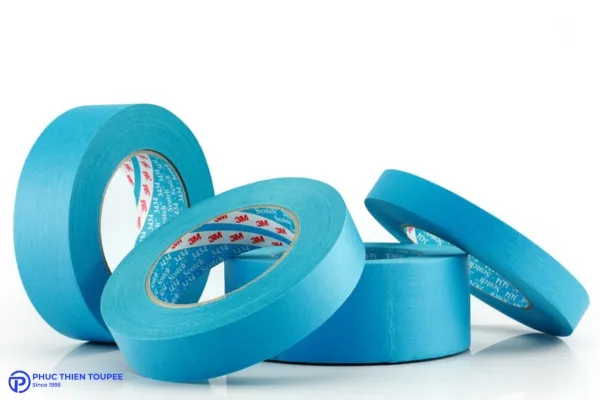
Hair system tapes are double-sided adhesive strips or contours designed specifically for hairpiece attachment. They come in various shapes, sizes, strengths, and formulations to cater to different needs and base types.
What Are Hair System Tapes?
Tapes offer a convenient alternative to liquid adhesives. They consist of an adhesive layer on a carrier material (like polyurethane or cloth) with a protective liner on one or both sides. Key types include:
- Daily Wear Tapes: Offer a lower-tack bond suitable for removal each day or every few days. Good for those who prefer not to sleep in their system or have very sensitive skin.
- Extended Wear Tapes: Provide stronger adhesion, designed to last from several days up to 2-4 weeks, depending on the specific tape, body chemistry, and climate.
- Tape Rolls: Allow users to cut custom lengths and shapes.
- Pre-Cut Contours: Shaped pieces designed to fit specific areas of the hair system base (e.g., front hairline contours, A-curve, C-curve).
- Base Material Specific Tapes: Some tapes are formulated for better adhesion to lace or poly bases.
- Finishes: Tapes can have different finishes (e.g., dull/low-shine) to reduce visibility through lace bases.
Pros of Hair System Tapes
- Ease of Application: Generally easier and quicker to apply than liquid adhesives, with less potential mess. Simply cut (if needed), peel the liner, and press onto the base or scalp.
- Less Messy Cleanup: Removal often involves less sticky residue than liquid adhesives, although specific solvents might still be needed depending on the tape’s strength.
- Variety of Hold Strengths: Available in options ranging from low-tack daily wear to strong extended wear, allowing users to choose based on their needs.
- Good for Sensitive Skin: Many hypoallergenic tape options are available, reducing the risk of irritation compared to some liquid adhesives. Easier to perform a patch test.
- Precise Placement: Pre-cut contours allow for precise application along the hairline or perimeter.
Cons of Hair System Tapes
- Potential Visibility: Depending on the tape thickness, finish, and base material (especially lace), the edge of the tape might be slightly more detectable at the hairline compared to a perfectly applied liquid adhesive. Low-profile, dull-finish tapes mitigate this.
- Can Lift Prematurely: Edges, particularly at the front hairline or areas with high movement, may sometimes lift sooner than expected, especially with strong facial expressions or in challenging conditions (humidity, oiliness).
- Residue Removal: Stronger tapes can leave residue on the system base or scalp that requires careful cleaning with solvents.
- Hold Strength Variability: Actual hold time can vary significantly based on individual factors like scalp oiliness, perspiration, and climate. May not offer the absolute maximum security of the strongest liquid bonds for extreme conditions.
Best For:
- Beginners new to hair systems due to ease of use.
- Individuals with sensitive skin (using hypoallergenic options).
- Those seeking precise placement using contours.
- Daily wear or shorter attachment durations.
- Users who prefer a less messy application and cleanup process.
- Attachment to polyurethane perimeters or monofilament bases.
Step-by-Step Application Guide (Simplified):
- Scalp and Base Preparation: Ensure both the scalp and the underside of the hair system base are clean, dry, and free of oils or residue. Use an appropriate cleanser.
- Apply Scalp Protector (Optional but Recommended): Apply a scalp protector to the scalp area where the tape will adhere. Let it dry completely.
- Cut and Apply Tape: Cut tape strips to the desired lengths or select appropriate pre-cut contours. Apply the tape to the designated areas on the underside of the hair system base or directly to the scalp (preference varies). Press firmly to ensure good adhesion. Avoid touching the adhesive surface.
- Remove Liner: Carefully peel away the protective liner from the tape strips applied to the base/scalp, exposing the second adhesive side.
- Position and Attach System: Align the hair system carefully, starting from the front and rolling back (or as preferred). Press down firmly over all taped areas for several seconds to secure the bond.
- Check Edges: Ensure all edges are securely attached.
Addressing Search Intent:
- Temporary Hair System Attachment Methods: Daily wear tapes are an excellent option for temporary, easily removable attachment.
- Hair System Attachment Methods for Sensitive Scalp: Hypoallergenic tapes are specifically designed for sensitive skin, offering a potentially less irritating option than many liquid adhesives.
🔍 Looking for a specific size, base, or hair color? Order a fully personalized toupee now!
3. Perimeter Bonding
Perimeter bonding involves applying adhesive (liquid or tape) only around the outer edge or perimeter of the hair system base, leaving the center area unbonded.
What is Perimeter Bonding?
Instead of covering the entire scalp area under the system with adhesive, this method focuses on securing the crucial outer edges. The specific width of the bonded perimeter can vary based on the system base type and desired security.
Pros of Perimeter Bonding
- Increased Scalp Breathability: Leaving the center unbonded allows the scalp underneath to breathe more freely, which can be beneficial in hot climates or for individuals prone to sweating.
- Easier Cleanup: Cleaning the scalp and system base is generally quicker and easier as there is less adhesive residue to manage in the center.
- Reduced Scalp Contact: Less adhesive contact potentially reduces the risk of irritation for those with sensitivity, provided the perimeter adhesive itself is well-tolerated.
- Potential for Scalp Treatments: Allows easier access to the scalp in the center for applying topical treatments if needed, without full system removal.
Cons of Perimeter Bonding
- Less Overall Security: The bond is inherently less secure than a full head bond, as the center is not attached. There’s a potential risk of the center area lifting or bubbling slightly, although this is less common with well-fitting, stiffer base materials like monofilament.
- Not Ideal for All Bases: May not provide sufficient stability for very flexible, thin skin/poly bases which rely on full contact for shape and security. Best suited for bases with some inherent structure or lace systems where perimeter hold is often sufficient.
- Potential Noise: In some cases, an unbonded center (especially with certain base materials) might create a slight rustling sound during movement, though this is not common.

Best For:
- Users prioritizing scalp breathability and comfort.
- Hair systems with monofilament tops or durable lace bases where perimeter security is adequate.
- Individuals in hot, humid climates.
- Those seeking slightly easier cleanup.
Application Notes:
Application follows the steps for either liquid adhesive or tape, but the product is applied only in a band around the outer edge of the scalp area or the corresponding perimeter on the system base. Ensure the perimeter band is wide enough (e.g., 1/2 inch to 1 inch) to provide adequate security.
🎨 Your style, your hair — we make it exactly how you want.
4. Full Head Bonding
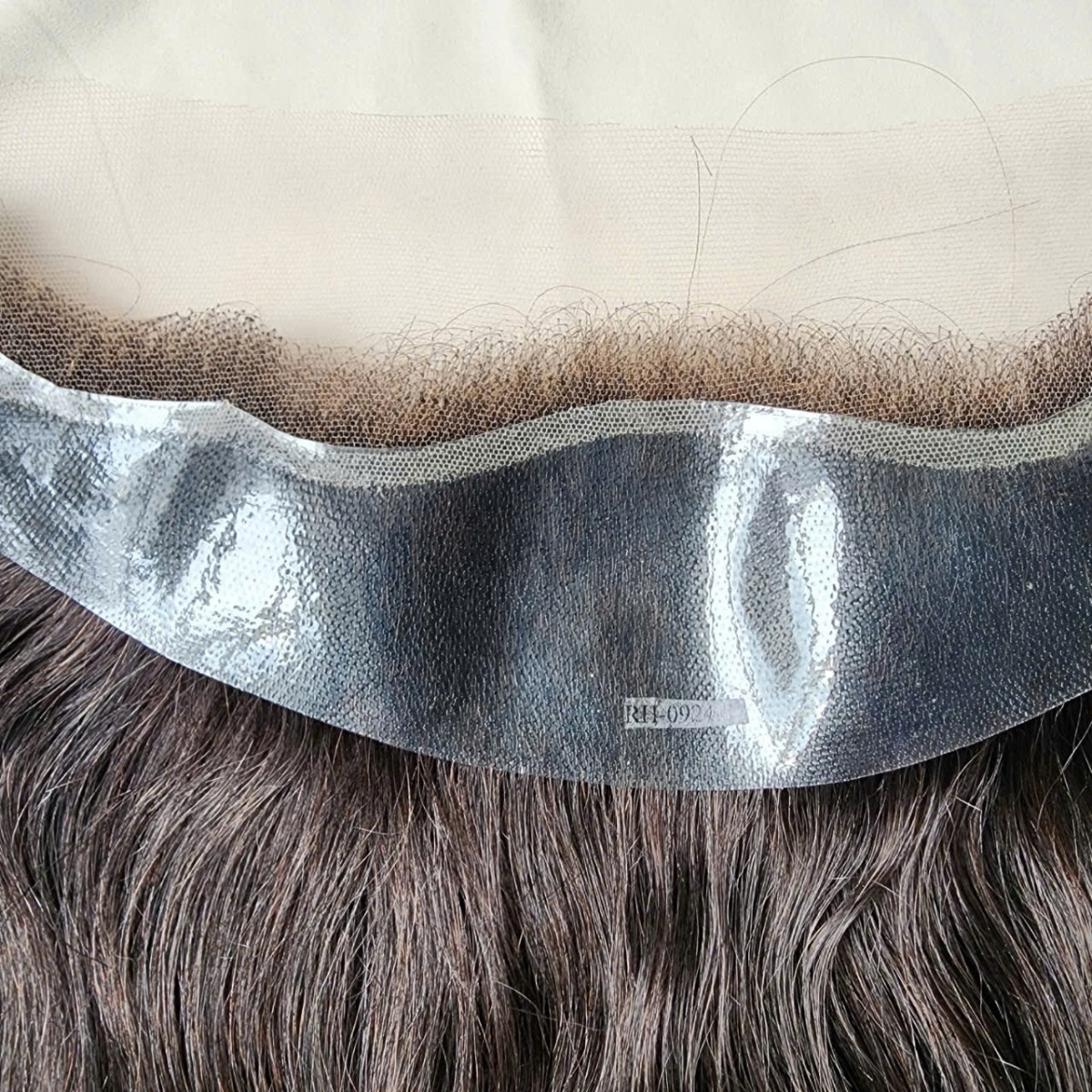
As the name suggests, full head bonding involves applying adhesive (liquid or tape) across the entire area of the scalp that will be covered by the hair system.
What is Full Head Bonding?
This technique creates maximum contact between the hair system base and the scalp, ensuring adhesion across the whole foundation. It’s often the standard method for certain base types and for achieving the highest level of security.
Pros of Full Head Bonding
- Maximum Security and Stability: Provides the most secure attachment possible, minimizing any chance of lifting, shifting, or bubbling, even during strenuous activities or swimming (with waterproof adhesives).
- Ideal for Thin Skin/Poly Bases: Essential for thin polyurethane bases, which conform closely to the scalp and rely on full contact for a natural appearance and secure fit. Prevents air pockets.
- Enhanced Realism: Full contact can contribute to a more integrated, natural feel, as the base lies completely flat against the scalp contours.
Cons of Full Head Bonding
- Reduced Scalp Breathability: Significantly reduces the scalp’s ability to breathe compared to perimeter bonding or clips, potentially leading to increased sweating and heat buildup, especially under poly bases.
- More Complex Cleanup: Removal and cleanup are more time-consuming and involved due to the larger area covered by adhesive residue on both the scalp and the system base.
- Increased Potential for Irritation: Covering the entire scalp area increases the surface exposure to the adhesive, potentially heightening the risk of irritation or reaction for sensitive individuals.
- Requires Careful Application: Ensuring an even, thin layer of liquid adhesive across the entire area without lumps or thick spots requires skill and practice. Tape application across a large area also needs care to avoid wrinkles.
Best For:
- Users demanding the absolute highest level of security.
- Thin skin (polyurethane) base hair systems.
- Regular swimmers or individuals with highly active lifestyles.
- Those prioritizing maximum stability over scalp breathability.
Application Notes:
Application follows the standard steps for liquid adhesive or tape, but the product is applied evenly across the entire scalp area corresponding to the system base, not just the perimeter. For liquid adhesives, multiple thin coats are crucial for a strong, even bond. For tapes, carefully placing strips side-by-side without overlapping (or with minimal overlap per product instructions) is key.
Addressing Search Intent:
- Most Secure Hair System Attachment Methods: Full head bonding, particularly with strong liquid adhesives, offers the pinnacle of security.
- Hair System Attachment Methods for Swimming: Full head bonding with a reliable waterproof liquid adhesive provides the best protection against water ingress and potential lifting during swimming.
🌍 Have your own brand? Let us manufacture custom toupees under your label.
5. Clips (Clip-On Systems)
This method utilizes small, pressure-sensitive clips sewn onto the underside of the hair system base. These clips attach directly to the wearer’s existing hair.
How Do Clips Work?
Small metal or plastic clips, similar to those found on hair extensions, are strategically sewn around the perimeter or throughout the base of the hair system or topper. To attach, the user simply bends the clip to open it, slides the comb part into their existing hair close to the scalp, and snaps the clip shut, securing the system.
Pros of Clips
- Very Temporary & Easy Removal: Systems can be attached and removed in minutes, offering daily wear flexibility. Ideal for those who prefer not to sleep in their system.
- No Adhesives or Tapes: Eliminates concerns about scalp irritation or allergic reactions caused by bonding agents. The scalp is not covered by adhesive.
- Maximum Scalp Breathability: The scalp remains completely uncovered and can breathe naturally. Allows for easy scalp access for washing or applying treatments.
- No Messy Cleanup: Removal involves simply unsnapping the clips; no solvents or residue cleaning required.
- Cost-Effective: No ongoing costs for adhesives, tapes, or removers.
Cons of Clips
- Requires Sufficient Existing Hair: This method is only viable if the wearer has enough existing hair around the attachment points for the clips to grip securely. Not suitable for areas of complete baldness where the clips need to attach.
- Less Secure Than Bonding: Clips offer significantly less security than adhesive methods. The system could potentially shift or become dislodged during very vigorous activity, strong wind, or if accidentally pulled. Not typically recommended for swimming.
- Potential for Discomfort or Traction Alopecia: If clips are too tight, placed improperly, or attached to very fine hair, they can cause discomfort, pulling, or even hair loss over time (traction alopecia) at the attachment points. Rotating clip positions can help mitigate this.
- Can Feel Less Integrated: Some users feel the system is less a part of them compared to bonded methods, as it relies on clipping to existing hair rather than adhering to the scalp.

Best For:
- Individuals with partial hair loss (e.g., thinning crown, receding hairline) who have sufficient surrounding hair for attachment.
- Hair toppers or partial systems designed to integrate with existing hair.
- Users seeking a temporary, daily wear solution.
- Those with highly sensitive scalps who cannot tolerate adhesives or tapes.
- Individuals prioritizing scalp health and breathability above maximum security.
Application Notes:
- Position the hair system over the desired area.
- Identify locations with adequate existing hair corresponding to the clip positions.
- Bend each clip open.
- Slide the comb section of the clip into the base of your existing hair, close to the scalp.
- Press the clip closed firmly until it snaps.
- Repeat for all clips, ensuring the system feels snug and secure but not uncomfortably tight.
Addressing Search Intent:
- Temporary Hair System Attachment Methods: Clips are the quintessential temporary attachment method, designed for easy daily application and removal.
- Hair System Attachment Methods for Sensitive Scalp: As clips avoid contact with adhesives or tapes, they are an excellent choice for individuals with extreme scalp sensitivity or allergies to bonding products.
6. Combination Methods
Savvy hair system wearers and experienced technicians often utilize a combination of attachment methods to leverage the benefits of each while mitigating their drawbacks.
Why Combine Methods?
Combining methods allows for a customized approach tailored to specific needs and system designs. For example, one might desire the undetectable hairline of liquid adhesive at the front but prefer the easier cleanup and potentially better breathability of tape on the sides and back.
Pros of Combination Methods
- Customized Performance: Allows users to optimize security, comfort, and appearance based on different areas of the scalp or system base.
- Balances Pros and Cons: Can achieve a strong hold where needed most (e.g., front hairline) while using a more comfortable or easier-to-manage method elsewhere.
- Addresses Specific Issues: For instance, using tape on sensitive areas and liquid adhesive on less sensitive areas, or using glue for maximum hold during workouts and tape for daily wear sections.
Cons of Combination Methods
- Slightly More Complex Application/Removal: Managing two different types of attachments and potentially two different removal processes can add complexity.
- Requires Careful Planning: Need to ensure the chosen methods are compatible and work well together for the specific base material and desired outcome.
Common Combination Examples:
- Liquid Adhesive Front + Tape Sides/Back: Provides an invisible front hairline with easier maintenance for the rest of the perimeter. A very popular choice for lace front systems.
- Perimeter Tape + Interior Adhesive Dots: Secures the edges with tape while adding extra stability in the center with small dots of liquid adhesive, balancing breathability and security.
- Clips in Back + Tape/Adhesive Front: For partial systems or toppers, using clips where sufficient hair exists and adhesive at the front hairline for added security and a flatter profile.

Best For:
- Experienced users seeking fine-tuned performance.
- Individuals with specific needs (e.g., very sensitive front hairline but need strong hold elsewhere).
- Lace front systems where hairline invisibility is paramount but easier maintenance is desired for other areas.
7. Newer & Specialized Methods (Brief Overview)
The field of hair replacement is continually evolving, leading to refinements and specialized techniques.
- Hair System Integration (Micro-links, Beading): While sometimes discussed alongside systems, this is often a distinct category. It involves attaching the system (often a specialized integration base with openings) by pulling small sections of the wearer’s existing hair through the base and securing it using micro-links or beads. This offers a semi-permanent attachment (lasting several weeks between adjustments) and allows the scalp to breathe. It requires sufficient existing hair and professional application/maintenance. Less common for full-cap systems covering large areas of baldness compared to traditional toupees or wigs.
- Specialized Medical-Grade Adhesives/Tapes: For users with extreme sensitivities or specific medical conditions, medical-grade adhesives and tapes formulated for maximum biocompatibility are available. These often prioritize gentleness while still offering reasonable hold.
- Proprietary Salon Methods: Some high-end salons or clinics may develop or utilize proprietary variations or combinations of bonding techniques, sometimes marketed under unique names. The underlying principles usually relate back to liquid adhesives, tapes, or integration methods.
It’s important to consult with a knowledgeable professional like Phucthientoupee to understand if these specialized methods are appropriate or available for your situation.
🔄 Extend the lifespan of your hair system with our professional repairs.
Comparative Table: Hair System Attachment Methods
| Method | Primary Use | Hold Duration | Security Level | Scalp Breathability | Ease of Use | Scalp Sensitivity Consideration | Best For Bases |
| Liquid Adhesive | Extended Wear, Max Security | 1-4+ Weeks | Very High | Low (Full Bond) | Moderate | Patch Test Crucial | Poly/Skin, Lace (Front) |
| Hair System Tape | Daily to Extended Wear, Ease of Use | Daily to 4 Weeks | Moderate-High | Low-Moderate | Easy | Hypoallergenic Options Available | Poly Perimeter, Mono, Lace |
| Perimeter Bond | Balancing Security & Breathability | Varies by Product | Moderate | High (Center) | Easy-Moderate | Reduced Contact Area | Mono, Structurally Sound Lace |
| Full Head Bond | Max Security, Thin Bases | Varies by Product | Very High | Very Low | Moderate | Higher Contact Area | Poly/Skin |
| Clips | Temporary/Daily Wear, Scalp Health | Daily (Removable) | Low-Moderate | Very High | Very Easy | Excellent (No Adhesives) | Systems needing existing hair |
| Combination | Customized Hold, Balancing Pros/Cons | Varies | High | Varies by Combo | Moderate | Can customize for sensitivity | Lace Fronts, Various Bases |
| Integration | Semi-Permanent, Blending with Existing Hair | 4-8 Weeks (Adjusts) | High | Very High | Pro Required | Minimal adhesive contact | Specialized Integration Bases |
Note: Hold durations and characteristics are general estimates and vary based on specific products, individual body chemistry, climate, and activity levels.
Essential Scalp Preparation and Maintenance
Regardless of the attachment method chosen, proper scalp preparation and ongoing maintenance are non-negotiable for ensuring a secure bond, maintaining scalp health, and extending the life of your hair system. Phucthien consistently emphasizes this aspect to clients.
Importance of a Clean Scalp
- Oil and Residue Removal: Natural scalp oils, sweat, and residues from previous applications or hair products can severely compromise the adhesion of tapes and liquid glues.
- Procedure: Before applying any adhesive, thoroughly cleanse the scalp area where the system will sit. Use a product specifically designed for this purpose, often containing isopropyl alcohol (99% recommended for best results) or a specialized scalp cleanser. Ensure the scalp is completely dry before proceeding.
Using Scalp Protectors
- Function: Scalp protectors create a thin, protective barrier between your skin and the adhesive.
- Benefits:
- Enhanced Bond: Can improve the tack and longevity of the adhesive bond.
- Skin Protection: Provides a barrier against potential irritation from adhesives, especially beneficial for sensitive skin.
- Sweat Inhibition: Some formulas help control perspiration under the unit.
- Application: Apply a thin layer to the clean, dry scalp and allow it to dry completely before applying tape or glue.
Regular Cleaning and Maintenance Schedule
- Frequency: Determined by the attachment method, adhesive type, your scalp’s oil production, and lifestyle.
- Daily Wear (Clips/Daily Tape): Remove nightly, clean scalp and system as needed.
- Extended Wear (Tapes/Glues): Typically requires removal, full scalp cleaning, and system cleaning/reapplication every 1-4 weeks (follow specific product guidelines and personal experience).
- Procedure: When removing the system for maintenance:
- Use the appropriate adhesive remover/solvent specific to your tape or glue. Apply generously and allow time for it to break down the bond – never pull or force the system off, as this can damage the base and your skin.
- Gently detach the system.
- Cleanse your scalp thoroughly to remove all adhesive residue and buildup.
- Clean the hair system base meticulously according to manufacturer instructions, removing all old adhesive.
- Wash and condition the hair system hair.
- Allow scalp and system to dry completely before reattaching.

Live actively: Explore options for Swimming with Hairpieces and best Sensitive Scalp Topper Attachment for comfort
Safe Removal Techniques
- Use the Correct Solvent: Different adhesives require different solvents (e.g., C-22 Citrus Solvent, lace release, alcohol-based removers). Using the wrong one can be ineffective or damage the system base.
- Patience is Key: Apply the solvent and wait for it to work. Gently lift edges as the bond releases. Add more solvent as needed.
- Avoid Scrubbing Vigorously: Use gentle motions when cleaning residue from the scalp and base to prevent irritation or damage.
Adhering to these preparation and maintenance steps is crucial for a positive long-term experience with any hair replacement system attachment method.
Phuc Thien Toupee Co., Ltd
Design Brand: Royal Hair Vietnam
Office Address:
🏢 Room A909, Decapella Building, 116 Luong Dinh Cua Street, An Khanh Ward, Thu Duc City, Ho Chi Minh City 700000, Vietnam
Factory Address:
🏭 No. 26/9, Street 57, Thuong Hamlet, Tan Thong Hoi Ward, Cu Chi District, Ho Chi Minh City 700000, Vietnam
Email: ✉️ phucthientoupeevn@gmail.com
Phone / WhatsApp: 📞 +84 933 901 196
Websites: 🌐 phucthientoupee.com – 🌐 royalhair.shop



