

- 04/06/2025
- Posted by: phucthien
- Category: Blog
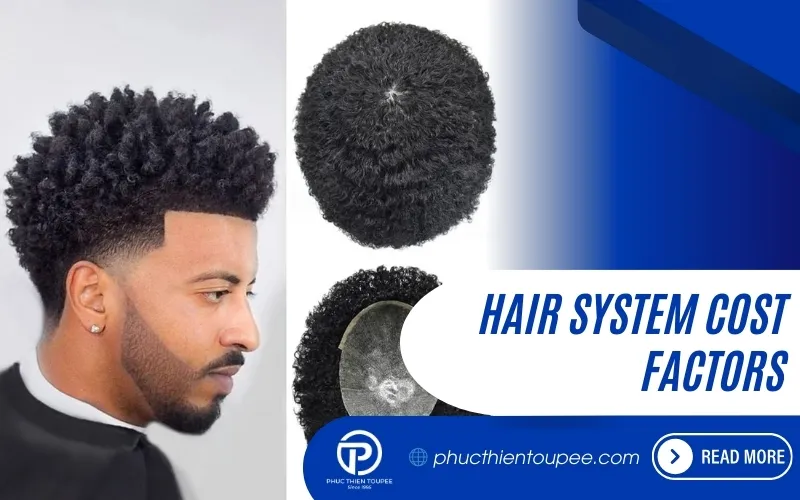
Hair system cost factors significantly influence your decision when considering a hair replacement solution. Understanding the nuances of hairpiece pricing, including hair quality, base construction, customization options, and installation expenses, allows you to make an informed choice for your hair restoration journey. Let’s explore the pricing of non-surgical hair replacement, including key influencers and practical tips for cost management.
Choosing a hair system represents an investment in your confidence and appearance. This guide will help you navigate the intricacies of hair replacement costs, explore various contributing factors, and empower you to find the perfect solution within your budget. We’ll cover cost considerations, hairpiece pricing, and custom hair systems.
Understanding Hair System Cost Factors
The cost of a hair system, also referred to as a hairpiece, toupee, or cranial prosthesis, can vary significantly depending on several factors. A transparent understanding of these factors is vital for anyone exploring hair replacement as a solution for hair loss. These systems offer a non-surgical alternative to hair transplantation, providing immediate results and a customizable appearance.
- Basic Definition: A hair system is a non-surgical hair replacement method that involves attaching a hairpiece to the scalp to cover areas with thinning or no hair.
- Primary Application: Restoring a natural-looking hairline and overall hair density for individuals experiencing hair loss due to alopecia, chemotherapy, or genetics.
- Key Benefits: Instant hair restoration, customizable style and color, non-invasive procedure, and a significant boost in self-esteem.
Key Influencing Variables
Several variables influence the final price of a hair system. These variables can be grouped into primary categories:
- Hair Quality and Origin: Human hair, particularly Remy hair, is typically more expensive than synthetic hair. The origin of the hair (e.g., European, Indian, Chinese) also affects the price.
- Base Construction: The material and construction of the base (e.g., lace, monofilament, polyurethane) significantly impact the price. Lace bases offer a natural look but may be less durable than polyurethane.
- Customization: Custom-made hair systems, tailored to individual head size, hair color, density, and style preferences, are more costly than stock systems.
- Installation and Maintenance: The cost of professional installation, cutting, styling, and ongoing maintenance (cleaning, repairs) adds to the overall expense.
- Brand and Retailer: The brand reputation, retailer markup, and service offerings also influence the final price.
🔍 Looking for a specific size, base, or hair color? Order a fully personalized toupee now!
Cost Range Overview
The cost of a hair system can range widely:
- Stock Systems: $150 – $800
- Custom Systems: $800 – $3000+
- Installation and Maintenance (per session): $50 – $200+
These are estimated ranges, and actual costs may vary depending on the specific factors mentioned above.

Demystify your investment: Understand Custom System Costs and your Custom Hair System Investment
Key Cost Determinants: Hair Quality & Origin
The quality and origin of the hair used in a system significantly impact its cost, appearance, and longevity. Human hair is generally preferred over synthetic hair for its natural look, feel, and styling versatility.
Human Hair vs Synthetic Hair: A Fundamental Choice
This is the first major decision point affecting cost.
- Human Hair: Universally regarded as the superior choice for the most natural result.
- Why the Higher Cost? Sourcing ethical human hair is a complex process. It involves collection, sorting by length and quality, and careful processing to maintain its integrity. This labor-intensive journey from donor to system contributes significantly to the price. Furthermore, its inherent qualities – the ability to be heat-styled, colored (by professionals), and its natural movement and texture that mimics biological hair – provide unparalleled realism that synthetic fibers cannot fully replicate. Human hair integrates seamlessly with your existing hair, making the system virtually undetectable.
- Investment Value: While the initial cost is higher, high-quality human hair systems often last longer (6-12 months or even more with meticulous care), potentially offering better long-term value compared to replacing synthetic systems more frequently.
- Synthetic Hair: Advanced synthetic fibers offer a more budget-friendly alternative.
- Why the Lower Cost? Synthetic fibers are manufactured using polymers, a process that is significantly less complex and costly than sourcing and processing human hair. They are essentially mass-produced.
- Benefits & Considerations: Modern synthetics have improved dramatically and can look quite natural, especially high-quality Kanekalon or Futura fibers. They often come pre-styled and hold their shape well, requiring less styling effort. However, most synthetic fibers cannot withstand high heat, limiting styling options. They tend to have a different sheen than human hair (sometimes too shiny under certain lighting) and can tangle or frizz more easily over time due to friction. Their lifespan is generally shorter (2-6 months). Synthetic options are excellent for temporary needs, trying out a style, or when budget is the primary constraint.
Phuc Thien Perspective: We generally recommend human hair for clients seeking the most natural, versatile, and long-lasting solution. However, high-quality synthetic options can be viable depending on individual circumstances and priorities.

Diving Deeper: Types of Human Hair and Their Cost Implications
Not all human hair is created equal. The origin, processing method, and cuticle integrity dramatically affect quality and price.
- Remy Hair: The Gold Standard
- What it is: Remy hair is collected and processed with the utmost care to ensure all hair cuticles (the outermost protective layer of the hair strand) remain intact and are aligned in the same direction, just like your natural growing hair.
- Why it Costs More: This meticulous collection and processing method is labor-intensive. Preserving the cuticle alignment prevents tangling and matting, resulting in hair that feels smoother, reflects light more naturally, and lasts significantly longer. It behaves most like natural hair, offering superior styling and manageability.
- Value Proposition: Remy hair represents a premium investment, delivering the most natural look, feel, and longevity. It’s the preferred choice for high-end, custom hair systems.
- Cost Range Indication: Typically found in mid-range to high-end systems ($1000 – $3000+ for custom).
- Non-Remy Hair: A More Accessible Option
- What it is: Non-Remy hair is often collected from multiple sources (like hairbrushes or salon floors) where the cuticle direction is mixed. To manage the inevitable tangling caused by opposing cuticles, this hair typically undergoes an aggressive process involving an acid bath to strip the cuticles entirely, followed by a coating of silicone to restore a smooth, shiny appearance.
- Cost Factor: The sourcing is less controlled, and while processing is involved, it’s aimed at masking imperfections rather than preserving natural quality. This makes it less expensive than Remy hair.
- Considerations: Initially, non-Remy hair can look and feel good due to the silicone coating. However, this coating wears off with washing and wear, revealing the processed hair underneath, which is prone to tangling, dryness, and a shorter lifespan.
- Cost Range Indication: Found in lower-to-mid-range systems ($600 – $1500 for custom).
🎨 Your style, your hair — we make it exactly how you want.
Hair Origin: Geography Matters
The geographical origin of the hair influences its natural characteristics (texture, thickness, color) and rarity, directly impacting cost.
- European Hair:
- Characteristics: Naturally fine, soft, and often lighter in color (ranging from blonde to dark brown). It has a smooth texture and excellent natural shine.
- Cost Factor: European hair is the rarest and most sought-after type, especially virgin (unprocessed) European hair. Its fine texture blends seamlessly with many Caucasian hair types. Its scarcity drives the price significantly higher, making it the most expensive option.
- Ideal For: Those seeking the absolute finest texture and a perfect blend with naturally fine hair.
- Cost Range Indication: Premium/Luxury systems ($2000 – $5000+ for custom).
- Indian Hair:
- Characteristics: Naturally versatile, typically ranging from fine to medium thickness, with a slight natural wave or curl common. It has good body and strength.
- Cost Factor: Indian hair is more readily available than European hair, making it a more cost-effective yet high-quality option. Its natural strength allows it to withstand processing (like coloring or texturizing) well. It’s a popular choice for many high-quality Remy systems.
- Ideal For: A wide range of users due to its versatility and balance of quality and cost. Blends well with many hair types after appropriate processing.
- Cost Range Indication: Mid-range to high-end systems ($800 – $2000 for custom).
- Chinese Hair:
- Characteristics: Typically the thickest and straightest hair type. It’s very strong and durable.
- Cost Factor: Chinese hair is widely available and generally the most cost-effective human hair option. However, due to its thickness and straightness, it often requires more significant processing (thinning the cuticle, texturizing) to achieve different looks or blend with finer hair types. This processing can sometimes affect the hair’s long-term feel and condition.
- Ideal For: Styles requiring straight, thick hair, or as a base that can be heavily processed for specific textures; budget-conscious human hair choice.
- Cost Range Indication: Entry-level to mid-range human hair systems ($700 – $1800 for custom).
Understanding these nuances in hair quality and origin allows you to make an educated choice, balancing your desire for realism and longevity with your budget. At Phuc Thien, we guide clients through these options to find the perfect hair foundation for their system.

Base Construction Material and Its Impact on Price
The base construction of a hair system is crucial for comfort, durability, and a natural appearance. Different materials and construction techniques influence both the price and the overall experience.
Common Base Materials: Balancing Realism, Comfort, and Durability
- Lace (Swiss Lace, French Lace): The King of Natural Hairlines
- What it is: A fine, delicate mesh material (nylon or polyester) into which individual hair strands are tied. Swiss lace is the finest and most undetectable but also the most delicate. French lace is slightly thicker and more durable, offering a good balance.
- Why it Impacts Cost: Lace bases provide the most natural-looking hairline because the mesh seems to disappear against the skin, allowing your scalp to show through. Achieving this realism requires fine materials and meticulous hand-knotting (see below). The delicate nature means production requires skill, and the material itself can be more expensive.
- User Experience: Highly breathable, making it comfortable, especially in warmer climates or during physical activity. Offers excellent realism, particularly at the front hairline. Requires careful handling and specific adhesives/tapes.
- Cost: Moderate to High. Swiss lace typically costs more than French lace.
- Monofilament (“Mono”): Durability Meets Natural Appearance
- What it is: A fine, mesh-like material, usually nylon or polyester, but generally stronger and less delicate than lace. Hair is hand-tied onto the mono top.
- Why it Impacts Cost: Monofilament offers a durable yet natural-looking scalp appearance. It allows for multi-directional parting, mimicking natural hair growth. While durable, the material and hand-tying process contribute to a moderate-to-high cost, often similar to or slightly less than lace depending on quality.
- User Experience: Comfortable and durable. Allows for versatile styling and parting. Provides a good level of realism where the hair is parted. Less breathable than full lace but more breathable than full PU.
- Cost: Moderate to High.
- Polyurethane (PU) / Skin / Thin Skin: Seamless Integration and Easy Maintenance
- What it is: A thin, transparent or flesh-toned polymer material that mimics the appearance of skin. It can come in various thicknesses. Hair can be knotted or injected into the PU.
- Why it Impacts Cost: PU bases are generally less expensive to manufacture than hand-tied lace or mono bases. Thinner PU bases (often called “thin skin”) offer better realism but are less durable, while thicker PU bases are very durable but can feel warmer and look less natural at the edge.
- User Experience: Creates a very secure bond with adhesives and tapes, making attachment straightforward. Very easy to clean adhesive residue from the base. However, PU is not breathable, which can lead to heat and moisture buildup for some wearers. Thicker PU edges can sometimes be detectable.
- Cost: Low to Moderate. Thinner, more realistic PU options command higher prices within this range.
- Combination Bases: The Best of Both Worlds
- What it is: These bases strategically combine different materials to leverage their respective strengths. A very common example is a lace front (for an undetectable hairline) with a monofilament top (for parting versatility and durability) and a PU perimeter (for easy and secure tape/adhesive application and edge durability).
- Why it Impacts Cost: Designing and constructing combination bases is more complex, involving joining different materials seamlessly. This increased labor and design intricacy generally place combination bases in the moderate-to-high price range, reflecting the tailored benefits they offer.
- User Experience: Aims to provide an optimal balance of realism (lace front), styling freedom (mono top), durability, and ease of use (PU perimeter). Often considered an excellent all-around choice.
- Cost: Moderate to High.

Base Construction Techniques: How the Hair is Attached
The method used to attach the hair to the base also significantly influences the final look, durability, and cost.
- Hand-Tied:
- Process: Individual hair strands (or small groups) are meticulously tied to the base material (lace or monofilament) by hand using various knotting techniques (e.g., single knots, double knots, split knots). Knots at the hairline are often bleached to make them invisible.
- Impact: This technique allows the hair to move naturally in multiple directions, mimicking real hair growth and offering maximum styling versatility. It’s extremely labor-intensive, requiring hours of skilled work.
- Cost: Highest cost due to the intensive manual labor involved. The foundation of premium systems.
- Machine-Made (Wefted):
- Process: Hair is sewn by machine onto strips of material called wefts. These wefts are then sewn together or onto a base cap structure.
- Impact: Much faster and less expensive than hand-tying. However, the hair typically falls in one direction, limiting styling options and natural movement. Can sometimes create more bulk. More common in traditional wigs than modern, integrated hair systems.
- Cost: Lowest cost due to automated process.
- Injected Hair:
- Process: Hair strands are injected into a base material, typically Polyurethane (PU) or Silicone. There are no knots on the underside, as the hair root is sealed within the base material.
- Impact: Creates an incredibly realistic appearance of hair growing directly from the scalp, as there are no visible knots. However, this method can sometimes be less durable than knotted hair, as the hair is not secured by a knot and may shed more easily over time, especially with thinner PU bases.
- Cost: Moderate to High, reflecting the specialized technique required.
✂️ Be unique — create your custom-made toupee today!
The Role of Customization in Hair System Pricing
Customization is a significant driver of hair system cost. A custom-made hair system is tailored to your specific needs and preferences, ensuring a perfect fit, natural appearance, and personalized style.
Customization Options
- Head Size and Shape: Precise measurements of your head ensure a comfortable and secure fit.
- Hair Color and Density: Matching your natural hair color and density creates a seamless blend.
- Hairline Design: A natural-looking hairline is crucial for a realistic appearance.
- Hair Texture and Style: Customization allows you to choose the desired hair texture (straight, wavy, curly) and style.
- Gray Hair Percentage and Placement: Adding gray hair in the correct proportion and placement creates a natural, age-appropriate look.
Benefits of Customization
- Natural Appearance: A custom hair system blends seamlessly with your existing hair, creating a natural and undetectable look.
- Comfort: A perfect fit ensures maximum comfort and minimizes irritation.
- Personalized Style: Customization allows you to achieve your desired hairstyle and overall look.
- Increased Confidence: A well-fitted and natural-looking hair system can significantly boost your self-esteem.
Cost Implications
- Increased Labor: Custom hair systems require more labor-intensive production processes, which increase the cost.
- Material Costs: Specialized materials and techniques may be needed for custom designs, adding to the overall expense.
- Expert Consultation: Customization often involves consultations with experienced hair system professionals, which can incur additional fees.
As Phuc Thien, we believe that investing in a custom hair system is worthwhile for those seeking the most natural and personalized hair replacement solution.
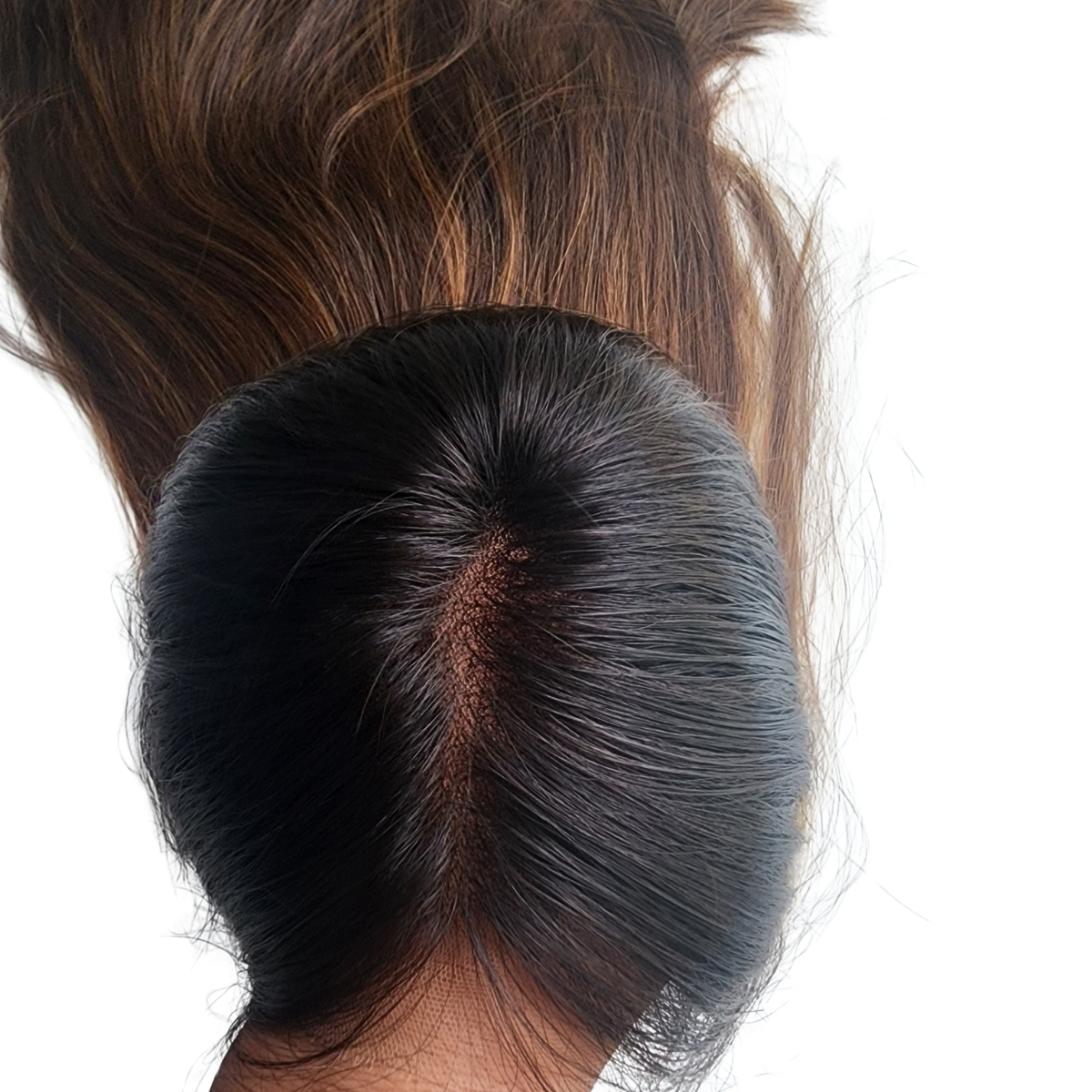
Hair System Installation & Maintenance Costs
The initial purchase price of a hair system is only one aspect of the overall cost. Installation and ongoing maintenance are essential for ensuring a natural look, longevity, and hygiene.
Installation Costs
- Professional Installation: Involves cutting, styling, and attaching the hair system to the scalp.
- Cost: $50 – $200+ per session
- DIY Installation: Some individuals choose to install their hair system at home using adhesives or clips.
- Cost: Lower initial cost, but requires skill and precision.
Maintenance Costs
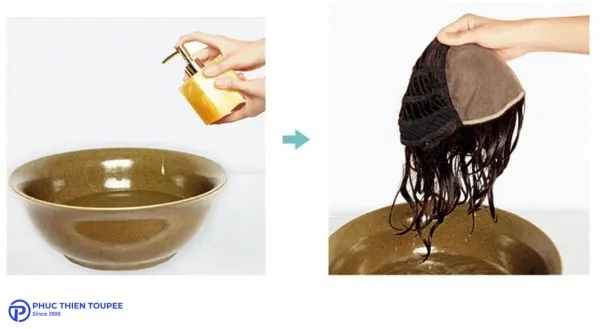
- Cleaning and Conditioning: Regular washing and conditioning are essential for maintaining the hair’s health and appearance.
- Cost: $20 – $50 per month (for specialized shampoos and conditioners)
- Re-bonding/Re-taping: Adhesives and tapes need to be replaced regularly to maintain a secure attachment.
- Cost: $30 – $80 per session
- Repairs: Hair systems may require repairs over time due to wear and tear.
- Cost: $50 – $150+ per repair, depending on the extent of the damage.
- Styling: Regular styling by a professional stylist ensures a natural and well-groomed appearance.
- Cost: $30 – $100+ per session
✨ A toupee shouldn’t just hide hair loss — make it a style statement!
Frequency and Longevity
- Installation: Typically done every 2-6 weeks, depending on the attachment method and individual needs.
- Maintenance: Regular cleaning and conditioning are needed 1-2 times per week. Re-bonding/re-taping is done every 2-4 weeks.
- Lifespan: With proper care and maintenance, a high-quality hair system can last 6-12+ months.
Phuc Thien recommends budgeting for ongoing maintenance costs when considering a hair system. Professional installation and maintenance can significantly extend the lifespan of your hair system and ensure a natural appearance.
Finding the Right Hair System Within Your Budget
Finding a hair system that fits both your needs and budget requires careful planning and research. Here are some tips for managing costs and finding the best value.
Setting a Realistic Budget
- Consider all costs: Include the initial purchase price, installation, maintenance, and potential repairs.
- Prioritize your needs: Determine which features are most important to you (e.g., natural appearance, durability, ease of maintenance).
- Research different options: Explore various hair types, base materials, and brands to find the best combination of features and price.
Cost-Saving Strategies
- Consider a stock system: Stock systems are more affordable than custom systems and can be a good option if you have standard hair color and style preferences.
- DIY maintenance: Learn to clean, condition, and re-bond/re-tape your hair system at home to save on salon costs.
- Shop around for supplies: Compare prices on shampoos, conditioners, and adhesives from different retailers.
- Take advantage of sales and discounts: Many retailers offer sales and discounts on hair systems and related products.
- Proper Care: Proper care can drastically extend the life of your investment. Follow Phuc Thien’s provided care instructions to ensure your hair system lasts.
👨🦱 Ready to wear and natural-looking — explore our men’s stock hairpieces today!
Financing Options
- Payment Plans: Some retailers offer payment plans that allow you to spread the cost of your hair system over time.
- Medical Financing: In some cases, hair systems may be eligible for medical financing, particularly if hair loss is due to a medical condition.
- Insurance Coverage: Check with your insurance provider to see if hair systems are covered under your policy. Cranial prostheses are sometimes covered for patients undergoing chemotherapy or radiation.
Phuc Thien believes that finding the right hair system is a personal journey. Take your time, do your research, and don’t be afraid to ask questions. We are here to help you find a solution that fits your needs and budget.
🌸 Lightweight, breathable, and stylish — discover the perfect topper just for you.
Conclusion
Understanding the various hair system cost factors is essential for making an informed decision and finding a solution that meets your needs and budget. Hair quality, base construction, customization options, installation, and maintenance all play significant roles in the overall cost. By carefully considering these factors, researching different brands, and exploring cost-saving strategies, you can find a hair system that provides a natural appearance, comfortable fit, and long-lasting results.
Remember, investing in a hair system is an investment in your confidence and self-esteem. With the right knowledge and guidance, you can achieve a natural and personalized look that empowers you to feel your best. Phuc Thien Toupee is dedicated to providing high-quality hair systems and expert support to help you achieve your hair restoration goals.
Maximize value: Learn about Custom System Warranty and Hair System Durability for lasting wear
Phuc Thien Toupee Co., Ltd
Design Brand: Royal Hair Vietnam
Office Address:
🏢 Room A909, Decapella Building, 116 Luong Dinh Cua Street, An Khanh Ward, Thu Duc City, Ho Chi Minh City 700000, Vietnam
Factory Address:
🏭 No. 26/9, Street 57, Thuong Hamlet, Tan Thong Hoi Ward, Cu Chi District, Ho Chi Minh City 700000, Vietnam
Email: ✉️ phucthientoupeevn@gmail.com
Phone / WhatsApp: 📞 +84 933 901 196
Websites: 🌐 phucthientoupee.com – 🌐 royalhair.shop



