

- 19/06/2025
- Posted by: phucthien
- Category: Blog

Hair loss supplements can be a proactive solution for promoting hair growth and combating thinning hair, providing essential nutrients that support healthy follicles. By understanding their potential benefits and risks, you can make informed decisions to revitalize your hair. Explore this guide to discover the right supplements for your hair health journey and reclaim a fuller, more vibrant head of hair. Consider natural remedies and consult Phuc Thien Toupee for personalized advice on hair restoration, hair thinning, and scalp health.
The Ultimate Guide to Hair Loss Supplements
Hair loss is a common concern for both men and women, impacting self-esteem and overall well-being. Fortunately, hair loss supplements offer a promising avenue to support hair health, providing essential nutrients that nourish follicles and encourage regrowth. Let’s delve into the world of hair loss supplements, exploring their benefits, potential risks, and how to choose the right ones for your needs.
Understanding the Landscape of Hair Loss
Hair loss can stem from a variety of factors, including:
- Genetics: Hereditary hair loss, also known as androgenetic alopecia, is a leading cause.
- Hormonal Imbalances: Fluctuations in hormones, especially during pregnancy, menopause, or thyroid disorders, can trigger hair loss.
- Nutrient Deficiencies: Lack of essential vitamins and minerals can weaken hair follicles, leading to shedding.
- Stress: Chronic stress can disrupt the hair growth cycle, causing temporary hair loss.
- Medical Conditions: Certain medical conditions and medications can contribute to hair loss.
🎨 Your style, your hair — we make it exactly how you want.
Why Consider Hair Loss Supplements?
Hair loss supplements address nutrient deficiencies that may be contributing to hair thinning or shedding. They can provide a targeted boost of essential vitamins, minerals, and other compounds that support healthy hair growth.

Boost your growth: Pair with effective Hair Loss Prevention Products and Natural Hair Loss Remedies
9 Hair Loss Supplements: Benefits and Risks
Let’s explore some of the most popular hair loss supplements, examining their potential benefits and associated risks.
1. Biotin (Vitamin B7): The Keratin Catalyst
- Mechanism: Biotin is essential for the enzymatic reactions involved in synthesizing keratin, the fundamental protein that constitutes hair, skin, and nails. It plays a role in amino acid metabolism, which provides the building blocks for protein production.
- Benefits: Adequate biotin levels support the structural integrity of the hair shaft. Supplementation may improve hair strength, thickness, and reduce brittleness, particularly in individuals with a confirmed or suspected biotin deficiency. Some studies, like one published in the Journal of Clinical and Aesthetic Dermatology, observed perceived improvements in hair fullness and scalp coverage among women reporting thinning hair after taking a multi-ingredient supplement containing biotin.
- Scientific Context: While biotin deficiency is rare in individuals consuming a balanced diet, certain conditions or medications can affect its levels. Evidence directly linking biotin supplementation to hair growth in non-deficient individuals is still developing, but its foundational role in keratin production makes it a popular supportive ingredient.
- Risks & Considerations: Biotin is water-soluble, meaning excess amounts are typically excreted. It’s generally considered safe with a low risk of toxicity. However, very high doses (often found in “hair, skin, and nails” formulas) can significantly interfere with various laboratory tests, including those for thyroid hormones (TSH, T3, T4) and troponin (a marker for heart attack), potentially leading to misdiagnosis. Always inform your healthcare provider and lab technicians if you are taking biotin supplements.
- Best For: Individuals with confirmed biotin deficiency, those experiencing brittle hair, or as part of a broader nutritional support strategy for hair health.
2. Vitamin D: The Follicle Modulator
- Mechanism: Vitamin D receptors are present in hair follicles and are believed to play a role in regulating the hair growth cycle (anagen, catagen, telogen phases). It influences the differentiation and proliferation of keratinocytes.
- Benefits: Maintaining adequate Vitamin D levels may support healthy hair follicle cycling. Studies, including research published in Stem Cells Translational Medicine, have explored the link between low Vitamin D levels (specifically serum 25-hydroxyvitamin D) and various types of alopecia, including telogen effluvium and androgenetic alopecia. Correcting a deficiency might contribute to improved hair health.
- Scientific Context: Correlation doesn’t equal causation, but consistent associations between low Vitamin D and hair loss suggest a potential role. More research is needed to determine if supplementation directly treats hair loss in those without deficiency, but ensuring sufficiency is important for overall health, including potentially hair health.
- Risks & Considerations: Vitamin D is fat-soluble, meaning excessive intake can accumulate in the body and lead to toxicity (hypervitaminosis D). Symptoms can include nausea, vomiting, weakness, frequent urination, and potentially kidney stones or calcium deposits in organs. Determining appropriate dosage requires blood testing (measuring 25-hydroxyvitamin D levels) and medical guidance. Safe upper intake levels exist and should be respected.
- Best For: Individuals with diagnosed Vitamin D deficiency or insufficiency, especially those experiencing diffuse hair shedding.

3. Iron: The Oxygen Transporter for Follicles
- Mechanism: Iron is a critical component of hemoglobin, the protein in red blood cells responsible for carrying oxygen throughout the body, including to the hair follicles. Oxygen is vital for cellular energy and function, including hair growth processes. Iron is also a cofactor for enzymes involved in DNA synthesis.
- Benefits: Correcting iron deficiency (specifically low ferritin levels, which indicate stored iron) can help resolve hair loss associated with anemia or depleted iron stores. Studies, such as one in the Journal of Korean Medical Science, have linked iron deficiency, particularly low ferritin, to increased telogen effluvium (shedding phase hair loss) in women. Supplementation under guidance can help restore normal hair cycling.
- Scientific Context: Iron deficiency is a well-established cause of hair shedding, especially in premenopausal women due to menstruation, or individuals with poor dietary intake or absorption issues. Ferritin levels below a certain threshold (often cited around 40-70 ng/mL, though debated) are frequently associated with hair loss.
- Risks & Considerations: Iron supplements can cause gastrointestinal side effects like constipation, nausea, stomach pain, and dark stools. Taking iron with vitamin C can enhance absorption but may increase side effects for some. Iron overload (hemochromatosis) is a serious condition, so supplementation should only occur if a deficiency is confirmed via blood tests (serum iron, ferritin, TIBC). Different forms of iron (e.g., ferrous sulfate, ferrous gluconate, ferrous bisglycinate) have varying absorption rates and side effect profiles.
- Best For: Individuals diagnosed with iron deficiency or iron-deficiency anemia experiencing hair loss, particularly women of childbearing age.
✂️ Be unique — create your custom-made toupee today!
4. Zinc: The Follicle Repair and Function Mineral
- Mechanism: Zinc plays a crucial role in protein synthesis and cell division, both essential processes for hair growth. It is involved in the function of hundreds of enzymes, including those vital for building keratin and maintaining the structural integrity of the hair follicle. It also contributes to the proper functioning of the sebaceous glands associated with follicles.
- Benefits: Zinc may support hair tissue growth and repair. Some research, including studies published in Dermatology and Therapy, suggests a link between low zinc levels and hair loss conditions like alopecia areata and telogen effluvium. In cases of deficiency, zinc supplementation has shown potential to promote hair regrowth.
- Scientific Context: Zinc deficiency can impair hair growth and lead to brittle, thinning hair. While evidence for supplementation in non-deficient individuals is less robust, ensuring adequate zinc intake is important for overall follicular health.
- Risks & Considerations: High doses of zinc can interfere with the absorption of other essential minerals, particularly copper, potentially leading to copper deficiency anemia and neurological issues. It can also cause nausea, vomiting, and diarrhea. Supplementation should ideally be guided by blood test results and kept within recommended daily allowances or guided by a healthcare provider. Taking zinc with food can minimize stomach upset.
- Best For: Individuals with confirmed zinc deficiency, potentially those with certain types of alopecia like alopecia areata (under medical supervision).
5. Vitamin C: The Collagen and Antioxidant Ally
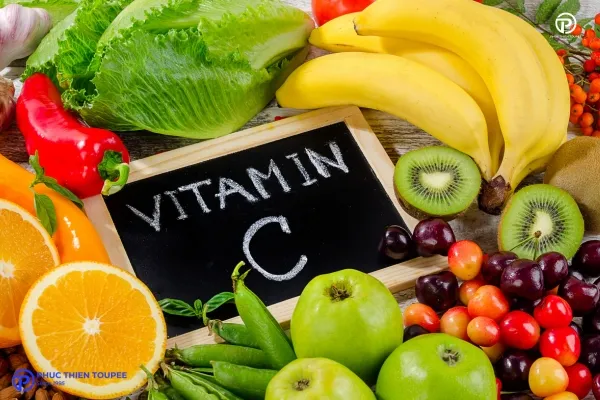
- Mechanism: Vitamin C (ascorbic acid) is a powerful antioxidant that helps protect hair follicles from oxidative stress caused by free radicals, which can damage cells and impede growth. Crucially, it is also essential for collagen synthesis – a key protein providing structural support in the skin (including the scalp) and blood vessels nourishing the follicles. Furthermore, Vitamin C significantly enhances the absorption of non-heme iron (iron from plant sources) from the diet.
- Benefits: By supporting collagen production and protecting follicles from damage, Vitamin C contributes to a healthy scalp environment conducive to hair growth. Its role in enhancing iron absorption indirectly supports hair health by helping prevent iron-deficiency-related hair loss.
- Scientific Context: While direct studies on Vitamin C supplementation alone for hair loss are limited, its fundamental roles in antioxidant defense, collagen production, and iron absorption make it a vital nutrient for overall hair health.
- Risks & Considerations: Vitamin C is water-soluble and generally considered safe. Very high doses (megadoses) can cause gastrointestinal issues like diarrhea, nausea, and stomach cramps. Individuals with certain conditions like hemochromatosis or kidney stones should consult their doctor before taking high doses.
- Best For: Everyone, as part of a balanced diet. Supplementation can be beneficial for those with low dietary intake or increased needs, and particularly helpful when taking iron supplements to improve absorption.
6. Omega-3 Fatty Acids: Scalp Soothers
- Mechanism: Omega-3 fatty acids (primarily EPA and DHA found in fish oil, and ALA in plant sources like flaxseed) possess anti-inflammatory properties. Scalp inflammation can negatively impact hair follicle function and contribute to certain types of hair loss. Omega-3s also contribute to cell membrane health, potentially improving scalp hydration and follicle nourishment.
- Benefits: By reducing inflammation and nourishing the scalp, omega-3s may create a healthier environment for hair growth. Some studies, like one reported in the Journal of Cosmetic Dermatology, involving supplements containing omega-3s, omega-6s, and antioxidants, showed increased hair density and reduced telogen phase hair percentage in women with female pattern hair loss.
- Scientific Context: The anti-inflammatory action is key. While more direct research on omega-3s alone for hair loss is needed, their benefits for reducing systemic and potentially scalp inflammation are well-documented.
- Risks & Considerations: Generally safe, but can cause a fishy aftertaste, bad breath, heartburn, or mild digestive upset. High doses may have blood-thinning effects and could potentially interact with anticoagulant medications (like warfarin). Consult a doctor if you are on blood thinners or have a bleeding disorder. Choose high-quality supplements tested for contaminants like heavy metals (mercury).
- Best For: Individuals looking to support scalp health, reduce potential inflammation, and improve hair sheen, potentially as part of a strategy for inflammatory scalp conditions or general hair wellness.
7. Saw Palmetto: The Natural DHT Modulator
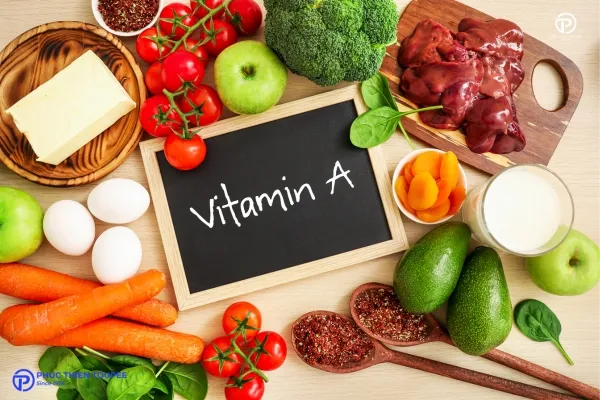
- Mechanism: Saw Palmetto extract is believed to work by inhibiting the enzyme 5-alpha-reductase. This enzyme converts testosterone into dihydrotestosterone (DHT), a hormone strongly implicated in androgenetic alopecia (male and female pattern baldness). High levels of DHT can shrink hair follicles, leading to shorter, finer hairs and eventual hair loss.
- Benefits: By potentially reducing DHT levels in the scalp, Saw Palmetto may help slow hair loss and, in some cases, promote regrowth in individuals with androgenetic alopecia. Several small studies and reviews, including one in Skin Appendage Disorders, suggest potential benefits, though larger, high-quality trials are still needed for definitive conclusions.
- Scientific Context: Its mechanism targets a known pathway in pattern hair loss. It’s often considered a natural alternative or adjunct to prescription medications like finasteride, which also inhibits 5-alpha-reductase. Evidence is promising but requires further validation.
- Risks & Considerations: Generally well-tolerated, but potential side effects can include mild digestive upset, headache, or dizziness. There’s a theoretical risk of interaction with hormone therapies (like birth control or hormone replacement therapy) and blood-thinning medications due to potential effects on hormones and mild antiplatelet activity. Pregnant or breastfeeding women should avoid it. Consultation with a healthcare provider is important, especially if taking other medications.
- Best For: Primarily men and potentially women experiencing androgenetic alopecia (pattern hair loss) looking for a natural approach to potentially modulate DHT.
🔍 Looking for a specific size, base, or hair color? Order a fully personalized toupee now!
8. Keratin: Direct Hair Protein Support
- Mechanism: Keratin supplements typically provide solubilized, bioavailable forms of keratin protein, often derived from sources like sheep’s wool. The idea is to supply the body with the specific amino acids and protein structures that make up hair.
- Benefits: Supplementing with keratin may provide the building blocks needed for stronger, more resilient hair. Manufacturers claim it can reduce shedding, improve hair brightness, and increase strength. Some proprietary keratin ingredients (like Cynatine® HNS) have undergone clinical studies suggesting improvements in hair loss, strength, and appearance compared to placebo, as published in journals like The Scientific World Journal.
- Scientific Context: Providing specific keratin peptides might be more effective than general protein intake for targeting hair structure. Research on specific branded ingredients shows promise, but more independent studies are beneficial.
- Risks & Considerations: Generally considered safe. Allergic reactions are possible, though rare. Ensure the source of keratin aligns with any dietary restrictions (e.g., unsuitable for vegans). Quality and bioavailability can vary between products.
- Best For: Individuals looking to improve hair strength, reduce brittleness, and potentially decrease shedding, especially if dietary protein intake is adequate but specific hair protein support is desired.
9. Collagen: Follicle Environment Support
- Mechanism: Collagen is the most abundant protein in the body, providing structural support to skin, bones, and connective tissues. In the context of hair, it’s vital for the dermis layer of the scalp where hair follicles reside. Collagen contains amino acids (like proline) necessary for building keratin. It may also have antioxidant properties.
- Benefits: Collagen peptides (hydrolyzed collagen) are easily absorbed and can support skin elasticity and hydration, potentially creating a healthier scalp environment. By providing key amino acids, it may indirectly support keratin production. Studies, such as one in the Journal of Drugs in Dermatology on a specific collagen peptide supplement, showed improvements in skin hydration and elasticity, which could translate to better scalp health. Direct studies on collagen specifically for hair growth are emerging.
- Scientific Context: The primary benefit likely stems from improving the health of the scalp skin (dermis) and providing amino acid precursors. The body breaks down supplemental collagen into amino acids, which it then uses where needed, potentially including hair follicle support.
- Risks & Considerations: Collagen supplements are generally very safe with few reported side effects, mainly mild digestive discomfort or a feeling of fullness. Individuals with allergies to the source (e.g., fish, shellfish, beef, chicken) should choose appropriate types. Look for hydrolyzed collagen or collagen peptides for better absorption.
- Best For: Individuals aiming to improve overall skin health (including the scalp) and provide amino acid building blocks that support hair structure, often used for general wellness and anti-aging benefits that include hair health.
Supplement Chart
| Supplement | Benefits | Risks |
| Biotin | Promotes keratin production, improves hair thickness and strength | High doses can interfere with lab tests |
| Vitamin D | Plays a role in hair follicle cycling | Excessive intake can lead to toxicity |
| Iron | Carries oxygen to hair follicles, promoting healthy growth | Gastrointestinal side effects, such as constipation |
| Zinc | Involved in tissue growth and repair, maintains oil glands around follicles | High doses can interfere with copper absorption and cause nausea |
| Vitamin C | Protects hair follicles from damage caused by free radicals, helps the body absorb iron | High doses can cause gastrointestinal upset |
| Omega-3 Fatty Acids | Nourishes the scalp and reduces inflammation | Fishy aftertaste or gastrointestinal upset |
| Saw Palmetto | May help block DHT, a hormone that contributes to androgenetic alopecia | Mild side effects, such as digestive upset or dizziness, may interact with certain medications |
| Keratin | Provides a direct source of keratin, the protein that makes up hair, may help strengthen hair and improve its appearance | Some individuals may be allergic to keratin |
| Collagen | Supports the structure of hair follicles, may help improve hair thickness and strength | Some individuals may experience mild digestive upset |
How to Choose the Right Hair Loss Supplements
Choosing the right hair loss supplements involves considering several factors:
Step 1: Identify the Potential Root Cause
- Consult Professionals: This is the most crucial step. Schedule appointments with your primary care physician and potentially a dermatologist. They can help diagnose the type of hair loss (e.g., androgenetic alopecia, telogen effluvium, alopecia areata, nutritional deficiency) through visual examination, medical history, and potentially scalp biopsy.
- Undergo Blood Tests: Request comprehensive blood work to identify potential underlying issues. Key tests include:
- Complete Blood Count (CBC): Checks for anemia.
- Ferritin: Measures stored iron levels (crucial for hair shedding).
- Serum Iron & TIBC: Further assesses iron status.
- Vitamin D (25-hydroxyvitamin D): Checks for deficiency/insufficiency.
- Thyroid Panel (TSH, Free T3, Free T4): Rules out thyroid disorders, a common cause of hair loss.
- Zinc Levels: Checks for deficiency.
- Hormone Levels (if indicated): Such as testosterone, DHEA-S, prolactin, particularly if pattern loss or other hormonal symptoms are present.
- Why This Matters: Supplements are most effective when targeting a specific deficiency or pathway relevant to your type of hair loss. Taking iron when your levels are normal won’t help and could be harmful. Using a DHT blocker like Saw Palmetto is relevant for androgenetic alopecia but not typically for telogen effluvium caused by stress or illness.
✨ A toupee shouldn’t just hide hair loss — make it a style statement!
Step 2: Research Ingredients Based on Needs
- Targeted Approach: Once you have insights from Step 1, focus on supplements containing ingredients relevant to your situation.
- Deficiency Identified? Choose supplements providing adequate doses of that specific nutrient (e.g., Iron, Vitamin D, Zinc).
- Pattern Hair Loss (AGA)? Consider ingredients studied for this pathway, like Saw Palmetto, or comprehensive formulas aimed at supporting follicle health.
- General Thinning/Shedding? Look for foundational nutrients like Biotin, Collagen, Keratin, essential vitamins (B-complex, C), and minerals (Zinc).
- Look for Clinical Evidence: Prioritize ingredients with some level of scientific backing, even if it’s preliminary. Be wary of purely anecdotal claims. Reputable brands often reference studies supporting their formulations.
Step 3: Scrutinize the Supplement Label
- Ingredient Transparency: Look for clear labeling of all active ingredients and their specific dosages per serving. Avoid “proprietary blends” where individual amounts aren’t disclosed.
- Dosage: Ensure the dosage aligns with recommended daily allowances (RDAs) or levels used in supportive studies. Be cautious of mega-doses unless specifically recommended by a healthcare provider for a deficiency.
- Bioavailability: Consider the form of the nutrient, as some are better absorbed than others (e.g., chelated minerals like zinc bisglycinate, methylcobalamin for B12, Vitamin D3 vs D2).
- Third-Party Testing: This is crucial for quality assurance. Look for seals from independent organizations like NSF International, USP (United States Pharmacopeia), or ConsumerLab.com. These certifications indicate the product contains what the label claims, meets purity standards, and is free from harmful contaminants. This is especially important as the FDA does not regulate supplements as strictly as pharmaceuticals.
- Other Ingredients: Check for fillers, binders, artificial colors, or potential allergens (gluten, soy, dairy) if you have sensitivities.
Step 4: Consider Potential Interactions and Safety
- Medication Interactions: Discuss any supplements you plan to take with your doctor or pharmacist, especially if you are on prescription medications (e.g., blood thinners, thyroid medication, diabetes drugs, hormone therapy). Some supplements can interfere with drug efficacy or increase side effect risks.
- Supplement Interactions: Taking high doses of certain minerals can interfere with the absorption of others (e.g., high zinc can deplete copper).
- Pre-existing Conditions: Individuals with certain health conditions (e.g., kidney disease, liver disease, bleeding disorders) need to be particularly cautious and consult their doctor.
- Pregnancy and Breastfeeding: Most supplements are not recommended during pregnancy or breastfeeding unless specifically advised by a healthcare provider.
Step 5: Set Realistic Expectations and Be Patient
- Supplements Support, They Don’t Cure: View supplements as part of a holistic approach that may include dietary changes, stress management, and potentially medical treatments.
- Time for Results: Hair growth is a slow process. It typically takes at least 3-6 months of consistent use to notice potential improvements from supplements, as you need to wait for new, healthier hair to grow.
- Monitor Progress: Take baseline photos and track changes over time. If no improvement is seen after 6-12 months, reassess your approach with your healthcare provider.
Optimizing Your Diet for Hair Health
In addition to supplements, a balanced diet rich in essential nutrients is crucial for hair health. Focus on incorporating the following foods into your diet:
Prioritize Protein: The Hair Building Blocks
- Why it Matters: Hair is primarily composed of the protein keratin. Insufficient dietary protein forces your body to ration protein, potentially shifting hair follicles into the shedding phase to conserve resources.
- How to Get It: Include lean protein sources in most meals.
- Animal Sources: Chicken breast, turkey, fish (especially fatty fish like salmon for omega-3s), eggs, lean beef, Greek yogurt.
- Plant Sources: Lentils, beans, chickpeas, tofu, tempeh, edamame, quinoa, nuts, and seeds.
- Goal: Aim for adequate protein intake based on your age, weight, and activity level. A general guideline is 0.8 grams per kilogram of body weight, but needs may be higher for active individuals.
Incorporate Iron-Rich Foods: Oxygen Delivery
- Why it Matters: As discussed, iron is crucial for hemoglobin production, which carries oxygen to your hair follicles, fueling their growth and function. Low iron is a common cause of shedding.
- How to Get It: Combine heme (easily absorbed) and non-heme iron sources.
- Heme Iron: Red meat (beef, lamb), poultry (dark meat), oysters, clams.
- Non-Heme Iron: Spinach, lentils, beans, fortified cereals, tofu, pumpkin seeds.
- Absorption Tip: Pair non-heme iron sources with Vitamin C-rich foods (see below) in the same meal to significantly boost absorption. Avoid consuming high-iron foods with calcium-rich foods/supplements or coffee/tea, as these can inhibit absorption.
Focus on Zinc Sources: Follicle Function
- Why it Matters: Zinc is vital for hair tissue growth, repair, and ensuring the oil glands around the follicles work correctly.
- How to Get It:
- Top Sources: Oysters (very high), beef, crab, lobster.
- Other Good Sources: Pork, chicken (dark meat), beans, nuts (cashews, almonds), pumpkin seeds, fortified cereals, yogurt.
Embrace Healthy Fats: Scalp Health & Shine
- Why it Matters: Essential fatty acids, particularly Omega-3s, help maintain scalp hydration, reduce inflammation (which can hinder growth), and contribute to hair’s natural shine and strength.
- How to Get It:
- Omega-3s: Fatty fish (salmon, mackerel, sardines, herring), flaxseeds (ground), chia seeds, walnuts, soybeans.
- Other Healthy Fats: Avocados, olive oil, nuts, seeds.
Maximize Vitamin C Intake: Collagen & Iron Aid
- Why it Matters: Essential for building collagen (scalp structure) and dramatically improves non-heme iron absorption. It’s also a potent antioxidant protecting follicles.
- How to Get It: Abundant in many fruits and vegetables.
- Excellent Sources: Citrus fruits (oranges, grapefruit), bell peppers (especially red), strawberries, kiwi, broccoli, Brussels sprouts, tomatoes.
Don’t Forget B Vitamins: Energy & Cell Growth
- Why it Matters: The B-vitamin complex (including Biotin, Folate, B6, B12) plays roles in energy metabolism, red blood cell creation (carrying oxygen), and cell proliferation – all essential for healthy follicle activity.
- How to Get It: Found in a wide range of foods.
- Whole Grains: Brown rice, oats, barley.
- Animal Products: Meat, poultry, fish, eggs, dairy.
- Legumes: Beans, lentils.
- Leafy Greens: Spinach, kale (good source of folate).
- Nuts and Seeds.
- Fortified Foods: Many cereals and breads are fortified with B vitamins like folic acid.
Ensure Sufficient Vitamin D: Follicle Cycling
- Why it Matters: Linked to healthy hair follicle cycling. While sunshine is a primary source, dietary intake contributes.
- How to Get It:
- Fatty Fish: Salmon, mackerel, herring.
- Fortified Foods: Milk, some plant-based milks, orange juice, cereals.
- Egg Yolks.
- Mushrooms (UV-exposed).
- Note: Dietary sources often aren’t enough to correct deficiency; supplementation may be needed based on blood tests.
Hydration is Key: Overall Cellular Function
- Why it Matters: Water is essential for transporting nutrients, maintaining cell hydration, and overall bodily functions, including those supporting scalp and hair health. Dehydration can impact skin texture and potentially hair health.
- How to Get It: Drink plenty of water throughout the day. Herbal teas and water-rich fruits/vegetables also contribute.
Lifestyle Changes to Support Hair Growth
In addition to supplements and diet, lifestyle changes can also play a role in promoting hair growth:
- Manage Stress: Practice stress-reducing activities, such as yoga, meditation, or spending time in nature.
- Avoid Harsh Treatments: Limit the use of heat styling tools, chemical treatments, and tight hairstyles.
- Get Enough Sleep: Aim for 7-8 hours of sleep per night to support overall health, including hair health.
- Scalp Massage: Regularly massage your scalp to improve blood circulation and stimulate hair follicles.
Holistic approach: Improve Hair Loss and Nutrition and nurture Scalp Health and Hair Loss for better results
Phuc Thien Toupee: Your Partner in Hair Restoration
At Phuc Thien Toupee, we understand the emotional impact of hair loss. We offer a range of personalized solutions to help you reclaim your confidence and achieve your desired look. Our services include:
- Hair Loss Consultation: Our experienced professionals will assess your hair loss and recommend the best course of action.
- Hair Restoration Treatments: We offer a variety of hair restoration treatments, including hair transplants, PRP therapy, and low-level laser therapy.
- Custom Toupees and Wigs: We create custom toupees and wigs that are designed to look and feel natural.
Contact Phuc Thien Toupee today to schedule a consultation and learn more about our hair restoration solutions.
Phuc Thien Toupee Co., Ltd
Design Brand: Royal Hair Vietnam
Office Address:
🏢 Room A909, Decapella Building, 116 Luong Dinh Cua Street, An Khanh Ward, Thu Duc City, Ho Chi Minh City 700000, Vietnam
Factory Address:
🏭 No. 26/9, Street 57, Thuong Hamlet, Tan Thong Hoi Ward, Cu Chi District, Ho Chi Minh City 700000, Vietnam
Email: ✉️ phucthientoupeevn@gmail.com
Phone / WhatsApp: 📞 +84 933 901 196
Websites: 🌐 phucthientoupee.com – 🌐 royalhair.shop



