

- 31/05/2025
- Posted by: phucthien
- Categories: Blog, Hair Loss & Hairpiece Options

Hair Loss Medication Side Effects: Risks & Solutions
Hair loss medication side effects are an important factor to consider when choosing treatments for thinning hair or alopecia.
Understanding Hair Loss: Why Medications Are Considered
Hair loss, medically known as alopecia, affects millions of men and women worldwide across diverse ethnicities and age groups. Androgenetic Alopecia (AGA): Often referred to as male-pattern baldness or female-pattern hair loss, this is a genetically predetermined condition influenced by hormones (specifically dihydrotestosterone or DHT). Medications are often a primary line of defense, particularly for AGA, as they can slow down hair loss progression and, in some cases, stimulate regrowth.

Essential Precautions Before Starting Any Hair Loss Medication
Before commencing any hair loss treatment, proactive steps are crucial for ensuring safety and maximizing potential benefits. Consult a Healthcare Professional: This is non-negotiable. Understand the Commitment: Hair loss medications typically require long-term, consistent use to maintain results. Stopping the medication often leads to the reversal of any benefits gained within several months.
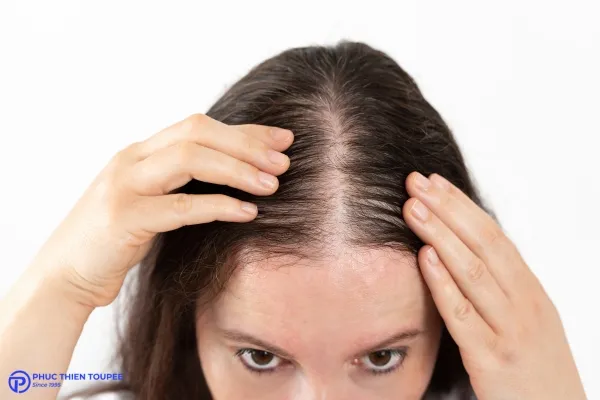
9 Hair Loss Treatments – Side Effects and Precautions
Remember, this information supplements, but does not replace, professional medical advice.
- Minoxidil (Topical – e.g., Rogaine): Type: Over-the-counter (OTC) topical solution or foam (2% and 5% strengths).
- Finasteride (Oral – e.g., Propecia): Type: Prescription-only oral tablet (typically 1mg daily for hair loss).
- Dutasteride (Oral – e.g., Avodart): Type: Prescription-only oral capsule (typically 0.5mg daily).
- Spironolactone (Oral – e.g., Aldactone): Primarily used as a diuretic (water pill) for high blood pressure and heart failure.
- Minoxidil (Oral – e.g., Loniten – Low Dose for Hair Loss): Traditionally used in higher doses (as Loniten) for severe high blood pressure. Increasingly used off-label in very low doses (e.g., 0.25mg to 5mg daily) for hair loss (both male and female).
- Bicalutamide (Oral – e.g., Casodex – Off-Label, Less Common): Used off-label in specific, less common situations for female pattern hair loss, usually when other treatments have failed.
- Ketoconazole Shampoo (Topical – e.g., Nizoral A-D 1%, Prescription 2%): Type: Antifungal shampoo available OTC (1%) and by prescription (2%).
- Corticosteroids (Topical / Injections): Available as topical creams, lotions, foams, or solutions, and as injections administered directly into the scalp by a healthcare professional. Primary Use: Primarily for inflammatory types of hair loss, most notably Alopecia Areata (AA) .
- Low-Level Laser Therapy (LLLT) Devices: Type: Not a medication, but a device-based treatment.

Comparing Side Effect Profiles: A Quick Overview
Note: This table is a simplified summary. Always refer to detailed information and consult your doctor.
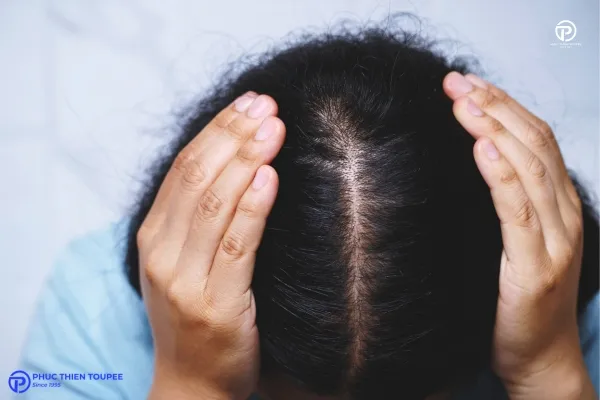
Managing Hair Loss Medication Side Effects
Experiencing side effects doesn’t always mean stopping treatment. Open communication with your healthcare provider is key. Immediate Reporting: Contact your doctor promptly if you experience any concerning side effects, especially systemic ones (chest pain, dizziness, severe mood changes, allergic reactions). Changing Medications: If side effects are intolerable or persistent, your doctor may recommend switching to a different class of medication or exploring non-medical options. Monitoring: Regular check-ups and necessary blood tests (e.g., potassium for spironolactone, PSA for finasteride/dutasteride, liver function for bicalutamide) are crucial for managing potential risks proactively.

Long-Term Side Effects of Hair Loss Medication
Concerns about the long-term effects of medications like finasteride, dutasteride, and even minoxidil are common search intents. Finasteride/Dutasteride: The main long-term concerns revolve around persistent sexual side effects (Post-Finasteride Syndrome – PFS) and the potential impact on mood. Minoxidil (Topical/Oral): Long-term topical use is generally considered safe, with scalp irritation being the most common persistent issue. Long-term oral use at low doses requires ongoing monitoring for cardiovascular effects (BP, heart rate, edema) and managing hypertrichosis, though current data suggests a favorable safety profile under proper supervision. Spironolactone: Long-term use necessitates continuous monitoring of potassium levels and kidney function. The decision to use medication long-term involves weighing the sustained benefits against the potential cumulative risks and the burden of managing any ongoing side effects.
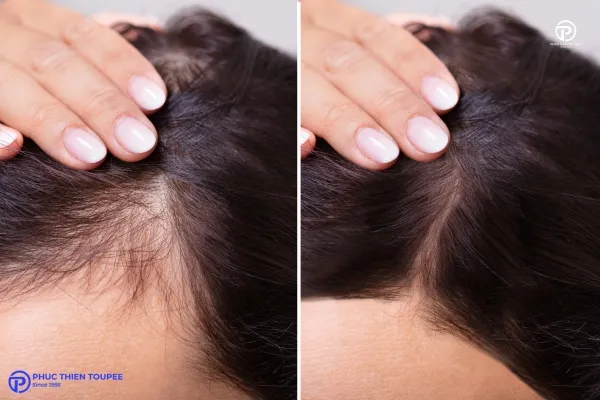
Specific Considerations for Different Populations
Women: Medication choices are often different from men’s. Minoxidil (topical/low-dose oral) and spironolactone are common options for FPHL. Kidney Disease: Impacts the use of spironolactone significantly (risk of hyperkalemia).


Comparing Side Effect Profiles: A Quick Overview
| Medication | Common Side Effects | Key Precautions | Primary Use |
| Minoxidil (Topical) | Scalp irritation, unwanted hair growth (local), initial shed | Careful application, avoid pregnancy/breastfeeding | AGA (Men/Women) |
| Finasteride (Oral) | Sexual dysfunction (libido, ED, ejaculation), mood changes | Men only, pregnancy risk (handling), PSA monitoring, mental health awareness | AGA (Men) |
| Dutasteride (Oral) | Sexual dysfunction (possibly higher than Fin.), mood changes | Men only, pregnancy risk (handling/semen), PSA monitoring, blood donation delay | AGA (Men, Off-label) |
| Spironolactone (Oral) | Menstrual issues, breast tenderness, dizziness, hyperkalemia | Women primarily, contraindicated in pregnancy, monitor potassium/kidney | FPHL (Off-label) |
| Minoxidil (Oral Low Dose) | Body/facial hair growth (hypertrichosis), edema, dizziness | Cardiovascular assessment, monitor BP/HR/fluid, careful dosing | AGA (M/F, Off-label) |
| Ketoconazole Shampoo | Mild scalp irritation, dryness | Use as directed, avoid eyes | Adjunct AGA, Scalp conditions |
| Corticosteroids | Skin thinning (topical), dents (injections), pigment change | Accurate diagnosis (AA), limit duration/potency, professional injection | Alopecia Areata |
| LLLT Devices | Generally minimal (mild scalp warmth/tingling) | Follow instructions, realistic expectations | AGA (Men/Women) |