


- 17/05/2025
- Posted by: phucthien
- Category: Blog

Hair loss during pregnancy can be distressing, but understanding the causes and exploring effective solutions can empower you to manage this common concern. We’ll guide you through the reasons behind pregnancy-related hair shedding and provide practical tips for promoting healthy hair growth.
Consider this your comprehensive guide to retaining a fuller, healthier head of hair during this transformative time. We at Phucthien Toupee specialize in helping people experiencing all types of hair thinning, including those resulting from pregnancy and postpartum.
Let’s explore postpartum alopecia, telogen effluvium, and hair thinning today.
Understanding Hair Growth Cycles and Pregnancy
To grasp why hair changes occur during and after pregnancy, it is helpful to understand the normal hair growth cycle. Hair doesn’t grow continuously; instead, each follicle cycles through distinct phases.
The Normal Hair Growth Cycle
Your hair follicles operate independently, cycling through three main phases:
- Anagen (Growth Phase): This is the active growth phase where cells in the hair root divide rapidly, adding to the hair shaft. This phase can last anywhere from 2 to 7 years, determining the maximum length of your hair. At any given time, about 85-90% of the hairs on your head are in the anagen phase.
- Catagen (Transition Phase): A short transitional phase lasting about 10 days. Hair growth stops, and the outer root sheath shrinks and attaches to the root of the hair. This forms what is known as a club hair. Only about 1-2% of hairs are in this phase at once.
- Telogen (Resting Phase): This phase lasts around 3 months. During this time, the hair follicle is completely at rest, and the club hair is fully formed. Around 10-15% of your scalp hairs are in the telogen phase. At the end of this phase, the hair sheds, and the follicle re-enters the anagen phase, starting the cycle anew. Losing 50-100 telogen hairs per day is considered normal.

Gentle solutions: Understand Postpartum Hair Loss and Hair Systems and hormonal impacts
How Pregnancy Hormones Affect Hair Growth
Pregnancy brings about significant hormonal changes, particularly a dramatic increase in estrogen levels. Estrogen plays a crucial role in influencing the hair growth cycle. Specifically, higher estrogen levels tend to prolong the anagen (growth) phase.
This means fewer hairs enter the catagen (transition) and telogen (resting/shedding) phases simultaneously. Hairs that would normally shed stay on the head longer, leading to the perception of thicker, fuller hair. Progesterone levels also rise during pregnancy, which can contribute further, although its role in hair growth is less pronounced than estrogen’s.
Why the Luscious Pregnancy Hair?
The combined effect of prolonged anagen phases and reduced daily shedding often results in noticeably thicker and more voluminous hair for many women during the second and third trimesters. This is a common and celebrated side effect of pregnancy hormones working on the hair follicles. It is essentially a temporary pause in the normal shedding process, leading to an accumulation of hair.
✂️ Be unique — create your custom-made toupee today!
Is Hair Loss During Pregnancy Common?
While postpartum hair loss is widely recognized, experiencing noticeable hair loss or thinning during pregnancy itself is less common but certainly possible. It is important to distinguish between normal shedding patterns and excessive loss that might indicate an underlying issue.
Differentiating Normal Shedding from True Loss
Everyone sheds hair daily as part of the natural hair cycle. However, if you notice significantly more hair falling out than usual—clumps in the shower drain, excessive hair on your brush, or visible thinning patches on your scalp—it warrants closer attention, especially during pregnancy. A slight increase in shedding might occur in the first trimester for some due to hormonal shifts or stress, but significant loss is less typical than postpartum shedding.
Telogen Effluvium During Pregnancy
Telogen effluvium (TE) is a common type of temporary hair loss characterized by diffuse shedding. It occurs when a stressor—physical or emotional—causes a large number of hairs to prematurely enter the telogen (resting) phase and subsequently shed a few months later. While TE is the primary mechanism behind postpartum hair loss, significant stressors during pregnancy could potentially trigger TE as well. These might include:
- Severe illness or high fever
- Major surgery
- Extreme psychological stress
- Significant, rapid weight loss (though less common during pregnancy itself)
- Sudden hormonal changes (like stopping certain medications or, for some, the initial hormonal surge of early pregnancy)
Statistics and Prevalence
Pinpointing exact statistics for hair loss during pregnancy is challenging because it often overlaps with or is overshadowed by the much more prevalent postpartum hair loss. Most large-scale studies focus on the postpartum period. However, dermatological sources like the American Academy of Dermatology (AAD) acknowledge that hormonal shifts or underlying health issues can cause hair shedding at any point, including during gestation.
It is generally considered less frequent than the postpartum shedding experienced by an estimated 40-50% of women. If significant hair loss occurs during pregnancy, it is more likely linked to factors beyond the typical hormonal protective effect.
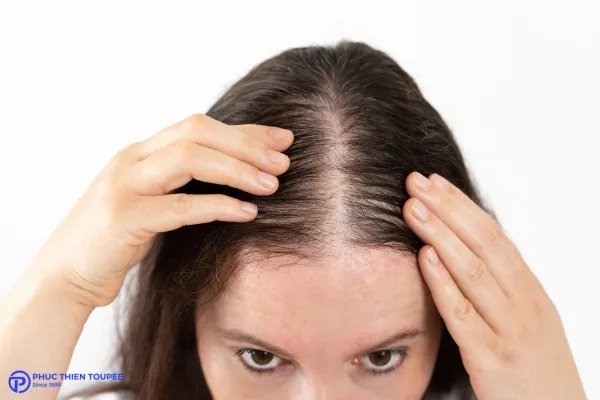
9 Key Causes of Hair Thinning During Pregnancy
If you are experiencing noticeable hair thinning while pregnant, it is often linked to factors other than the usual pregnancy-related hormonal surge that protects against shedding. Here are nine potential culprits:
1. Hormonal Shifts (Initial or Atypical)
While high estrogen usually promotes hair retention, the initial hormonal rollercoaster of the first trimester, or individual sensitivity to these changes, could theoretically trigger some shedding for a small percentage of women. Furthermore, conditions affecting hormone balance, even during pregnancy, can play a role.
2. Thyroid Issues (Hypothyroidism/Hyperthyroidism)
The thyroid gland plays a vital role in regulating metabolism and influences numerous bodily functions, including hair growth. Both an underactive thyroid (hypothyroidism) and an overactive thyroid (hyperthyroidism) can cause diffuse hair loss. Pregnancy itself can affect thyroid function, and pre-existing thyroid conditions may worsen or first appear during this time.
- Hypothyroidism: Insufficient thyroid hormone can slow down metabolic processes, including hair follicle activity, leading to thinning hair, dryness, and brittleness.
- Hyperthyroidism: Excess thyroid hormone can accelerate metabolism, potentially shortening the hair growth cycle and leading to shedding. The American Thyroid Association notes that thyroid disorders are relatively common in women of childbearing age and recommends screening in specific situations during pregnancy. Proper diagnosis via blood tests (TSH, Free T4) and management under medical supervision are crucial.
🔍 Looking for a specific size, base, or hair color? Order a fully personalized toupee now!
3. Nutrient Deficiencies
Pregnancy increases the body’s demand for various nutrients to support both the mother and the developing baby. Deficiencies in key vitamins and minerals essential for hair health can contribute to thinning or shedding.
- Iron Deficiency Anemia: This is one of the most common deficiencies during pregnancy due to increased blood volume and fetal demands. Iron is critical for producing hemoglobin, which carries oxygen to all cells, including hair follicles. Low iron (low ferritin levels) is strongly linked to telogen effluvium. Symptoms include fatigue, pale skin, and shortness of breath, alongside hair loss. The World Health Organization (WHO) highlights the global prevalence of iron deficiency in pregnant women.
- Zinc Deficiency: Zinc is vital for hair tissue growth and repair and helps keep the oil glands around the follicles working properly. Low levels can contribute to hair loss.
- Protein Deficiency: Hair is primarily made of protein (keratin). Inadequate protein intake can impair hair production.
- Biotin (Vitamin B7) Deficiency: While often marketed for hair growth, true biotin deficiency is rare but can cause hair loss. Most prenatal vitamins contain adequate biotin.
- Other Vitamin Deficiencies: Deficiencies in Vitamin D, Vitamin B12, and folate can also potentially impact hair health, although the link is sometimes less direct than with iron or zinc. Adequate intake through a balanced diet and consistent use of prescribed prenatal vitamins are essential preventive measures.
4. Stress (Physical/Emotional)
Pregnancy itself is a significant physiological event. Added emotional stress related to life changes, finances, relationships, or health concerns can contribute to hair shedding. High levels of cortisol (the stress hormone) can disrupt the normal hair growth cycle, pushing more follicles into the telogen phase prematurely. Managing stress through healthy coping mechanisms is beneficial for overall well-being and potentially for hair health.
5. Underlying Medical Conditions
Certain pre-existing or newly developed medical conditions can manifest with hair loss during pregnancy.
- Autoimmune Diseases: Conditions like lupus or alopecia areata (patchy hair loss) can sometimes flare up or appear during pregnancy.
- Polycystic Ovary Syndrome (PCOS): While often associated with excess hair growth (hirsutism), hormonal imbalances in PCOS can sometimes contribute to scalp hair thinning in certain patterns. Management during pregnancy requires careful medical guidance.
💁♀️ Add instant volume and confidence — browse our stock hair toppers for women!
6. Stopping Birth Control Pills
If pregnancy occurs shortly after stopping hormonal birth control pills, some women might experience hair shedding. Birth control pills often maintain artificially high hormone levels similar to pregnancy, keeping hair in the anagen phase longer. Stopping them causes a hormonal drop that can trigger TE, similar to postpartum shedding, but occurring earlier relative to the pregnancy.
7. Certain Medications
While many medications are avoided during pregnancy, if treatment for a specific condition is necessary, some drugs can have hair loss as a side effect. Always discuss any medications you are taking or need to take with your obstetrician and prescribing physician to understand potential side effects and ensure safety during pregnancy. Never stop prescribed medication without consulting your doctor.
8. Scalp Conditions
While not direct causes of hormonal hair loss, underlying scalp conditions can worsen hair shedding or create an unhealthy environment for hair growth.
- Seborrheic Dermatitis: Dandruff or inflammation of the scalp.
- Psoriasis: Autoimmune skin condition affecting the scalp.
- Fungal Infections (Tinea Capitis): Less common in adults but possible. Treating these conditions appropriately, often with pregnancy-safe topical treatments recommended by a dermatologist, can help minimize their impact on hair health.
9. Genetics
Your genetic makeup plays a role in your hair’s density, texture, and growth cycle length. If you have a family history of hair thinning (like female pattern hair loss or androgenetic alopecia), hormonal changes during pregnancy could potentially unmask or slightly accelerate this predisposition, although typically, female pattern hair loss progresses slowly over years.
🌸 Lightweight, breathable, and stylish — discover the perfect topper just for you.
Postpartum Hair Loss: The More Common Scenario
While hair loss during pregnancy can occur due to the reasons listed above, the most common and widely discussed form of pregnancy-related hair change is postpartum hair loss, also known as postpartum telogen effluvium.
Understanding Postpartum Telogen Effluvium
Remember how high estrogen levels during pregnancy kept hairs in the growth phase longer? After childbirth, estrogen (and progesterone) levels drop rapidly, returning to pre-pregnancy levels within days or weeks. This sudden hormonal shift signals a large number of those hairs that were ‘resting’ in the prolonged anagen phase to transition simultaneously into the telogen (shedding) phase.
Approximately 2-4 months after this hormonal trigger (childbirth), these hairs begin to shed. Because so many hairs enter the shedding phase at once, the loss appears much more dramatic than normal daily shedding. It is crucial to understand this is a normal physiological response to hormonal normalization after pregnancy.
When Does Postpartum Hair Shedding Start and Peak?
Postpartum hair shedding typically begins around 2 to 4 months after delivery. It often peaks around 4 to 6 months postpartum. The onset and intensity can vary significantly between individuals. Some women notice it earlier or later, and the amount of shedding can range from mild to quite dramatic.
How Long Does Postpartum Hair Loss Last?
The good news is that postpartum hair loss is almost always temporary. The excessive shedding phase usually lasts for several months but typically slows down significantly by 6 to 9 months postpartum. Most women find their hair fullness returns to its pre-pregnancy state by their child’s first birthday, although regrowth can sometimes feel slow, and texture changes might persist for a while. In rare cases, underlying issues might prolong the shedding, highlighting the importance of consulting a doctor if loss is severe or persists beyond 12-15 months postpartum.

Reassurance: It’s Typically Temporary
Phucthien emphasizes that experiencing postpartum hair shedding is very common and, for the vast majority, a temporary phase. It does not indicate permanent hair loss. The follicles are not damaged; they are simply resetting their growth cycle after the hormonal influences of pregnancy have subsided. Patience and gentle care are key during this recovery period.
Effective Solutions and Management Strategies
Whether you are experiencing hair thinning during pregnancy or anticipating postpartum shedding, several strategies can help manage the situation, support hair health, and promote regrowth.
Consulting Your Healthcare Provider
This is the most crucial first step, especially if hair loss occurs during pregnancy or seems excessive postpartum.
- Obstetrician/Gynecologist (OB/GYN): Your primary point of contact during pregnancy. They can assess your overall health, review your prenatal care, and rule out common pregnancy-related factors.
- Dermatologist: A specialist in skin and hair disorders. They can diagnose specific types of hair loss (like TE, alopecia areata, or underlying scalp conditions) and recommend targeted treatments. They may perform a physical examination of the scalp and hair, potentially a pull test, or order blood work.
- Endocrinologist: If a thyroid issue or other hormonal imbalance is suspected, referral to an endocrinologist might be necessary. A proper diagnosis is essential to ensure any underlying medical conditions (like thyroid disorders or severe nutrient deficiencies) are identified and appropriately treated.
Optimizing Nutrition for Healthy Hair
A balanced, nutrient-rich diet is fundamental for overall health and optimal hair growth, particularly during the demanding periods of pregnancy and postpartum recovery.
| Nutrient | Importance for Hair Health | Good Food Sources |
| Iron | Essential for oxygen transport to follicles; deficiency linked to TE. | Lean red meat, poultry, fish, lentils, spinach, fortified cereals, beans. |
| Protein | Hair is primarily keratin (protein); needed for building strands. | Lean meats, poultry, fish, eggs, dairy, legumes, nuts, seeds, tofu. |
| Zinc | Involved in hair tissue growth and repair, oil gland function. | Oysters, red meat, poultry, beans, nuts, whole grains, fortified cereals. |
| Biotin (B7) | Supports keratin infrastructure. | Eggs, nuts (almonds), whole grains, salmon, avocados, sweet potatoes. |
| Vitamin D | May play a role in follicle cycling; deficiency common. | Fatty fish (salmon, mackerel), fortified milk/juices/cereals, egg yolks, sunlight exposure (safely). |
| Omega-3FAs | Support scalp health, reduce inflammation. | Fatty fish (salmon, sardines), flaxseeds, chia seeds, walnuts. |
| Vitamin C | Aids iron absorption, antioxidant, collagen production. | Citrus fruits, berries, bell peppers, broccoli, tomatoes. |
| Vitamin E | Antioxidant, supports scalp circulation. | Nuts, seeds, spinach, broccoli, avocados. |
Role of Prenatal Vitamins: Consistently taking your prescribed prenatal vitamin is crucial. These supplements are specifically formulated to meet the increased nutrient demands of pregnancy and typically contain adequate amounts of iron, folic acid, biotin, and other essential vitamins and minerals that support both maternal health and fetal development, indirectly benefiting hair health. Continue taking them postpartum, especially if breastfeeding, as recommended by your doctor.
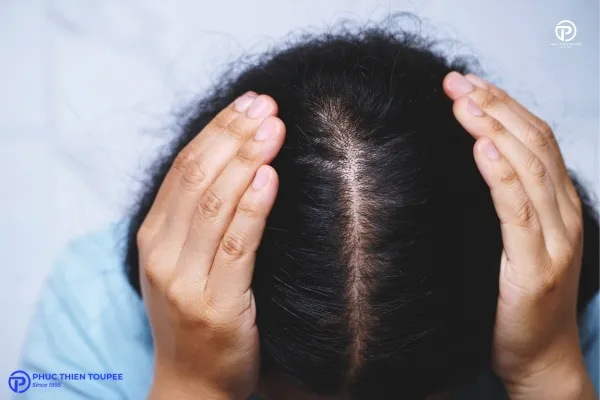
Gentle Hair Care Practices
Treating your hair gently can minimize breakage and reduce the appearance of thinning, especially during periods of active shedding.
- Choose Mild Products: Opt for gentle, sulfate-free shampoos and nourishing conditioners. Avoid harsh chemicals or drying ingredients. Volumizing shampoos can sometimes help hair appear fuller but choose gentle formulations.
- Wash Less Frequently (If Possible): Washing hair less often reduces manipulation and potential shedding during washing and styling. Use dry shampoo between washes if needed.
- Condition Correctly: Apply conditioner primarily to the lengths and ends of your hair, avoiding heavy application directly on the scalp, which can weigh hair down.
- Handle Wet Hair with Care: Wet hair is more fragile. Use a wide-tooth comb or your fingers to detangle gently, starting from the ends and working your way up. Avoid vigorous towel drying; gently squeeze or pat hair dry with a soft towel (microfiber towels are excellent).
- Minimize Heat Styling: Reduce the use of blow dryers, flat irons, and curling irons. When you do use heat, apply a heat protectant spray and use the lowest effective temperature setting. Air drying is the gentlest option.
- Avoid Harsh Chemical Treatments: Postpone chemical treatments like perms, straightening, relaxing, or harsh bleaching/coloring, especially during peak shedding periods (postpartum). If coloring, consider gentler options or root touch-up sprays.
- Steer Clear of Tight Hairstyles: Hairstyles that pull tightly on the scalp (tight ponytails, braids, buns, weaves) can cause traction alopecia, a type of hair loss due to constant pulling. Opt for looser styles.
- Use Soft Hair Accessories: Choose fabric-covered hair ties (like scrunchies) or gentle clips instead of tight elastic bands.
✨ Designed to blend seamlessly — shop ready-made toppers for a natural look.
Managing Stress Levels
Chronic stress can exacerbate hair shedding. Incorporating stress-management techniques is beneficial during pregnancy and the demanding postpartum period.
- Mindfulness and Meditation: Even 5-10 minutes daily can help calm the nervous system. Apps like Headspace or Calm offer guided sessions.
- Light Exercise (Doctor-Approved): Activities like walking, prenatal yoga, or swimming can boost mood and reduce stress hormones.
- Adequate Sleep: Prioritize rest as much as possible, though challenging with a newborn. Nap when the baby naps if feasible.
- Seek Support: Talk to your partner, family, friends, or a support group. Sharing concerns can alleviate stress.
- Delegate Tasks: Do not hesitate to ask for help with household chores or baby care.
Scalp Care for Optimal Growth
A healthy scalp provides the foundation for healthy hair growth.
- Keep it Clean: Regular, gentle washing prevents buildup of oils, products, and dead skin cells that can clog follicles.
- Gentle Scalp Massage: Massaging your scalp for a few minutes daily (using fingertips, not nails) can stimulate blood circulation to the follicles, potentially promoting growth. You can do this while shampooing or on dry hair. Avoid excessive pressure.
Considering Hair Supplements (with Doctor’s Approval)
While a balanced diet and prenatal vitamins are the foundation, some women consider additional supplements postpartum. Crucially, always discuss any supplements with your doctor before taking them, especially during pregnancy or while breastfeeding.
Many supplements are not adequately studied for safety in these periods. Postpartum, your doctor might check specific nutrient levels (like iron or Vitamin D) and recommend targeted supplementation if a deficiency is confirmed. Avoid high doses of certain vitamins (like Vitamin A) which can be harmful.
Exploring Low-Level Laser Therapy (LLLT)
LLLT devices (combs, bands, caps) use red light therapy aimed at stimulating hair follicles. Some studies suggest potential benefits for certain types of hair loss, including promoting growth after TE. However, robust evidence specifically for postpartum hair loss is limited, and it is generally considered an option after the postpartum shedding phase resolves naturally or if thinning persists.
Consult a dermatologist to discuss if LLLT might be appropriate for your situation later on. Its use during pregnancy is generally not recommended due to lack of safety data.
Cosmetic Solutions: Hairstyles and Volumizing Products
While waiting for hair to regrow, cosmetic approaches can help improve appearance and boost confidence.
- Strategic Haircuts: A shorter haircut can make thin hair appear thicker and fuller. Layers can add volume. Talk to your stylist about styles that work best for thinning hair.
- Volumizing Products: Mousses, root lifters, and texturizing sprays can add temporary volume and lift at the roots. Use lightweight formulas to avoid weighing hair down.
- Hair Fibers: Concealing products made of keratin fibers can be sprinkled onto thinning areas to camouflage the scalp and make hair look instantly thicker.
- Parting Changes: Simply changing your hair part can sometimes help conceal thinning areas.
Preventing Excessive Hair Loss
While the hormonal shifts triggering postpartum shedding are largely unavoidable, you can take steps to minimize other contributing factors and support overall hair health before, during, and after pregnancy.
Proactive Steps Before and During Pregnancy
- Pre-Conception Check-up: Discuss any pre-existing health conditions (like thyroid issues or known nutrient deficiencies) with your doctor and ensure they are well-managed before becoming pregnant.
- Establish Healthy Habits: Begin focusing on a balanced diet, stress management, and gentle hair care routines even before conception.
Maintaining a Balanced Diet from the Start
Ensure adequate intake of iron, protein, zinc, and other hair-healthy nutrients throughout your pregnancy. Focus on whole foods and follow your doctor’s dietary recommendations.
Continuing Prenatal Vitamins as Directed
Take your prescribed prenatal vitamins consistently as advised by your healthcare provider. Do not take additional supplements without medical approval.
Early Management of Stress
Develop healthy coping strategies for stress early on. Incorporate relaxation techniques into your routine throughout pregnancy.
Addressing Known Deficiencies or Conditions Pre-Pregnancy
If you know you are prone to iron deficiency or have a thyroid condition, work closely with your doctor to monitor and manage these issues proactively before and during pregnancy to minimize their potential impact on your hair.
When to Seek Professional Help
While some shedding is normal postpartum, certain signs warrant a consultation with your doctor or a dermatologist.
Signs That Warrant a Doctor Visit
- Hair loss occurring significantly during pregnancy: Especially if it’s sudden, severe, or patchy.
- Excessive shedding: Losing significantly more hair than expected, even postpartum.
- Patchy hair loss (Alopecia Areata): Bald spots appearing on the scalp.
- Scalp issues: Intense itching, redness, scaling, pain, or sores on the scalp.
- Hair loss persisting beyond 12-15 months postpartum: If shedding doesn’t slow down or hair doesn’t show signs of regrowth.
- Other accompanying symptoms: Extreme fatigue, significant weight changes, changes in skin or nails, menstrual irregularities (postpartum), or symptoms of thyroid dysfunction.
What to Expect During a Consultation
Your doctor or dermatologist will likely:
- Take a detailed history: Including your pregnancy timeline, diet, medications, stress levels, family history of hair loss, and other symptoms.
- Perform a physical examination: Looking closely at your scalp, hair pattern, and hair shaft quality.
- Possibly perform a hair pull test: Gently tugging on a small section of hair to see how many strands come out easily.
- Recommend blood tests: To check for common culprits like iron deficiency (ferritin, CBC), thyroid function (TSH, Free T4), Vitamin D levels, and potentially other hormones or markers depending on your history and symptoms.
Potential Treatments Prescribed by Professionals
Treatment focuses on addressing the underlying cause identified:
- Nutrient Deficiencies: Iron supplements (if anemic), Vitamin D supplements, etc., as prescribed.
- Thyroid Disorders: Medication to regulate thyroid hormone levels.
- Scalp Conditions: Medicated shampoos or topical treatments (ensure they are pregnancy/breastfeeding safe if applicable).
- Referral: To other specialists (like an endocrinologist) if needed. For postpartum TE, reassurance and addressing any contributing deficiencies are often the primary ‘treatment,’ as the condition typically resolves on its own. Topical minoxidil might be considered after breastfeeding is complete if thinning persists, but always under dermatological guidance.
Holistic health: Tackle Hair Loss and Stress and improve Hair Loss and Nutrition for healthier hair
Conclusion
Hair loss during pregnancy, while less common than postpartum shedding, can occur due to various factors including hormonal fluctuations, nutrient deficiencies, thyroid issues, or stress. Postpartum telogen effluvium, characterized by increased shedding starting a few months after delivery, is a very common and typically temporary response to hormonal normalization.
The key takeaways are:
- Most pregnancy-related hair loss, especially postpartum, is temporary (telogen effluvium).
- Underlying causes like thyroid problems or iron deficiency need diagnosis and treatment.
- A balanced diet, prenatal vitamins, gentle hair care, and stress management are crucial support strategies.
- Consult your doctor or dermatologist if hair loss is severe, occurs during pregnancy, is patchy, or persists beyond a year postpartum.
Navigating these changes requires patience and self-care. By understanding the causes and implementing supportive strategies, you can manage pregnancy-related hair changes effectively and promote healthy regrowth. Phucthien encourages you to prioritize your health, seek professional guidance when needed, and approach this phase with informed confidence.
Phuc Thien Toupee Co., Ltd
Design Brand: Royal Hair Vietnam
Office Address:
🏢 Room A909, Decapella Building, 116 Luong Dinh Cua Street, An Khanh Ward, Thu Duc City, Ho Chi Minh City 700000, Vietnam
Factory Address:
🏭 No. 26/9, Street 57, Thuong Hamlet, Tan Thong Hoi Ward, Cu Chi District, Ho Chi Minh City 700000, Vietnam
Email: ✉️ phucthientoupeevn@gmail.com
Phone / WhatsApp: 📞 +84 933 901 196
Websites: 🌐 phucthientoupee.com – 🌐 royalhair.shop



