

- 23/05/2025
- Posted by: phucthien
- Categories: Blog, Hair Loss & Hairpiece Options

9 Hair Loss After Weight Loss: Causes and Treatments
Hair loss after weight loss is a common concern, often causing distress after achieving a significant health goal; understanding the underlying reasons, such as telogen effluvium and nutritional shifts, is the first step towards effective hair regrowth strategies.
The Science Behind Weight Loss Induced Hair Thinning
- Telogen Effluvium: The Primary Culprit: Telogen Effluvium occurs when a significant stressor triggers a larger-than-usual number of hair follicles to prematurely shift from the anagen (growth) phase into the telogen (resting) phase.
- Nutritional Deficiencies: Fueling the Follicles: Hair follicles are among the most metabolically active structures in the body, requiring a constant supply of energy and nutrients to sustain growth.
- The Role of Stress (Physical and Psychological): The body does not differentiate strongly between physical and psychological stress.

Identifying Hair Loss After Weight Loss
Distinguishing weight-loss-induced hair shedding from other types of hair loss is crucial for peace of mind and appropriate action.
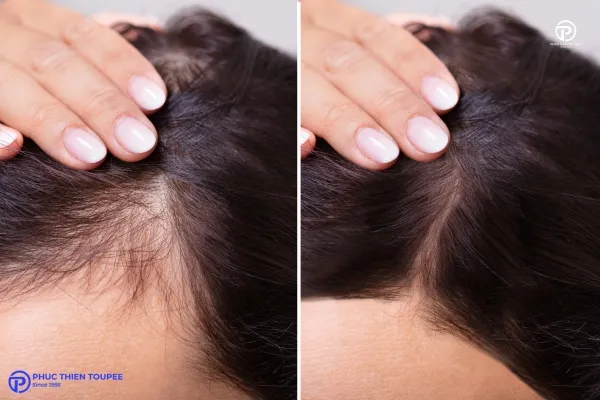
- Recognizing the Signs and Symptoms: The hallmark of hair loss triggered by weight loss (primarily Telogen Effluvium – TE) is increased shedding . More hairs caught in your hairbrush or comb.
- Diffuse Thinning vs. Pattern Baldness: Weight-loss-induced hair loss typically presents as diffuse thinning .
- When to Seek Professional Advice: Shedding persists for more than 6-9 months: While regrowth takes time, the active shedding phase of TE usually subsides within about 6 months after the trigger is addressed (e.g., weight stabilizes, nutrition improves).
Actionable Strategies: How to Regrow Hair After Weight Loss
Seeing your hair thin after successfully losing weight can be disheartening, but the good news is that in most cases, particularly with Telogen Effluvium, the hair follicles remain healthy and capable of regrowth.
- Nurturing Your Hair Back to Health: Treatment and Regrowth: The core principle of treating weight-loss-induced hair loss is addressing the triggers: stabilizing your weight, correcting nutritional deficiencies, and managing stress.
- Gentle Hair Care Practices: Be Gentle: Avoid harsh brushing or combing, especially when wet (use a wide-tooth comb).
Proactive Measures: Preventing Hair Loss During Weight Loss
While some temporary shedding might be unavoidable during significant weight loss, certain strategies can help minimize the risk or severity.
- Prioritizing Nutrient Density: During weight loss, when calorie intake is reduced, it becomes even more important that the calories consumed are packed with essential nutrients.
- Managing Stress Effectively: Weight loss can be stressful, both physically and mentally.
- Consulting Professionals Early (Dietitian/Doctor): Working with healthcare professionals from the outset can help you create a safe and effective weight loss plan that considers hair health.
Addressing Specific Concerns
Hair loss experiences can vary, and certain groups may have specific questions or heightened concerns.
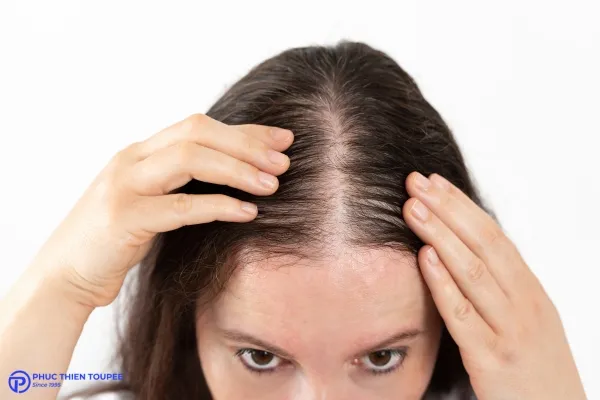
- Hair Loss After Weight Loss in Women: Women often report experiencing Telogen Effluvium after weight loss.

When Hair Loss Persists: Exploring Further Options
While most cases of hair loss after weight loss (Telogen Effluvium) resolve with time and nutritional correction, sometimes shedding continues, or the regrowth is slower or less complete than desired.
- Beyond Diet and Lifestyle: Advanced Solutions: If optimizing nutrition, managing stress, and practicing gentle hair care haven’t yielded the desired results after a reasonable period (e.g., 9-12 months), consult a dermatologist to re-evaluate and discuss further treatments.
- Hair Systems and Toupees: Immediate Confidence Boost: For individuals experiencing significant thinning, slow regrowth, or underlying permanent hair loss patterns unmasked by TE, non-surgical hair replacement systems offer an excellent solution for immediate aesthetic improvement and confidence restoration.
Optimizing Your Nutrition: The Foundation of Recovery
| Nutrient | Role in Hair Health | Excellent Food Sources | RDA (Adult Avg – may vary) | Notes for Post-Weight Loss |
| Protein | Building block of keratin | Lean meat, poultry, fish, eggs, dairy, legumes, tofu, nuts | 0.8 g/kg body weight | Needs may increase; aim for 1.0-1.2 g/kg. Crucial post-bariatric. |
| Iron | Oxygen transport to follicles; Ferritin | Red meat, liver, oysters, lentils, spinach, fortified cereals | 8 mg (M), 18 mg (W <50) | Check ferritin levels (aim >50-70 ng/mL). Vit C aids absorption. |
| Zinc | Hair tissue growth & repair; Oil glands | Oysters, beef, crab, pumpkin seeds, lentils, cashews, chickpeas | 11 mg (M), 8 mg (W) | Deficiency linked to shedding. Essential post-bariatric. |
| Biotin (B7) | Keratin infrastructure | Eggs (cooked yolk), nuts, seeds, salmon, sweet potatoes, liver | 30 mcg | Deficiency rare, but ensure adequacy. |
| Vitamin B12 | Red blood cell formation | Meat, poultry, fish, dairy, fortified cereals, nutritional yeast | 2.4 mcg | Absorption issues possible post-bariatric; requires monitoring. |
| Folate (B9) | Red blood cell formation; DNA synthesis | Leafy greens (spinach), lentils, asparagus, fortified grains | 400 mcg DFE | Important for cell growth. |
| Vitamin C | Antioxidant; Collagen; Iron absorption | Citrus fruits, berries, bell peppers, broccoli, tomatoes | 90 mg (M), 75 mg (W) | Take with iron sources. |
| Vitamin D | Follicle cycling; Immunity | Sunlight, fatty fish, fortified milk/cereals, mushrooms (UV) | 600-800 IU (15-20 mcg) | Check levels; deficiency common. Supplement if needed. |
| Vitamin E | Antioxidant; Scalp circulation | Nuts (almonds), seeds (sunflower), spinach, avocado, olive oil | 15 mg | Protects cells from damage. |
| Omega-3 FAs | Scalp health; Reduce inflammation | Fatty fish (salmon, mackerel), flaxseeds, chia seeds, walnuts | No RDA (AI: 1.6g M, 1.1g W) | Supports healthy cell membranes. |