

- 02/06/2025
- Posted by: phucthien
- Categories: Blog, Hair Loss & Hairpiece Options
9 Hair Loss and Nutrition: Essential Vitamins and Minerals
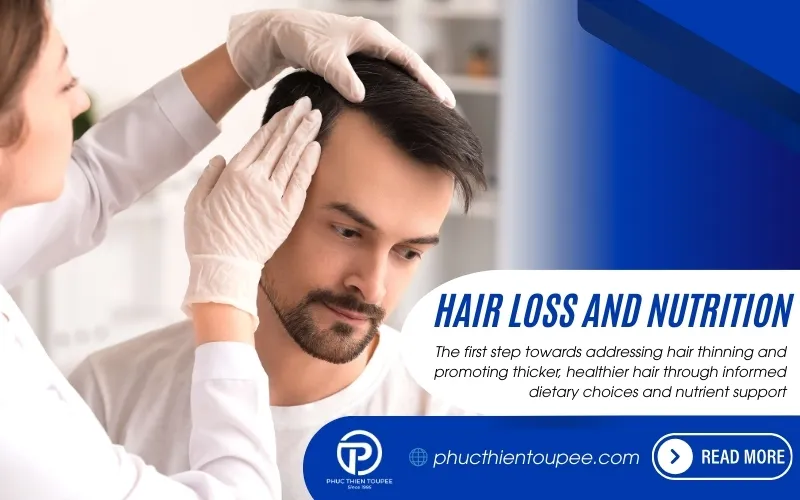
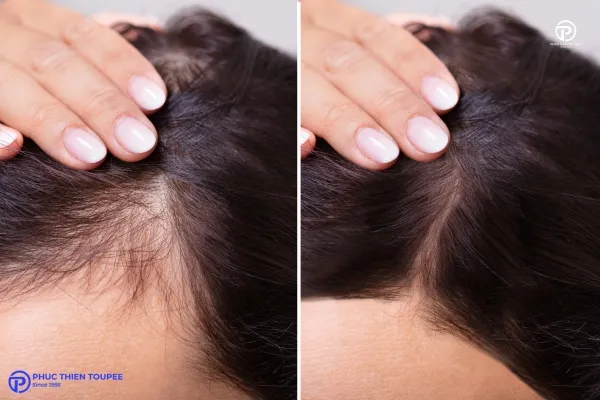
Hair Loss and Nutrition are intricately linked, with dietary intake playing a pivotal role in maintaining scalp health and fostering robust hair growth cycles.
Understanding The Connection: How Nutrition Impacts Hair Health
Your hair, like every other part of your body, requires a steady supply of specific nutrients to grow and thrive.

Essential Vitamins For Robust Hair Growth
Vitamins act as crucial coenzymes and antioxidants, supporting the complex biochemical processes within the hair follicle.
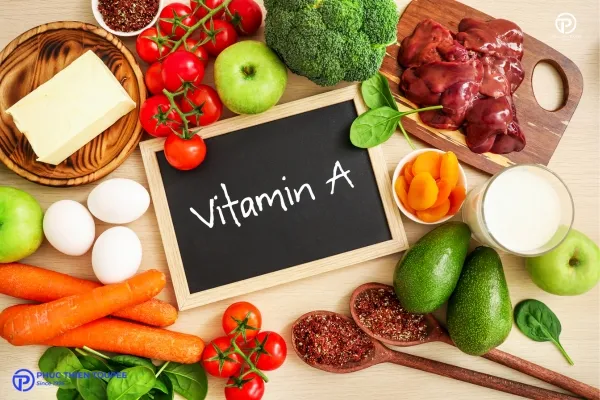
- Vitamin A: More Than Just Eyesight: Vitamin A is essential for cell growth, including the rapidly dividing cells in hair follicles.
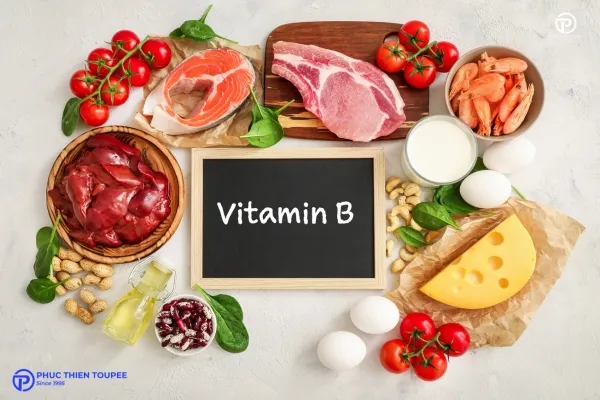
- B Vitamins: The Hair Health Powerhouse: The B-complex vitamins are a group of water-soluble vitamins that play interconnected roles in metabolism, energy production, and cell formation – all critical for hair growth.
- Biotin (Vitamin B7): The Star Player: Biotin is perhaps the most well-known vitamin associated with hair health.
- Niacin (Vitamin B3): Circulation Booster: Niacin helps improve blood circulation, including potentially enhancing blood flow to the scalp, which delivers vital oxygen and nutrients to the hair follicles.
- Pantothenic Acid (Vitamin B5): Strength And Flexibility: Pantothenic acid is believed to support the adrenal glands, potentially helping the body manage stress, a known contributor to hair loss.
- Folate (Vitamin B9) & B12: Cell Division Essentials: Both Folate (natural form) or Folic Acid (synthetic form) and Vitamin B12 are crucial for the production of red blood cells, which carry oxygen to all tissues, including hair follicles.
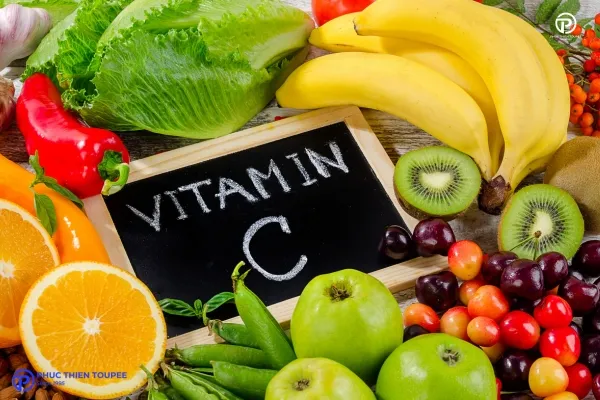
- Vitamin C: The Collagen Catalyst: Vitamin C is a powerful antioxidant and is essential for the synthesis of collagen, a key structural protein found in hair, skin, and connective tissues.
- Vitamin D: The Sunshine Vitamin’s Role: Emerging research highlights a significant role for Vitamin D in hair follicle cycling and growth.
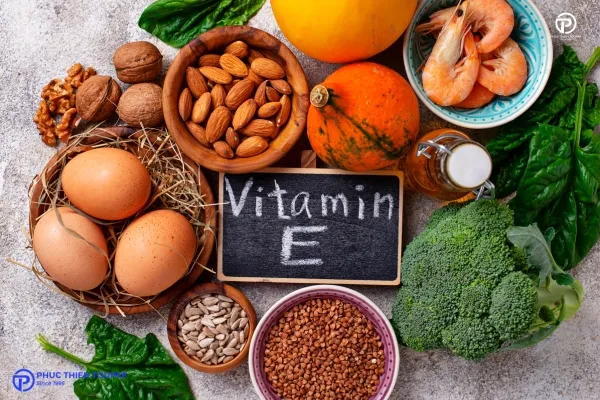
- Vitamin E: Scalp Protection: Vitamin E is another potent antioxidant that helps protect cells, including those in the scalp and hair follicles, from oxidative damage.
Crucial Minerals For Preventing Hair Loss
Minerals are inorganic elements that are just as vital as vitamins for numerous bodily functions, including the growth and maintenance of healthy hair.
- Iron: The Oxygen Carrier: Iron is essential for producing hemoglobin, the protein in red blood cells responsible for carrying oxygen throughout the body, including to the hair follicles.
- Zinc: The Repair And Growth Mineral: Zinc is involved in hundreds of enzymatic reactions in the body, including those essential for hair tissue growth and repair.
- Selenium: Antioxidant Defense: Selenium is a trace mineral that acts as a potent antioxidant and is important for thyroid hormone metabolism.
- Copper: Pigment And Structure: Copper is involved in the formation of melanin (hair pigment) and contributes to the formation of disulfide bonds in keratin, which affect hair strength and structure.
- Silicon: Strength And Shine (Often Overlooked): Silicon (often found as silica in supplements and food) is a trace element thought to contribute to the strength and structural integrity of connective tissues, including hair.
The Indispensable Role Of Macronutrients
While vitamins and minerals are critical, the macronutrients – protein, fats, and carbohydrates – provide the energy and building blocks essential for hair growth.
- Protein Power: The Building Blocks Of Hair: Hair itself is composed primarily of a protein called keratin.
- Healthy Fats: Omega-3s For Scalp Health: Essential fatty acids (EFAs), particularly Omega-3s, are crucial for overall health, including scalp condition and potentially hair growth.
- Complex Carbohydrates: Sustained Energy: Carbohydrates are the body’s primary energy source. Complex carbohydrates provide sustained energy release, essential for fueling the high metabolic demands of hair follicles.
- Hydration: The Unsung Hero: Water is fundamental for all cellular functions, including those within the hair follicle.
Identifying Nutritional Deficiencies Linked To Hair Loss
If you are experiencing noticeable hair thinning or shedding, considering nutritional factors is essential.

Building Your Hair-Healthy Diet: Practical Steps
Optimizing your diet for hair health doesn’t require drastic measures but rather a consistent focus on nutrient-dense whole foods.
Foods And Habits That May Hinder Hair Health
Just as certain foods support hair growth, others may potentially hinder it, primarily by promoting inflammation or displacing nutrient-dense foods.
Beyond Diet: Holistic Approaches To Hair Wellness
While nutrition is foundational, a holistic approach often yields the best results for hair health.
Building Your Hair-Healthy Diet: Practical Steps
| Nutrient | Excellent Food Sources |
| Iron | Red meat, liver, oysters, lentils, spinach, tofu, fortified cereals, pumpkin seeds |
| Zinc | Oysters, beef, pumpkin seeds, cashews, chickpeas, chicken, fortified cereals |
| Biotin | Egg yolks, liver, salmon, avocado, sweet potato, nuts, seeds |
| Vitamin C | Bell peppers, citrus fruits, strawberries, kiwi, broccoli, tomatoes |
| Vitamin D | Fatty fish (salmon, mackerel), cod liver oil, fortified milk/cereals, egg yolks |
| Vitamin E | Sunflower seeds, almonds, hazelnuts, spinach, avocado, wheat germ oil |
| Protein | Meat, poultry, fish, eggs, dairy, legumes, tofu, quinoa, nuts, seeds |
| Omega-3s | Fatty fish, flaxseeds, chia seeds, walnuts, hemp seeds |
| Selenium | Brazil nuts (limit intake), tuna, sardines, beef, turkey, eggs |
| Folate | Leafy greens, lentils, beans, asparagus, avocado, fortified grains |
| Vitamin B12 | Meat, fish, poultry, eggs, dairy, fortified nutritional yeast/cereals (for vegans) |