

- 09/05/2025
- Posted by: phucthien
- Category: Blog

Hair loss myths often cloud judgment and prevent individuals from seeking effective solutions for hair thinning concerns and scalp conditions. Understanding the difference between common fallacies and scientifically supported treatment facts is the first step towards achieving healthier, fuller hair and renewed confidence. Phuc Thien Toupee is here to guide you through the complexities, offering clarity and pathways to positive results.
Navigating the world of hair restoration can feel overwhelming, but armed with accurate information, you can make informed decisions about your hair health journey. Let’s explore the truth behind prevalent misconceptions surrounding hair shedding and regrowth, including insights into androgenetic alopecia and overall scalp wellness.
Understanding the Landscape of Hair Loss Information
Before we delve into specific myths, it is crucial to recognize why misinformation about hair loss is so pervasive. Hair is deeply connected to identity and self-esteem for many people across diverse cultures, including Caucasian and Asian communities, particularly Korean populations. This emotional connection makes individuals vulnerable to claims of quick fixes or miracle cures. Factors contributing to the spread of myths include:
- Anecdotal Evidence: People often share personal experiences that may not apply universally or lack scientific backing.
- Marketing Hype: Companies selling unproven products may exaggerate claims or misrepresent scientific concepts.
- Outdated Information: Scientific understanding evolves, and older beliefs may persist even after being disproven.
- Internet Misinformation: The ease of sharing information online allows myths to spread rapidly without proper vetting.
Recognizing these factors helps cultivate a critical eye when evaluating hair loss information. Phucthien emphasizes relying on evidence-based knowledge and consulting professionals. This article aims to provide that foundation, empowering you, whether you are a blue-collar worker, an engineer, an office professional, a business owner, a doctor, or a lawyer, to separate fact from fiction.

Bust the truth: Is Hair Loss and Stress real? How Hair Loss and Diet impacts you.
Myth 1: Frequent Shampooing Causes Hair Loss
This is one of the most persistent hair loss myths, often causing unnecessary anxiety about daily hygiene routines. Many people notice shed hairs in the shower drain and incorrectly associate this natural process with the act of washing.
The Reality: Shampooing Does Not Cause Hair Loss
Washing your hair does not damage the hair follicles or cause them to fall out prematurely. The hairs you see in the drain are typically those already in the telogen (resting) phase of the hair growth cycle, which were ready to shed anyway.
Think of the hair growth cycle in phases:
- Anagen (Growth Phase): This is the active growth phase, lasting 2-7 years, where hair follicles produce hair.
- Catagen (Transitional Phase): A short phase (a few weeks) where the hair follicle shrinks and detaches from the dermal papilla.
- Telogen (Resting Phase): This phase lasts about 3 months. The hair rests in the follicle while a new hair begins to grow beneath it.
- Exogen (Shedding Phase): The old hair sheds, pushed out by the new growing hair. This is a natural part of the cycle.
Shampooing simply helps dislodge hairs that are already in the Exogen phase. It does not pull out healthy, growing hairs.
🎨 Your style, your hair — we make it exactly how you want.
The Fact: Clean Scalp Promotes Healthy Hair Growth
Regular shampooing is actually beneficial for hair health. It cleanses the scalp, removing excess sebum (oil), dead skin cells, product buildup, sweat, and environmental pollutants. An unclean scalp can lead to conditions that can negatively impact hair growth, such as:
- Folliculitis: Inflammation of the hair follicles, often caused by bacteria or fungi.
- Seborrheic Dermatitis: Dandruff or scalp inflammation, potentially linked to yeast overgrowth.
- Blocked Follicles: Excessive buildup can potentially impede healthy hair emergence, though it doesn’t directly cause genetic hair loss.
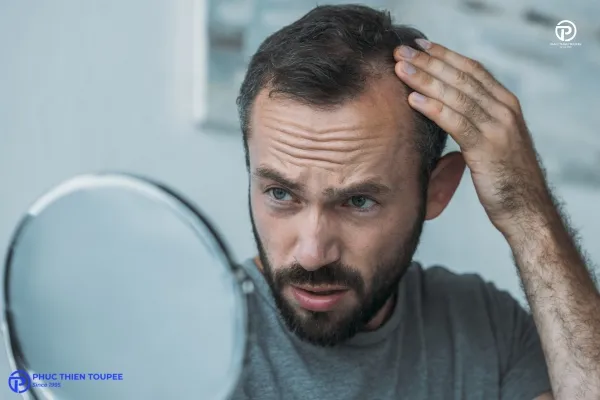
Myth 2: Wearing Hats or Helmets Causes Hair Loss
Many people, especially those required to wear headwear for work (like construction workers or engineers) or those who enjoy wearing hats regularly, worry that this habit leads to baldness. The theory often involves suffocating the hair follicles or causing friction.
The Reality: Normal Hat Use Is Harmless
Standard hat-wearing does not cause male or female pattern baldness (androgenetic alopecia), the most common type of hair loss. This condition is primarily driven by genetics and hormones (specifically dihydrotestosterone, or DHT). Hair follicles receive oxygen and nutrients from the bloodstream, not directly from the air, so a hat does not suffocate them.
While extremely tight headwear worn for prolonged periods could potentially cause traction alopecia (hair loss due to constant pulling), this is different from typical hat use. Traction alopecia is more commonly associated with tight hairstyles like braids, ponytails, or weaves.

The Fact: Genetics and Hormones Are Primary Drivers
Androgenetic alopecia affects millions of men and women worldwide. In genetically susceptible individuals:
- The hormone testosterone is converted into dihydrotestosterone (DHT) by the enzyme 5-alpha reductase.
- DHT binds to receptors in hair follicles, particularly on the top and front of the scalp.
- This binding triggers follicular miniaturization – the follicles shrink over time.
- Miniaturized follicles produce progressively finer, shorter, and lighter hairs until they eventually stop producing visible hair altogether.
This process occurs regardless of whether you wear a hat.
✨ A toupee shouldn’t just hide hair loss — make it a style statement!
Myth 3: Only Men Experience Significant Hair Loss
There is a prevalent societal image of hair loss primarily affecting men, often overlooking or downplaying the significant impact it has on women.
The Reality: Hair Loss Affects Women Significantly
While the patterns often differ, hair loss is very common in women. Female Pattern Hair Loss (FPHL), also a form of androgenetic alopecia, affects a large percentage of women, particularly after menopause. According to estimates, approximately 40% of women experience visible hair loss by age 50. Other causes common in women include:
- Telogen Effluvium: Diffuse shedding often triggered by stress, illness, childbirth, or nutritional deficiencies.
- Alopecia Areata: An autoimmune condition causing patchy hair loss.
- Traction Alopecia: Caused by hairstyles that pull on the hair.
- Hormonal Changes: Pregnancy, thyroid disorders, polycystic ovary syndrome (PCOS).
🕒 No wait time, no hassle — choose from our ready-made toupee collection for men.
The Fact: Female Hair Loss Patterns Differ But Are Common
FPHL typically presents differently than male pattern baldness. Instead of a receding hairline or bald spot on the crown, women usually experience:
- Diffuse Thinning: Hair thins gradually over the entire top of the scalp.
- Widening Part: The central part line becomes noticeably wider.
- Preserved Frontal Hairline: Unlike men, women usually retain their frontal hairline.
The Ludwig Scale is often used to classify the stages of FPHL. Because the pattern is more diffuse, it might be less obvious initially, but the emotional distress can be just as, if not more, profound for women.

Myth 4: Stress Is the Primary Cause of All Hair Loss
Stress is frequently blamed for hair loss, and while it can be a contributing factor in some cases, it is rarely the sole or primary cause of ongoing, patterned hair loss like androgenetic alopecia.
The Reality: Stress Causes Specific Types of Hair Loss
Severe physical or emotional stress can trigger a condition called Telogen Effluvium (TE). In TE, a significant shock to the system (e.g., major surgery, high fever, extreme emotional trauma, crash dieting, childbirth) pushes a large number of hair follicles prematurely into the telogen (resting) phase. About 3 months later, these hairs shed simultaneously, leading to noticeable diffuse thinning.
Stress can also potentially exacerbate autoimmune conditions like Alopecia Areata or worsen underlying Androgenetic Alopecia. However, everyday stress (job pressures, relationship issues) is unlikely to cause significant, permanent hair loss on its own.
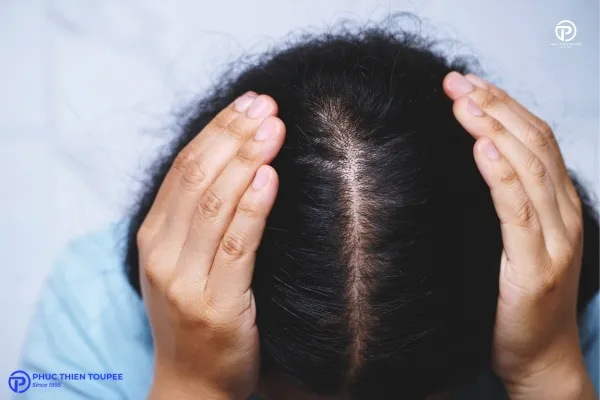
The Fact: Genetics Remain the Dominant Factor for Pattern Baldness
For the most common types of hair loss – male pattern baldness and female pattern hair loss – the primary drivers are genetics and hormonal sensitivity (DHT). While managing stress is crucial for overall well-being and can help mitigate temporary shedding from TE, it will not stop or reverse genetically predetermined hair loss.
How Stress Impacts Hair (Simplified):
| Stress Type | Potential Hair Loss Condition | Characteristics | Reversibility |
| Severe Acute Stress | Telogen Effluvium (TE) | Diffuse shedding, ~3 months after trigger | Usually temporary |
| Chronic Stress | May exacerbate other types | Can worsen FPHL/MPB, potentially trigger Alopecia Areata | Depends on underlying cause |
| Extreme Psychological Stress | Alopecia Areata (potential trigger/worsening factor) | Patchy, autoimmune hair loss | Variable, often treatable |
✨ Designed to blend seamlessly — shop ready-made toppers for a natural look.
Myth 5: Cutting Hair Makes It Grow Back Thicker or Faster
This is a deeply ingrained belief, often passed down through generations. Many people trim their hair hoping it will stimulate stronger, more rapid growth.
The Reality: Cutting Affects Hair Shaft, Not Follicle
Hair growth originates from the follicle beneath the scalp surface. Cutting the hair shaft – the dead, keratinized structure we see – has absolutely no impact on the follicle’s activity or the rate at which it produces hair. Hair grows at an average rate of about half an inch (1.25 cm) per month, regardless of whether or how often it is cut.
The perception of thickness after a cut comes from the fact that hair shafts naturally taper towards the end. When you cut the hair, you remove the thinner, tapered tip, leaving a blunt, thicker-feeling end. All hairs cut at the same length will have these blunt ends, contributing to a feeling of temporary fullness.
The Fact: Hair Biology Dictates Growth Rate and Thickness
Hair thickness (diameter) and growth rate are primarily determined by:
- Genetics: Your genes dictate the size of your hair follicles and the duration of the anagen (growth) phase. Larger follicles produce thicker strands.
- Age: Hair growth can slow down, and strands may become finer with age.
- Hormones: Hormonal fluctuations can influence hair growth cycles and texture.
- Nutrition: Adequate protein, vitamins (like Biotin, Vitamin D), and minerals (like Iron, Zinc) are essential for healthy hair production.
- Overall Health: Certain medical conditions or medications can affect hair growth.
Cutting hair simply alters its length and removes split or damaged ends, which can improve the appearance and manageability of hair, but it does not influence the biological processes within the follicle.

Myth 6: Hair Loss Is Only Inherited from the Mother’s Side
This myth suggests that a man’s likelihood of experiencing baldness is solely determined by his maternal grandfather’s hair status.
The Reality: Hair Loss Genetics Are Complex and Polygenic
The genetics of androgenetic alopecia are far more complex than a single gene inherited from one parent. While the Androgen Receptor (AR) gene, located on the X chromosome (which men inherit from their mothers), does play a significant role, it is not the only gene involved.
Research has identified numerous genes located on various chromosomes (including autosomal chromosomes inherited from both parents) that contribute to the risk and pattern of hair loss. This means you can inherit predisposition genes from either or both your mother and your father.
🔄 Need a quick replacement? Grab a stock hairpiece that’s ready to ship!
The Fact: Risk Can Be Inherited From Both Parental Lines
- Polygenic Trait: Hair loss susceptibility is influenced by multiple genes interacting with each other and environmental factors.
- X-Chromosome Link: The AR gene on the X chromosome is a major factor, explaining why looking at the mother’s side can sometimes be indicative, but it’s not the whole story.
- Autosomal Genes: Many other contributing genes are located on non-sex chromosomes, meaning they can be passed down from the father’s side as well.
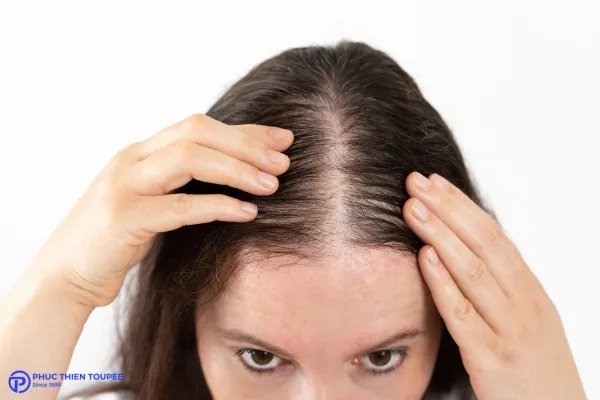
Myth 7: Expensive Shampoos or Miracle Cures Work Instantly
The market is flooded with products promising rapid hair regrowth, often at a high price point. These range from specialized shampoos and serums to vitamins and laser combs, all claiming revolutionary results.
The Reality: No Topical Product Causes Instant Regrowth
Hair growth is a slow biological process. Even proven treatments take time to show results. Shampoos, primarily designed to cleanse the scalp and hair shaft, have minimal contact time and limited ability to penetrate the scalp deeply enough to significantly alter follicular biology in the short term.
While some shampoos contain ingredients that can improve scalp health (like ketoconazole, which has mild anti-androgenic effects and helps with dandruff) or temporarily plump the hair shaft (like proteins or caffeine), they cannot reverse significant pattern hair loss or cause dormant follicles to reactivate instantly. Be wary of products claiming overnight transformations or using vague terms like ‘hair revitalization’ without specifying the mechanism.
🌸 Lightweight, breathable, and stylish — discover the perfect topper just for you.
The Fact: Proven Treatments Require Consistency and Time
Scientifically validated hair loss treatments work through specific mechanisms and require consistent use over several months to yield noticeable results:
- Minoxidil (Topical): A vasodilator initially used for blood pressure. It’s thought to work by widening blood vessels around follicles, improving nutrient flow, and prolonging the anagen (growth) phase. Results typically take 4-6 months of consistent twice-daily application. Available over-the-counter (e.g., Rogaine).
- Finasteride (Oral – Prescription for Men): A 5-alpha reductase inhibitor. It blocks the conversion of testosterone to DHT, the primary hormone responsible for follicular miniaturization in male pattern baldness. Results usually become visible after 3-6 months of daily use, with maximum effect often seen after 1-2 years. Requires a prescription and discussion of potential side effects with a doctor.
- Low-Level Laser Therapy (LLLT): Uses specific wavelengths of red light to stimulate cellular activity within the follicles, potentially increasing energy production (ATP) and prolonging the growth phase. Requires regular sessions over several months. Devices are available for home use or in-clinic treatments. Evidence is still evolving but generally positive for mild to moderate hair loss.
- Platelet-Rich Plasma (PRP) Therapy: Involves drawing the patient’s blood, concentrating the platelets (rich in growth factors), and injecting this plasma into the scalp. Growth factors aim to stimulate dormant or miniaturizing follicles. Requires multiple sessions over several months. Considered a promising but still evolving treatment.
- Hair Transplant Surgery: A surgical procedure moving DHT-resistant follicles (usually from the back of the head) to thinning or bald areas. Provides permanent results but is invasive and costly.
- Hair Systems (Non-Surgical): High-quality hair systems or toupees, like those offered by Phuc Thien Toupee, provide immediate cosmetic results by integrating natural or synthetic hair with existing hair or covering bald areas. This is a non-medical, effective solution for instant coverage and aesthetic improvement.

Myth 8: Hair Loss Is Purely a Cosmetic Issue
Hair loss is often dismissed as a mere vanity concern, something that doesn’t affect physical health and should just be accepted.
The Reality: Hair Loss Can Signal Underlying Health Issues
While common pattern hair loss (androgenetic alopecia) is not typically indicative of a serious underlying disease, sudden or unusual hair loss can sometimes be a symptom of other health problems. A thorough evaluation is important, especially if the hair loss is:
- Sudden and Diffuse: Could indicate Telogen Effluvium triggered by illness, nutritional deficiency, or medication.
- Patchy: Suggests Alopecia Areata, an autoimmune disorder.
- Accompanied by Scalp Symptoms: Itching, scaling, redness, or pain could point to infections (fungal, bacterial) or inflammatory conditions (lichen planopilaris, psoriasis).
- Occurring with Other Symptoms: Fatigue, weight changes, menstrual irregularities could signal thyroid disease or hormonal imbalances (like PCOS).
Examples of Conditions Linked to Hair Loss:
- Thyroid Disorders (Hypothyroidism/Hyperthyroidism): Affect hormone levels influencing the hair cycle.
- Iron Deficiency Anemia: Low iron levels impact hemoglobin production, potentially reducing oxygen supply to follicles.
- Autoimmune Diseases: Lupus, Alopecia Areata.
- Polycystic Ovary Syndrome (PCOS): Hormonal imbalance can trigger female pattern hair loss.
- Nutritional Deficiencies: Lack of protein, biotin, zinc, essential fatty acids.
- Certain Medications: Chemotherapy, some antidepressants, blood thinners, beta-blockers.

The Fact: Hair Loss Has Significant Psychological Impact
Even when not linked to a physical illness, hair loss can profoundly affect mental and emotional well-being. It can lead to:
- Reduced Self-Esteem and Confidence: Particularly in societies that value thick hair.
- Social Anxiety and Avoidance: Feeling self-conscious about appearance.
- Depression and Anxiety: The emotional toll can be significant.
- Body Image Issues: Difficulty accepting changes in appearance.
Acknowledging the psychological impact is crucial. Dismissing it as purely cosmetic ignores the real distress many individuals experience.
Myth 9: Once Hair Is Lost, It Is Gone Forever
A common fear is that once hair starts thinning or falling out, it’s an irreversible process leading inevitably to complete baldness.
The Reality: Many Types of Hair Loss Are Treatable or Reversible
This statement is overly simplistic and often untrue. The potential for regrowth depends heavily on the type of hair loss and the health of the hair follicles.
- Telogen Effluvium (TE): As mentioned, this stress-induced shedding is usually temporary. Once the trigger is removed or resolved, hair typically regrows fully within 6-9 months as follicles re-enter the anagen phase.
- Alopecia Areata: While unpredictable, hair often regrows spontaneously or with treatment (like corticosteroid injections) in patchy alopecia areata.
- Nutritional Deficiencies/Medical Conditions: Hair loss caused by addressing the underlying issue (e.g., correcting iron deficiency, managing thyroid disease) is often reversible.
- Traction Alopecia: If caught early and the damaging hairstyle is stopped, hair can regrow. However, prolonged tension can cause permanent scarring and follicle loss.
The Fact: Early Intervention in Pattern Hair Loss Can Preserve and Regrow Hair
Even in progressive conditions like androgenetic alopecia (pattern baldness), intervention can make a significant difference, especially when started early:
- Follicular Miniaturization: In pattern hair loss, follicles don’t die instantly. They gradually shrink (miniaturize). Treatments like Minoxidil and Finasteride work best on follicles that are miniaturized but still viable. They can help halt further shrinking, maintain existing hair, and even encourage some miniaturized follicles to produce thicker hair again.
- Window of Opportunity: The earlier treatments are initiated, the more follicles can potentially be saved or revitalized. Waiting until areas are completely slick and bald (indicating follicles may be dormant or scarred) reduces the effectiveness of medical treatments for regrowth in those specific areas.
- Hair Transplants: For areas where follicles are permanently lost, hair transplant surgery can physically move healthy, active follicles to repopulate those zones.
- Hair Systems: For immediate and guaranteed cosmetic restoration regardless of follicle viability, non-surgical hair systems like those from Phuc Thien Toupee offer an excellent solution, providing density and coverage where regrowth is not possible or desired through medical means.
Treatment Effectiveness Timeline (General Estimates for Androgenetic Alopecia):
| Treatment | Time to First Noticeable Results | Time to Maximum Results | Key Mechanism |
| Minoxidil (Topical) | 4-6 months | 12+ months | Vasodilation, prolongs anagen phase |
| Finasteride (Oral) | 3-6 months | 1-2 years | DHT blocker (inhibits 5-alpha reductase) |
| LLLT | 3-6 months | 6-12 months | Cellular stimulation, increased ATP production |
| PRP Therapy | 3-6 months (after series) | 6-12 months | Growth factor stimulation |
| Hair Transplant | 3-4 months (initial growth) | 12-18 months (full density) | Relocation of DHT-resistant follicles |
| Hair Systems | Immediate | Immediate | Non-surgical cosmetic restoration |
Genetic insights: Explore Hair Loss Genetics, plus links between Hair Loss and Hormones and Hair Loss and Thyroid
Conclusion: Empowering Your Hair Health Journey with Facts
Understanding the truth behind common hair loss myths is key to making informed choices. Knowing that factors like genetics play a larger role than stress, and that solutions like shampooing or wearing hats don’t cause hair loss, empowers you to act wisely. At Phuc Thien Toupee, we provide accurate information and tailored solutions—from medical treatments to premium hair systems—helping you take confident, proactive steps toward better hair health.
Remember these key points:
- Seek Professional Diagnosis: Understand the specific type and cause of your hair loss.
- Be Patient and Consistent: Proven treatments require time and regular use.
- Focus on Scalp Health: A clean, healthy scalp supports optimal hair growth.
- Manage Overall Health: Address nutritional deficiencies and underlying medical conditions.
- Consider Proven Solutions: Explore options like FDA-approved medications (Minoxidil, Finasteride), LLLT, PRP, hair transplantation, or high-quality non-surgical solutions like hair systems from Phucthien.
- Acknowledge the Psychological Aspect: Hair loss impacts well-being; seeking solutions that restore confidence is valid and important.
Phuc Thien Toupee Co., Ltd
Design Brand: Royal Hair Vietnam
Office Address:
🏢 Room A909, Decapella Building, 116 Luong Dinh Cua Street, An Khanh Ward, Thu Duc City, Ho Chi Minh City 700000, Vietnam
Factory Address:
🏭 No. 26/9, Street 57, Thuong Hamlet, Tan Thong Hoi Ward, Cu Chi District, Ho Chi Minh City 700000, Vietnam
Email: ✉️ phucthientoupeevn@gmail.com
Phone / WhatsApp: 📞 +84 933 901 196
Websites: 🌐 phucthientoupee.com – 🌐 royalhair.shop



