

- 04/06/2025
- Posted by: phucthien
- Category: Blog
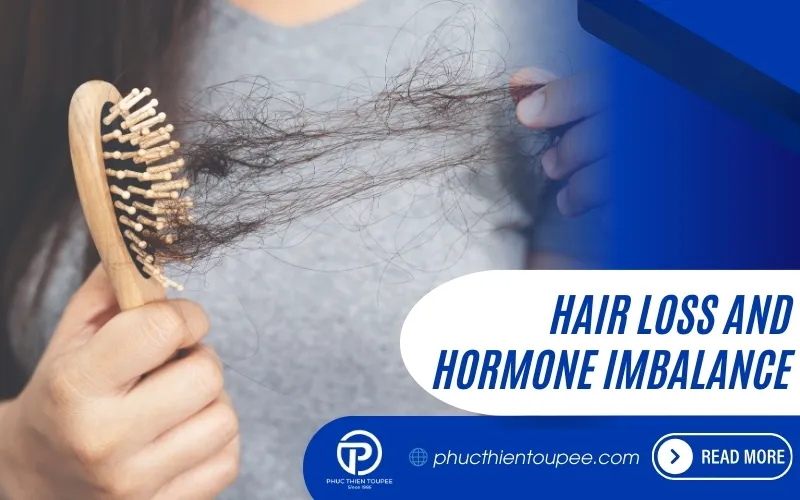
Hair loss and hormones are intricately linked, but understanding this connection empowers you to take control. We’ll explore how hormonal imbalances impact hair health and provide solutions to restore your crowning glory. Let’s unlock the secrets to revitalized hair growth. Let’s delve into androgenetic alopecia, telogen effluvium, and explore effective regrowth strategies.
Hair thinning can be a distressing experience, but it doesn’t have to define you. At Phuc Thien, we understand the multifaceted nature of hair loss and offer personalized solutions to help you regain your confidence. This comprehensive guide will explore the intricate relationship between hair loss and hormones, providing valuable insights and practical strategies to revitalize your hair.
Understanding the Intricate Dance: Hormones and Hair Growth
Hair growth is a dynamic process, meticulously orchestrated by various bodily systems, with the endocrine system playing a pivotal role. Hormones, the chemical messengers of this system, regulate countless functions, including the complex cycles of hair follicles. When hormonal balance is maintained, hair typically cycles through its growth (anagen), transition (catagen), and resting (telogen) phases smoothly. However, disruptions in this delicate equilibrium can significantly impact hair health, leading to noticeable thinning or loss.
At Phuc Thien, we recognize that hormonal fluctuations are a primary driver behind many types of hair loss experienced by both men and women across diverse age groups and backgrounds. Understanding the specific hormones involved and how their imbalances manifest is crucial for identifying the root cause and exploring effective strategies for management.
Understand the link: Learn about Hair Loss During Pregnancy and its causes
The Hair Growth Cycle: A Hormonal Symphony
To appreciate how hormones affect hair, let’s briefly review the hair growth cycle:
- Anagen Phase (Growth): This is the active growth phase where hair follicle cells divide rapidly, pushing the hair shaft upwards. This phase can last anywhere from 2 to 7 years, determining the maximum length of hair. Hormones like Insulin-like Growth Factor 1 (IGF-1) play a supportive role here.
- Catagen Phase (Transition): A short transitional phase lasting about 2-3 weeks. Hair growth stops, and the outer root sheath shrinks and attaches to the root of the hair, forming a club hair. Hormonal signals trigger this shift.
- Telogen Phase (Resting): This resting phase typically lasts about 3 months. The club hair is fully formed and remains dormant in the follicle while a new hair begins to grow beneath it. Various hormonal shifts, including stress hormones or thyroid imbalances, can prematurely push more follicles into this phase.
- Exogen Phase (Shedding): The old club hair is shed as the new hair emerges from the follicle, starting a new anagen phase. Shedding around 50-100 hairs per day is considered normal. Hormonal imbalances can increase this shedding rate significantly, leading to telogen effluvium or exacerbating pattern hair loss.
Hormonal imbalances can disrupt this cycle in several ways: shortening the anagen phase, prolonging the telogen phase, or causing follicles to miniaturize (shrink), producing finer, shorter hairs.

Key Hormones Influencing Hair Loss and Growth
Several hormones directly or indirectly influence hair follicle activity. Imbalances in these key players are often central to understanding hormone-related hair loss.
Androgens: The Double-Edged Sword
Androgens are typically considered male sex hormones (like testosterone), although they are present in both sexes, just in different concentrations. They play a complex role in hair growth.
- Testosterone and Dihydrotestosterone (DHT): Testosterone itself has a relatively weak effect on hair follicles. However, an enzyme called 5-alpha-reductase (5-AR), present in the scalp’s oil glands and hair follicles, converts testosterone into a much more potent androgen, dihydrotestosterone (DHT).
- Impact: In individuals with a genetic predisposition, DHT binds to androgen receptors on scalp hair follicles. This binding triggers a process called miniaturization. The anagen (growth) phase becomes shorter, and the telogen (resting) phase lengthens. Over successive cycles, the follicle shrinks, producing progressively finer, shorter, and less pigmented hairs until it eventually may cease producing hair altogether. This is the primary mechanism behind Androgenetic Alopecia (AGA), commonly known as male pattern baldness and female pattern hair loss.
- Prevalence: AGA affects a significant portion of the population. According to the American Hair Loss Association, approximately two-thirds of American men will experience some degree of appreciable hair loss by age 35, and by age 50, about 85% have significantly thinning hair. For women, the American Academy of Dermatology (AAD) notes that female pattern hair loss affects millions, often becoming more noticeable around menopause but possible much earlier.
- Dehydroepiandrosterone (DHEA): An adrenal precursor hormone that can be converted into testosterone and subsequently DHT. Elevated DHEA levels, sometimes seen in conditions like Polycystic Ovary Syndrome (PCOS) or adrenal hyperplasia, can contribute to hair loss in women.
✂️ Be unique — create your custom-made toupee today!
Thyroid Hormones: Regulators of Metabolism and Hair Cycles
The thyroid gland produces hormones (Thyroxine T4 and Triiodothyronine T3) essential for regulating metabolism throughout the body, including within the hair follicle cells. Both underactivity (hypothyroidism) and overactivity (hyperthyroidism) can disrupt the hair growth cycle.
- Hypothyroidism (Underactive Thyroid): Insufficient thyroid hormone production slows down metabolic processes.
- Impact: This can prolong the telogen (resting) phase of the hair cycle, leading to diffuse hair shedding across the entire scalp (telogen effluvium). Hair may become dry, brittle, coarse, and sparse. Eyebrow hair loss, particularly on the outer third, can also occur. Studies published in journals like the International Journal of Trichology consistently link untreated hypothyroidism with significant hair shedding.
- Hyperthyroidism (Overactive Thyroid): Excessive thyroid hormone production speeds up metabolism.
- Impact: While less common as a cause of hair loss than hypothyroidism, severe or prolonged hyperthyroidism can also lead to diffuse thinning. Hair may become unusually fine and soft. Autoimmune thyroid conditions like Graves’ disease (causing hyperthyroidism) or Hashimoto’s thyroiditis (causing hypothyroidism) are frequently associated with hair changes.
Estrogen and Progesterone: Primarily Female Hair Guardians
These are the primary female sex hormones, playing a generally protective role for scalp hair.
- Estrogen: This hormone is thought to promote hair growth by extending the anagen (growth) phase and delaying the onset of the telogen (resting) phase.
- Impact: Levels fluctuate throughout a woman’s life. Higher estrogen levels during pregnancy often result in thicker, fuller hair as more follicles remain in the anagen phase. Conversely, the sharp drop in estrogen postpartum can trigger significant shedding (postpartum telogen effluvium) as many follicles simultaneously enter the telogen phase. Similarly, the decline in estrogen during perimenopause and menopause can unmask or worsen underlying female pattern hair loss (AGA) by allowing the effects of androgens (which may remain relatively stable or decline less sharply) to become more pronounced.
- Progesterone: Its role is less clearly defined than estrogen’s, but it may help counteract androgen production to some extent. Declining progesterone levels during menopause might also contribute to hormonal shifts favoring hair loss.
Cortisol: The Stress Hormone’s Toll
Produced by the adrenal glands in response to stress, cortisol plays a vital role in the body’s fight-or-flight response. However, chronic stress leads to persistently elevated cortisol levels.
- Impact: High cortisol can disrupt the normal hair growth cycle, potentially pushing a large number of hair follicles prematurely into the telogen (resting) phase. This leads to a type of diffuse shedding called telogen effluvium, typically noticed several months after a significant stressful event (physical or emotional). Research, including studies highlighted by the National Institutes of Health (NIH), suggests chronic stress and elevated cortisol can negatively impact hair follicle stem cell function, further impairing regrowth.
Insulin: Beyond Blood Sugar Control
Insulin, produced by the pancreas, regulates blood sugar levels. Insulin resistance, a condition where cells don’t respond effectively to insulin, is a hallmark of type 2 diabetes and often linked to PCOS.
- Impact: Insulin resistance can lead to compensatory hyperinsulinemia (high insulin levels). Elevated insulin can stimulate the ovaries to produce more testosterone and potentially increase levels of IGF-1, which, while generally growth-promoting, might exacerbate androgenetic effects in susceptible individuals. The link between insulin resistance, PCOS, and female pattern hair loss is well-documented in endocrinology research. Managing insulin resistance through diet, exercise, and sometimes medication (like Metformin) can be a component of addressing hair loss in these contexts.
Prolactin: A Less Common Factor
Primarily known for stimulating milk production, prolactin levels can sometimes become elevated (hyperprolactinemia) due to pituitary tumors, certain medications, or high stress.
- Impact: While not a primary cause, some studies suggest very high prolactin levels might interfere with the hair cycle or exacerbate androgen effects, potentially contributing to hair loss in some individuals. This is generally considered a less frequent contributor compared to androgens or thyroid issues.
🎨 Your style, your hair — we make it exactly how you want.
Common Conditions Linked to Hormonal Hair Loss
Understanding the specific conditions where hormonal imbalances trigger hair loss provides context for diagnosis and treatment.
Androgenetic Alopecia (AGA)
As discussed, this is the most common type of hair loss globally, affecting both men (Male Pattern Baldness – MPB) and women (Female Pattern Hair Loss – FPHL).
- Cause: Genetic sensitivity of hair follicles to DHT.
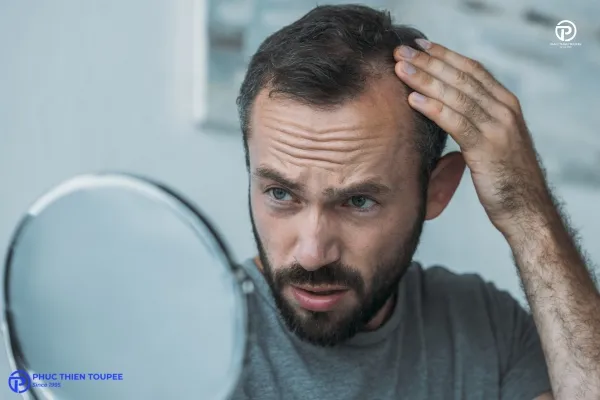
- Pattern in Men: Typically starts with a receding hairline (M-shape) and/or thinning at the crown (vertex), potentially progressing to significant baldness.
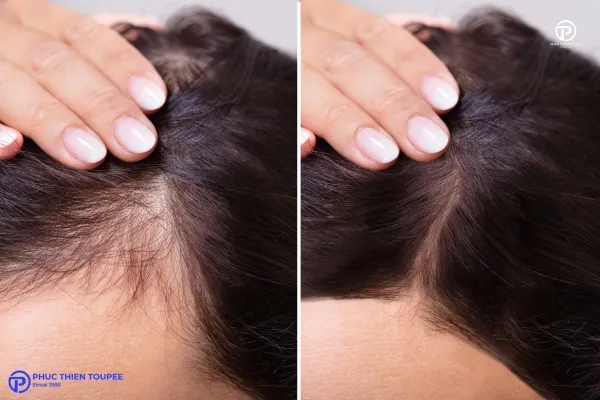
- Pattern in Women: Usually presents as diffuse thinning over the crown and top of the scalp, often with a widening of the central part. The frontal hairline is typically preserved, unlike in men.
- Hormonal Link: Direct sensitivity to DHT derived from testosterone. While women have much lower testosterone levels, the sensitivity of their follicles can still lead to FPHL, especially when estrogen levels decline (menopause) or if androgen levels are slightly elevated (PCOS).
Polycystic Ovary Syndrome (PCOS)
PCOS is a common endocrine disorder affecting women of reproductive age. It’s characterized by hormonal imbalances, including elevated androgens (hyperandrogenism), irregular menstrual cycles, and often small cysts on the ovaries.
- Impact on Hair: Increased androgen levels can lead to FPHL (thinning on the scalp) and hirsutism (excess hair growth on the face and body). The hair loss pattern often resembles FPHL, with thinning concentrated on the top and crown.
- Diagnosis: Requires meeting specific criteria (Rotterdam criteria), often involving clinical signs, blood tests for hormone levels (testosterone, DHEA-S), and potentially an ultrasound.
- Prevalence: The World Health Organization (WHO) estimates PCOS affects 8-13% of reproductive-aged women.
Thyroid Disorders
As detailed earlier, both hypothyroidism and hyperthyroidism can cause diffuse hair loss.
- Impact on Hair: Typically results in shedding across the entire scalp (telogen effluvium), rather than patterned loss. Hair texture changes (dry/brittle in hypo, fine/soft in hyper) are common.
- Diagnosis: Blood tests measuring TSH (Thyroid Stimulating Hormone), Free T4, and Free T3 are essential. Antibody tests (anti-TPO, anti-TG) help identify autoimmune causes like Hashimoto’s or Graves’.
Pregnancy and Postpartum Period
The dramatic hormonal shifts during and after pregnancy significantly impact hair.
- During Pregnancy: High estrogen levels prolong the anagen phase, leading to less shedding and thicker-feeling hair for many women.
- Postpartum: The rapid drop in estrogen after childbirth shifts many hairs simultaneously into the telogen phase. This results in noticeable shedding, known as postpartum telogen effluvium, typically starting 2-4 months after delivery and usually resolving within 6-12 months as hormone levels normalize. While alarming, it’s generally temporary.
Menopause and Perimenopause
The transition towards menopause involves fluctuating and ultimately declining levels of estrogen and progesterone.
- Impact on Hair: Reduced estrogen allows the effects of androgens (even if levels aren’t high) to become more apparent on genetically susceptible hair follicles. This can trigger or accelerate FPHL, leading to thinning, particularly over the crown. Changes in hair texture are also common.
- Hormone Replacement Therapy (HRT): HRT can sometimes help mitigate hair loss related to estrogen decline, but its use must be carefully weighed against potential risks and benefits with a healthcare provider. The type of progestin used in HRT matters, as some have more androgenic activity than others.
Chronic Stress (Telogen Effluvium)
While stress itself isn’t a hormone, the body’s stress response (releasing cortisol) is hormonal.
- Impact on Hair: Acute or chronic stress can trigger telogen effluvium, leading to diffuse shedding months later. Managing stress is crucial for allowing the hair cycle to normalize.
Diagnosing Hormonal Hair Loss: Finding the Root Cause
Identifying hormonal imbalance as the cause of hair loss requires a systematic approach, usually involving a healthcare professional like a dermatologist, primary care physician, or endocrinologist. At Phuc Thien, we emphasize the importance of a proper medical diagnosis before exploring solutions.
Step 1: Medical History and Symptom Review
Your doctor will ask detailed questions about:
- Hair Loss Pattern: When did it start? Is it sudden or gradual? Where is the thinning most noticeable (receding hairline, crown, diffuse)?
- Associated Symptoms: Changes in menstrual cycles (women), acne, fatigue, weight changes, mood swings, temperature sensitivity, changes in skin or nails, excess body hair (women).
- Family History: Hair loss patterns in parents, siblings, or other relatives.
- Medications & Supplements: Including prescriptions, over-the-counter drugs, vitamins, and herbal supplements.
- Diet and Lifestyle: Recent dietary changes, stress levels, sleep patterns.
- Recent Events: Major illness, surgery, childbirth, significant emotional stress.
Step 2: Physical Examination
- Scalp Examination: The doctor will visually inspect your scalp and hair, noting the pattern and severity of loss, hair shaft caliber (thickness), inflammation, scaling, or scarring.
- Hair Pull Test: Gently tugging on a small section of hair (approx. 50-60 strands) can help assess the severity of active shedding. Pulling out more than 10% (i.e., 5-6 hairs) may suggest active telogen effluvium.
- Dermoscopy (Trichoscopy): Using a specialized magnifying device to examine the scalp and hair follicles can reveal characteristic signs, such as miniaturized hairs (variations in hair shaft diameter) common in AGA, or broken hairs, exclamation mark hairs (seen in alopecia areata, an autoimmune condition sometimes triggered by hormonal shifts).
🔍 Looking for a specific size, base, or hair color? Order a fully personalized toupee now!
Step 3: Diagnostic Testing – The Hormone Connection
Based on your history and examination, specific tests may be ordered to evaluate hormone levels and rule out other causes. Addressing the common search intent for the best hormone test for hair loss requires understanding that there isn’t one single best test; rather, a panel tailored to the suspected cause is most effective.
Important Considerations for Hormone Testing:
- Timing (for women): Levels of sex hormones fluctuate during the menstrual cycle. Doctors often specify testing during a particular phase (e.g., follicular phase, days 3-5) for accurate comparison.
- Interpretation: Normal reference ranges can vary between labs. More importantly, what’s ‘normal’ on paper might not be optimal for an individual, especially regarding hair health. Results must be interpreted in the context of symptoms and clinical findings.
- Limitations: Blood tests provide a snapshot in time. Hormone levels can fluctuate. Sometimes, the issue isn’t abnormal hormone levels but increased sensitivity of the hair follicles to normal levels (as in AGA).
- No Single ‘Best’ Test: The most appropriate panel depends entirely on the individual’s clinical picture. A comprehensive approach guided by a healthcare professional is superior to isolated hormone testing.
Step 4: Other Potential Tests
- Scalp Biopsy: In unclear cases, a small skin sample (4mm punch biopsy) is taken from the scalp under local anesthesia. A pathologist examines it under a microscope to determine the cause of hair loss (e.g., confirming AGA, ruling out scarring alopecia or inflammatory conditions).
Treatment Strategies for Hormonal Hair Loss
Once a hormonal imbalance is identified as a contributing factor, a multi-faceted approach is often most successful. Treatment aims to address the underlying hormonal issue, directly stimulate hair growth, and provide supportive care. Phuc Thien encourages exploring these options with your healthcare team.
Medical Treatments: Addressing the Hormonal Root and Stimulating Growth
These treatments often require a prescription and ongoing medical supervision.
- Addressing the Underlying Hormonal Condition:
- Thyroid Medication: Levothyroxine for hypothyroidism or anti-thyroid medications/treatments for hyperthyroidism are essential to normalize thyroid hormone levels, which often allows hair growth to recover over time.
- PCOS Management: Treatments may include:
- Oral Contraceptives: Certain types containing low-androgen progestins can help regulate cycles and reduce androgen levels.
- Anti-androgens: Spironolactone is commonly prescribed off-label for FPHL, particularly in PCOS. It blocks androgen receptors and reduces testosterone production. Finasteride/Dutasteride are sometimes used cautiously in postmenopausal women or those not planning pregnancy, but carry risks.
- Metformin: Improves insulin sensitivity, which can help lower androgen levels in women with PCOS and insulin resistance.
- Menopause Management:
- Hormone Replacement Therapy (HRT): Can help stabilize estrogen levels, potentially slowing FPHL progression. Requires careful discussion of risks/benefits with a doctor. Bioidentical hormones are an option some pursue.
- Direct Hair Growth Stimulants:
- Minoxidil (Topical): Available over-the-counter (2% and 5% solutions/foam) and by prescription (higher strengths, oral form). FDA-approved for AGA in men and women.
- Mechanism: Thought to work by widening blood vessels around follicles, increasing nutrient supply, and prolonging the anagen phase. It doesn’t directly block DHT but helps counteract miniaturization.
- Application: Applied directly to the scalp once or twice daily. Consistency is key.
- Results: May take 4-6 months or longer to see noticeable improvement. Initial shedding can occur. Effectiveness varies. Lifelong use is typically needed to maintain results for AGA.
- Finasteride (Oral): Primarily prescribed for men with MPB. FDA-approved (1mg dose).
- Mechanism: Inhibits the 5-alpha-reductase type II enzyme, significantly reducing the conversion of testosterone to DHT in the scalp.
- Effectiveness: Can slow hair loss progression and promote regrowth in many men.
- Considerations: Requires prescription. Potential side effects (including sexual side effects in a small percentage) must be discussed. Generally not recommended for premenopausal women due to risks to a male fetus. Used off-label in some postmenopausal women.
- Dutasteride (Oral): Similar to finasteride but inhibits both type I and type II 5-alpha-reductase, making it potentially more potent in lowering DHT. Not FDA-approved specifically for hair loss in many countries but used off-label. Similar considerations regarding side effects and use in women apply.
- Spironolactone (Oral): Primarily used for FPHL in women.
- Mechanism: Anti-androgen effects.
- Considerations: Requires prescription. Can affect potassium levels and blood pressure. Not suitable during pregnancy.
- Minoxidil (Topical): Available over-the-counter (2% and 5% solutions/foam) and by prescription (higher strengths, oral form). FDA-approved for AGA in men and women.

Lifestyle and Nutritional Support: Building a Foundation for Healthy Hair
These approaches complement medical treatments and support overall hormonal balance and hair health.
- Diet and Nutrition: What you eat directly impacts hormone production and hair follicle health.
- Balanced Diet: Focus on whole foods: lean proteins, complex carbohydrates, healthy fats, abundant fruits and vegetables.
- Key Nutrients:
- Iron: Essential for hemoglobin production (oxygen transport). Low ferritin (iron stores) is strongly linked to hair shedding. Sources: Red meat, poultry, fish, lentils, spinach, fortified cereals. Vitamin C enhances absorption.
- Zinc: Crucial for hair tissue growth and repair, and regulating hormones. Sources: Oysters, beef, pumpkin seeds, lentils, chickpeas.
- Protein: Hair is primarily made of keratin, a protein. Ensure adequate intake. Sources: Meat, fish, eggs, dairy, legumes, tofu.
- Biotin (Vitamin B7): Plays a role in keratin infrastructure. While deficiency is rare, supplementation is popular (evidence for non-deficient individuals is limited). Sources: Eggs, nuts, seeds, sweet potatoes.
- Vitamin D: Receptors found in hair follicles. Low levels linked to hair loss. Sources: Sunlight exposure (safely), fatty fish, fortified milk, supplements.
- Omega-3 Fatty Acids: Anti-inflammatory properties may benefit scalp health. Sources: Fatty fish (salmon, mackerel), flaxseeds, chia seeds, walnuts.
- Blood Sugar Balance: Avoid excessive sugary foods and refined carbohydrates, especially if insulin resistance is a factor. Focus on fiber-rich foods.
- Stress Management: Crucial for managing cortisol levels.
- Techniques: Regular exercise (proven cortisol reducer), mindfulness meditation, yoga, deep breathing exercises, spending time in nature, ensuring adequate sleep (7-9 hours).
- Consistency: Incorporate stress-reducing activities into your daily routine.
- Gentle Hair and Scalp Care: Avoid practices that damage hair or irritate the scalp.
- Washing: Use a mild shampoo suitable for your hair type. Avoid harsh sulfates if sensitive. Don’t overwash.
- Styling: Minimize heat styling (blow dryers, straighteners, curling irons). Avoid tight hairstyles (ponytails, braids) that pull on follicles (traction alopecia). Be gentle when brushing or combing, especially when wet.
- Products: Choose products free from harsh chemicals. Consider scalp serums with beneficial ingredients (e.g., peptides, caffeine – evidence varies).
- Supplements: Use with caution and ideally under guidance.
- Targeted Supplementation: If blood tests reveal deficiencies (iron, vitamin D, zinc), targeted supplementation is warranted.
- Hair Growth Supplements: Many multi-ingredient supplements exist. Look for those with evidence-based ingredients (e.g., marine collagen, saw palmetto – some evidence for blocking DHT, use cautiously). Be wary of excessive biotin doses, which can interfere with lab tests (like thyroid tests). Discuss any supplements with your doctor.
Advanced Therapies and Procedures
For more significant loss or when other treatments plateau.
- Platelet-Rich Plasma (PRP) Therapy:
- Procedure: Your own blood is drawn, processed to concentrate platelets (rich in growth factors), and then injected into the thinning areas of the scalp.
- Mechanism: Growth factors are thought to stimulate dormant or miniaturizing hair follicles.
- Evidence: Growing evidence suggests potential benefit for AGA and other types of hair loss, but results vary. Multiple sessions are usually required. Considered relatively safe as it uses your own blood.
- Low-Level Laser Therapy (LLLT):
- Procedure: Uses devices (combs, bands, caps) emitting specific wavelengths of red light directed at the scalp. Can be done in clinics or with at-home devices.
- Mechanism: Thought to stimulate cellular activity within the follicles, potentially increasing blood flow and shifting follicles into the anagen phase.
- Evidence: FDA-cleared devices exist. Studies show moderate effectiveness for some individuals with AGA. Requires consistent, long-term use.
- Hair Transplantation:
- Procedure: A surgical technique that moves healthy, DHT-resistant hair follicles (typically from the back and sides of the scalp) to thinning or bald areas. Techniques include FUT (strip method) and FUE (follicular unit extraction).
- Suitability: Best for individuals with stable AGA and sufficient donor hair. It doesn’t stop the underlying progression of hair loss in non-transplanted areas, so ongoing medical therapy (like minoxidil or finasteride) is often recommended.
- Outcome: Can provide permanent, natural-looking results when performed by a skilled surgeon.
✨ A toupee shouldn’t just hide hair loss — make it a style statement!
Cosmetic Solutions: Enhancing Appearance and Confidence
While addressing the underlying hormonal cause, cosmetic solutions offer immediate improvements in appearance and can significantly boost confidence. Phuc Thien Toupee specializes in high-quality options.
- Hair Fibers: Microscopic fibers (keratin or cotton) that cling to existing hair via static electricity, instantly making hair appear thicker and fuller. A temporary, wash-out solution.
- Scalp Concealers: Sprays or powders applied to the scalp to reduce the contrast between skin and hair, minimizing the appearance of thinning.
- Hair Systems (Toupees, Hairpieces, Wigs):
- Benefits: Offer significant coverage and styling versatility. Modern systems provided by specialists like Phuc Thien are incredibly realistic, comfortable, and secure. They can be customized to match natural hair color, texture, and density.
- Types: Partial pieces (toupees, toppers) cover specific thinning areas (like the crown). Full wigs provide complete coverage. Options exist for temporary (clips) or semi-permanent attachment (bonding).
- Phuc Thien’s Approach: At Phuc Thien, we understand the emotional impact of hair loss. We offer personalized consultations to help clients choose the best non-surgical hair replacement solution, crafted from high-quality human or synthetic hair, ensuring a natural look and comfortable fit that integrates seamlessly with their lifestyle. This provides an immediate aesthetic solution while individuals pursue medical treatments.
Targeted solutions: Explore Hair Loss and Thyroid impacts and effective Hair Loss Treatments
Phuc Thien Toupee Co., Ltd
Design Brand: Royal Hair Vietnam
Office Address:
🏢 Room A909, Decapella Building, 116 Luong Dinh Cua Street, An Khanh Ward, Thu Duc City, Ho Chi Minh City 700000, Vietnam
Factory Address:
🏭 No. 26/9, Street 57, Thuong Hamlet, Tan Thong Hoi Ward, Cu Chi District, Ho Chi Minh City 700000, Vietnam
Email: ✉️ phucthientoupeevn@gmail.com
Phone / WhatsApp: 📞 +84 933 901 196
Websites: 🌐 phucthientoupee.com – 🌐 royalhair.shop



