

- 15/05/2025
- Posted by: phucthien
- Categories: Blog, Hair Loss & Hairpiece Options
No Comments

Hair Loss and Diet: Nourish Your Hair From Within
Hair Loss and Diet are intrinsically linked, influencing the health, strength, and growth cycle of your hair through the nutrients you consume or lack.
The Intricate Dance Of Hair Growth Cycles
- Telogen Phase: The Resting Stage: The telogen phase is a resting period for the hair follicle, typically lasting around three months.
- Exogen Phase: The Shedding Stage: Often considered an extension of the telogen phase, the exogen phase is the active shedding of the telogen hair.

Defining Hair Loss: Beyond Normal Shedding
Hair loss, medically termed alopecia, occurs when the hair shedding significantly exceeds hair regrowth, or when the hair that regrows is thinner and weaker.
- Recognizing The Signs: Identifying hair loss early allows for prompt intervention.
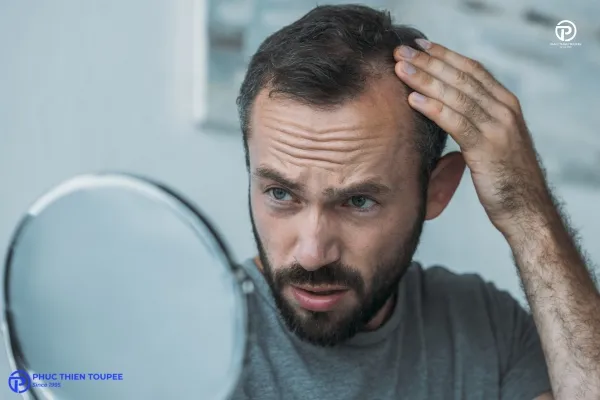
The Undeniable Link: How Diet Influences Hair Health
- Micronutrients: Essential Catalysts For Growth: Vitamins and minerals act as coenzymes and cofactors in numerous metabolic processes within the hair follicle, including cell division, protein synthesis, hormone regulation, and oxygen transport.
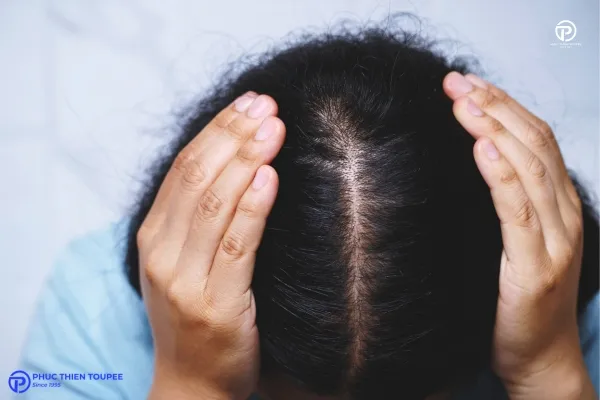
Essential Nutrients for Robust Hair Growth
Ensuring an adequate intake of specific vitamins and minerals is paramount for maintaining healthy hair follicles and promoting strong hair growth.
- Protein: The Keratin Cornerstone: Role: Hair is approximately 95% keratin, a structural protein.
- Iron: Oxygenating Your Follicles: Role: Iron is essential for producing hemoglobin, the protein in red blood cells that carries oxygen throughout the body, including to the hair follicles.
- Zinc: A Vital Mineral For Hair Tissue: Role: Zinc plays a crucial role in hair tissue growth and repair.
- Biotin (Vitamin B7): The Popular Hair Vitamin: Role: Biotin is a B vitamin often marketed for hair growth.
- Vitamin C: Antioxidant And Collagen Booster: Role: Vitamin C is a powerful antioxidant that helps protect hair follicles from damage caused by free radicals (oxidative stress).
- Vitamin E: Scalp Circulation And Protection: Role: Vitamin E is another potent antioxidant (specifically alpha-tocopherol) that helps combat oxidative stress on the scalp and in the follicles.
- Omega-3 Fatty Acids: Reducing Inflammation: Role: Omega-3 fatty acids (EPA and DHA) are essential fats with powerful anti-inflammatory properties.
- Other B Vitamins (Niacin, Pantothenic Acid): Niacin (B3): Plays a role in energy metabolism and maintaining the structure of blood cells, potentially aiding circulation to the scalp.
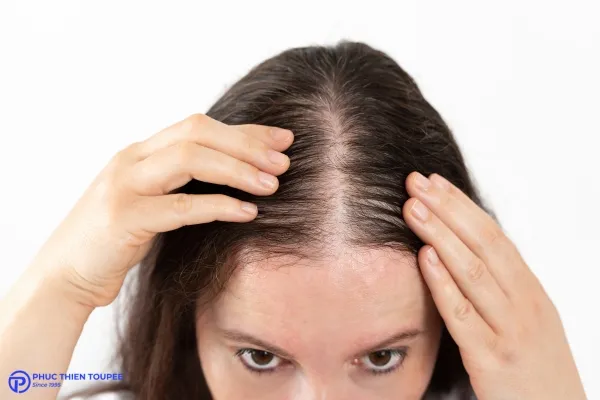
Building Your Hair Healthy Plate
- Nuts And Seeds: Nutrient Dense Powerhouses: Why: Offer a mix of protein, healthy fats, zinc, vitamin E, biotin, and omega-3s (walnuts, flax, chia).
- Eggs: A Biotin And Protein Source: Why: Excellent source of high-quality protein and biotin, plus zinc and selenium.
- Avocados: Healthy Fats And Vitamin E: Why: Provide healthy monounsaturated fats, vitamin E (antioxidant), and B vitamins.

Dietary Pitfalls To Avoid For Hair Health
- Potential Impact Of Certain Fish (High Mercury): What: While fatty fish are beneficial, some larger predatory fish accumulate high levels of mercury.
- Nutrient Poor Processed Foods: What: Highly processed foods, fast food, and convenience meals are often low in essential vitamins, minerals, and fiber but high in unhealthy fats, sugar, and sodium.
- Extreme Calorie Restriction And Crash Diets: What: Very low-calorie diets or rapid weight loss plans.
- Alcohol In Excess And Nutrient Absorption: Potential Impact: Alcohol can interfere with the absorption of essential nutrients like zinc, folic acid, and protein.
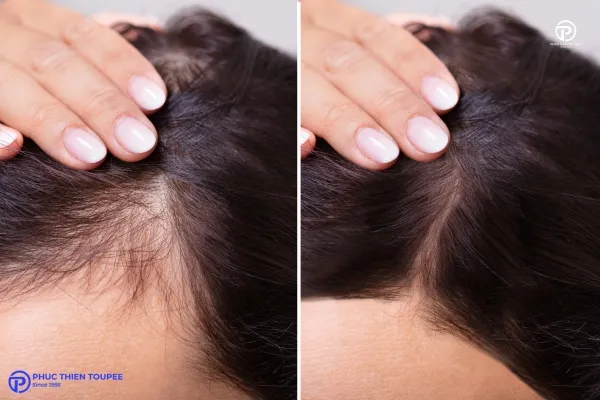
Designing Your Personalized Hair Diet
- Step 1: Assess Your Current Diet: Action: Keep a food diary for a week.
- Step 2: Identify Potential Deficiencies (Consultation Advised): Action: Review your food diary against the key hair nutrients.
- Step 3: Incorporate Hair Healthy Foods Systematically: Action: Gradually add nutrient-dense foods identified in Section 4.
- Step 4: Consider Specific Dietary Patterns: Mediterranean Diet: Rich in fruits, vegetables, whole grains, legumes, nuts, seeds, olive oil, and fish.
- Step 5: Hydration Is Key: Action: Drink plenty of water throughout the day.
- Step 6: Patience And Consistency Are Crucial: Action: Stick with your dietary changes consistently.
- Special Considerations For Women: Iron: Premenopausal women have higher iron needs and are at greater risk for deficiency due to menstruation.

Complementary Approaches To Hair Wellness
- Stress Management Techniques: Impact: Chronic stress is a known trigger for telogen effluvium and can exacerbate other hair loss conditions.
Other B Vitamins (Niacin, Pantothenic Acid)
| Nutrient | Key Role in Hair Health | Excellent Dietary Sources | RDA/AI (Adults, General) |
| Protein | Keratin building block, structural integrity | Lean meat, fish, eggs, dairy, legumes, tofu, nuts, seeds | 0.8 g/kg body weight |
| Iron | Oxygen transport to follicles, cell energy | Red meat, poultry, fish, lentils, spinach, fortified cereals | M: 8mg, W(premeno): 18mg |
| Zinc | Follicle repair, growth, oil gland function | Oysters, beef, pumpkin seeds, chickpeas, lentils, cashews | M: 11mg, W: 8mg |
| Biotin (B7) | Metabolism, potential keratin support | Eggs, salmon, pork, nuts, seeds, sweet potato, avocado | 30 mcg (AI) |
| Vitamin C | Antioxidant, collagen synthesis, iron absorption | Citrus, berries, bell peppers, kiwi, broccoli, tomatoes | M: 90mg, W: 75mg |
| Vitamin D | Follicle cycling, immune function | Fatty fish, fortified milk/juice/cereals, egg yolks, sunlight | 600-800 IU (15-20 mcg) |
| Vitamin E | Antioxidant, scalp circulation | Nuts, seeds, spinach, broccoli, avocado, vegetable oils | 15 mg (22.4 IU) |
| Omega-3 FAs | Anti-inflammatory, scalp health | Fatty fish, flaxseeds, chia seeds, walnuts | M: 1.6g, W: 1.1g (AI) |