
- 16/06/2025
- Posted by: phucthien
- Categories: Blog, Hair Loss & Hairpiece Options
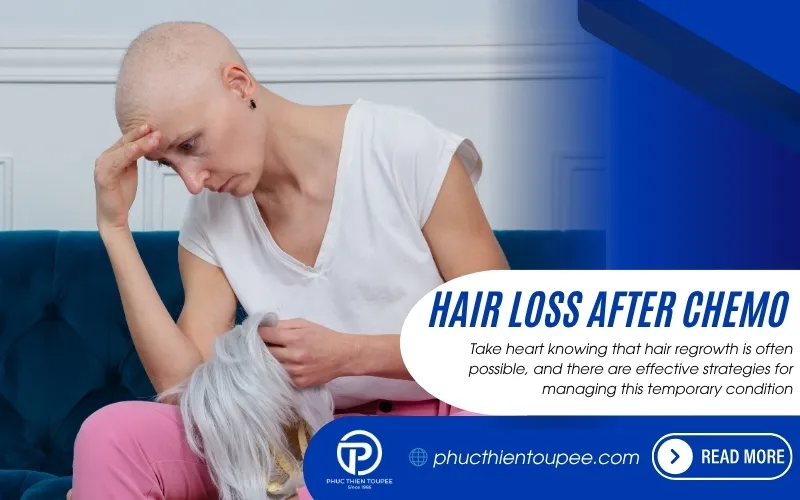
Hair Loss After Chemo: Regrowth Tips & Management
Hair loss after chemo treatment can be a challenging side effect, impacting self-esteem and overall well-being.
Understanding Hair Loss After Chemotherapy
Chemotherapy involves powerful medications designed to target and eliminate rapidly dividing cancer cells. Unfortunately, these drugs cannot always distinguish between cancerous cells and other healthy, rapidly dividing cells in the body.
- Why Does Chemotherapy Cause Hair Loss?: Targeting Rapid Cell Division: The primary mechanism of many chemotherapy drugs is to disrupt the process of cell division (mitosis).
- When Does Hair Loss Typically Start?: Hair loss, or alopecia, related to chemotherapy usually does not begin immediately. Onset: Most individuals start noticing hair thinning or shedding approximately 2 to 4 weeks after their first chemotherapy infusion.
- Is Chemo Hair Loss Always Temporary?: For the vast majority of individuals, hair loss from chemotherapy is temporary. Regrowth Begins: Noticeable regrowth often starts within 3 to 6 weeks after the final chemotherapy session.

9 Essential Tips for Encouraging Hair Regrowth After Chemo
Witnessing hair regrowth after chemotherapy is a significant milestone in recovery.
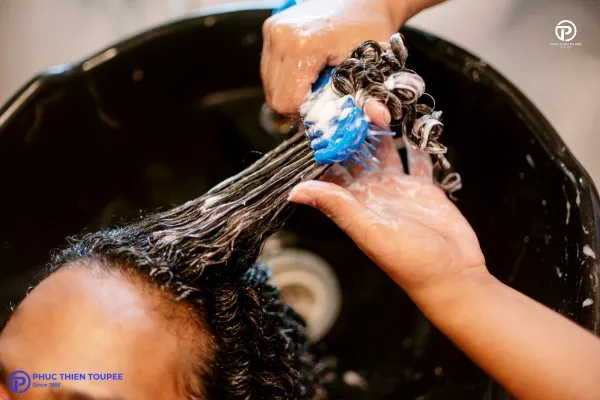
- 1. Practice Gentle Scalp Care: Your scalp may be sensitive after chemotherapy and during the initial stages of regrowth.
- 2. Nourish Your Body for Hair Health: Protein: Hair is primarily made of protein (keratin).
- 3. Consider Scalp Cooling (Cold Caps): Scalp cooling is a preventive measure used during chemotherapy infusions to potentially reduce hair loss.
- 4. Avoid Harsh Hair Treatments Initially: New hair growth is delicate and more prone to damage. Chemical Processes: Wait several months (consult your hairdresser or dermatologist, but often 6+ months is advised) before considering chemical treatments like permanent dyes, highlights, perms, or chemical straighteners.
- 5. Discuss Supplements Wisely with Your Doctor: While good nutrition is key, some people consider supplements.
- 6. Explore Prescription Treatments (If Needed and Advised): Minoxidil (Rogaine): This topical medication is FDA-approved for androgenetic alopecia (pattern baldness) but is sometimes used off-label to potentially speed up hair regrowth after chemotherapy.
- 7. Cultivate Patience and a Positive Mindset: Stress and anxiety can negatively impact overall health, potentially including hair growth cycles (though the primary driver post-chemo is follicle recovery).
- 8. Protect Your Scalp from the Elements: Sun Protection: Your scalp can easily get sunburned.
- 9. Consult a Dermatologist or Trichologist: Dermatologist: A physician specializing in skin, hair, and nail conditions.
Managing Hair Loss During Chemotherapy Treatment
While anticipating regrowth is hopeful, managing the period of active hair loss during chemotherapy requires practical strategies and emotional preparation.
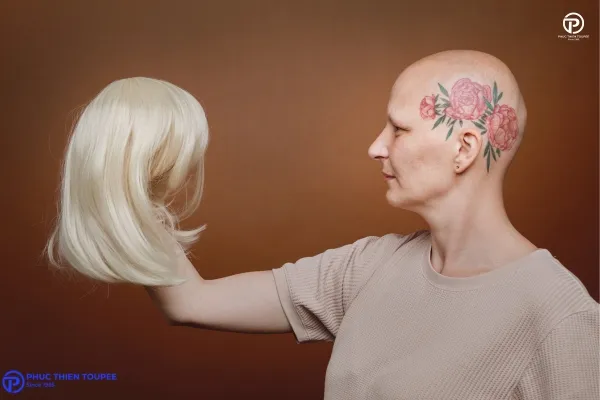
- Choosing and Using Wigs: Wigs are a popular choice for managing chemo-induced hair loss, offering a way to maintain a consistent appearance.
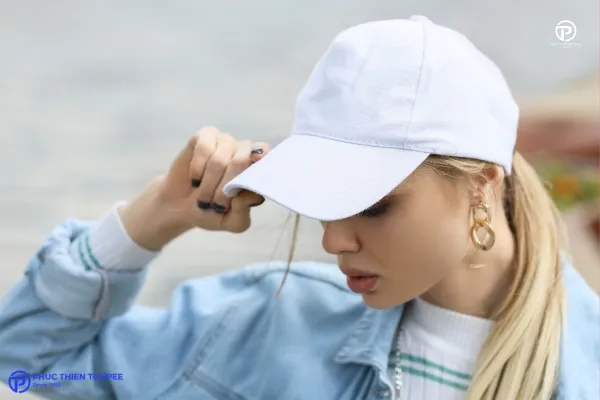
- Exploring Head Coverings: Many people prefer or alternate with head coverings like scarves, hats, and turbans.
- Embracing Baldness with Confidence: Some individuals choose not to cover their heads, embracing baldness as a statement of strength or simply preferring the comfort. Confidence is Key: Owning the look can be incredibly empowering.
- Managing Eyebrow and Eyelash Loss: Chemotherapy can also cause thinning or loss of eyebrows and eyelashes, which significantly impacts facial appearance. Pencils and Powders: Use eyebrow pencils or powders that match your original hair color (or slightly lighter) to fill in or redraw brows. Microblading/Permanent Makeup: Consider these options before starting chemo, as they should not be done during treatment or shortly after due to infection risk and healing concerns.
- Preparing Emotionally and Practically: Consider Cutting Hair Short: Some people find it less traumatic to cut their hair short before significant shedding begins.
Addressing Specific Concerns About Hair Regrowth
While the general timeline and process of hair regrowth after chemo are relatively predictable, individuals often have specific questions and concerns about the nuances of their returning hair. Addressing these common worries can provide further reassurance.
- Changes in Hair Texture: The “Chemo Curls” Phenomenon: One of the most frequently reported changes is altered hair texture. Why it Happens: Chemotherapy affects the cells in the hair follicle.
- Changes in Hair Color: Similar to texture, hair color may also change upon regrowth.
- Concerns About Permanent Hair Loss (PCIA): While most chemo-induced hair loss is temporary, the possibility of Permanent Chemotherapy-Induced Alopecia (PCIA) is a valid concern, although relatively rare. Definition: PCIA is defined as incomplete or absent hair regrowth six months after the completion of chemotherapy. Management: If regrowth is minimal or absent 6 months post-chemo, consult a dermatologist.
- Regrowth Differences Across Ethnicities: Hair structure and growth patterns can vary among different ethnic groups (e.g., Caucasian, Asian, African). Addressing these specific concerns helps set realistic expectations and provides targeted management strategies, empowering individuals as they navigate the unique journey of hair regrowth after chemotherapy.

Phuc Thien Toupee: Your Partner in Hair Restoration and Confidence
Navigating hair loss during and after chemotherapy is a deeply personal journey, and having the right support and solutions makes a significant difference. At Phuc Thien Toupee (or Phuc Thien), we specialize in providing high-quality, natural-looking hair replacement solutions and compassionate expertise to help you feel like yourself again. Secure yet gentle fitting mechanisms ensure confidence without irritation.