

- 02/06/2025
- Posted by: phucthien
- Category: Blog
Custom ventilation patterns offer a tailored approach to hair systems, ensuring a natural look and comfortable fit that’s uniquely yours. At Phuc Thien Toupee, we craft bespoke ventilation strategies to match your individual hair characteristics and lifestyle, providing a seamless and confident solution for hair loss. Embrace the artistry of personalized hair integration with customized hair weaving, advanced knotting techniques, and bespoke hair integration.
Understanding the Core: What is Hair System Ventilation?
Hair system ventilation is the meticulous process of attaching individual hair strands or small groups of hair strands to the base material of a hair system, toupee, or hairpiece. It is arguably the most critical element influencing how natural, comfortable, and durable the final product will be. Think of the base as the ‘scalp’ of the hair system; ventilation is how the ‘hair’ grows out of that scalp.
Why Ventilation Pattern Choice is Paramount
Selecting an appropriate ventilation pattern is not just about aesthetics; it is about achieving a harmonious balance between realism, longevity, and wearability. An unsuitable pattern can lead to a less-than-ideal appearance, premature shedding, or discomfort.
Key Impacts of Ventilation Choice:
- Natural Hairline: The front hairline is the most exposed area. Ventilation techniques like single knotting or V-looping are often preferred here for their subtle, undetectable appearance, mimicking how natural hair emerges from the scalp.
- Parting and Crown: The way hair parts or swirls at the crown depends heavily on the ventilation direction and technique used in these areas. Freestyle ventilation offers versatility, while specific part lines require precise directional knotting or looping.
- Overall Density and Look: Different patterns support different hair densities. Lighter densities often benefit from finer techniques, while higher densities might utilize stronger methods for support and longevity.
- Comfort and Scalp Health: Some ventilation methods, particularly on certain base materials like lace, allow for better airflow, enhancing scalp comfort, especially in warmer climates or during physical activity. Techniques like V-looping on poly bases create a very smooth surface against the scalp.
- Durability and Maintenance: Stronger knots (like double knots) generally lead to less shedding over time but may be more visible. Finer knots or knotless methods look more natural but might require more gentle handling and maintenance.
Understanding these implications allows you, in consultation with experts like Phuc Thien, to make an informed decision that aligns perfectly with your expectations.

Breathable comfort: Explore advanced Custom Hair System Ventilation for your system
Factors Influencing Your Ventilation Pattern Selection
Choosing the optimal custom hair system ventilation pattern involves considering several interconnected factors. It is a personalized decision, and what works best for one individual might not be ideal for another. Phuc Thien Toupee helps clients weigh these elements:
| Factor | Consideration | Impact on Ventilation Choice |
| Base Material | The type of foundation (Lace, Polyurethane/Skin, Monofilament, Hybrid) used for the hair system. | Dictates feasible techniques. E.g., V-looping/Injection requires poly bases. Knotting works on lace, mono, and some poly types. Lace allows smaller knots. |
| Desired Hairstyle | How you intend to wear your hair (e.g., brushed back, specific part, high volume, flat). | Influences necessary hair direction, lift at the root, and hairline requirements. Brush-back styles demand highly natural front ventilation. |
| Lifestyle | Activity level (e.g., sedentary vs. highly active, swimming), climate you live in. | Impacts need for breathability (lace preferred for heat/activity) and durability (potentially favouring stronger knots for very active users). |
| Density Needed | The amount of hair required to match your existing hair or desired look (light, medium, heavy). | Lighter densities often use finer knots/loops for realism. Heavier densities may need stronger knots for support and longevity. |
| Budget | More intricate, time-consuming ventilation methods (like meticulous single knotting or specialized injection) generally increase the cost. | Simpler, faster methods like double knotting throughout might be more budget-friendly but compromise some realism. |
| Maintenance Tolerance | How much care and effort you are willing to put into maintaining the system. | Finer ventilation methods may require gentler handling and washing to minimize shedding compared to robust double knots. |
A thorough consultation at Phuc Thien involves discussing all these aspects to recommend the ventilation strategy that best suits your unique profile.
🔍 Looking for a specific size, base, or hair color? Order a fully personalized toupee now!
The 4 Core Custom Hair System Ventilation Patterns Explored
While numerous subtle variations exist, most custom hair system ventilation techniques fall into four primary categories. Understanding these forms the basis for creating a truly personalized hair system. Phuc Thien Toupee expertly utilizes and combines these methods.
1. Single Knotting (Including Single Split Knot)
Single knotting is often considered the gold standard for achieving the most natural appearance, especially in highly visible areas.
Description: In this technique, only one or sometimes two hair strands are tied to the base material using a single, tiny knot. The ‘split’ variation involves splitting the knot to make it even smaller and lie flatter. These knots are significantly less perceptible than other types.
How It Is Done: A technician meticulously uses a ventilating needle to loop a single hair strand (or two) through the base mesh (typically lace or fine mono) and secures it with one knot. For split knots, the knot is strategically tied to splay slightly, reducing its vertical profile.
Pros:
- Exceptional Naturalness: Creates the most realistic illusion of hair growing directly from the scalp due to the tiny, almost invisible knots.
- Ideal for Hairlines: Perfect for the front hairline where detectability is most critical.
- Good Hair Movement: Allows hair strands more individual freedom of movement.
Cons:
- Lower Durability: Single knots are less secure than double knots and are more prone to loosening and shedding over time, especially with vigorous washing or styling.
- Time-Consuming & Costly: The meticulous nature makes it labor-intensive, increasing the production time and cost of the hair system.
- May Require Sealers: Knot sealers are often recommended to enhance longevity, adding a maintenance step.
Best Suited For:
- Front hairlines of lace or fine monofilament systems.
- Very light density areas.
- Individuals prioritizing ultimate realism over maximum durability.
- Systems where the hair is worn brushed back, exposing the hairline.
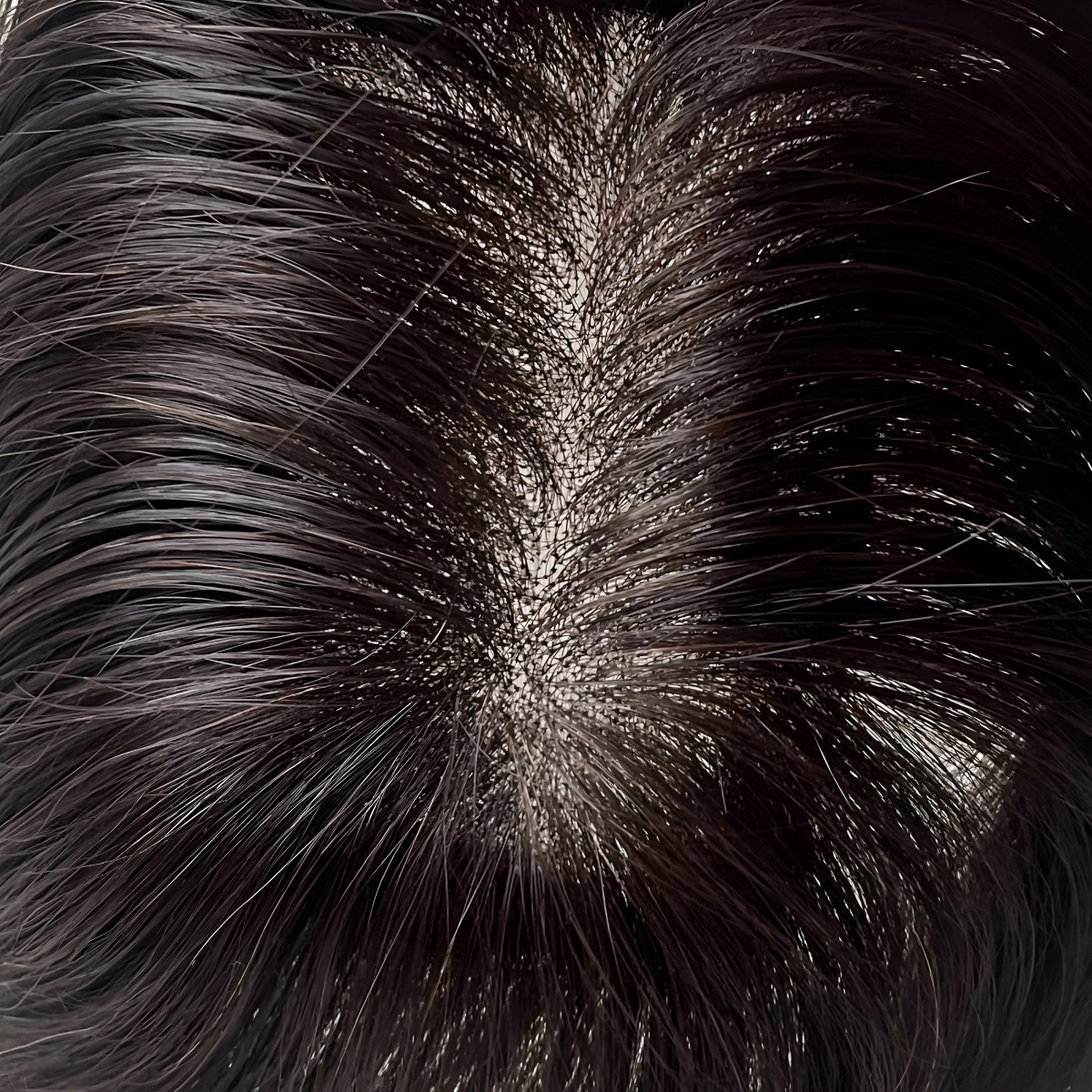
2. Double Knotting (Including Double Split Knot)
Double knotting is the workhorse of hair system ventilation, balancing durability with acceptable aesthetics for many applications.
Description: This method involves tying two or more hair strands to the base material using a double knot. This creates a stronger, more secure attachment point compared to single knots. The ‘double split knot’ functions similarly to the single split knot, aiming to make the larger double knot lie flatter.
How It Is Done: Similar to single knotting, but the technician loops the hair through the base and ties it twice. This creates a more substantial knot.
Pros:
- Enhanced Durability: Significantly more resistant to shedding than single knots, leading to a longer lifespan for the system under normal wear and tear.
- Faster Production: Less time-consuming than single knotting, which can translate to a slightly lower cost and quicker turnaround time.
- Good for Higher Densities: Provides stronger support for areas requiring medium to heavy hair density.
Cons:
- More Visible Knots: The double knots are larger and potentially more detectable upon close inspection, especially on lighter-colored bases or with darker hair. Bleaching the knots can mitigate this but adds another process and potential for weakening the hair.
- Less Natural Hairline Appearance: Generally not ideal for the very front edge of the hairline if maximum undetectability is the goal.
- Slightly Stiffer Hair Movement: The stronger knot can slightly restrict the individual movement of hair strands at the root compared to single knots.
Best Suited For:
- The main body, back, and sides of a hair system where ultimate knot invisibility is less critical than durability.
- Monofilament bases and some lace or poly edge systems.
- Individuals prioritizing longevity and lower maintenance over the absolute finest hairline detail.
- Medium to heavy density requirements.
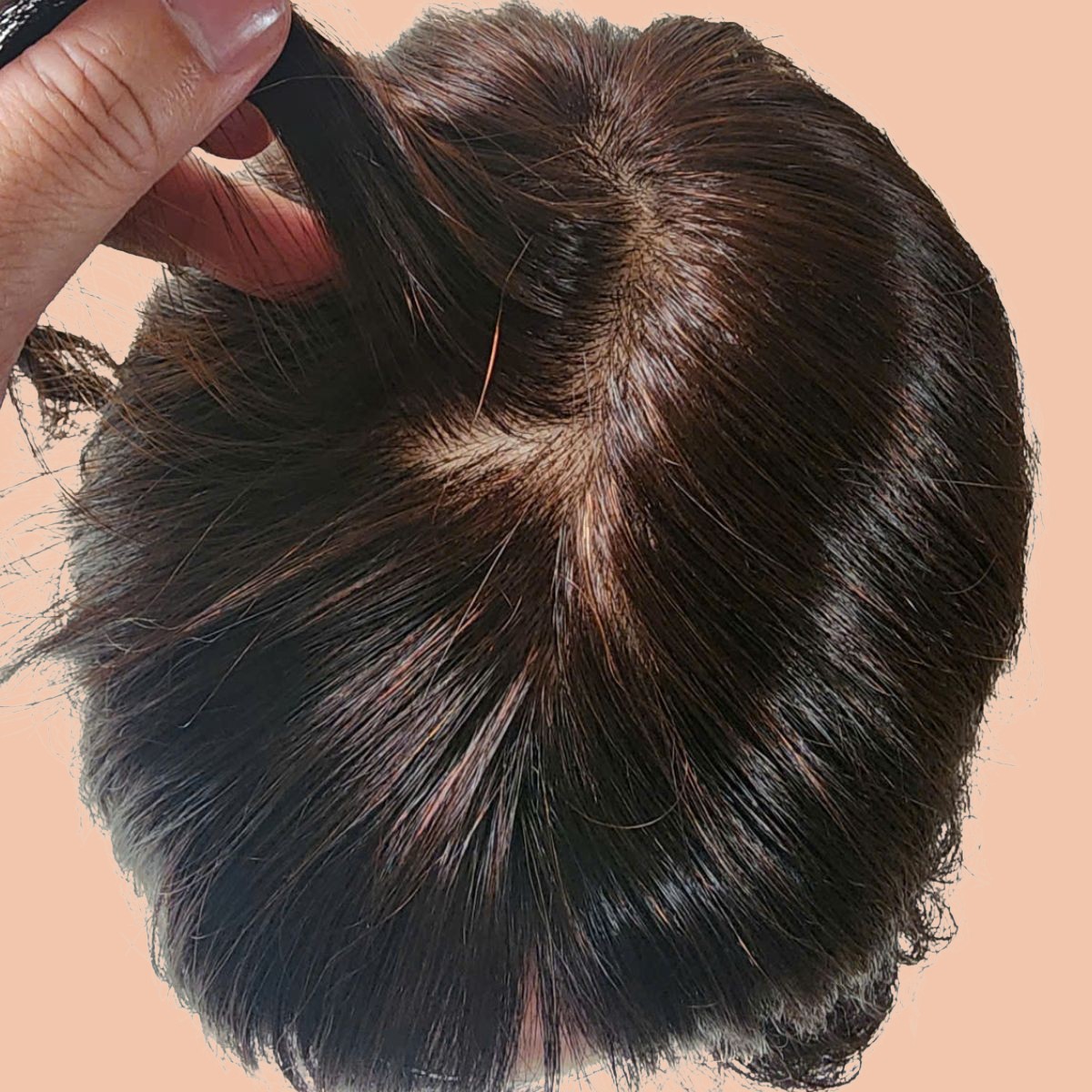
3. V-Looped Ventilation (Injection / Knotless)
V-Looping represents a significant departure from traditional knotting, offering a unique aesthetic, particularly on polyurethane (poly) or ‘skin’ bases.
Description: Instead of tying knots, hair strands are injected or looped into and then back out of a thin polyurethane base material, forming a ‘V’ shape underneath. There are no visible knots on the top surface, creating the appearance of hair emerging directly from the scalp.
How It Is Done: A specialized tool pushes a loop of hair through the poly base from the underside. The hair is then angled and sealed within the poly material or simply held by the tension of the loop within the thin membrane. No tying is involved on the surface.
Pros:
- Extremely Natural Appearance: Hair appears to grow directly from the ‘scalp’ (the poly base) with no visible knots. Excellent scalp simulation.
- Flat Lying Hair: The hair tends to lie flatter at the root due to the looping method, which can be desirable for certain styles.
- Smooth Base: Creates a very smooth surface against the wearer’s scalp.
Cons:
- Base Material Limitation: Only feasible on polyurethane (thin skin) bases. Cannot be done on traditional lace or monofilament materials.
- Less Hair Direction Flexibility Initially: Hair direction is largely set during manufacturing and may have less ‘lift’ or styling versatility compared to knotted hair, although this depends on the specific looping angle.
- Potential Durability Concerns: While secure when new, the hair is not knotted. Over time, with wear, washing, and potential stretching of the poly base, shedding can sometimes occur more readily than with well-tied double knots, although manufacturing quality varies greatly. Requires careful handling.
Best Suited For:
- Full thin skin (polyurethane) base systems.
- The poly perimeter areas of combination base systems (e.g., lace front with poly sides/back).
- Individuals seeking the most realistic scalp appearance possible and wearing compatible base types.
- Styles where flat-lying hair at the root is preferred.
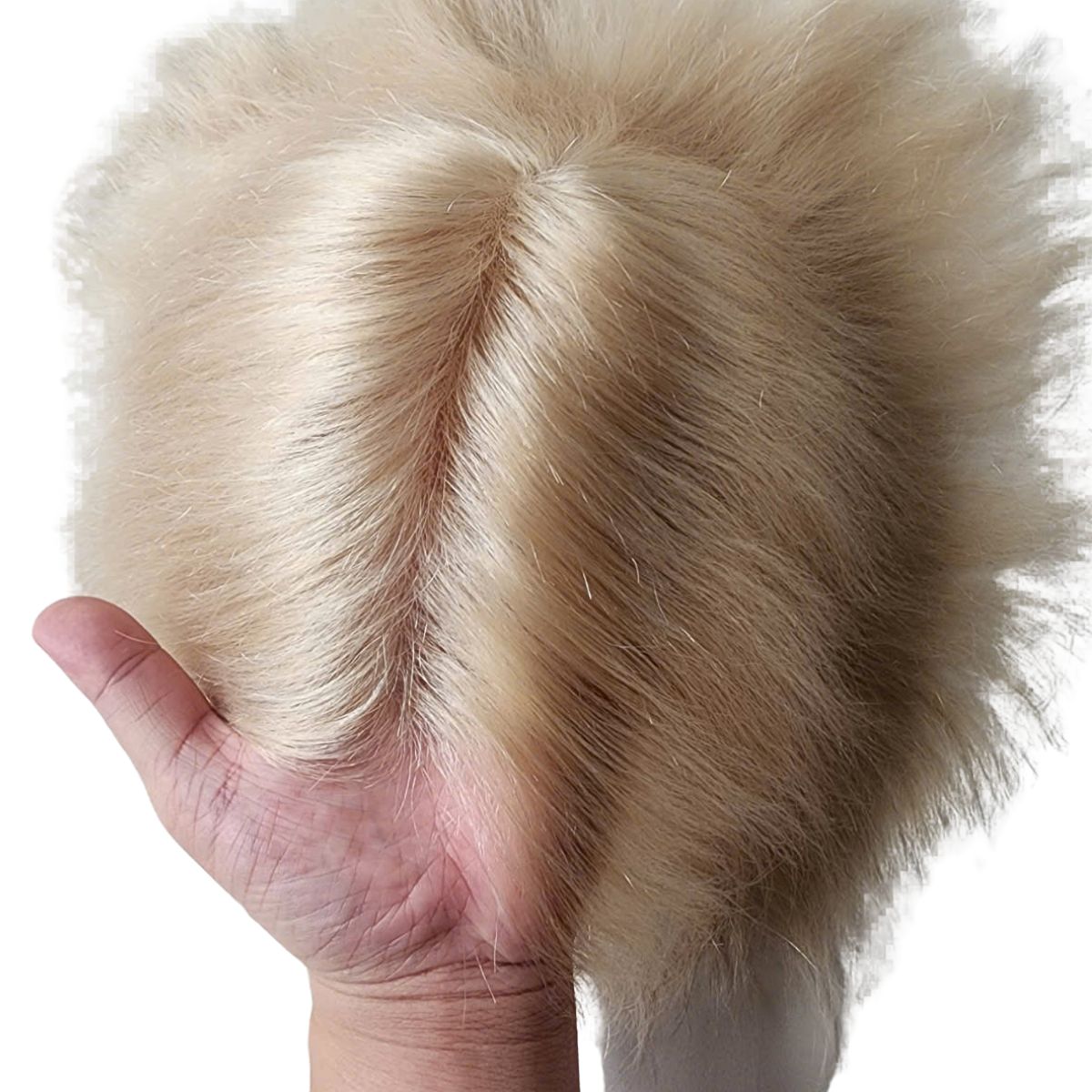
4. Lifted Injection Ventilation
Lifted injection is a specialized variation of knotless ventilation, designed specifically to introduce more volume and lift at the root.
Description: Similar to V-looping, hair is injected into a polyurethane base without knots. However, the key difference lies in the angle of injection. The hair is injected at a more perpendicular or acute angle relative to the base surface, encouraging the hair to stand up slightly rather than lying flat.
How It Is Done: Using specialized tools and techniques, technicians inject hair strands or small groups into the poly base at a pre-determined angle designed to create lift. The hair is secured within the poly material itself.
Pros:
- Natural Lift and Volume: Creates excellent volume right at the root, mimicking natural hair growth patterns that often have some lift. Ideal for styles requiring body.
- Knotless Appearance: Like V-looping, offers a realistic scalp look with no visible knots.
- Good for Specific Styles: Works well for pompadours, spiked styles, or any look needing root volume.
Cons:
- Base Material Limitation: Restricted to polyurethane bases, similar to V-looping.
- Technique Sensitivity: Requires significant skill to achieve consistent angle and lift without compromising hair security or damaging the base.
- Potential Durability: Similar considerations to V-looping regarding long-term shedding compared to knotted methods, highly dependent on manufacturing quality. May require gentle handling.
- Can Feel Slightly Less Smooth: Depending on the injection angle and density, the underside might feel slightly less smooth than flat V-looping.
Best Suited For:
- Full polyurethane base systems where volume is desired.
- Specific areas of a poly system needing lift, such as the front or crown.
- Clients seeking styles with significant root volume and a realistic scalp appearance.

Advanced Customization: Beyond the Basic Patterns
The true artistry of custom hair systems lies not just in choosing one ventilation pattern, but often in strategically combining them and tailoring them to specific areas and needs. Phuc Thien Toupee excels in these advanced customization techniques.
Combining Patterns for Optimal Results
Very few high-quality custom hair systems rely solely on a single ventilation method throughout the entire unit. Combining techniques allows for leveraging the strengths of each pattern where it is most needed.
Common Combination Strategies:
- Lace Front / Poly Perimeter / Mono Top:
- Hairline (Lace): Single split knots for ultimate undetectability.
- Top (Mono): Double knots for durability and supporting density.
- Perimeter (Poly): V-looping for a flat edge and easy tape/adhesive cleanup, or single knots if the poly edge is folded.
- Full Lace System:
- Hairline: Single split knots (first 1/4 to 1/2 inch).
- Front/Top: Single knots or light double knots for naturalness and movement.
- Back/Sides: Double knots for increased durability.
- Thin Skin (Poly) System:
- Hairline/Front: Standard V-looping for realism, potentially with finer hair strands.
- Crown/Body: Lifted injection for volume, or standard V-looping with slightly higher density.
Benefits of Combining:
- Maximizes Naturalness: Uses the most undetectable methods in critical areas (hairline).
- Enhances Durability: Employs stronger methods where stress is higher or visibility is lower.
- Improves Comfort & Fit: Leverages base materials suited for specific areas (e.g., breathable lace top, easy-to-clean poly perimeter).
- Cost-Effective: Balances labor-intensive techniques with faster methods.
Phuc Thien consultations always explore these combination possibilities to create a truly bespoke solution.
🎨 Your style, your hair — we make it exactly how you want.
Graduated Density and Ventilation
Natural hair is rarely uniform in density across the entire scalp. It is typically finer and less dense at the hairline, gradually increasing towards the crown and back. High-quality custom hair systems replicate this.
How It Is Achieved:
- Varying Hair Strands: Using finer hair strands (sometimes even baby hairs) at the very front edge.
- Adjusting Ventilation Density: Placing knots or loops further apart at the hairline and gradually closer together further back.
- Transitioning Techniques: Moving from single knots at the hairline to double knots further back supports this density increase naturally.
A graduated approach is essential for a seamless blend with existing hair and avoids an unnatural ‘wiggy’ appearance. Phuc Thien Toupee meticulously implements graduated density tailored to each client’s specific hair loss pattern and desired look.

Specific Area Considerations: Tailoring Ventilation
Different areas of the scalp have unique requirements impacting the ideal ventilation choice:
- Front Hairline: This is the most critical zone for realism. Requires the finest, most undetectable ventilation possible. Single split knots, fine V-looping (on poly), or sometimes micro-knots are preferred. Graduated density is crucial here. Knot bleaching is almost always essential for knotted hairlines.
- Parting Line: Whether a defined left, right, or center part, or a freestyle crown, ventilation direction is key. Knots or loops must be angled precisely to allow the hair to fall naturally into the desired part. Techniques like split knots or V-looping can create very flat, natural-looking part lines.
- Crown: Natural crowns often have a swirl or whorl pattern. Ventilation must replicate this directional change. Lifted injection can be useful here on poly bases to create natural lift in the crown area. Double knots are often suitable for durability in this less visible, higher-density area.
- Temples: Often areas of recession, requiring fine ventilation (like single knots) and careful density graduation to blend seamlessly with any existing temple hair.
Phuc Thien’s technicians possess the expertise to address the unique challenges of each scalp zone.
Ventilation Direction: Guiding the Style
Beyond the attachment method, the direction in which the hair is ventilated is fundamental to how the system will style and behave.
Common Directional Options:
- Freestyle: Hair is ventilated with no single predominant direction, allowing maximum styling versatility. You can part it anywhere, brush it back, etc. Often achieved with knots angled slightly forward but without a defined bias.
- Left/Right/Center Part: Hair is ventilated with a clear directional bias away from the specified parting line. Creates a very defined part.
- Brush Back: Hair is ventilated angled backward from the hairline. Essential for slicked-back or pompadour styles. Requires excellent hairline ventilation.
- Forward Angle: Sometimes used for specific fringe styles.
The chosen ventilation direction must align with the client’s primary desired hairstyle. While freestyle offers flexibility, a defined part can look very sharp and natural if consistently worn that way. Phuc Thien Toupee ensures the ventilation direction perfectly supports your styling preferences.
✂️ Be unique — create your custom-made toupee today!
Choosing the Right Custom Ventilation Pattern for You
Navigating the options can seem complex, but a systematic approach, guided by expert advice, makes the process manageable and rewarding. The goal is to find the intersection of your needs, preferences, and the technical possibilities.
Step 1: Assess Your Personal Needs and Preferences
Before diving into technical specifics, consider your own priorities:
- What is most important to you?
- Ultimate naturalness, especially the hairline? (Suggests single knots, V-looping)
- Maximum durability and longevity? (Suggests double knots)
- Volume and lift? (Suggests lifted injection, potentially double knots)
- Ease of maintenance? (Double knots might be slightly more forgiving)
- Scalp comfort and breathability? (Lace bases with knots often excel here)
- What is your lifestyle like?
- Very active, frequent sweating? (Breathable base like lace might be key)
- Frequent swimmer? (Secure attachment and durable ventilation are important)
- Exposed to close scrutiny often? (Prioritize hairline realism)
- What is your desired hairstyle?
- Brushed back exposing the hairline? (Single knots/V-looping essential at front)
- Specific defined part? (Directional ventilation needed)
- High volume style? (Lifted injection or appropriate knotting needed)
- What is your budget? Be realistic about how different levels of customization impact cost.
- How much time/effort are you willing to dedicate to maintenance? Finer knots/loops may require more gentle care.
Answering these questions honestly provides a strong foundation for your consultation with Phuc Thien.
Step 2: Understand the Role of Base Material
The base material and ventilation technique are intrinsically linked. You cannot choose them entirely independently.
- Lace Bases (French Lace, Swiss Lace):
- Pros: Highly breathable, comfortable, allows for very small knots (single/double), excellent for natural hairlines.
- Cons: Can be delicate (especially Swiss Lace), knots may be visible without bleaching, requires adhesive/tape application directly on the lace mesh.
- Typical Ventilation: Single knots (hairline), Double knots (body), combinations.
- Polyurethane Bases (Thin Skin, Skin):
- Pros: Creates realistic scalp appearance, easy to clean adhesives off, can use knotless methods (V-loop, injection).
- Cons: Not breathable (can get hot/sweaty), can tear if too thin or handled roughly, potential for shine on some types.
- Typical Ventilation: V-looping, Lifted Injection, sometimes single/double knots (especially on thicker poly or poly-coated perimeters).
- Monofilament Bases (Fine Mono, Welded Mono):
- Pros: Durable, provides good support for hair density.
- Cons: Can be less breathable than lace, can feel slightly stiffer, knots are more visible than on lace (bleaching needed).
- Typical Ventilation: Double knots primarily, sometimes single knots at the very front edge if combined with lace.
- Hybrid Bases: Combine materials (e.g., Lace front, mono top, poly perimeter). Aim to leverage the best properties of each. Ventilation choice will vary by section as described earlier.
Phuc Thien Toupee offers all these base types and will explain which ventilation methods are compatible and optimal for each.
Step 3: The Crucial Consultation with Phuc Thien Toupee
This is where everything comes together. An expert consultation is invaluable for making the right choice.
What to Expect During Your Phuc Thien Consultation:
- Discussion of Your Needs: We will revisit the questions from Step 1, listening carefully to your priorities, lifestyle, and desired look.
- Scalp Assessment: Examining your pattern of hair loss, scalp condition, and any existing hair helps determine density, base size/shape, and blending requirements.
- Presentation of Options: We will show you samples of different base materials and explain the ventilation techniques suitable for each, discussing the pros and cons in your specific context.
- Demonstration (Where Possible): Seeing examples of different knot types (bleached/unbleached), V-looping, and injection helps visualize the end result.
- Recommendation: Based on all the gathered information, we will provide a professional recommendation for the base type(s) and ventilation strategy (including combinations) that we believe will provide you with the best balance of naturalness, durability, comfort, and style suitability.
- Answering Your Questions: We encourage you to ask anything – no question is too small. We want you to feel fully informed and confident.
Questions to Ask Your Consultant:
- Based on my desire for [naturalness/durability/volume], which pattern(s) do you recommend for my hairline versus the rest of the system?
- How visible will the knots/attachment points be with the recommended method?
- Will the knots need bleaching? What are the pros/cons of bleaching?
- How will this ventilation choice impact styling versatility?
- What is the expected lifespan with this ventilation type, given my lifestyle?
- What specific maintenance is required for this ventilation method?
- Can you show me an example of [specific ventilation type] on [specific base type]?
Trusting the expertise of Phuc Thien Toupee ensures you receive a hair system optimized for you down to the finest detail of ventilation.
✨ A toupee shouldn’t just hide hair loss — make it a style statement!
Maintenance and Care: Protecting Your Investment
The longevity and appearance of your custom hair system depend significantly on proper care, and maintenance needs can vary slightly based on the ventilation pattern.
Tips for Longevity Based on Ventilation Type
- Single Knots:
- Handle Gently: Be extra careful during washing, conditioning, and styling. Avoid harsh pulling or brushing near the roots, especially when wet.
- Use Knot Sealers: Regularly applying a knot sealer (as recommended) to the underside of the base can help reinforce the knots and reduce shedding. Allow it to dry completely before wearing.
- Wash Less Frequently (If Possible): While hygiene is crucial, excessive washing can accelerate knot loosening. Use dry shampoo between washes if appropriate.
- Double Knots:
- More Robust: Generally more forgiving than single knots, but still treat with care.
- Knot Bleaching Care: If knots are bleached, they may be slightly weaker. Avoid harsh chemicals or excessive heat near the roots. Use color-safe shampoos/conditioners.
- Regular Conditioning: Keeps hair supple and reduces tangling, which can put stress on knots.
- V-Looped / Injection (Knotless):
- Avoid Excessive Heat: High heat near the base can potentially weaken the poly material or the bond holding the hair. Be cautious with hairdryers near the root.
- Gentle Detangling: Detangle carefully, starting from the ends and working towards the root, to avoid pulling hair out of the loops/injection points.
- Proper Adhesive Removal: Use appropriate solvents and techniques to remove adhesive/tape without excessively stretching or stressing the poly base, which could dislodge hairs over time.
- General Tips (All Types):
- Use Recommended Products: Stick to shampoos, conditioners, and styling products designed for hair systems or color-treated hair. Avoid harsh sulfates or alcohols.
- Pat Dry, Don’t Rub: Rubbing vigorously with a towel can cause tangling and stress attachments.
- Sleep Protection: Consider sleeping on a silk or satin pillowcase to reduce friction, or wearing a loose sleep cap.
- Store Properly: When not wearing, store the system on a mannequin head or stand to maintain its shape and prevent tangling.

Common Issues and How Ventilation Relates
- Shedding: Some initial shedding is normal (“transit shedding”). Excessive shedding later might indicate:
- Single Knots: May occur sooner due to the less secure knot; improved with sealers and gentle care.
- Double Knots: Less common, but can happen with rough handling or if knots weren’t tied securely during manufacturing.
- V-Loop/Injection: Can occur if the base stretches, the bond weakens, or due to rough handling.
- Tangling: While often related to hair quality or dryness, tangling near the roots can sometimes be exacerbated by:
- Larger Knots (Double): Hair can sometimes catch on adjacent knots if not conditioned properly.
- Incorrect Ventilation Direction: If hair is forced against its natural ventilated direction, it can cause tangles at the base.
Following Phuc Thien Toupee’s care instructions tailored to your specific system is the best way to maximize its lifespan and appearance.
Design your fit: Discover Custom Base Design Options and how Custom Hair Texture impacts Custom System Longevity
Conclusion: Custom Ventilation Patterns Hair System
Mastering the four core custom hair system ventilation patterns—Single Knotting, Double Knotting, V-Looping, and Lifted Injection—is essential for achieving a natural, undetectable look, enhanced durability, comfort, and versatile styling.
The best results come from combining techniques based on your unique needs, lifestyle, and base type. Consulting with professionals like Phuc Thien Toupee ensures a personalized approach, delivering realism and confidence. For expert guidance and the perfect ventilation match, reach out for a consultation and begin your seamless hair restoration journey.
Phuc Thien Toupee Co., Ltd
Design Brand: Royal Hair Vietnam
Office Address:
🏢 Room A909, Decapella Building, 116 Luong Dinh Cua Street, An Khanh Ward, Thu Duc City, Ho Chi Minh City 700000, Vietnam
Factory Address:
🏭 No. 26/9, Street 57, Thuong Hamlet, Tan Thong Hoi Ward, Cu Chi District, Ho Chi Minh City 700000, Vietnam
Email: ✉️ phucthientoupeevn@gmail.com
Phone / WhatsApp: 📞 +84 933 901 196
Websites: 🌐 phucthientoupee.com – 🌐 royalhair.shop



