

- 17/05/2025
- Posted by: phucthien
- Categories: Base Materials & Construction, Blog, Custom Hair Systems
No Comments
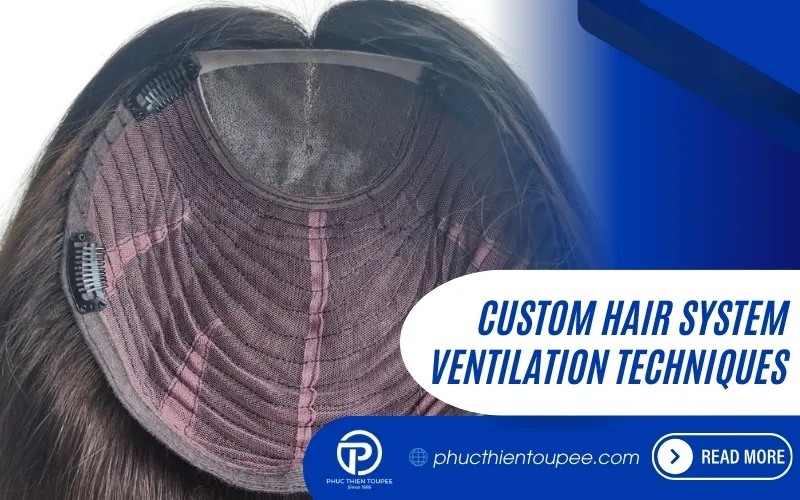
4 Custom Hair System Ventilation Techniques
Custom hair system ventilation is the art of creating incredibly natural-looking hairlines and hair movement.
Understanding Custom Hair System Ventilation
- What is Custom Hair System Ventilation?: Custom hair system ventilation involves attaching individual hair strands to the base material of a hairpiece, such as lace or polyurethane, simulating the natural growth pattern of hair from the scalp.
- Why Choose Custom Ventilation?: Opting for custom ventilation offers numerous advantages over mass-produced hair systems. Personalization: Tailored to your specific hair density, color, and style preferences.
- The Science Behind Natural Hair Movement: The key to successful hair system ventilation lies in understanding the natural movement of hair. A study by the International Journal of Cosmetic Science highlighted the importance of varied hair angles and densities to replicate natural hair flow.

Four Key Custom Hair System Ventilation Techniques
- Overview: Single knot ventilation is one of the most common techniques used for creating a natural hairline on lace-based hair systems.
- Benefits: Invisibility: Creates the most undetectable hairline, perfect for exposed hairlines.
- How it Works: Preparation: The lace base is stretched taut and secured to a ventilation frame.
- Overview: Double knot ventilation involves tying each hair strand to the base with two knots.
- Benefits: Durability: Provides a stronger attachment, extending the lifespan of the hair system.
- How it Works: Preparation: The base material is prepared and secured.
- Overview: Split knot ventilation, also known as V-looping, is a technique where the hair strand is looped through the base material and secured without any visible knots.
- Benefits: Seamless Appearance: No visible knots, creating the most natural look on skin bases.
- How it Works: Preparation: The polyurethane base is prepared and secured.
- Overview: Injected ventilation involves injecting hair strands directly into a polyurethane base, creating a flat and seamless surface.
- Benefits: Flat and Seamless: Creates a smooth and undetectable surface.
- How it Works: Injection: A specialized needle is used to inject hair strands directly into the polyurethane.
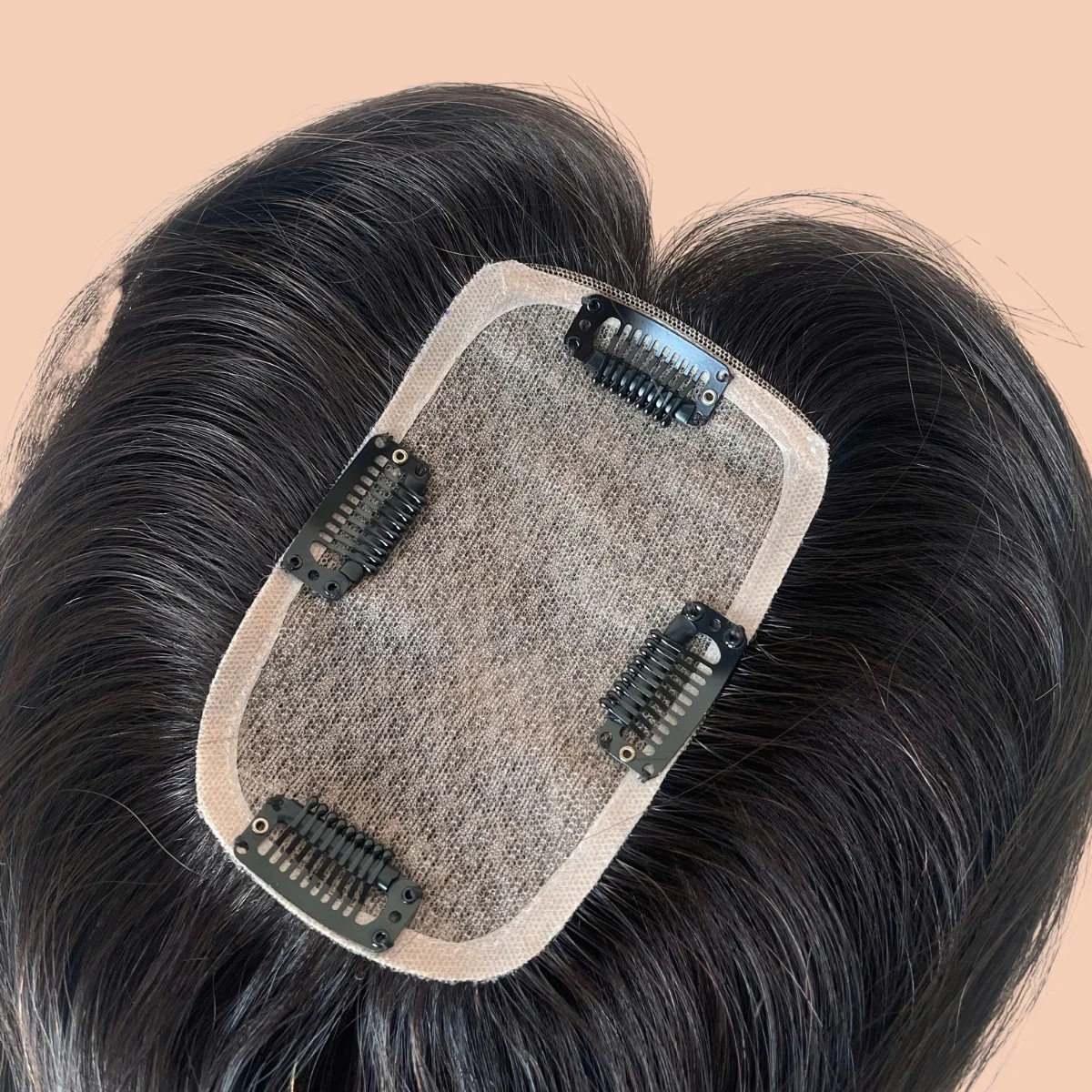
Factors Affecting Custom Hair System Ventilation Cost
The cost of custom hair system ventilation can vary depending on several factors.
- Base Material: The type of base material used significantly impacts the cost.
- Hair Type and Quality: The type and quality of hair used in the ventilation process also play a role in determining the cost.
- Ventilation Density: The density of hair ventilation refers to the number of hair strands per square inch.
- Ventilation Technique: Different ventilation techniques require varying levels of skill and time, impacting the cost.
- Customization Level: The level of customization you require will also affect the cost.
- Repair and Maintenance: Regular maintenance and occasional repairs are essential for preserving the integrity of your hair system.
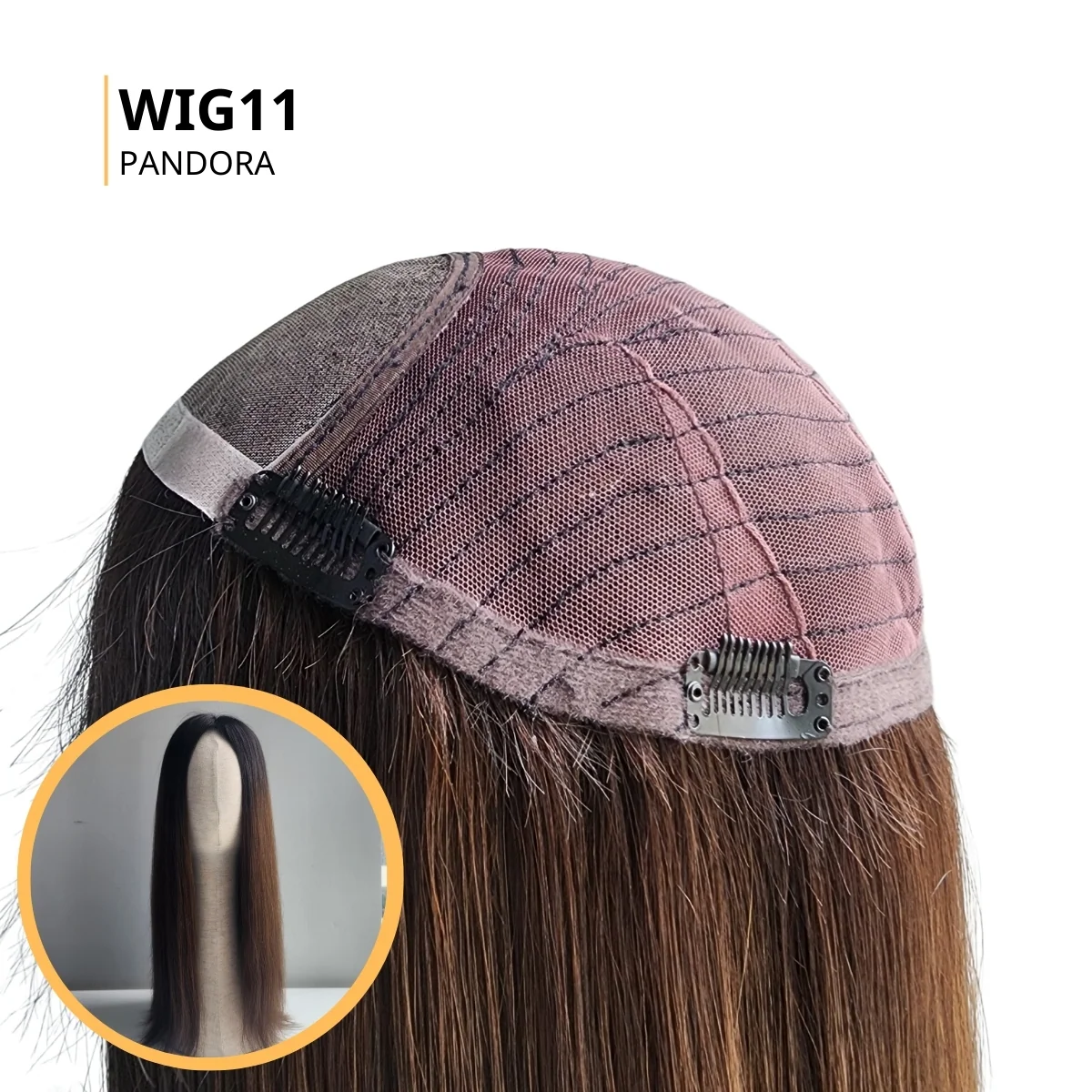
Maximizing the Lifespan of Your Custom Hair System Ventilation
Proper care and maintenance are crucial for extending the lifespan of your custom hair system.
- Gentle Washing and Conditioning: Use Sulfate-Free Products: Harsh sulfates can strip the hair of its natural oils, causing dryness and damage.
- Proper Drying Techniques: Air Dry When Possible: Air drying is the gentlest method for drying your hair system.
- Storage Tips: Store on a Wig Stand or Mannequin Head: This helps maintain the shape and style of the hair system.
- Regular Maintenance: Re-ventilation: Schedule regular re-ventilation appointments to replace any lost or loosened hair strands.
- Lifestyle Considerations: Avoid Excessive Heat Styling: Frequent use of heat styling tools can damage the hair and shorten its lifespan.
- Estimated Lifespan: The lifespan of a custom hair system depends on various factors, including the base material, hair type, and maintenance practices.
- Case Study: The Impact of Proper Care: A study conducted by the American Hair Loss Association found that individuals who followed a consistent care routine experienced a 30% increase in the lifespan of their hair systems compared to those who did not.
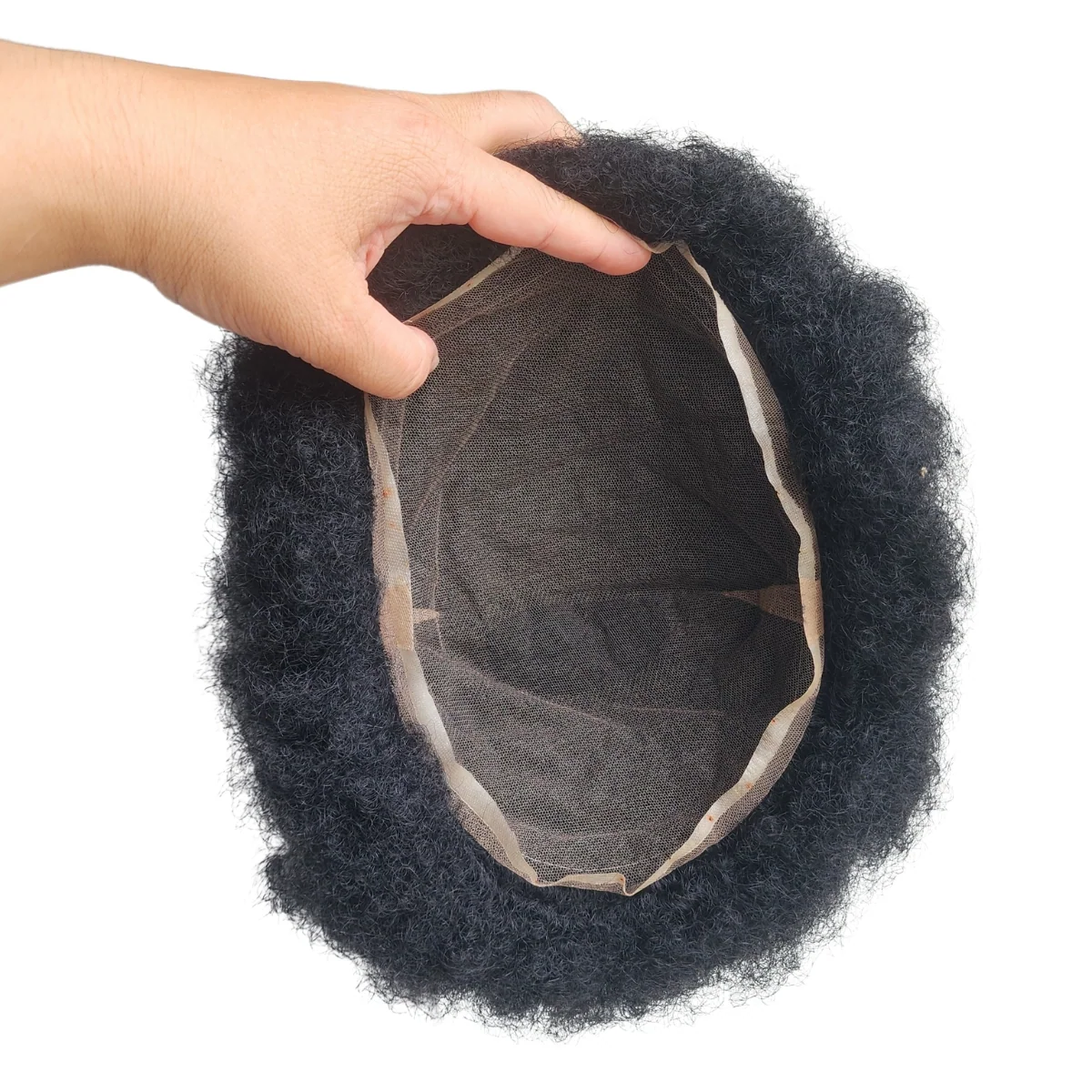
Cost-Effective Maintenance Strategies
- DIY vs. Professional Maintenance: Deciding whether to perform maintenance tasks yourself or seek professional assistance depends on your skill level and comfort. DIY maintenance can save you money, but professional servicing ensures optimal results and prevents potential damage.
- Cost-Saving Tips: Invest in Quality Products: High-quality products may cost more upfront, but they can extend the lifespan of your hair system and prevent costly repairs.
- Budgeting for Maintenance: Creating a maintenance budget can help you manage the costs associated with caring for your hair system.

Staying Updated on the Latest Innovations
The field of hair system technology is constantly evolving, with new materials, techniques, and products emerging regularly. Phucthientoupee are committed to staying at the forefront of these innovations to provide you with the most advanced and effective solutions.
- Research and Development: New Base Materials: Researchers are constantly developing new base materials that are lighter, more breathable, and more durable.
- Industry Trends: Customization: The trend towards personalized solutions is driving demand for custom hair systems that are tailored to individual preferences and needs.

Cost Table Summary
| Factor | Impact on Cost |
| Base Material | High |
| Hair Type & Quality | High |
| Ventilation Density | Medium |
| Ventilation Technique | Medium |
| Customization Level | Medium |
| Repair & Maintenance | Low to Medium |