

- 08/05/2025
- Posted by: phucthien
- Category: Blog

Custom hair system ordering online empowers you to regain a full head of hair and renewed confidence, offering a personalized non-surgical hair replacement solution tailored precisely to your needs.
At Phucthientoupee, we make it easy by breaking the process into four clear steps. Our guide offers all the information you need to confidently choose and order a high-quality hair system—designed to fit seamlessly into your life, whether for men or women.
Understanding Custom Hair Systems Before Ordering
Embarking on the path to a custom hair system is an exciting step towards restoring your desired look. Before diving into the specifics of ordering, let’s establish a clear understanding of what these sophisticated hair restoration solutions entail and why ordering online is an increasingly popular and advantageous choice for individuals worldwide, including those in the USA seeking the best places to order custom hair systems.
What Exactly Is a Custom Hair System?
A custom hair system, often referred to as a non-surgical hair replacement, toupee, or hairpiece, is fundamentally different from off-the-shelf or stock options. It is meticulously crafted based on an individual’s unique specifications, ensuring a perfect match in terms of:
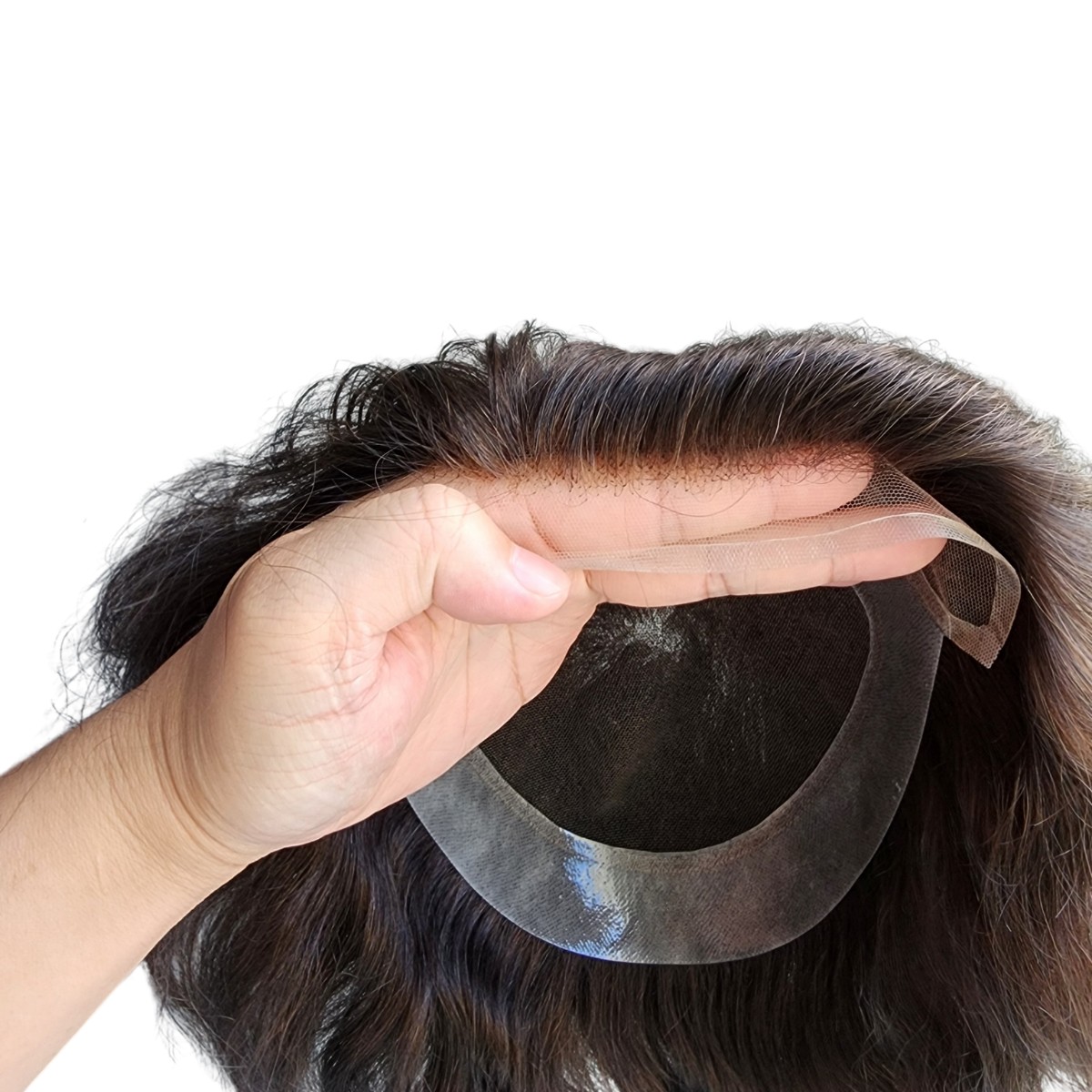
- Base Fit: Designed using a template or precise measurements of your area of hair loss, ensuring the base contours perfectly to your scalp shape. This intimate fit is paramount for comfort and an undetectable appearance.
- Hair Characteristics: Matched exactly to your existing hair (or desired hair) in color (including specific gray percentages), density (thickness), texture (straight, wavy, curly), length, and direction of growth.
- Base Material: Selected based on your lifestyle, scalp sensitivity, desired durability, and level of realism (e.g., breathable lace, undetectable thin skin poly, durable monofilament).
- Hairline: Constructed to mimic a natural, graduated hairline, often incorporating features like bleached knots or V-looped ventilation for ultimate realism.
Unlike stock systems which are mass-produced to average specifications, a custom unit is a bespoke creation. This personalization results in a significantly more natural look and feel, superior comfort, and enhanced security.
The goal is integration, not just coverage. Studies in dermatological and cosmetic fields emphasize the psychological benefits of realistic hair restoration, linking improved appearance to increased self-esteem and quality of life. A well-made custom system achieves this by being virtually indistinguishable from natural growing hair.

Why Choose a Custom Hair System Online?
The digital age has revolutionized access to specialized products, and custom hair systems are no exception. Ordering your hair replacement unit online through a reputable provider like Phucthientoupee offers several compelling advantages:
- Convenience and Privacy: You can browse options, submit specifications, and place your order from the comfort and privacy of your own home, at any time that suits you. This eliminates the need for potentially multiple, time-consuming salon visits, which is particularly beneficial for busy professionals or those living far from specialized centers.
- Wider Selection and Customization: Online suppliers often have direct access to manufacturing facilities, allowing for a broader range of base materials, hair types, and intricate customization options that might not be available locally. Phucthien provides extensive choices to meet diverse needs and preferences.
- Potential Cost-Effectiveness: By reducing overhead costs associated with physical salons (rent, staffing, etc.), reputable online providers can often offer highly competitive pricing for premium custom systems, making them accessible to a wider range of income levels (fitting the $120+ budget).
- Direct Communication: Platforms like Phucthientoupee facilitate direct communication, allowing you to ask detailed questions and receive expert guidance throughout the specification and ordering process.
- Access to Expertise: Reputable online vendors specialize exclusively in hair systems, accumulating vast experience and technical knowledge. Phucthien leverages this expertise to guide clients effectively.
✂️ Be unique — create your custom-made toupee today!
Addressing Common Concerns
It’s natural to have questions when considering an online custom hair system ordering process. Let’s address some common points:
- Quality Assurance: Reputable online suppliers like Phucthientoupee use high-grade materials (like Remy human hair, Swiss lace, thin skin poly) and employ skilled technicians. We provide detailed specifications and often showcase examples of our work. Look for transparency and clear guarantees.
- Getting the Fit Right: This guide emphasizes accurate measurements and template creation (Step 1). With precise inputs, the resulting fit can be exceptionally accurate. Online consultations can further assist in ensuring measurements are taken correctly.
- Ordering Complexity: While there are many options, breaking the process down into clear steps, as we do in this guide, makes it manageable. Phucthien’s ordering platform and customer support are designed for ease of use.
- Color Matching: Sending physical hair samples remains the gold standard for accuracy. However, high-resolution photos taken in natural light and the use of standardized color rings can also yield excellent results when guided by experienced consultants like those at Phucthien.
By understanding the nature of custom systems and the benefits of the online procurement route, you can approach the ordering process with confidence, knowing you are investing in a high-quality, personalized solution.
Start your custom journey: Explore the Custom Hair System Ordering Process and consider your Custom Hair System Investment
Step 1: Accurate Measurements and Template Creation
The foundation (quite literally) of a successful custom hair system lies in achieving a perfect fit. This begins with precise measurements of the area requiring coverage and, ideally, the creation of a scalp template. This step is non-negotiable for ensuring your bespoke hairpiece integrates seamlessly and feels comfortable for all-day wear. Rushing or estimating here can compromise the final result.
The Importance of Precise Measurements
Think of your scalp’s unique topography – the curves, contours, and the specific shape of your hair loss pattern. A custom system needs to replicate this exactly. Inaccurate measurements can lead to:
- Poor Adhesion: Gaps or lifting at the edges where the base doesn’t sit flush against the scalp.
- Discomfort: Buckling or pressure points if the base is too large or improperly shaped.
- Unnatural Appearance: An ill-fitting base can look bulky or fail to blend smoothly with your scalp.
- Reduced Lifespan: Constant stress on an improperly fitting base can lead to premature wear and tear.
Taking the time to measure correctly is an investment in the comfort, security, and undetectability of your hair system. It’s the cornerstone of the custom hair system ordering online experience.
🎨 Your style, your hair —we make it exactly how you want.

Measuring Your Head for Baldness Coverage
You will need a flexible measuring tape (like one used for sewing). Ensure you measure the actual area of hair loss you wish to cover, not your entire head unless you require a full cap system.
Standard Measurements Needed:
- Front-to-Back:
- Start at the center of your desired front hairline (where you want the system to begin).
- Run the tape measure straight back over the crown, following the contour of your head.
- End at the point on the back of your head where your hair loss area stops, and you want the system to end.
- Record this measurement accurately (e.g., 7 inches or 18 cm).
- Side-to-Side (Widest Point):
- Identify the widest point of your hair loss area across the top of your head, usually slightly above the temples or across the crown.
- Place the start of the tape measure on one side, where the coverage should begin.
- Run the tape measure across the top of your head to the corresponding point on the other side.
- Ensure the tape follows the contour of your scalp.
- Record this measurement (e.g., 6 inches or 15 cm).
Additional Measurements (May be requested depending on pattern):
- Temple-to-Temple: Measured across the forehead area if recession is significant.
- Circumference (for Full Caps): Measure around the entire perimeter of the desired coverage area.
Table: Measurement Quick Reference
| Measurement Type | Start Point | End Point | Purpose |
| Front-to-Back | Desired Center Front Hairline | Desired Center Back Edge | Determines base length |
| Side-to-Side | Desired Widest Side Edge (Left) | Desired Widest Side Edge (Right) | Determines base width |
| Temple-to-Temple | Desired Temple Point (Left) | Desired Temple Point (Right) | Defines front width/recession coverage |
| Circumference | Point on Perimeter | Same Point (after circling head) | Defines perimeter size for full caps |
Note: Always measure at least twice to confirm accuracy. It’s helpful to have someone assist you if possible, especially for the front-to-back measurement.
Creating a Scalp Template
While measurements provide dimensions, a template captures the exact shape and contour of your scalp in the coverage area. This is highly recommended for the most precise fit, especially for irregularly shaped areas or complex contours. At Phucthientoupee, we strongly encourage template submission for custom orders.
Method 1: Plastic Wrap and Tape Method (Most Common)
- Materials: Clear plastic kitchen wrap, clear packing tape (Scotch tape type), permanent marker, scissors.
- Steps:
- Prepare Scalp: Ensure your scalp is clean and dry. If you have existing short hair in the area, it can help the plastic wrap grip.
- Apply Plastic Wrap: Tear off a generous piece of plastic wrap. Stretch it tightly over the entire hair loss area, extending slightly onto your existing hair. Ensure it lies flat against the scalp with no air bubbles. Press it down firmly to conform to the contours.
- Apply Tape Layer 1 (Horizontal): Start applying strips of clear packing tape horizontally across the plastic wrap, overlapping each strip slightly. Cover the entire area defined by the plastic wrap. Press the tape down firmly.
- Apply Tape Layer 2 (Vertical): Apply a second layer of tape vertically, perpendicular to the first layer. Again, overlap strips and cover the entire area. Press firmly.
- Apply Tape Layer 3 (Diagonal – Optional but Recommended): For extra rigidity, apply a third layer diagonally. This creates a firm, stable mold.
- Mark the Perimeter: Using the permanent marker, carefully trace the exact outline of the area you want the hair system base to cover. Define your desired front hairline shape, side edges, and back edge. Mark the desired hair direction (e.g., draw arrows indicating front, back, left parting). This marking is critical.
- Remove the Template: Gently lift the edges of the taped mold. It should peel off relatively easily. If needed, carefully use blunt-nosed scissors near the edge, being cautious not to cut yourself.
- Trim Excess: Once removed, carefully cut along the marked perimeter line with scissors. You now have a precise, contoured template of your scalp area.
- Label: Clearly mark ‘Front’, ‘Back’, ‘Left’, ‘Right’ on the template. Add your name and order number if available.
Method 2: Plaster Cast Method
This involves applying wet plaster strips over a protected scalp to create a hard mold. It’s highly accurate but messier and generally requires assistance. Due to shipping challenges, the tape method is preferred for online custom hair system ordering.
Sending this physical template along with your hair samples (if applicable) to your supplier (like Phucthientoupee) provides the manufacturing team with the most accurate information possible.

Step 2: Selecting Your Hair System Specifications
With accurate measurements or a template secured, you move to the exciting part: defining the characteristics of your custom hair system. This step involves choosing the materials and hair properties that align with your desired look, lifestyle, maintenance preferences, and budget. Each choice impacts the final appearance, feel, durability, and care requirements. Phucthientoupee offers a wide array of options, and understanding them is key to making informed decisions.
Choosing the Right Base Material
The base is the foundation to which the hair is attached. It sits directly on your scalp, so its characteristics are crucial for comfort, realism, and durability.
Common Base Material Categories:
- Lace Bases (French Lace, Swiss Lace):
- Pros: Highly breathable (ideal for hot climates or active lifestyles), lightweight, creates a very natural-looking, undetectable hairline (especially Swiss Lace). Knots can be bleached for further realism.
- Cons: More delicate than other materials (Swiss Lace is finer and more delicate than French Lace), requires more careful handling, cleaning can be more involved to avoid damaging the lace or dislodging knots. Lifespan might be shorter than poly or mono bases.
- Best For: Users prioritizing breathability and the most natural hairline appearance, willing to handle with care.
- Skin (Polyurethane/Poly) Bases (Thin Skin, Medium Poly, Thick Poly):
- Pros: Creates a very realistic scalp appearance (hair looks like it’s growing right from the scalp), easy to clean, adhesives bond strongly and easily, relatively durable (thickness dependent). Thin skin (0.03mm – 0.06mm) offers incredible realism but is delicate. Medium (0.08mm-0.12mm) offers a balance. Thick (0.14mm+) is most durable but less realistic at the edge.
- Cons: Not breathable (can feel hot), potential for shine (can be managed with products), thin skin bases have a shorter lifespan due to fragility.
- Best For: Users prioritizing scalp realism, ease of cleaning/attachment, and those who don’t overheat easily. Thin skin is popular for exposed hairlines.
- Monofilament (Mono) Bases (Fine Mono, Welded Mono):
- Pros: Very durable and long-lasting material, reasonably breathable (more than poly, less than lace), hair knots are well-secured.
- Cons: Can be slightly stiffer than lace or thin skin, hairline edge is less undetectable unless combined with lace or poly fronts. Can sometimes feel scratchy initially for sensitive scalps.
- Best For: Users prioritizing durability and longevity, those who are hard on their systems, often used for the main body of the system combined with other materials at the front.
- Combination Bases:
- Pros: Leverage the strengths of different materials. Common examples include a Lace Front with a Mono Top and Poly Perimeter (natural hairline, durable top, easy perimeter bonding) or a Skin Base with a Lace Front. Offers tailored solutions.
- Cons: More complex construction can sometimes mean slightly higher cost. Seams between materials need to be well-constructed.
- Best For: Users seeking a specific balance of realism, durability, and ease of use. This is a very popular category in custom hair system ordering.
Table: Base Material Comparison
| Feature | Swiss Lace | French Lace | Thin Skin (Poly) | Medium/Thick Poly | Monofilament |
| Realism | Highest (Hairline) | Very High (Hairline) | Highest (Scalp) | High (Scalp) | Moderate |
| Breathability | Highest | High | Lowest | Low | Moderate |
| Durability | Lowest | Low-Moderate | Low-Moderate | High | Highest |
| Ease of Clean | Moderate | Moderate | Easiest | Easy | Moderate |
| Comfort | Very High (Soft) | High (Slightly Stiffer) | High (Skin-like) | Moderate (Stiffer) | Moderate (Can be firm) |
| Best For | Undetectable Hairline | Natural Hairline/Breath | Scalp Realism/Easy Clean | Durability/Easy Clean | Durability/Longevity |
At Phucthien, we can help you weigh these factors based on your individual needs during the custom hair system ordering online process.
Selecting Hair Type, Color, and Density
These elements define the look and feel of the hair itself.
- Hair Type:
- Indian Human Hair: Most commonly used, versatile, fine texture, naturally dark, processes well for color and texture modifications. Good balance of quality and cost.
- Chinese Human Hair: Thicker, stronger strands, very durable. Often processed to achieve finer textures.
- European Human Hair: Naturally finer, often lighter in color, silky texture. Can be less readily available and significantly more expensive. Often sourced from regions like Russia or Slavic countries. Not typically required unless matching very fine, light natural hair.
- Remy Hair: This refers to hair collected with the cuticle layer intact and aligned in the same direction, minimizing tangling and ensuring a smoother feel. Phucthientoupee primarily uses high-quality Remy human hair for optimal results.
- Synthetic Hair: Less common for high-end custom systems but available. Holds style well, lower cost, but less natural movement, can have unnatural shine, sensitive to heat, shorter lifespan.
- Hair Color:
- Sending a Sample: The most accurate method. Provide a sample of your own growing hair (approx. 1-2 inches long, 100+ strands) taken from the sides and back. Label clearly.
- Using a Color Ring: Suppliers like Phucthien offer standardized color rings. You select the code that best matches your hair (check in natural daylight).
- Photos: High-resolution photos in natural light can assist, but color interpretation varies across screens. Best used as a supplement.
- Gray Percentage: Specify the desired percentage and distribution of gray hair (e.g., 20% gray scattered throughout, 50% gray heavier at temples). Synthetic gray is often used for consistency and to prevent oxidation/yellowing.
- Hair Density: Refers to the number of hair strands per square centimeter.
- Matching Natural Density: Aim to match the density of your surrounding hair for a seamless blend.
- Density Charts: Phucthien provides density charts (e.g., ranging from 60% Extra Light to 150%+ Heavy).
- Age Appropriateness: Density naturally decreases with age. A very high density can look unnatural on older individuals. Common choices range from 90% (Light) to 120% (Medium).
- Graduation: Requesting lighter density towards the hairline creates a more natural transition.

Defining Hair Length, Curl, and Wave Pattern
- Hair Length: Specify the desired finished length (measured from the base when hair is pulled straight). Usually ranges from 4 to 20+ inches. Order slightly longer than your final desired style to allow for cutting and styling by a professional.
- Curl and Wave: Match your natural pattern or choose your desired look. Options range from Bone Straight, Body Wave, Light Wave, Medium Curl, Tight Curl, etc. Suppliers use charts or standard codes (e.g., 30mm wave). Providing photos of your desired texture is helpful.
Designing Your Front Hairline
This is arguably the most critical area for realism.
- Contour Shape: Refers to the overall shape of the hairline (e.g., Standard C, A, CC, Receded). Match your natural hairline shape or choose one that looks age-appropriate and frames your face well. Templates accurately capture this.
- Bleached Knots (Lace Bases): Lightening the tiny knots where hair is tied to a lace base makes them virtually invisible, enhancing the illusion of hair growing from the scalp. Usually done for the front 1/2 to 1 inch. Not possible on poly bases.
- V-Looped Ventilation (Thin Skin Bases): Hair is injected or looped into the base without knots, offering an incredibly realistic knot-free appearance. Common on thin skin poly fronts. Can be slightly less durable than knotted hair.
- Graduated Density: A less dense hairline that gradually increases in thickness looks much more natural than a harsh, abrupt line of hair.
Ventilation Techniques Explained
Ventilation refers to how individual hair strands are attached to the base material.
- Knotting (Lace/Mono): Hair is tied to the base using tiny knots (single, double, split knots). Double knots are more durable but larger. Single knots are smaller but less secure. Single split knots offer a good balance. Bleaching helps hide knots on lace.
- Injection (Skin Bases): Hair is injected into the polyurethane material, leaving no knots on the surface. Offers great scalp realism but hair may lack lift at the root initially.
- V-Looping (Thin Skin Bases): Hair is inserted in a ‘V’ shape without knots. Very realistic but potentially less durable over the long term.
The choice depends on the base material and desired balance between realism and durability.
Step 3: Placing Your Order Online with Confidence
You’ve meticulously measured, perhaps created a template, and carefully selected your desired specifications. Now it’s time to place your order. Choosing a trustworthy online supplier and understanding the ordering process are crucial for a smooth transaction and receiving the high-quality custom hair system you envision.
Finding a Reputable Online Supplier (Like Phucthientoupee)
The internet offers numerous options, but quality and service vary significantly. Due diligence is essential. Look for suppliers that demonstrate:
- Experience and Expertise: How long have they been in business? Do they specialize in custom systems? Phucthientoupee has years of dedicated experience in non-surgical hair replacement.
- Transparency: Clear information about materials, manufacturing processes, pricing, and timelines. Detailed product descriptions and galleries of actual client results (respecting privacy) are good signs.
- Positive Reviews and Testimonials: Look for independent reviews on platforms outside the company’s own website if possible. Consistent positive feedback regarding product quality and customer service is reassuring.
- Excellent Customer Support: Are they easy to contact? Do they offer consultations (phone, video, email)? Are they responsive and knowledgeable? Phucthien prioritizes accessible and expert support.
- Clear Guarantees and Return Policies: Understand their policies regarding manufacturing defects or errors in specifications. A reputable supplier stands behind their product.
- Secure Website and Payment Processing: Ensure the website uses HTTPS encryption (padlock icon in the address bar) and offers secure, recognized payment methods (credit cards, PayPal, etc.).
Selecting a provider like Phucthientoupee, which embodies these qualities, significantly enhances your confidence in the custom hair system ordering online journey. Focus on providers, especially those specializing in the USA market if that is your location, known for quality like the best places to order custom hair systems USA.

Navigating the Online Ordering Form
Most reputable suppliers will have a structured online form to capture all necessary custom specifications. While layouts vary, expect fields related to:
- Base:
- Measurements (input fields for Front-to-Back, Side-to-Side, etc.)
- Template Confirmation (Checkbox indicating if you are sending a physical template)
- Base Material Selection (Dropdowns or checkboxes for Lace, Skin, Mono, combinations)
- Specific Material Details (e.g., French Lace, 0.06mm Thin Skin)
- Base Design Features (e.g., Scalloped front, Poly coating perimeter)
- Hair:
- Hair Type (Indian Remy, etc.)
- Hair Color (Code from ring, option to indicate sending sample)
- Gray Percentage and Placement
- Hair Length
- Density (Percentage selection, notes on graduation)
- Curl/Wave Pattern (Code or description)
- Hair Direction/Style (Freestyle, Left Part, Right Crown, etc.)
- Front Hairline:
- Contour Shape (Code or description)
- Special Features (Bleached Knots – specify area, V-Looping)
- Uploads:
- Sections to upload reference photos (hairline, color, style inspiration).
- Confirmation of sending physical template/hair samples via mail.
- Contact and Shipping Information:
- Your Name, Email, Phone Number.
- Shipping Address.
Tips for Filling the Form:
- Be Precise: Double-check every entry against the decisions you made in Step 2.
- Use Notes/Comments Fields: If you have specific requests not covered by standard options (e.g., specific density zoning, unique parting needs), use the comments section to explain clearly.
- Reference Template/Samples: If sending physical items, clearly state this in the order form so the supplier knows to expect them.
- Save a Copy: Take screenshots or save a PDF of your completed order form for your records.
Phucthien’s online form is designed to be comprehensive yet user-friendly, guiding you through each necessary specification.
Understanding Pricing and Payment
The cost of a custom hair system depends on several factors:
- Base Materials: More complex combination bases or premium materials like Swiss Lace can increase the price.
- Hair Type and Length: European hair is significantly more expensive. Longer hair lengths require more hair and increase cost.
- Density: Very high densities require more hair and ventilation time, potentially increasing cost.
- Intricate Specifications: Features like extensive fine bleaching or complex ventilation can add to the labor cost.
Reputable suppliers like Phucthientoupee provide clear pricing structures or instant quotes based on your selections. Expect the price for a quality custom system to be upwards of $120, often ranging from $200 to $600+ depending on the specifics.
Payment:
- Ensure the checkout process is secure (HTTPS).
- Common methods include major credit cards, PayPal, and sometimes bank transfers.
- Be aware of potential currency conversion fees if ordering internationally.
- Clarify if the price includes shipping or if that’s an additional charge.
Production Time and Shipping Expectations
Custom hair systems are made to order and require significant skilled labor.
- Production Time: Typically ranges from 6 to 12 weeks, depending on the complexity of the order and the supplier’s current workload. Some suppliers may offer expedited services for an additional fee, but quality craftsmanship takes time. Phucthien provides estimated production timelines upon order confirmation.
- Shipping: Once production is complete, shipping time depends on your location and the chosen courier service (e.g., FedEx, DHL, UPS). International shipping usually takes 3-7 business days.
- Tracking: Reputable suppliers will provide tracking information once the system ships, allowing you to monitor its progress.
- Customs/Duties: Be aware of potential import duties or taxes if ordering internationally. These are typically the responsibility of the buyer. Check your country’s regulations.
Phucthien’s Checklist Before Submitting
Before hitting that final ‘Submit Order’ button, run through this quick checklist:
- Measurements/Template: Are measurements accurate? Is template info confirmed?
- Base Specs: Correct material(s), design features confirmed?
- Hair Specs: Type, color, length, density, curl/wave accurately selected? Gray percentage correct?
- Hairline Specs: Contour, bleached knots/V-looping as desired?
- Hair Direction: Correctly specified?
- Contact Info: Accurate email, phone, shipping address?
- Samples: Confirmation noted if sending template/hair samples?
- Review Notes: Any special instructions clearly stated in comments?
- Pricing/Payment: Understood the total cost and selected secure payment?
Taking these few moments to double-check minimizes the chance of errors and ensures the custom hair system ordering process proceeds smoothly, leading to the creation of your ideal personalized hairpiece.
Step 4: Receiving, Fitting, and Maintaining Your System
The anticipation builds, and finally, your custom hair system arrives. This final step involves inspecting your new unit, getting it professionally fitted and styled (highly recommended), learning about attachment, and establishing a proper maintenance routine to ensure longevity and a consistently natural appearance. Proper care is essential to maximize the value and performance of your tailored hair solution purchase.
Upon Arrival: Initial Inspection
Once you receive the package from Phucthientoupee or your chosen supplier:
- Check Against Order: Carefully unpack the system and compare it against the specifications on your order copy. Verify:
- Base size and shape (compare to your template if possible)
- Base materials
- Hair color, length, density, curl/wave pattern
- Hairline features (bleached knots, contour)
- Overall construction quality (no tears, loose hairs, etc.)
- Handle Gently: Remember, especially if you ordered lace or thin skin, the system is delicate before attachment. Handle it carefully.
- Initial Feel: Note the hair texture and base flexibility.
- Contact Supplier Immediately: If you notice any significant discrepancies or manufacturing defects, contact your supplier (like Phucthien) before washing, cutting, or altering the system in any way. Reputable suppliers have procedures for addressing such issues.

The Fitting Process: DIY vs. Professional Stylist
While some experienced users perform the initial cut-in and styling themselves, Phucthientoupee strongly recommends having your first custom hair system fitted and cut-in by a professional stylist experienced with hair systems.
- Why a Professional?
- Expert Cut-in: Cutting a hair system is different from cutting growing hair. A stylist blends the system hair seamlessly with your existing hair, creates a natural style, and ensures the length and layers are perfect. A bad cut can ruin even the best system.
- Proper Placement: They ensure the system is positioned correctly on your head for the most natural hairline and comfortable fit.
- Attachment Guidance: They can apply the initial attachment, demonstrating the technique and recommending suitable tapes or adhesives for your scalp and lifestyle.
- Troubleshooting: They can address minor fitting adjustments if needed.
- Finding a Stylist: Look for salons or stylists specializing in non-surgical hair replacement. Online forums, supplier recommendations (Phucthien may be able to suggest contacts in certain areas), or local searches can help. Be sure to inquire about their experience specifically with custom systems.
- DIY Fitting (Advanced Users): If attempting DIY, proceed with extreme caution. Use specialized tools, watch numerous tutorials, and start by cutting the hair longer than needed, gradually trimming it down. It requires practice and carries risk.
The initial cut-in transforms the “wig-like” appearance of a new system into an undetectable part of your look. It is a critical investment.
Attachment Methods Overview
Securing your hair system is vital for confidence and a natural look. The two main methods are tapes and liquid adhesives (bonding).
- Hair System Tapes:
- Types: Available in rolls or pre-cut contours. Vary in tackiness, hold duration (daily, extended wear), and residue level (e.g., Red Liner, Blue Liner/Lace Front Support, Super Tape, No-Shine).
- Pros: Easier/quicker application and removal than liquids, less messy, good for sensitive skin (hypoallergenic options available), suitable for daily or shorter-term wear.
- Cons: May not provide as strong a hold as liquids for very active users or long wear times, edges might be slightly more detectable than with edge-bonding liquids if not applied carefully.
- Application: Applied to the perimeter or underside of the base, then pressed firmly onto a clean, dry scalp (often prepped with scalp protector).
- Liquid Adhesives (Bonding):
- Types: Silicone-based or acrylic-based. Vary in hold strength and cleanup difficulty (e.g., Ghost Bond, Ultra Hold, Walker Max Bond).
- Pros: Provide a very strong, secure hold (suitable for weeks of attachment), excellent for undetectable edges (especially thin poly bases), waterproof options available for swimming/sports.
- Cons: Application requires more skill and precision (thin, even layers), removal and cleanup can be time-consuming and require specific solvents, potential for skin irritation for some users (patch test recommended).
- Application: Applied in thin layers to the scalp or base (or both), allowed to become tacky, then the system is carefully pressed into place.
Choosing Your Method: Depends on lifestyle, desired hold duration, skin sensitivity, base type, and personal preference. Many users combine methods (e.g., liquid for the front hairline, tape for the rest). Phucthien can offer general guidance, but experimentation and stylist advice are key.

Essential Hair System Maintenance
Proper care extends the lifespan of your system and keeps it looking its best.
- Washing:
- Frequency: Typically every 1-2 weeks, depending on lifestyle and products used. Over-washing strips moisture.
- Method: Use lukewarm water and sulfate-free shampoos/conditioners specifically designed for processed human hair or hair systems. Wash gently, avoiding harsh rubbing or scrubbing of the base/knots. Detangle carefully with a wide-tooth comb, starting from the ends. Rinse thoroughly.
- Conditioning: Essential to replenish moisture. Use leave-in conditioners or perform deeper conditioning treatments regularly. Avoid applying conditioner directly to the base knots (can loosen them).
- Drying: Gently pat dry with a towel. Air drying is preferred. If using a blow dryer, use a low heat setting and keep it moving.
- Styling: Use appropriate styling products (avoid high alcohol content). Use heat protectant sprays if using heat tools (low settings recommended). Use wide-tooth combs or specialized loop brushes.
- Storage: When not wearing, store the system on a mannequin head or stand to maintain its shape.
- Attachment Area Care: Keep scalp clean between attachments. Use adhesive removers and scalp cleansers as needed. Allow scalp to breathe periodically if possible.
✨ A toupee shouldn’t just hide hair loss — make it a style statement!
Table: Basic Maintenance Schedule
| Activity | Frequency Guideline | Key Products | Phucthien’s Tip |
| Washing | 1-2 times per week | Sulfate-free Shampoo | Use cool/lukewarm water, gentle motions |
| Conditioning | After every wash | System-safe Conditioner, Leave-in Conditioner | Avoid knots/base, focus on mid-lengths & ends |
| Deep Condition | Every 2-4 weeks | Deep Conditioner/Hair Mask | Apply heat (warm towel) for better penetration |
| Detangling | Daily (gently), before wash | Wide-tooth Comb, Loop Brush | Start at ends, work up, support hair at the base |
| Re-attachment | Varies (Daily to 4+ weeks) | Tapes/Adhesives, Scalp Protector, Remover | Ensure scalp & base are completely clean & dry |
| Professional Check | Every few months (optional) | N/A | Good for deep clean, minor repairs, style refresh |
Troubleshooting Common Issues
- Tangling: Often due to dryness, friction, or cuticle misalignment. Use leave-in conditioner, detangle regularly, consider a silk pillowcase.
- Slipping/Lifting: Usually attachment issues. Ensure clean scalp/base, use appropriate adhesive/tape, apply sufficient pressure. Scalp oils can break down bond.
- Color Fading: Oxidation due to sun exposure, washing. Use UV protectant products, wear hats outdoors, use color-depositing conditioners if needed.
- Dryness/Brittleness: Processed hair needs moisture. Increase conditioning, use hair oils sparingly on ends, avoid excessive heat.
Mastering Step 4 ensures you enjoy the full benefits of your custom hair system for as long as possible, maintaining that natural look and the confidence that comes with it.
Enhancing Your Experience: Tips and Considerations
Ordering and wearing a custom hair system is more than just a technical process; it’s a personal journey towards enhancing your appearance and confidence. Beyond the four core steps, several factors can significantly improve your overall experience and satisfaction. Phucthientoupee believes in empowering clients not just with a product, but with the knowledge to fully embrace their hair restoration solution.
The Role of Online Consultations
While this guide provides comprehensive information, direct interaction can be invaluable, especially for first-time buyers navigating the custom hair system ordering online process.
- Benefits:
- Personalized Advice: Discuss your specific hair loss pattern, lifestyle, and aesthetic goals with an expert.
- Clarify Options: Get tailored recommendations on base materials, hair types, density, and hairline design.
- Measurement Assistance: Receive guidance on taking accurate measurements or creating a template correctly.
- Color Matching Support: Discuss the best ways to achieve an accurate color match based on your situation.
- Build Confidence: Ask questions and alleviate any concerns you might have about the process or the product.
Managing Expectations: Realism vs. Perfection
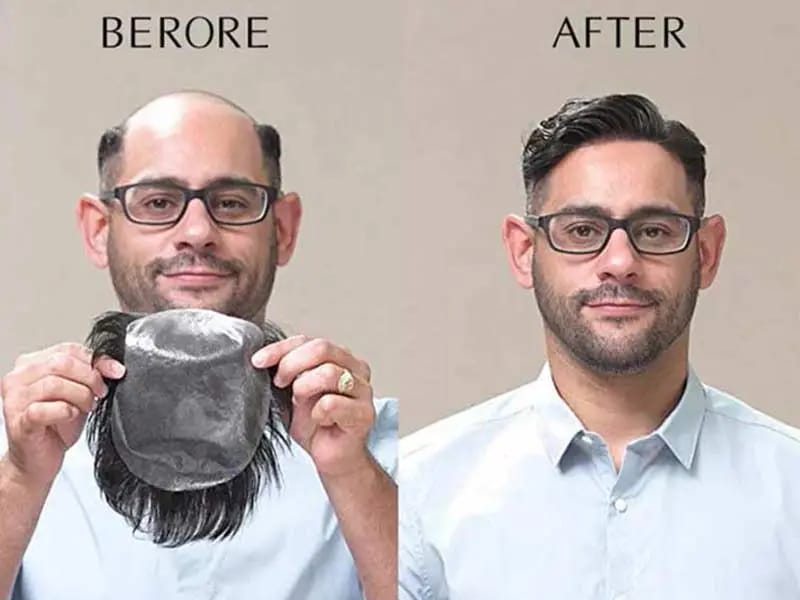
A high-quality custom hair system from a provider like Phucthientoupee can achieve incredibly natural, undetectable results. However, it’s helpful to have realistic expectations:
- It’s Not Growing Hair: While mimicking it closely, a system requires care and maintenance that growing hair doesn’t. Attachment, cleaning, and eventual replacement are part of the process.
- Learning Curve: There might be a short adjustment period as you get used to wearing, attaching, and caring for your system. Be patient with yourself.
- Subtle Imperfections: Minor variations in color or density can occur, just as they do in natural hair. Ultra-fine hairlines might be slightly more delicate.
- Lifespan: Understand that systems are wearable items and will degrade over time with washing, styling, and environmental exposure. Factor replacement into your budget and planning. Aiming for highly realistic yet manageable results often leads to greater long-term satisfaction.
💼 Whether for personal use or salon business, custom orders are always welcome
Integrating the Hair System into Your Lifestyle
The goal is for the hair system to become a seamless part of your life, not a constant worry.
- Activity Considerations: Choose base materials and attachment methods that support your activity level. Breathable lace for sports, secure bonding for swimming.
- Climate: Hot, humid climates might favor more breathable bases like lace.
- Maintenance Routine: Establish a consistent care schedule that fits into your week.
- Travel: Plan ahead. Pack necessary supplies (adhesives, removers, styling products, travel stand).
- Disclosure: Decide if, when, and with whom you want to share that you wear a system. This is entirely a personal choice. Many find that the results are so natural, others don’t even notice.
Building Confidence with Your New Hair
Regaining a full head of hair can be a significant confidence booster. Embrace it:
- Focus on the Positive: Enjoy the enhanced appearance, the styling versatility, and the freedom from worrying about hair loss.
- Experiment with Styles: A benefit of systems is the ability to try styles you couldn’t before. Work with your stylist to explore options.
- Own Your Look: Confidence is the best accessory. Wear your hair system with pride. Remember why you chose this solution – likely to feel better about yourself.
- Connect with Communities: Online forums and social media groups for hair system wearers can provide support, tips, and shared experiences.
By considering these aspects alongside the technical steps of the custom hair system ordering process, you ensure not just a successful purchase, but a positive and empowering long-term experience. Phucthien is committed to supporting clients throughout this journey.
Get your dream hair: Schedule a Custom System Consultation to finalize Custom Hair System Design and check Custom System Delivery Times
Conclusion: Your Path to Confidence Starts Here
Ordering a custom hair system online is a convenient way to achieve natural, confidence-boosting results. By following four key steps—accurate measurements, choosing specifications, placing your order, and proper fitting and care—you ensure a personalized, high-quality solution.
From base materials to hair density and color, every detail matters. Partnering with a trusted provider like Phucthientoupee guarantees expert support and premium craftsmanship using Remy human hair. A custom hair system is more than a product—it’s a self-investment, offering realistic, non-surgical hair restoration with privacy, ease, and global accessibility.
Phuc Thien Toupee Co., Ltd
Design Brand: Royal Hair Vietnam
Office Address:
🏢 Room A909, Decapella Building, 116 Luong Dinh Cua Street, An Khanh Ward, Thu Duc City, Ho Chi Minh City 700000, Vietnam
Factory Address:
🏭 No. 26/9, Street 57, Thuong Hamlet, Tan Thong Hoi Ward, Cu Chi District, Ho Chi Minh City 700000, Vietnam
Email: ✉️ phucthientoupeevn@gmail.com
Phone / WhatsApp: 📞 +84 933 901 196
Websites: 🌐 phucthientoupee.com – 🌐 royalhair.shop



