

- 18/05/2025
- Posted by: phucthien
- Categories: Base Materials & Construction, Blog, Wigs & Full-Cap Hairpieces
No Comments

Wig Density For Natural Look: 8 Key Choices Guide
Wig density for natural look is a fundamental aspect to consider when selecting a human hair wig, significantly impacting how realistic and seamless your new hair appears.
Understanding Wig Density: The Foundation of a Natural Look
In simple terms, wig density refers to the amount of hair ventilated or sewn onto the wig cap.

Why Wig Density Matters Profoundly for a Natural Appearance
Selecting the correct wig density is arguably one of the most critical factors in achieving a truly natural look that defies detection.

Deciphering the Wig Density Chart: A Percentage Guide
Wig manufacturers and suppliers use a standardized percentage system to classify density.
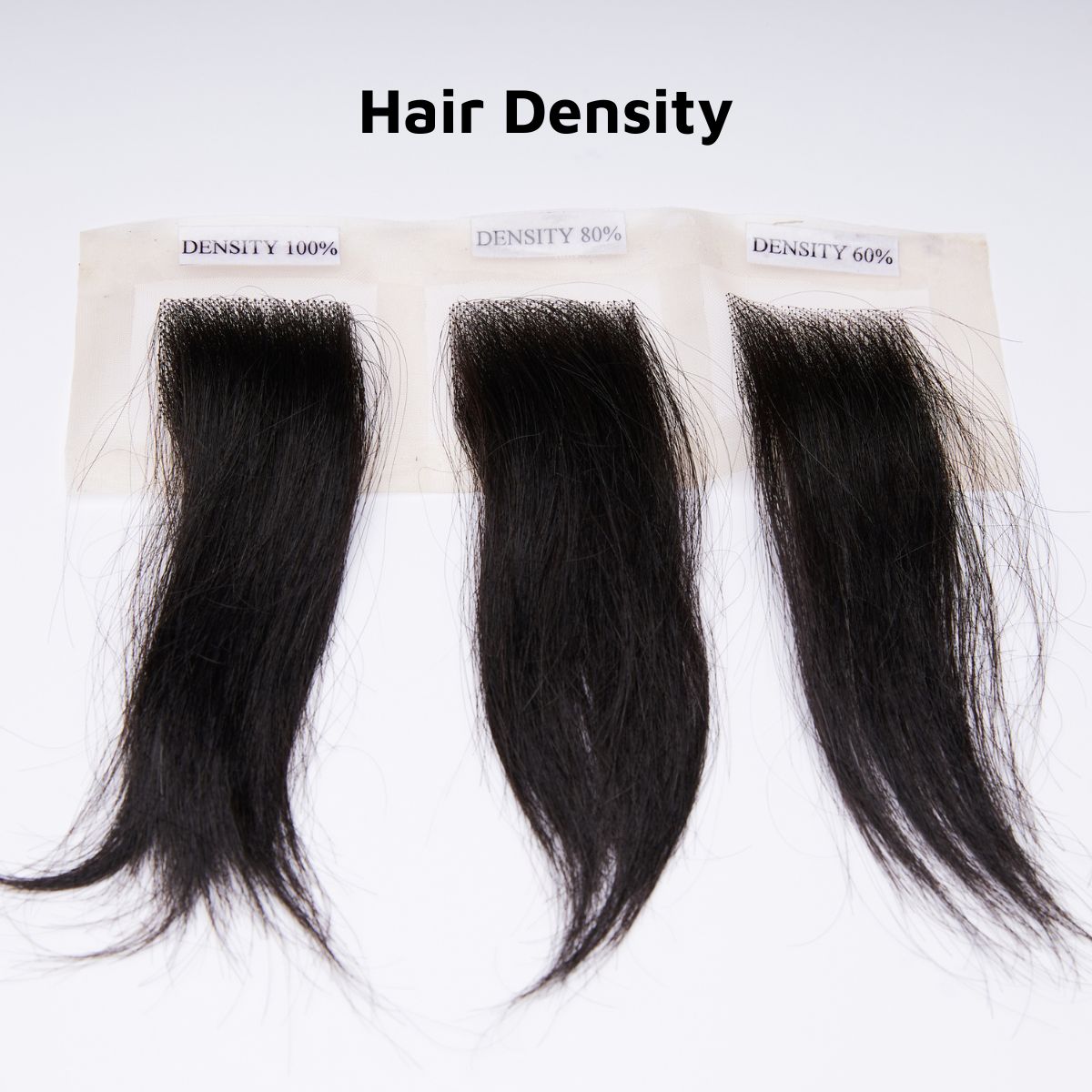
Exploring the 8 Key Human Hair Wig Density Options
- 1. 60-80% Density: Extra Light: Description: This is the lightest density available, replicating hair that is naturally very fine or experiencing significant thinning.
- 2. 90-100% Density: Light: Description: Still on the lighter side, this density mimics naturally fine hair that isn’t necessarily thinning significantly.
- 3. 110-120% Density: Natural / Medium Light: Description: This range is often considered the sweet spot for mimicking the natural hair density of many individuals, particularly those of Caucasian descent with average hair thickness.
- 4. 130% Density: Medium (The Standard): Description: This is frequently the default or standard density for many stock human hair wigs.
- 5. 140-150% Density: Medium Heavy: Description: Stepping up in fullness, this density provides significant volume and thickness.
- 6. 180% Density: Heavy: Description: This is a very full and dense option, providing maximum volume.
- 7. 200% Density: Extra Heavy: Description: This density provides an extreme level of fullness and thickness.
- 8. 200%+ Density: Ultra Heavy / Custom: Description: Densities exceeding 200% are typically custom orders for highly specific needs.
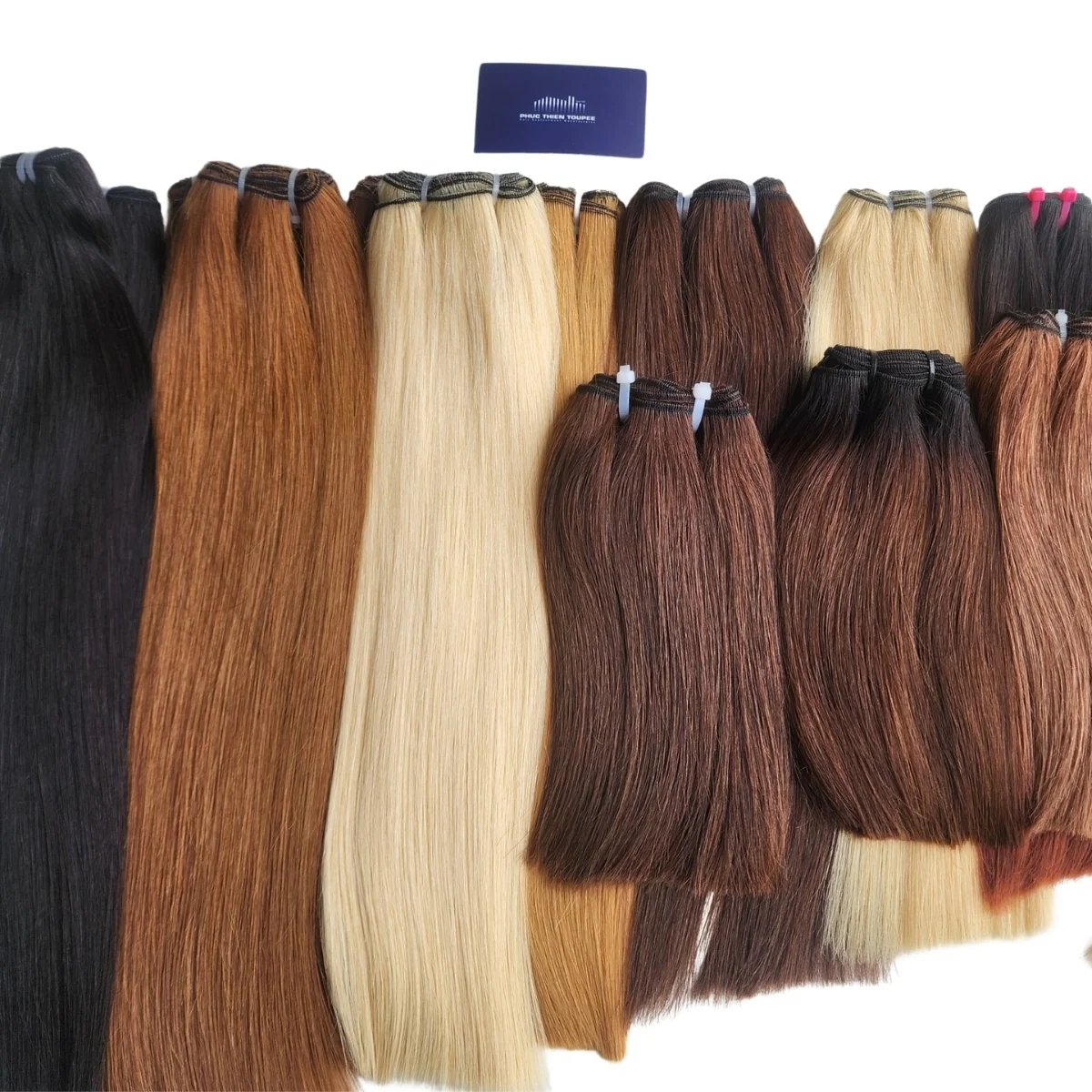
How to Choose the Right Wig Density for YOUR Natural Look
- Head Size and Facial Features: How: A very high-density wig on a petite person with delicate features might look overwhelming.
- Age: Goal: Select a density that aligns with age-appropriate realism.
- Wig Cap Construction: Goal: Understand how the cap affects density appearance and comfort.

Tips for Achieving the Most Natural Look with Your Chosen Wig Density
Selecting the right density is step one.
- Proper Wig Placement: Ensure the wig sits exactly where your natural hairline would begin.
- Strategic Styling Techniques: Create a Natural Part: Use a fine-tooth comb and perhaps a little heat or water to define a realistic part.
- Seek Professional Consultation and Styling: If you’re unsure about density or how to make your wig look its best, consult with wig specialists like the team at Phucthientoupee or a skilled hairstylist experienced with wigs.
Common Mistakes to Avoid When Choosing Wig Density
Ignoring Natural Hair Characteristics: Choosing a density drastically different from your own (past or present) without a specific stylistic reason.
Maintaining Your Wig’s Density and Natural Appearance Over Time
- 1. Gentle Washing and Conditioning: Use sulfate-free shampoos and conditioners specifically designed for colour-treated human hair or wigs.
- 2. Proper Drying: Gently squeeze out excess water with a towel – do not wring or twist.
- 3. Detangling Carefully: Use a wide-tooth comb or a wig brush, starting from the ends and working your way up to the roots.
- 4. Correct Storage: Store your wig on a wig stand or mannequin head when not in use.
- 5. Avoid Harsh Chemicals: Chlorine from swimming pools, saltwater, and harsh styling products (like those with high alcohol content) can damage the hair fibres, strip colour, and affect the overall appearance and feel.
- 6. Professional Refurbishment: Over time, even well-cared-for wigs can benefit from professional deep conditioning, knot tightening (on lace units), or minor repairs.
Wig Density Comparison Chart: At-a-Glance Guide
| Density | Classification | Typical Feel | Natural Look For… | Styling Notes | Comfort Level | Maintenance | Phucthientoupee Notes |
| 60-80% | Extra Light | Very Thin | Severely thinning hair, very fine natural hair | Limited volume, best for sleek/flat styles | Highest | Low | Best for specific needs, not general wear. |
| 90-100% | Light | Thin | Fine natural hair, graduated hairlines | Good for sleek styles, limited volume | Very High | Low | Excellent for realistic hairlines on lace fronts. |
| 110-120% | Natural/Medium Light | Average Thin | Average Caucasian hair, subtle enhancement | Versatile for non-voluminous styles, natural flow | High | Low-Moderate | Great starting point for mimicking average fine/medium hair. |
| 130% | Medium (Standard) | Average Full | Most popular average, healthy look, many ethnicities | Highly versatile, supports most styles well | High | Moderate | The industry standard, safe and popular choice. |
| 140-150% | Medium Heavy | Full | Naturally thick hair (Asian, African), volume lovers | Great for curls, waves, voluminous looks | Moderate-High | Moderate | Ideal for achieving noticeable fullness naturally. |
| 180% | Heavy | Very Full | Specific thick hair types, glamorous styles | Needs volume, dramatic styles, careful blending | Moderate | Moderate-High | Looks best when styled intentionally, needs hairline care. |
| 200% | Extra Heavy | Extremely Full | Performance/editorial, maximum volume desire | Requires expert styling for intended effect | Moderate-Low | High | Not typically for everyday natural look. |
| 200%+ | Ultra Heavy | Maximum Full | Theatrical, highly specialized custom needs | Highly specific, requires professional handling | Low | Very High | Reserved for unique, non-standard requirements. |