

- 31/05/2025
- Posted by: phucthien
- Categories: Blog, Care, Attachment & Repair
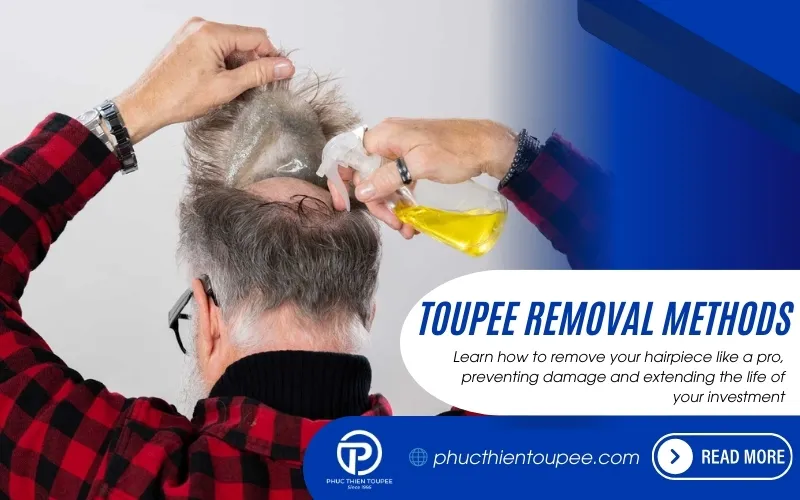
5 Toupee Removal Methods: Safe, Easy, & Effective Guide
Removing your toupee doesn’t have to be a daunting task. Learn how to remove your hairpiece like a pro, preventing damage and extending the life of your investment.
Understanding Toupee Adhesives and Removal Needs
Tape: Double-sided tape designed for hair systems. Liquid Adhesives (Glues): Stronger hold, but require more careful removal. Skin Sensitivity: Some people are more sensitive to certain adhesives. Hair System Base Material: Lace, polyurethane (skin), or monofilament bases react differently to removal products. Prevents Hair Damage: Ripping or pulling can damage both the toupee hair and your natural hair. Avoids Skin Irritation: Harsh chemicals or improper techniques can lead to redness, itching, or even infections. Extends Toupee Lifespan: Gentle removal keeps your hair system in good condition.

The Essential Toupee Removal Toolkit
Gathering the right tools will make the removal process smoother and safer. Look for options that are gentle, skin-safe, and compatible with your adhesive type. Soft Cloth or Towel: For wiping away residue. Solvent-Based: Effective for strong glues, but can be drying. Oil-Based: Gentler and moisturizing, but may require more effort to remove all residue. Pro Tip from Phucthien: Invest in high-quality removers to protect your hair and skin.
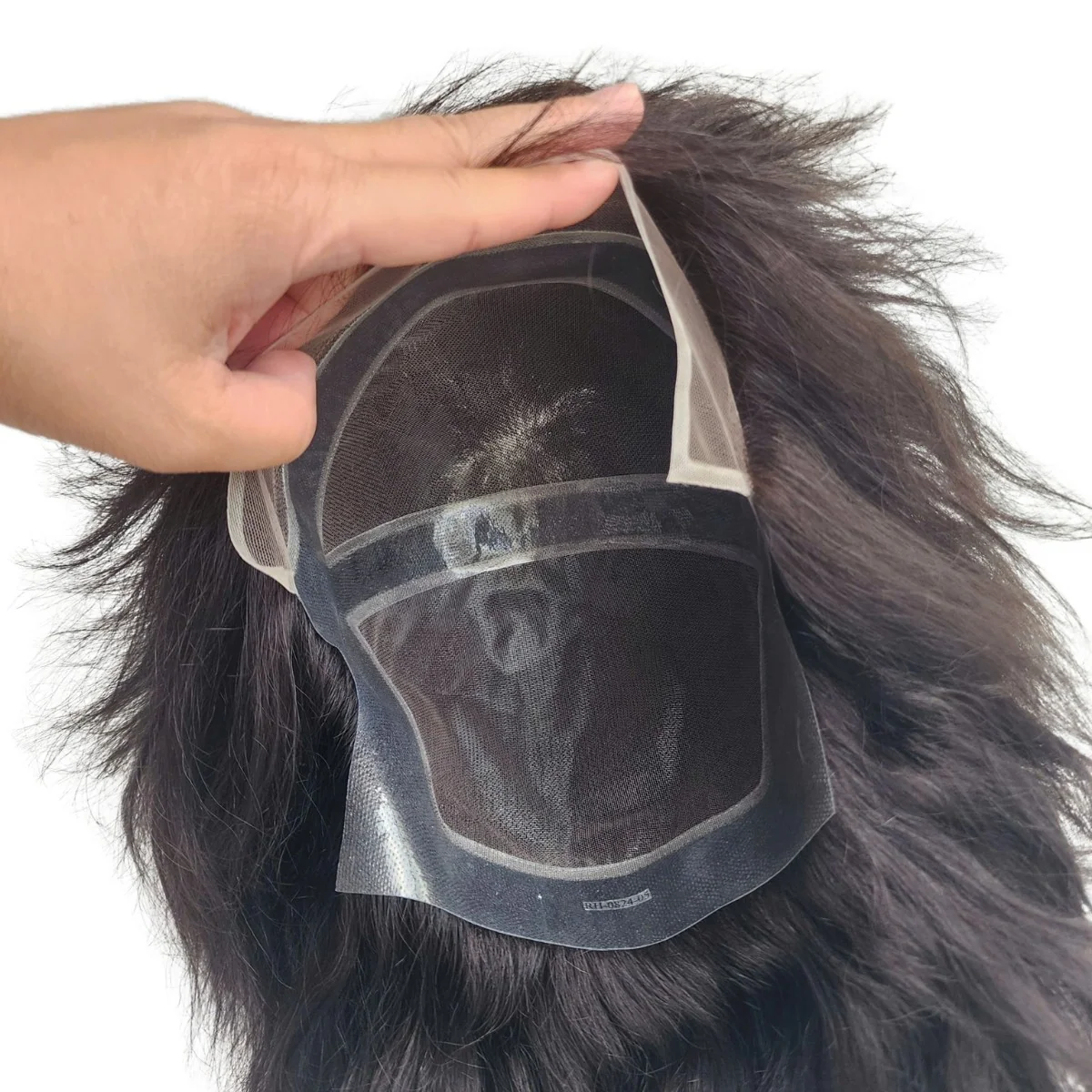
Safe and Effective Toupee Removal Methods: Step-by-Step
- 1. The Spray-and-Peel Method: Optimal for Tape Adhesives: Best For: Tape adhesives, quick removal needs, users comfortable with spray applicators.
- 2. The Oil Soak Method: Gentle Solution for Liquid Adhesives: Oil-based removers or even natural oils can be very effective at breaking down strong liquid bonds (like acrylic or silicone glues) while being gentler on the skin. Allow the oil to sit and penetrate the adhesive bond for a significant period, typically 15-30 minutes, sometimes longer for very strong or built-up adhesive.
- 3. The Cotton Swab/Pad Application: Precision for Sensitive Areas & Touch-Ups: Best For: Sensitive skin, hairline removal, small touch-ups, lace front systems. Rinse and Cleanse: Rinse the treated areas of your scalp with water, then follow with the full cleansing routine outlined in Section 5.
- 4. The Warm Compress Enhancement Method: Boosting Remover Action: Applying gentle warmth can significantly speed up the action of many adhesive removers by softening the adhesive itself, making it more receptive to the solvent or oil. Apply Remover First: Begin your chosen removal method (e.g., apply the spray remover or the oil).
- 5. The Gradual Lift & Apply Method: Ultimate Patience for Minimal Stress: Wait for Initial Release: Allow the remover adequate time (as per instructions) to work on just that small starting section.
Common Mistakes to Avoid During Toupee Removal
Even with the best techniques, it’s easy to make mistakes. Ripping or Pulling: This can damage your natural hair and the toupee. Using Harsh Chemicals: Avoid household solvents like acetone, which can irritate the skin. Neglecting Skin Care: Always cleanse and moisturize your scalp after removal. Ignoring Skin Sensitivities: If you experience redness, itching, or burning, stop using the product immediately and consult a dermatologist.

Post-Removal Care: Scalp and Toupee Maintenance
Once you’ve successfully removed your toupee, it’s time to care for your scalp and hair system.
- Essential Scalp Care Routine: Your scalp has been under cover and in contact with adhesives and removers. Giving it proper attention immediately after removal is vital. How-To: Once or twice a week (on a day you are not removing/reapplying, or well after any post-removal irritation has subsided), use a designated scalp scrub or a very soft brush during your regular shower routine.
- Meticulous Toupee Care Routine: Cleaning your hair system properly after removal is just as important as scalp care. Rinse the base thoroughly with water to remove the cleaner before proceeding to wash the hair. If you must use a blow dryer, use the lowest heat and speed setting, keep it moving, and avoid concentrating heat on the base. By diligently following these post-removal care steps for both your scalp and your toupee, you foster a healthy environment for wearing your hair system, extend its lifespan, and ensure each application is as comfortable and secure as possible.
Troubleshooting Common Toupee Removal Problems
Even with the best preparation, you might encounter some challenges. Adhesive Won’t Budge: Apply more remover and let it sit longer. Use a warm compress to help soften the adhesive. Skin Irritation: Stop using the product and consult a dermatologist. Apply a soothing cream or lotion to the affected area. Consider switching to a milder adhesive or removal method. Residue Remains: Use a cotton swab dipped in remover to target stubborn residue.
Long-Term Tips for Easier Toupee Removal
Preventing problems is always better than fixing them. Use the Right Adhesive: Choose an adhesive that’s appropriate for your skin type, hair system base, and lifestyle. Clean Your Scalp Regularly: Regular cleansing prevents adhesive build-up and promotes healthy skin. Replace Your Adhesive Regularly: Old adhesive is more difficult to remove. Avoid Overlapping Adhesive: Apply adhesive only where it’s needed. Expert Insight from Phucthien: A little prevention goes a long way!