

- 13/05/2025
- Posted by: phucthien
- Category: Blog
Toupee Problem Solving focuses on addressing common challenges in non-surgical hair replacement, such as fit and natural appearance, with practical strategies and expert guidance. At Phucthientoupee, we provide step-by-step solutions and maintenance tips to ensure your toupee enhances your confidence and comfort, making it feel like a natural part of you.
Understanding the Importance of Proper Toupee Care
Wearing a toupee, or hair system, is a fantastic solution for addressing hair loss, offering a significant boost in confidence and restoring a youthful appearance. However, like any high-quality accessory or personal care item, it requires appropriate attention to maintain its optimal look, feel, and function. Neglecting proper care can lead to many of the common problems users experience, turning a confidence-boosting solution into a source of stress.
Proper care extends beyond simple cleaning; it encompasses correct application, removal, storage, and handling. It involves understanding the specific needs of your hair system’s base material (be it lace, polyurethane, monofilament, or a hybrid) and the hair fibers (human or synthetic). Think of it as an investment in your appearance and self-esteem. Just as you would care for a fine garment or a luxury vehicle, consistent and correct maintenance ensures your hair system performs reliably and looks its best for the longest possible duration.
Furthermore, proper care is intrinsically linked to scalp health. An ill-maintained toupee or improper application/removal techniques can potentially lead to scalp irritation, clogged pores, or even fungal issues. Prioritizing clean scalp environments and using appropriate products are fundamental aspects of successful long-term toupee wear. Phucthientoupee emphasizes a holistic approach, where caring for the hair system goes hand-in-hand with caring for the underlying scalp.

Struggling with your toupee? Master Toupee Troubleshooting to fix common Toupee Mistakes
Problem 1: Toupee Slipping or Lifting (The Security Concern)
One of the most significant anxieties for toupee wearers is the fear of the unit slipping, shifting, or lifting unexpectedly. This security concern can undermine confidence in social or active situations. A secure attachment is paramount for peace of mind and a natural look.
Causes of Toupee Movement
Several factors can contribute to a toupee failing to stay securely in place:
- Inadequate Scalp Preparation: Oily skin, sweat, or residue from shampoos, conditioners, or previous adhesives can create a barrier, preventing the tape or liquid adhesive from bonding effectively with the scalp.
- Incorrect Adhesive Choice: Not all adhesives are created equal. Factors like skin type (oily vs. dry), climate (humidity levels), activity level (sweating), and desired hold time dictate the most suitable adhesive type (tape, liquid glue) and formulation. Using an adhesive not suited for your specific needs can lead to premature breakdown.
- Improper Application Technique: Rushing the application, not allowing liquid adhesive to become tacky before placement, applying too much or too little adhesive, or failing to press the unit firmly into place can compromise the bond strength.
- Natural Scalp Oils and Sweat: Even with proper preparation, the scalp naturally produces oils (sebum) and sweat, especially during physical activity or in warm weather. These bodily fluids can gradually weaken the adhesive bond over time.
- Hair System Base Condition: An old or poorly maintained toupee base might become less receptive to adhesives. Residue buildup on the base itself can also interfere with a secure attachment.
- Poor Fit: A toupee that doesn’t contour correctly to the shape of your head may have edges or areas that are prone to lifting because they aren’t making proper contact with the scalp.

Solution 1: Proper Scalp Preparation is Key
Achieving a long-lasting, secure bond starts before the toupee is even applied. A clean, oil-free surface is essential.
Step-by-Step Scalp Preparation:
- Cleanse Thoroughly: Wash your scalp using a clarifying shampoo or a specialized scalp cleanser designed for toupee wearers. Avoid moisturizing shampoos or conditioners on the application area, as they can leave residue. Rinse thoroughly.
- Dry Completely: Pat your scalp dry with a clean towel. Ensure the application area is 100% dry. Even slight dampness can interfere with adhesion. Using a hairdryer on a cool setting can help ensure thorough dryness.
- Remove Oils and Residue: Apply a scalp preparation product. Phucthien often recommends using 99% Isopropyl Alcohol on a cotton pad and wiping the entire attachment area. This effectively removes residual oils and prepares the skin surface. Allow the alcohol to evaporate completely (usually takes less than a minute).
- Apply Scalp Protector (Optional but Recommended): For sensitive skin or to enhance bond strength, especially in humid conditions or for those who sweat heavily, apply a thin layer of scalp protector (like Walker Tape’s Scalp Protector™ or Safe-Grip’s Sure-Stick™). This creates a barrier between the skin and the adhesive, improving hold time and reducing potential irritation. Allow it to dry completely according to the product instructions (typically 1-3 minutes).
Table: Scalp Preparation Essentials
| Step | Action | Product Recommendation (Type) | Purpose |
| 1. Cleanse | Wash scalp thoroughly | Clarifying Shampoo / Scalp Cleanser | Remove dirt, oils, product buildup |
| 2. Dry | Pat dry completely, use cool hairdryer if needed | Clean Towel | Ensure no moisture interferes with bonding |
| 3. Degrease | Wipe application area with alcohol | 99% Isopropyl Alcohol | Remove residual oils, create clean surface |
| 4. Protect (Opt.) | Apply thin layer of scalp protector | Liquid Scalp Protector | Enhance bond, protect sensitive skin |
✂️ Be unique — create your custom-made toupee today!
Solution 2: Choosing the Right Adhesive (Tape vs. Liquid)
The choice between toupee tape and liquid adhesive (glue) depends heavily on personal preference, lifestyle, skin type, desired hold time, and the type of toupee base.
Toupee Tapes:
- Pros: Easier to apply, less messy cleanup, available in various contours and strengths (daily wear, extended wear), good for beginners. Often comes in pre-cut shapes for specific areas (front hairline, perimeter).
- Cons: Can sometimes feel thicker or less flexible than liquid adhesives, might leave more residue during removal depending on the type, bond strength might be slightly less robust than some extended-wear glues in extreme conditions.
- Best For: Beginners, daily wear, less oily skin types, structured base materials (like monofilament or thicker poly). Popular brands include Walker Tape (Ultra Hold, No Shine), Super Tape, Blue Lace Support Tape.
Liquid Adhesives (Glues):
- Pros: Can provide a very strong, long-lasting bond (some offer multi-week holds), creates a thinner layer potentially offering a more seamless edge, can conform well to scalp contours. Options available for different skin types (water-based for sensitivity, acrylic-based for stronger hold).
- Cons: Messier application and removal, requires precise application and drying/curing time, cleanup can be more involved requiring specific solvents. Potential for seepage if applied too thickly.
- Best For: Experienced users, extended wear, active lifestyles, oily skin (with appropriate formulation), lace bases (for invisibility), achieving the flattest possible edge. Popular brands include Ghost Bond (XL, Platinum), Walker Tape Ultra Hold Adhesive, Safe-Grip Secure Adhesive.
Table: Adhesive Comparison
| Feature | Toupee Tapes | Liquid Adhesives (Glues) |
| Application | Easier, cleaner, pre-cut shapes available | Can be messy, requires precision |
| Cleanup | Generally easier, potentially more residue | More involved, requires solvents |
| Hold Time | Daily to Extended (1-4 weeks typically) | Extended (2-6+ weeks typically) |
| Feel/Profile | Can feel slightly thicker | Thinner layer, potentially more seamless edge |
| Best Base Types | Mono, Poly, Perimeter Bonding | Lace, Thin Skin Poly, Full Head Bonding |
| Skill Level | Beginner-friendly | Intermediate to Advanced |
| Sensitivity | Various hypoallergenic options available | Water-based options for sensitive skin |
🔍 Looking for a specific size, base, or hair color? Order a fully personalized toupee now!
Solution 3: Application Techniques for Maximum Hold
Correct application technique is as crucial as product selection.
For Tapes:
- Handle Minimally: Avoid touching the sticky side of the tape with your fingers, as oils can weaken the bond. Use tweezers or handle only by the edges/liner.
- Apply to Base First (Usually): Most users find it easier to apply tape strips to the cleaned underside of the toupee base first, trimming excess as needed. Ensure tape is placed right up to the edges.
- Press Firmly: Once tape is on the base, press it down firmly to ensure good contact.
- Remove Liner & Position: Carefully remove the backing paper/liner from the tape. Position the toupee carefully on your prepared scalp, starting from the front hairline and rolling it back or placing it according to your usual method.
- Secure the Bond: Once positioned, press down firmly all over the toupee, especially around the perimeter, for at least 30-60 seconds. This pressure activates the bond. Avoid getting the hair system wet or excessive sweating for the first 24 hours if possible, as this allows the bond to fully cure.
For Liquid Adhesives:
- Apply Thin, Even Coats: Apply a thin, even layer of adhesive to your scalp (or sometimes the base, check product instructions). Multiple thin coats (2-3) are often better than one thick coat.
- Allow Tacking Time: This is CRITICAL. Most liquid adhesives need to become tacky before placing the unit. This time varies by product and climate (usually 5-10 minutes). The adhesive often turns clear or changes appearance when ready. Check manufacturer instructions. Applying the toupee while the glue is still wet will result in a weak bond and potential seepage.
- Position Carefully: Gently place the toupee onto the tacky adhesive, starting from the front and rolling back, ensuring correct alignment. Avoid repositioning once contact is made, as this can weaken the bond.
- Press Firmly: Similar to tape, press down firmly across the entire unit for 60 seconds or more to ensure full contact and a strong bond.
- Curing Time: Adhere strictly to the recommended curing time (often 24 hours) before washing, swimming, or engaging in activities causing heavy sweating.

Problem 2: Unnatural Appearance (The Visibility Issue)
The goal of wearing a toupee is for it to be undetectable. An unnatural appearance can stem from several factors, making the wearer feel self-conscious. Achieving a seamless, natural look requires attention to detail in selection, fitting, and styling.
Common Reasons for an Unnatural Look
- Poor Color Match: The toupee hair color doesn’t blend realistically with the wearer’s existing biological hair (if any). This mismatch is often most noticeable at the sides and back. Even slight variations in shade or tone can be giveaways.
- Incorrect Density: The hair density of the toupee (how much hair is packed into each square inch) doesn’t match the wearer’s natural hair density or isn’t age-appropriate. A toupee that is too thick can look artificial, especially on older individuals or those with naturally finer hair.
- Unrealistic Hairline: The front hairline is perhaps the most critical area. A hairline that is too straight, too dense, lacks graduation (finer hairs at the very front), has visible knots, or sits too low or too high on the forehead screams ‘toupee’.
- Bad Cut and Style: A toupee that hasn’t been professionally cut and blended into the wearer’s existing hair (or styled appropriately if covering the full scalp) will look obvious. The transition points must be seamless. A bulky or helmet-like appearance often results from a poor cut.
- Visible Base Material: The edges of the toupee base (especially thicker poly or improperly applied lace) might be visible upon close inspection. Shine from the base material or adhesive can also betray the system.
- Hair Fiber Issues: Low-quality synthetic hair can have an unnatural shine. Even human hair can look dull or processed if not sourced or cared for correctly. The texture might not match the wearer’s own hair.
Solution 1: Achieving a Seamless Blend (Color & Density)
Color Matching:
- Professional Consultation: The best way to ensure a perfect color match is through a professional consultation, ideally with Phucthientoupee or a qualified stylist. They can use color rings and assess your natural hair (even if it’s just on the sides/back) in natural light.
- Provide Hair Samples: If ordering online or consulting remotely, provide accurate hair samples from different areas of your head (sides, back). Photos are helpful but can be misleading due to lighting.
- Consider Natural Variations: Natural hair is rarely one solid color. High-quality toupees often incorporate subtle variations or highlights (e.g., 5-10% gray blend, subtle lighter strands) for realism. Discuss these options.
- Factor in Oxidation: Hair systems, especially human hair, can slightly oxidize or lighten over time with exposure to sun and washing. Account for this or plan for minor color touch-ups if needed.
Density Selection:
- Match Existing Hair: If blending with existing hair, match the density closely.
- Age Appropriateness: Generally, density decreases with age. Opt for lighter densities (e.g., light-medium or light) for a more natural look on mature individuals. Overly dense systems often look fake.
- Base Visibility: Lighter densities often allow for a more invisible front hairline, especially on lace bases.
- Consultation is Key: Discuss density with your supplier (like Phucthien). Standard densities range from Extra Light (around 60%) to Heavy (150%+). Medium-Light (90-100%) to Medium (110-120%) are common natural-looking choices for many men.
🎨 Your style, your hair — we make it exactly how you want.
Table: Common Hair Density Guidelines
| Density Category | Percentage Range | Typical User Profile | Appearance |
| Extra Light | 60-70% | Very fine hair, significantly receding hairline simulation | Very sparse, scalp visible |
| Light | 80-90% | Fine hair, natural recession, older individuals | Natural thinning look, subtle coverage |
| Medium-Light | 90-100% | Common choice for natural appearance, slight thinning look | Good balance of coverage and naturalness |
| Medium | 110-120% | Average natural hair density for many adults | Full look, good coverage |
| Medium-Heavy | 130-140% | Thicker natural hair | Very full, dense appearance |
| Heavy | 150%+ | Very thick hair, specific style requirements | Extremely dense, can look artificial |

Solution 2: Perfecting the Hairline
Creating an undetectable front hairline is an art form.
- Choose the Right Base: Lace front bases (like French Lace or Swiss Lace) are industry standards for achieving invisible hairlines because the lace disappears against the skin when adhesive is applied correctly. Thin skin (polyurethane) bases can also offer great hairlines if the edge is thin enough (e.g., 0.03mm).
- Graduated Density: Ensure your toupee has a graduated hairline, meaning the density is lighter at the very front and gradually increases. This mimics natural hair growth.
- Knot Bleaching (Lace Bases): On lace bases, the knots where hair is tied can be visible as small dark dots. Requesting bleached knots makes them virtually invisible. Note: Over-bleaching can weaken knots and cause shedding. Light bleaching is usually sufficient.
- Single Knots/Split Knots: Using finer knotting techniques (single knots or split knots) at the hairline also reduces visibility compared to larger double knots used elsewhere on the system.
- Hairline Shape: Opt for a slightly irregular or naturally receding hairline shape rather than a perfectly straight, harsh line. Consult with Phucthien or your stylist on the most flattering and realistic shape for your face and age.
- Proper Placement: Ensure the toupee is placed at a natural position on your forehead – typically about four fingers’ width above your eyebrows, but this varies. Placing it too low looks unnatural.
Solution 3: Professional Cutting and Styling
Never wear a toupee straight out of the box without having it professionally cut and styled.
- Find an Experienced Stylist: Seek a hairstylist who has specific experience cutting and blending hair systems. This is different from cutting biological hair. Phucthientoupee can often recommend experienced stylists or provide guidance.
- Blending is Crucial: The stylist needs to seamlessly blend the hair of the toupee with any existing biological hair on the sides and back. This involves texturizing, layering, and matching lengths.
- Cut on Your Head: The toupee should be cut while you are wearing it securely attached. This ensures the style integrates properly with your head shape and features.
- Less is More Initially: It’s always better to cut less initially; hair can always be cut shorter, but it can’t be added back. Start with a longer length and refine it.
- Appropriate Style: Choose a hairstyle that suits the toupee’s density and base, your face shape, and your lifestyle. Some styles are better at concealing edges than others (e.g., styles with some forward fringe can help).
✨ A toupee shouldn’t just hide hair loss — make it a style statement!
Problem 3: Scalp Irritation and Discomfort
While toupees offer a great solution, some users experience scalp irritation, itching, or general discomfort. This can range from mild redness to more persistent issues that make wearing the system unpleasant. Addressing these issues is crucial for long-term satisfaction.
Identifying the Causes of Irritation
- Allergic Reactions/Sensitivity: Skin can react to ingredients in adhesives (tapes or liquids), solvents used for removal, scalp preparation products, or even the toupee base material itself (rarely, but possible with certain polyurethanes or latex).
- Trapped Sweat and Oil: The scalp continues to produce sweat and sebum under the toupee. If the base isn’t breathable enough or cleaning isn’t frequent enough, this buildup can irritate the skin and potentially lead to clogged pores or bacterial/fungal growth.
- Adhesive Residue: Incomplete removal of adhesive residue during cleaning can lead to buildup, trapping dirt and oils against the scalp, causing irritation.
- Mechanical Irritation: Friction from the edge of the toupee base rubbing against the scalp, especially if the fit isn’t perfect or the edge is rough, can cause redness or soreness. A toupee that’s applied too tightly can also cause discomfort.
- Improper Cleaning Solvents: Using harsh solvents or not rinsing them off thoroughly after removal can leave irritating chemicals on the scalp.
- Underlying Skin Conditions: Pre-existing conditions like eczema, psoriasis, or seborrheic dermatitis can be exacerbated by wearing a hair system if not managed properly.
Solution 1: Selecting Hypoallergenic Products
If you suspect an allergic reaction or have sensitive skin, switching products is the first step.
- Adhesives: Look for adhesives specifically labeled as hypoallergenic or formulated for sensitive skin. Water-based liquid adhesives (like Ghost Bond Sensitive or Walker Tape Great White) are often gentler than acrylic-based ones. Many tape manufacturers also offer hypoallergenic versions (e.g., Walker Tape Sensi-Tak).
- Solvents: Opt for skin-safe adhesive removers. Citrus-based (like C-22 Citrus Solvent) or oil-based removers are often less harsh than alcohol-based ones for sensitive skin, though cleanup might take slightly longer. Always patch test a new solvent on a small area of skin first.
- Scalp Preparations: Choose alcohol-free scalp protectors if alcohol causes stinging or dryness. Products containing tea tree oil or other soothing ingredients can be beneficial.
- Patch Testing: ALWAYS perform a patch test before using a new adhesive, solvent, or scalp prep product extensively. Apply a small amount to an inconspicuous area (like behind the ear or inner elbow) and wait 24-48 hours to check for any redness, itching, or irritation.
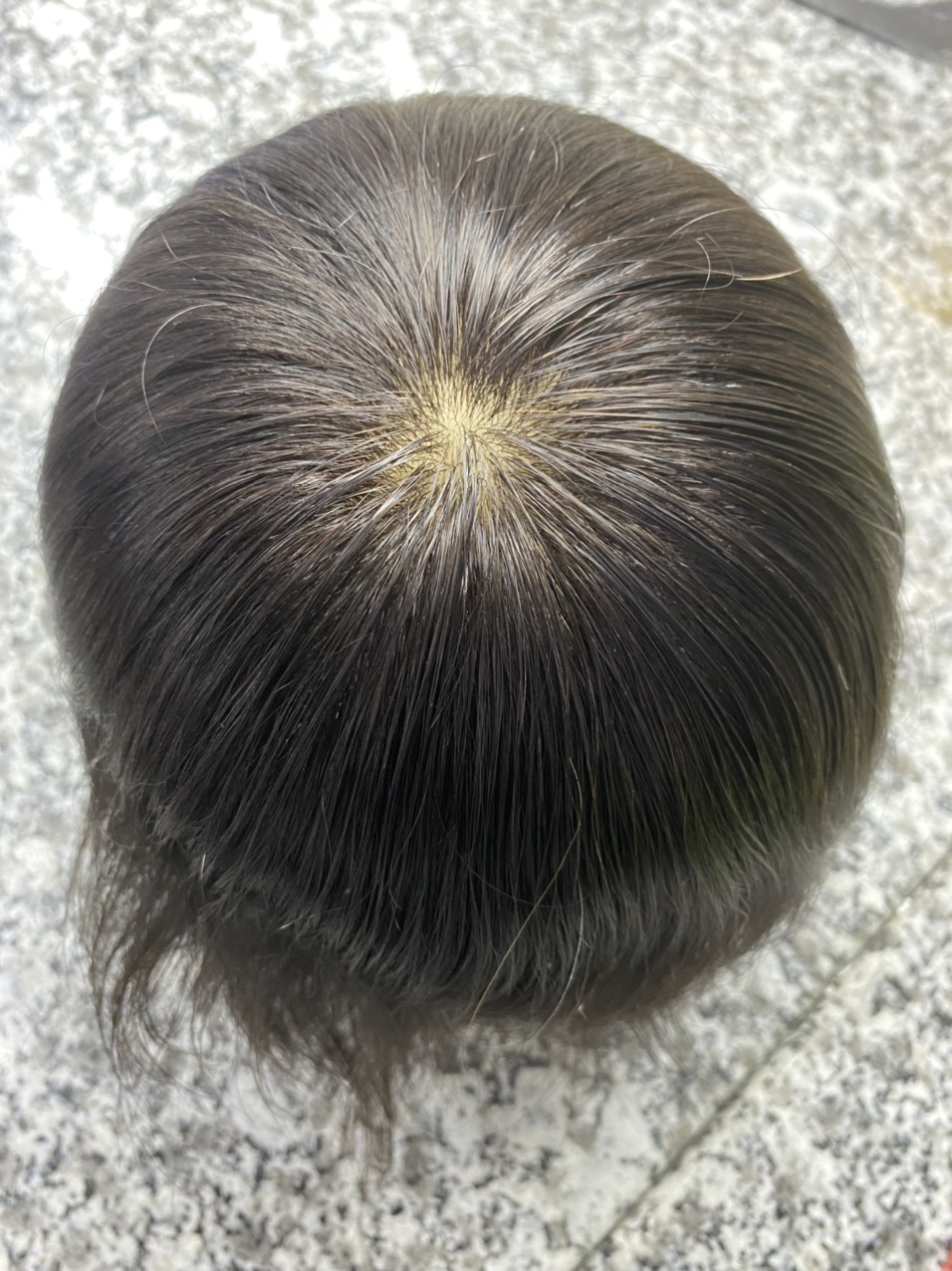
Solution 2: Maintaining Scalp Hygiene Under the Toupee
Keeping the scalp clean, even during extended wear, is vital.
- Regular Cleaning Schedule: Adhere to a regular removal and cleaning schedule appropriate for your adhesive type and lifestyle. Don’t try to stretch wear times excessively if you notice irritation. For daily wear adhesives, clean the scalp daily. For extended wear (1-4 weeks), ensure thorough cleaning during each reapplication.
- Thorough Cleansing: When the toupee is off, cleanse your scalp meticulously using a gentle, residue-free shampoo or antiseptic scalp cleanser. Massage gently to remove any buildup. Rinse thoroughly.
- Antifungal/Antibacterial Shampoos (If Needed): If prone to fungal issues or excessive sweating, occasionally using a shampoo with antifungal ingredients (like ketoconazole) or antibacterial properties (like tea tree oil) on the scalp during cleaning cycles can help prevent problems. Consult a dermatologist if issues persist.
- Complete Residue Removal: Ensure ALL adhesive residue is removed from the scalp using the appropriate solvent and technique before washing. Leftover residue is a primary cause of irritation.
🔧 Don’t throw it away — let us restore your old toupee to like-new condition!
Solution 3: Allowing the Scalp to Breathe
Giving your scalp breaks from the toupee can significantly reduce irritation.
- Consider Daily Wear: If feasible for your lifestyle and adhesive choice allows, switching to daily wear (applying in the morning, removing at night) gives your scalp several hours each day to breathe and recover.
- Scheduled Breaks: Even with extended wear, try to schedule a break of several hours or even a full day between removal and reapplication whenever possible.
- Choose Breathable Bases: Lace bases (French or Swiss) are generally more breathable than polyurethane (poly/thin skin) bases, allowing better air circulation and sweat evaporation. Monofilament bases also offer good breathability. If you sweat heavily or live in a hot climate, a lace base might be more comfortable.
Table: Base Material Breathability Comparison
| Base Material | Breathability | Pros | Cons |
| French Lace | High | Natural hairline, comfortable, breathable | More delicate, knots may need bleaching |
| Swiss Lace | Very High | Most invisible hairline, very breathable | Most delicate base, shorter lifespan |
| Monofilament (Mono) | Good | Durable, good breathability | Can be slightly stiffer, less invisible edge |
| Polyurethane (Poly) | Low to Medium | Easy cleanup, invisible edge (thin skin) | Less breathable, can trap heat/sweat |
| Hybrid (e.g., Lace Front + Poly Perimeter) | Varies | Combines benefits (e.g., natural front + easy cleanup perimeter) | Complexity |
Problem 4: Toupee Maintenance Challenges (Cleaning & Upkeep)
Proper maintenance is non-negotiable for keeping your toupee looking good, feeling fresh, and lasting as long as possible. However, the cleaning and upkeep process can seem daunting initially and, if done incorrectly, can damage the unit. This addresses toupee maintenance tips and toupee cleaning solutions directly.
Why Regular Maintenance Matters
- Appearance: Removes product buildup (hairspray, gels), dirt, and oils that make the hair look dull, limp, or greasy.
- Hygiene: Eliminates trapped sweat, bacteria, and odors, crucial for scalp health and social confidence.
- Longevity: Proper cleaning and conditioning prevent hair tangling, drying out, and shedding, extending the usable life of the hair system. Residue buildup on the base can also degrade the material over time.
- Adhesion: A clean base allows for better adhesion during the next application.
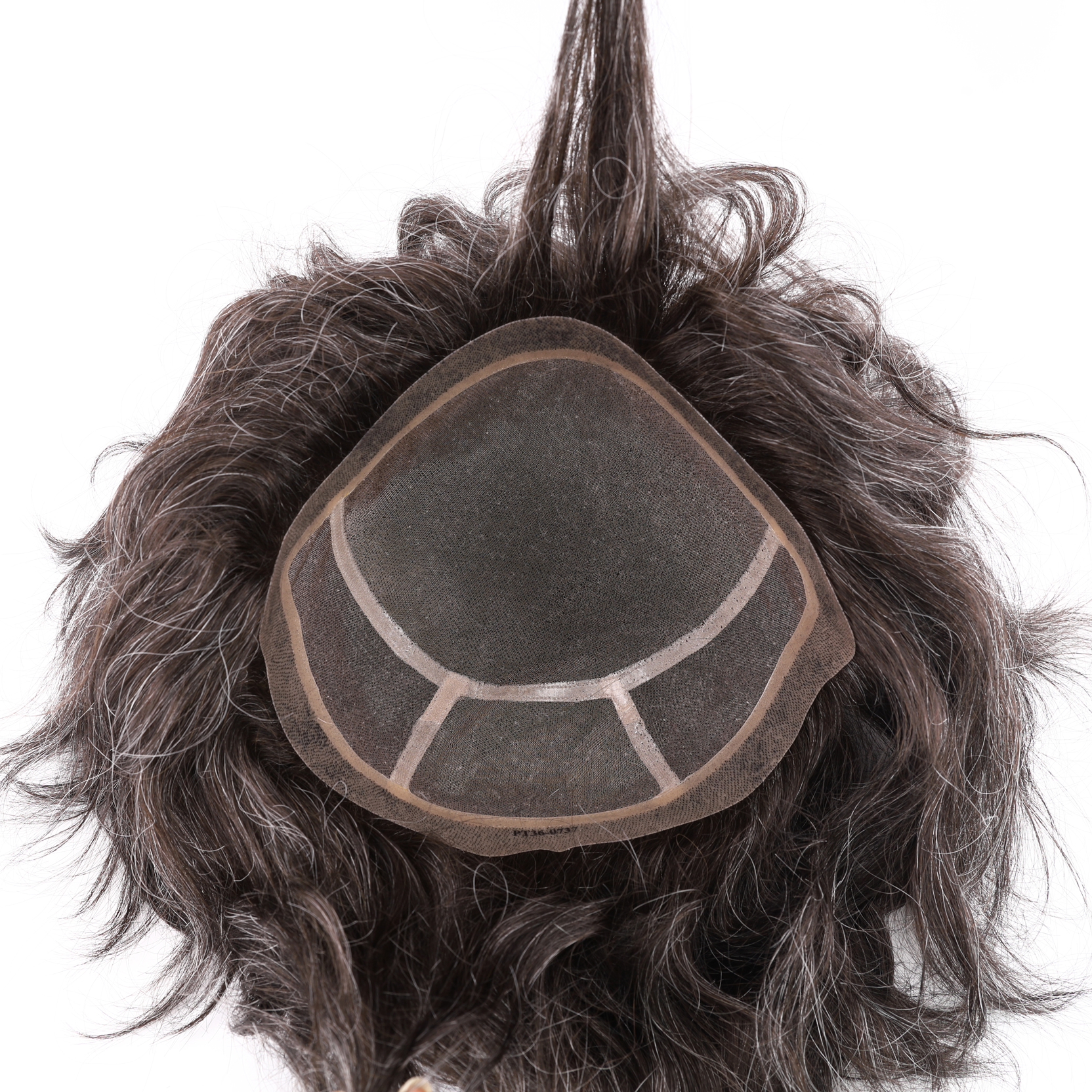
Solution 1: Establishing a Cleaning Routine
Consistency is key. The frequency depends on wear time, lifestyle, and products used.
- Daily Wearers: Clean the base after each removal. Wash the hair as needed (typically every few wears, depending on styling product use).
- Extended Wearers: Perform a full clean (base and hair) upon each removal/reapplication cycle (e.g., every 1-4 weeks). You might need to gently cleanse the exposed hair while wearing the system between full cleanings if significant product buildup occurs.
- Tools Needed: Wide-tooth comb, wig stand or mannequin head, appropriate shampoo and conditioner (sulfate-free, for color-treated hair if applicable), adhesive solvent, towels, potentially a basin or sink sprayer.
🛠️ Send us your damaged piece today and receive a fast quote!
Solution 2: Using the Correct Cleaning Products
Using standard hair products not designed for hair systems can strip color, cause dryness, or damage the base.
- Shampoo: Use a mild, sulfate-free shampoo specifically designed for hair systems or color-treated hair. Sulfates can be harsh and strip moisture and color.
- Conditioner: Apply conditioner primarily to the mid-lengths and ends of the hair, avoiding the base/knots as much as possible. Conditioner can loosen knots and cause shedding if applied heavily to the base. Use a conditioner formulated for hair systems or a high-quality one for processed hair. Leave-in conditioners (sprays) are excellent for adding moisture without needing extensive rinsing near the base.
- Solvents: Use solvents designed specifically for toupee adhesive removal (e.g., C-22, Walker Solvent, No Trace). Match the solvent type to your adhesive (some work better on acrylics, others on water-based glues or tapes).
- Base Cleaning: After removing the bulk of the adhesive with solvent, you may need to gently scrub the base with a soft brush or cloth using the solvent or a specialized base cleaner to remove all residue. Rinse thoroughly.
Step-by-Step Cleaning Process (Full Clean):
- Removal: Gently peel the toupee off using an appropriate adhesive remover/solvent as needed to release the bond without pulling.
- Adhesive Removal (Base): Apply solvent generously to the underside of the base where adhesive/tape residue remains. Let it sit for the recommended time (check product instructions, usually a few minutes) to break down the adhesive. Gently scrape or wipe away the loosened residue using a cloth, paper towel, or specialized tool. Repeat until all residue is gone. Be patient; don’t scrub harshly, especially on lace.
- Base Wash: Once residue is removed, wash the base with a clarifying shampoo or base cleaner to remove solvent traces. Rinse thoroughly.
- Hair Detangling: Gently detangle the hair using a wide-tooth comb, starting from the ends and working your way up to the base. Do this before wetting the hair extensively, if possible, or when conditioner is applied.
- Hair Washing: Wet the hair under cool running water, pointing the water flow from base to ends to avoid tangling. Apply a small amount of appropriate shampoo and gently smooth it through the hair downwards. Do NOT rub, scrub, or massage in circles, as this causes tangling. Rinse thoroughly.
- Conditioning: Apply conditioner from mid-length to ends. Avoid the base. Let it sit for a few minutes (check product instructions). Rinse thoroughly under cool water, again directing flow from base to ends.
- Rinsing: Ensure all products are completely rinsed out of both the hair and the base.
Solution 3: Proper Drying and Storage Techniques
Incorrect drying or storage can lead to tangling, misshapen bases, and reduced lifespan.
- Towel Blotting: Gently blot excess water from the hair with a soft towel. Do not rub or wring the hair.
- Air Drying (Recommended): Place the cleaned toupee on a wig stand or mannequin head to air dry completely. This helps maintain the base shape and is gentlest on the hair fibers. Keep it away from direct sunlight or high heat.
- Blow Drying (Use Caution): If blow drying is necessary, use a low heat setting and keep the dryer moving constantly. Avoid high heat, especially near the base, as it can damage knots or the base material (especially poly). Using a heat protectant spray is advisable.
- Storage: When not wearing the toupee (e.g., overnight for daily wearers, or storing a spare unit), keep it on a wig stand or in its original box/container to maintain shape and prevent tangling or dust accumulation. Store in a cool, dry place.

Problem 5: Limited Lifespan and Durability Issues
Toupees are not permanent; they are wearable items that experience wear and tear over time. However, some users find their systems degrade faster than expected. Understanding the factors affecting longevity and implementing protective measures can maximize the investment.
Factors Affecting Toupee Longevity
- Base Material: Different base materials have varying lifespans. Delicate bases like Swiss Lace or ultra-thin skin (0.03mm poly) offer incredible realism but are less durable than French Lace, monofilament, or thicker poly bases.
- Hair Type and Quality: 100% human hair (especially Remy hair, where cuticles are aligned) generally lasts longer and looks more natural than synthetic hair, but requires more care. Even among human hair, processing levels affect durability. Virgin (unprocessed) hair is the most durable but often harder to source and match. Synthetic hair holds its style well but can frizz or melt with heat and has a shorter lifespan overall.
- Maintenance Routine: Harsh cleaning, improper handling, excessive heat styling, incorrect products, and infrequent conditioning all shorten the lifespan of both the hair and the base.
- Environmental Factors: Frequent exposure to sun (UV fading), chlorine (swimming pools), saltwater, and friction (e.g., headwear, sleeping) can degrade the hair and base material.
- Adhesives and Solvents: Constant application and removal, especially with strong solvents or aggressive cleaning techniques, can put stress on the base material and knots over time.
- Natural Shedding: All hair systems will experience some hair shedding over time as knots loosen or hair strands break. This is normal but can be accelerated by poor care.
Solution 1: Gentle Handling and Styling
Treat your hair system with care, similar to how you would treat fine, processed biological hair.
- Combing/Brushing: Use a wide-tooth comb or a brush specifically designed for wigs/hair systems. Start detangling from the ends and work upwards to avoid putting stress on the knots/base. Avoid excessive pulling or brushing, especially when wet.
- Washing Technique: Use the gentle, downward smoothing motion described in the cleaning section. Avoid circular scrubbing.
- Heat Styling: Minimize heat styling. If using blow dryers, curling irons, or flat irons (only on human hair systems, NEVER synthetic unless specifically heat-friendly), always use the lowest effective heat setting and apply a heat protectant spray first. Avoid direct heat on the base.
- Sleeping: While some extended-wear adhesives allow sleeping in the toupee, it causes friction that accelerates wear and tear (tangling, shedding). If possible, remove the unit at night or use a silk or satin pillowcase to minimize friction.
👨🦱 Ready to wear and natural-looking — explore our men’s stock hairpieces today!
Solution 2: Protecting from Environmental Damage
- Sun Exposure: Wear a hat or use UV-protective hair products if spending extended time in direct sunlight to prevent color fading and drying.
- Swimming: Avoid swimming in chlorinated pools or saltwater with your toupee on if possible. If you do swim, wear a protective swim cap. Rinse the hair thoroughly with fresh water immediately afterward and apply a leave-in conditioner. Chlorine and salt are very damaging.
- Friction: Be mindful of friction from hats, helmets, or even leaning back against certain fabrics for prolonged periods.

Solution 3: Knowing When Repairs or Replacement are Needed
Even with excellent care, hair systems wear out. Recognize the signs:
- Excessive Shedding: Bald patches appearing, or significant thinning beyond normal shedding.
- Base Tears or Damage: Rips or holes in lace or poly material. Weak spots developing.
- Hair Quality Degradation: Hair becoming excessively dry, frizzy, tangled, or dull despite proper conditioning.
- Poor Fit: Base stretching or losing its shape, leading to lifting or discomfort.
Repair Options: Some issues, like minor tears or small areas of shedding, can sometimes be repaired professionally by adding hair or patching the base. Discuss options with Phucthientoupee or a repair specialist.
Replacement: Budget for regular replacement. Lifespan varies greatly:
- Ultra-realistic (Swiss Lace, thin skin): 1-3 months
- Standard Lace/Poly: 3-6 months
- Durable Mono/Poly: 6-12+ months
These are estimates; actual lifespan depends heavily on all the factors mentioned. Having a backup system is highly recommended to rotate wear and have one available during cleaning or repairs.
🌸 Lightweight, breathable, and stylish — discover the perfect topper just for you.
Bonus: Addressing Toupee Tightness
While less common than slipping, sometimes a new toupee can feel too tight or cause pressure headaches. This addresses the search intent on how to fix a toupee that’s too tight.
Causes:
- New Unit: Some base materials, especially polyurethane, might feel slightly stiff or tight initially before conforming to the head shape with wear.
- Incorrect Sizing: The template or measurements used might have been slightly off, resulting in a base that’s marginally too small.
- Overly Aggressive Attachment: Pulling the base too taut during application with strong adhesives can create uncomfortable tension.
Solutions:
- Allow Break-In Period: If the tightness is mild with a new unit, wear it for short periods initially. Body heat can sometimes help the base conform better over a few days.
- Check Application Technique: Ensure you are not stretching the base excessively when applying adhesive and positioning the unit. Apply it in a relaxed state.
- Gentle Stretching (Use Extreme Caution): For minor tightness on some poly bases, gently warming the base slightly with a hairdryer on a very low setting (do NOT overheat) and then placing it on a slightly larger mannequin head might provide minimal stretch. This is risky and can damage the unit if done improperly. Attempt only if experienced and willing to risk the unit. Not recommended for lace.
- Professional Adjustment: If the tightness persists or is significant, the best option is to consult with Phucthientoupee or your supplier. They might be able to make minor adjustments or determine if a sizing error occurred. In some cases, slight modifications to the perimeter bond or using less tension during application might suffice.
- Re-Templating/Ordering: If the fit is fundamentally wrong, the only true solution might be to get remeasured and order a correctly sized unit.
Phucthien’s Note: Comfort is key. A toupee should feel secure, not painfully tight. Persistent tightness usually indicates a fit issue that needs professional assessment rather than risky home remedies.
Expert hacks: Discover how Toupee Adhesives and Removers and Toupee Care in Humidity can prevent issues for a Natural Look Toupee Application
Conclusion: Embracing Confidence with Effective Toupee Problem Solving
Wearing a toupee is a journey toward renewed confidence and a positive self-image. While challenges like potential slipping, achieving a natural look, managing scalp comfort, mastering maintenance, and ensuring durability can arise, they are all addressable with the right knowledge and approach. Effective Toupee Problem Solving hinges on understanding the root causes and applying consistent, correct techniques.
By prioritizing proper scalp preparation, choosing suitable adhesives and high-quality hair systems, mastering application and removal methods, adopting a gentle and regular maintenance routine, and protecting your investment from damage, you can overcome these common hurdles. Remember that resources like Phucthientoupee are available to guide you, offering expertise and support.
Phuc Thien Toupee Co., Ltd
Design Brand: Royal Hair Vietnam
Office Address:
🏢 Room A909, Decapella Building, 116 Luong Dinh Cua Street, An Khanh Ward, Thu Duc City, Ho Chi Minh City 700000, Vietnam
Factory Address:
🏭 No. 26/9, Street 57, Thuong Hamlet, Tan Thong Hoi Ward, Cu Chi District, Ho Chi Minh City 700000, Vietnam
Email: ✉️ phucthientoupeevn@gmail.com
Phone / WhatsApp: 📞 +84 933 901 196
Websites: 🌐 phucthientoupee.com – 🌐 royalhair.shop



