

- 26/05/2025
- Posted by: phucthien
- Categories: Blog, Care, Attachment & Repair, Wigs & Full-Cap Hairpieces

8 Human Hair Wig Repair: Fixing Common Issues
Wig repair is essential for extending the life and maintaining the beauty of your cherished hairpieces. Phuc Thien is here to offer solutions and guidance to restore your wig to its former glory, so you can confidently enjoy your investment.
Diagnosing Common Wig Problems
Identifying the issue is the first step in successful wig repair. Shedding: This is a frequent concern, especially with human hair wigs. Tangling: Can occur with both synthetic and human hair wigs, making styling difficult. Dryness and Frizz: Human hair wigs can become dry and frizzy, especially with heat styling.

Essential Wig Repair Tools and Materials
Having the right tools and materials on hand will make wig repair easier and more effective. Wig Head or Mannequin: Provides a stable base for working on the wig. Wig Repair Glue: Specifically designed for wig repair, offering a strong and flexible bond. Consider brands like Walker Tape Ultra Hold Glue or Got2b Ultra Glued. Needle and Thread: Use a curved needle and strong thread matching the wig’s color. Wig Brush: Designed to minimize shedding and breakage. Wig Shampoo and Conditioner: Formulated to clean and hydrate wig fibers. Wig Stand: For storing the wig when not in use. Measuring Tape: To measure the cap before repairing rips.

Step-by-Step Guide to Common Wig Repairs
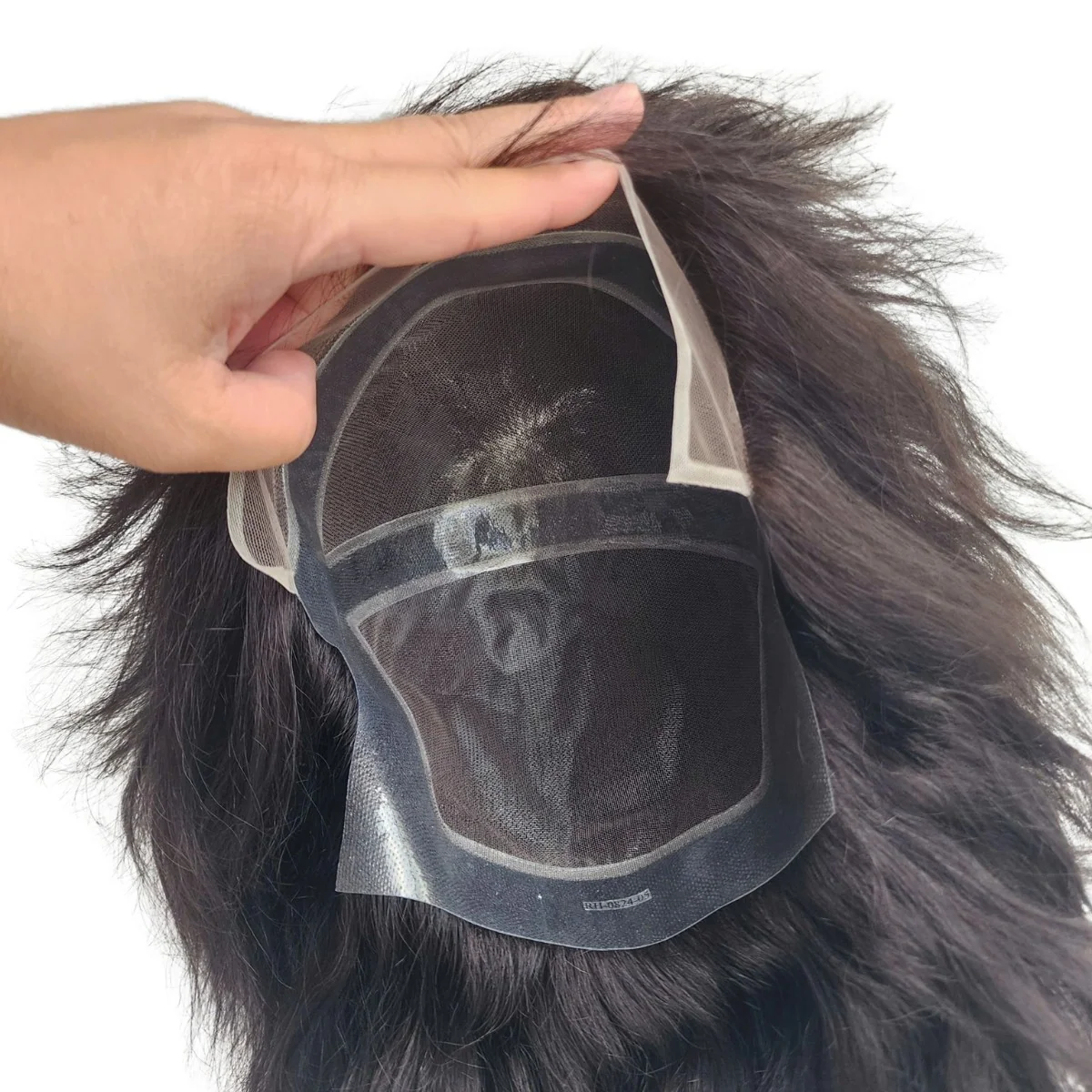
- Repairing a Ripped Wig Cap: A damaged wig cap can compromise the fit and security of your wig.
- Fixing Shedding: Seal the Knots: Turn the wig inside out.
- Taming Tangling: Tangles can make your wig look unkempt and difficult to style. Detangle Gently: Use a wide-tooth comb or a wig brush to gently detangle the hair.
- Restoring Dryness and Frizz: Dryness and frizz can make human hair wigs look dull and lifeless. Deep Conditioning: Apply a deep conditioner to the wig and let it sit for 30 minutes to an hour.
- Repairing Split Ends: Inspect the Hair: Carefully inspect the wig for split ends. Use Sharp Scissors: Use sharp hair-cutting scissors to trim the split ends.
- Replacing Wig Clips: Broken or missing wig clips can make the wig feel insecure. Remove the Old Clip: If there is an old clip still attached, carefully remove it using a seam ripper or small scissors.
- Addressing Loss of Volume: Teasing: Gently tease the hair at the roots to add volume.
- Restoring Color Fading: Wig Dye: Use a wig-specific dye to refresh the color.
- Dealing with Matted Hair: Matted hair is a common problem with synthetic wigs.
Finding a Professional Wig Repair Service Near You
While many wig repairs can be done at home, some repairs are best left to professionals. Ask for Recommendations: Ask friends, family, or other wig wearers for recommendations. Check Reviews: Read online reviews to get an idea of the quality of the service. Look for Experience: Choose a service that has experience repairing the type of wig you have (human hair or synthetic). Ask About Pricing: Get a price estimate before committing to the repair. Benefit: Professional wig repair services can often handle more complex repairs, such as adding hair, re-styling, or repairing damaged lace fronts.
Cost Considerations for Wig Repair
The cost of wig repair can vary depending on the type of repair, the type of wig, and the service provider. Cost-Benefit Analysis: Before you invest in wig repair, consider the cost of the repair versus the cost of replacing the wig. If the repair is minor and the wig is in good condition, repair may be the more cost-effective option.
Preventing Wig Damage: Proactive Care Tips from Phuc Thien
Handle with Care: Be gentle when handling the wig. Store Properly: Store the wig on a wig stand or in a wig box to prevent tangling and damage. Wash Regularly: Wash the wig regularly using a wig-specific shampoo and conditioner. Avoid Heat Styling: Excessive heat can damage the hair, so limit heat styling and use a heat protectant spray when you do use heat. Protect from Sunlight: Protect the wig from direct sunlight, which can cause the color to fade. Brush Regularly: Brush the wig regularly to prevent tangling and matting. Use Wig-Specific Products: Use only wig-specific products, as other products may contain harsh chemicals that can damage the wig. Expert Tip: Avoid sleeping in your wig. If you must sleep in your wig, use a silk scarf or bonnet to protect it.
Advanced Wig Repair Techniques
- Ventilating (Adding Hair to a Wig): Ventilating is the process of adding new hair to a wig to fill in sparse areas or create a fuller look.
- Lace Front Repair: Lace front wigs can be damaged easily, especially along the hairline. Assess the Damage: Determine the extent of the damage. Repair Tears (Minor Damage): For small tears, you can use a needle and thread to sew the tear closed. Use a fine, invisible thread and small stitches. Replace Hairs: If hairs are falling out, you can use a ventilating needle to add new hairs to the lace.