

- 17/06/2025
- Posted by: phucthien
- Category: Blog

Summer Custom Hair System Maintenance is essential for ensuring your hair system looks and feels its best during the warmer months. Proper care extends its lifespan and helps you maintain a confident, stylish appearance. We at Phuc Thien understand the importance of this, and we’re here to guide you through simple yet effective strategies for custom hair piece maintenance.
This article from Phuc Thien will delve into practical tips, shedding schedules, and cost-effective solutions to keep your system impeccable all season long. Whether you’re new to hair systems or a seasoned wearer, you’ll find valuable insights here to enhance your routine and protect your investment. Let’s explore Summer Hair Care, Hair System Longevity and Hairpiece Preservation.

Beat the heat: Follow a perfect Custom System Cleaning Schedule for summer
4 Essential Summer Custom Hair System Maintenance Tips
Summer brings unique challenges for hair systems. Heat, humidity, and increased activity can all take a toll. These four tips will help you combat those effects and keep your system looking fantastic:
1. Refining Your Washing and Conditioning Protocol for Summer
The foundation of excellent hair system maintenance lies in a proper cleansing and conditioning routine. Summer conditions necessitate a more vigilant approach than cooler, drier months.
Understanding the Summer Scalp Environment:
- Increased Perspiration: Heat triggers your body’s natural cooling mechanism – sweating. Sweat contains salts, urea, and lactic acid. When trapped under a hair system base, this mixture can become irritating to the scalp and potentially degrade certain base materials over time. More significantly, the moisture and oils create a slick surface that compromises adhesive performance.
- Sebum Production: While individual levels vary, heat can sometimes stimulate sebaceous glands to produce more oil (sebum). This natural oil, combined with sweat, adds to the challenge of maintaining a clean scalp and secure bond.
- Environmental Pollutants: Summer often means more time outdoors, exposing your hair system to dust, pollen, and environmental pollutants, which can accumulate on the hair and base.
The Enhanced Cleansing Strategy:
- Frequency Adjustment: While washing 1-2 times per week might suffice in winter, summer often requires an increase to 2-3 times per week. Listen to your body and your system. If you’re highly active, live in a very humid climate, or notice buildup sooner, you might need to wash more frequently. Conversely, over-washing can strip essential moisture, so finding the right balance is key.
- Phuc Thien Guideline: Start with twice a week and adjust up or down based on how your scalp feels and how the system looks and smells. A clean-feeling scalp and fresh-looking hair are good indicators.
- Choosing the Right Shampoo: This is non-negotiable. Always use a professional-grade, sulfate-free shampoo specifically designed for hair systems or color-treated hair.
- Why Sulfate-Free? Sulfates (like Sodium Lauryl Sulfate or SLS) are powerful detergents that create a rich lather but can be harsh. They strip away the natural oils protecting the hair cuticle (crucial for processed system hair which doesn’t receive natural sebum) and can fade color treatments rapidly. They can also sometimes irritate the scalp, especially under occlusion.
- Phuc Thien Recommendation: Explore shampoos with gentle cleansing agents derived from coconuts or sugars, and ingredients like glycerin or panthenol for added hydration. Our Phuc Thien Toupee Gentle Cleansing Shampoo is formulated precisely for this purpose.
- Mastering the Washing Technique:
- Detangle First: Before wetting the hair, gently detangle it using a wide-tooth comb or your fingers, starting from the ends and working your way up to the base. This prevents worsening tangles when wet.
- Use Lukewarm Water: Hot water can swell the hair cuticle excessively, potentially causing damage and color loss, and may soften some base materials or adhesives. Cold water might not cleanse effectively. Lukewarm is the ideal balance.
- Apply Shampoo Gently: Do not rub, scrub, or massage vigorously in circles. This can cause matting and tangling. Apply a small amount of shampoo to your palms, emulsify it, and gently smooth it down the hair shaft from base to ends. You can gently work it through the hair using downward strokes. Focus on cleansing the hair, not aggressively scrubbing the base through the hair.
- Rinse Thoroughly: Ensure all shampoo is rinsed out, again using lukewarm water and letting it flow downwards. Residue can lead to dullness and buildup.
Strategic Conditioning:
- Conditioner is Crucial: System hair, especially human hair, lacks natural moisture from the scalp. Conditioner is vital to replenish moisture, smooth the cuticle, reduce tangles, and maintain softness and shine.
- Application is Key: The golden rule is avoid applying conditioner directly to the base, especially near knots or injection points. Conditioners contain oils and emollients designed to smooth and detangle; these same ingredients can penetrate the knots or adhesive area, causing them to loosen prematurely, leading to shedding or bond weakening.
- Technique: Apply a suitable amount of system-safe conditioner (again, look for formulas designed for processed hair) primarily to the mid-lengths and ends of the hair. Gently work it through with your fingers or a wide-tooth comb.
- Leave-In Time: Allow the conditioner to sit for the recommended time (usually 3-5 minutes) to penetrate the hair shaft.
- Rinse Thoroughly (Again): Just like shampoo, ensure all conditioner is rinsed out using lukewarm water.
- The Cold Water Finish: A final quick rinse with cool or cold water helps to seal the hair cuticle. A smoother cuticle reflects light better (enhancing shine), lies flatter (reducing tangles), and helps lock in the moisture just delivered by the conditioner.
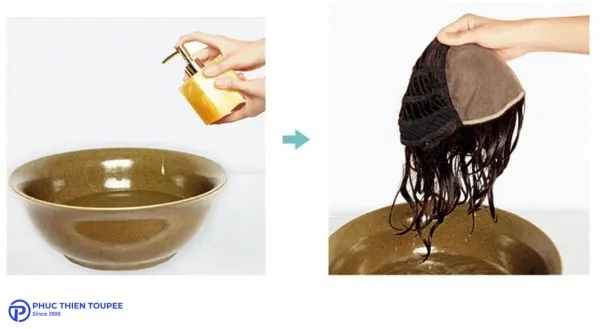
Intensifying Hydration: Weekly Deep Conditioning
Summer stressors like sun, chlorine, and saltwater deplete moisture rapidly. A weekly deep conditioning treatment is essential preventive maintenance.
- Purpose: Deep conditioners or hair masks have richer formulations with higher concentrations of moisturizing and repairing ingredients (like natural oils, proteins, ceramides, fatty alcohols) designed to penetrate deeper into the hair shaft than regular conditioners.
- Product Selection: Choose masks specifically for dry, damaged, or color-treated hair. Look for ingredients like Argan oil, Shea butter, Keratin, Coconut oil, or Jojoba oil. Phuc Thien offers deep conditioning treatments tailored for hair systems.
- Application: After washing and gently towel-blotting the hair (so it’s damp, not dripping), apply the deep conditioner generously from mid-lengths to ends, avoiding the base. Use a wide-tooth comb to distribute evenly.
- Enhance Penetration: You can cover the hair with a plastic shower cap. The cap traps a little heat from your scalp, slightly warming the product and helping it penetrate more effectively.
- Timing: Leave the treatment on for the duration specified on the product label, typically ranging from 15 to 30 minutes.
- Rinse Completely: Rinse thoroughly with lukewarm water, followed by a final cool rinse.
Addressing Potential Issues:
- Product Buildup: If hair feels heavy, dull, or greasy despite washing, you might have product buildup. Consider using a clarifying shampoo specifically designed for hair systems once a month (use sparingly, as they can be more drying). Always follow with a deep conditioning treatment.
- Persistent Dryness: If hair remains dry, ensure you’re using enough conditioner/deep conditioner, leaving it on long enough, and protecting it from environmental damage (see Tip 2). Consider adding a few drops of pure argan or jojoba oil to the ends of dry hair between washes.
By refining your washing and conditioning routine with these summer-specific considerations, you provide the essential foundation for keeping your custom hair system healthy, vibrant, and comfortable.
🎨 Your style, your hair — we make it exactly how you want.
2. Shielding Your Investment: Protection from Sun, Chlorine, and Saltwater
Summer’s allure often involves extended time outdoors and water activities. However, the very elements that make summer enjoyable – sun, pools, and oceans – pose significant threats to the integrity and appearance of your hair system. Proactive protection is not optional; it’s crucial.
Understanding the Environmental Assault:
- Ultraviolet (UV) Radiation: The sun emits UVA and UVB rays. Just as they damage skin, they wreak havoc on hair systems:
- Protein Degradation: Hair is primarily protein (keratin). UV rays break down these protein structures, weakening the hair, making it brittle and prone to breakage.
- Cuticle Damage: The cuticle, the hair’s outer protective layer, gets eroded by UV exposure, leading to roughness, frizz, and loss of shine.
- Color Fading: UV radiation oxidizes melanin (natural pigment) and artificial color molecules, causing noticeable fading, brassiness (in darker shades), or yellowing (in lighter shades or synthetic fibers). Synthetic fibers can be particularly susceptible. Research published in journals like the International Journal of Cosmetic Science has documented the photo-degradation effects on hair keratin and color.
- Chlorine: Commonly used in swimming pools, chlorine is a harsh chemical disinfectant.
- Stripping Action: It strips away the hair’s natural protective oils and any conditioning agents applied, leaving it extremely dry, porous, and brittle.
- Chemical Reactions: Chlorine can react with minerals in the water and attach to the hair shaft. In lighter hair colors, this can sometimes result in a greenish tint. It can also accelerate color fading.
- Base Material Impact: Prolonged exposure can potentially affect the integrity of certain base materials or adhesives.
- Saltwater: While seemingly more natural, saltwater also poses challenges.
- Dehydration: Salt is hygroscopic, meaning it draws moisture out of the hair shaft, leading to severe dryness and brittleness.
- Abrasive Crystals: As saltwater dries, salt crystals form on the hair. These crystals can be abrasive, causing friction and cuticle damage, especially when brushing or styling.
Implementing Protective Strategies:
- Physical Barriers (Your First Line of Defense):
- Hats and Scarves: The most effective way to block UV rays is to physically cover the hair system. Choose wide-brimmed hats for maximum coverage. Opt for breathable fabrics like cotton, linen, or specialized UPF (Ultraviolet Protection Factor) fabrics to stay cool. Scarves can be a stylish alternative.
- Umbrellas: When lounging outdoors, seek shade or use a beach umbrella.
- UV Protectant Products: Think of these as sunscreen for your hair.
- How They Work: Many contain ingredients that absorb UV radiation (like benzophenones or cinnamates) or physically block it (like titanium dioxide, though less common in sprays). They often also include antioxidants to combat free radical damage caused by UV exposure.
- Application: Choose lightweight sprays specifically designed for hair. Hold the bottle about 6-8 inches away and mist evenly over the dry hair system before going outdoors. Pay attention to the parting and areas most exposed. Reapply every couple of hours, especially if sweating or after swimming (and rinsing). Phuc Thien recommends testing a small amount first if you have sensitivities.
- Pre-Swim Saturation: Before entering a pool or the ocean, thoroughly wet your hair system with clean, non-chlorinated tap water.
- Rationale: Hair is porous. If it’s already saturated with clean water, it will absorb less chlorinated pool water or saltwater. Think of it like a sponge – a wet sponge absorbs less additional liquid than a dry one. Applying a light layer of leave-in conditioner before wetting can further enhance this protective barrier.
- Immediate Post-Swim Rinse: This is critical. As soon as you exit the pool or ocean, rinse your hair system thoroughly with fresh, clean tap water.
- Purpose: To wash away damaging chlorine or salt residues before they have time to dry and cause significant harm. Even a quick rinse is better than nothing. If possible, follow up with a gentle, system-safe shampoo and conditioner wash soon after.
- Swim Caps (For Frequent Swimmers): While not always the most fashionable choice, a silicone or latex swim cap provides the best barrier against both chlorine and saltwater if you plan on spending extended time submerged or doing vigorous swimming.
- Fit: Ensure it fits snugly without being painfully tight or pulling excessively on the system’s attachment points. Applying a bit of conditioner to the hair beforehand can make putting on the cap easier and add another layer of protection.
- Leave-In Conditioners: Regularly using a leave-in conditioner, especially one with UV filters, adds an ongoing layer of moisture and protection throughout the day. Apply sparingly to damp hair after washing or rinsing.
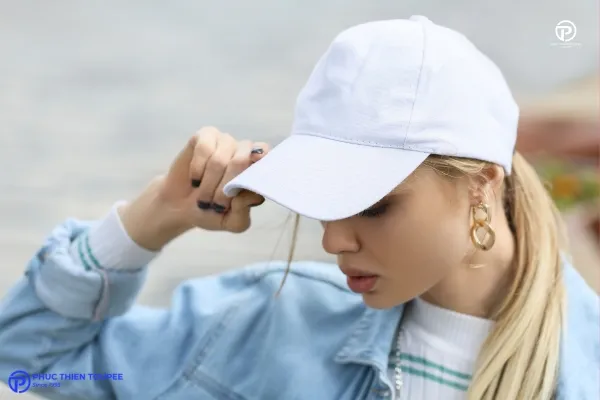
Table: Summer Hair System Protection Summary
| Threat | Primary Damage | Protective Measures | Phuc Thien Emphasis |
| UV Rays | Fading, Brittleness, Protein Damage, Dryness | Hats/Scarves, Shade, UV Protectant Sprays, Leave-in Conditioners with UV filters | Consistent use of physical barriers & quality UV protectant sprays |
| Chlorine | Extreme Dryness, Brittleness, Color Shift | Pre-wetting with clean water, Swim Cap (optional), Immediate post-swim rinse with fresh water, System-safe clarifying wash | Immediate rinsing is non-negotiable; follow with proper cleansing |
| Saltwater | Dehydration, Dryness, Cuticle Abrasion | Pre-wetting with clean water, Swim Cap (optional), Immediate post-swim rinse with fresh water, Deep conditioning | Thorough rinsing and replenishing moisture are key |
By diligently applying these protective measures, you significantly mitigate the damaging effects of summer elements, preserving the color, texture, and overall health of your custom hair system investment. Remember, prevention is far easier and more cost-effective than repair.
3. Adapting Attachment and Removal for Heat and Humidity
A secure and comfortable attachment is paramount for confidence when wearing a hair system. Summer’s heat and humidity directly challenge the effectiveness and longevity of adhesives and tapes, necessitating adjustments in both product choice and application frequency.
The Science of Summer Bond Weakening:
- Heat Effects: Adhesives (both liquid glues and tapes) are complex polymers. Elevated temperatures can soften these polymers, reducing their viscosity (making liquid glues runnier) and decreasing their cohesive strength (making tapes stretchier and less robust). This softening makes the bond more susceptible to slipping or lifting, especially under tension or movement.
- Humidity and Perspiration: Moisture is the enemy of most hair system adhesives.
- Barrier Formation: Sweat and ambient humidity create a microscopic layer of moisture between the scalp and the adhesive. This interferes with the adhesive’s ability to make direct, strong contact with the skin.
- Chemical Interaction: Water molecules can slowly break down the chemical bonds within the adhesive itself, weakening it over time. This is particularly true for water-based adhesives, but even solvent-based and acrylic adhesives can be affected by prolonged moisture exposure.
- Increased Skin Oils: As mentioned earlier, heat can increase sebum production, adding another layer that hinders adhesion.
Strategies for a Secure Summer Bond:
- Selecting Summer-Ready Adhesives: Not all adhesives are created equal when facing heat and moisture.
- Waterproof/Water-Resistant: Look specifically for products labeled as waterproof or highly water-resistant. These formulations are designed to maintain their integrity better when exposed to moisture.
- Higher Tack/Strength: Many manufacturers offer adhesives with varying hold times and strengths. Opt for stronger hold options during summer months. Examples include extended-wear liquid adhesives or tapes known for their aggressive tack (like “Ultra Hold” type products).
- Acrylic vs. Silicone: Acrylic-based adhesives generally offer a stronger, more rigid hold that can perform well in heat, while silicone-based adhesives might offer more flexibility but can sometimes be more susceptible to breakdown from skin oils. Experimentation (with patch tests) might be needed.
- Phuc Thien Expertise: Consult with Phuc Thien professionals. We understand the properties of various adhesives and can recommend the best options based on your specific base material, scalp type, activity level, and local climate.
- Meticulous Scalp Preparation: This step is crucial year-round but absolutely vital in summer.
- Thorough Cleansing: Before applying any adhesive, clean your scalp meticulously. Use a gentle cleanser to remove existing adhesive residue, followed by an alcohol-based scalp preparer (like 99% isopropyl alcohol or a dedicated product).
- Why Alcohol? Alcohol effectively dissolves and removes residual oils, sweat, and dirt, creating a perfectly clean and dry surface for the adhesive to bond to. It evaporates quickly, ensuring the skin is dry.
- Technique: Apply the alcohol prep using a cotton pad or wipe, paying extra attention to the perimeter where the system will attach. Allow it to air dry completely (usually takes less than a minute) before applying adhesive or tape.
- Scalp Protector Products: Consider using a scalp protector product. These form a thin, protective barrier between your skin and the adhesive. They help block sweat and oil from reaching the adhesive and can also reduce potential skin irritation from stronger glues or tapes. Apply after the alcohol prep and allow it to dry fully.
- Adjusting Attachment Intervals: The standard 2-4 week attachment schedule might not hold up in peak summer.
- Listen to Your System: Pay close attention to any signs of lifting, especially around the edges or hairline. Don’t wait for a major failure.
- Proactive Reattachment: Be prepared to reduce the time between full removal, cleaning, and reattachment. If you typically go 3 weeks, you might need to switch to every 2 weeks or even 10 days during the hottest, most humid periods or if you are very active. This proactive approach prevents embarrassing slips and maintains a consistently secure feel.
- Scheduling: Refer back to the maintenance schedule table; adjust the “Attachment” frequency based on your summer experience.
- Professional Application: If you struggle with achieving a secure bond, especially during challenging summer conditions, consider professional attachment services from Phuc Thien. Our technicians use precise techniques and have access to professional-grade products to ensure the most secure and comfortable application possible.
Gentle Yet Effective Removal:
Even with stronger adhesives, proper removal is key to preserving both your skin and the hair system base.
- Use the Right Solvent: Never just pull the system off. Use a solvent specifically designed for the type of adhesive you are using (check product recommendations). Different solvents work better on different adhesive types (e.g., citrus-based removers, alcohol-based removers).
- Allow Sufficient Time: Apply the solvent generously around the edges of the system and allow it adequate time to work (as per product instructions). It needs time to break down the adhesive bond. Rushing can lead to pulling out hair or damaging the base.
- Gentle Lifting: Once the adhesive has softened, gently lift the system away from the scalp. If you encounter resistance, apply more solvent and wait longer.
- Residue Removal: After removing the system, use more solvent on a cloth or cotton pad to clean any remaining adhesive residue from both your scalp and the system base before washing either.
Adapting your attachment products and procedures is a critical component of successful summer custom system maintenance, ensuring security and peace of mind even on the hottest days.
🔍 Looking for a specific size, base, or hair color? Order a fully personalized toupee now!
4. Smart Styling and Cooling Strategies
How you style your hair system in the summer impacts not only its appearance but also your comfort level and the system’s overall health. Heavy products and heat styling can exacerbate summer challenges.
The Impact of Styling Choices in Summer:
- Heat Trapping: Heavy styling products like waxes, pomades, and oil-heavy creams can coat the hair and potentially the base, reducing airflow and trapping heat against the scalp, leading to increased sweating and discomfort.
- Product Buildup: Sticky or heavy products can attract more dust and environmental pollutants. Combined with sweat and oil, this can lead to faster buildup, necessitating more frequent washing.
- Added Weight: Some products can make the hair feel heavier, which might be less comfortable in hot weather.
- Heat Styling Damage: Using blow dryers (especially on high heat), flat irons, or curling irons adds further heat stress to hair that is already vulnerable from sun exposure. This accelerates dryness, potential breakage, and color fading.
Summer-Smart Styling Approaches:
- Embrace Lightweight Products: Switch to lighter formulations for hold and texture.
- Mousses/Foams: Provide volume and light hold without significant weight. Look for alcohol-free options if dryness is a concern.
- Light Hold Gels/Lotions: Offer control and definition without stiffness or heavy residue. Water-based gels are often a good choice.
- Serums: Primarily for shine and frizz control. Use sparingly, focusing on mid-lengths and ends. Look for silicone-free options if buildup is a concern, or those with light, non-greasy natural oils.
- Texturizing Sprays/Sea Salt Sprays: Enhance natural wave or create a beachy look with minimal product feel. Can be great for air-drying.
- Phuc Thien Styling Range: Explore Phuc Thien’s line of styling products, formulated to be effective yet gentle on hair systems.
- Minimize Heat Styling: Give your hair and your system a break from heat tools whenever possible.
- Air-Dry: This is the gentlest option. After washing and conditioning, gently blot the hair with a microfiber towel (less friction than terrycloth) to remove excess water. Apply a leave-in conditioner and any lightweight styling product, then allow it to dry naturally. You can gently scrunch or shape the hair as it dries.
- Low Heat Settings: If you must blow-dry, use the lowest heat and speed settings. Keep the dryer moving constantly and maintain a distance of at least 6 inches from the hair. Always use a heat protectant spray specifically designed for hair systems before applying any heat.
- Cool Shot Button: Use the cool shot button on your dryer at the end to help seal the cuticle and set the style.
- Consider a Summer-Friendly Cut:
- Shorter Styles: Less hair means less weight and less insulation, leading to greater comfort. Styles like shorter layers, textured crops, or even slightly shorter overall lengths can make a big difference.
- Layering: Incorporating layers can remove bulk and weight without sacrificing too much length, improving airflow.
- Consult Phuc Thien Stylists: Discuss summer style options with our experienced stylists. They can recommend cuts that suit your face shape, lifestyle, and are easy to manage in warmer weather while complementing your system.
- Utilize Updos and Off-the-Neck Styles: Keeping hair off your neck and shoulders is an instant way to feel cooler.
- Ponytails: A classic choice. Ensure the elastic is not too tight to avoid excessive tension on the base attachment. Use fabric-covered elastics (like scrunchies) to minimize breakage.
- Buns/Top Knots: Gather hair loosely to avoid pulling.
- Braids: Braids can keep hair contained and look stylish.
- Headbands/Clips: Useful for keeping hair off the face.
- Prioritize Base Breathability: When choosing a new system, consider base materials known for better ventilation, such as full lace or monofilament combined with lace fronts, especially if you live in a consistently hot climate or are very active. While this isn’t a styling tip, it’s a foundational choice impacting summer comfort.
By making mindful choices about styling products, reducing heat exposure, considering hairstyle adjustments, and keeping hair up when needed, you enhance your comfort and protect your hair system from unnecessary summer stress.

Summer Custom System Maintenance Scheduling
Creating a schedule ensures consistency in maintaining your system. This table provides a framework:
| Task | Frequency | Timing | Notes |
| Washing | 2-3 times/week | Evenly spaced throughout week | Use sulfate-free shampoo |
| Conditioning | Every wash | After shampooing | Focus on ends, avoid base |
| Deep Conditioning | Weekly | After washing | Use natural oil-based conditioner |
| UV Protection | Daily (when outdoors) | Before sun exposure | Reapply every 2 hours for prolonged exposure |
| Rinsing (after swimming) | Immediately | After swimming | Use fresh water |
| Leave-In Conditioner (after rinse) | Immediately | After rinsing | Apply to damp hair |
| Attachment | Every 7-14 days | Varies | Depends on adhesive strength and personal activity level |
| Scalp Cleaning | Before each attachment | Before attachment | Use alcohol-based cleanser |
| Styling | Daily | As needed | Use lightweight products; minimize heat styling |
Summer Custom System Maintenance Best Practices
Invest Explicitly in High-Quality, System-Specific Products:
- The Rationale: This cannot be overstated. Hair systems, whether human or synthetic hair, have undergone processing (like color treatments, perms, or specific fiber creation) and lack the natural oils and nutrients supplied by a scalp to growing hair. They require specialized care. Using generic drugstore products, even reputable brands not designed for hair systems or heavily processed hair, can cause irreversible damage.
- Potential Harm from Incorrect Products: Harsh sulfates strip color and moisture; certain alcohols cause extreme dryness; some silicones build up, creating dullness and preventing moisture absorption; incorrect pH levels can damage the cuticle.
- What Constitutes “Quality”?
- Gentle Cleansers: Sulfate-free, pH-balanced shampoos.
- Intensive Hydration: Conditioners and masks rich in emollients, humectants, and proteins suitable for processed hair (e.g., hydrolyzed proteins, natural oils like argan or jojoba, shea butter, glycerin, panthenol).
- Protective Ingredients: Products containing UV filters, antioxidants, and heat protectants.
- Formulation Expertise: Products developed with an understanding of how hair systems are constructed and the specific needs of the hair fibers and base materials.
- Long-Term Value: While specialized products might seem more expensive upfront, they prevent costly damage like excessive shedding, breakage, color fading, and matting, ultimately extending the life of your system and saving money on premature replacements or extensive repairs.
- Phuc Thien’s Commitment: Phuc Thien Toupee invests heavily in formulating and sourcing products specifically tested and proven safe and effective for the custom hair systems we provide. Using our recommended care line ensures compatibility and optimal results.
Implement Proper Storage Protocols:
- Why Storage Matters: When your system isn’t being worn, how you store it significantly impacts its condition and longevity. Improper storage can lead to tangling, matting, loss of style shape, dust accumulation, and even damage to the base.
- Ideal Storage Methods:
- Mannequin Head (Recommended): Storing the system on a designated styrofoam or canvas block head helps maintain its shape and style, prevents tangling, and allows air circulation. Ensure the head is clean. You might cover it loosely with a silk or satin scarf or store the head/system in a breathable box or cabinet to protect from dust and light.
- Satin/Silk Bag or Box: If a mannequin head isn’t practical, gently detangle the system, possibly turn it inside out (base facing outwards) to protect the hair, and place it loosely inside a smooth, breathable satin or silk bag, or lay it flat in a box lined with silk/satin. Avoid plastic bags, which trap moisture and don’t breathe.
- Key Storage Considerations:
- Clean Before Storage: Always ensure the system is clean and completely dry before storing it for any extended period. Storing a dirty or damp system invites odor, potential mold/mildew (in very humid conditions), and makes cleaning harder later.
- Avoid Compression: Don’t cram the system into a tight space or place heavy objects on it.
- Cool, Dark, Dry Location: Store the system away from direct sunlight (causes fading), high heat sources (can damage fibers and base), and excessive humidity. A closet shelf or drawer is often suitable.

Handle with Conscious Care:
- Understanding System Vulnerability: Remember that the hair is attached to the base through methods like knotting, injection, or looping. These attachment points are inherently more fragile than hair growing naturally from a follicle. Aggressive handling is the primary cause of preventable shedding.
- Gentle Techniques:
- Washing/Conditioning: Use gentle, downward strokes. Avoid vigorous scrubbing or circular motions.
- Detangling: Always use a wide-tooth comb or a brush specifically designed for hair systems (often with looped bristles). Start detangling from the ends, gradually working your way up towards the base. Hold the hair near the base with one hand while combing with the other to minimize tension on the attachment points. Never force the comb through tangles – gently work them out or use a detangling spray. Detangle when damp with conditioner, or when dry, but avoid excessive manipulation when wet and fragile.
- Towel Drying: Pat or blot gently with a soft, absorbent towel (microfiber is excellent). Never rub vigorously, as this causes friction, tangles, and frizz.
- Applying/Removing: Be mindful during the application and removal process. Avoid pulling or stretching the base material excessively. Use appropriate solvents and techniques as outlined in Tip 3.
Schedule Regular Professional Maintenance (Including Trims):
- Beyond Daily Care: While daily and weekly home care is essential, periodic professional maintenance offers significant benefits.
- Professional Trims: System hair doesn’t grow, but the ends still experience wear and tear from friction, styling, and environmental exposure, leading to split ends or a “weathered” look.
- Purpose: Regular trims (typically every 6-8 weeks, depending on wear and hair length) remove these damaged ends, preventing splits from traveling further up the hair shaft, maintaining the style’s shape, and keeping the system looking fresh and healthy.
- Expertise Needed: It’s highly recommended to have trims done by a stylist experienced with hair systems, like those at Phuc Thien. They understand how to cut the hair without damaging the base or disrupting the overall blend with your natural hair (if applicable).
- Other Professional Services: Consider periodic professional deep cleaning, conditioning treatments, color refreshing (if needed), or minor repairs (e.g., adding hair to thinning spots, repairing small tears in the base). These services can significantly extend the usable life of your system.
🔄 Extend the lifespan of your hair system with our professional repairs.
Maintain Open Communication with Your Hair System Specialist (Phuc Thien):
- Your Expert Resource: Phuc Thien is more than just a provider; we are your partner in successful hair system wear. Don’t hesitate to reach out with questions or concerns.
- When to Consult:
- If you notice unusual shedding, tangling, or changes in hair texture.
- If you experience persistent scalp irritation or discomfort.
- If you’re struggling with adhesive performance despite trying different products/techniques.
- Before attempting any significant changes (e.g., coloring the system yourself, trying a drastically different adhesive).
- For personalized advice tailored to your specific system, lifestyle, and challenges.
By integrating these best practices into your routine alongside the specific summer tips, you create a comprehensive care strategy. This approach, championed by Phuc Thien, not only maximizes the lifespan of your custom hair system but also ensures it consistently looks natural, feels comfortable, and enhances your confidence throughout the summer and beyond.
Stay fresh and long-lasting: Explore solutions for Hair System for Sweaty Scalp and ensure Custom System Longevity
Summer Custom System Maintenance Cost
The cost of summer maintenance varies depending on your routine and the products you use. Here’s a general breakdown:
| Item | Estimated Cost (Monthly) | Notes |
| Shampoo/Conditioner | $20-40 | High-quality, sulfate-free options |
| Deep Conditioner/Hair Mask | $15-30 | Natural oil-based |
| UV Protectant Spray | $10-20 | Reapplication necessary |
| Adhesives/Tapes | $20-40 | Varies based on type and frequency |
| Styling Products | $10-20 | Lightweight options |
| Professional Services | $50-150+ | Attachment, trimming, coloring |
| Total | $125-300+ | Varies based on individual needs and preferences |
Cost Optimization Tips:
- Buy products in bulk to save money.
- Use coupons and discounts.
- Consider DIY deep conditioning treatments.
- Learn to perform basic maintenance tasks yourself.
🛠️ Send us your damaged piece today and receive a fast quote!
Conclusion
Summer Custom System Maintenance is vital for preserving your hair system’s beauty and longevity. By following these tips, adopting a suitable schedule, and choosing best practices, you’ll confidently navigate the season.
Consider Phuc Thien as your trusted partner in hair system care. We’re dedicated to delivering exceptional services and products that cater to your individual requirements. Contact us today for a consultation or to explore our range of solutions.
Phuc Thien Toupee Co., Ltd
Design Brand: Royal Hair Vietnam
Office Address:
🏢 Room A909, Decapella Building, 116 Luong Dinh Cua Street, An Khanh Ward, Thu Duc City, Ho Chi Minh City 700000, Vietnam
Factory Address:
🏭 No. 26/9, Street 57, Thuong Hamlet, Tan Thong Hoi Ward, Cu Chi District, Ho Chi Minh City 700000, Vietnam
Email: ✉️ phucthientoupeevn@gmail.com
Phone / WhatsApp: 📞 +84 933 901 196
Websites: 🌐 phucthientoupee.com – 🌐 royalhair.shop



