

- 19/06/2025
- Posted by: phucthien
- Categories: Blog, Care, Attachment & Repair, Hair Loss & Hairpiece Options
No Comments

Self-Care for Alopecia: 6 Hairpieces for Alopecia
Dealing with alopecia can be challenging, but it doesn’t define you. Self-care for alopecia involves embracing practical solutions like hairpieces, wigs, and scalp care, alongside emotional well-being.
Understanding Alopecia and Its Impact
Alopecia is more than just hair loss; it’s a complex condition with significant emotional and psychological impact.
- What is Alopecia?: Alopecia is a general term for hair loss. Alopecia Areata: An autoimmune disorder where the body attacks hair follicles, leading to patchy hair loss.
- The Emotional and Psychological Toll: Alopecia can significantly impact self-esteem and mental health. Hair is often tied to identity and appearance, making hair loss a sensitive issue.
- Why Focus on Self-Care?: Self-care is essential for managing the emotional and psychological effects of alopecia.

6 Hairpieces for Alopecia: Finding the Right Fit
One of the most impactful self-care strategies for alopecia sufferers is finding the right hairpiece.
- 1. Full Wigs: Comprehensive Coverage and Transformation: Full wigs offer complete scalp coverage, making them an ideal choice for individuals experiencing extensive hair loss, such as with Alopecia Totalis or Alopecia Universalis, or even advanced Alopecia Areata or Androgenetic Alopecia.
- 2. Top Hairpieces (Toppers): Targeted Volume and Coverage: Toppers are designed to integrate with your existing hair, adding volume and concealing thinning or patchy loss, often at the crown, parting, or front hairline.
- 3. Hair Extensions: Enhancing Length and Fullness: While not typically used to cover bald patches directly, hair extensions are a fantastic self-care tool for those with diffuse thinning (like some forms of Androgenetic Alopecia or Telogen Effluvium recovery) who want to add overall volume or length, boosting perceived hair health.
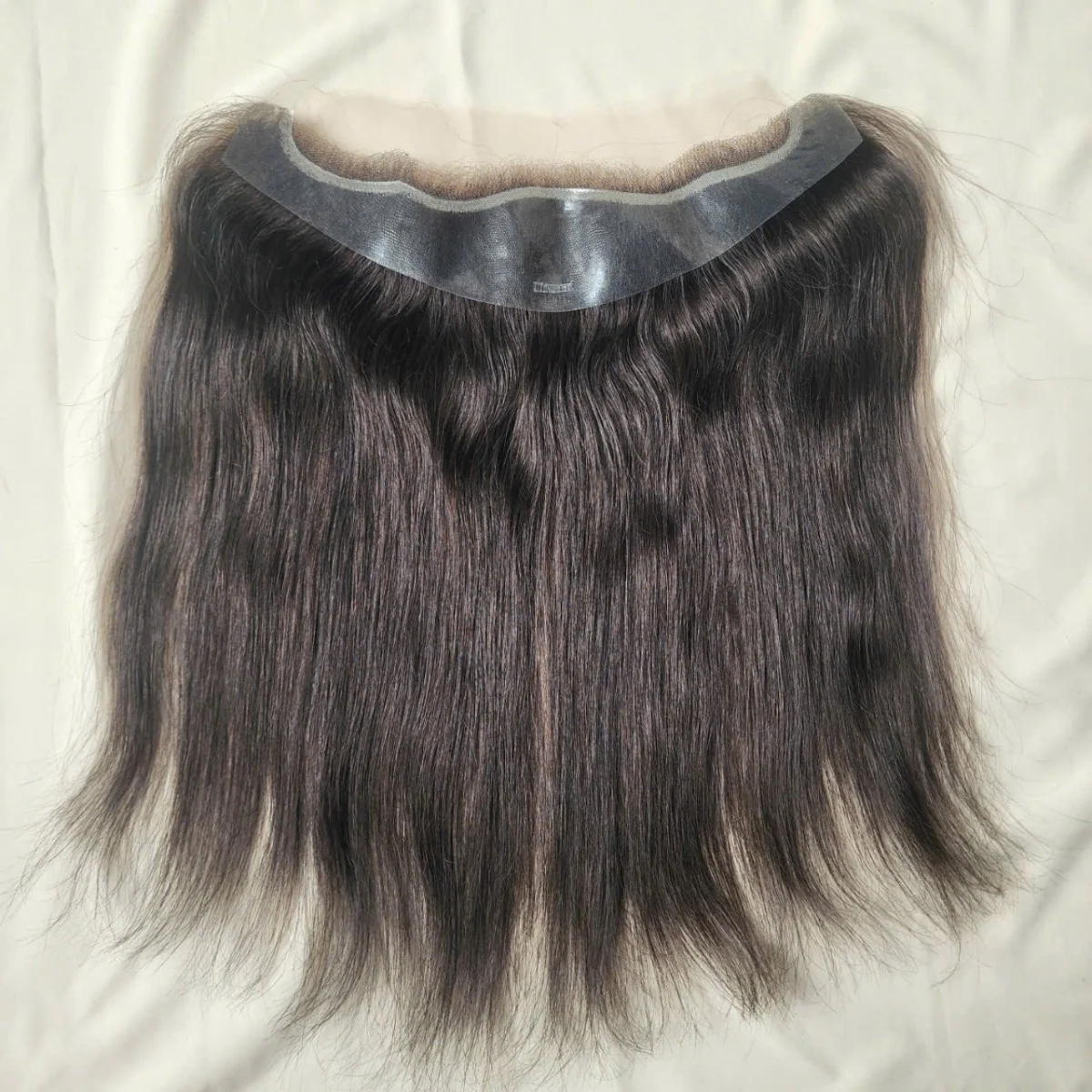
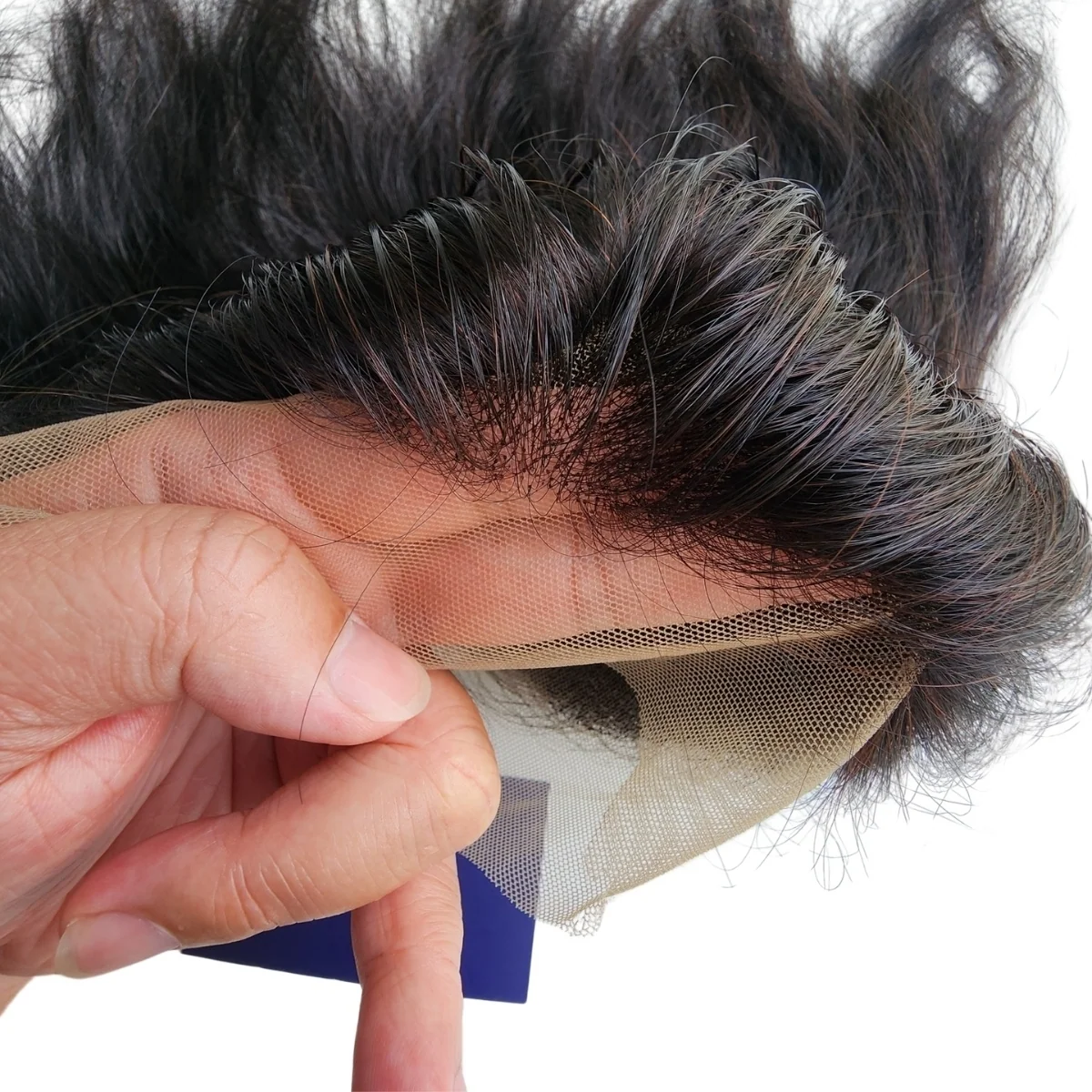
- 4. Custom Hair Systems: The Pinnacle of Personalization: Custom hair systems represent the ultimate bespoke solution, meticulously crafted to replicate your natural hair growth pattern, hairline, color, and density.
- 5. Headbands, Scarves, and Turbans: Fashionable Flair and Function: Material Matters: Choose soft, breathable, non-irritating fabrics.
- 6. Hats and Caps: Practical Protection and Casual Style: Hats offer practical benefits like sun protection alongside casual coverage.

Scalp Care: Essential for Hairpiece Wearers
Proper scalp care is crucial for maintaining healthy skin and preventing irritation when wearing hairpieces.
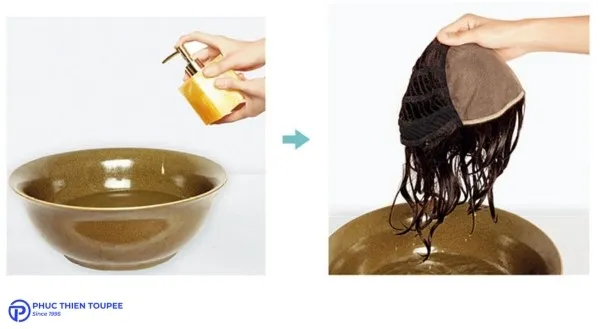
- Cleansing and Exfoliating: The Foundation of Scalp Health: Regular cleansing removes sweat, sebum (natural oil), product buildup, and dead skin cells that can accumulate under a hairpiece, especially with adhesives. Exfoliation helps prevent clogged follicles and keeps the skin surface smooth. Use concentrations designed for scalp use and follow product instructions carefully.
- Moisturizing and Hydrating: Balancing the Scalp Barrier: Just like the skin on your face, your scalp needs moisture to maintain its protective barrier. Wearing hairpieces, cleansing, and using adhesives can sometimes strip natural oils, leading to dryness, tightness, or itching.
- Protecting Your Scalp: Shielding from Irritants and Damage: Your scalp, especially when exposed due to alopecia or shaved for system application, is vulnerable. Sun Protection is Non-Negotiable: Exposed scalp skin is highly susceptible to sunburn and long-term sun damage, increasing the risk of skin cancer. Patch Test: Always patch test new adhesives or removers on a small, inconspicuous area of skin (like behind the ear or inner arm) for 24-48 hours before applying to the entire scalp to check for allergic reactions.

Self-Care Strategies Beyond Hairpieces
While hairpieces can significantly improve appearance, self-care for alopecia extends beyond physical solutions.
- Mindfulness and Meditation: Practicing mindfulness and meditation can help reduce stress and anxiety associated with alopecia. Reduces Stress: By focusing on the present moment.
- Healthy Diet and Exercise: A healthy diet and regular exercise can improve overall well-being and boost self-esteem. Boosts Energy Levels: By providing essential nutrients and promoting circulation.
- Building a Support System: Having a strong support system can provide emotional support and encouragement during challenging times.
- Positive Self-Talk and Affirmations: Practicing positive self-talk and affirmations can help boost self-esteem and promote a positive mindset. Boosts Self-Esteem: By replacing negative thoughts with positive ones.
- Skincare Routine Adjustments: Adjusting your skincare routine can help address any skin sensitivities that may arise due to alopecia or hairpiece use. Gentle Cleansing: Use a mild, fragrance-free cleanser to avoid irritating the scalp.

6. Hats and Caps: Practical Protection and Casual Style
| Feature | Full Wig | Top Hairpiece (Topper) | Hair Extensions | Custom System | Headwear (Scarves/Hats) |
| Coverage | Full Scalp | Partial/Targeted | Adds Length/Volume | Full or Partial | Full or Partial |
| Attachment | Cap Fit, Grips, Tape/Glue | Clips, Tape/Glue, Integration | Bonds, Tape, Links, Sewn, Clips | Tape/Glue (Extended) | Worn Directly |
| Realism | High (esp. Lace/Human) | High (with Blending) | Moderate to High | Highest Possible | N/A (Coverage) |
| Styling | High (esp. Human Hair) | Moderate (Blends) | High (Length/Volume) | Highest Possible | Accessory Styling |
| Maintenance | Moderate to High | Low to Moderate | Moderate to High | High (Requires Routine) | Low (Washing Fabric) |
| Scalp Access | Limited (When Worn) | Partial Access | Varies by Method | Limited (When Worn) | Easy Access When Off |
| Cost | Moderate to High | Low to Moderate | Moderate to High | Highest | Lowest |
| Best For | Extensive Loss | Thinning/Patches | Diffuse Thinning | Any Loss Pattern | Any Loss/Preference |
| Phuc Thien Recommends | Consultation for Fit/Type | Consultation for Blending | Consultation for Suitability | Detailed Consultation | Style Exploration |