

- 10/06/2025
- Posted by: phucthien
- Categories: Blog, Hair Loss & Hairpiece Options
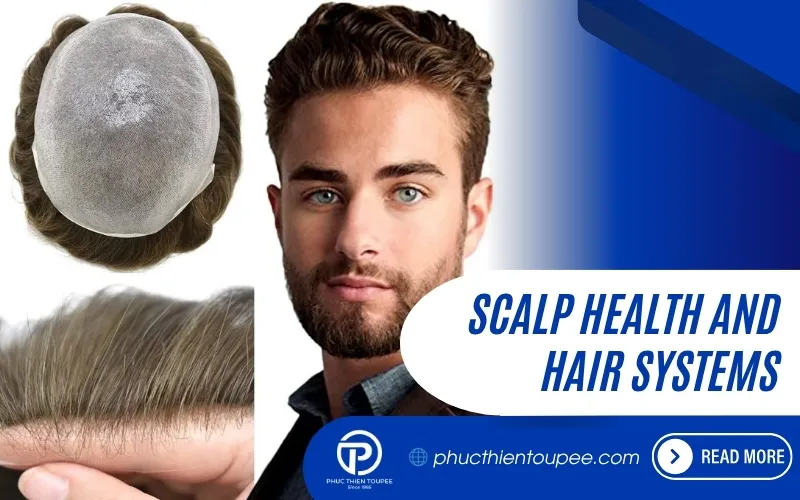
Scalp Health And Hair Systems: A Complete Guide
Scalp Health and Hair Systems work in tandem to restore confidence and youthful vitality.
Understanding Scalp Health and Its Impact on Hair Growth
A healthy scalp is the foundation for strong, vibrant hair. Think of your scalp as the soil where your hair grows.
- The Anatomy of a Healthy Scalp: Understanding the basic anatomy of your scalp is crucial. The scalp is skin, just like the skin on your face, but it’s thicker and contains numerous hair follicles, sebaceous glands (which produce oil), and sweat glands.
- Common Scalp Problems That Affect Hair Growth: Dandruff (Seborrheic Dermatitis): This common condition causes flaky skin, itching, and redness.
- The Role of Nutrition and Lifestyle in Scalp Health: What you eat and how you live significantly impact your scalp health.

Exploring Different Types of Hair Systems
Hair systems, also known as toupees or hairpieces, offer an immediate solution for hair loss.
- Types of Hair Systems Based on Material: Synthetic Hair Systems: Made from artificial fibers like acrylic or polyester. Cons: Less natural-looking, limited styling options, and shorter lifespan (typically 3-6 months).
- Types of Hair Systems Based on Base Construction: The base of the hair system is what attaches to your scalp. Different base constructions offer varying levels of comfort, breathability, and naturalness.
- Attachment Methods: Finding the Right Fit: How you attach your hair system significantly impacts its security and comfort. Adhesive: Using glue or tape to attach the hair system to the scalp.

Maintaining Scalp Health While Wearing a Hair System
Wearing a hair system can sometimes create challenges for scalp health.
- Preparing Your Scalp Before Applying a Hair System: Cleanse: Gently cleanse your scalp with a mild, sulfate-free shampoo to remove any buildup. Exfoliate: Exfoliate your scalp 1-2 times per week with a gentle scrub or chemical exfoliant (like salicylic acid) to remove dead skin cells.
- Cleaning and Caring for Your Scalp with a Hair System: Regular Cleansing: Cleanse your scalp at least 2-3 times per week, even while wearing the hair system. Use a nozzle applicator to reach the scalp directly. Avoid Harsh Chemicals: Avoid products containing alcohol, sulfates, or parabens, as these can dry out and irritate the scalp.
- Removing Adhesive Residue Safely and Effectively: Use a Solvent: Use a specialized adhesive solvent to gently dissolve the adhesive. Avoid Harsh Rubbing: Avoid rubbing or pulling on the hair system, as this can damage the base and your existing hair.

Choosing the Right Products for Scalp Health
The right products can make a significant difference in maintaining a healthy scalp. Look for products that are specifically formulated for scalp care and avoid those containing harsh ingredients.
- Scalp-Friendly Shampoos and Conditioners: Sulfate-Free Formulas: Sulfates can strip the scalp of its natural oils, leading to dryness and irritation.
- Effective Scalp Treatments and Serums: Exfoliating Scalp Scrubs: Help remove dead skin cells and unclog hair follicles. Hydrating Scalp Serums: Provide moisture and nourishment to the scalp.
- Natural Remedies for Scalp Health: Coconut Oil: Moisturizes and nourishes the scalp, reduces inflammation. Aloe Vera: Soothes and hydrates the scalp, reduces inflammation.

Addressing Specific Scalp Concerns
- Dry and Itchy Scalp: Hydrate: Use a moisturizing shampoo and conditioner. Oil Treatments: Apply a scalp oil, such as coconut oil or argan oil, to hydrate the scalp.
- Oily Scalp: Clarify: Use a clarifying shampoo to remove excess oil and buildup. Avoid Heavy Conditioners: Apply conditioner only to the ends of your hair, avoiding the scalp.
- Dandruff and Seborrheic Dermatitis: Medicated Shampoos: Use a medicated shampoo containing ketoconazole, selenium sulfide, or zinc pyrithione. Leave-In Treatments: Apply a leave-in treatment containing salicylic acid or coal tar to exfoliate the scalp.
- Folliculitis: Antibacterial Shampoos: Use an antibacterial shampoo containing tea tree oil or benzoyl peroxide. Topical Antibiotics: Apply a topical antibiotic cream to the affected areas.
The Importance of Professional Consultations
While home care is essential, professional consultations can provide personalized advice and treatment options.
- When to See a Dermatologist or Trichologist: Persistent Scalp Problems: If you’ve tried over-the-counter treatments without success.
- Benefits of Professional Scalp Analysis: Accurate Diagnosis: A professional can accurately diagnose the cause of your scalp problems.
Lifestyle Changes for a Healthier Scalp and Hair
Beyond products and treatments, certain lifestyle changes can significantly improve your scalp health and promote hair growth.
- Diet and Hydration: Nutrient-Rich Diet: Focus on whole, unprocessed foods rich in vitamins, minerals, and antioxidants. Protein Intake: Ensure adequate protein intake, as hair is made of protein.
- Stress Management: Stress-Reducing Activities: Practice stress-reducing activities like yoga, meditation, or spending time in nature. Adequate Sleep: Aim for 7-8 hours of sleep per night.
- Protecting Your Scalp from the Sun: Wear a Hat: Wear a hat when spending time outdoors, especially during peak sun hours. Use Sunscreen: Apply sunscreen to your scalp, especially if you have thinning hair or a bald spot. By understanding your scalp type, choosing the right products, and making positive lifestyle changes, you can create the optimal environment for hair growth, whether you wear a hair system or not.