

- 06/06/2025
- Posted by: phucthien
- Categories: Blog, Hair Loss & Hairpiece Options
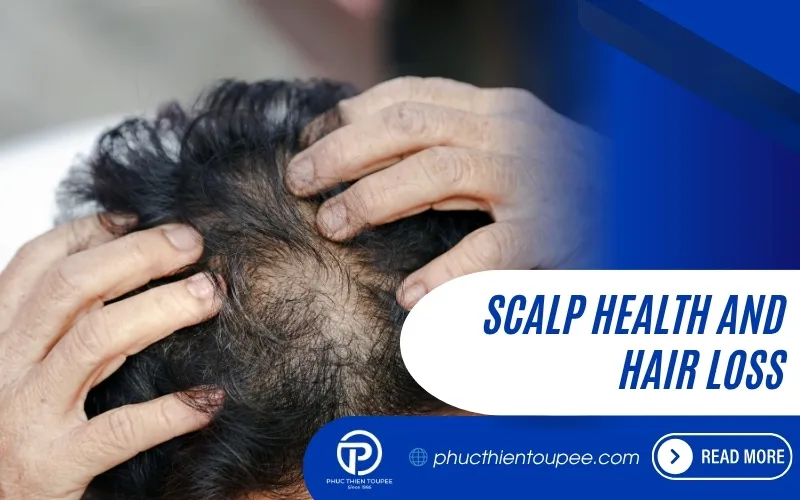
Scalp Health And Hair Loss: Your Foundational Guide
Scalp health and hair loss are intrinsically linked, with a healthy scalp acting as the foundation for robust hair growth. A thriving scalp environment is essential for nourishing hair follicles, preventing breakage, and promoting overall hair vitality.
The Scalp Health and Hair Loss Connection
A healthy scalp is the bedrock of healthy hair. The scalp, with its rich network of blood vessels, provides the nutrients and oxygen that hair follicles need to thrive. Importance of pH Balance: Maintaining the scalp’s natural pH balance (around 5.5) is crucial for preventing fungal and bacterial infections that can hinder hair growth.

Identifying Scalp Problems That Contribute to Hair Loss
Several scalp conditions can contribute to hair loss. Recognizing these problems early is essential for implementing appropriate treatments and preventing further damage.
Establishing a Healthy Scalp Care Routine
A consistent and proper scalp care routine can significantly improve scalp health and prevent hair loss. Frequency: Wash your hair 2-3 times per week, adjusting based on your scalp type (oily, dry, or normal). Shampoo Selection: Use a gentle, sulfate-free shampoo to avoid stripping the scalp of its natural oils. Methods: Use a scalp scrub with ingredients like salicylic acid or glycolic acid, or a scalp brush with soft bristles. Technique: Use your fingertips to gently massage your scalp in circular motions for 5-10 minutes daily.
Top Ingredients for a Healthy Scalp and Hair Regrowth
Certain ingredients are particularly beneficial for promoting a healthy scalp and stimulating hair regrowth. Salicylic Acid: Exfoliates the scalp, removes dead skin cells, and unclogs hair follicles. Phuc Thien’s Suggestion: When using essential oils, always perform a patch test to check for allergic reactions before applying them to your entire scalp.
Nutrition’s Role in Scalp Health and Hair Growth
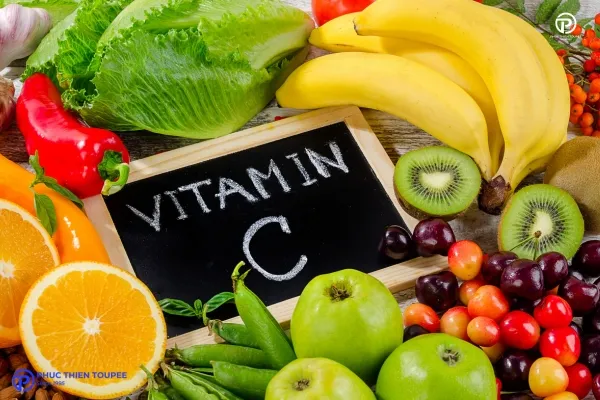
A balanced diet rich in essential nutrients is vital for maintaining scalp health and promoting hair growth. Protein: Hair is primarily made of keratin, a protein. Omega-3 Fatty Acids: These fats help keep the scalp and hair moisturized. Phuc Thien’s Recommendation: Consider consulting a registered dietitian or nutritionist to assess your nutritional needs and develop a personalized eating plan to support scalp health and hair growth.
Effective Scalp Treatments and Therapies
In addition to a healthy scalp care routine and proper nutrition, several treatments and therapies can help improve scalp health and stimulate hair growth. Topical Minoxidil: An FDA-approved medication that promotes hair growth by increasing blood flow to hair follicles. Phuc Thien’s Insight: It’s crucial to consult with a dermatologist or hair loss specialist to determine the most appropriate treatment or therapy for your specific scalp condition and hair loss type.
Lifestyle Factors Affecting Scalp Health and Hair Loss
Several lifestyle factors can significantly impact scalp health and hair loss. Addressing these factors can help improve scalp health and promote hair growth. Excessive Heat Styling: Frequent use of heat styling tools can damage the hair shaft and scalp.
Choosing the Right Products for Your Scalp Type
Selecting the right hair care products for your specific scalp type is essential for maintaining a healthy scalp and promoting hair growth. Oily Scalp: Choose lightweight, clarifying shampoos that remove excess oil without stripping the scalp of its natural moisture. Dry Scalp: Opt for moisturizing shampoos and conditioners with ingredients like shea butter, argan oil, or glycerin. Sensitive Scalp: Look for hypoallergenic and fragrance-free products to minimize irritation. Normal Scalp: Choose balanced shampoos and conditioners that maintain the scalp’s natural pH balance. Phuc Thien’s Recommendation: Always read the ingredient list carefully and choose products that are free from harsh chemicals, sulfates, and parabens.
When to Seek Professional Help for Scalp Issues and Hair Loss
While many scalp issues and hair loss concerns can be addressed with proper home care, it’s essential to seek professional help when necessary. Persistent Scalp Itching or Irritation: If you experience persistent scalp itching, redness, or inflammation that doesn’t improve with over-the-counter treatments, consult a dermatologist. Don’t hesitate to seek professional help if you have concerns.
Top Ingredients for a Healthy Scalp and Hair Regrowth
| Ingredient | Benefits | How to Use |
| Salicylic Acid | Exfoliates, unclogs hair follicles | In scalp scrubs or shampoos, use 1-2 times per week. |
| Glycolic Acid | Promotes cell turnover, improves scalp texture | In scalp treatments, use as directed, usually once or twice a month. |
| Ketoconazole | Antifungal, treats dandruff and seborrheic dermatitis | In medicated shampoos, use as prescribed by a dermatologist. |
| Pyrithione Zinc | Antibacterial and antifungal, reduces dandruff | In dandruff shampoos, use as directed. |
| Caffeine | Stimulates blood flow, may promote hair growth | In shampoos, conditioners, or scalp treatments. |
| Rosemary Oil | Anti-inflammatory, stimulates hair follicles | Dilute with a carrier oil and massage into the scalp. |
| Peppermint Oil | Increases blood circulation, cooling sensation | Dilute with a carrier oil and massage into the scalp. |
| Tea Tree Oil | Antimicrobial, anti-inflammatory, treats scalp infections | Dilute with a carrier oil and apply to affected areas. |
| Aloe Vera | Soothes and moisturizes, reduces irritation | Apply directly to the scalp as a gel or in hair masks. |