

- 09/06/2025
- Posted by: phucthien
- Category: Blog
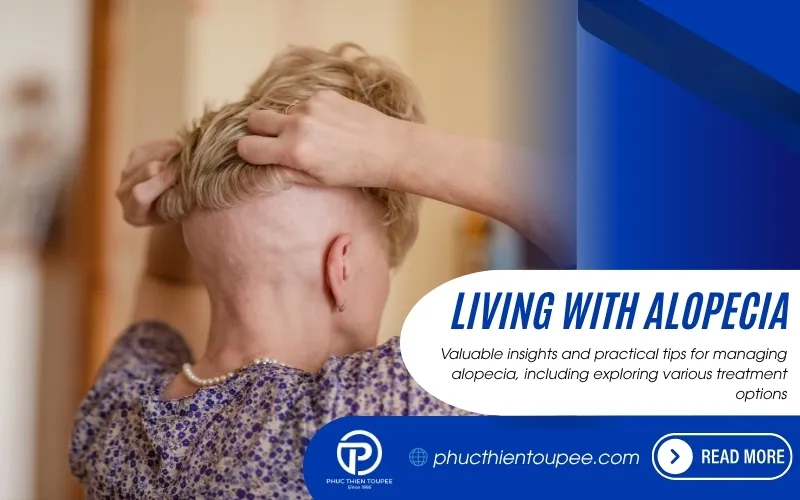
Living with alopecia can be a challenging journey, but with the right information and support, you can thrive. This article provides valuable insights and practical tips for managing alopecia, including exploring various treatment options and discovering the best hairpieces to restore confidence and style. Embrace solutions for hair loss, find support networks, and reclaim your self-esteem.
Ready to enhance your well-being and explore options like cranial prosthesis, topical minoxidil, and lifestyle adjustments?
Understanding Alopecia: A Comprehensive Guide
Alopecia, an umbrella term for hair loss conditions, affects millions worldwide. While it can be emotionally challenging, understanding the condition and exploring available resources can empower you to live a fulfilling life. This guide provides comprehensive information, practical tips, and resources to support you on your journey. Phuc Thien Toupee is committed to helping individuals with alopecia regain confidence and embrace their best selves.
Alopecia is not just one condition, but a group of conditions that cause hair loss. Here’s a brief overview:
- Alopecia Areata: An autoimmune disorder where the immune system attacks hair follicles, leading to patchy hair loss. This can progress to alopecia totalis (loss of all scalp hair) or alopecia universalis (loss of all body hair).
- Example: A 2019 study in the Journal of the American Academy of Dermatology found that alopecia areata affects approximately 2% of the population at some point in their lives.
- Androgenetic Alopecia: Also known as male-pattern baldness or female-pattern baldness, this is a genetic condition causing gradual hair thinning.
- Example: According to the American Academy of Dermatology, androgenetic alopecia affects about 50% of men over 50 and a significant percentage of women.
- Telogen Effluvium: A temporary hair loss condition often triggered by stress, illness, medication, or hormonal changes.
- Example: Pregnancy, major surgery, or thyroid disorders can trigger telogen effluvium.
- Traction Alopecia: Hair loss caused by repeated pulling or tension on hair follicles, often due to tight hairstyles.
- Example: Wearing tight braids, ponytails, or hair extensions can lead to traction alopecia.
- Cicatricial Alopecia (Scarring Alopecia): A group of rare disorders that destroy hair follicles and replace them with scar tissue, resulting in permanent hair loss.
- Example: Lichen planopilaris and frontal fibrosing alopecia are types of cicatricial alopecia.
✨ A toupee shouldn’t just hide hair loss — make it a style statement!
Key Statistics:
| Statistic | Data | Source |
| Alopecia Areata Prevalence | Affects approximately 2% of the population globally. | National Alopecia Areata Foundation (NAAF) |
| Androgenetic Alopecia Prevalence (Men) | Affects about 50% of men over 50 years old. | American Academy of Dermatology |
| Androgenetic Alopecia Prevalence (Women) | Affects a significant percentage of women, increasing after menopause. | American Academy of Dermatology |
| Cost of Alopecia Treatments | Varies widely depending on the treatment type, ranging from topical solutions to hair transplant surgery. | Individual insurance plans and healthcare providers |
| Impact on Mental Health | Studies show a significant correlation between alopecia and increased rates of anxiety and depression. | Journal of the American Academy of Dermatology |
| Global Hair Loss Products Market Size | Estimated at over $8 billion USD in 2023, with projected growth in the coming years due to increased awareness and treatment options. | Market research reports (e.g., Grand View Research, Fortune Business Insights) |

Thrive with confidence: Boost Alopecia and Confidence and find strong Alopecia Support Resources
6 Exceptional Hairpieces for Alopecia & Effective Care
Hairpieces are a versatile and accessible solution for managing hair loss due to alopecia. Phuc Thien Toupee is committed to providing high-quality hairpieces that offer both style and comfort.
1. Monofilament Wigs: The Pinnacle of Natural Scalp Appearance
What It Is: Monofilament wigs are highly regarded for their incredibly realistic appearance. They feature a cap construction where the crown section (or the entire cap in full mono designs) uses a fine, sheer mesh material called monofilament.
Construction Details: Individual hair fibers (either human or synthetic) are meticulously hand-tied, one by one, onto this nearly invisible mesh. This painstaking technique mimics the way natural hair grows from the scalp. The rest of the cap is typically constructed using traditional wefting techniques for structure and volume.
Expanded Benefits:
- Unmatched Realism: The hand-tied hairs on the mesh look like they are growing directly from your scalp, even upon close inspection.
- Multi-Directional Parting: Because each hair moves independently, you can part the hair anywhere within the monofilament section (top or full cap) and style it in various ways (middle part, side part, swept back) with a natural look.
- Breathability and Comfort: The fine mesh allows for better air circulation compared to traditional caps, making it more comfortable for extended wear, especially for individuals with sensitive scalps often associated with alopecia.
- Lightweight Feel: The monofilament material itself is lightweight, reducing the feeling of bulkiness.
Considerations:
- Investment Level: The meticulous hand-tying process makes monofilament wigs generally more expensive than basic synthetic wigs.
- Mesh Durability: While durable, the fine mesh requires gentle handling during washing, styling, and storage to prevent tearing or stretching. Avoid excessive pulling.
Ideal User: Individuals seeking the most natural-looking scalp appearance, those who enjoy changing their part or hairstyle frequently, and people with scalp sensitivity who prioritize comfort and breathability. Excellent for daily wear.
Effective Care Tips:
- Washing: Use cool water and wig-specific shampoo. Gently distribute shampoo, avoiding rubbing the monofilament base vigorously. Rinse thoroughly.
- Conditioning: Apply wig conditioner, focusing on mid-lengths and ends, avoiding the base knots to prevent loosening.
- Drying: Gently pat with a towel (do not wring) and place on a wig stand to air dry completely. Avoid direct heat sources unless using heat-friendly synthetic or human hair and following specific guidelines.
- Handling: Always handle the monofilament section gently. Use wide-tooth combs or wig brushes specifically designed for the hair type (synthetic or human).

2. Lace Front Wigs: The Undetectable Hairline Illusion
What It Is: Lace front wigs are celebrated for creating a seamless, invisible hairline. They feature a panel of sheer lace material along the front edge of the wig, extending from temple to temple or ear to ear.
Construction Details: Individual hairs are hand-tied to this delicate lace panel. This mimics the gradual density and appearance of a natural hairline, allowing the wig’s edge to blend flawlessly with the wearer’s skin. The rest of the cap can be made using various methods (wefted, monofilament top, etc.).
Expanded Benefits:
- Most Realistic Hairline: The hand-tied hairs on the transparent lace create the illusion that hair is growing directly from your forehead.
- Off-the-Face Styling: This construction allows you to confidently style the hair pulled back or away from the face without revealing the wig’s edge.
- Comfort and Breathability: The lace material is typically soft, lightweight, and allows for airflow along the hairline.
- Versatility: Often combined with other cap features like monofilament tops for added realism and styling options.
Considerations:
- Lace Delicacy: The lace is fine and requires careful handling to prevent fraying, tearing, or stretching, especially during application, removal, and washing.
- Application: Achieving the most seamless blend may require trimming the excess lace to match your specific hairline and potentially using wig adhesive or tape for secure, long-term wear (though many can be worn without). Proper application technique is key.
- Maintenance: Requires regular cleaning of the lace edge if adhesives are used.
Ideal User: Individuals who prioritize an undetectable front hairline, enjoy wearing hairstyles pulled back from the face, and are comfortable with slightly more delicate handling and potential use of adhesives.
Effective Care Tips:
- Handling the Lace: Always hold the wig by the ear tabs or the main cap, avoiding pulling directly on the lace.
- Cleaning Lace (if using adhesive): Use adhesive remover specifically designed for lace wigs. Apply gently with a cotton swab and allow it to break down the bond before lifting the wig. Clean residue carefully.
- Washing: Similar to monofilament, use cool water and appropriate products. Be extra gentle around the lace front area.
- Storage: Store on a wig stand or mannequin head to maintain shape and protect the lace.
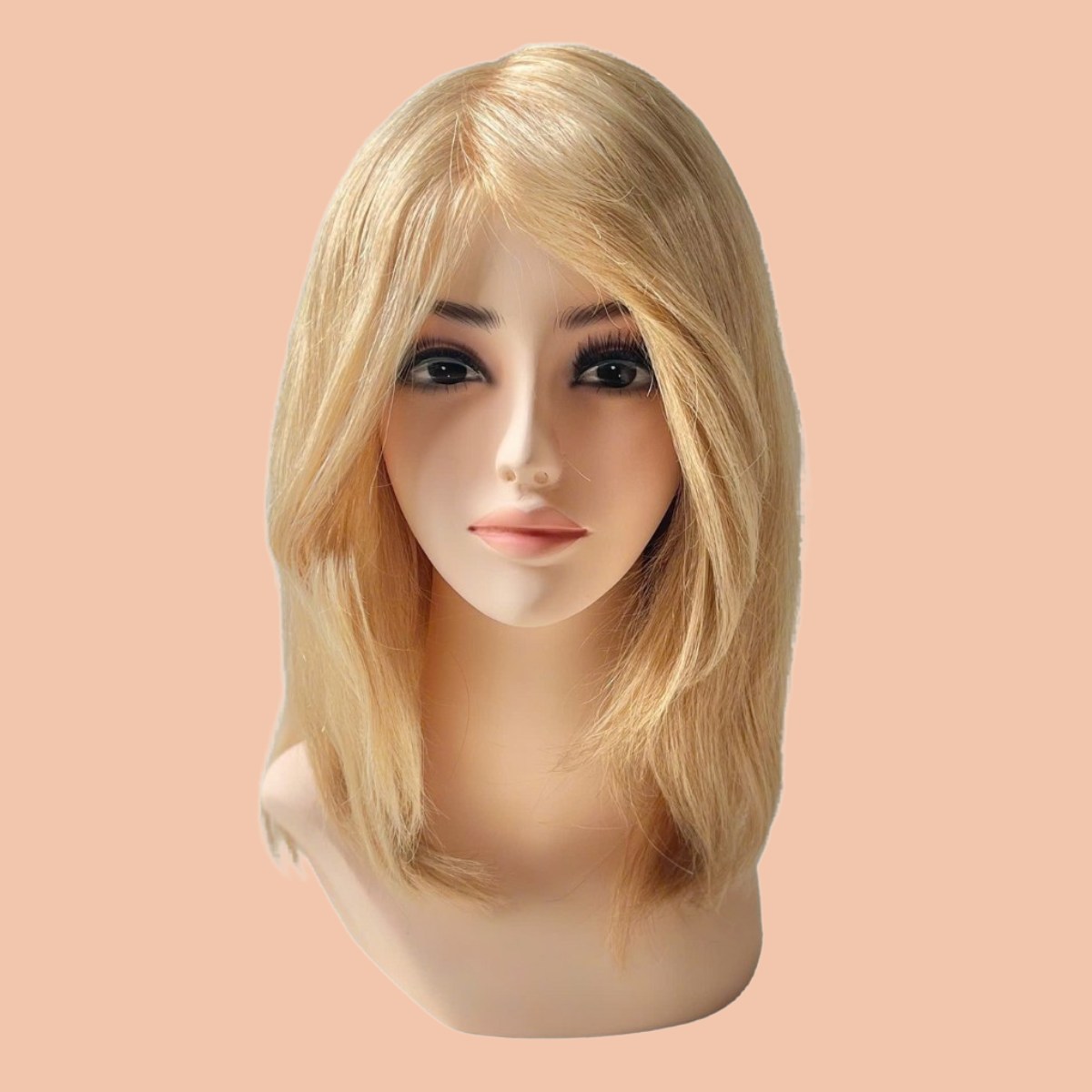
3. Human Hair Wigs: The Ultimate in Natural Feel and Styling
What It Is: As the name suggests, these wigs are constructed using 100% real human hair (often sourced from various regions, with Remy hair being a high-quality standard where cuticles are aligned).
Construction Details: Human hair can be used with any cap construction (monofilament, lace front, wefted, etc.). The quality can vary based on the hair source, processing, and whether it’s Remy hair.
Expanded Benefits:
- Most Natural Look & Feel: Human hair moves, reflects light, and feels just like biological hair. It offers unparalleled realism.
- Styling Versatility: Can be professionally colored, permed, straightened, curled, and cut just like your own hair. Heat styling tools (blow dryers, curling irons, flat irons) can be used (with heat protectant).
- Longevity: With meticulous care, high-quality human hair wigs can last significantly longer than synthetic wigs (often a year or more with regular wear).
- Texture Matching: Easier to find textures that closely match different ethnic hair types (e.g., Caucasian, Asian, African).
Considerations:
- Highest Cost: Human hair wigs represent the largest financial investment among wig types.
- Higher Maintenance: Requires washing, conditioning, and styling more frequently, similar to natural hair. It reacts to weather (can frizz in humidity, lose style in rain).
- Color Fading: Like natural hair, the color can fade over time due to sun exposure and washing.
- Styling Effort: Needs to be restyled after each wash to maintain its look.
Ideal User: Individuals seeking the most authentic look and feel, those who enjoy frequent styling changes and using heat tools, and those willing to invest time and resources into maintenance for long-term use.
Effective Care Tips:
- Washing: Use sulfate-free shampoos and conditioners designed for color-treated human hair. Wash less frequently than biological hair (e.g., every 7-10 wears). Use lukewarm water.
- Conditioning: Deep condition regularly to restore moisture and maintain softness.
- Styling: Always use a heat protectant spray before applying heat. Use moderate temperature settings.
- Detangling: Use a wide-tooth comb, starting from the ends and working up to the roots, especially when wet.
- Professional Help: Consider periodic professional washing, deep conditioning, and styling to maintain optimal condition. Phuc Thien experts can provide tailored care advice.

4. Synthetic Wigs: Convenience, Affordability, and Style Retention
What It Is: Synthetic wigs are crafted from man-made fibers (like Kanekalon, Toyokalon, or proprietary blends) designed to mimic the appearance and texture of human hair.
Construction Details: Synthetic fibers are typically machine-sewn onto wefts, which are then assembled into the wig cap. They can also be used in monofilament and lace front constructions for enhanced realism.
Expanded Benefits:
- Affordability: Generally the most budget-friendly option, allowing exploration of different styles or frequent replacements.
- Low Maintenance & Style Retention: A key advantage is that synthetic fibers have “style memory.” They hold their original style (e.g., curl pattern, straightness) even after washing, requiring minimal restyling.
- Vibrant Colors: Often available in a wider array of vibrant and consistent colors that are less prone to fading than human hair.
- Weather Resistant: Less affected by humidity or rain compared to human hair.
Considerations:
- Styling Limitations: Traditional synthetic fibers cannot tolerate heat from styling tools (curling irons, flat irons, blow dryers) as it will melt or damage the fibers. Exception: Heat-Friendly/Heat-Defiant synthetic fibers exist but have specific temperature limits and care needs.
- Less Natural Feel/Look: While advancements are significant, higher-quality synthetics look very natural, but they may have an unnatural shine (can be reduced with dry shampoo) and don’t move exactly like human hair.
- Shorter Lifespan: Tend to wear out faster than human hair wigs due to friction causing frizzing, especially around the nape and ends (typically 3-6 months with regular wear).
- Cannot Be Colored: The color is set during manufacturing and cannot be changed.
Ideal User: First-time wig wearers, those on a budget, individuals seeking low-maintenance “shake-and-go” convenience, or people who want to experiment with different colors and styles without a large investment.
Effective Care Tips:
- Washing: Use cool water and shampoo/conditioner specifically formulated for synthetic wigs. Wash infrequently (e.g., every 10-15 wears).
- Drying: Gently blot with a towel, then place on a wig stand to air dry completely. Never use a blow dryer on standard synthetic fibers.
- Detangling: Use a wide-tooth comb or wig brush specifically for synthetic hair. Avoid stretching the fibers.
- Friction Frizz: Minimize friction against collars or upholstery. Use detangling sprays designed for synthetic fibers to manage frizz.
- Heat Avoidance: Keep away from intense heat sources like open ovens, boiling water steam, or fireplaces.
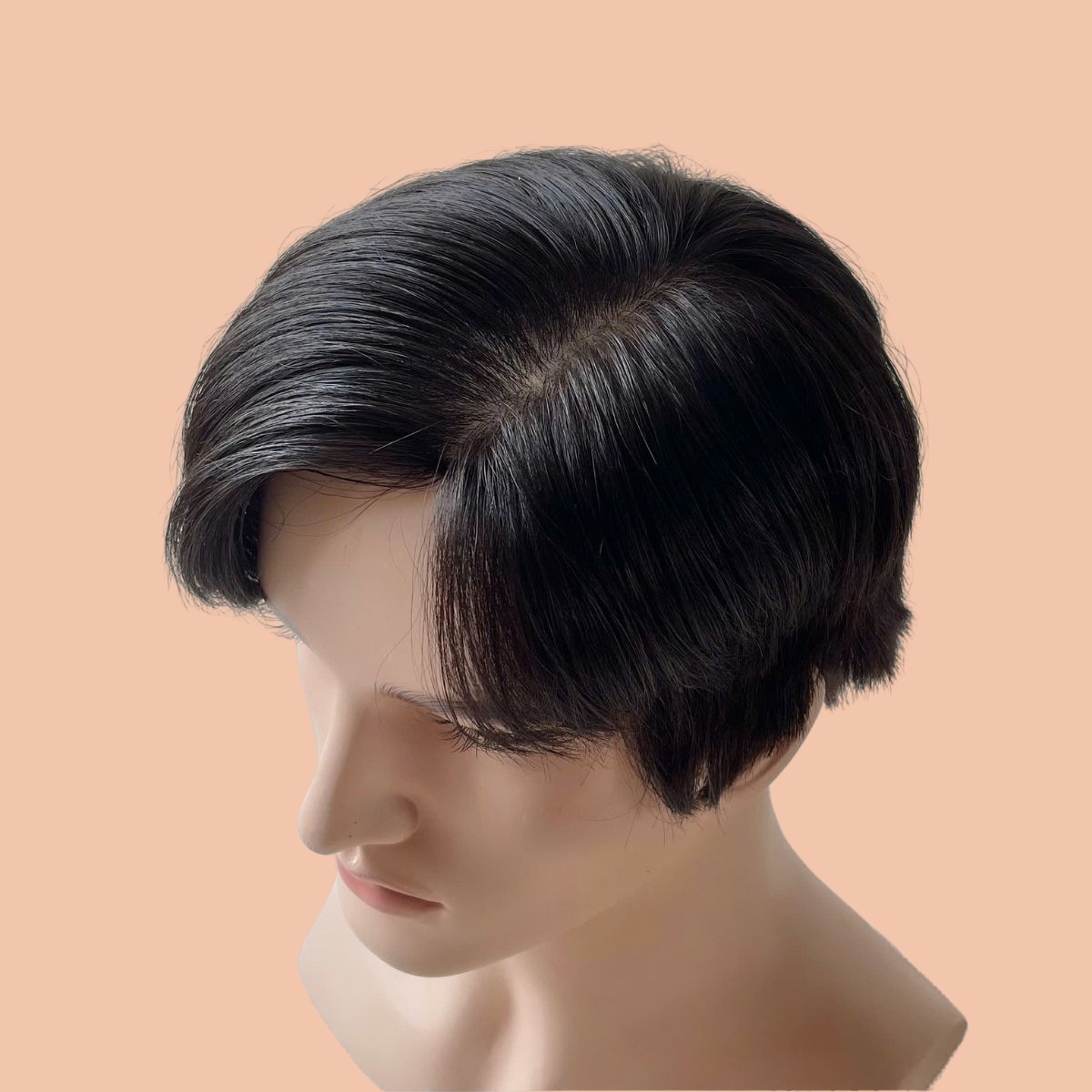
5. Full Cap Wigs: Comprehensive Coverage and Security
What It Is: This term refers more to the extent of coverage rather than a specific construction material like monofilament or lace. A full cap wig provides complete coverage over the entire scalp.
Construction Details: The cap construction itself can vary widely. It could be:
- Traditional/Standard Cap: Machine-made wefts sewn together, often with permatease at the roots for built-in volume. Most basic and affordable.
- Capless/Open Cap: Wefts are spaced further apart, allowing for better ventilation. Lighter and cooler than traditional caps.
- Monofilament Top/Crown: Combines wefted sides/back with a monofilament section at the top or crown for parting versatility and scalp realism.
- Hand-Tied Cap: The entire cap is hand-tied, offering maximum comfort, natural movement, and styling flexibility, but at a higher cost.
- Combination Caps: Often incorporate features like lace fronts, monofilament parts, silicone strips, or polyurethane tabs for adhesive use.
Expanded Benefits:
- Total Scalp Coverage: Ideal for individuals with extensive hair loss (Alopecia Totalis, advanced Alopecia Areata, or significant thinning).
- Secure Fit: Typically includes adjustable straps, combs, or clips inside the cap for a secure fit without necessarily needing adhesives. Some are designed with non-slip materials.
- Variety: Available in all hair types (human, synthetic, heat-friendly) and various cap constructions to suit different needs and budgets.
- Protection: Shields the entire scalp from sun exposure and environmental elements.
Considerations:
- Warmth: Depending on the cap construction (especially traditional caps), they can feel warmer than options like toppers or open-cap designs.
- Bulkiness: Some full cap constructions, particularly those with permatease, might feel slightly bulkier than hand-tied options.
- Naturalness: The realism depends heavily on the specific cap construction (e.g., lace front, monofilament) and hair fiber type chosen.
Ideal User: Individuals with significant or total hair loss across the scalp, those seeking maximum coverage and security, and people who prefer a self-contained hair replacement solution.
Effective Care Tips:
- Follow Fiber/Construction Guidelines: Care depends entirely on whether the wig is human hair or synthetic, and if it has delicate features like lace or monofilament. Refer to the specific care instructions for those elements.
- Adjustable Straps: Use the adjustable straps for a snug but comfortable fit – too tight can cause discomfort, too loose can feel insecure.
- Storage: Store properly on a wig stand to maintain shape and prevent tangling.
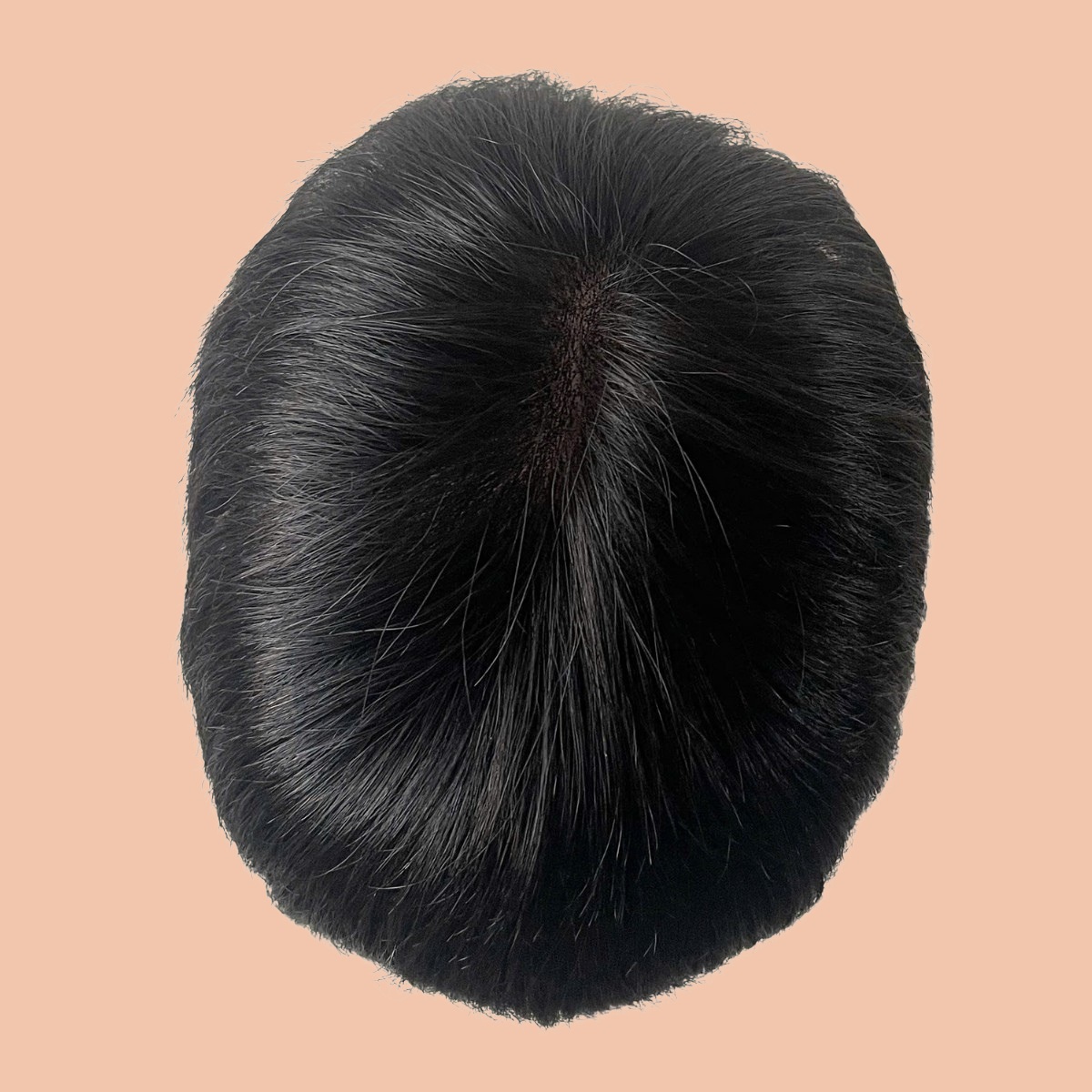
Living with Alopecia: Coping Strategies and Support
Beyond hairpieces, effective coping strategies and a strong support network are essential for living well with alopecia.
Emotional Well-being
- Acknowledge Your Feelings: It’s normal to experience a range of emotions, including sadness, anger, and anxiety. Allow yourself to feel these emotions without judgment.
- Practice Self-Care: Engage in activities that bring you joy and relaxation, such as exercise, meditation, or spending time with loved ones.
- Challenge Negative Thoughts: Identify and challenge negative thoughts about your appearance. Focus on your strengths and positive qualities.
- Seek Professional Help: Consider therapy or counseling to address emotional challenges and develop coping mechanisms.
- Example: Cognitive Behavioral Therapy (CBT) can help you identify and change negative thought patterns related to your appearance.
🎨 Your style, your hair — we make it exactly how you want.
Building a Support Network
- Join a Support Group: Connect with others who have alopecia through online or in-person support groups. Sharing experiences and advice can be incredibly helpful.
- Resource: The National Alopecia Areata Foundation (NAAF) offers a directory of support groups in the United States.
- Talk to Loved Ones: Share your feelings and experiences with trusted friends and family members. Their support and understanding can make a significant difference.
- Connect Online: Engage in online forums and social media groups dedicated to alopecia. These platforms provide a space for sharing information, asking questions, and finding encouragement.
- Example: Online communities on platforms like Reddit and Facebook offer support and advice for individuals with alopecia.
- Seek Professional Advice: Consult with a dermatologist or trichologist who specializes in hair loss. They can provide medical guidance and recommend appropriate treatments.
Medical Treatment Options
While there is no cure for alopecia areata, several treatments can help stimulate hair regrowth or manage the condition.
- Topical Corticosteroids: These medications reduce inflammation and can promote hair regrowth in some cases.
- Example: Topical clobetasol propionate is a potent corticosteroid used to treat alopecia areata.
- Intralesional Corticosteroid Injections: Corticosteroids are injected directly into the affected areas to reduce inflammation and stimulate hair regrowth.
- Example: Triamcinolone acetonide is commonly used for intralesional injections.
- Topical Minoxidil: This over-the-counter medication can help stimulate hair regrowth, especially when used in combination with other treatments.
- Example: Rogaine is a well-known brand of topical minoxidil.
- Immunotherapy: This treatment involves applying a chemical to the scalp to induce an allergic reaction, which can stimulate hair regrowth.
- Example: Diphencyprone (DCP) is a commonly used immunotherapy agent.
- JAK Inhibitors: These medications block the activity of enzymes that contribute to inflammation and hair loss.
- Example: Baricitinib and ritlecitinib are FDA-approved JAK inhibitors for the treatment of severe alopecia areata.
- Citation: The FDA approved ritlecitinib (Litfulo) in June 2023 for adults and adolescents 12 years and older with severe alopecia areata.
- Light Therapy (PUVA): Involves exposing the scalp to ultraviolet A (UVA) light after applying a photosensitizing medication (psoralen).
- Platelet-Rich Plasma (PRP) Therapy: Involves injecting concentrated platelets from the patient’s own blood into the scalp to stimulate hair growth.
- Hair Transplant: A surgical procedure to transplant hair follicles from areas of the scalp with healthy hair growth to areas with hair loss.
- Note: This treatment is more suitable for androgenetic alopecia than alopecia areata.
Table: Alopecia Treatment Options
| Treatment | Description | Potential Benefits | Considerations |
| Topical Corticosteroids | Applied directly to the scalp to reduce inflammation. | May stimulate hair regrowth in some cases. | Can cause skin irritation, thinning, and other side effects. |
| Intralesional Corticosteroids | Injected directly into affected areas to reduce inflammation and stimulate hair regrowth. | Can be effective for localized hair loss. | Can cause pain, skin atrophy, and other side effects. |
| Topical Minoxidil | Over-the-counter medication that stimulates hair regrowth. | Can help increase hair density and thickness. | Requires consistent use, can cause scalp irritation and unwanted hair growth. |
| Immunotherapy | Applies a chemical to the scalp to induce an allergic reaction and stimulate hair regrowth. | Can be effective for extensive hair loss. | Can cause severe skin irritation and other side effects. |
| JAK Inhibitors | Medications that block the activity of enzymes that contribute to inflammation and hair loss. | Can significantly improve hair regrowth in severe cases. | Potential side effects include infections, high cholesterol, and other health issues. |
| Light Therapy (PUVA) | Exposing the scalp to ultraviolet A (UVA) light after applying a photosensitizing medication (psoralen). | Can stimulate hair regrowth in some cases. | Requires multiple sessions and can cause skin irritation and increased risk of skin cancer. |
| PRP Therapy | Injecting concentrated platelets from the patient’s own blood into the scalp to stimulate hair growth. | May improve hair density and thickness. | Limited research on its effectiveness, can be expensive. |
| Hair Transplant | A surgical procedure to transplant hair follicles from areas of the scalp with healthy hair growth to areas with hair loss. | Permanent solution for hair loss. | Invasive procedure, can be expensive, and may not be suitable for all types of alopecia. |
- Phuc Thien Recommendation: “Explore all available treatment options with your dermatologist to determine the best course of action for your specific condition. Hairpieces can be a valuable tool while you explore these treatments.”
Emotional well-being: Prioritize Self-Care for Alopecia to counter Alopecia Emotional Impact effectively
Alopecia and Self-Esteem: Embracing Your Identity
Alopecia can significantly impact self-esteem and body image. It’s important to develop strategies to build confidence and embrace your identity.
Building Confidence
- Focus on Your Strengths: Identify your positive qualities and accomplishments. Remind yourself of your strengths and talents.
- Challenge Societal Standards: Recognize that beauty standards are often unrealistic and unattainable. Embrace your unique appearance and celebrate your individuality.
- Practice Self-Compassion: Treat yourself with kindness and understanding. Avoid self-criticism and negative self-talk.
- Express Yourself: Find creative outlets to express your feelings and emotions, such as writing, painting, or music.
- Engage in Activities You Enjoy: Participate in activities that bring you joy and fulfillment. This will boost your mood and self-esteem.
- Phuc Thien Affirmation: “Your worth is not defined by your hair. Embrace your unique beauty and focus on your inner strengths. Phuc Thien is here to support you in feeling confident and stylish.”
🔍 Looking for a specific size, base, or hair color? Order a fully personalized toupee now!
Living with Alopecia: Conclusion
Living with alopecia can be a challenging journey, but with the right information, support, and coping strategies, you can thrive. Hairpieces offer a versatile and accessible solution for managing hair loss and restoring confidence. Phuc Thien Toupee is committed to providing high-quality hairpieces and expert advice to help you embrace your best self. Remember, your worth is not defined by your hair. Focus on your strengths, build a strong support network, and embrace your unique beauty.
Phuc Thien Toupee Co., Ltd
Design Brand: Royal Hair Vietnam
Office Address:
🏢 Room A909, Decapella Building, 116 Luong Dinh Cua Street, An Khanh Ward, Thu Duc City, Ho Chi Minh City 700000, Vietnam
Factory Address:
🏭 No. 26/9, Street 57, Thuong Hamlet, Tan Thong Hoi Ward, Cu Chi District, Ho Chi Minh City 700000, Vietnam
Email: ✉️ phucthientoupeevn@gmail.com
Phone / WhatsApp: 📞 +84 933 901 196
Websites: 🌐 phucthientoupee.com – 🌐 royalhair.shop



