

- 27/06/2025
- Posted by: phucthien
- Categories: Blog, Care, Attachment & Repair
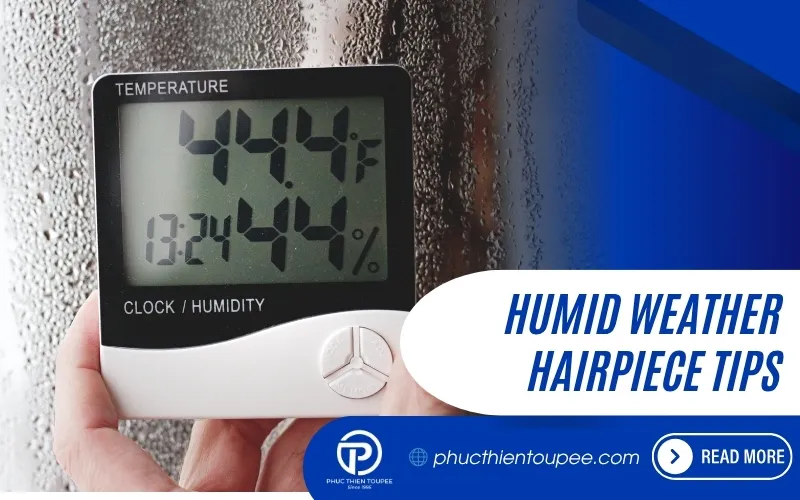
Humid Weather Hairpiece Tips: 8 Tips To Care & Protection
Humid Weather Hairpiece Tips are essential for maintaining a flawless look and extending the life of your hairpiece.
Understanding Humidity’s Impact on Hairpieces
Humidity, or the moisture in the air, significantly affects both your hairpiece and scalp, especially in high-humidity environments.

Tip 1: Choose The Right Hairpiece Material And Base
Selecting the appropriate hairpiece from the outset is arguably the most crucial step for success in humid climates.
- Human Hair Vs Synthetic Hair In Humidity: The choice between human and synthetic hair involves trade-offs, especially concerning humidity.
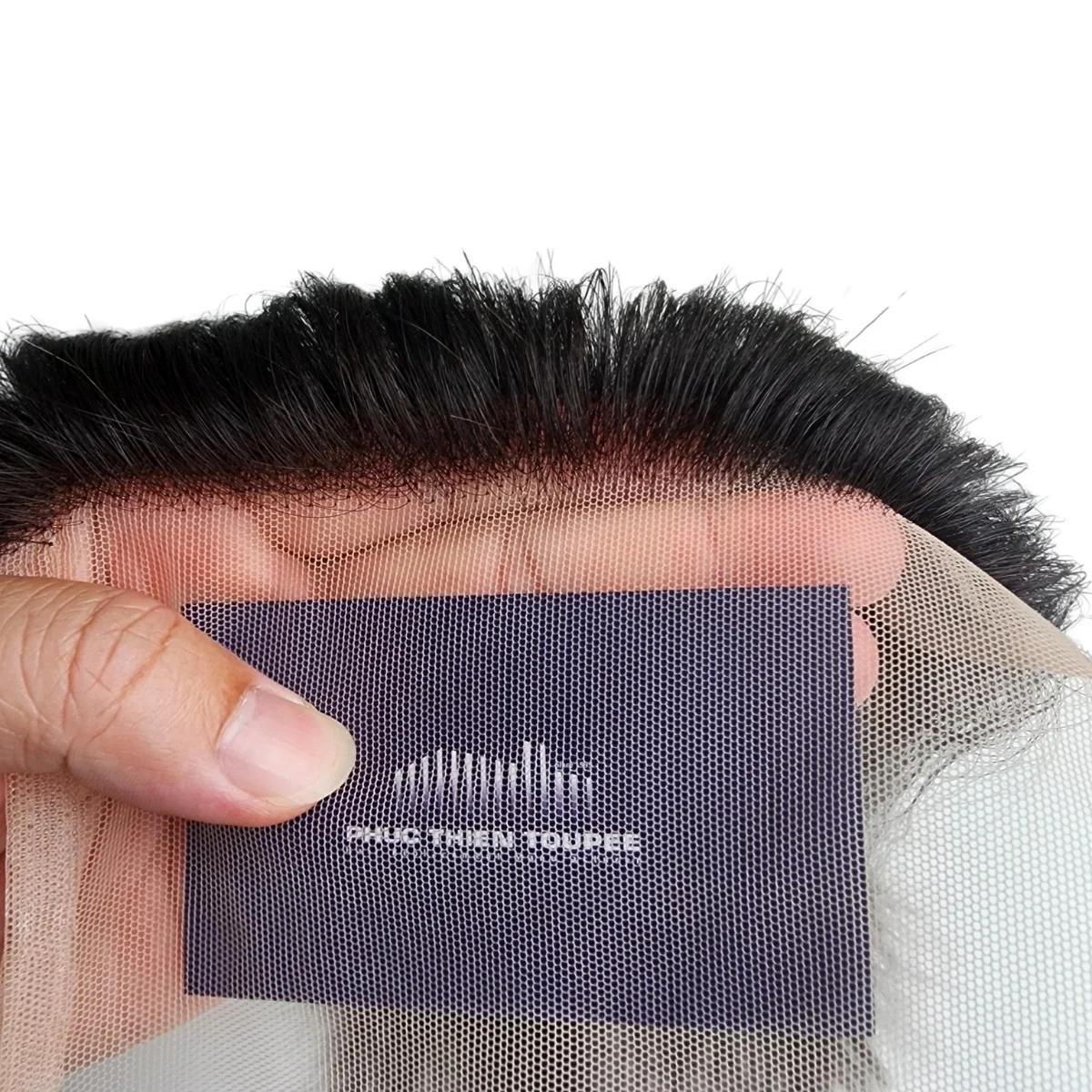
- The Importance Of A Breathable Base: The base construction is critical for scalp comfort in humidity. Trapped heat and sweat exacerbate discomfort and adhesive issues.
- Consider Density And Length: Density: Lower hair density (e.g., 90%-110%) allows for better air circulation to the scalp compared to very thick, high-density pieces (130%+).
Tip 2: Master Secure Attachment Techniques
- Selecting Humidity-Resistant Adhesives: Not all hairpiece adhesives are created equal when faced with moisture.
- Proper Application Is Key: The best adhesive in the world will fail if not applied correctly.
- Alternative Attachment: Clips and Combs: For partial hairpieces, toppers, or integrations systems that blend with existing hair, pressure-sensitive clips or small combs sewn into the base might be used.

Tip 3: Optimize Your Hairpiece Care Routine
How you care for your hairpiece between wears directly impacts its appearance and longevity, especially in humid conditions where fibers are stressed, and buildup can occur more quickly.
- Washing And Conditioning Appropriately: Frequency: Avoid over-washing, as this can strip natural oils from human hair or cause wear on synthetic fibers.
- Drying Your Hairpiece Correctly: Proper drying is crucial to maintain style and prevent damage.
- Proper Storage Between Wears: When not wearing your hairpiece, store it correctly to protect it from dust, friction, and environmental factors like ambient humidity.

Tip 4: Employ Anti-Humidity Styling Products
Styling products are your allies in the fight against humidity-induced frizz and style collapse.
- The Role Of Anti-Frizz Serums And Sprays: How They Work: Most anti-frizz serums and sprays work by coating the hair shaft with a lightweight barrier, often containing silicones or specific polymers.
- Choosing The Right Styling Products: Humidity-Resistant Hairsprays: Look for hairsprays specifically labeled as “humidity-resistant” or offering “anti-humidity” benefits.
- Product Layering Techniques: Start with Clean, Conditioned Hair: As per Tip 3.

Tip 5: Adapt Your Styling Techniques
How you style your hairpiece can significantly impact how well it fares in humidity.
- Embrace Humidity-Friendly Hairstyles: Certain styles work with humidity rather than fighting against it, or they cleverly conceal minor imperfections.
- Minimize Heat Styling: Heat can temporarily smooth hair, but excessive heat styling can damage fibers (both human and synthetic) and make human hair even more porous and prone to absorbing humidity later.
- Touch-Up Strategies On The Go: Be prepared for quick fixes when you’re out and about.
Tip 6: Prioritize Scalp Health And Comfort
A comfortable scalp is the foundation of successful hairpiece wear, especially when heat and humidity conspire to create irritation.
- Preventing Scalp Irritation: Trapped moisture and heat are breeding grounds for discomfort.
- Managing Sweat Effectively: Sweat is unavoidable in humidity, but you can manage its impact.
- Importance Of Regular Breaks: Even with breathable bases and liners, giving your scalp a complete break from the hairpiece is beneficial.
Tip 7: Prepare For Unexpected Humidity Issues
Despite the best preparations, humidity can sometimes win a temporary battle.
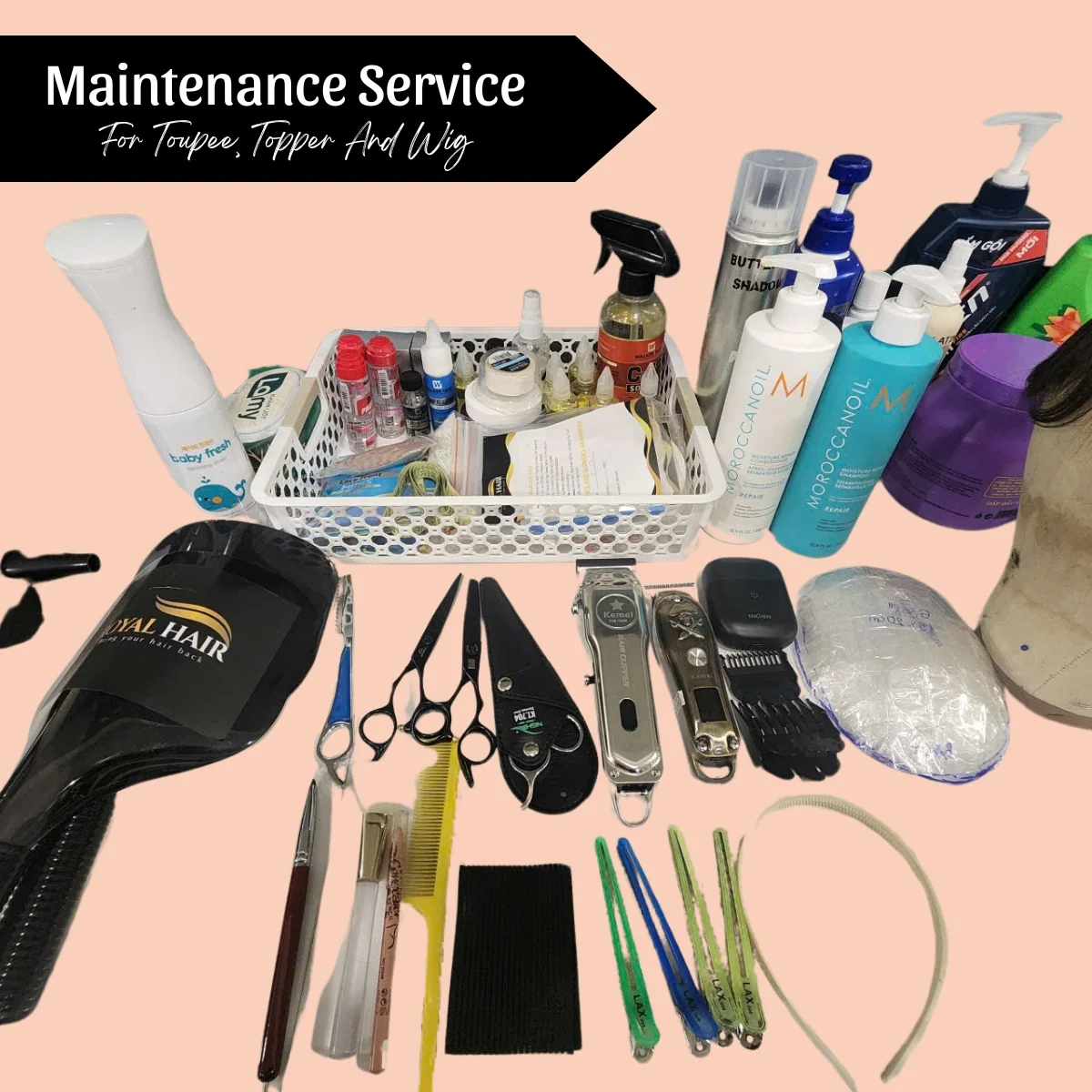
- Creating An Emergency Kit: Mini Adhesive/Tape: A small tube of your preferred liquid adhesive or a few pre-cut pieces of your usual tape for quick edge touch-ups.
- Knowing When To Seek Professional Help: While the emergency kit handles minor issues, some situations require expert intervention.
Tip 8: Long-Term Hairpiece Preservation In Humid Climates
Consistent care and strategic planning are essential for maximizing the lifespan and appearance of your hairpiece investment when living in or traveling to humid areas.
- Regular Professional Maintenance: Deep Cleaning and Conditioning: Salons have specialized products and techniques to thoroughly cleanse buildup from fibers and the base, and deep conditioning treatments (especially for human hair) can restore moisture balance and resilience.
- Rotating Between Hairpieces: Allows Pieces to Rest: While one piece is being worn, the other can be cleaned, fully dried, and stored correctly, allowing fibers and the base to “rest” and recover from wear and environmental stress.
- Adjusting Your Routine Seasonally: Product Adjustments: You may need stronger anti-humidity products and more diligent scalp prep during peak summer humidity compared to drier winter months.
Human Hair Vs Synthetic Hair In Humidity
| Feature | Human Hair | Synthetic Hair (High Quality/HD) |
| Humidity Rxn | Absorbs moisture, prone to frizz & swelling | Resists moisture, holds style well |
| Styling | Highly versatile, can be heat-styled | Style is baked-in; HD fibers allow low heat |
| Appearance | Most natural look and feel | Can look very natural, less movement |
| Maintenance | Requires more styling, anti-frizz products | Lower maintenance, less styling needed |
| Cost | Generally higher initial cost | Often more budget-friendly |
| Lifespan | Can last longer with proper care | Lifespan varies, friction can cause wear |