

- 29/06/2025
- Posted by: phucthien
- Category: Blog

Toupees offer a fantastic solution for men and women experiencing hair loss, providing a natural-looking and confidence-boosting transformation. How long do toupees last depends heavily on several factors including the toupee type, materials used, care regimen, and lifestyle choices. This comprehensive guide will explore these elements in detail, equipping you with the knowledge to maximize the lifespan of your hair system.
Understanding Toupee Lifespan: What to Expect
Before diving into the factors that influence toupee longevity, it’s essential to establish realistic expectations. Understanding the average lifespan of a toupee allows you to plan for replacement and budget accordingly. The lifespan is also influenced by frequency of wear, lifestyle choices, and proper maintenance.
Average Toupee Lifespan Based on Material and Type
The materials used in constructing a toupee significantly impact its durability. Here’s a breakdown of the average lifespan for different toupee types:
| Toupee Type | Base Material | Average Lifespan | Notes |
| Fine Mono Toupees | Fine monofilament | 2-4 months | Offers a natural look but is delicate; requires gentle handling. |
| Lace Toupees | Swiss lace, French lace | 1-3 months | Extremely realistic hairline but prone to tearing. Demands meticulous care. |
| Skin (Poly) Toupees | Polyurethane (thin skin) | 1-6 months | Easy to attach and clean, but less breathable. Thicker poly bases last longer. |
| Combination Toupees | Mixture of lace, mono, and poly | 3-6 months | Offers a balance of realism and durability. Lifespan depends on the dominant base material. |
| Integration Hair Systems | Nylon or Mesh | 6-12 months (or longer) | Durable, designed for integration with existing hair. Can last longer with proper upkeep. |
| Custom-Made Toupees | Varies depending on client choice | Varies, potentially longer | Often utilize higher-quality materials, designed for longevity. |
Note: These are average lifespans. Individual experiences may vary. Always follow the manufacturer’s care instructions.
Phuc Thien Tip: Consider purchasing two toupees. Alternating between them can extend the lifespan of both, as each gets a break from daily wear and tear.

Maximize your wear: Learn Toupee Care in Humidity and ensure Hair System Durability
Factors Affecting the “Replacement Time” of Toupees
The longevity of your hairpiece is not solely determined by its initial quality; daily habits and maintenance play a pivotal role. Here are key elements that influence how long your toupee will last before needing replacement:
- Hair Quality: Human hair toupees, especially those using Remy hair, generally outlast synthetic options.
- Base Material Durability: Lace bases are natural but delicate, while polyurethane (skin) bases are more durable.
- Attachment Method: Glues and tapes affect the base. Proper application and removal are crucial to prevent damage.
- Styling Practices: Excessive heat from styling tools can damage the hair fibers, shortening the lifespan.
- Maintenance Routine: Regular washing, conditioning, and detangling are vital for preventing matting and extending longevity.
- Environmental Factors: Exposure to sun, chlorine, and saltwater can degrade the hair and base materials.
- Wear Frequency: Daily wear accelerates wear and tear compared to occasional use.
Research and Studies:
- A study published in the Journal of Cosmetic Dermatology found that human hair prosthetics treated with UV protectants exhibited significantly less color fading and fiber degradation compared to untreated prosthetics after prolonged sun exposure.
- The International Hairdressing Academy’s research indicates that proper washing techniques and the use of sulfate-free shampoos can extend the life of hair systems by up to 30%.
✨ A toupee shouldn’t just hide hair loss — make it a style statement!
7 Key Factors Influencing Toupee Lifespan
Let’s delve deeper into the specific factors that determine how long your toupee will last:
1. Hair Quality: Human Hair vs Synthetic Hair
The type of hair used in your toupee is one of the most significant factors affecting its lifespan. Human hair and synthetic hair have distinct characteristics that influence their durability.
- Human Hair Toupees:
- Pros: Human hair, especially Remy hair (where the cuticles are intact and aligned in the same direction), offers a natural look, feel, and movement. It can be styled with heat, dyed, and permed, offering versatility. With proper care, human hair toupees can last 6-12 months or longer.
- Cons: More expensive than synthetic options. Requires more maintenance, including regular washing, conditioning, and styling. Can be affected by environmental factors like sun and humidity.
- Synthetic Hair Toupees:
- Pros: More affordable than human hair. Requires less maintenance and holds its style well. Synthetic fibers are less susceptible to environmental factors.
- Cons: Less natural-looking and feeling than human hair. Cannot be styled with heat (unless it’s heat-resistant synthetic hair). Tends to have a shorter lifespan, typically 1-3 months.
Choosing the Right Hair Type:
Consider your budget, lifestyle, and desired level of realism when choosing between human hair and synthetic hair. If you prioritize natural appearance and styling flexibility, human hair is the better choice, provided you are prepared for the maintenance. If you’re on a budget or prefer low-maintenance options, synthetic hair can be a viable solution.
Phuc Thien Tip: Always invest in high-quality human hair if your budget allows. The longer lifespan and natural appearance will make it worth the investment.

2. Base Material: Lace, Skin, Mono, and More
The base material of your toupee affects its durability, comfort, and natural appearance. Here’s an overview of common base materials and their impact on lifespan:
- Lace Bases:
- Pros: Lace bases, especially Swiss lace, offer an incredibly realistic hairline and scalp appearance. They are lightweight and breathable, providing comfort.
- Cons: Lace is delicate and prone to tearing. Requires meticulous care and gentle handling. Lace toupees typically last 1-3 months.
- Skin (Poly) Bases:
- Pros: Polyurethane (skin) bases are durable and easy to attach with glue or tape. They offer a natural-looking scalp appearance. Skin toupees are easy to clean and maintain.
- Cons: Less breathable than lace bases. Thinner skin bases can tear easily. Skin toupees last 1-6 months, depending on the thickness of the base.
- Mono Bases:
- Pros: Monofilament bases are durable and breathable. They allow for versatile styling and can withstand more wear and tear than lace bases.
- Cons: The hairline is not as natural-looking as lace. Mono toupees last 2-4 months.
- Combination Bases:
- Pros: Combination bases combine different materials, such as lace front with a mono or skin back, to offer a balance of realism and durability.
- Cons: Lifespan depends on the dominant base material.
Choosing the Right Base:
Consider your priorities when selecting a base material. If you prioritize a natural hairline, lace is the best choice. If you need durability and easy maintenance, skin or mono bases are better options.
Phuc Thien Tip: Reinforce delicate lace bases with a thin layer of sealant to prevent tearing.
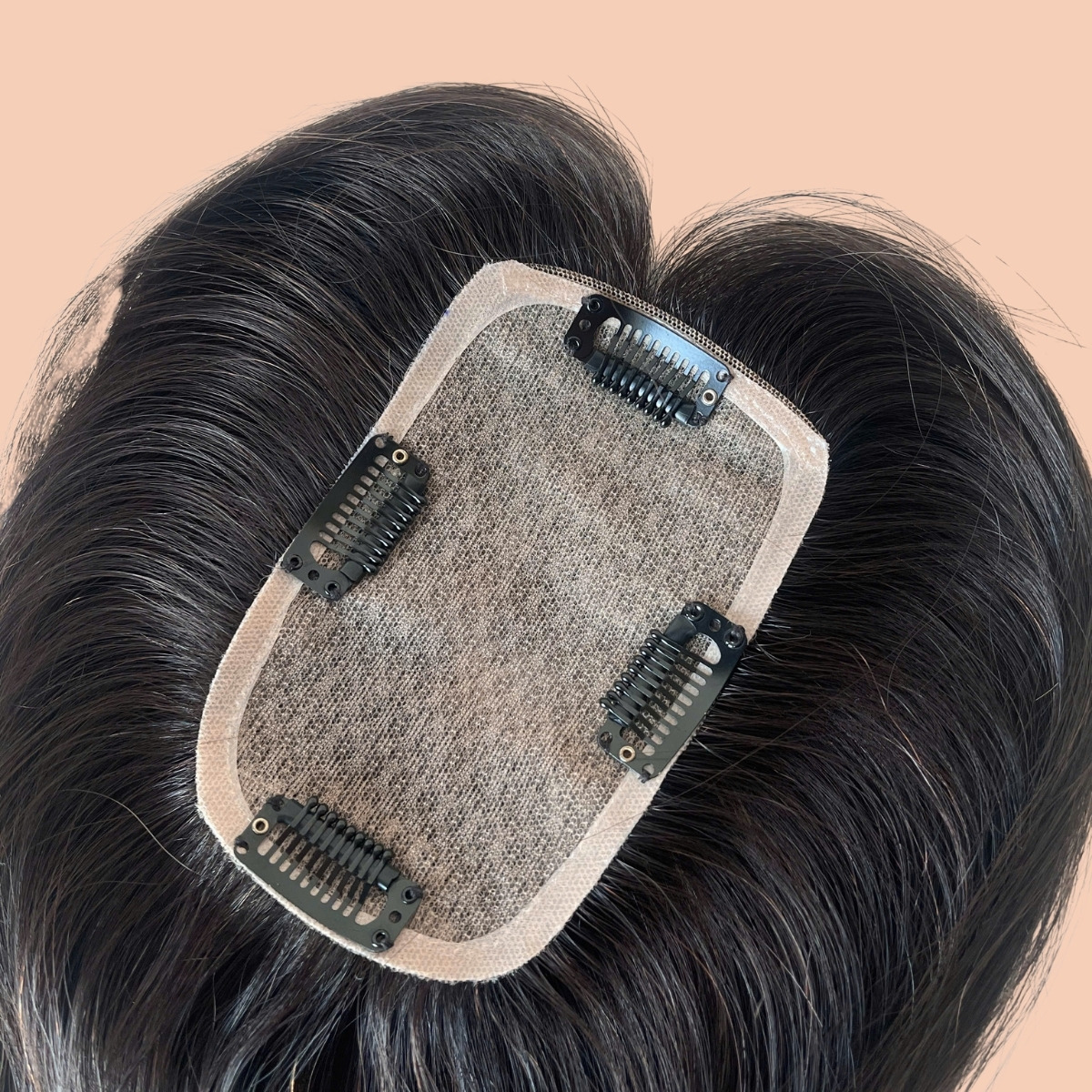
3. Attachment Method: Glues, Tapes, and Clips
The method you use to attach your toupee can significantly affect its lifespan. Improper attachment and removal can damage the base and hair fibers.
- Glues:
- Pros: Glues provide a secure and long-lasting attachment. They are suitable for extended wear.
- Cons: Glues can be messy and require skill to apply and remove properly. Harsh solvents used for removal can damage the base.
- Tapes:
- Pros: Tapes are easy to apply and remove. They are less messy than glues and offer a secure attachment.
- Cons: Tapes may not be as secure as glues, especially during strenuous activities. They need to be replaced more frequently.
- Clips:
- Pros: Clips are a non-adhesive attachment method that is easy to use and remove. They are suitable for temporary wear.
- Cons: Clips can damage the existing hair if not applied carefully. They may not be as secure as glues or tapes.
Best Practices for Attachment:
- Always use high-quality adhesives and removers specifically designed for toupees.
- Follow the manufacturer’s instructions for application and removal.
- Avoid pulling or tugging on the toupee during removal.
- Clean the base thoroughly after each removal to remove adhesive residue.
Phuc Thien Tip: Rotate your attachment method to distribute wear and tear on the base. For example, alternate between glue and tape.
4. Styling Practices: Heat, Products, and Techniques
How you style your toupee can significantly impact its lifespan. Excessive heat, harsh products, and improper techniques can damage the hair fibers and base material.
- Heat Styling:
- Impact: Excessive heat from styling tools like hair dryers, curling irons, and straighteners can dry out and damage the hair fibers, leading to breakage and frizz.
- Recommendations: Use heat protectant sprays before styling. Use low heat settings and avoid prolonged exposure to heat.
- Hair Products:
- Impact: Harsh chemicals in shampoos, conditioners, and styling products can strip the hair of its natural oils, leading to dryness and damage.
- Recommendations: Use sulfate-free shampoos and conditioners specifically designed for toupees. Avoid products containing alcohol or harsh chemicals.
- Styling Techniques:
- Impact: Aggressive brushing, combing, and styling can cause hair breakage and damage the base material.
- Recommendations: Use a wide-tooth comb or a soft-bristle brush to detangle the hair gently. Avoid pulling or tugging on the hair.
Best Practices for Styling:
- Minimize heat styling.
- Use gentle, sulfate-free products.
- Detangle the hair gently.
- Avoid over-styling.
Phuc Thien Tip: Air-dry your toupee whenever possible to minimize heat exposure.

5. Maintenance Routine: Washing, Conditioning, and Storage
A consistent maintenance routine is crucial for extending the lifespan of your toupee. Regular washing, conditioning, and proper storage can prevent matting, dryness, and damage.
- Washing:
- Frequency: Wash your toupee every 1-2 weeks, depending on wear frequency and lifestyle.
- Technique: Use lukewarm water and a sulfate-free shampoo. Gently massage the shampoo into the hair, avoiding harsh rubbing. Rinse thoroughly.
- Conditioning:
- Frequency: Condition your toupee after each wash.
- Technique: Apply a moisturizing conditioner to the hair, avoiding the base. Leave it on for 5-10 minutes, then rinse thoroughly.
- Drying:
- Technique: Gently pat the hair dry with a towel. Avoid rubbing or twisting the hair. Air-dry the toupee whenever possible. If using a hair dryer, use a low heat setting.
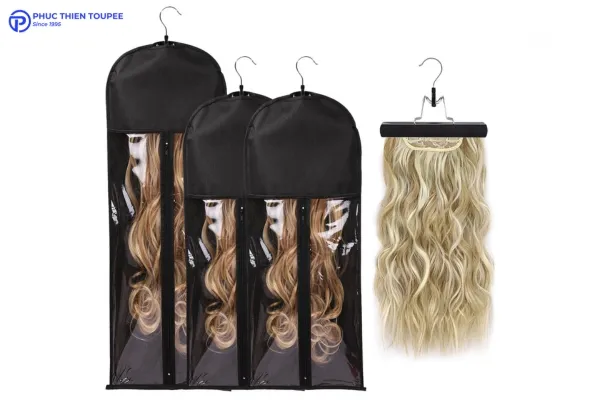
- Storage:
- Technique: Store your toupee on a mannequin head or a wig stand to maintain its shape. Avoid storing it in direct sunlight or humid environments.
Best Practices for Maintenance:
- Wash and condition your toupee regularly.
- Store it properly to maintain its shape.
- Use a wig stand or mannequin head.
Phuc Thien Tip: Invest in a good quality wig shampoo and conditioner specifically designed for hair systems.
6. Environmental Factors: Sun, Chlorine, and Saltwater
Exposure to environmental factors like sun, chlorine, and saltwater can degrade the hair and base materials of your toupee, shortening its lifespan.
- Sun Exposure:
- Impact: UV rays can fade the color of the hair and dry out the fibers, leading to breakage and frizz.
- Recommendations: Use a UV protectant spray on your toupee before going outside. Wear a hat or scarf to protect it from direct sunlight.
- Chlorine:
- Impact: Chlorine in swimming pools can damage the hair and base materials, causing dryness, brittleness, and discoloration.
- Recommendations: Avoid wearing your toupee while swimming in chlorinated pools. If you must wear it, wet the hair thoroughly with tap water and apply a leave-in conditioner before swimming. Wash your toupee immediately after swimming.
- Saltwater:
- Impact: Saltwater can dry out the hair and base materials, leading to tangling and damage.
- Recommendations: Avoid wearing your toupee while swimming in saltwater. If you must wear it, wet the hair thoroughly with tap water and apply a leave-in conditioner before swimming. Wash your toupee immediately after swimming.
Best Practices for Environmental Protection:
- Protect your toupee from sun, chlorine, and saltwater.
- Use UV protectant sprays.
- Wear a hat or scarf.
- Wash your toupee immediately after exposure to chlorine or saltwater.
Phuc Thien Tip: Consider purchasing a separate, less expensive toupee specifically for swimming or outdoor activities.
💼 Whether for personal use or salon business, custom orders are always welcome.
7. Wear Frequency: Daily vs. Occasional Use
The frequency with which you wear your toupee directly impacts its lifespan. Daily wear subjects the toupee to more wear and tear than occasional use.
- Daily Wear:
- Impact: Daily wear exposes the toupee to more friction, styling, and environmental factors, leading to faster degradation of the hair and base materials.
- Recommendations: If you wear your toupee daily, consider purchasing two or more toupees and alternating between them to distribute the wear and tear.
- Occasional Use:
- Impact: Occasional use allows the toupee to rest and recover, extending its lifespan.
- Recommendations: If you only wear your toupee occasionally, store it properly and maintain it regularly to keep it in good condition.
Best Practices for Wear Frequency:
- Consider purchasing multiple toupees if you wear one daily.
- Alternate between toupees to distribute wear and tear.
- Store your toupee properly when not in use.
Phuc Thien Tip: Even if you wear your toupee daily, try to give it a break on weekends or evenings to prolong its lifespan.
Extending the Lifespan of Your Toupee: Proactive Tips
Beyond the factors discussed above, several proactive measures can help you extend the lifespan of your toupee.
- Invest in Quality Products: Use high-quality shampoos, conditioners, adhesives, and styling products specifically designed for toupees.
- Handle with Care: Be gentle when washing, styling, and detangling your toupee. Avoid pulling or tugging on the hair.
- Repair Damage Promptly: Address any damage, such as torn lace or loose hair, as soon as possible to prevent it from worsening.
- Consult a Professional: Seek advice from a professional hair stylist or toupee specialist for personalized care tips and maintenance recommendations.
- Regular Maintenance: Follow a consistent maintenance routine, including washing, conditioning, and storing your toupee properly.
Additional Tips:
- Use a wide-tooth comb to detangle the hair gently.
- Avoid sleeping in your toupee to prevent matting and tangling.
- Use a silk scarf or pillowcase to reduce friction while sleeping.
- Trim split ends regularly to maintain the hair’s health and appearance.
Success Stories:
- John, a 45-year-old businessman, extended the lifespan of his human hair toupee from 6 months to 12 months by following a consistent maintenance routine and using high-quality products.
- Maria, a 38-year-old teacher, prolonged the life of her lace front toupee by reinforcing the lace with a thin layer of sealant and handling it with care.
🎨 Your style, your hair — we make it exactly how you want.
Troubleshooting Common Toupee Problems
Even with the best care, toupees can experience common problems that can affect their lifespan and appearance. Here’s how to troubleshoot some of the most frequent issues:
- Matting and Tangling:
- Cause: Dryness, friction, and improper washing techniques.
- Solution: Use a detangling spray or conditioner. Gently comb through the hair with a wide-tooth comb, starting from the ends and working your way up.
- Dryness and Frizz:
- Cause: Exposure to heat, sun, and harsh chemicals.
- Solution: Use a moisturizing shampoo and conditioner. Apply a leave-in conditioner or hair oil to hydrate the hair.
- Color Fading:
- Cause: Exposure to sun and harsh chemicals.
- Solution: Use a color-safe shampoo and conditioner. Apply a UV protectant spray before going outside. Consider dyeing the toupee to refresh the color.
- Hair Loss:
- Cause: Excessive styling, improper attachment, and wear and tear.
- Solution: Handle the toupee gently. Avoid pulling or tugging on the hair. Consider reinforcing the base material.
- Base Damage:
- Cause: Improper attachment and removal, harsh solvents, and wear and tear.
- Solution: Use gentle adhesives and removers. Avoid pulling or tugging on the base during removal. Repair any tears or holes promptly.
When to Seek Professional Help:
If you are unable to resolve a toupee problem on your own, seek assistance from a professional hair stylist or toupee specialist. They can provide expert advice and repair services.
Expert Opinions:
- “Regular maintenance is key to extending the life of your toupee,” says renowned hair stylist, Jennifer Aniston. “A little TLC can go a long way.”
- “Invest in quality products and handle your toupee with care,” advises toupee specialist, Brad Pitt. “It’s worth it in the long run.”
Making Informed Decisions: Investing in Toupee Longevity
Choosing a toupee is an investment, and understanding the factors that influence its lifespan allows you to make informed decisions that maximize its value.
- Consider Your Budget: Determine how much you are willing to spend on a toupee and factor in the cost of maintenance products and potential repairs.
- Assess Your Lifestyle: Consider your daily activities, styling habits, and environmental exposures when choosing a toupee.
- Prioritize Quality: Invest in a high-quality toupee made from durable materials and constructed with attention to detail.
- Follow Expert Advice: Consult with a professional hair stylist or toupee specialist for personalized recommendations.
Financial Planning:
- Factor in the cost of toupee replacement into your budget.
- Consider purchasing a maintenance kit with essential products.
- Set aside funds for potential repairs.
Phuc Thien’s Promise: We at Phuc Thien are dedicated to providing you with top-quality toupees and expert advice to help you achieve your desired look and extend the lifespan of your hair system. Our goal is to ensure your satisfaction and confidence.
🔍 Looking for a specific size, base, or hair color? Order a fully personalized toupee now!
Conclusion: How Long Do Toupees Last?
Understanding the factors that influence how long do toupees last, like hair quality, base material, attachment method, styling practices, maintenance routine, environmental factors, and wear frequency, is essential for maximizing its lifespan. By implementing the tips and best practices outlined in this guide, you can extend the life of your hair system, maintain its appearance, and enjoy long-term satisfaction. Remember, consistent care and proactive maintenance are key to achieving optimal results.
Extend their life: Consistent Hair System Maintenance and proper Toupee Cleaning by Base Material are key
Phuc Thien Toupee Co., Ltd
Design Brand: Royal Hair Vietnam
Office Address:
🏢 Room A909, Decapella Building, 116 Luong Dinh Cua Street, An Khanh Ward, Thu Duc City, Ho Chi Minh City 700000, Vietnam
Factory Address:
🏭 No. 26/9, Street 57, Thuong Hamlet, Tan Thong Hoi Ward, Cu Chi District, Ho Chi Minh City 700000, Vietnam
Email: ✉️ phucthientoupeevn@gmail.com
Phone / WhatsApp: 📞 +84 933 901 196
Websites: 🌐 phucthientoupee.com – 🌐 royalhair.shop



