

- 17/06/2025
- Posted by: phucthien
- Category: Blog

Long-term wig storage is essential for maintaining the beauty and longevity of your human hair wigs. Proper wig care safeguards your investment, preventing tangling, dryness, and damage. Let’s explore expert methods for preserving your wig’s original splendor. Discover tips for wig preservation, wig organization, and wig protection to keep your hairpieces looking fabulous.
Why Proper Wig Storage Matters for Human Hair Wigs
Investing in a human hair wig is like investing in a beautiful extension of yourself. Proper storage is not just about tidiness it’s about safeguarding that investment for years of confident wear. Here’s why long-term wig storage is crucial:
- Prevents Tangling and Matting: Human hair, especially when not worn, can easily tangle. Correct storage minimizes friction and maintains a smooth, manageable texture.
- Maintains Style and Shape: A well-stored wig retains its original style, reducing the need for frequent restyling, which can shorten its lifespan.
- Protects Against Dust and Environmental Damage: Exposure to dust, sunlight, and humidity can fade color, dry out the hair, and weaken the fibers. Storage shields your wig from these elements.
- Extends the Lifespan of Your Wig: With the right care, your human hair wig can last for years. Storage is a key component of that longevity.
Expert Insight: According to a study by the American Hair Loss Association, proper wig care, including storage, is a significant factor in extending the life of hairpieces, potentially saving wearers hundreds of dollars in the long run.

Preserve your beauty: Follow essential Wig Storage Tips for lasting quality
Preparation is Key: Cleaning Before Storage
Before tucking your wig away, it’s essential to ensure it’s clean and conditioned. This step is vital for preventing the buildup of oils, dirt, and product residue that can damage the hair over time.
- Gently Detangle: Use a wide-tooth comb or wig brush to carefully remove any tangles or knots. Start from the ends and work your way up to the roots.
- Wash with Care: Use a shampoo specifically formulated for human hair wigs. Gently lather and rinse thoroughly with cool water. Avoid harsh scrubbing, which can damage the fibers.
- Condition for Moisture: Apply a moisturizing conditioner to replenish the hair’s natural oils. Leave it on for the recommended time, then rinse thoroughly.
- Air Dry Completely: Allow your wig to air dry completely on a wig stand before storing it. Never store a wet or damp wig, as this can lead to mold and mildew.
Phuc Thien’s Pro Tip: When washing your wig, consider adding a capful of apple cider vinegar to the final rinse. This helps to remove any lingering residue and adds shine.
💡 Save money — get expert repair service instead of buying a new one.
8 Human Hair Wig Storage Solutions
Choosing the right long-term wig storage method is crucial for preserving the quality, style, and longevity of your human hair investment. At Phuc Thien, we understand that each wig and owner has unique needs. Let’s delve deeper into eight effective solutions, exploring their benefits, ideal applications, and best practices.
Solution 1: The Classic Wig Stand – Maintaining Shape and Presence
The wig stand, often shaped like a simple head form, is perhaps the most recognized method for wig keeping. Its popularity stems from its effectiveness in maintaining the wig’s intended shape and style, especially beneficial for wigs worn with some regularity.
- Core Benefits Explained:
- Shape Preservation: This is the primary advantage. By mimicking the shape of a head, the stand supports the wig cap’s structure, preventing creasing, flattening, or distortion, particularly around the crown and parting area. This ensures your wig looks ready-to-wear with minimal restyling.
- Enhanced Airflow: Unlike enclosed storage, a stand allows air to circulate freely through the hair fibers and cap. This ventilation is vital for preventing moisture buildup, which can lead to musty odors or even mold growth in humid conditions. It also helps the wig air out after wear.
- Accessibility & Convenience: Placing your wig on a stand makes it easily accessible for your next use. It also serves as a convenient station for light styling, brushing, or air drying after washing.
- Affordability: Basic wig stands are generally inexpensive and widely available.
- Best Suited For:
- Wigs used regularly (e.g., several times a week or month).
- Short to medium-length styles where maintaining volume and shape is key.
- Situations where quick access is preferred.
- Post-washing air drying.
- Types Available:
- Foam (Styrofoam) Stands: Lightweight and very affordable. They are gentle on the wig cap but can be less stable and may degrade over time. Best for short-term or temporary storage.
- Plastic Collapsible Stands: Durable, easy to clean, and often designed to be disassembled for travel or compact storage. Offer good stability.
- Mannequin Heads (Canvas, Cork, Fiberglass): Offer the most realistic support and are ideal for styling, washing, and long-term shape maintenance. Canvas and cork heads allow for pinning (useful for styling or repairs), while fiberglass is very durable. These are often heavier and more expensive.
- Adjustable Height Stands: Allow you to set the wig at a convenient height for styling or storage, particularly useful for longer wigs to keep the hair off surfaces.
- How to Use Effectively:
- Ensure Cleanliness & Dryness: Always start with a clean, fully air-dried wig.
- Position Carefully: Place the wig onto the stand, aligning the wig’s natural part and hairline with the stand’s features. Ensure the cap sits smoothly without stretching.
- Adjust Straps: If your wig has adjustable straps, loosen them slightly before placing on the stand to avoid unnecessary tension on the cap during storage.
- Arrange Hair: Gently arrange the hair fibers to hang naturally or in their intended style.
- Consider Covering: For longer periods between wears, lightly drape a silk scarf or place the stand inside a breathable wig bag or box to protect from dust and light.
- Choose Location: Place the stand in a cool, dry area away from direct sunlight and heat sources. Avoid high-traffic areas where it could be knocked over.
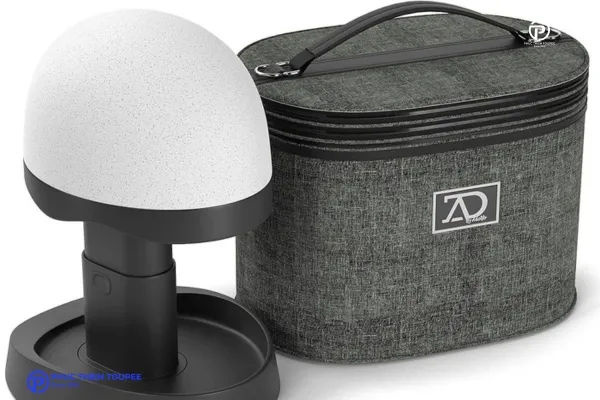
Solution 2: The Portable Wig Hanger – Space-Saving Vertical Storage
Wig hangers offer a clever alternative, especially when countertop or shelf space is limited. They utilize vertical space, typically within a closet, keeping the wig suspended and tangle-free.
- Core Benefits Explained:
- Space Efficiency: Their primary appeal is maximizing closet space. Hanging wigs vertically frees up shelves and surfaces.
- Portability: Many wig hangers are lightweight and collapsible or pack flat, making them excellent companions for travel.
- Tangle Prevention: Gravity helps keep the hair fibers hanging straight, minimizing tangles that can occur when a wig is laid flat or folded.
- Air Circulation: Similar to stands, hangers allow air to circulate around the wig, aiding in drying and preventing stuffiness.
- Best Suited For:
- Individuals with limited storage space.
- Storing multiple wigs efficiently in a closet.
- Travelers needing a compact storage solution.
- Longer wig styles where keeping the hair hanging freely prevents kinks.
- Types Available:
- Ring/Clamp Hangers: These typically have a hook for the closet rod and a ring or clamp mechanism that grips the wig cap’s edge or nape area.
- Folding Hangers: Designed like collapsible clothing hangers, often with clips or structures to hold the wig securely. Excellent for travel.
- Door-Mounted Hangers: Systems that hook over the top of a door, providing multiple spots to hang wigs.
- How to Use Effectively:
- Start Clean & Dry: Ensure the wig is clean and completely dry.
- Secure Attachment: Attach the wig to the hanger according to its design. Ensure the grip is secure but not overly tight, distributing the weight evenly to avoid stressing one part of the cap. The wig should hang from the reinforced sections of the cap if possible.
- Hang Thoughtfully: Hang the wig in a closet with ample space around it. Avoid crushing it between bulky clothing items, which could cause friction or distort the style.
- Protect if Needed: For longer-term hanging storage, consider placing the wig inside a long, breathable garment bag or a specialized wig storage bag designed for hanging. This protects it from dust and friction.
- Location: Choose a closet that is cool, dark, and dry. Avoid closets near bathrooms or damp walls.
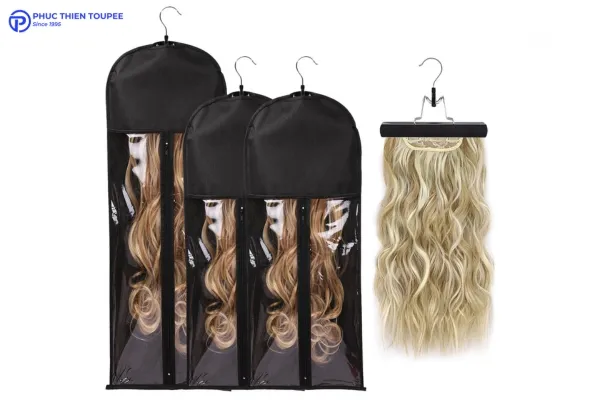
Solution 3: The Protective Wig Box – Secure Long-Term Sanctuary
For wigs that are stored for extended periods (months or even years) or require maximum protection, a dedicated wig box is an excellent investment. It shields the hairpiece from environmental threats more effectively than open storage methods.
- Core Benefits Explained:
- Superior Environmental Protection: A closed box provides a barrier against dust, airborne particles, pet hair, and, crucially, damaging UV light which can fade color over time.
- Shape Maintenance (with care): While not actively shaping like a stand, a properly packed box prevents the wig from being crushed or distorted by external objects.
- Discreet Storage: Boxes can be neatly stacked or stored on shelves or in closets, offering a more organized and discreet appearance.
- Pest Protection: A sealed box offers better protection against potential threats like moths or carpet beetles compared to open storage.
- Best Suited For:
- Long-term storage (seasonal wigs, special occasion pieces).
- High-value human hair wigs requiring maximum preservation.
- Protecting wigs from dust, light, and potential pests.
- Organized, stackable storage solutions.
- Types Available:
- Original Packaging: Many high-quality wigs come in sturdy boxes designed for storage. Keep these if possible.
- Cardboard Wig Boxes: Readily available, often collapsible. Look for sturdy construction. Consider acid-free options for archival storage.
- Plastic Wig Boxes: Durable, often stackable, and provide a good seal against moisture and pests. Ensure they are large enough to avoid crushing the wig.
- Acid-Free Archival Boxes: The gold standard for very long-term preservation. Made from materials that won’t degrade or release harmful chemicals over time, protecting delicate fibers and cap materials.
- How to Use Effectively:
- Prep the Wig: Ensure the wig is impeccably clean and completely dry. Detangle thoroughly.
- Prepare the Box: Line the box with acid-free tissue paper or a large silk scarf. This provides a soft buffer.
- Support the Cap: Gently stuff the wig cap with more acid-free tissue paper or a small silk pillow/pouch. This helps maintain the crown’s shape.
- Fold Carefully (If Necessary): For longer wigs, you may need to fold the hair. Fold it loosely, following the natural fall of the hair, rather than creating sharp creases. Laying it in a gentle “S” shape often works well. Avoid folding lace fronts if possible.
- Place in Box: Lay the wig gently inside the box. Ensure it’s not crammed or pressed against the sides. The hair should lie loosely.
- Add Protection: Place another layer of tissue paper or silk over the wig before closing the lid.
- Consider Desiccants (Optional): In humid climates, you might add a small silica gel packet (desiccant) inside the box but outside the direct hair contact area to absorb excess moisture. Replace these periodically.
- Label and Store: Seal the box, label it clearly (e.g., wig style, color, date stored), and store it flat in a cool, dark, dry closet or storage area. Avoid stacking heavy items on top.
🔧 Don’t throw it away — let us restore your old toupee to like-new condition!
Solution 4: The Silk Scarf or Bonnet – Friction-Fighting Softness
While not a standalone storage solution for structure, incorporating a silk or satin scarf/bonnet offers a significant layer of protection, particularly against friction and moisture loss. It’s an enhancement used in conjunction with other methods like stands, boxes, or bags.
- Core Benefits Explained:
- Friction Reduction: Silk and high-quality satin have incredibly smooth fibers. Wrapping the wig reduces friction between the hair strands themselves, and between the wig and its storage container (box lining, bag material, even dust covers). This minimizes tangling, frizz, and cuticle damage.
- Moisture Retention: Unlike cotton or coarser fabrics that can absorb moisture from the hair, silk helps the human hair fibers retain their natural moisture balance, preventing excessive dryness during storage.
- Gentle Containment: Lightly wrapping helps keep the style somewhat contained without compression.
- Inexpensive Enhancement: Silk/satin scarves and bonnets are relatively affordable and add considerable protective value.
- Best Suited For:
- Adding an extra layer of protection inside a wig box or bag.
- Covering a wig placed on a stand to protect from dust and light friction.
- Protecting the wig during travel inside luggage (before placing in a box or structured carrier).
- Types Available:
- Silk Scarves: Look for 100% mulberry silk for the smoothest fibers. Large scarves offer versatile wrapping options.
- Satin Bonnets/Caps: Often designed with elastic edges for easy slip-on use. Ensure the satin is high-quality (polyester satin can still be effective if smooth). Choose a size large enough to accommodate the wig without crushing.
- How to Use Effectively:
- Ensure Wig is Ready: Start with a clean, dry, and detangled wig.
- Gentle Wrap/Cover:
- For Boxes/Bags: Gently gather the hair and wrap the scarf loosely around the wig, or tuck the wig carefully inside the bonnet. Place the wrapped/bonneted wig into the box or bag.
- For Stands: Drape the scarf lightly over the wig on the stand, ensuring full coverage without pulling or distorting the hair. Or, slip a large bonnet over the wig and stand.
- Avoid Tightness: The goal is gentle protection, not compression. The wrap should be loose enough not to flatten the style.
Solution 5: The Breathable Wig Bag – Airy Protection
Wig storage bags made from breathable materials like mesh or soft cotton offer a balance between protection from dust and light, and the need for air circulation. They are a step up from simply leaving a wig exposed but less rigid than a box.
- Core Benefits Explained:
- Breathability: This is key. Unlike solid plastic bags, mesh or cotton allows air to flow, preventing trapped moisture, mildew, and odors, especially important in fluctuating temperatures or moderate humidity.
- Dust & Light Protection: Provides a barrier against dust accumulation and some protection from ambient light (though less than an opaque box).
- Soft Protection: The soft material prevents scratching or snagging of the hair fibers.
- Organization: Helps keep individual wigs separate and contained within a larger storage area or drawer. Often comes with drawstrings or zippers for secure closure.
- Best Suited For:
- Short to medium-term storage where airflow is prioritized.
- Storing wigs flat in drawers or on shelves.
- Use within closets where some dust protection is needed.
- Humid environments where preventing moisture lock-in is crucial.
- A more breathable alternative to standard plastic bags (which are generally not recommended for human hair).
- Types Available:
- Mesh Wig Bags: Offer maximum airflow, allowing quick drying if any residual moisture is present. Provide good dust protection.
- Cotton Wig Bags: Soft, breathable, and absorb slight amounts of ambient moisture. Offer better light protection than mesh. Look for smooth, non-abrasive cotton.
- Bags with Zippers/Drawstrings: Ensure secure closure to keep dust out effectively.
- How to Use Effectively:
- Prepare the Wig: Ensure the wig is clean, dry, and detangled.
- Gentle Placement: Carefully place the wig inside the bag. You might lay it flat or fold longer hair loosely (similar to box packing). Consider stuffing the cap lightly with tissue paper first.
- Secure Closure: Close the bag using the zipper or drawstring, ensuring no hair gets caught.
- Store Appropriately: Place the bagged wig flat in a drawer, on a shelf, or inside a larger storage container. Avoid placing heavy items on top, as the bag offers minimal crush protection. Store in a cool, dark, dry location.
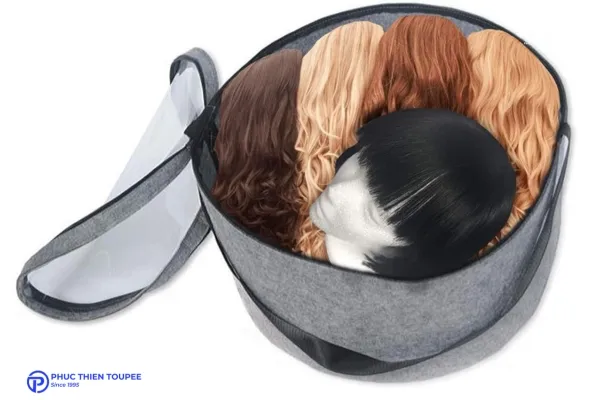
Solution 6: Vacuum Sealing – Extreme Preservation (Use with Extreme Caution)
Vacuum sealing involves removing air from a specialized plastic bag containing the wig. While it offers potential benefits in specific, extreme scenarios, Phuc Thien strongly advises extreme caution with this method for valuable human hair wigs due to significant risks.
- Potential Benefits (Highly Situational):
- Space Reduction: Significantly compresses the wig, saving storage space.
- Airtight Seal: Creates a barrier against air, moisture, dust, and pests, potentially slowing some forms of degradation (like oxidation of synthetic elements if blended).
- Significant Risks & Cautions:
- Severe Flattening: The vacuum process exerts considerable pressure, which WILL flatten the hair fibers and potentially permanently crush the wig’s style and volume. It can create creases that are difficult or impossible to remove.
- Cap Distortion: The pressure can distort or damage the wig cap structure, especially delicate lace fronts or monofilament tops.
- Fiber Stress: Lack of air and compression can stress the hair fibers over the long term. Human hair benefits from some air circulation.
- Irreversible Changes: The changes caused by vacuum sealing, particularly to the style and volume, may be irreversible.
- When MIGHT It Be Considered (Last Resort Only):
- Archival storage in extremely adverse conditions (e.g., high risk of flood, severe pest infestation, extreme humidity where other methods fail).
- Situations where drastic space reduction is the absolute primary goal, and potential damage to style is an accepted risk.
- Possibly for older, less valuable synthetic wigs rather than premium human hair.
- If Attempting (Proceed with Maximum Care):
- Wig MUST Be Pristine: Absolutely clean, bone dry, and perfectly detangled.
- Protect the Cap: Stuff the cap generously with acid-free tissue to provide some internal resistance.
- Careful Folding: Fold the hair as loosely as possible, avoiding sharp creases. Consider wrapping in silk first.
- Use Quality Bags: Employ bags specifically designed for vacuum sealing that are thick and durable.
- Minimal Vacuum: Use the lowest possible vacuum setting on your machine. Do NOT aim for maximum compression. Remove just enough air to seal the bag.
- Test First: If possible, test the process on an old wig you don’t mind potentially damaging.
- Store Flat: Store the sealed bag flat in a cool, dark place, with nothing heavy on top.
✂️ Be unique — create your custom-made toupee today!
Solution 7: The DIY Wig Storage Solution – Creative & Cost-Effective Care
For the budget-conscious or crafty individual, creating your own wig storage can be both practical and rewarding. The key is to ensure your homemade solution still meets the core principles of good wig care: support, protection, and breathability.
- Core Benefits Explained:
- Cost Savings: Utilizes readily available or repurposed materials, saving money compared to purchasing specialized products.
- Customization: Allows you to tailor the storage size and features to your specific wig and space.
- Resourcefulness: An environmentally friendly approach by repurposing items.
- DIY Ideas & Instructions:
- Enhanced Shoebox/Hat Box:
- Find a sturdy cardboard box (shoebox, hat box, shipping box) slightly larger than the wig.
- Clean the box thoroughly.
- Line the inside with soft, clean fabric (old silk scarf, smooth cotton) or acid-free tissue paper, securing with non-acidic glue or double-sided tape if needed.
- Stuff the wig cap with tissue paper.
- Place the wig inside, close the lid, label, and store like a purchased wig box.
- Repurposed Canister Stand:
- Use a clean, appropriately sized cylindrical container (e.g., large oatmeal container, coffee can). Ensure it’s stable.
- Pad the top: Cover the top rim and surface with soft fabric, felt, or foam, securing it well. This cushions the wig cap.
- Place the wig on the padded top like a basic wig stand. Ensure stability. Weight the bottom if necessary.
- Sew Your Own Breathable Bag:
- Choose a breathable fabric (smooth cotton, muslin, mesh).
- Measure your wig loosely (folded or laid flat) and cut two fabric pieces slightly larger, allowing for seams.
- Sew three sides together. Hem the open edge and create a channel for a drawstring, or attach a zipper.
- Insert a cotton cord or ribbon for the drawstring. Use like a purchased wig bag.
- Modified Hanger:
- Take a sturdy clothing hanger (preferably padded).
- Attach padded clips (like those for skirts) or sew wide, soft loops of ribbon or fabric onto the hanger bar.
- Clip the wig securely by the reinforced ear tabs or nape area, or slip the loops under the cap structure. Use like a purchased wig hanger.
- Enhanced Shoebox/Hat Box:
- Important Considerations for DIY:
- Material Safety: Ensure all materials touching the wig are clean, smooth, and ideally colorfast. Use acid-free paper/glue for long-term box storage. Avoid rough textures.
- Stability: If making a stand, ensure it’s stable and won’t easily tip over.
- Cleanliness: Keep your DIY solution clean. Fabric linings or bags should be washable.
Solution 8: Professional Wig Storage Services – Ultimate Peace of Mind
For those seeking the highest level of care, especially for exceptionally valuable or numerous wigs, or for individuals lacking adequate space or time, professional wig storage services offer a comprehensive solution.
- Core Benefits Explained:
- Climate-Controlled Environment: These facilities maintain optimal temperature and humidity levels year-round, scientifically proven to be the best way to prevent environmental degradation of human hair and cap materials.
- Expert Handling & Care: Wigs are handled, stored, and potentially maintained by trained professionals who understand wig construction and care requirements.
- Security: Reputable services offer secure storage, protecting against theft or accidental damage.
- Convenience & Peace of Mind: Offloads the responsibility of proper storage, ideal for frequent travelers, those with small living spaces, or during periods of non-wear (e.g., seasonal changes, medical treatments).
- Additional Services: Many offer cleaning, conditioning, restyling, repair, and re-ventilation services upon request, keeping your wig in top condition.
- Best Suited For:
- Owners of very high-value, custom, or sentimental human hair wigs.
- Individuals with large wig collections and limited personal storage space.
- People living in extreme climates (very humid, very dry, fluctuating temperatures).
- Those seeking maximum convenience and professional oversight.
- Long-term archival preservation needs.
- How It Typically Works:
- Consultation: Contact the service provider to discuss your needs, wig type(s), and desired duration.
- Intake: You’ll typically bring or ship your wig(s) to the facility. They may perform an initial assessment, cleaning, and preparation.
- Storage: The wig is stored using professional methods (often on appropriate forms within controlled environments).
- Maintenance (Optional): You can arrange for periodic maintenance or servicing.
- Retrieval: Contact the service when you need your wig returned.
- Finding Services & Cost:
- Search online for “professional wig storage,” “wig concierge services,” or inquire at high-end wig salons or theatrical supply companies.
- Costs vary significantly based on location, level of service, number of wigs, and duration. Expect monthly or annual fees per wig.
By understanding the nuances of each storage solution, you can make an informed choice that best protects your beautiful human hair wig and ensures it brings you confidence and style for a long time. Remember, consistent care, starting with proper storage, is the key to longevity.
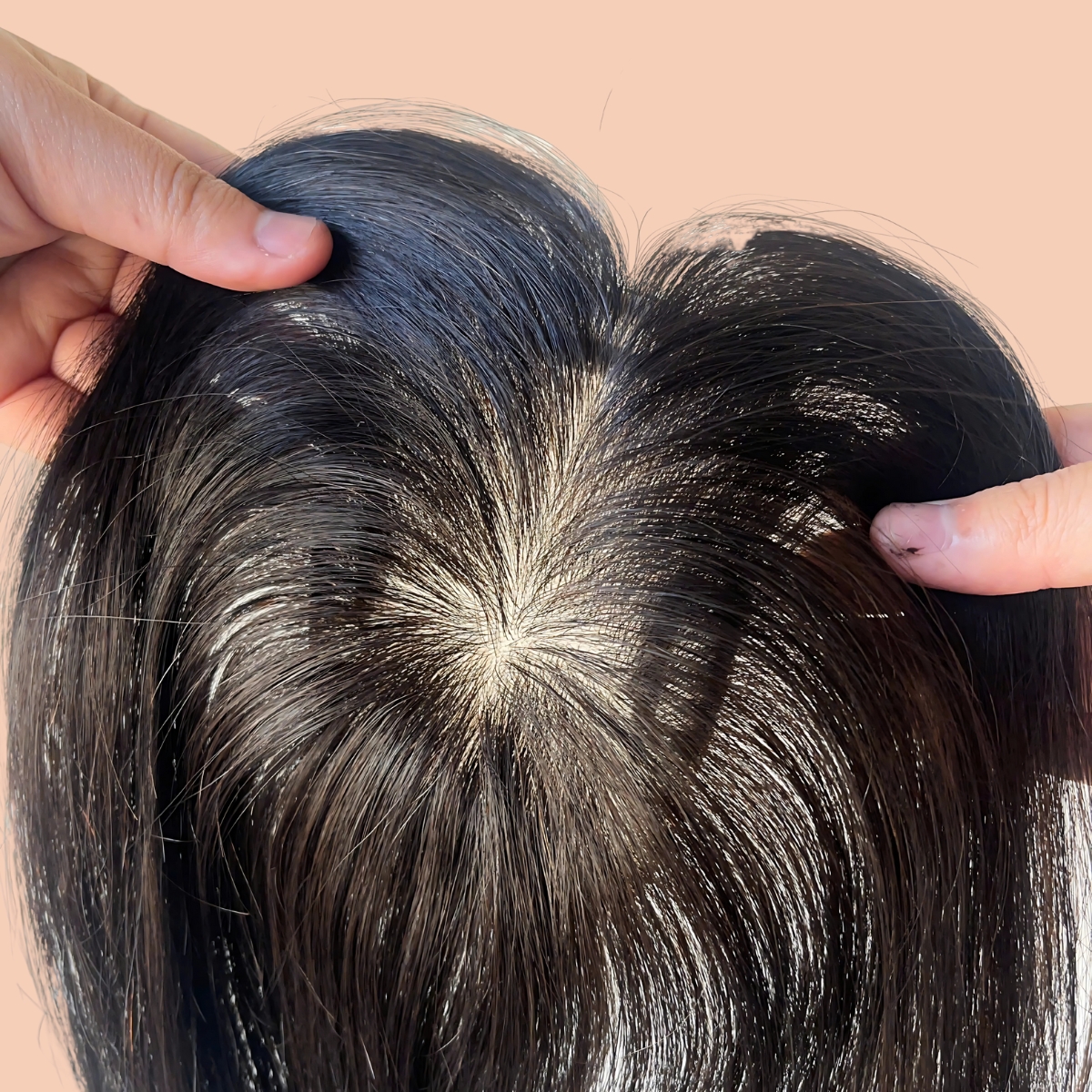
Optimizing Your Wig Storage Environment
Regardless of the storage method you choose, the environment plays a crucial role in preserving your wig’s quality.
- Cool, Dark Place: Store your wig in a cool, dark place away from direct sunlight and heat sources. Sunlight can fade the color and weaken the fibers. Heat can dry out the hair and damage the cap.
- Low Humidity: Avoid storing your wig in humid environments, such as bathrooms or basements. High humidity can lead to mold and mildew growth.
- Proper Ventilation: Ensure adequate ventilation to prevent moisture buildup.
Data Point: According to the National Hairdressing Federation, the ideal storage temperature for human hair wigs is between 60°F and 70°F with a humidity level below 50%.
Additional Tips for Long-Term Wig Care
Beyond storage, here are some additional tips to help you keep your human hair wig looking its best:
- Regular Brushing: Gently brush your wig regularly to prevent tangling and matting.
- Avoid Overwashing: Wash your wig only when necessary, as frequent washing can strip the hair of its natural oils.
- Use Heat Protectant: When styling your wig with heat tools, always use a heat protectant spray.
- Professional Maintenance: Consider taking your wig to a professional stylist for maintenance and repairs.
🔍 Looking for a specific size, base, or hair color? Order a fully personalized toupee now!
Table: Wig Storage Solution Comparison
| Solution | Benefits | Best For | Cost |
| Wig Stand | Maintains shape, allows airflow | Frequent wear | \$10 – \$30 |
| Wig Hanger | Space-saving, portable | Travel, limited space | \$5 – \$15 |
| Wig Box | Ultimate protection, prevents dust and fading | Long-term storage | \$20 – \$50 |
| Silk Scarf/Bonnet | Prevents friction, retains moisture | Use with other methods | \$10 – \$25 |
| Wig Bag | Breathable, protects against dust and light | General storage | \$15 – \$35 |
| Vacuum Sealing | Prevents oxidation, reduces space (use cautiously) | Extreme conditions, long-term storage (last resort) | \$20 – \$60 |
| DIY Solutions | Cost-effective, customizable | Budget-conscious individuals | \$0 – \$20 |
| Pro Storage | Expert care, climate-controlled | High-value wigs, limited time/space | \$50+/month |
Protect your investment: Master Wig Washing Techniques and consistent Human Hair Wig Care to avoid Wig Repair
Conclusion: Preserve Your Wig, Preserve Your Confidence
Proper long-term wig storage is an investment in the beauty and longevity of your hairpiece. By following these tips and choosing the right storage solution, you can ensure that your human hair wig remains a cherished part of your wardrobe for years to come.
Phuc Thien encourages you to explore these methods and find what works best for your lifestyle and wig collection. Remember, a well-cared-for wig is a confident you Explore wig maintenance, hairpiece preservation, and toupee care. Discover wig protection, hair system storage, and quality hairpiece maintenance with us.
This article is intended for informational purposes only and does not constitute professional advice. Consult with a qualified wig stylist or hair care professional for personalized recommendations.
Phuc Thien Toupee Co., Ltd
Design Brand: Royal Hair Vietnam
Office Address:
🏢 Room A909, Decapella Building, 116 Luong Dinh Cua Street, An Khanh Ward, Thu Duc City, Ho Chi Minh City 700000, Vietnam
Factory Address:
🏭 No. 26/9, Street 57, Thuong Hamlet, Tan Thong Hoi Ward, Cu Chi District, Ho Chi Minh City 700000, Vietnam
Email: ✉️ phucthientoupeevn@gmail.com
Phone / WhatsApp: 📞 +84 933 901 196
Websites: 🌐 phucthientoupee.com – 🌐 royalhair.shop



