

- 13/05/2025
- Posted by: phucthien
- Categories: Blog, Styling, Color & Lifestyle
No Comments
7 Hair System Styling Tips for Beginners
Hair system styling for beginners can feel overwhelming, but it doesn’t have to be.
7 Essential Tips Hair System Styling for Beginners
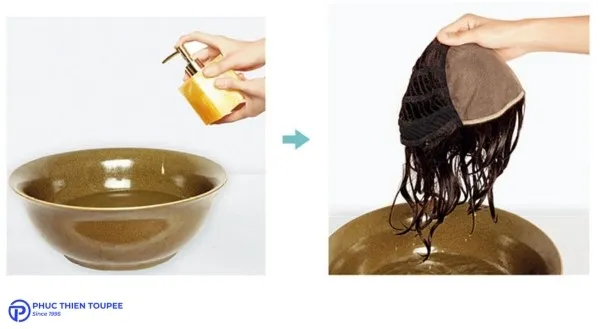
- Tip 1: Start with a Clean Canvas: Styling products work best and your system looks most natural when the hair is clean and properly conditioned.
- Proper Washing and Conditioning Techniques: Frequency: Washing frequency depends on your lifestyle, climate, and product usage.
- Ensuring the Base is Dry Before Styling: Air Drying: The gentlest method is to let the system air dry completely on a mannequin head or drying stand.
- Tip 2: Choose the Right Styling Products: The market is flooded with styling products, but not all are suitable for hair replacement systems.
- Product Recommendations Based on Hair Type and Desired Hold: Start with products offering lighter hold and a natural finish.
- Avoiding Products Harmful to the System: High Alcohol Content: Many standard styling products contain high concentrations of alcohol, which can severely dry out human hair (leading to brittleness and breakage) and potentially damage certain base materials or adhesives over time.
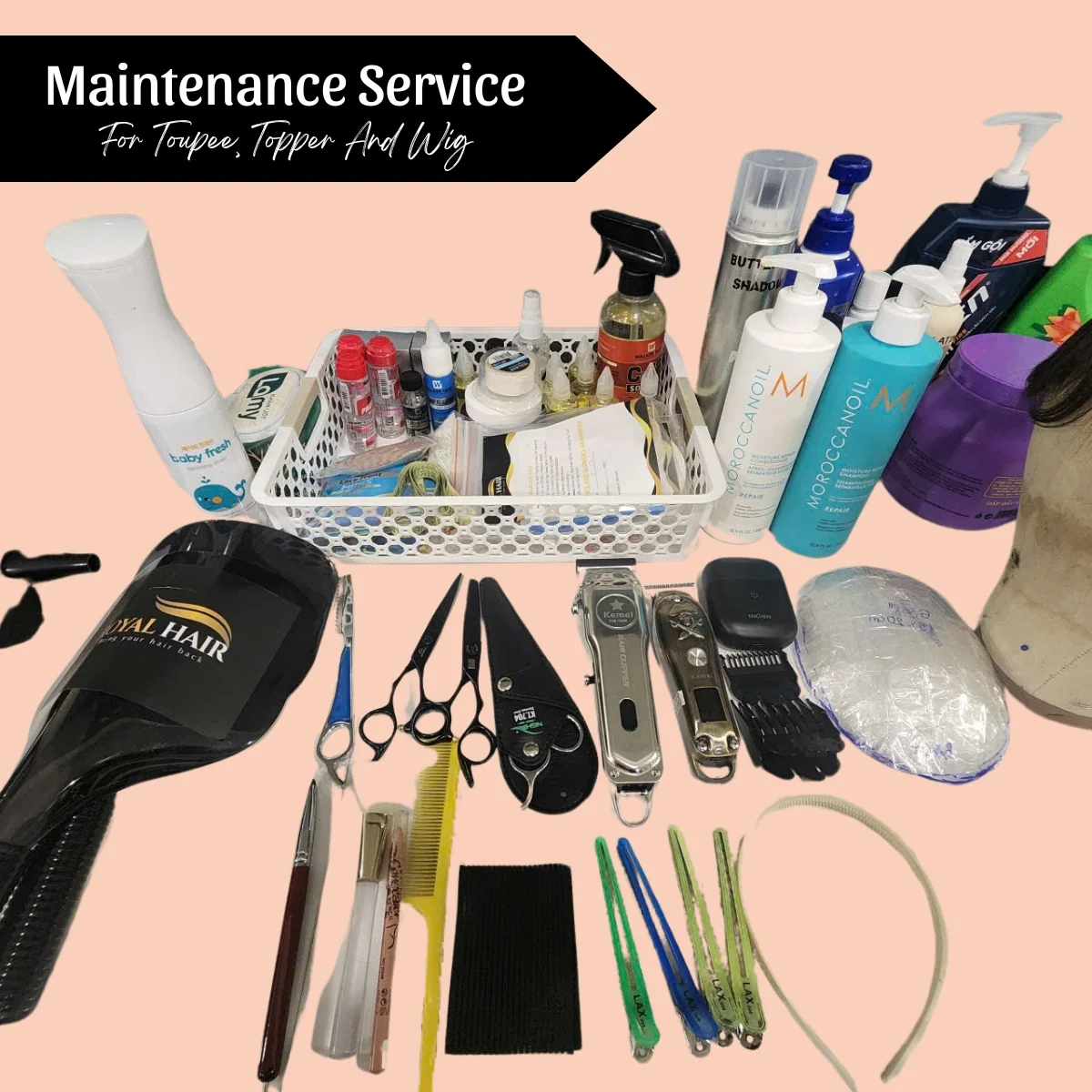
- Tip 3: Master Basic Styling Tools: Using the right tools correctly is just as important as choosing the right products.
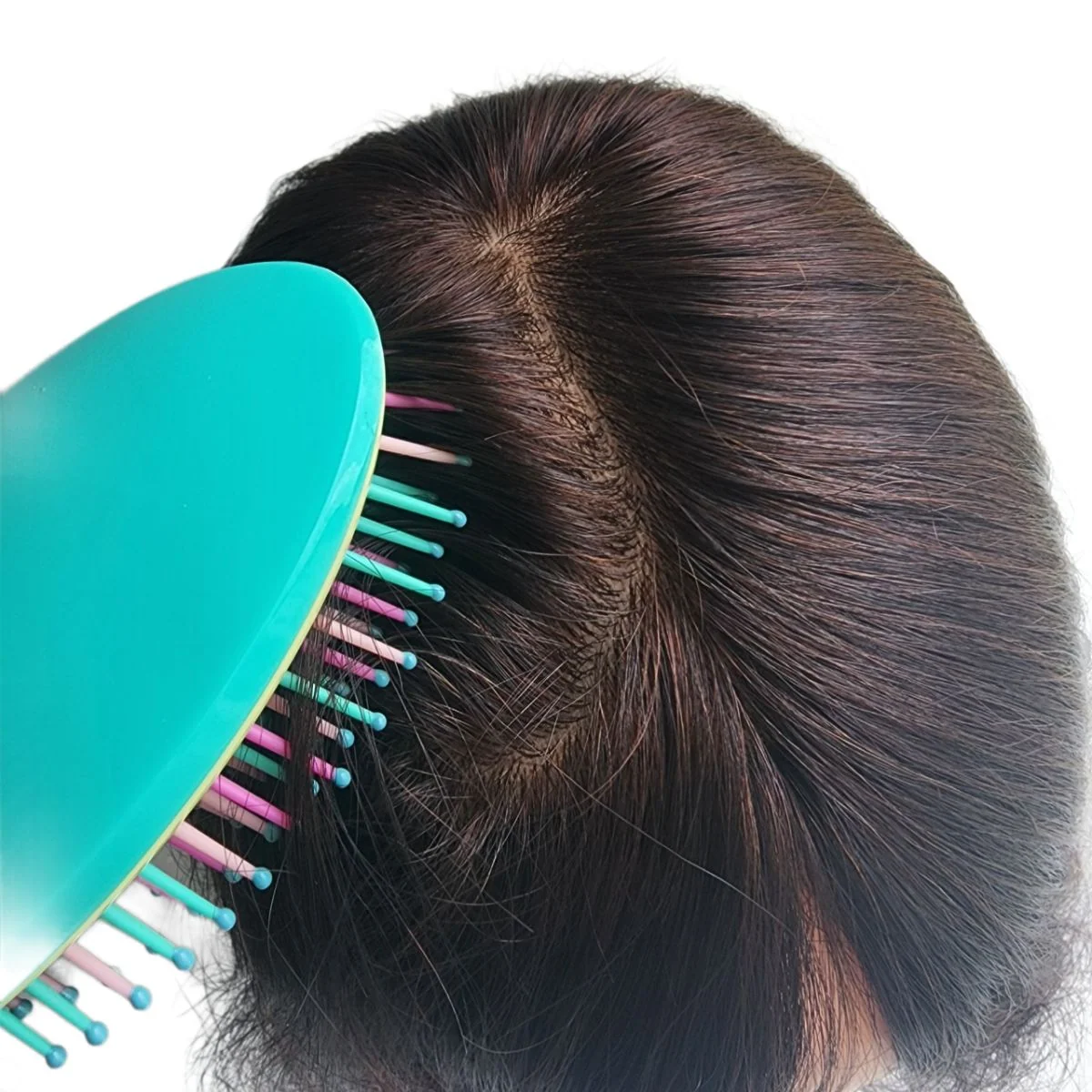
- Using Wide-Tooth Combs and Specific Brushes: Wide-Tooth Comb: Your primary tool for detangling, especially when the hair is wet or damp.
- The Role of a Hair Dryer (Cool/Warm Settings, Nozzles): Heat Settings: Primarily use the cool or low warm setting.
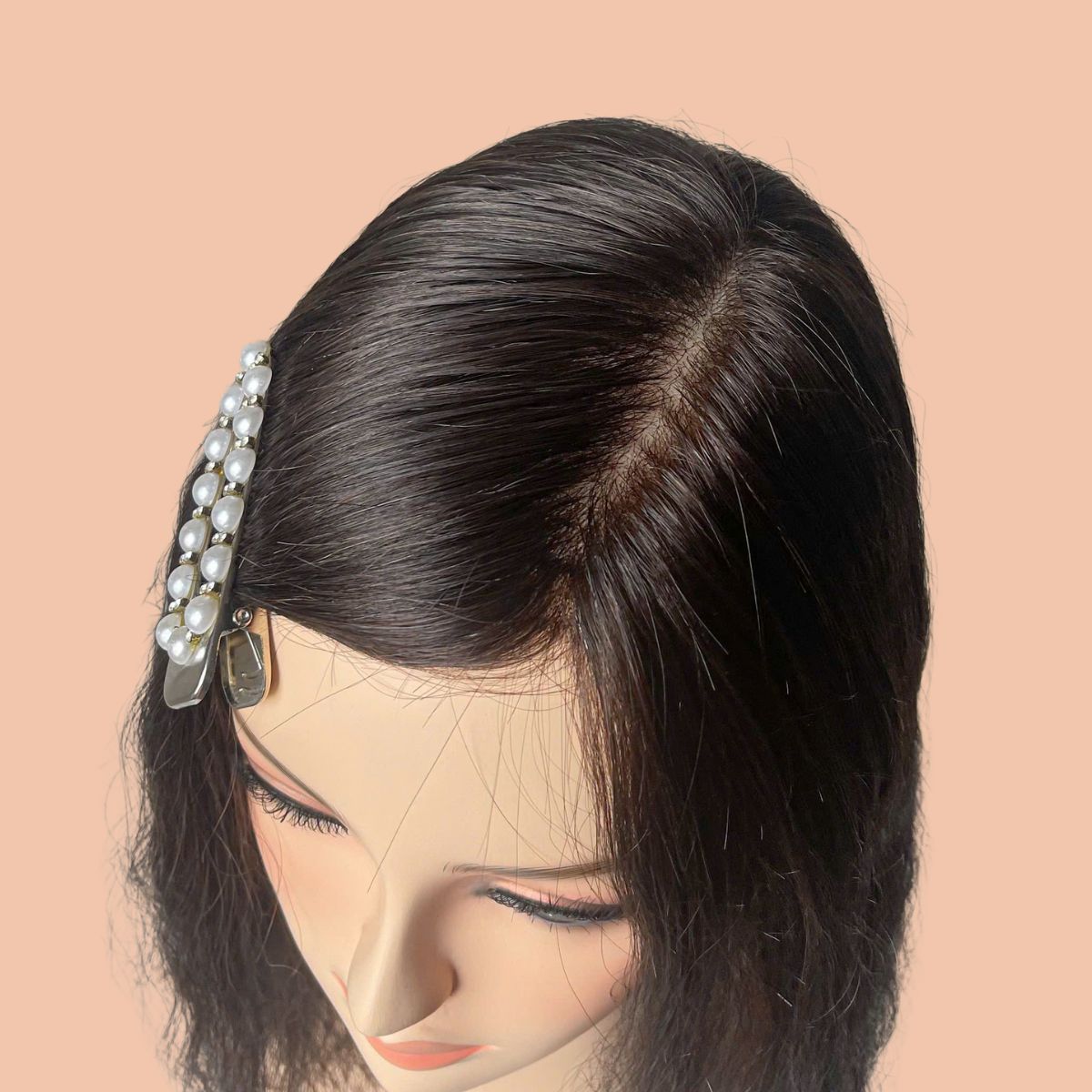
- Tip 4: Perfecting the Hairline Blend: The front hairline is often the most critical area for achieving an undetectable look.
- Techniques for a Natural-Looking Front Hairline: Gradual Density: High-quality systems often feature a graduated hairline, meaning the density is lighter at the very front and gradually increases.
- Using Products to Enhance the Blend: Light Hold Products: Use lighter hold products at the very front.
- Styling Away from the Hairline Initially: As a beginner, you might feel more comfortable starting with styles that don’t put the absolute front edge on full display.
- Tip 5: Work with the Hair’s Natural Direction: Hair on a system is typically ventilated (knotted or injected) in a specific direction or pattern to mimic natural growth (e.g., freestyle, left part, right part, forward crown).
- Avoiding Forcing Hair Against its Natural Flow: Resistance: Trying to force the hair strongly against its ventilated direction often results in hair that won’t stay put, looks awkward, or requires excessive product/heat to control.
- Tip 6: Less is More, Especially at First: One of the most common mistakes beginners make is overusing styling products.
- Starting with Minimal Product: Pea-Sized Amount: Begin with a very small amount of product (e.g., pea-sized for creams/pomades, a small puff for mousse).
- Focusing on Natural, Simple Styles Initially: Master the Basics: Don’t try to achieve complex, high-fashion styles on day one.
- Tip 7: Practice and Patience Are Key: Mastering hair system styling doesn’t happen overnight.
- Setting Aside Time for Styling Practice: Don’t Rush: Especially in the first few weeks, allocate extra time in your morning routine for styling.
- Seeking Professional Help When Needed: Stylist Check-ins: Consider booking occasional appointments with your hair system stylist for touch-ups, deep conditioning treatments, or styling lessons.

Beyond the Basics: Maintaining Your Style and System
Consistent maintenance is crucial not only for the longevity of your hair replacement system but also for making daily styling easier and more effective.
- Protecting Your System (Sun, Chlorine, Sleep): Sun Exposure: Prolonged exposure to direct sunlight can cause human hair systems to oxidize and change color (often developing reddish tones) and dry out.
- When to Seek Professional Maintenance or Re-styling: Regular Maintenance: Adhere to the recommended schedule for removing, cleaning, and reattaching your system (typically every 1-4 weeks, depending on the bond type and your lifestyle).
- Common Beginner Mistakes to Avoid: Avoiding these common pitfalls will significantly accelerate your journey to becoming proficient and confident in styling your hair system.

Common Beginner Mistakes to Avoid
| Mistake | Why it’s Problematic | Phucthien’s Solution |
| Using Excessive Product | Looks unnatural, greasy, stiff; causes buildup. | Start with minimal product (pea-size); layer if needed. Choose water-based. |
| Applying High Heat Incorrectly | Damages hair (frizz, melt), weakens base/knots. | Use cool/low warm setting on dryer; always use heat protectant; avoid high temps. |
| Incorrect Combing/Brushing | Causes tangles, breakage, shedding from base. | Use wide-tooth comb (ends to roots); loop brush recommended; be gentle. |
| Neglecting Hairline Blend | Most obvious giveaway of a system. | Style softly at front; use appropriate products; consider professional blending. |
| Washing Too Frequently/Improperly | Strips moisture (human hair), potential knot loosening. | Wash 1-2 weeks typically (off-head); use cool water, sulfate-free products. |
| Ignoring Hair Direction | Makes styling difficult, looks unnatural. | Identify system’s flow; style with the grain, not against it. |
| Choosing Wrong Products | Alcohol dries hair; heavy oils weigh down; can harm base. | Use alcohol-free, system-friendly products; read labels carefully. |
| Skipping Professional Cut-in | Results in poor blend, difficult daily styling. | Invest in an expert cut-in; it’s foundational for a natural look. |
| Impatience/Giving Up Too Soon | Prevents mastery and achieving desired results. | Allow time for practice; seek help when needed; embrace the learning curve. |