

- 17/05/2025
- Posted by: phucthien
- Category: Blog
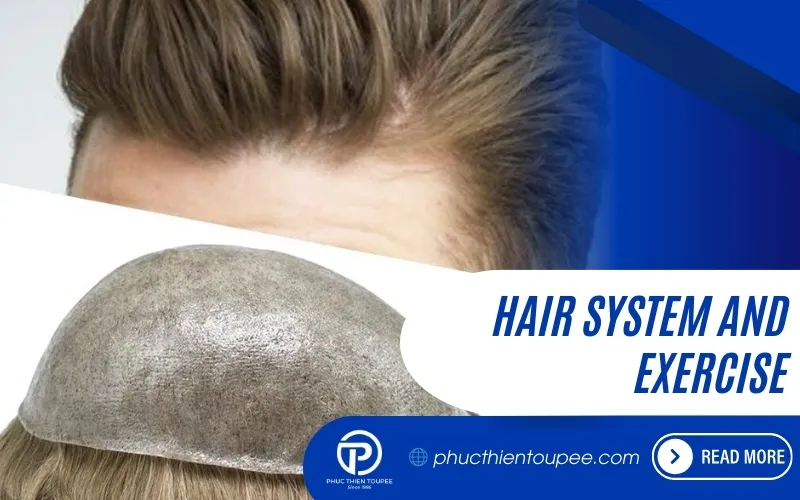
Hair System and Exercise can absolutely coexist, allowing you to maintain an active lifestyle without sacrificing your confidence. Whether you enjoy swimming, hitting the gym, or engaging in high-intensity workouts, understanding how to properly care for your hair system will ensure its longevity and keep you looking your best.
This guide provides essential tips and tricks for managing your hair replacement system during physical activity, covering everything from pre-workout preparation to post-workout maintenance. Enjoy your fitness routine worry-free! Optimal hairpiece performance is within reach.
Understanding The Interaction: Hair Systems And Physical Activity
Living an active life shouldn’t mean compromising on your appearance or confidence. Modern hair replacement systems are designed with durability and realism in mind, but physical exertion introduces specific factors that require consideration. Sweat, friction, and exposure to elements like chlorine or saltwater can affect the bond, the base material, and the hair fibers themselves. However, with the right approach, navigating the relationship between your hair system and exercise becomes straightforward.
Many potential wearers worry if their active routine – be it gym sessions, running, team sports, or swimming – is compatible with a non-surgical hair replacement. The answer Phucthien consistently provides is a resounding yes, provided you adopt appropriate care strategies and potentially choose system specifications suited to your activity level.
✨ A toupee shouldn’t just hide hair loss — make it a style statement!
Why Exercise Poses Unique Challenges
Engaging in physical activity presents a unique set of challenges for hair system wearers compared to a sedentary lifestyle. Understanding these specific factors is the first step towards effective management:
- Sweat Production: This is perhaps the most significant factor. Sweat contains salts, oils, and acids naturally produced by the body. When sweat accumulates under the hair system base, it can potentially:
- Weaken Adhesives: The moisture and chemical composition of sweat can gradually break down the polymers in both liquid adhesives and tapes, reducing their holding power over time. This is a key aspect of the impact of sweating on hair systems.
- Cause Scalp Irritation: Trapped sweat can create a moist environment conducive to bacterial or fungal growth, potentially leading to itchiness, redness, or irritation if not managed properly.
- Affect Hair Fibers: While less common with high-quality human hair, excessive, prolonged exposure to the salts in sweat without proper cleaning can potentially dry out hair fibers over the long term.
- Increased Friction: Movement during exercise inevitably causes friction.
- Against the Scalp: The system base may rub slightly against the scalp, particularly during high-impact activities.
- Against Clothing/Equipment: Helmets, hats, headbands, or even workout clothing can rub against the hair system, potentially causing tangling or minor stress on the hair fibers or base edge.
- During Swimming: Water resistance and the movement of water itself create friction against the hair system.
- Water Exposure (Swimming): This introduces distinct challenges:
- Chlorine: Found in swimming pools, chlorine is a harsh chemical disinfectant. It can strip natural oils from human hair fibers (making them dry and brittle over time) and can potentially degrade certain base materials or adhesives with prolonged, frequent exposure if not rinsed promptly.
- Saltwater: Found in oceans, salt is dehydrating. Similar to chlorine, it can draw moisture out of hair fibers, leading to dryness and potential damage. It can also leave residue on the base and scalp if not thoroughly rinsed.
- Water Saturation: While waterproof adhesives are designed to withstand water, prolonged saturation combined with the physical stress of swimming can test the limits of any bond. Water can sometimes seep under the edges if the bond isn’t perfectly secure or if the adhesive is nearing the end of its typical hold time.
- Body Heat: Exercise elevates body temperature, which in turn warms the scalp. This increased heat can sometimes soften certain types of adhesives, potentially making them slightly more pliable or susceptible to weakening, especially when combined with sweat.
Addressing these challenges proactively through careful system selection, secure application, and diligent maintenance is key to successfully integrating a hair system into an active lifestyle. Phucthientoupee emphasizes that these are manageable factors, not insurmountable obstacles.

Stay active: Choose Active Lifestyle Hair Systems and learn about Swimming with Hairpieces effortlessly
The Importance Of Choosing The Right System For An Active Life
Not all hair systems are created equal, especially when considering the demands of regular exercise and swimming. The construction of the system, particularly the base material, plays a pivotal role in comfort, durability, and maintenance ease for active individuals. Selecting the best hair systems for athletes involves balancing several factors:
- Breathability: Essential for managing sweat and heat. A breathable base allows perspiration and heat to escape, reducing buildup under the system, minimizing adhesive breakdown risk, and enhancing overall comfort during workouts. Lace bases excel here.
- Durability: The base needs to withstand the rigors of regular cleaning, potential friction, and exposure to sweat or pool/sea water. Some materials hold up better than others over the long term under these conditions. Thin skin bases might be less durable than thicker poly or lace systems.
- Security: While primarily determined by the adhesive and application technique, the base material can influence how well adhesives bond. Some materials offer a better surface for specific adhesive types. Polyurethane bases generally offer excellent surface adhesion.
- Maintenance Requirements: Some base materials are easier to clean and maintain than others. For instance, polyurethane bases often clean up more easily than intricate lace bases where adhesive might seep through.
- Appearance: While all modern systems aim for realism, factors like the hairline appearance (lace fronts excel) versus overall undetectability (thin skins can be very discreet) might influence choice based on hairstyle and personal preference.
Considerations for Specific Activities:
- High-Sweat Activities (Running, HIIT): Prioritize breathability. Full lace or hybrid systems with lace sections are often recommended.
- Frequent Swimming: Consider durability and ease of cleaning. Polyurethane bases might be easier to clean chlorine/salt residue from, though lace systems, if well-maintained, are also viable. Waterproof adhesives are non-negotiable.
- Contact Sports: Durability and secure bonding are paramount. A slightly thicker, more robust base (poly or sturdy lace) combined with a strong, long-lasting adhesive might be preferable. Protective headgear compatibility is also a factor.
Choosing the right system is a personalized decision. Phucthien advises consulting with experienced professionals who can assess your specific activity levels, scalp condition, and aesthetic goals to recommend the most suitable base material and overall system design. Investing in the appropriate system from the outset significantly improves the experience of managing a hair system and exercise.

Busting Myths: Can You Really Exercise Vigorously?
A common misconception is that wearing a hair system means sacrificing vigorous physical activity or constantly worrying about mishaps. Let Phucthientoupee bust this myth: Yes, you absolutely can exercise vigorously and swim confidently while wearing a modern, well-maintained hair replacement system.
The key lies not in avoiding activity, but in preparing for it and following appropriate care protocols. Here’s why vigorous exercise is compatible with hair systems:
- Advanced Adhesive Technology: Modern hair system adhesives (both liquid bonds and tapes) are incredibly sophisticated. Many are specifically formulated to be waterproof, sweat-resistant, and provide extended hold times (weeks, not just days). Brands like Walker Tape (Ultra Hold, Great White) or Ghost Bond (Platinum, Supreme) are industry standards known for their resilience under demanding conditions. When applied correctly to a properly prepared scalp, these adhesives create a secure bond capable of withstanding intense workouts and swimming.
- Durable System Construction: Hair systems themselves are built to last. High-quality bases (lace, poly, hybrid) and securely knotted or injected hair can handle the movement and environmental exposure associated with exercise. They won’t simply disintegrate or fall apart from sweat or water contact, especially with routine maintenance.
- Effective Maintenance Practices: The tips outlined in this article (proper cleaning, rinsing after swimming, checking the bond) are designed precisely to counteract the potential negative effects of sweat and water. Diligent maintenance ensures the longevity of both the bond and the system itself.
- Adaptability: Wearers learn to adapt. They might choose specific hairstyles that keep hair out of the way, use accessories like sweatbands, or slightly adjust their maintenance schedule based on activity levels. This adaptability makes vigorous activity entirely feasible.
- Real-World Evidence: Countless hair system wearers around the world lead highly active lives. Athletes, swimmers, gym enthusiasts, and outdoor adventurers successfully incorporate hair systems into their routines without major issues. Their experiences are a testament to the viability of combining hair replacement solutions with physical fitness.
What Vigorous Exercise Does Require:
- Proper Application: Ensuring a clean scalp, using the right amount of adhesive, and allowing adequate curing time are crucial first steps.
- Appropriate System Choice: As discussed, selecting a base suitable for your activity level helps.
- Diligent Maintenance: You cannot neglect post-activity cleaning and bond checks.
- Realistic Expectations: Understand that very frequent, intense activity (e.g., daily swimming in chlorine) will likely require more frequent maintenance (cleaning, re-bonding) than a sedentary lifestyle. This isn’t a failure of the system, but a predictable consequence of increased wear and tear.
So, put the myths aside. With the right products, techniques recommended by Phucthien, and a commitment to proper care, your hair system is a partner, not a barrier, to pursuing the vigorous physical activities you enjoy.
🔍 Looking for a specific size, base, or hair color? Order a fully personalized toupee now!
Tip 1: Choose The Right Hair System Base Material
The foundation of a successful experience combining a hair system and exercise lies in selecting the appropriate base material. Different materials offer varying levels of breathability, durability, and ease of maintenance, directly impacting comfort and performance during physical activity. Phucthien guides clients through these options:
Lace Bases: Breathability Vs Durability
Lace bases are constructed from a fine mesh material, typically Swiss lace or French lace. Their primary advantage is exceptional breathability.
- Breathability (Pro): The mesh structure allows air to circulate freely to the scalp and permits sweat and heat to escape efficiently. This is a major benefit for those who perspire heavily during workouts, significantly enhancing comfort and reducing the risk of irritation from trapped moisture. It minimizes the feeling of wearing a ‘cap’.
- Natural Hairline (Pro): Lace fronts, in particular, are renowned for creating highly realistic and undetectable hairlines, as the mesh blends seamlessly with the skin when adhesive is applied correctly.
- Lightweight (Pro): Lace systems are generally very light and comfortable to wear.
- Durability (Con): Lace is inherently more delicate than polyurethane. While durable enough for regular wear, very fine lace (like Swiss lace) can be more susceptible to tearing or fraying over time, especially with frequent, vigorous cleaning or friction. French lace offers a slightly better balance of durability and fineness.
- Maintenance (Potential Con): Cleaning adhesive residue from lace can sometimes be more time-consuming than cleaning a smooth poly base, as adhesive can seep into the mesh. Specialized solvents and careful technique are required.
Best Suited For: Individuals prioritizing maximum breathability and a natural hairline, particularly those involved in high-sweat activities. Requires careful handling and maintenance.
Polyurethane (Skin) Bases: Security Vs Breathability
Polyurethane bases, often called ‘skin’ bases, are made from a thin, polymer material that mimics the appearance of skin.
- Security & Adhesion (Pro): The smooth, non-porous surface of poly bases provides an excellent platform for adhesives (both tape and liquid). This often results in a very secure, watertight bond, giving wearers great confidence during swimming and strenuous activities.
- Ease of Cleaning (Pro): Adhesive residue typically wipes off poly bases relatively easily, making cleanup quicker and simpler compared to lace.
- Durability (Pro): Poly bases, especially those that aren’t ultra-thin, are generally quite durable and resistant to tearing. They hold up well to regular wear and cleaning.
- Undetectability (Pro): Very thin skin bases (e.g., 0.03mm) can melt into the scalp for incredible realism, although these are often less durable.
- Breathability (Con): This is the main drawback. Solid polyurethane is not inherently breathable. Heat and sweat can get trapped underneath, potentially leading to discomfort during intense exercise, especially in hot climates. Some poly bases feature ventilation holes, but they don’t match the airflow of lace.
- Potential Shine (Potential Con): Some poly bases can have a slight shine, although modern manufacturing techniques and scalp prep products minimize this.
Best Suited For: Individuals prioritizing bond security, ease of cleaning, and durability, especially frequent swimmers. May require strategies to manage sweat (e.g., scalp protectors, more frequent cleaning) if breathability is a concern.

Hybrid Bases: The Best Of Both Worlds?
Hybrid bases combine different materials to leverage their respective strengths. A common configuration is a lace top/front for breathability and a natural hairline, with polyurethane sides and back for easier cleanup and secure perimeter bonding.
- Balanced Performance (Pro): Offers a good compromise between the breathability of lace and the secure adhesion and easier cleaning of poly on the perimeter where the bond is critical.
- Versatility (Pro): Suitable for a wide range of users and activity levels.
- Natural Look & Feel (Pro): Can provide a realistic hairline with the lace front, combined with a secure overall fit.
- Complexity (Potential Con): Construction is more complex, which can sometimes translate to a higher cost. Cleaning involves handling two different material types.
Best Suited For: Many active users find hybrid systems offer the best overall balance for managing exercise and swimming while maintaining comfort and realism.
🎨 Your style, your hair — we make it exactly how you want.
Tip 2: Master Secure Bonding Techniques
Choosing the right system is only half the battle; achieving a reliable, long-lasting bond is crucial for worry-free exercise and swimming. The adhesive type and application technique are paramount for ensuring your hair replacement unit stays firmly in place, resisting sweat, water, and movement. Phucthien emphasizes mastering these techniques for optimal results.
Liquid Adhesives: Strengths And Considerations
Liquid adhesives, often acrylic or silicone-based, are popular for providing strong, extended holds.
- Strengths:
- Strong Hold: Many formulations offer multi-week holds, providing excellent security for vigorous activities.
- Waterproof Options: Numerous liquid adhesives are specifically designed to be waterproof (e.g., Ghost Bond Supreme, Walker Ultra Hold), making them ideal for swimmers. They create a continuous membrane barrier against moisture.
- Natural Appearance: When applied thinly and correctly, they can provide a very flat, undetectable bond line, especially under lace systems.
- Considerations:
- Application Technique: Requires precision. Applying too much can cause seepage and mess; too little can compromise the bond. Usually applied in thin, even layers, often allowing each layer to become tacky before applying the next or placing the system.
- Curing Time: Most liquid adhesives require a significant curing period (typically 24-48 hours) after application before exposing the system to heavy sweating, showering, or swimming. This allows the adhesive polymers to fully cross-link and achieve maximum strength and water resistance. Ignoring curing time is a common cause of bond failure.
- Removal: Can require specific solvents and more effort to remove completely from both the scalp and the system base compared to tapes.
- Scalp Sensitivity: Some individuals may be sensitive to ingredients in certain liquid adhesives. Patch testing is always recommended.
Popular Waterproof Options: Ghost Bond Platinum/Supreme, Walker Tape Ultra Hold Adhesive.
Tapes: Ease Of Use Vs Hold Strength
Hair system tapes are double-sided adhesive strips available in various contours, widths, and strengths.
- Strengths:
- Ease of Application: Generally considered easier and quicker to apply than liquid adhesives. Less messy application process.
- Controlled Placement: Easy to place precisely where needed, especially around the perimeter.
- Easier Cleanup: Typically easier to remove from the system base, although residue can still occur. Solvents are usually still required for scalp cleanup.
- Variety: Available in different hold times (daily, extended wear) and liner types (e.g., Red Liner for flexibility, Blue Liner for lace).
- Considerations:
- Hold Strength: While strong extended-wear tapes exist (e.g., Walker Ultra Hold Tape, Super Tape), some users find the most robust liquid adhesives offer a slightly longer or more resilient hold, particularly under extreme conditions.
- Water Resistance: Many tapes are water-resistant, but a continuous liquid adhesive membrane might offer superior waterproofing for very frequent swimmers compared to individual tape strips where water could potentially seep between gaps if not perfectly applied.
- Bulk: Tapes can sometimes add slightly more bulk under the system compared to a thin layer of liquid adhesive, although modern tapes are quite thin.
- Potential Gaps: If tape strips aren’t placed edge-to-edge perfectly, tiny gaps could allow moisture ingress.
Popular Strong/Water-Resistant Tapes: Walker Tape Ultra Hold, Walker No-Shine, Super Tape, Duo-Tac Thin.
The Importance Of Proper Scalp Preparation
Regardless of the adhesive chosen, proper scalp preparation is non-negotiable for a secure, long-lasting bond. Skipping this step significantly increases the risk of premature lifting, especially during exercise.
Key Steps:
- Thorough Cleaning: Remove all traces of old adhesive residue using an appropriate solvent (e.g., C-22 Citrus Solvent, Walker Solvent).
- Wash the Scalp: Use a clarifying shampoo or a specialized scalp cleanser to remove oils, solvent residue, and dead skin cells. Ensure the shampoo is residue-free or rinse extremely well. Ph Balance is important.
- Dry Completely: The scalp must be absolutely dry before applying any adhesive or scalp protector. Use a towel and potentially a hairdryer on a cool setting. Even slight moisture can compromise the bond.
- Apply Scalp Protector (Highly Recommended): Products like Walker Scalp Protector or No Sweat create a barrier between the skin and the adhesive. This serves multiple purposes:
- Improves adhesion by creating an optimal surface.
- Protects the skin from potential irritation caused by adhesives.
- Helps control sweat and oil from reaching the adhesive directly, extending bond life, particularly crucial for exercise. Allow the protector to dry completely before applying adhesive.
Curing Time: Why Patience Is Crucial Before Activity
As mentioned, especially for liquid adhesives, respecting the curing time is vital. Most waterproof liquid adhesives need 24 to 48 hours after application to fully set and achieve their maximum bonding strength and water resistance.
- What Happens During Curing: Solvents evaporate, and the adhesive polymers link together (cross-linking) to form a strong, resilient, water-resistant film.
- Consequences of Early Exposure: Getting the system wet, excessive sweating, or strenuous activity before curing is complete can interfere with this process. Moisture can get trapped, weakening the bond from the start and drastically reducing its potential hold time and water resistance.
- Phucthien’s Advice: Plan your re-bonding sessions to allow for this downtime. For example, apply your system on a Friday evening if you plan a heavy workout or swim on Sunday. Avoid intense exercise or water exposure during the initial 24-48 hour window. This patience pays off significantly in bond longevity and security. For tapes, the immediate bond is stronger, but avoiding heavy sweat/water for the first few hours is still good practice.
✂️ Be unique — create your custom-made toupee today!
Tip 3: Pre-Workout And Pre-Swim Preparation
Just like warming up your body before exercise, a few preparatory steps for your hair system can make a significant difference in its performance and longevity during workouts and swims. These pre-activity checks and measures help ensure security and minimize potential issues. Phucthien advises incorporating these into your routine:
Checking The Bond Integrity
Before heading to the gym or pool, take a moment to gently check the security of your bond, especially around the perimeter edges (front hairline, temples, nape).
- How to Check: Lightly press along the edges of the system. Does it feel securely attached everywhere? Are there any areas that feel slightly loose or like the edge is beginning to lift? Avoid aggressive pulling or tugging, as this can weaken a bond that is otherwise holding adequately. A gentle press-check is sufficient.
- Why Check: Sweat and movement put stress on the bond. Identifying a slightly weak spot before intense activity allows you to address it (e.g., apply a small dab of adhesive touch-up if needed and allow it to set) rather than discovering a bigger issue mid-workout. This proactive check builds confidence.
- When to Be Extra Vigilant: Pay closer attention as you approach your usual re-bonding time. The adhesive will naturally weaken over time, so checks become more important towards the end of a wear cycle.
Using Scalp Protectors Or Sweat Liners
While scalp protectors applied during bonding are crucial, some wearers benefit from additional measures right before activity:
- Topical Anti-Perspirants for Scalp: Some products designed for the scalp (ensure they are safe for use under a hair system) can be applied around the perimeter (not directly under the main bond area usually) to help reduce sweating in critical edge areas. Test for compatibility and irritation first.
- Sweat Liners: These are thin, absorbent liners (e.g., No Sweat Liners) designed to be placed under hats or helmets, but some users adapt them for use under or around the edge of a hair system, particularly at the front hairline during intense exercise. They absorb sweat before it can significantly impact the bond. This might require some experimentation for comfortable and discreet placement. Check if suitable for direct system contact – usually placed under a headband/hat worn over the system.
Securing The Edges (Headbands, Specific Styling)
Adding a physical barrier or specific styling can help manage sweat and provide an extra layer of perceived security.
- Athletic Headbands: Wearing a moisture-wicking athletic headband positioned just over the front edge of the hair system is a very effective strategy.
- It absorbs sweat from the forehead before it can run down and compromise the front hairline bond.
- It can provide a gentle pressure that helps keep the front edge secure.
- It discreetly hides the hairline if you have any concerns during intense activity.
- Strategic Hairstyling: For longer hair systems, tying the hair back securely (ponytail, bun) prevents it from swinging excessively, reducing friction and pulling forces on the base during dynamic movements. Avoid styles that put constant, high tension on the base itself.
Wetting Hair Before Swimming (For Chlorine/Saltwater Protection)
This is a simple yet highly effective trick, particularly for systems using human hair, recommended by Phucthien and many hair care professionals:
- The Science: Hair is porous. When you wet your hair thoroughly with clean, fresh tap water before entering a pool or the ocean, the hair shaft absorbs this clean water. Saturated hair has less capacity to soak up the damaging chlorinated pool water or dehydrating saltwater.
- How to Do It: Before putting on a swim cap or getting in the water, rinse your hair system thoroughly under a shower or tap with cool, fresh water until it feels saturated. Gently squeeze out excess water.
- Added Benefit: Some wearers apply a small amount of system-safe leave-in conditioner after wetting and before swimming. This adds another layer of protection, coating the hair cuticle to further repel chlorine and salt. Ensure the conditioner won’t negatively interact with your bond adhesive if it drips down.
Taking these few extra minutes for pre-activity preparation significantly reduces the stress on your hair system and bond, allowing you to focus on your workout or swim with greater peace of mind.
🕒 No wait time, no hassle — choose from our ready-made toupee collection for men.
Tip 4: During Exercise And Swimming Strategies
How you manage your hair system while you are actively exercising or swimming is just as important as the preparation and aftercare. Implementing smart strategies during activity helps maintain bond integrity and protect the system itself. Phucthien suggests these practical approaches:
Managing Sweat: Headbands And Towels
As discussed, sweat is a major adversary to adhesive longevity. Actively managing it during your workout is key.
- Wear a Headband: Reiteration of Tip 3 – a moisture-wicking athletic headband is one of the most effective tools. Position it just at or slightly over the front edge of your system to catch forehead sweat. Choose materials designed for athletic performance that draw moisture away from the skin.
- Keep a Towel Handy: During gym sessions or activities where possible, keep a small towel nearby to periodically pat your forehead and accessible areas around the system’s edge. Pat gently; avoid rubbing vigorously near the bond line. This helps prevent excessive sweat accumulation.
- Stay Hydrated: While it sounds counterintuitive, proper hydration helps regulate body temperature more efficiently, which can sometimes moderate excessive sweating compared to being dehydrated.
Swimming Caps: Protection Vs Potential Friction
Swimming caps offer significant benefits but also require careful consideration.
- Benefits:
- Reduces Drag: Makes swimming smoother.
- Keeps Hair Out of Face: Improves visibility and comfort.
- Limits Water Exposure: Significantly reduces the amount of chlorine or saltwater that directly contacts the bulk of the hair system and potentially the bond, especially if combined with pre-wetting the hair. This is a major protective advantage.
- Potential Issues:
- Friction: Putting on and taking off a tight silicone or latex swim cap can potentially pull or tug at the hair system edges if not done carefully. The cap itself can also cause friction against the system during swimming strokes.
- Trapped Heat/Sweat: While limiting external water, a swim cap can also trap some heat and scalp perspiration underneath.
- Phucthien’s Recommendations:
- Choose the Right Cap: Lycra/Spandex caps are gentler to put on/off but offer less water protection. Silicone caps offer better water resistance but require more care. Consider a slightly larger size if needed for comfort over the system.
- Careful Application/Removal: Stretch the cap widely with both hands. Lean forward, start from the forehead, and gently pull it back over the head. Avoid scraping it harshly over the hairline. Reverse the process carefully for removal.
- Use with Pre-Wetting: Always wet the hair system thoroughly with fresh water before putting on the swim cap for maximum protection against pool/sea water infiltration.
- Consider Double Capping: Some competitive swimmers wear a Lycra cap underneath a silicone cap for combined comfort and protection.
For frequent swimmers, the protective benefits of a swim cap generally outweigh the potential friction risks, provided it’s used carefully.
Avoiding Excessive Pulling Or Tension On The System
Be mindful of movements and equipment that could put undue stress on your hair system.
- Aggressive Head Movements: While normal exercise movements are fine, try to avoid extremely jerky or forceful head motions that could theoretically strain the bond or base.
- Equipment: Be cautious with helmets (cycling, climbing), goggles (ensure straps don’t pull directly and tightly on the system edges), or masks. Adjust straps so pressure is distributed evenly and not concentrated on the bond line. Ensure helmets fit comfortably over the system without excessive rubbing.
- Towel Drying: When toweling off during or after activity, always pat the hair system gently. Avoid vigorous rubbing, which can cause tangling and stress the hair fibers and the base attachment.
Understanding Limits: High-Impact Vs Low-Impact Activities
While modern systems and bonding allow for vigorous activity, understand that the type and intensity of activity can influence maintenance needs.
- Lower Impact (Yoga, Walking, Light Weights): Generally pose minimal challenge to a well-applied system. Sweat production might be lower.
- Higher Impact (Running, HIIT, Basketball): Involve more bouncing, jarring movements, and typically higher sweat output. Bond security is more tested. A strong bond and good sweat management (headband) are crucial.
- Swimming: Introduces water exposure (chlorine/salt) and constant water resistance/friction. Requires waterproof adhesives, swim caps (recommended), and immediate post-swim rinsing.
- Contact Sports (Rugby, Martial Arts): Pose the highest risk due to potential direct impacts, grabbing, and extreme friction. Requires the most robust systems and bonds, potentially protective headgear, and acceptance of a higher risk of needing adjustments or repairs. Discuss participation in such sports thoroughly with your hair system provider like Phucthien.
Being aware of these factors allows you to make informed choices and anticipate maintenance needs. It’s not about limiting activity unnecessarily, but about understanding the demands you’re placing on your system and preparing accordingly. By employing these during-activity strategies, you can exercise and swim with confidence, keeping your hair system secure and protected.
🌸 Lightweight, breathable, and stylish — discover the perfect topper just for you.
Tip 5: Adjust Maintenance Schedules For Activity Levels
An active lifestyle inherently places more demands on your hair system and its bond compared to sedentary wear. Sweat, friction, and water exposure accelerate the natural breakdown of adhesives and increase wear and tear. Therefore, rigidly sticking to a ‘standard’ maintenance schedule might not be sufficient. Phucthien advises active wearers to be flexible and adjust their routines based on their specific activity levels and how their system responds.
How Sweat And Water Affect Bond Longevity
Understanding the mechanisms helps appreciate why adjustments are needed:
- Sweat: As detailed earlier, the moisture, salts, and oils in sweat gradually infiltrate and weaken the chemical structure of most adhesives. The more you sweat, and the longer sweat sits against the bond, the faster this degradation occurs. Even with scalp protectors, some interaction is inevitable over time. High heat during exercise can also slightly soften some bonds, making them more susceptible to sweat intrusion.
- Water (Swimming): Even waterproof adhesives have limits. Frequent, prolonged immersion, combined with the physical stress and friction of swimming, puts significant strain on the bond. Chlorine and saltwater are chemically aggressive and can accelerate adhesive breakdown if not meticulously rinsed out. Water can also sometimes find microscopic pathways to seep under edges, especially as the bond naturally ages.
- Combined Effect: Engaging in activities that involve both heavy sweating and water exposure (like swimming laps vigorously or playing water polo) presents the toughest challenge for bond longevity.
The result is that active individuals, particularly frequent swimmers or those who sweat profusely, will almost always experience shorter hold times between necessary re-bonding sessions compared to someone less active using the exact same system and adhesive. This is normal and expected.

Recognizing Signs Of Bond Weakening
Being attuned to the subtle signs that your bond is nearing the end of its reliable hold is crucial for preventing unexpected lifting during activity. Don’t wait for a major failure; look for early indicators:
- Edge Lifting: Gently press along the perimeter, especially the front hairline and temples. Do any areas feel slightly loose, less tacky, or like you can easily slip a fingernail underneath? This is the most common first sign.
- Movement/Slippage: Does the system feel like it shifts slightly when you apply pressure or make certain facial expressions? A secure bond should feel completely immobile.
- Increased Itchiness/Irritation: While sometimes due to other factors, a weakening bond can allow more movement and friction against the scalp, or allow sweat/bacteria to accumulate, leading to irritation.
- Odor: A persistent unpleasant odor can sometimes indicate bacteria buildup under a failing bond where sweat and oils are trapped.
- Visible Adhesive Residue: Seeing adhesive squeezing out at the edges or becoming gummy can indicate it’s breaking down.
- Reduced Confidence: Sometimes, it’s just an intuitive feeling that the bond doesn’t feel as secure as it did initially. Trust your instincts.
Adjusting Re-bonding Frequency (Weekly, Bi-weekly)
Based on your activity level and the signs above, adjust your maintenance schedule accordingly. There’s no single “right” frequency; it’s personalized.
- Standard Wear (Less Active): Might achieve 2-4 weeks hold with extended wear adhesives.
- Moderately Active (Gym 3-4 times/week): Might find hold time reduces to 1.5-3 weeks.
- Highly Active (Daily Intense Workouts/Sweat): May need weekly or even twice-weekly re-bonding for maximum security and hygiene.
- Frequent Swimmers (Several times/week): Often require weekly maintenance, sometimes even more frequently, depending on water type (chlorine is harsher) and duration.
Phucthien’s Approach: We work with clients to establish a baseline schedule based on their initial consultation. We then teach them to recognize the signs of weakening and empower them to adjust the frequency. It’s better to re-bond slightly before you think you absolutely need to, rather than pushing it too far and risking an issue during an important activity. View maintenance not as a chore, but as proactive care ensuring reliable performance.
Professional Maintenance Vs At-Home Care Balance
Active users need to decide on their maintenance approach:
- Professional Maintenance (Salon/Studio):
- Pros: Done by experts, ensures thorough cleaning and precise application, saves you time and effort. Phucthientoupee offers specialized maintenance services.
- Cons: Cost per session, requires scheduling appointments. Might be less frequent than ideal for very active users needing weekly care.
- At-Home Maintenance:
- Pros: More frequent maintenance is possible and affordable, greater flexibility, empowers you with full control.
- Cons: Requires learning the skills, takes time, need to purchase supplies, cleanup can be messy initially.
- Hybrid Approach: Many active users opt for a combination. They might learn basic cleanup and re-application for regular weekly/bi-weekly needs, and visit a professional like Phucthien every month or two for a deep clean, system check-up, and professional re-bonding.
The key is consistency. Whichever approach you choose, ensure maintenance happens frequently enough to match your activity level, keeping the bond secure and the scalp healthy. Don’t hesitate to consult with Phucthien to develop a maintenance plan that fits your active lifestyle.
🔧 Don’t throw it away — let us restore your old toupee to like-new condition!
Advanced Considerations For Athletes And Enthusiasts
For individuals engaging in particularly demanding sports or high levels of physical activity, some advanced considerations beyond the basic tips can further optimize the hair system experience. Phucthien recognizes that elite athletes or serious fitness enthusiasts may need to fine-tune their approach even more.
High-Intensity Interval Training (HIIT) And Hair Systems
HIIT workouts are characterized by short bursts of intense exercise followed by brief recovery periods. This typically leads to significant, rapid sweating.
- Challenge: Intense sweating over a short period puts maximum stress on the adhesive bond and scalp environment.
- Strategies:
- Maximum Breathability: Lace or highly ventilated hybrid bases are strongly preferred.
- Superior Sweat Management: High-performance headbands are essential. Consider having a spare towel.
- Robust Waterproof Bond: Use top-tier waterproof liquid adhesives known for resilience (e.g., Ghost Bond Supreme) with meticulous application and full curing.
- Scalp Protector: Absolutely crucial to create a barrier against the intense sweat flow.
- Post-HIIT Rinse: Even if not a full swim, a quick, cool water rinse afterwards can remove corrosive sweat salts.
- Adjusted Frequency: Be prepared for potentially more frequent maintenance/re-bonding compared to moderate exercise.
Endurance Sports (Marathons, Triathlons)
Endurance events involve prolonged periods of exertion, often outdoors, exposing the system to sustained sweating, friction, and environmental factors (sun, wind, potentially rain).
- Challenges: Long duration sweat exposure, friction from movement/clothing/gear, potential for sun degradation of hair/base, managing nutrition/hydration stops while wearing a system.
- Strategies:
- Comfort and Security Balance: Choose a system that balances breathability for the long duration (lace elements helpful) with proven bond security (perhaps a hybrid with poly perimeter for reliable tape/adhesive hold).
- Tried-and-Tested Bonding: Use an adhesive and technique you have proven works for you over extended periods. Don’t experiment right before a race. Ensure full curing time.
- Sun Protection: Wear hats or use UV-protectant sprays designed for hair systems (apply to hair, not base) to prevent sun damage and fading during long outdoor events.
- Friction Management: Ensure clothing (collars, running vests) doesn’t constantly rub. Use headbands. Secure longer hair to prevent swinging.
- Practice: Do some of your long training sessions wearing the system to identify and troubleshoot any issues before race day.
- Emergency Kit: Consider carrying a very small amount of adhesive touch-up or a few small tape tabs for absolute emergencies (though ideally, your primary bond should hold).
Contact Sports: Risks And Protective Measures
Sports involving physical contact (e.g., martial arts, rugby, American football, wrestling) present the highest level of risk to a hair system.
- Challenges: Direct impacts, grabbing, intense friction, potential for the system to be forcefully dislodged.
- Strategies:
- Prioritize Security Above All: Use the strongest possible extended-wear adhesives or tapes, potentially combining methods (e.g., liquid in front, tape perimeter). Maximize bond area.
- Durable Base: Opt for a more robust base material (e.g., thicker poly or durable French lace) rather than ultra-delicate options.
- Protective Headgear: If the sport involves helmets or headgear (like scrum caps in rugby), ensure it fits correctly over the system without excessive pressure or friction points. The headgear itself can offer some protection.
- Secure Hairstyle: Keep hair short or very securely tied back to minimize grab potential.
- Accept Higher Risk: Understand that participation in these sports inherently carries a higher risk of bond failure or system damage compared to non-contact activities. Be prepared for more frequent and potentially urgent maintenance.
- Open Communication: Discuss your sport participation openly with Phucthien to select the most appropriate system and bonding strategy. Some may advise against system wear during the most intense contact sessions or recommend specific protective measures.
Workout worry-free: Combat sweat with a Hair System for Sweaty Scalp designed for your Hair Replacement Lifestyle
The Role Of Diet And Hydration In Scalp Health (Indirect Impact)
While not directly related to bonding or system materials, overall health impacts scalp condition.
- Hydration: Proper hydration is crucial for overall skin health, including the scalp. Dehydration can potentially lead to drier, more easily irritated skin. Staying well-hydrated also helps regulate body temperature and potentially sweat response during exercise.
- Nutrition: A balanced diet rich in vitamins and minerals supports healthy skin. Deficiencies can sometimes manifest in skin issues. While the system covers the scalp, the underlying skin health still matters for comfort and reducing potential irritation.
- Indirect Benefit: A healthy scalp is less prone to issues like excessive oiliness, dryness, or inflammation, creating a better foundation for successful hair system wear, especially when stressed by exercise.
By considering these advanced factors, athletes and highly active individuals can further refine their hair system strategy, ensuring it integrates seamlessly and reliably into their demanding lifestyles. Consultation with experts like Phucthien remains invaluable for tailoring solutions to these specific high-performance needs.
Phuc Thien Toupee Co., Ltd
Design Brand: Royal Hair Vietnam
Office Address:
🏢 Room A909, Decapella Building, 116 Luong Dinh Cua Street, An Khanh Ward, Thu Duc City, Ho Chi Minh City 700000, Vietnam
Factory Address:
🏭 No. 26/9, Street 57, Thuong Hamlet, Tan Thong Hoi Ward, Cu Chi District, Ho Chi Minh City 700000, Vietnam
Email: ✉️ phucthientoupeevn@gmail.com
Phone / WhatsApp: 📞 +84 933 901 196
Websites: 🌐 phucthientoupee.com – 🌐 royalhair.shop



