


- 26/05/2025
- Posted by: phucthien
- Category: Blog
Special Occasion Hairpiece Styling transforms your look, offering versatile solutions for weddings, proms, galas, and any significant event where you want to feel your absolute best. Understanding how to properly select, prepare, and style your hair addition ensures a seamless, natural appearance, boosting confidence for unforgettable moments.
These hair enhancement techniques provide avenues for creative expression and elegant presentation. Mastering event hair adornment techniques is achievable with the right guidance, allowing you to confidently manage your chosen hair system arrangement for any celebration. Explore formal hair integration and secure attachment methods.
Understanding Your Hairpiece: The Foundation for Great Styling
Before diving into styling techniques, establishing a solid understanding of your hairpiece is essential. The type of hairpiece, the fiber it is made from, its base construction, and its color and density all significantly impact how it can be styled and how natural it will look. Choosing the right piece is the first step towards successful special occasion hairpiece styling.
Types of Hairpieces for Events
Different events and desired looks call for different types of hair additions. Here is a breakdown of common options suitable for special occasions:
| Hairpiece Type | Description | Best For | Pros | Cons |
| Hair Toppers | Cover the top/crown area, blending with existing hair. | Adding volume, concealing thinning on top. | Natural look, comfortable, easy integration. | Limited coverage area, requires existing hair for blending. |
| Clip-In Extensions | Wefts of hair with clips attached, added for length and/or volume. | Adding temporary length/volume, highlights, lowlights. | Versatile, easy to apply/remove, various lengths/colors available. | Can feel heavy if too many are used, clips may be visible if placed poorly. |
| Tape-In Extensions | Wefts applied using double-sided tape; semi-permanent. | Longer-term volume/length, seamless integration. | Very natural look, comfortable, reusable. | Requires professional application/removal, potential for residue. |
| Halo Extensions | Hair attached to a thin wire worn like a headband, hidden under natural hair. | Adding temporary length/volume quickly. | Very easy to apply/remove, no clips/glue, minimal damage risk. | Less secure for vigorous activity, may not work well with very short hair. |
| Ponytail Pieces | Pre-styled ponytails attached via comb, clip, or drawstring. | Creating sleek or voluminous ponytails/buns instantly. | Quick transformation, secure, various styles available. | Limited styling versatility beyond ponytail/bun variations. |
| Full Wigs | Cover the entire head. | Complete style change, covering significant hair loss or for dramatic looks. | Total transformation, protects natural hair, wide style variety. | Can be warmer, requires secure application, potential for unnatural hairline if low quality. |
Choosing the right type depends on your natural hair length and density, the desired final style (updo, down style, added volume), and the duration of the event. Phuc Thien often recommends toppers for added crown volume in updos or clip-ins for enhanced length and fullness in down styles for weddings or proms.
Shine on your day: Discover elegant Wedding Hairpiece Styles for unforgettable moments

Hair Fiber Matters: Human Hair vs Synthetic
The fiber of your hairpiece dictates its styling capabilities, longevity, and maintenance requirements.
| Feature | Human Hair | High-Quality Synthetic Hair (Heat-Friendly) | Traditional Synthetic Hair |
| Styling | Can be heat-styled (curled, straightened), colored, cut. | Can be heat-styled at lower temperatures (check manufacturer limits, typically < 350°F or 175°C). | Cannot be heat-styled (will melt/damage). Holds pre-set style. |
| Appearance | Most natural look and feel, reflects light naturally. | Can look very natural, texture may differ slightly. | Can sometimes have unnatural shine, style is fixed. |
| Maintenance | Requires washing, conditioning, styling like natural hair. | Lower maintenance, style memory (returns to style after washing). | Lowest maintenance, wash and wear. |
| Longevity | Longer lifespan with proper care (6 months – 1+ year). | Shorter lifespan than human hair (3-6 months). | Shortest lifespan (1-3 months). |
| Cost | Higher initial cost. | Moderate cost. | Lowest cost. |
| Special Occasions | Ideal for ultimate naturalness and styling versatility. | Good option for realistic look and some styling flexibility. | Best for specific pre-set styles, short-term use. |
For special occasions demanding maximum styling flexibility and the most natural appearance, human hair is generally preferred. However, advancements in heat-friendly synthetic fibers offer excellent alternatives at a more accessible price point, especially if you plan to wear a specific style. Phuc Thien Toupee offers both premium human hair and high-grade synthetic options to cater to diverse needs and budgets.
🎨 Your style, your hair — we make it exactly how you want.
Base Construction: Lace, Mono, Skin
The base material affects breathability, comfort, and how naturally the hairpiece scalp appears.
- Lace (French/Swiss): Lightweight, breathable, offers a very natural-looking front hairline as hair appears to grow directly from the scalp. Ideal for styles where the hairline is exposed. Requires careful handling.
- Monofilament (Mono): Durable mesh material where each hair is hand-tied. Creates a natural scalp appearance and allows multi-directional parting. Offers good breathability.
- Skin (Polyurethane/PU): Thin, transparent material that mimics the scalp. Hair is injected or knotted. Offers a very realistic scalp look and is easy to apply adhesive to, but less breathable than lace or mono. Often used around the perimeter for secure attachment.
- Combination Bases: Many hairpieces use a combination, such as a lace front for a natural hairline and a mono top for parting versatility and durability.
For special events, a base with a natural-looking hairline and parting area (like lace front or mono top) is often desirable, especially for updos or styles pulled back from the face.
Choosing the Right Color and Density
Seamless blending is crucial.
- Color Matching: Ideally, match the hairpiece color to your natural hair, especially at the roots and ends where blending occurs. For human hair pieces, custom coloring is possible. Consider subtle highlights or lowlights for dimension. Professional color matching, like the service offered by Phuc Thien, is highly recommended. Bring photos taken in natural light.
- Density Matching: The density (thickness) of the hairpiece should mimic your natural hair density for a believable look. Too much density can look artificial, while too little might not provide the desired effect. Density is often expressed as a percentage (e.g., 100% light-medium, 130% medium). Discuss your needs with a specialist to choose appropriately.
Understanding these foundational elements empowers you to select the perfect hairpiece, setting the stage for flawless special occasion hairpiece styling.

Tip 1: Seamless Integration for a Natural Look
The hallmark of excellent special occasion hairpiece styling is invisibility. The goal is for the hairpiece to blend so perfectly with your natural hair that it appears as one cohesive, beautiful style. Achieving this seamless integration requires attention to blending, secure attachment, and concealing edges.
The Importance of Blending
Blending involves matching several key elements:
- Color: As discussed in preparation, color match is crucial. Even slight variations can be noticeable. For human hair pieces, a stylist can add subtle lowlights or highlights to the piece or your natural hair to create a perfect meld. Phuc Thien Toupee specialists excel at custom coloring for undetectable blends.
- Texture: The texture of the hairpiece should closely resemble your natural hair texture (straight, wavy, curly). Styling both your hair and the piece to achieve a uniform texture is essential. For example, if wearing a wavy hairpiece, add waves to your natural hair that will be visible.
- Density: Ensure the transition in volume from your natural hair to the hairpiece is gradual and believable. A skilled stylist can thin or layer a hairpiece if needed.
Secure Attachment Methods
An improperly secured hairpiece is a recipe for disaster at a special event. Choose the method best suited for the hairpiece type, duration of wear, and your comfort level.
- Pressure-Sensitive Clips: Commonly used for toppers and clip-in extensions.
- Open Clips: Ensure all clips sewn onto the hairpiece are open.
- Position Piece: Place the hairpiece in the desired location on your prepared sectioned hair.
- Slide and Snap: Slide the comb part of the clip into your natural hair close to the scalp and snap it shut. Work from front to back or side to side.
- Check Security: Gently tug the hairpiece to ensure it feels secure and comfortable. Pro Tip from Phuc Thien: Teasing your natural hair slightly where the clips will attach can provide extra grip.
- Wig Tape: Double-sided tape designed for hair systems. Good for skin base perimeters or securing lace fronts temporarily.
- Clean Skin/Base: Ensure your scalp/forehead and the hairpiece base are clean and free of oils. Use rubbing alcohol on a cotton pad for prepping skin areas.
- Apply Tape to Piece: Cut tape strips to size and apply them to the designated tape tab areas on the underside of the hairpiece base. Press firmly.
- Peel Backing: Carefully peel off the backing paper from the tape strips.
- Position and Press: Position the hairpiece accurately on your head. Starting from the front or center, press down firmly on the taped areas for several seconds to ensure adhesion.
- Liquid Adhesive/Bonding: Provides the most secure hold, often used for longer wear or full wigs, especially lace fronts. Requires careful application and removal. Note: For temporary special occasion wear, tape is often sufficient and easier to manage unless maximum security is needed (e.g., for vigorous dancing or multi-day events). Always perform a patch test 24-48 hours prior to check for skin sensitivity. Application typically involves applying a thin layer to the scalp or base, allowing it to become tacky, then pressing the piece into place. Removal requires a specific solvent. Professional application is often recommended for beginners.
Regardless of the method, ensure the piece feels secure but not uncomfortably tight, which can cause headaches or traction alopecia over time.
🔍 Looking for a specific size, base, or hair color? Order a fully personalized toupee now!
Concealing Edges: Techniques for Lace Fronts and Bases
The transition point, especially at the front hairline or parting, is critical for a natural look.
- Lace Fronts: High-quality lace fronts are designed to be nearly invisible.
- Trimming: Ensure the lace is trimmed close to the hairpiece hairline without cutting the knots.
- Makeup Blending: Use a small brush to apply a bit of concealer or foundation that matches your skin tone underneath the lace edge or directly on top of the parting space to mimic scalp color.
- Adhesive: Use a clear-drying liquid adhesive or tape specifically for lace fronts for the most seamless edge.
- Other Bases (Toppers/Extensions):
- Strategic Placement: Position the piece slightly behind your natural hairline, allowing some of your own hair to blend over the front edge.
- Teasing: Gently tease a small section of your natural hair at the front or parting to lift it slightly and camouflage the base edge.
- Baby Hairs: If the hairpiece has baby hairs, style them naturally. You can also use a small amount of edge control product on your own baby hairs to blend over the transition line.
Styling Your Natural Hair to Match
Do not forget your own hair. Style the sections of your natural hair that will be visible (around the face, ends) to match the texture and style of the hairpiece. If the piece is curled, curl your leave-out hair. If it is straight, straighten your hair. This unification is key to the illusion.
Phuc Thien emphasizes that patience and attention to detail during integration are what separate an obvious hairpiece from a truly stunning, natural enhancement perfect for any special occasion.

Tip 2: Mastering Heat Styling Safely and Effectively
Heat styling tools like curling irons, flat irons, and blow dryers are invaluable for customizing your special occasion hairpiece style. However, incorrect use can lead to irreversible damage, especially with delicate human hair or heat-friendly synthetic fibers. Understanding safe and effective heat styling practices is crucial for maintaining the integrity and beauty of your investment.
Know Your Fiber’s Limits
This is the cardinal rule of heat styling hairpieces.
- Human Hair: Can generally tolerate heat styling similar to natural hair. However, it lacks the natural oils and continuous nutrient supply from the scalp, making it more susceptible to dryness and damage over time. Use moderate heat settings whenever possible (e.g., 300-350°F or 150-175°C for styling, lower for touch-ups). High-quality human hair can often withstand higher temperatures, but always start low and increase gradually if needed.
- Heat-Friendly Synthetic Hair: Specifically designed to withstand low to moderate heat. Crucially, always check the manufacturer’s maximum recommended temperature. This typically ranges from 250°F to 350°F (120°C to 175°C). Exceeding this limit will melt or irrevocably damage the fibers. Use a thermometer on your tools if they lack precise digital displays.
- Traditional Synthetic Hair: Cannot tolerate heat. Any application of hot tools will cause melting, frizzing, and permanent damage. These pieces come pre-styled and are meant to retain that style.
A study in the Journal of Cosmetic Science analyzing thermal damage confirmed that both heat level and duration of exposure contribute to hair degradation. Applying this principle to hairpieces means using the lowest effective temperature for the shortest possible time.
Always Use Heat Protectant
This is non-negotiable for both human hair and heat-friendly synthetic fibers. Heat protectant sprays work by creating a protective barrier on the hair shaft, distributing heat more evenly and reducing the rate of water evaporation, thus minimizing damage.
- Application: Lightly mist the heat protectant spray over dry hair sections before applying heat. Do not saturate the hair. Comb through gently to distribute the product evenly.
- Selection: Choose a lightweight formula suitable for wigs and extensions. Some are specifically formulated for human or synthetic hair. Phuc Thien recommends professional-grade protectants for best results.
Correct Temperature Settings
Using the appropriate temperature is vital for preventing damage while achieving the desired style.
| Fiber Type | Recommended Temperature Range (°F) | Recommended Temperature Range (°C) | Notes |
| Human Hair | 300°F – 375°F | 150°C – 190°C | Start low, increase if needed. Avoid excessive heat on processed hair. |
| Heat-Friendly Synthetic | 250°F – 350°F (Check MFG Max) | 120°C – 175°C (Check MFG Max) | Never exceed manufacturer limit. Fibers need time to cool to set. |
| Traditional Synthetic | NO HEAT | NO HEAT | Will melt or damage. |
Always test the heat tool on a small, inconspicuous section of the hairpiece first, especially if you are unsure about the fiber type or its heat tolerance.
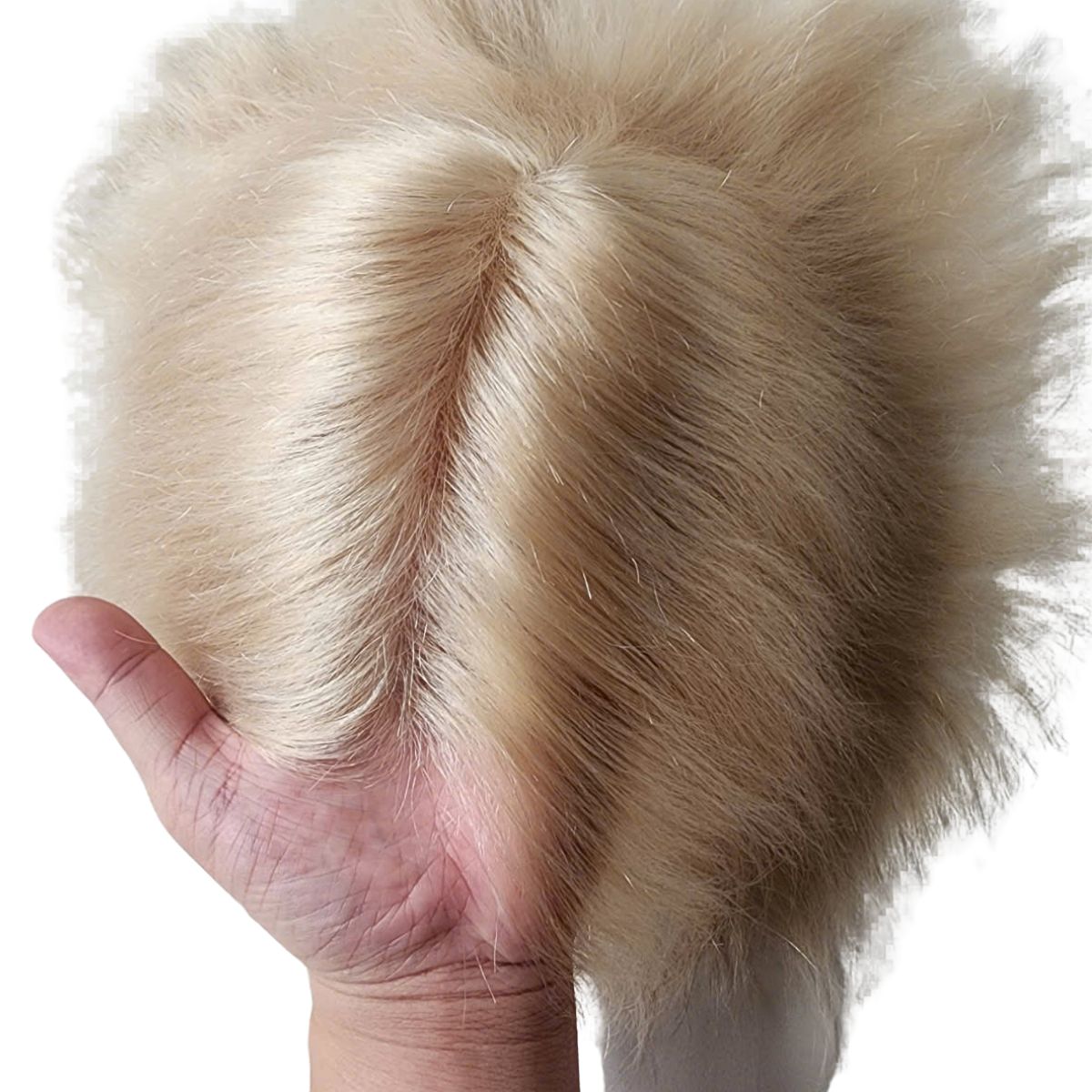
Techniques for Curling and Straightening
- Preparation: Ensure the hairpiece is clean, dry, completely detangled, and treated with heat protectant. Secure the piece on a mannequin head or wear it securely attached for styling. Work in small, manageable sections (1-2 inches wide).
- Curling (Human Hair): Clamp the iron near the base (not too close to the knots/base material), wrap the hair around the barrel, hold for 5-10 seconds, release. Pin the curl while it cools to help it set better.
- Curling (Heat-Friendly Synthetic): Wrap hair around the iron, hold for slightly longer (10-15 seconds, check manufacturer advice) as synthetics heat differently. Crucially, the curl will only set as the fiber cools. Release the curl into your hand or pin it, holding its shape until completely cool (this can take 30-60 seconds or more). Do not brush until fully cooled.
- Straightening (Human Hair & Heat-Friendly Synthetic): Clamp the flat iron near the base, glide smoothly down the hair shaft to the ends. Use one or two passes per section. Avoid holding the iron stationary on the hair. Follow temperature guidelines strictly for synthetics.
Creating Long-Lasting Styles for Events
- Cool Down: Allowing curls or waves to cool completely before brushing or styling further is key for longevity, especially with synthetic fibers.
- Hairspray: Use a light to medium hold hairspray during styling to help shape the hair. Finish with a stronger hold spray, applied from a distance (10-12 inches) to avoid stiffness or residue buildup, to lock the style in place for the duration of your special occasion. Choose hairsprays compatible with the hair fiber.
By respecting the fiber’s limits and employing safe heat practices, as advised by Phuc Thien, you can confidently style your hairpiece to perfection for any wedding, prom, or formal event, ensuring it looks beautiful throughout the celebration.
✨ A toupee shouldn’t just hide hair loss — make it a style statement!
Tip 3: Elevating Your Look with Updos and Braids
Updos and braided styles are classic choices for special occasions, offering elegance, sophistication, and a way to keep hair neatly managed throughout an event. Incorporating a hairpiece into these styles can add necessary volume, length, or coverage, but requires careful planning and execution for a secure and natural result.
Planning Your Updo: Consider the Occasion and Outfit Neckline
Before you start pinning, think about the overall look:
- Formality: A sleek chignon or French twist suits black-tie events, while softer, romantic updos with loose tendrils might be better for weddings or proms. Braided crowns can range from bohemian to regal.
- Outfit Neckline: An intricate updo showcases a high neckline or detailed back. Lower necklines pair well with both updos and half-up styles. Consider the balance – a very elaborate dress might call for a simpler hairstyle.
- Hairpiece Placement: Plan where the hairpiece needs to sit to provide volume or length for the intended style. For example, a high bun requires volume at the crown (topper), while a low chignon might benefit from added length at the nape (extensions).
Securing the Hairpiece for Updos
Updos require the hairpiece to be exceptionally secure, as the hair’s weight is being manipulated and pinned.
- Reinforce Attachment: If using clips, ensure they have a firm grip. Consider adding a few extra bobby pins anchored through the base of the piece into your natural hair for added stability, especially for heavier human hair pieces. Place pins discreetly.
- Strategic Base: For styles requiring significant lift or volume distribution (like intricate braided updos), a hairpiece with a flexible yet sturdy base is advantageous. Phuc Thien often uses combination bases for optimal support and comfort in updo styling.
- Integrate Securely: When gathering hair for the updo, incorporate the hairpiece hair seamlessly with your natural hair, ensuring pins anchor through both layers where possible.
Step-by-Step: Elegant Chignon with a Topper (Example)
This style adds volume at the crown and creates a classic, polished look, perfect for weddings or formal dinners.
- Prepare: Start with clean, dry hair and a prepared topper. Apply heat protectant if needed.
- Attach Topper: Securely attach the hair topper at the crown, ensuring edges are blended.
- Smooth and Gather: Gently brush your natural hair and the topper hair back towards the nape of your neck, as if creating a low ponytail. Do not secure it yet. Ensure the surface is smooth.
- Create Ponytail: Secure all the hair (natural + topper) into a low ponytail at the nape using a hair elastic that matches your hair color.
- Twist and Wrap: Twist the ponytail tightly. Wrap the twisted ponytail around its base, forming a neat bun (chignon).
- Secure Chignon: Tuck the ends under the bun and secure firmly using U-shaped hairpins and bobby pins. Insert pins vertically into the base of the bun, anchoring them into the ponytail elastic and your natural hair beneath.
- Refine and Finish: Gently smooth any flyaways around the hairline or bun using a light pomade or hairspray on your fingertips. Check for security and adjust pins as needed. Add a decorative comb or pins if desired.
Step-by-Step: Braided Crown with Extensions (Example)
Ideal for proms, garden parties, or achieving a romantic bridal look, using clip-in or halo extensions for length.
- Prepare: Start with clean, dry hair. Lightly curl or wave both your natural hair and the extensions for texture and easier braiding. Apply heat protectant before curling.
- Attach Extensions: Apply clip-in extensions strategically where length is needed for the braids, usually layered underneath your natural hair around the head. Ensure clips are hidden. If using a halo, position it comfortably.
- Section for Braids: Create a center or side part. Take a 2-3 inch section of hair (including extension hair) near one temple.
- Start Braiding: Begin a Dutch braid (inverted French braid where strands cross under) or a standard French braid along your hairline, incorporating small sections of hair as you move towards the back of your head. Ensure you are picking up both natural and extension hair.
- Continue Across: Continue the braid across the back of your head to the opposite side, still following the hairline.
- Finish Braid: Once you run out of hair to add, finish the section with a regular three-strand braid and secure the end with a small, clear elastic.
- Repeat (Optional): You can create a second braid starting from the other temple, mirroring the first, for a fuller crown.
- Secure and Style: Drape the braid(s) across your head like a headband or crown. Secure the ends discreetly with bobby pins, tucking them under the start of the braid or other hair sections. Gently pancake or pull the edges of the braids to make them appear fuller and softer. Leave some face-framing tendrils loose if desired.
- Finish: Mist lightly with hairspray.
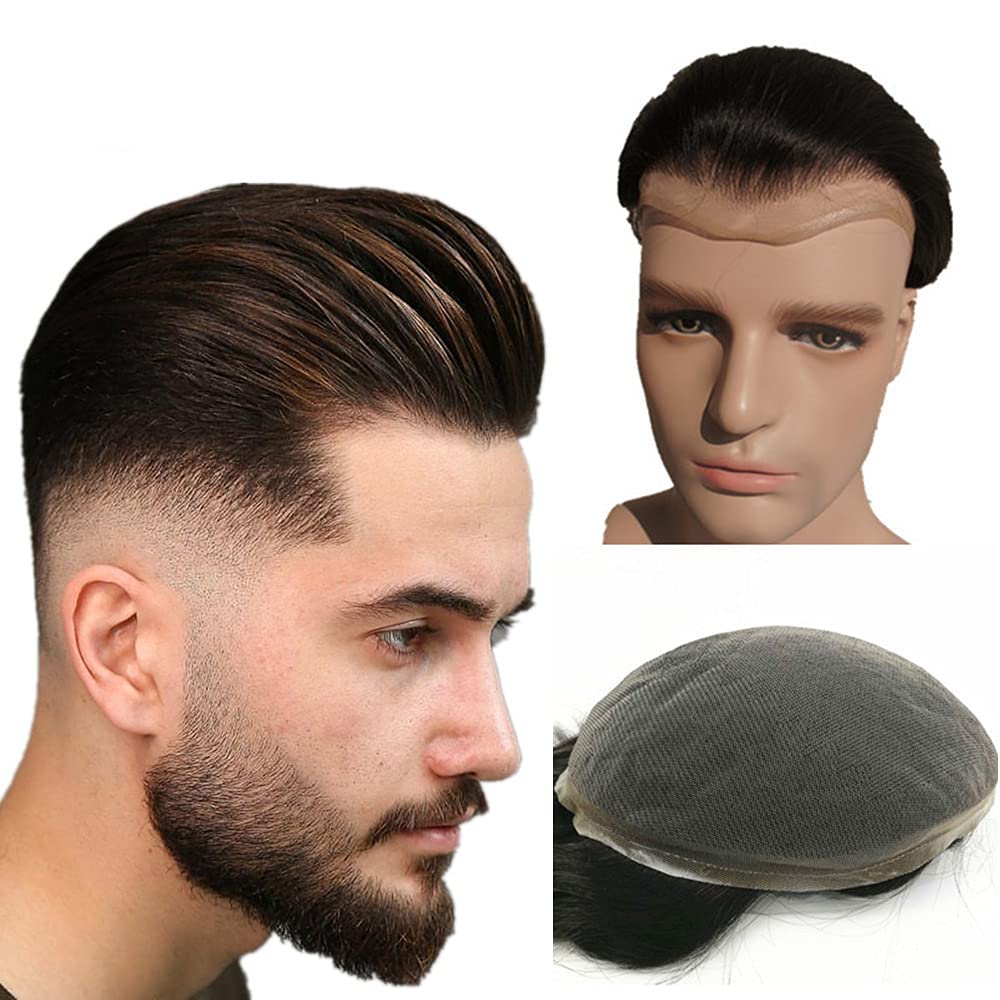
Tip 4: Finishing Touches and Maintenance for Longevity
The final steps in styling and the care you provide after the event are just as important as the preparation and styling itself. Proper finishing ensures your look is polished and holds throughout the occasion, while correct maintenance preserves the quality and lifespan of your valuable hairpiece.
Choosing the Right Finishing Products
Selecting appropriate finishing products adds shine, hold, and polish without weighing down the hair or causing buildup.
- Hairspray:
- Light Hold: Good for taming minor flyaways during styling without making hair stiff.
- Medium Hold: Provides flexible hold for softer styles like waves or loose curls.
- Strong Hold: Best for locking intricate updos, braids, or sleek styles in place for hours. Apply from a distance (10-12 inches) in light layers.
- Compatibility: Use hairsprays designed for human hair on human hair pieces. For synthetics, use sprays specifically formulated for synthetic wigs, as regular hairsprays can sometimes dull or coat the fibers unnaturally. Phuc Thien advises testing spray on an inconspicuous area first.
- Shine Sprays/Serums: Use sparingly to add luster, especially to human hair pieces which lack natural sebum. Apply a tiny amount to your palms, rub together, and gently smooth over the surface of the hair, avoiding the base/roots. Overuse can make the hair look greasy. Silicone-based serums often work well.
- Pomades/Waxes: Useful for smoothing edges, defining texture in short styles, or taming stubborn flyaways around the hairline. Use a minimal amount warmed between fingertips.
- Anti-Frizz Products: Helpful in humid conditions to maintain smoothness. Apply lightly before or after styling.
Taming Flyaways and Ensuring Smoothness
Even with careful styling, flyaways can appear.
- Technique 1 (Hairspray + Comb): Lightly spray a fine-tooth comb or a clean mascara wand with hairspray and gently comb down flyaways along the part line or surface of the style.
- Technique 2 (Fingertips): Spray a little hairspray onto your fingertips and gently smooth down stray hairs.
- Technique 3 (Dryer Sheet): In a pinch, gently rubbing a dryer sheet over the surface can reduce static and smooth minor flyaways (use cautiously on synthetics).
Post-Event Care: Removing and Storing Your Hairpiece Correctly
Proper removal prevents damage to both the hairpiece and your natural hair.
- Clip-Ins/Toppers with Clips: Gently open each clip and slide it out of your hair. Avoid pulling or tugging.
- Tape-Ins: Use a designated tape remover solution. Apply it generously where the tape bonds to the hair/scalp, let it sit for the recommended time to dissolve the adhesive, then gently slide the wefts out. Never rip them out.
- Adhesive/Bonded Pieces: Use the specific solvent recommended for the adhesive used. Apply carefully according to instructions, allow time for the bond to release, then gently lift the piece away. Cleanse your skin and the piece base thoroughly afterward to remove residue. Professional removal is often safest for bonded systems.
- Storage:
- Detangle: Gently detangle the hairpiece using a wide-tooth comb, starting from the ends and working up to the base.
- Cleanse (If Necessary): If the piece has significant product buildup or was worn for an extended period, follow the appropriate washing instructions for its fiber type (see Preparation section). Allow it to dry completely.
- Store Properly: Store the clean, dry hairpiece on a wig stand or mannequin head to help maintain its shape and prevent tangling. Alternatively, store it neatly folded in its original box or a satin bag, away from direct sunlight and dust. Avoid storing it crumpled or compressed.
Gentle Cleansing After Wear (If Needed)
Frequent washing is not always necessary, especially after short wear for an event with minimal product use. However, if there is noticeable buildup, sweat, or odor:
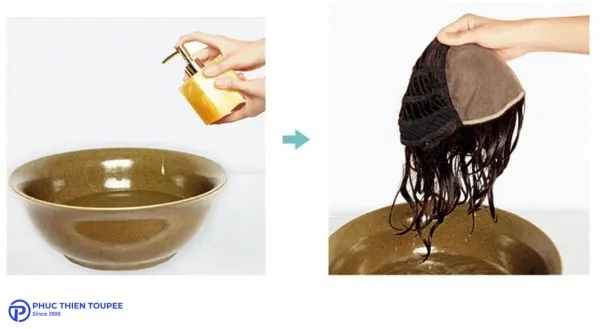
- Follow the gentle washing procedures outlined in the Preparation section, using cool water and appropriate wig/extension shampoo and conditioner.
- Handle gently, avoid harsh scrubbing.
- Rinse thoroughly and allow to air dry completely before storing or restyling.
Long-Term Maintenance for Frequent Event Wearers
If you wear hairpieces regularly for special occasions:
- Rotate Pieces: If possible, have more than one piece to rotate, allowing each one time to rest and reducing wear and tear.
- Deep Conditioning (Human Hair): Periodically deep condition human hair pieces to restore moisture and elasticity. Use treatments designed for processed hair or wigs.
- Professional Refurbishing: Consider professional services for deep cleaning, conditioning, repair (e.g., fixing tears in lace, re-ventilating hair), and restyling, especially for high-value human hair pieces. Phuc Thien Toupee offers maintenance and repair services to extend the life of your hair system.
Consistent finishing touches and diligent post-event care ensure your special occasion hairpiece remains beautiful, functional, and ready for your next glamorous event.
✂️ Be unique — create your custom-made toupee today!
Finding the Right Hairpiece and Stylist
Choosing the right hairpiece and potentially engaging a professional stylist are critical investments for achieving the best results for your special occasions. Navigating the options can seem daunting, but knowing what to look for ensures you acquire a quality product and expert assistance when needed.
What to Look For in a Quality Special Occasion Hairpiece
Investing in a quality hairpiece pays dividends in terms of appearance, longevity, and styling ease. Key factors include:
- Fiber Quality:
- Human Hair: Look for Remy human hair, where cuticles are intact and aligned in the same direction, minimizing tangling and ensuring a natural look and feel. Virgin hair (unprocessed) is the highest quality but less common in ready-made pieces.
- Synthetic Hair: Opt for high-quality, heat-friendly synthetic fibers from reputable manufacturers known for realistic texture and low shine.
- Base Construction: Choose durable yet comfortable base materials. Hand-tied sections (especially in mono tops or full lace) offer more natural movement and parting versatility compared to solely machine-wefted pieces. Ensure lace fronts are fine and blend well with the skin.
- Knotting (Human Hair): Look for small, possibly bleached knots (especially at the front hairline) for a more realistic scalp appearance where the hair emerges from the base.
- Density and Color: Ensure options are available that closely match your natural hair or desired look, with realistic density variations.
- Brand Reputation and Reviews: Purchase from established, reputable vendors like Phuc Thien Toupee known for quality control, good customer service, and positive client testimonials. Look for online reviews and before/after photos.
- Return Policy/Warranty: Understand the vendor’s policy in case the piece is not suitable or has defects.
A higher price point often correlates with better materials and craftsmanship, leading to a more natural look and longer lifespan – a worthwhile consideration for pieces intended for important events.
The Value of Professional Consultation and Styling
While DIY styling is possible, professional help offers significant advantages, especially for first-time users or complex styles:
- Expert Selection: A knowledgeable stylist or consultant (like those at Phuc Thien) can assess your natural hair, face shape, and desired look to recommend the most suitable hairpiece type, fiber, color, and density.
- Customization: Professionals can custom cut, color, and style the hairpiece to perfectly match your needs and blend seamlessly with your natural hair – services often difficult to achieve accurately at home.
- Secure and Flawless Application: Stylists experienced with hairpieces know the best techniques for secure, comfortable, and undetectable attachment, especially crucial for updos or long events. They are adept at concealing edges.
- Complex Styling: Achieving intricate updos, braids, or perfectly uniform curls/waves on a hairpiece integrated with natural hair can be challenging. A stylist has the skills, tools, and perspective (seeing the back of your head) to execute these flawlessly.
- Time-Saving and Stress-Reducing: Getting ready for a special occasion can be stressful. Entrusting your hair to a professional frees up your time and ensures a beautiful result without the frustration of potential DIY mishaps.
- Learning Opportunity: A styling session can be a chance to learn tips and tricks for managing your hairpiece at home.

Finding Stylists Specializing in Hairpieces Near Me
Your search intent for “best special occasion hairpiece stylists near me” is common. Here is how to find qualified professionals:
- Salons Specializing in Wigs/Extensions: Look for salons explicitly advertising services for wigs, hair systems, or non-surgical hair replacement.
- Check Portfolios: Review stylists’ online portfolios (websites, Instagram) for examples of their work with hairpieces, specifically for event styling. Look for before/after photos demonstrating natural blending and skillful styling.
- Read Reviews: Check Google, Yelp, and specialized beauty review sites for feedback from clients who used their hairpiece styling services.
- Consultations: Schedule consultations with potential stylists. Ask about their experience with your specific hairpiece type and desired style. Discuss pricing and what is included.
- Certifications/Training: While not always mandatory, certifications in hair extension application or wig styling can indicate specialized training.
- Word-of-Mouth: Ask for recommendations from friends, family, or staff at reputable wig retailers like Phuc Thien Toupee.
Addressing Specific Audience Needs and Intents
This guide aims to be comprehensive, directly addressing the varied needs and search intents of our diverse audience (Male/Female, 20-65, varied backgrounds including Caucasian and Asian/Korean focus, mid-range+ income). Let’s tackle some specific queries and considerations:
Styling Ideas for Long Hair with Hairpieces
Many users search for “special occasion hairpiece styling ideas for long hair”. Even if you already have long hair, hairpieces offer significant benefits:
- Adding Volume: Long hair can sometimes lack volume, especially at the crown or ends. A topper can add lift at the roots, while strategically placed clip-in wefts can make lengths appear much fuller, essential for voluminous waves or substantial braids.
- Creating Thicker Braids/Updos: Achieving thick, Pinterest-worthy braids (like fishtails, Dutch braids) or large chignons often requires more hair than naturally available. Extensions provide this extra density seamlessly.
- Adding Temporary Highlights/Lowlights: Clip-in extensions in different shades can add dimension or trendy color pops to long hair for an event without commitment.
- Ensuring Style Longevity: Hairpieces, especially human hair styled correctly, can hold curls or waves better than some natural long hair types, ensuring your style lasts through hours of celebration.
- Achieving Specific Textures: If your long hair is fine and straight, wavy or curly extensions can instantly transform your look for a special occasion without chemical processing.
Popular styles include Hollywood waves enhanced with volume wefts, intricate braided crowns using added length, or high ponytails made fuller with ponytail pieces.
Adapting Styles for Different Hair Types
Hair texture varies significantly across ethnicities, impacting hairpiece selection and styling.
- Caucasian Hair: Tends to range from fine to medium texture, straight to wavy or curly. Matching density and texture is key. Fine hair may need slight teasing for better clip grip. Lace fronts and monofilament tops blend well.
- Asian Hair (Including Korean): Often characterized by thicker individual strands, a generally straight texture, and a naturally darker color.
- Texture Matching: Selecting a hairpiece with a comparable texture (e.g., straight, possibly coarser human hair like Chinese or Indian Remy, or high-quality synthetic) is crucial for blending. Yaki texture mimics chemically relaxed hair if needed.
- Density: Asian hair can be quite dense, so choosing a hairpiece with adequate density (e.g., 130%-150%) might be necessary for a natural look, especially when adding volume.
- Color: While typically dark, ensure the exact shade matches (natural black, dark brown, off-black). Custom coloring might be needed for perfect harmony.
- Styling: Sleek styles, soft waves, and elegant updos are popular. The natural strength of the hair holds styles well, but ensure heat protectant is always used. Phuc Thien has extensive experience sourcing and styling pieces suitable for the unique characteristics of Asian hair types, ensuring optimal integration.
Regardless of hair type, the principles of secure attachment, seamless blending, and appropriate styling techniques remain paramount.
Glamour made easy: Learn advanced Hairpiece Cutting and Styling and explore Hairpiece Customization for your next event
Confidence and Hairpieces: Embracing Your Look
Wearing a hairpiece, whether for aesthetic enhancement or to address hair loss, should be an empowering experience. Feeling confident is the ultimate goal of special occasion styling.
- Focus on Quality: A high-quality, well-blended hairpiece contributes significantly to confidence. Investing in a good piece reduces worry about it looking unnatural.
- Practice: If you are new to hairpieces, practice applying and styling it before the main event. Familiarity breeds comfort and confidence.
- Own It: Modern hairpieces are sophisticated beauty tools. Embrace the versatility and fun they offer. Many celebrities and influencers openly use extensions and wigs to achieve stunning looks.
- Comfort is Key: Ensure the hairpiece is comfortable and secure. An ill-fitting or unstable piece will inevitably cause anxiety.
- Professional Assurance: If unsure, having a professional stylist apply and style the piece for a major event can provide peace of mind and guarantee a flawless finish, boosting your self-assurance.
Phuc Thien Toupee champions the idea that hairpieces are a positive choice for anyone seeking to enhance their look and feel their best for life’s special moments.
Phuc Thien Toupee Co., Ltd
Design Brand: Royal Hair Vietnam
Office Address:
🏢 Room A909, Decapella Building, 116 Luong Dinh Cua Street, An Khanh Ward, Thu Duc City, Ho Chi Minh City 700000, Vietnam
Factory Address:
🏭 No. 26/9, Street 57, Thuong Hamlet, Tan Thong Hoi Ward, Cu Chi District, Ho Chi Minh City 700000, Vietnam
Email: ✉️ phucthientoupeevn@gmail.com
Phone / WhatsApp: 📞 +84 933 901 196
Websites: 🌐 phucthientoupee.com – 🌐 royalhair.shop



