

- 10/06/2025
- Posted by: phucthien
- Category: Blog
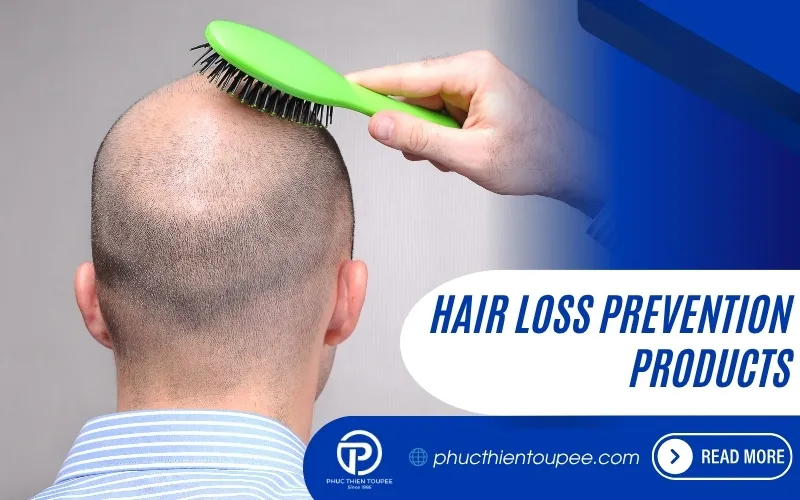
Hair Loss Prevention Products offer a beacon of hope for individuals seeking to maintain a full, healthy head of hair. These innovative solutions, including specialized shampoos, topical treatments, and dietary supplements, are designed to address the root causes of hair thinning and promote robust hair growth. If you’re experiencing anxiety about receding hairlines or increased shedding, rest assured that effective options are available to revitalize your locks.
Phuc Thien Toupee aims to provide you with an insightful exploration of hair fall solutions. In this article, we will delve into the science behind these products, examine their effectiveness based on scientific evidence, and guide you in making informed decisions to achieve thicker, healthier hair. Let’s embark on this journey together to unlock the secrets to preventing hair loss and restoring your confidence. Discover potent formulas, hair growth vitamins, and scalp health treatments.
Understanding Hair Loss: Causes and Types
Hair loss, also known as alopecia, can affect people of all ages, genders, and backgrounds. Understanding the underlying causes and different types of hair loss is crucial for selecting the most appropriate prevention and treatment strategies.
Common Causes of Hair Loss
Several factors can contribute to hair loss, including:
- Genetics: Hereditary hair loss, also known as androgenetic alopecia, is the most common cause. It affects both men (male pattern baldness) and women (female pattern baldness).
- Hormonal Changes: Fluctuations in hormone levels, such as during pregnancy, childbirth, menopause, or thyroid disorders, can trigger hair loss.
- Medical Conditions: Certain medical conditions like alopecia areata, scalp infections, and autoimmune diseases can lead to hair loss.
- Medications and Treatments: Some medications, such as chemotherapy drugs, antidepressants, and blood thinners, can have hair loss as a side effect.
- Stress: Chronic stress, both physical and emotional, can disrupt the hair growth cycle and lead to temporary hair loss.
- Poor Nutrition: Deficiencies in essential nutrients like iron, zinc, and biotin can weaken hair follicles and contribute to hair loss.
- Hairstyling Practices: Harsh hairstyling practices, such as tight braids, weaves, and excessive use of heat, can damage hair follicles and cause traction alopecia.
✂️ Be unique — create your custom-made toupee today!
Types of Hair Loss
Different types of hair loss present with varying patterns and underlying causes:
- Androgenetic Alopecia: The most common type, characterized by a receding hairline and thinning crown in men and diffuse thinning on the top of the head in women.
- Telogen Effluvium: Temporary hair loss triggered by stress, illness, or hormonal changes, causing widespread shedding.
- Alopecia Areata: An autoimmune condition that causes patchy hair loss on the scalp and other parts of the body.
- Traction Alopecia: Hair loss caused by prolonged tension on hair follicles from tight hairstyles.
- Scarring Alopecia (Cicatricial Alopecia): A group of rare disorders that cause permanent damage to hair follicles, resulting in scarring and irreversible hair loss.

Fight hair loss: Discover effective Hair Loss Prevention and top Hair Loss Supplements
Top 9 Hair Loss Prevention Products: A Detailed Review
Navigating the world of hair loss prevention products can be overwhelming. Phuc Thien Toupee has curated a list of nine popular products, examining their ingredients, mechanisms of action, and clinical evidence to determine their effectiveness.
1. Minoxidil (Rogaine): The Gold Standard
- Description: Minoxidil is a topical medication available over-the-counter. It works by widening blood vessels in the scalp, increasing blood flow to hair follicles, and stimulating hair growth.
- Mechanism of Action: Minoxidil prolongs the anagen (growth) phase of the hair cycle and increases the size of hair follicles.
- Clinical Evidence: Numerous studies have demonstrated the effectiveness of minoxidil in treating androgenetic alopecia. A study published in the Journal of the American Academy of Dermatology found that 5% minoxidil solution resulted in significant hair regrowth in men with male pattern baldness.
- Usage: Apply minoxidil solution or foam to the scalp twice daily, following the instructions on the product label.
- Potential Side Effects: Scalp irritation, dryness, itching, and unwanted hair growth in other areas.
- Phuc Thien Toupee’s Verdict: Minoxidil is a well-established and effective treatment for androgenetic alopecia. It’s particularly useful for individuals with early-stage hair loss.
2. Finasteride (Propecia): A Prescription Powerhouse
- Description: Finasteride is an oral medication available by prescription only. It works by inhibiting the enzyme 5-alpha reductase, which converts testosterone to dihydrotestosterone (DHT), a hormone that contributes to hair loss.
- Mechanism of Action: Finasteride reduces DHT levels in the scalp, preventing hair follicle miniaturization and promoting hair regrowth.
- Clinical Evidence: Clinical trials have shown that finasteride is effective in treating male pattern baldness. A study published in The Lancet found that finasteride significantly increased hair count and improved patient self-assessment of hair growth.
- Usage: Take one 1mg tablet of finasteride daily, as prescribed by a doctor.
- Potential Side Effects: Sexual dysfunction, such as decreased libido and erectile dysfunction (rare), and depression.
- Phuc Thien Toupee’s Verdict: Finasteride is a potent medication for male pattern baldness, but it requires a prescription and should be used under medical supervision due to potential side effects.
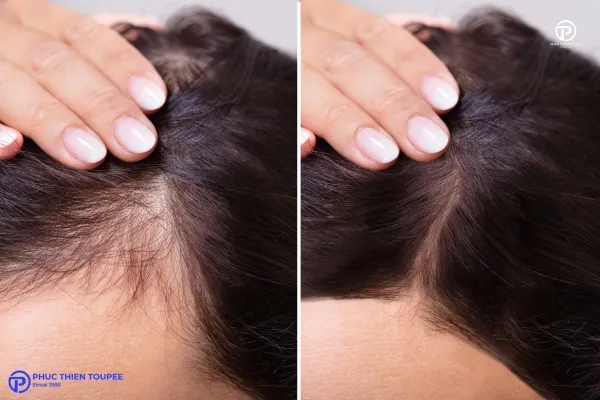
3. Ketoconazole Shampoo (Nizoral): Fighting Fungal Foes
- Description: Ketoconazole is an antifungal medication available in shampoo form. It helps to reduce inflammation and fight fungal infections on the scalp, which can contribute to hair loss.
- Mechanism of Action: Ketoconazole inhibits the growth of Malassezia yeast, a common scalp fungus that can cause dandruff and inflammation.
- Clinical Evidence: Studies have shown that ketoconazole shampoo can improve hair density and reduce hair shedding in individuals with androgenetic alopecia. A study published in the Dermatology journal found that ketoconazole shampoo was as effective as 2% minoxidil in promoting hair regrowth.
- Usage: Use ketoconazole shampoo two to three times per week, leaving it on the scalp for 5-10 minutes before rinsing.
- Potential Side Effects: Scalp irritation, dryness, and changes in hair texture.
- Phuc Thien Toupee’s Verdict: Ketoconazole shampoo is a valuable addition to a hair loss prevention regimen, particularly for individuals with dandruff or seborrheic dermatitis.
🎨 Your style, your hair — we make it exactly how you want.
4. Biotin Supplements: The Vitamin Vitalizer
- Description: Biotin, also known as vitamin B7, is an essential nutrient that plays a role in hair, skin, and nail health. Biotin supplements are often marketed as a hair loss prevention remedy.
- Mechanism of Action: Biotin supports the production of keratin, a protein that makes up hair, skin, and nails.
- Clinical Evidence: While biotin deficiency can lead to hair loss, supplementing with biotin is only effective if you are actually deficient. A study published in the Journal of Clinical and Aesthetic Dermatology found that biotin supplementation improved hair growth in individuals with biotin deficiency.
- Usage: Take biotin supplements as directed on the product label.
- Potential Side Effects: Generally safe, but high doses can interfere with certain lab tests.
- Phuc Thien Toupee’s Verdict: Biotin supplements can be beneficial if you are deficient, but they are unlikely to promote hair growth if you have adequate biotin levels. It’s best to consult with a healthcare professional to determine if you need biotin supplementation.
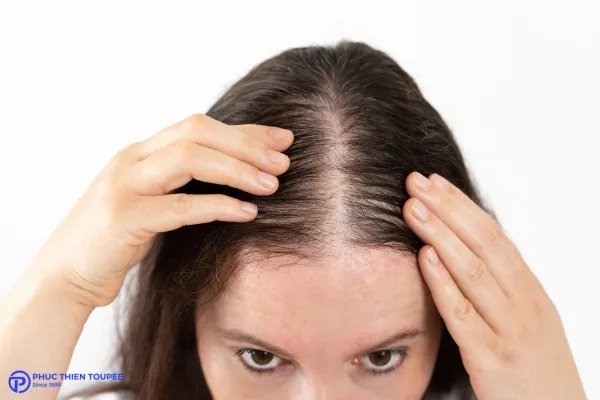
5. Saw Palmetto: A Natural DHT Blocker
- Description: Saw palmetto is a herbal extract derived from the berries of the saw palmetto tree. It is believed to inhibit the production of DHT, similar to finasteride.
- Mechanism of Action: Saw palmetto blocks the enzyme 5-alpha reductase, reducing DHT levels in the scalp.
- Clinical Evidence: Some studies suggest that saw palmetto may be effective in treating androgenetic alopecia, but more research is needed. A study published in the Journal of Alternative and Complementary Medicine found that saw palmetto extract improved hair density in men with mild to moderate hair loss.
- Usage: Take saw palmetto supplements as directed on the product label.
- Potential Side Effects: Mild gastrointestinal discomfort.
- Phuc Thien Toupee’s Verdict: Saw palmetto is a natural alternative to finasteride, but its effectiveness is less well-established. It may be worth trying for individuals seeking a natural remedy for hair loss.
6. Rosemary Oil: Stimulating Scalp Circulation
- Description: Rosemary oil is an essential oil known for its stimulating and anti-inflammatory properties. It is believed to promote hair growth by improving blood circulation to the scalp.
- Mechanism of Action: Rosemary oil enhances blood flow to hair follicles, providing them with essential nutrients and oxygen.
- Clinical Evidence: Studies have shown that rosemary oil can be as effective as minoxidil in promoting hair growth. A study published in JAMA Dermatology found that rosemary oil was comparable to minoxidil in treating androgenetic alopecia.
- Usage: Dilute rosemary oil with a carrier oil (e.g., coconut oil or jojoba oil) and massage it into the scalp for several minutes. Leave it on for at least 30 minutes before rinsing.
- Potential Side Effects: Scalp irritation or allergic reactions.
- Phuc Thien Toupee’s Verdict: Rosemary oil is a natural and promising remedy for hair loss. It is generally safe and well-tolerated.
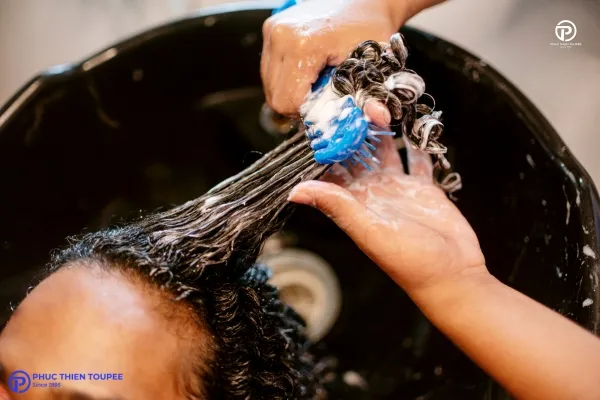
7. Platelet-Rich Plasma (PRP) Therapy: Injecting New Life
- Description: PRP therapy involves injecting concentrated platelets from the patient’s own blood into the scalp to stimulate hair growth.
- Mechanism of Action: Platelets release growth factors that promote hair follicle regeneration and angiogenesis (formation of new blood vessels).
- Clinical Evidence: Studies have shown that PRP therapy can improve hair density and thickness in individuals with androgenetic alopecia. A study published in the Journal of the American Academy of Dermatology found that PRP injections significantly increased hair count and hair thickness.
- Usage: PRP therapy is performed by a qualified medical professional. It typically involves a series of injections over several months.
- Potential Side Effects: Scalp pain, swelling, and bruising.
- Phuc Thien Toupee’s Verdict: PRP therapy is a promising treatment for hair loss, but it is expensive and requires multiple sessions.
🔍 Looking for a specific size, base, or hair color? Order a fully personalized toupee now!
8. Laser Therapy (Low-Level Laser Therapy – LLLT): Shining a Light on Growth
- Description: LLLT, also known as red light therapy, uses low-level lasers to stimulate hair growth.
- Mechanism of Action: LLLT enhances blood flow to the scalp, reduces inflammation, and stimulates cellular metabolism in hair follicles.
- Clinical Evidence: Studies have shown that LLLT can improve hair density and thickness in individuals with androgenetic alopecia. A study published in the American Journal of Clinical Dermatology found that LLLT was effective in promoting hair regrowth in both men and women.
- Usage: LLLT devices are available in various forms, such as laser combs, caps, and helmets. Use the device as directed on the product label.
- Potential Side Effects: Generally safe, but some individuals may experience scalp irritation.
- Phuc Thien Toupee’s Verdict: LLLT is a non-invasive and relatively safe treatment for hair loss. It can be a useful adjunct to other hair loss prevention strategies.

9. Hair Loss Shampoos: Cleansing and Conditioning Support
- Description: Hair loss shampoos contain ingredients that promote scalp health and strengthen hair follicles.
- Mechanism of Action: These shampoos often contain ingredients like ketoconazole, saw palmetto, biotin, and caffeine, which can help to reduce inflammation, block DHT, and stimulate hair growth.
- Clinical Evidence: The effectiveness of hair loss shampoos varies depending on the ingredients. Shampoos containing ketoconazole have been shown to be effective in treating dandruff and promoting hair growth.
- Usage: Use hair loss shampoo as directed on the product label.
- Potential Side Effects: Scalp irritation or dryness.
- Phuc Thien Toupee’s Verdict: Hair loss shampoos can be a helpful addition to a hair loss prevention regimen, particularly when combined with other treatments.
Creating Your Hair Loss Prevention Plan: A Step-by-Step Guide
Developing a comprehensive hair loss prevention plan is essential for maximizing your chances of success. Phuc Thien Toupee offers a detailed, step-by-step guide to help you create a personalized plan.
Step 1: Seek Professional Diagnosis and Consultation
- Importance: This is the foundational step. Self-diagnosing hair loss can lead to ineffective or even counterproductive treatments. A professional can accurately identify the type and underlying cause of your hair loss, which is crucial for selecting the right interventions.
- Actionable Guidance:
- Schedule an Appointment: Consult a board-certified dermatologist, preferably one specializing in hair loss (sometimes called a trichologist, though formal certification varies). Find specialists through organizations like the American Academy of Dermatology.
- Prepare for Your Visit:
- Document your hair loss history: When did you first notice it? Is it gradual or sudden? Any patterns (receding hairline, diffuse thinning, patches)?
- List all medications, supplements, and hair products you currently use.
- Note any recent illnesses, surgeries, stressful events, or significant dietary changes.
- Compile your family history of hair loss.
- Prepare questions about potential causes, treatment options, expected results, and potential side effects.
- Consider taking clear photos of your scalp and hair from different angles beforehand.
- During the Consultation: Expect a detailed medical history review, a physical examination of your hair and scalp (potentially using a dermatoscope for magnification), and possibly blood tests to check for hormonal imbalances, thyroid issues, or nutritional deficiencies (like iron or vitamin D).
- Why It Matters: An accurate diagnosis (e.g., Androgenetic Alopecia vs. Telogen Effluvium vs. Alopecia Areata) dictates the most effective treatment path. Treating Telogen Effluvium with DHT blockers meant for Androgenetic Alopecia will likely yield poor results.

Step 2: Understand Your Specific Hair Loss Type and Cause
- Importance: Based on the professional consultation (Step 1), you will gain clarity on why you are experiencing hair loss. This understanding empowers you to target the specific mechanism involved.
- Actionable Guidance:
- Clarify Your Diagnosis: Ensure you understand the specific type of alopecia diagnosed by your specialist. Ask them to explain it clearly.
- Identify Contributing Factors: Discuss all identified contributing factors with your doctor – genetics, hormones (DHT levels), stress, nutrition, inflammation, autoimmune responses, or external factors like hairstyling practices.
- Research Your Condition: Use reputable sources (medical journals, dermatology association websites, NIH) to learn more about your specific condition. Understanding the mechanism helps you appreciate why certain treatments are recommended.
- Why It Matters: Knowing the cause allows for targeted treatment. For example:
- Androgenetic Alopecia: Focus on DHT blockers (Finasteride, possibly Saw Palmetto) and growth stimulants (Minoxidil, LLLT).
- Telogen Effluvium: Address the trigger (stress management, correcting nutritional deficiencies, resolving illness). Growth stimulants might support recovery.
- Alopecia Areata: Requires treatments targeting the autoimmune response, often involving corticosteroids or other immunomodulators, sometimes alongside growth stimulants.
- Traction Alopecia: Focus on changing hairstyling practices; early intervention might allow follicle recovery.
Step 3: Select Appropriate Products and Treatments
- Importance: Choosing interventions aligned with your diagnosis, severity, lifestyle, and budget is critical for adherence and effectiveness. Often, a multi-faceted approach yields the best results.
- Actionable Guidance:
- Prioritize Based on Evidence and Diagnosis:
- FDA-Approved: For Androgenetic Alopecia, Minoxidil (topical) and Finasteride (oral, men only, prescription) have the strongest clinical backing. Discuss these primary options with your doctor.
- Targeted Shampoos: Ketoconazole shampoo can help manage scalp inflammation and has shown some benefit in Androgenetic Alopecia.
- Low-Level Laser Therapy (LLLT): Consider FDA-cleared devices as a non-invasive option, often used adjunctively.
- Natural/Supportive Options: Discuss evidence-based natural options like Rosemary oil or Saw Palmetto (especially if seeking alternatives or adjuncts to pharmaceuticals) with your doctor. Consider Biotin only if a deficiency is confirmed.
- Procedural Options: For more advanced cases or specific types, discuss PRP therapy or hair transplantation with your specialist.
- Consider Practical Factors:
- Lifestyle: Are you willing to apply a topical solution twice daily? Take a daily pill? Use a laser device several times a week?
- Budget: OTC options (Minoxidil, Ketoconazole shampoo) are generally more affordable than prescriptions (Finasteride), LLLT devices, or procedures like PRP.
- Tolerance for Side Effects: Discuss potential side effects of each option (e.g., scalp irritation with Minoxidil, sexual side effects with Finasteride) with your doctor and weigh the risks versus benefits.
- Start Methodically: Often, it’s best to start with one or two core treatments recommended by your doctor and add others later if needed, rather than starting everything at once. This helps identify what works and pinpoints the cause of any side effects.
- Prioritize Based on Evidence and Diagnosis:
- Why It Matters: Using the wrong product wastes time and money and can be discouraging. Aligning treatment with the cause and practical considerations increases the likelihood of long-term adherence and positive outcomes.
Step 4: Establish and Adhere to a Consistent Routine
- Importance: Hair growth cycles are long. Most hair loss treatments require consistent, long-term use (often many months) before visible results appear. Sporadic use will significantly limit effectiveness.
- Actionable Guidance:
- Integrate into Daily Habits: Link product application or medication intake to existing routines (e.g., apply Minoxidil after brushing teeth morning and night; take Finasteride with breakfast).
- Set Reminders: Use phone alarms, calendar notifications, or habit-tracking apps initially.
- Keep Products Accessible and Visible: Store topical treatments near your sink or wherever you perform your daily hygiene routines.
- Prepare for Disruptions: Plan for travel by packing necessary products or purchasing travel-sized versions if available. Don’t let vacations derail your routine entirely.
- Understand the Timeline: Ask your doctor about the expected timeframe for seeing initial results (typically 3-6 months, sometimes longer) to manage expectations and stay motivated.
- Why It Matters: Consistency ensures that active ingredients are delivered regularly to the hair follicles as needed to influence the hair growth cycle or block detrimental processes like DHT conversion.
✨ A toupee shouldn’t just hide hair loss — make it a style statement!
Step 5: Implement Supportive Healthy Lifestyle Practices
- Importance: Overall health significantly impacts hair health. Lifestyle factors can support the effectiveness of your chosen treatments and promote a healthy environment for hair growth.
- Actionable Guidance:
- Optimize Nutrition: Focus on a balanced diet rich in protein, iron (if levels are low), zinc, Vitamin D, B vitamins (especially biotin if deficient), and omega-3 fatty acids. Consult a nutritionist or your doctor if you suspect deficiencies.
- Manage Stress: Chronic stress can trigger or exacerbate hair loss (Telogen Effluvium). Incorporate stress-reduction techniques like regular exercise, mindfulness meditation, yoga, deep breathing, or engaging in hobbies.
- Prioritize Sleep: Aim for 7-9 hours of quality sleep per night, as sleep is crucial for cellular repair and regeneration, including hair follicle activity.
- Practice Gentle Hair Care: Avoid harsh chemical treatments, excessive heat styling, and tight hairstyles that pull on the hair follicles (traction alopecia). Use wide-tooth combs and avoid vigorous towel drying. Choose gentle, sulfate-free shampoos if prone to scalp sensitivity.
- Avoid Smoking: Smoking can impair blood circulation, potentially affecting nutrient delivery to hair follicles.
- Why It Matters: A healthy body provides the optimal internal environment for hair growth. Addressing underlying health issues and detrimental lifestyle factors removes potential obstacles to your treatment’s success.
Step 6: Monitor Progress and Adjust Plan as Needed
- Importance: Regularly assessing your progress allows you and your doctor to determine if the current plan is working or if adjustments are necessary.
- Actionable Guidance:
- Establish a Baseline: Take clear, well-lit photographs of your hair and scalp from consistent angles (front, top, crown, sides) before starting treatment.
- Track Changes: Take follow-up photos every 3-4 months under the same lighting conditions and angles. Note changes in shedding, hair thickness, scalp coverage, and overall hair quality. Keep a simple log.
- Schedule Follow-Up Appointments: Plan regular check-ins with your dermatologist (e.g., at 6 months, 12 months, then annually or as advised) to review progress, discuss any side effects, and make informed decisions about continuing, modifying, or adding treatments.
- Be Patient: Remember that visible results take time. Don’t get discouraged if you don’t see dramatic changes in the first few months.
- Communicate with Your Doctor: Report any significant side effects promptly. Do not stop or change prescription treatments without consulting your doctor. They can help you adjust dosages or explore alternatives if needed.
- Why It Matters: Monitoring provides objective evidence of treatment efficacy. It allows for timely adjustments, preventing prolonged use of ineffective strategies or managing side effects proactively, ultimately leading to a more successful long-term outcome.
Optimizing Scalp Health: The Foundation of Hair Growth
A healthy scalp is essential for promoting hair growth and preventing hair loss. Phuc Thien Toupee provides tips for optimizing scalp health.
Maintaining a Balanced Diet
- Importance: A balanced diet rich in vitamins and minerals can provide the nutrients needed for healthy hair growth.
- Action: Consume foods rich in iron, zinc, biotin, vitamin D, and omega-3 fatty acids.
Managing Stress Levels
- Importance: Chronic stress can disrupt the hair growth cycle and lead to hair loss.
- Action: Practice stress-reducing techniques, such as meditation, yoga, and deep breathing exercises.
Avoiding Harsh Hairstyling Practices
- Importance: Harsh hairstyling practices can damage hair follicles and cause traction alopecia.
- Action: Avoid tight braids, weaves, and excessive use of heat.
Using Gentle Hair Products
- Importance: Harsh hair products can strip the scalp of its natural oils and cause irritation.
- Action: Use gentle, sulfate-free shampoos and conditioners.
Scalp Massages
- Importance: Scalp massages can improve blood circulation to hair follicles and promote hair growth.
- Action: Massage your scalp for several minutes each day using your fingertips.
Natural solutions: Explore Natural Hair Loss Remedies and how Scalp Health and Hair Loss is crucial for growth
Conclusion: Embracing a Confident Future
Hair loss prevention is a journey that requires patience, consistency, and a personalized approach. By understanding the causes of hair loss, choosing the right products, maintaining a healthy lifestyle, and consulting with a healthcare professional, you can take control of your hair health and embrace a confident future.
Phuc Thien Toupee encourages you to explore the options discussed in this article and find the best hair loss prevention strategy for your needs. Remember, you are not alone, and effective solutions are available to help you achieve thicker, healthier hair. Don’t hesitate to seek professional advice and take proactive steps to protect your hair. Hair regrowth treatments, preventative measures, and follicle strengthening techniques can all contribute to a fuller, more vibrant head of hair.
Phuc Thien Toupee Co., Ltd
Design Brand: Royal Hair Vietnam
Office Address:
🏢 Room A909, Decapella Building, 116 Luong Dinh Cua Street, An Khanh Ward, Thu Duc City, Ho Chi Minh City 700000, Vietnam
Factory Address:
🏭 No. 26/9, Street 57, Thuong Hamlet, Tan Thong Hoi Ward, Cu Chi District, Ho Chi Minh City 700000, Vietnam
Email: ✉️ phucthientoupeevn@gmail.com
Phone / WhatsApp: 📞 +84 933 901 196
Websites: 🌐 phucthientoupee.com – 🌐 royalhair.shop



