

- 08/06/2025
- Posted by: phucthien
- Categories: Blog, Hair Loss & Hairpiece Options
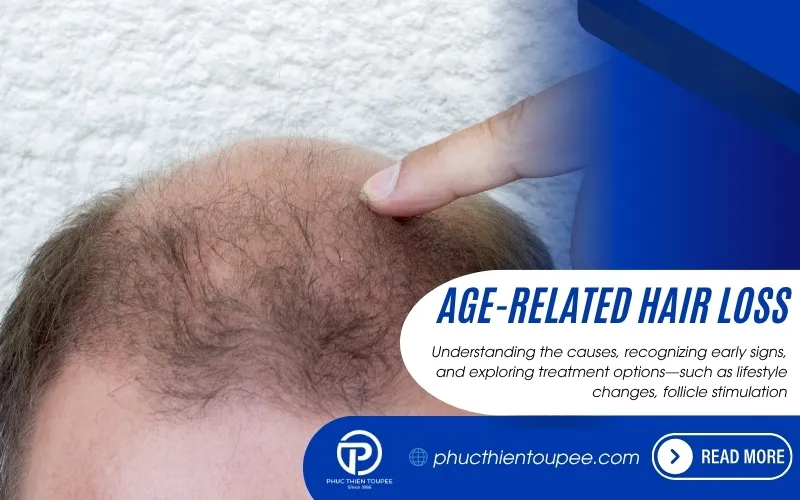
Age-Related Hair Loss: Treatments, Prevention, and Solutions
Age-Related Hair Loss is a common condition linked to aging, caused by hormonal, genetic, and physiological changes.
Understanding Age-Related Hair Loss: The Basics
Age-related hair loss is a distinct process characterized by gradual changes in hair growth patterns occurring naturally over time.
- How Aging Affects the Hair Growth Cycle: Anagen (Growth Phase): This is the active phase where hair follicles produce hair fiber.
- Key Statistics on Hair Loss and Age: General Prevalence: The American Academy of Dermatology (AAD) notes that hair shedding is normal (50-100 hairs per day), but significant thinning affects millions. Men: Androgenetic alopecia, often intertwined with age-related changes, affects up to 50% of men by age 50, and the prevalence increases with age.

Common Causes of Hair Thinning as We Age
The journey of hair thinning with age is multifaceted, involving a combination of intrinsic biological processes and extrinsic factors.
- Hormonal Changes: A Major Factor: Hormones play a pivotal role in regulating hair growth throughout life.
- Genetic Predisposition: Your family history is a strong predictor of how your hair might change with age.
- Nutritional Deficiencies and Aging: Iron: Iron deficiency (anemia) is a well-known cause of hair shedding (telogen effluvium).
- Reduced Scalp Circulation and Follicle Health: Healthy blood flow is essential for delivering oxygen and nutrients to hair follicles.
- Cumulative Environmental Damage: UV Radiation: Chronic sun exposure can damage the hair shaft, making it brittle, and potentially impact the scalp and underlying follicles over the long term.
- Stress and Its Impact Over Time: Hormonal Effects: Chronic stress elevates cortisol levels, which can disrupt the hair growth cycle and potentially exacerbate hormonal imbalances linked to hair loss.
- Medications and Medical Conditions: As people age, they are more likely to take medications for various health conditions, some of which can list hair loss as a side effect. Common Culprits: Certain medications for blood pressure, heart conditions, arthritis, depression, and cancer treatments are known to potentially cause hair thinning or loss.

Identifying Age-Related Hair Loss Patterns
Recognizing the typical patterns of age-related hair thinning helps differentiate it from other conditions and guides appropriate management strategies. While patterns can overlap, especially with coexisting AGA, some general trends exist.
- Patterns in Men: Receding Hairline: The hairline gradually moves backward, often starting at the temples, forming an ‘M’ shape.
- Patterns in Women: Age-related hair loss in women, often influenced by hormonal changes around menopause and potentially Female Pattern Hair Loss (FPHL), typically presents differently than in men. Diffuse Thinning: The most common pattern is a gradual, widespread thinning over the entire top of the scalp and crown area.
- Differentiating from Other Hair Loss Types: Androgenetic Alopecia (AGA): While heavily linked to aging, AGA has a strong genetic and hormonal (DHT) component and often starts earlier in life, following distinct patterns (Norwood/Ludwig). Senescent alopecia refers more to the baseline thinning that occurs even without strong AGA predisposition.

Natural Approaches and Reversal Strategies
While medical treatments offer proven results, many individuals seek natural methods to support hair health and potentially mitigate age-related thinning.
- Optimizing Nutrition for Hair Health: Ensuring your body receives the necessary building blocks is fundamental.
- Scalp Care: Massage and Essential Oils: Scalp Massage: Gently massaging the scalp for a few minutes daily can stimulate blood flow to the follicles. Use fingertips (not nails) in circular motions. Never apply undiluted essential oils directly to the scalp.
- Lifestyle Adjustments: Stress Management: Mindfulness and Meditation: Daily practice can lower cortisol levels. Apps like Calm or Headspace offer guidance.
- Gentle Hair Care Practices: Limit Heat Styling: Reduce the use of blow dryers, flat irons, and curling irons. When used, apply a heat protectant spray and use the lowest effective temperature setting.
- Importance of Hydration and Sleep: Hydration: Drink plenty of water throughout the day. Dehydration can impact overall health, including skin and potentially scalp health.
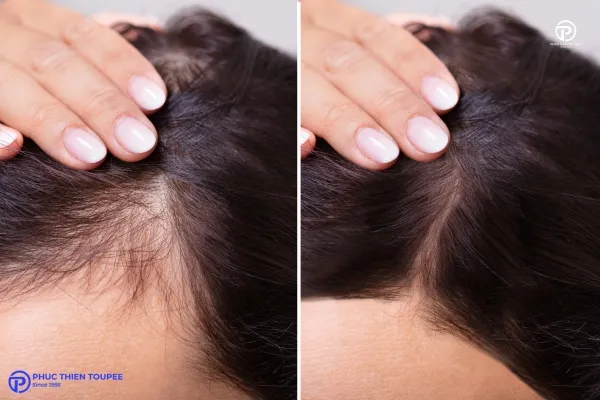
Prevention Tips for Aging Hair
While completely halting the biological aging process isn’t possible, proactive steps can help maintain hair health for longer and potentially slow the rate of age-related thinning.
- Early Intervention: When to Seek Help: Recognizing the initial signs of thinning and seeking professional advice promptly can make a significant difference. Don’t wait until hair loss is advanced.
- Maintaining a Healthy Lifestyle: Balanced Diet: Consistently provide your hair follicles with the necessary nutrients (protein, vitamins, minerals) throughout life.
- Protecting Hair from Environmental Damage: Sun Protection: Wear a hat or use hair products with UV filters when spending extended time in the sun to protect both the hair strands and the scalp. Pollution Shield: Consider using anti-pollution hair products or ensuring thorough but gentle cleansing to remove environmental residues.
- Choosing the Right Hair Care Products: Mild Shampoos: Opt for sulfate-free, gentle cleansers that don’t strip the scalp of its natural oils excessively. Moisturizing Conditioners: Keep hair hydrated and less prone to breakage, especially important as hair can become drier with age.
- Regular Scalp Checkups: Periodically examining your own scalp or having a professional look at it can help catch early signs of change or irritation.