

- 29/05/2025
- Posted by: phucthien
- Categories: Blog, Hair Loss & Hairpiece Options

9 Hair Loss and Thyroid Issues: The Connection and Treatment
Hair Loss and Thyroid problems can be frustrating and concerning, but understanding the connection offers solutions.
How Thyroid Dysfunction Impacts Hair Growth
Thyroid hormones, primarily thyroxine (T4) and triiodothyronine (T3), regulate various bodily functions, including hair growth.
- The Hair Growth Cycle & Thyroid Hormones: Anagen (Growth Phase): Lasts for several years, during which hair follicles actively produce new hair.
- Hypothyroidism and Hair Loss: An In-Depth Look: Hypothyroidism, or an underactive thyroid, occurs when the thyroid gland doesn’t produce enough thyroid hormones.
- Hyperthyroidism and Hair Loss: What You Need to Know: Hyperthyroidism, or an overactive thyroid, occurs when the thyroid gland produces too much thyroid hormone.

Diagnosing Thyroid-Related Hair Loss
Identifying thyroid-related hair loss requires a comprehensive approach involving medical history, physical examination, and laboratory testing.
- Medical History and Physical Examination: A physical examination will involve assessing your hair and scalp for signs of thinning, breakage, and changes in texture.
- Thyroid Function Tests: The Key to Diagnosis: The most important step in diagnosing thyroid-related hair loss is to have thyroid function tests performed. TSH (Thyroid-Stimulating Hormone): This is the primary test used to screen for thyroid disorders.
- Other Tests to Rule Out Other Causes: Iron Levels (Ferritin): Iron deficiency can cause hair loss.
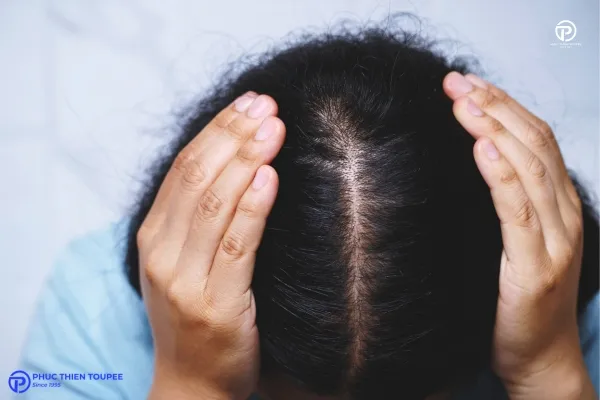
Treating Thyroid-Related Hair Loss: A Comprehensive Approach
The primary goal of treating thyroid-related hair loss is to restore normal thyroid function.
- Thyroid Medication: The Foundation of Treatment: Hypothyroidism Treatment: The standard treatment for hypothyroidism is thyroid hormone replacement therapy with synthetic levothyroxine (Synthroid, Levoxyl). Levothyroxine replaces the missing T4 hormone, helping to restore normal thyroid function.
- Supporting Hair Regrowth with Additional Therapies: While thyroid medication is essential, additional therapies can support hair regrowth and improve hair health.
- Lifestyle Changes to Promote Hair Health: Lifestyle changes can play a significant role in supporting hair health.
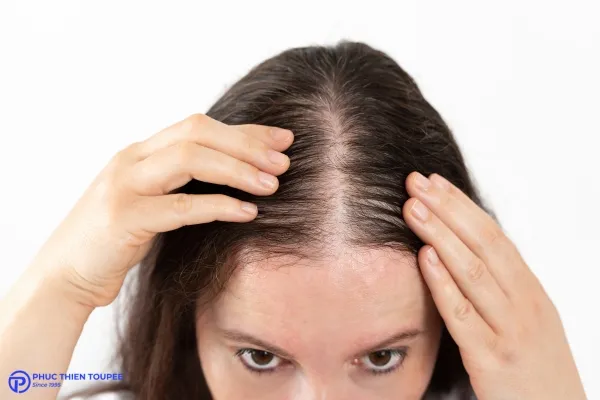
Thyroid Medication and Hair Regrowth: What to Expect
It’s important to have realistic expectations about hair regrowth after starting thyroid medication.
- Timeline for Hair Regrowth: Hair regrowth is a gradual process that can take several months to a year or longer.
- Factors Affecting Hair Regrowth: Severity and Duration of Thyroid Dysfunction: The longer you’ve had a thyroid disorder, the longer it may take for hair to regrow. Compliance with Medication: Taking thyroid medication as prescribed is crucial for restoring normal thyroid function and promoting hair regrowth.
- What to Do if Hair Loss Persists: If you’re not seeing improvement in hair loss after several months of thyroid treatment, consult with your healthcare provider. Adjust Your Medication Dosage: Ensure your TSH levels are within the optimal range.

Can Hyperthyroidism Cause Hair Loss? Understanding the Connection
While often discussed in the context of hypothyroidism, hyperthyroidism can indeed lead to hair loss, though the mechanisms are different.
- Differentiating Hair Loss Patterns: Hypothyroidism: Often associated with dry, brittle hair and hair loss on the outer third of the eyebrows.
- Addressing Hair Loss from Overactive Thyroid: Treatment for hair loss caused by hyperthyroidism focuses on normalizing thyroid hormone levels using antithyroid medications, radioactive iodine therapy, or surgery.
The Role of Autoimmune Diseases in Thyroid-Related Hair Loss
Autoimmune diseases, such as Hashimoto’s thyroiditis (hypothyroidism) and Graves’ disease (hyperthyroidism), are common causes of thyroid dysfunction and can significantly impact hair health.
- Hashimoto’s Thyroiditis and Hair Loss: Hashimoto’s thyroiditis is an autoimmune disorder in which the immune system attacks the thyroid gland, leading to chronic inflammation and reduced thyroid hormone production.
- Graves’ Disease and Hair Loss: Graves’ disease is an autoimmune disorder that causes hyperthyroidism. In Graves’ disease, the immune system produces antibodies that stimulate the thyroid gland, leading to excessive thyroid hormone production.
- Managing Autoimmune Thyroid Diseases for Hair Health: Managing autoimmune thyroid diseases involves a combination of medication, lifestyle changes, and potentially other therapies to address the underlying autoimmune response.
Preventing Thyroid-Related Hair Loss: Proactive Steps
While not all thyroid-related hair loss can be prevented, taking proactive steps can help minimize your risk and support healthy hair growth.
- Regular Thyroid Checkups: If you have a family history of thyroid disorders or are experiencing symptoms suggestive of thyroid dysfunction, regular thyroid checkups are essential.
- Maintaining a Healthy Lifestyle: A healthy lifestyle can support thyroid function and promote hair health.
- Monitoring for Early Signs of Thyroid Dysfunction: Be vigilant about monitoring for early signs of thyroid dysfunction, such as fatigue, weight changes, mood swings, and changes in hair or skin. If you notice any of these symptoms, consult with your healthcare provider for evaluation and testing.
Phuc Thien’s Perspective on Hair Loss and Thyroid
Phuc Thien understands the emotional impact of hair loss, especially when it’s related to a medical condition like thyroid dysfunction.
- Personalized Solutions from Phuc Thien: At Phuc Thien, we offer personalized solutions to help you manage hair loss and restore your confidence.
- Empowering You to Take Control: We believe in empowering you to take control of your hair health. By understanding the connection between hair loss and thyroid function, you can make informed decisions about your treatment and lifestyle.