
- 04/06/2025
- Posted by: phucthien
- Categories: Blog, Custom Hair Systems, Styling, Color & Lifestyle
No Comments

4 Popular Custom Hair Texture Types
Custom hair textures represent a fantastic solution for individuals seeking to express their unique style and enhance their confidence.
Understanding Custom Hair Textures
- What Are Custom Hair Textures?: Custom hair textures are specially designed hair systems that cater to individual preferences and needs. Unlike ready-made wigs or extensions, these systems are tailored to match the wearer’s unique hair texture, color, style, and head size.
- Why Choose Custom Over Off-the-Shelf Options?: While off-the-shelf hair solutions can be convenient, they often lack the personalization needed for a truly natural look. Perfect Match: Tailored to your specific hair characteristics. Versatility: Allows for a wide range of styling options. With custom hair textures, this is not just a dream but a reality.

4 Popular Custom Hair Texture Types
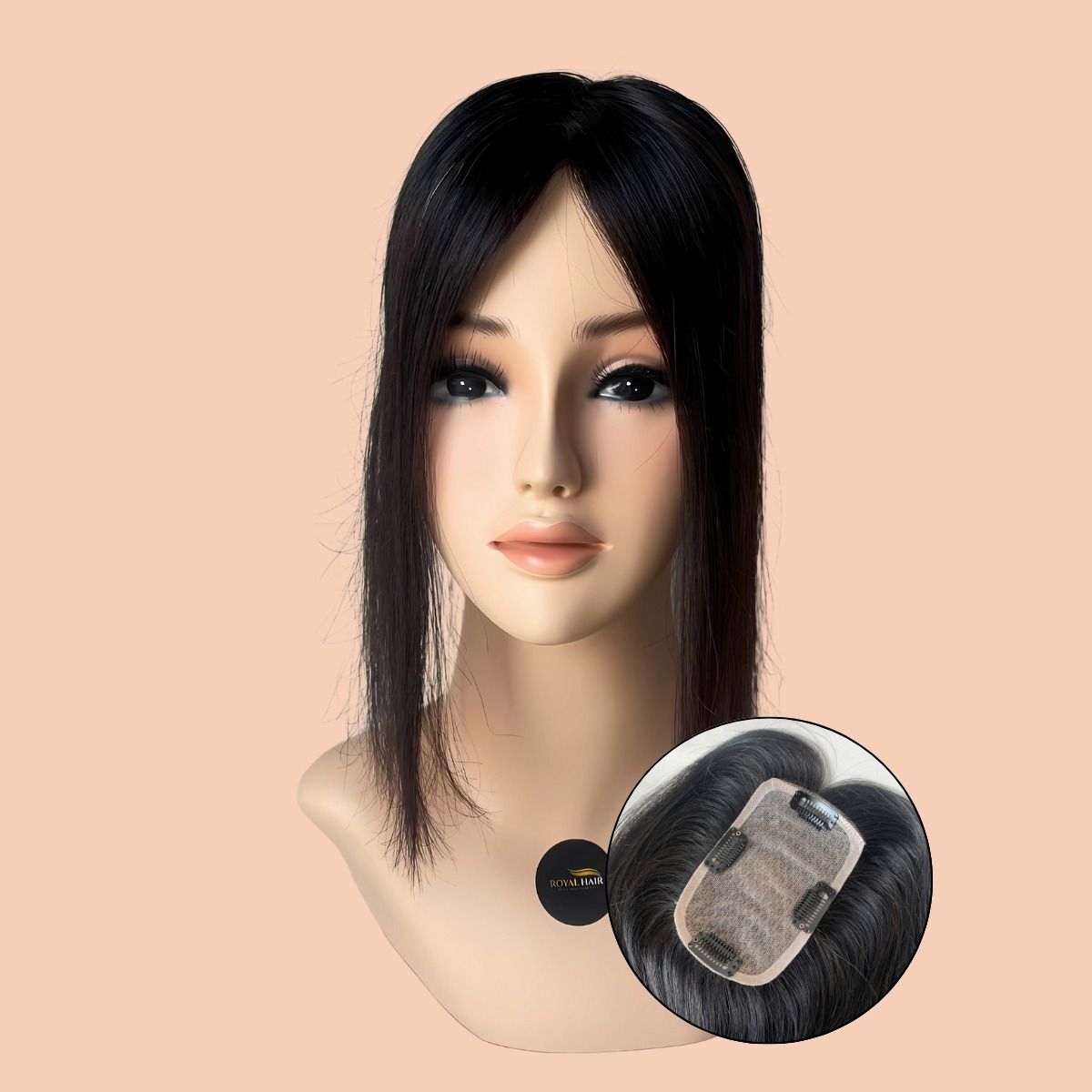
- 1. Straight Hair Textures (Type 1): Straight hair textures are prized for their smooth surface, high shine potential, and ease of management. Within a custom hair system, straight hair offers incredible versatility, easily adapting to various cuts and styles, from sharp bobs to long, flowing layers. Coarser straight hair (1C) often has more body and can sometimes be resistant to curling.
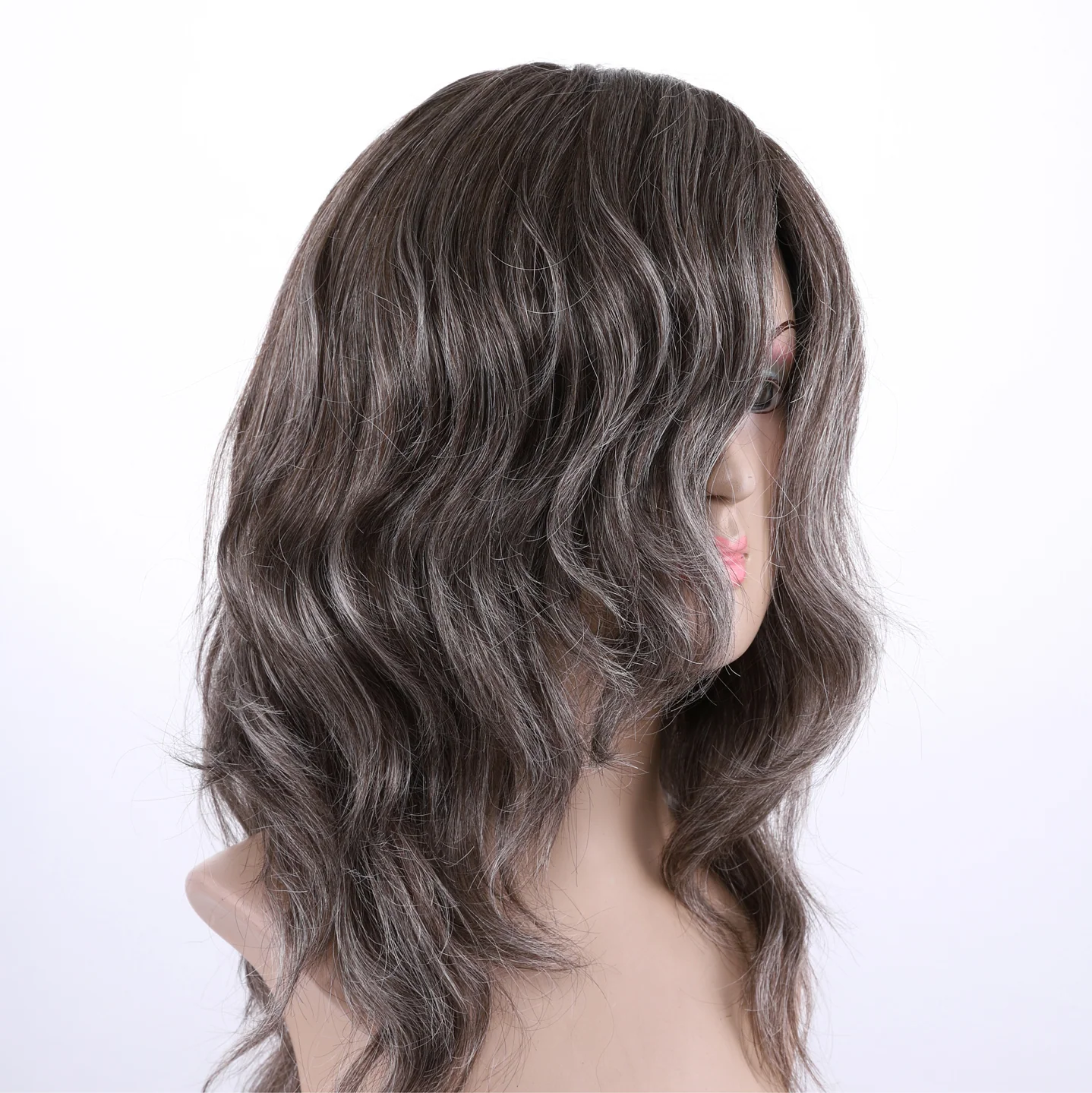
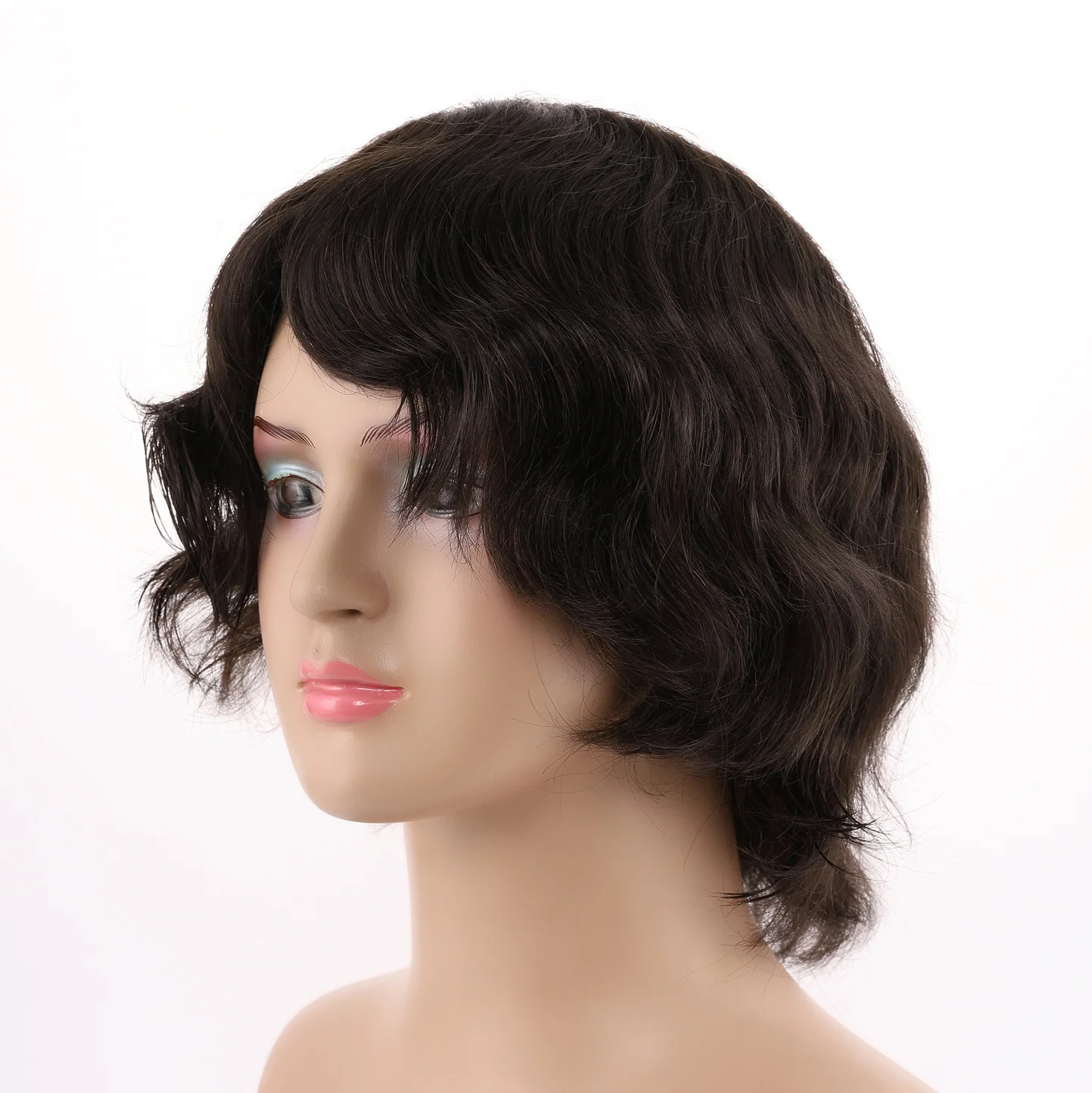
- 2. Wavy Hair Textures (Type 2): Wavy hair textures offer a beautiful balance between the smoothness of straight hair and the volume of curly hair. Characterized by gentle, ‘S’-shaped bends, wavy textures provide natural body and movement. Feel and Movement: Generally feels soft but can have more texture than straight hair, especially in 2C types.
- 3. Curly Hair Textures (Type 3): Curly hair is defined by distinct, springy curls that form loops or spirals.
- 4. Kinky Hair Textures (Type 4): Kinky hair, also known as coily or afro-textured hair, is characterized by tightly packed coils or zig-zag patterns. Essential for individuals wanting to match their natural kinky texture perfectly or use the system as a long-term protective style.
Key Considerations for Choosing the Right Texture
Selecting the ideal hair texture for your custom system involves careful consideration of several factors.
- Hair Density and Thickness: Hair density refers to the number of hair strands per square inch on the scalp, while hair thickness refers to the diameter of individual hair strands. Understanding your natural hair density and thickness is crucial for achieving a realistic and balanced look with your custom hair system.
- Curl Pattern and Formation: Matching your natural curl pattern is essential for a seamless blend. Consider the size, shape, and definition of your curls or waves when selecting a custom hair texture.
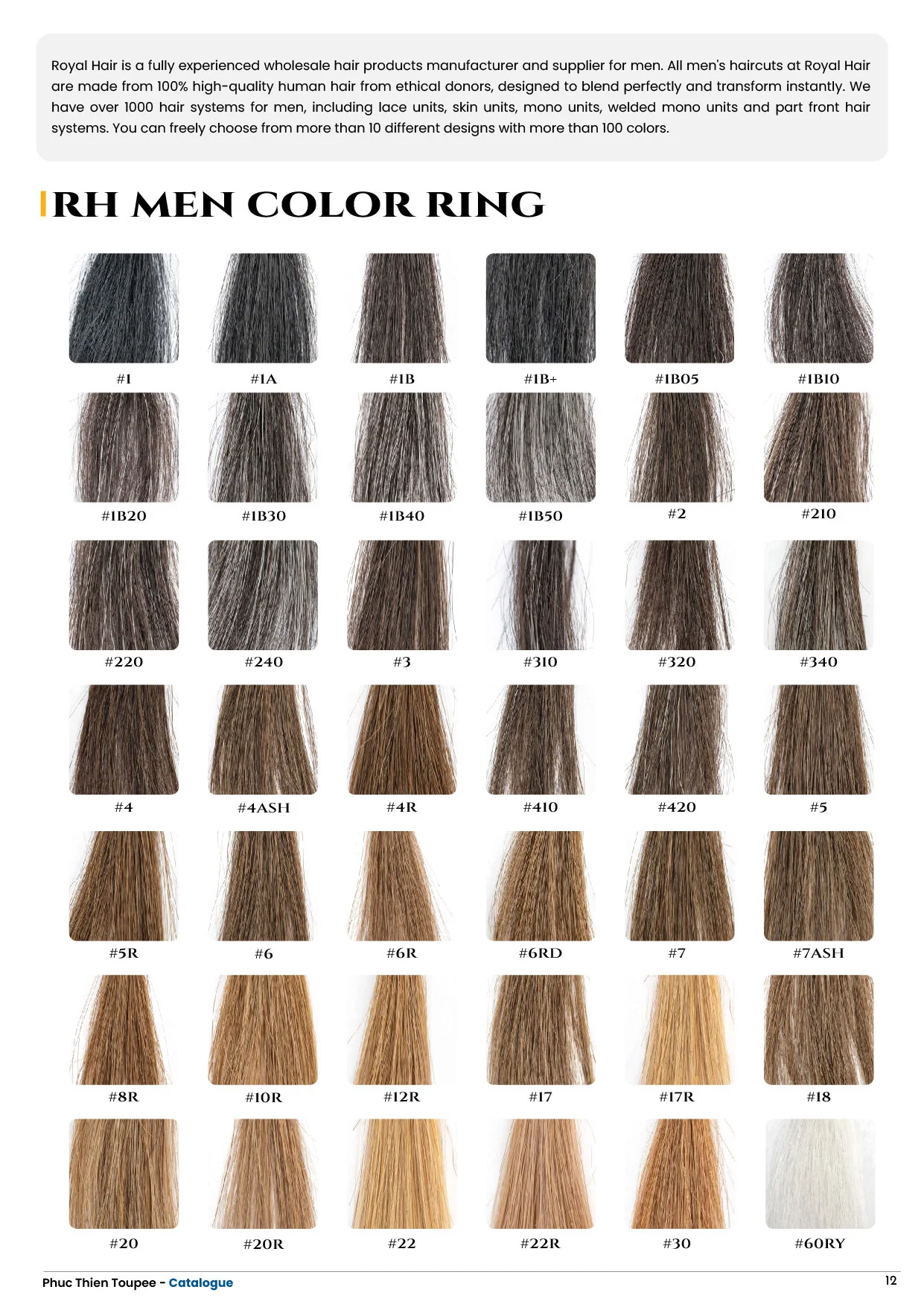
- Natural Hair Color Matching: Accurately matching your natural hair color is crucial for a natural-looking result. Consider the base color, highlights, and lowlights when selecting a custom hair system.
- Lifestyle and Maintenance: Your lifestyle and willingness to maintain your hair system should also be considered. Expert Tip: “When choosing a custom hair texture, it’s essential to consider your lifestyle and how much time you’re willing to dedicate to styling and maintenance,” advises Phuoc Thien, founder of Phuc Thien Toupee.
Custom Hair Texture Creation Methods
Creating a custom hair texture is an art that requires skill, precision, and attention to detail.
- The Consultation and Design Process: The process begins with a thorough consultation to understand the client’s needs, preferences, and hair characteristics. Analyzing natural hair texture, color, and density.
- Sourcing High-Quality Human Hair: The quality of the hair used in the custom system is paramount. High-quality human hair, such as Remy hair, is preferred for its natural look, feel, and durability.
- Custom Wig Cap Construction: The wig cap is the foundation of the hair system.
- Blending and Matching Textures: Using specialized tools and techniques to manipulate the hair.
- Coloring and Styling: The final step involves coloring and styling the hair system to match the client’s desired look. Custom color blending to achieve the perfect shade. Professional styling to create the desired shape and volume.
Caring for Your Custom Hair System
Proper care is essential to prolong the life and maintain the beauty of your custom hair system.
- Washing and Conditioning: The Foundation of Care: Proper cleansing removes product buildup, sweat, and environmental debris without stripping essential moisture. Frequency: Generally, wash your system every 7-14 wears, or sooner if there’s significant product buildup or exposure to strong odors (like smoke). Detangle First: Before wetting, gently detangle the hair using a wide-tooth comb or your fingers, starting from the ends and working upwards.
- Detangling and Styling: Maintaining Texture and Flow: Gentle handling during detangling and styling prevents breakage and preserves the hair’s texture. Detangling Tools: A wide-tooth comb is essential for all textures.
- Storage Solutions: Protecting Between Wears: Proper storage maintains the system’s shape, prevents tangling, and protects it from dust and damage. Ideal Storage: Store your hair system on a wig stand, mannequin head, or in its original box when not in use.
- Maintenance Schedule: Routine Upkeep for Longevity: Consistency is key to long-term hair system health. Daily: Gently brush or comb (as appropriate for the texture) to remove tangles, especially before and after wear.