

- 25/05/2025
- Posted by: phucthien
- Category: Blog
Custom Hair System Warranty gives you peace of mind, safeguarding your investment in a natural-looking and confidence-boosting hair replacement. Phucthien offers robust warranty solutions that ensure the longevity and satisfaction of your custom hair systems. Invest in confidence with a custom hairpiece guarantee.
A comprehensive hairpiece insurance is essential for your peace of mind. Discover peace of mind, knowing your investment is protected by Phucthien’s reliable warranties.
What Is A Custom Hair System Warranty? Defining The Basics
Navigating the world of hair systems can involve new terminology. Let’s clarify what a custom hair system warranty truly entails.
Core Definition And Purpose
At its core, a Custom Hair System Warranty is a formal promise made by the manufacturer or supplier (like Phucthientoupee) to the purchaser. This promise typically states that the hair system is free from specific defects in materials and workmanship for a designated period. The primary purpose is twofold:
- Quality Assurance: It signals the provider’s commitment to quality standards during the manufacturing process.
- Consumer Protection: It offers the buyer protection against faults that are not a result of normal usage or improper care, providing a mechanism for repair or replacement if such defects occur within the warranty timeframe.
This assurance builds trust and provides tangible value beyond the physical product itself.
Your peace of mind: Understand Custom System Longevity and protect your Custom Hair System Investment
Warranty vs Guarantee: Key Differences
While often used interchangeably in casual conversation, warranty and guarantee can have distinct implications, particularly in a commercial context.
- Warranty: Typically refers to a written statement confirming the quality or performance of a product and promising repair or replacement in case of defects within a specified period. It often details specific conditions, exclusions, and claim procedures. Warranties are generally more formal and legally structured.
- Guarantee: Can be a broader term, sometimes representing a more general assurance of quality or satisfaction. While some guarantees function like warranties (e.g., money-back guarantee), others might be less specific about the remedy or duration.
In the context of custom hair systems, the term ‘warranty’ usually implies a more detailed, condition-specific agreement covering manufacturing flaws. Phucthientoupee provides clear warranty documentation outlining coverage specifics.
🎨 Your style, your hair — we make it exactly how you want.
Why Providers Offer Warranties (Trust, Quality Assurance)
Reputable providers like Phucthientoupee offer warranties for several key reasons:
- Building Trust: A clear warranty demonstrates transparency and builds confidence between the provider and the client. It shows we stand behind our products.
- Demonstrating Quality: Offering a warranty signifies that the provider uses high-quality materials and employs skilled craftsmanship, anticipating that the product will perform well under normal conditions.
- Competitive Advantage: A strong warranty can differentiate a provider in the market, attracting clients who value security and reliability.
- Customer Relationship Management: It provides a structured process for addressing issues, potentially turning a negative experience (a defect) into a positive one through effective resolution, thereby strengthening the customer relationship.
Ultimately, a warranty is a cornerstone of a positive customer experience for a high-value, personalized item like a custom hair system.

Decoding Custom Hair System Warranty Coverage
Understanding precisely what your warranty covers, and just as importantly, what it excludes, is vital. This knowledge prevents misunderstandings and helps you manage expectations effectively. This section directly addresses the search intent regarding custom hair system warranty coverage.
Typical Inclusions: What Is Generally Covered?
Most standard custom hair system warranties focus on issues arising directly from the manufacturing process or inherent defects in the materials used. Common inclusions are:
- Manufacturing Defects:
- Premature Base Tearing/Splitting: The base material (lace, skin, poly, mono) tearing or developing holes unreasonably early, assuming proper handling. For example, a significant tear appearing within the first few weeks on a new poly base without undue stress.
- Knotting Issues: This could include improperly sealed knots leading to rapid, excessive shedding beyond the norm shortly after receiving the system, or faulty ventilation techniques causing unnatural hair direction that cannot be styled correctly. Note: Gradual shedding over months is typically considered normal wear.
- Initial Excessive Shedding: While some initial shedding is normal (‘fallout’), a warranty might cover situations where large amounts of hair shed immediately upon receipt or within the first few uses, indicating a knotting or sealing defect. Quantifying ‘excessive’ often depends on the provider’s specific terms, but think losing noticeable patches vs. a few strands.
- Material Integrity (Specific Period): The warranty might cover the base material itself against unexpected degradation (e.g., polyurethane becoming sticky or brittle very quickly) within the defined warranty period, provided it wasn’t caused by incorrect products or environmental factors.
Example Scenario: A client receives their custom French lace system. Within three weeks of normal wear and following recommended care guidelines, a section of the lace base unexpectedly unravels near the perimeter. This would likely be considered a manufacturing defect covered under warranty.
Phucthientoupee ensures rigorous quality control, but our warranty provides recourse for these unlikely events.

Common Exclusions: What Is Usually Not Covered?
Warranties are designed to cover manufacturing faults, not issues arising from usage, aging, or external factors. Common exclusions include:
- Normal Wear and Tear: All hair systems experience gradual degradation over time. This includes:
- Gradual Hair Shedding: Losing hairs naturally over months of use is expected.
- Base Stretching or Minor Changes: Bases may slightly change shape with wear.
- Fraying: Minor fraying on lace edges over time.
- Damage from Improper Maintenance/Products: Using harsh shampoos, unsuitable conditioners, incorrect solvents, or incompatible bonding adhesives can damage the hair and base, voiding the warranty. Always use products recommended by your provider (like those advised by Phucthientoupee).
- Damage from Accidents or Misuse: Tearing the base by catching it on something, heat damage from styling tools set too high, or damage during aggressive washing or removal.
- Alterations by Unauthorized Parties: If you or another salon/stylist attempts repairs, color changes, or other modifications not approved by the original provider, the warranty is typically voided.
- Color Fading: Hair color, especially on human hair systems, naturally oxidizes and fades over time due to exposure to UV light, washing, and environmental factors. This is generally not considered a defect unless the fading is extremely rapid and uneven immediately after purchase, suggesting a potential issue with the initial coloring process (which might be covered, depending on the specific terms).
- Haircut or Styling Issues: The warranty covers the system’s construction, not dissatisfaction with the haircut or style chosen by the client or performed by their stylist after receiving the system.
- Issues Arising from Client’s Biological Factors: Changes in scalp condition (e.g., excessive oiliness affecting bonding) or allergic reactions are typically not covered by the system warranty itself.
🔧 Don’t throw it away — let us restore your old toupee to like-new condition!
Understanding The Fine Print (Importance of Reading T&Cs)
The warranty document, often called Terms and Conditions (T&Cs), is crucial. It contains the specific details about:
- Exact warranty duration.
- What constitutes proof of purchase.
- The precise definition of covered defects.
- The list of exclusions.
- The required procedure for making a claim.
- Who is responsible for shipping costs related to warranty claims.
- Any conditions related to maintenance compliance.
Phucthientoupee encourages all clients to read their warranty documentation carefully upon receiving their custom system. Understanding these details upfront prevents future disappointment and ensures you know how to protect your investment.
Phucthientoupee’s Approach To Coverage
At Phucthientoupee, we believe in transparency and fairness. Our warranty is designed to protect you against genuine manufacturing defects in materials and workmanship. We clearly outline:
- Covered Issues: Focusing on structural integrity of the base and significant initial shedding linked to knotting defects within a defined period.
- Exclusions: Clearly stating what constitutes normal wear, improper care, or accidental damage.
- Claim Process: Providing a straightforward process for initiating a claim.
Our experience and expertise allow us to assess issues fairly, distinguishing between manufacturing faults and usage-related problems. We stand behind the quality of our custom hair systems and aim for complete client satisfaction, backed by a reliable hair unit assurance policy.

Exploring Custom Hair System Warranty Options
Not all warranties are created equal. Depending on the provider and the specific product, you might encounter different warranty structures and options. Understanding these helps you evaluate the protection offered. This section addresses the custom hair system warranty options search intent.
Standard Warranty Periods
This is the basic warranty included with the purchase of your custom hair system. The duration can vary significantly based on the provider and the type of system.
- Common Durations: Typically range from 30 days to 90 days (1-3 months). Some providers might offer up to 6 months, although this is less common for the standard included warranty, especially for delicate bases like ultra-thin skin.
- Purpose: Primarily covers immediate or early-onset manufacturing defects that become apparent shortly after you start wearing the system.
Phucthientoupee provides a clear standard warranty period for all custom systems, detailed in your purchase agreement.
Extended Warranty Possibilities
Some providers may offer the option to purchase an extended warranty, which prolongs the coverage period beyond the standard term.
- Availability: Not universally offered, more common with larger companies or specific high-end products.
- Cost: Involves an additional fee, calculated based on the extension duration and potentially the system’s value.
- Benefits: Provides longer peace of mind, covering potential defects that might manifest later (though still excluding wear and tear).
- Consideration: Evaluate the cost versus the likelihood of a late-appearing manufacturing defect. Most true manufacturing flaws surface relatively early. Weigh this against the cost of potential repairs or earlier replacement without the extended coverage.
Phucthientoupee currently focuses on providing a robust standard warranty reflecting our quality. We encourage discussing long-term care and maintenance for optimal system longevity.

Tiered Warranty Structures
Less common in the custom hair system industry but possible, some providers might offer different tiers of warranty coverage at varying price points.
- Basic Tier: Might cover only catastrophic failures (e.g., major base disintegration) for a short period.
- Premium Tier: Could offer slightly longer coverage, potentially include one minor repair, or have a more lenient interpretation of defects.
This structure is more typical in electronics or automotive industries. Most hair system providers offer a single, standard warranty definition. Always clarify the exact terms of the warranty offered with your purchase.
🧵 Every stitch, every strand — we take care of every detail.
Repair Vs Replacement Policies
A critical aspect of any warranty is understanding how a valid claim will be resolved. The two main outcomes are:
- Repair: If the defect is minor and repairable (e.g., fixing a small tear in the base, adding hair to a small area with defective knotting), the provider will typically opt to repair the system. This is often faster and more cost-effective. Phucthientoupee has skilled technicians capable of performing expert repairs.
- Replacement: If the defect is significant, affects the structural integrity, or cannot be reliably repaired (e.g., widespread base failure, massive initial shedding due to poor knotting across the system), the provider will replace the unit with a new one made to the original specifications.
The warranty terms should specify the provider’s right to choose between repair or replacement at their discretion, based on the nature of the defect. The goal is always to restore the system to its proper functional state as per the original order.
Duration Of Custom System Warranties
The length of time your warranty remains valid is a crucial factor. This section explores the typical durations and the factors influencing them, addressing the length of custom hair system warranty search intent.
Factors Influencing Warranty Length
The warranty period offered is often linked to the expected durability and characteristics of the hair system itself. Key factors include:
- Base Material: More delicate bases often have shorter warranty periods.
- Ultra-Thin Skin (Polyurethane): (.02mm – .04mm) These offer incredible realism but are very fragile. Warranties might be shorter, often 30-60 days, reflecting their delicate nature.
- Thin Skin / Standard Poly: (.06mm – .08mm+) More durable than ultra-thin, potentially allowing for slightly longer warranties (e.g., 60-90 days).
- Lace (French/Swiss): Lace is breathable and offers a natural hairline but can be prone to fraying over time. Warranties often fall in the 60-90 day range. Swiss lace is finer and potentially more delicate than French lace.
- Monofilament: Known for durability, potentially supporting warranties towards the longer end of the standard range (e.g., 90 days).
- Combination Bases: Hybrid bases (e.g., lace front with poly perimeter) warranty might reflect the most delicate component or an average.
- Hair Type and Processing: While less direct than base type, heavily processed hair might be considered more prone to dryness or breakage, although this is usually managed through care rather than warranty. Warranty primarily covers construction.
- Supplier/Manufacturer Standards: Different manufacturers have varying quality control processes and confidence levels, influencing the warranty duration they are comfortable offering. Phucthientoupee maintains high standards across all custom system types.
- Market Norms: Providers often align their warranties with general industry practices.
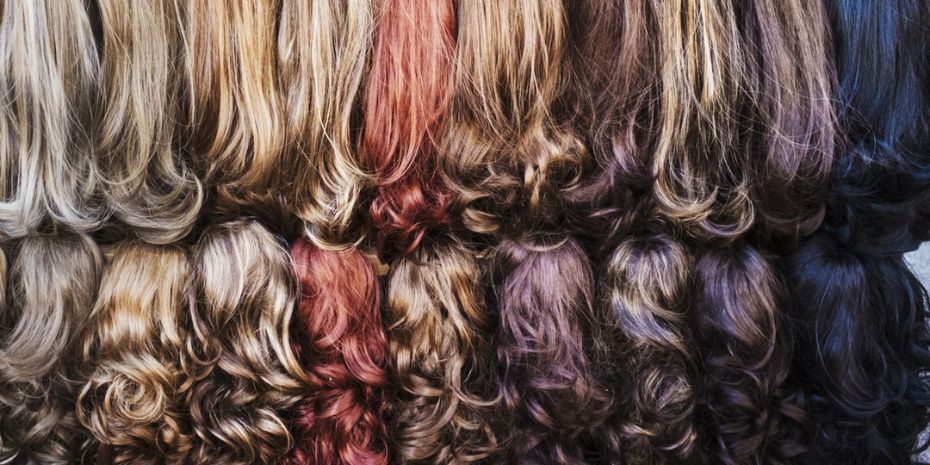
Industry Averages And Benchmarks
While specifics vary, you can expect the following general ranges for standard warranties on custom hair systems:
- Minimum: Around 30 days.
- Average: 60 to 90 days (2-3 months).
- Maximum (Standard): Rarely exceeds 6 months for the included warranty.
Extended warranties, if purchased separately, might extend coverage to 6 months or potentially up to a year, but this is less common and comes at an extra cost. Always confirm the exact duration specified in your warranty agreement.
How Maintenance Impacts Warranty Validity
This is a critical point often overlooked. Failure to follow the provider’s recommended maintenance procedures and use approved products can void your warranty.
- Why it Matters: Using harsh chemicals, improper bonding/removal techniques, or neglecting cleaning can cause damage mistaken for a manufacturing defect. Providers need assurance that the client has cared for the system correctly to honor a warranty claim.
- Provider Guidelines: Phucthientoupee provides clear care instructions tailored to your specific system. Following these guidelines is essential not only for warranty compliance but also for maximizing the lifespan and appearance of your hair system.
- Documentation: Keeping records of purchased care products (especially if provider-specific) can sometimes be helpful, although usually, the condition of the returned system reveals whether proper care was followed.
Comparing Warranty Durations By Base Type
| Base Material Type | Typical Durability | Common Standard Warranty Range | Key Considerations |
| Ultra-Thin Skin (<0.04mm) | Low | 30-60 Days | Extreme realism, very delicate, short lifespan |
| Standard Thin Skin | Medium | 60-90 Days | Good realism, moderate durability |
| French Lace | Medium | 60-90 Days | Natural hairline, breathable, can fray over time |
| Swiss Lace | Medium-Low | 60 Days (approx) | Finest lace, most undetectable, more delicate |
| Monofilament | High | 90 Days (or slightly more) | Very durable, less undetectable at hairline |
| Hybrid (Lace/Poly) | Medium-High | 60-90 Days | Balances realism (front) with durability (perimeter) |
Note: This table provides general industry estimates. Always refer to the specific warranty offered by Phucthientoupee for your chosen system.
🔄 Extend the lifespan of your hair system with our professional repairs.
The Cost Associated With Custom System Warranties
Understanding any costs related to your warranty helps in budgeting and evaluating the overall value proposition. This section covers the cost of custom hair system warranty search intent.
Is The Warranty Included Or Extra?
- Standard Warranty: For reputable providers like Phucthientoupee, the standard warranty covering manufacturing defects for a specified period (e.g., 30-90 days) is typically included in the purchase price of the custom hair system. It’s considered part of the product offering and quality assurance.
- Extended Warranty: If a provider offers an extended warranty option (providing coverage beyond the standard period), this will almost always involve an additional cost. This is essentially purchasing extra protection.
Be sure to clarify upfront whether the discussed warranty is the standard included one or an optional, paid extension.
Factors Determining Extended Warranty Costs
If you are considering purchasing an extended warranty (where available), the cost will likely depend on:
- Length of Extension: A longer extension period (e.g., 1 year vs. 6 months) will cost more.
- Cost of the Hair System: Higher-value systems might have proportionally higher extended warranty costs.
- Type of Hair System: More delicate or complex systems might have higher extended warranty fees due to a perceived higher risk of issues (even though most issues covered are manufacturing, not wear-related).
- Provider’s Pricing Structure: Each provider sets their own pricing for optional services.
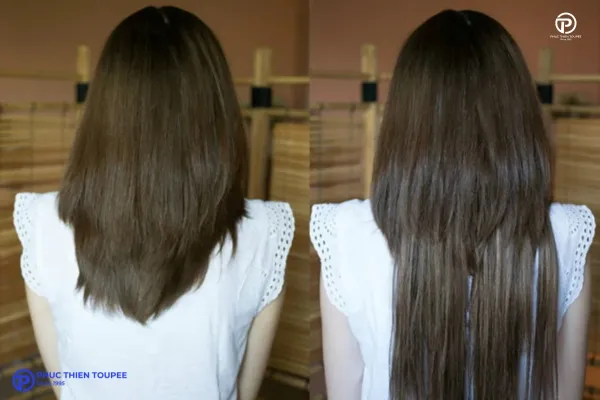
Calculating The Value: Is An Extended Warranty Worth It?
Evaluating the worth of an optional, paid extended warranty requires a cost-benefit analysis:
- Cost: What is the upfront fee for the extension?
- Benefit: What is the potential cost of a repair or replacement if a manufacturing defect occurs during the extended period? Consider the likelihood of such a defect appearing after the standard warranty period has already passed (most true defects appear early).
- Risk Assessment: How likely do you think such a late-onset manufacturing defect is? (Remember, wear and tear is NOT covered).
- Peace of Mind: Does the added security significantly reduce your anxiety about the investment, regardless of the statistical likelihood?
For many users, the standard included warranty is sufficient, as manufacturing issues tend to surface quickly. Investing the money saved from an extended warranty into proper maintenance products and perhaps saving towards the next system might be a more practical approach. However, personal risk tolerance varies.
Phucthientoupee focuses on robust initial quality and clear standard warranty terms, ensuring value from the start.
Potential Hidden Costs To Be Aware Of
Even with included standard warranties, there can sometimes be associated costs during the claim process:
- Shipping Costs: Warranty terms should specify who pays for shipping the system back to the provider for inspection and shipping it back to the client after repair/replacement. Often, the client bears the cost of shipping to the provider, while the provider covers the return shipping if the claim is valid. Phucthientoupee clarifies shipping responsibilities in our warranty policy.
- Inspection Fees: Some providers might charge an inspection fee if a system is returned under warranty, but the issue is found not to be a covered manufacturing defect (e.g., it’s clear user damage). This fee covers the technician’s time.
- Temporary Replacement Costs: While your system is away for warranty inspection/repair (which can take time), you might need a temporary solution (e.g., an older system, a hat) which represents an indirect cost or inconvenience.
Always read the warranty T&Cs carefully to understand any potential costs associated with making a claim. Transparency is key.
🔍 Looking for a specific size, base, or hair color? Order a fully personalized toupee now!
Transferring A Custom Hair System Warranty
What happens to the warranty if you decide to sell your hair system or give it to someone else? This section addresses the transferring a custom hair system warranty search intent.
Is Transferability Common?
Generally, custom hair system warranties are not transferable. The warranty is an agreement between the original provider (e.g., Phucthientoupee) and the original purchaser whose specific needs and head shape the system was designed for.
- Reasons for Non-Transferability:
- Customization: The system is made for one specific individual. Its fit and specifications are unique.
- Maintenance History: The provider has a relationship with the original owner and trusts (or instructs) them on proper care. They have no way of knowing how a subsequent owner might treat the system.
- Proof of Purchase: Warranties are tied to the original sales record.
- Complexity: Managing warranty transfers adds administrative complexity and potential for disputes.
Supplier Policies On Warranty Transfers
The vast majority of hair system suppliers explicitly state in their warranty terms that the warranty is non-transferable and applies only to the original purchaser. Attempting to claim warranty service for a system purchased second-hand will likely be denied.
Potential Scenarios And Challenges
- Private Sale: If you sell your used custom hair system to another individual, the warranty coverage effectively ends with the original purchaser. The new owner buys the system ‘as is’ without any warranty protection from the original provider.
- Inheritance: In the unfortunate event of the original owner passing away, the warranty typically becomes void. It doesn’t usually pass to heirs.
- Gifting: Even if gifted new, the warranty technically remains with the original purchaser named on the invoice.
The core challenge is the break in the direct relationship and traceability between the provider and the person currently possessing the system.
How To Make A Warranty Claim: A Step-By-Step Guide
If you believe your custom hair system has a defect covered by warranty, following the correct procedure is essential for a smooth resolution. Here’s a typical step-by-step guide:
Step 1: Identify The Issue (Is it covered?)
Carefully examine the problem. Does it seem like a flaw in how the system was made (e.g., base tear in a low-stress area, very unusual knotting) rather than damage from use or normal wear (gradual shedding, fading)? Review your warranty documentation’s list of inclusions and exclusions. If unsure, it’s often best to proceed to the next step, but having a clear idea helps.
Step 2: Document The Problem
Clear documentation is crucial.
- Take Photos/Videos: Capture clear, well-lit images or short videos showing the defect. Include overall shots of the system and close-ups of the specific problem area. If it’s shedding, try to show the amount of hair lost compared to the surrounding density.
- Write a Description: Note down when you first noticed the issue, how it has progressed (if applicable), and how you have been caring for the system (confirming you followed recommended procedures). Include your original order number and purchase date.
Step 3: Contact The Provider (Phucthientoupee contact info/process)
Reach out to the provider through their specified channel for warranty claims. For Phucthientoupee clients:
- Contact Method: Use the customer service email address or phone number provided with your order documentation or listed on our official website.
- Provide Information: Clearly state you wish to initiate a warranty claim. Provide your name, order number, date of purchase, and attach the photos/videos and written description from Step 2.
Prompt communication is key; warranty periods are time-limited.
Step 4: Follow Provider Instructions (Shipping, inspection)
The provider will review your initial claim information. They will then instruct you on the next steps, which usually involve:
- Return Authorization: You may receive a Return Merchandise Authorization (RMA) number, which must be included with your returned system.
- Shipping Instructions: You will be told where and how to ship the system back for inspection. Follow packaging instructions carefully to prevent further damage during transit. Remember to clarify who is responsible for shipping costs (as per your warranty terms). Usually, the client ships the system to the provider at their own cost initially.
- Cleaning: Providers almost always require the system to be thoroughly cleaned before return. Returning a soiled system can delay the process or even void the claim.
Step 5: Resolution Process (Repair, replacement, timeline)
Once the provider receives the system, their technicians will inspect it to determine if the issue is a covered manufacturing defect.
- Inspection: This involves examining the base, hair, knotting, and overall construction.
- Decision: The provider will inform you of their findings:
- Claim Approved: If a covered defect is confirmed, they will inform you whether they will repair or replace the system, along with an estimated timeline. Phucthientoupee aims for efficient resolution.
- Claim Denied: If the issue is deemed not covered (e.g., user damage, normal wear), they will explain why and discuss options for paid repair (if possible) or returning the system to you as is.
- Timeline: Warranty resolution can take time, potentially several weeks, factoring in shipping, inspection, and repair/replacement manufacturing time. Be patient but feel free to request updates if the process exceeds the estimated timeframe.
Following these steps diligently maximizes your chances of a successful warranty claim process.
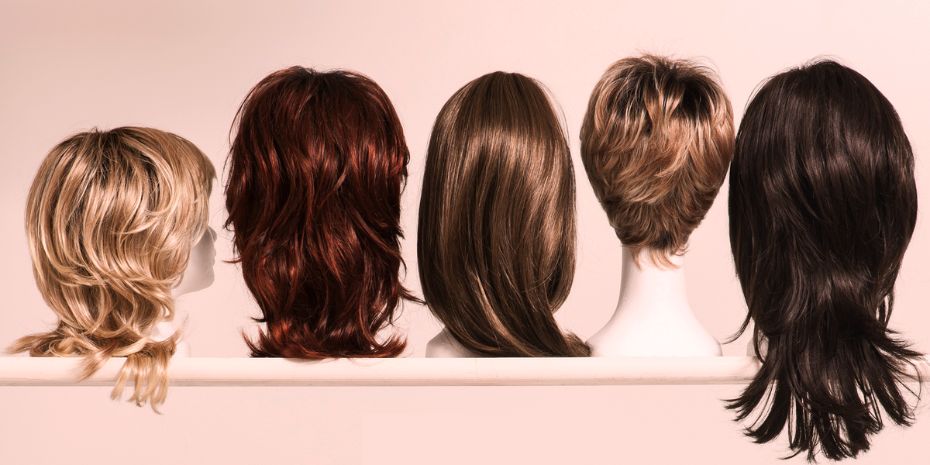
Maximizing Your Warranty And Hair System Lifespan
While the warranty covers manufacturing defects, the longevity and appearance of your hair system largely depend on you. Proper care not only extends the life of your system far beyond the warranty period but also ensures you don’t inadvertently void your coverage.
Adhering To Recommended Maintenance Routines
Consistency is key. Follow the specific cleaning and maintenance schedule provided by Phucthientoupee for your system type.
- Regular Cleaning: Remove adhesive residue properly and wash the hair and base gently according to instructions.
- Conditioning: Keep the hair hydrated with appropriate conditioners to prevent dryness and tangling (avoiding the base/knots).
- Bonding/Attachment: Use recommended products and techniques for attachment and removal to avoid damaging the base.
Using Approved Hair Care Products
This is crucial for both warranty compliance and system health.
- Shampoos/Conditioners: Use sulfate-free, color-safe products specifically designed for processed human hair or synthetic hair, as appropriate. Avoid harsh detergents.
- Adhesives/Tapes/Solvents: Only use bonding products and removers confirmed compatible with your base material by your provider. Incorrect solvents can destroy poly bases or damage lace. Phucthientoupee can recommend suitable product lines.
✨ A toupee shouldn’t just hide hair loss — make it a style statement!
Proper Handling And Storage Techniques
Gentle handling prevents accidental damage.
- Washing/Drying: Avoid harsh scrubbing or wringing. Pat dry gently with a towel and allow to air dry when possible, or use a blow dryer on a low/cool setting.
- Brushing/Combing: Use a wide-tooth comb or specialized loop brush. Start detangling from the ends, working your way up to the base. Be especially gentle near the base to avoid loosening knots.
- Storage: When not wearing the system, store it on a mannequin head or in its box to maintain shape and prevent tangling or crushing. Keep it away from direct sunlight and excessive heat.
Guaranteed quality: Learn about Custom System Costs and Custom System Repair Options for lasting confidence
Regular Professional Check-ups (If applicable)
If you visit a salon for attachment and styling, ensure they are experienced with custom hair systems and follow best practices. Occasional professional cleaning and conditioning can also be beneficial. Inform your stylist about the specific care requirements recommended by Phucthientoupee.
By investing time in proper care, you actively contribute to the durability and beauty of your hair system, making the most of your investment long after the warranty period expires.
Phuc Thien Toupee Co., Ltd
Design Brand: Royal Hair Vietnam
Office Address:
🏢 Room A909, Decapella Building, 116 Luong Dinh Cua Street, An Khanh Ward, Thu Duc City, Ho Chi Minh City 700000, Vietnam
Factory Address:
🏭 No. 26/9, Street 57, Thuong Hamlet, Tan Thong Hoi Ward, Cu Chi District, Ho Chi Minh City 700000, Vietnam
Email: ✉️ phucthientoupeevn@gmail.com
Phone / WhatsApp: 📞 +84 933 901 196
Websites: 🌐 phucthientoupee.com – 🌐 royalhair.shop



