

- 15/05/2025
- Posted by: phucthien
- Category: Blog

Custom hair system costs represent an investment in confidence and a natural appearance. Exploring the factors that influence these costs will help you make an informed decision. Phucthientoupee offers tailored solutions for hair loss, and understanding the price variations is key to finding the perfect custom-made hair replacement system for your needs. Explore options like personalized wigs, hairpieces, and bespoke toupees.
In this guide, Phucthien Toupee will discuss all the factors impacting the overall expenditure of bespoke hair solutions. We’ll cover materials, labor, customization, and other significant variables to help you understand the price drivers. This exploration will help you to make smart and confident decisions.
Decoding Custom Hair System Costs
The cost of a custom hair system isn’t a fixed number. Instead, it’s a multifaceted calculation influenced by several key factors. Phucthien Toupee believes in transparency, so let’s dissect these elements:
Base Material & Construction Costs
The foundation of any hair system lies in its base material. This impacts comfort, durability, and naturalness. Here’s a breakdown:
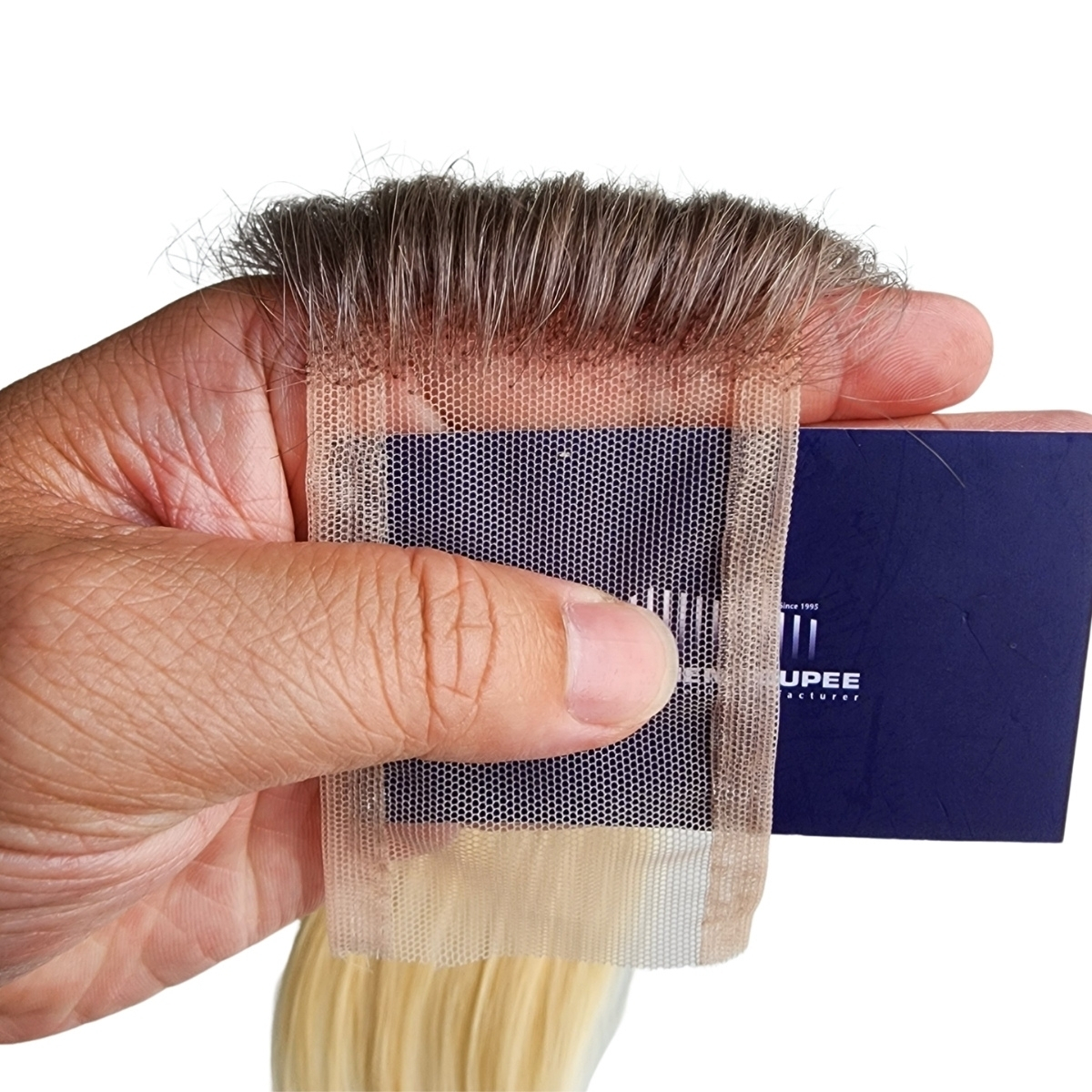
- Lace: Known for its breathability and natural hairline appearance. French lace is a popular choice, offering a balance of durability and realism. Expect costs from $200 – $600, depending on the size and lace type.
- Skin (Polyurethane/PU): Mimics the appearance of the scalp. Thinner skin bases offer a more natural look but may be less durable. Costs typically range from $150 – $500.
- Mono Filament: Offers a good balance of durability and natural appearance. Hair is individually knotted into the monofilament, allowing for versatile styling. Costs are generally between $250 – $650.
- Combination Bases: Many systems utilize a combination of materials for optimal comfort and aesthetics. For instance, a lace front with a skin perimeter. This can increase costs slightly, generally adding $50 – $150 depending on the complexity.
Example: A full French lace system will likely cost more than a system with a thin skin perimeter due to the labor involved in hand-tying each hair strand to the lace.

Unlock your investment: Explore Custom Hair System Investment and simplify your Custom Hair System Ordering
Hair Type, Length, and Density Costs
The quality, origin, length, and density of the hair used dramatically influence the cost:
- Human Hair vs. Synthetic Hair: Human hair offers the most natural look, feel, and styling flexibility. European hair (often called “Virgin Hair”) is considered the highest quality, with intact cuticles and a fine texture. Synthetic hair is more affordable but lacks the same natural appearance and styling options. Human hair can add $200 – $1000+ to the overall cost.
- Hair Origin: European hair is the most expensive due to its scarcity. Indian hair is a common and more affordable alternative. Asian hair is often thicker and may require processing to achieve a desired texture.
- Hair Length: Longer hair requires more material and labor, thus increasing the price. Expect a significant price jump for systems exceeding 12 inches. Each additional inch beyond 12 inches can add $50-$150.
- Hair Density: Density refers to the amount of hair per square inch of the base. A higher density creates a fuller look, but also requires more hair and labor. High-density systems can be $100 – $300 more expensive than light-density systems.
Example: A system using 18-inch European hair with medium-high density will cost significantly more than a system with 12-inch Indian hair and light density.

Customization & Special Features Costs
The level of personalization significantly impacts the overall cost.
- Template Creation: A precise head template ensures a perfect fit. This involves taking detailed measurements of your head, hairline, and hair loss pattern. Custom templates can cost $50 – $200. Phucthien Toupee specializes in creating exceptionally accurate templates for a seamless fit.
- Hair Color Matching: Matching your existing hair color is crucial for a natural look. Professional color matching, including blending multiple shades, can add $50 – $150.
- Hairline Design: A natural-looking hairline is essential. This involves carefully replicating your natural hairline pattern, including density variations and any recession. Intricate hairline designs can add $100-$300.
- Gray Hair Percentage & Placement: Accurately matching the percentage and distribution of gray hair adds to realism. This requires skilled blending of gray and pigmented hairs. Expect to pay an additional $30-$100 for this customization.
- Hair Direction & Style: Replicating your natural hair direction and incorporating your preferred hairstyle requires expertise. This can add $50 – $150 to the cost.
- Ventilation Method: The method used to attach the hair to the base impacts the look and feel of the system. Different ventilation methods, such as V-looping or injection, offer different levels of realism and durability. Certain methods are more labor-intensive and can increase costs by $50 – $200.
Example: A system with a custom-designed receding hairline, precise gray hair matching, and a complex ventilation method will cost more than a standard system with minimal customization.
✂️ Be unique — create your custom-made toupee today!
Labor & Manufacturing Costs
The craftsmanship involved in creating a custom system is a significant cost factor.
- Hand-Tied vs. Machine-Made: Hand-tied systems offer superior naturalness because each hair strand is individually knotted to the base. Machine-made systems are faster to produce but lack the same level of realism. Hand-tying significantly increases labor costs, adding $100 – $400 to the price.
- Complexity of Design: Intricate designs with multiple base materials, complex hairlines, and unique ventilation methods require more skilled labor.
- Manufacturing Location: Labor costs vary depending on the manufacturing location. Systems made in countries with lower labor costs may be more affordable, but quality can vary.
Example: A system that is entirely hand-tied with a complex combination base will require more labor hours and thus be more expensive.
Average Custom Hair System Costs: A Realistic Range
Given the variables above, providing a precise average cost is challenging. However, here’s a general range to guide you:
- Low-End Custom Systems: $400 – $800. These systems typically use simpler base materials (like thicker skin), lower-quality hair (like processed hair), and minimal customization.
- Mid-Range Custom Systems: $800 – $1500. These systems offer a good balance of quality and customization. They often feature lace fronts, higher-quality hair (like Indian Remy hair), and more detailed customization options.
- High-End Custom Systems: $1500+. These systems use premium materials (like European hair), highly detailed customization, and expert craftsmanship. They offer the most natural look, feel, and durability.
Table: Custom Hair System Cost Breakdown
| Feature | Low-End | Mid-Range | High-End |
| Base Material | Skin | Lace Front | Fine Mono |
| Hair Type | Synthetic/Processed | Indian Remy | European |
| Hair Density | Light | Medium | Medium-High |
| Customization | Minimal | Moderate | Extensive |
| Labor | Machine Assisted | Primarily Hand-Tied | Fully Hand-Tied |
| Estimated Cost | $400-800 | $800-1500 | $1500+ |
Note: These are estimated costs. Prices can vary significantly based on the specific vendor and customization options chosen. Phucthien Toupee offers consultations to provide personalized cost estimates based on your unique needs and preferences.
🎨 Your style, your hair — we make it exactly how you want.
Custom System Costs vs Off-the-Shelf Systems
Off-the-shelf hair systems are pre-made in standard sizes and styles. While they are more affordable upfront, they have limitations:
Table: Custom vs. Off-the-Shelf Hair Systems
| Feature | Custom Hair System | Off-the-Shelf Hair System |
| Fit | Perfect, tailored to your head | Standard sizes, may require adjustments |
| Naturalness | Highly natural, replicates your own hair | Can look less natural |
| Customization | Extensive, tailored to your preferences | Limited or none |
| Durability | Can be more durable with proper care | May be less durable |
| Cost | Higher upfront cost | Lower upfront cost |
| Hair Origin | Multiple options. Match your hair perfectly | Limited hair origin options |
| Long Term Value | Save money due to high quality | More expensive due to low quality |
Pros of Custom Systems:
- Superior Fit: A custom template ensures a comfortable and secure fit.
- Unmatched Naturalness: Customization options allow for a seamless blend with your existing hair.
- Personalized Style: You can choose the hair type, length, density, color, and style that best suits you.
- Increased Confidence: A well-fitted and natural-looking system can significantly boost your confidence.
- Higher Quality Materials: Higher quality hair origins allow for more styling options.
Cons of Custom Systems:
- Higher Initial Cost: Custom systems require a larger upfront investment.
- Longer Lead Time: Custom systems take time to manufacture.
Pros of Off-the-Shelf Systems:
- Lower Cost: Significantly more affordable than custom systems.
- Immediate Availability: Can be purchased and worn immediately.
Cons of Off-the-Shelf Systems:
- Compromised Fit: May not fit perfectly, requiring adjustments that can be costly or ineffective.
- Less Natural Appearance: Can appear less natural due to standard sizes and limited customization.
- Limited Customization: You are limited to the available styles and colors.
- Lower Durability: Often made with lower-quality materials, resulting in a shorter lifespan.
When to Choose a Custom System:
- You prioritize a natural look and perfect fit.
- You have specific styling preferences.
- You are willing to invest in a long-term solution.
- You are looking for more confidence.
When to Choose an Off-the-Shelf System:
- You are on a tight budget.
- You need a hair system immediately.
- You are willing to compromise on fit and naturalness.
Factors Affecting Custom System Costs
Let’s explore some specific factors that can significantly impact the cost of your custom system:
Hairline Complexity
A natural-looking hairline is critical for a believable hair system. Factors influencing hairline cost include:
- Receding Hairline Simulation: Creating a realistic receding hairline requires careful placement of individual hairs and density variations.
- Widow’s Peak Replication: Replicating a natural widow’s peak requires skilled craftsmanship.
- Density Graduation: A gradual transition in density from the hairline to the rest of the system is essential for a natural look.
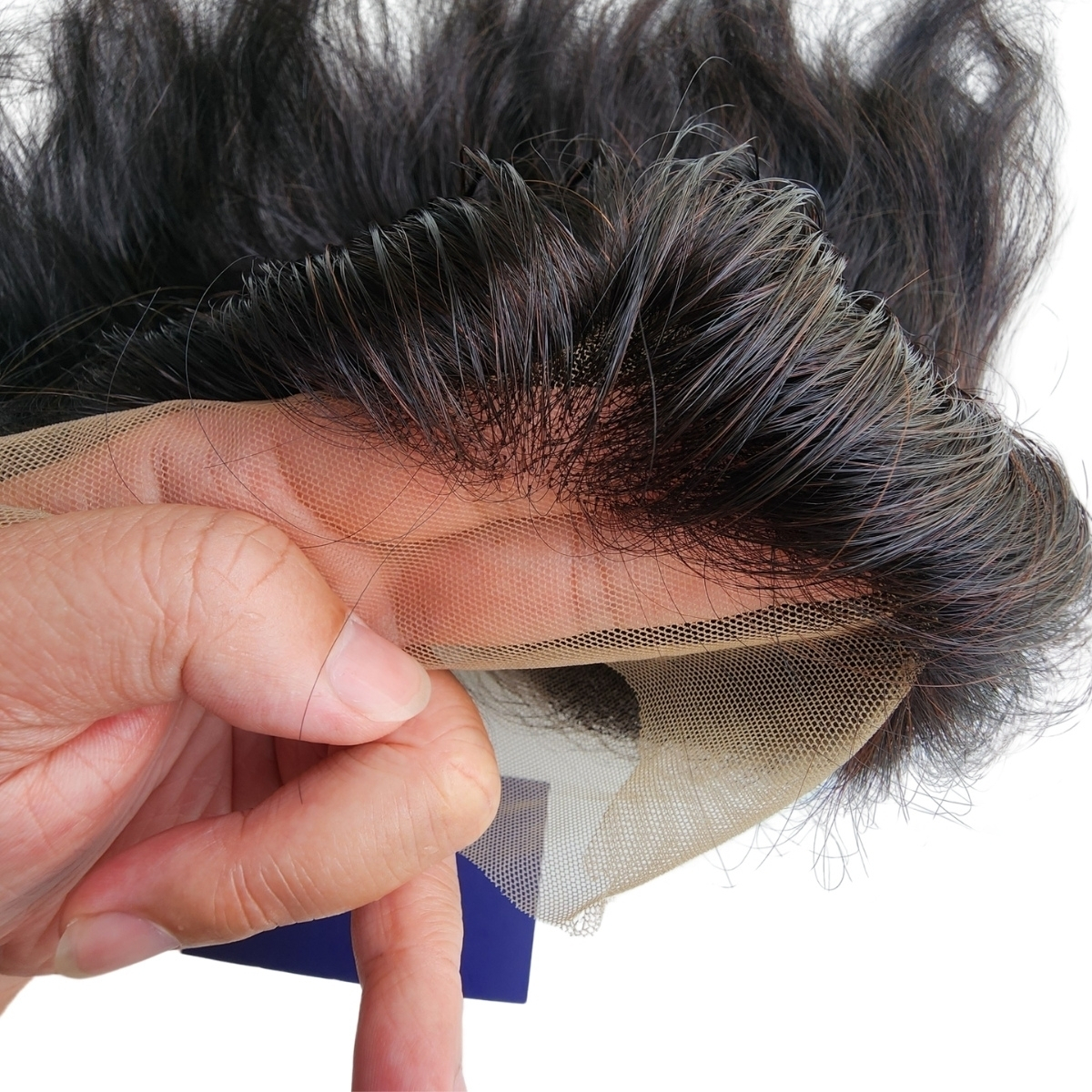
- Bleached Knots: Bleaching the knots at the hairline creates the illusion of hair growing directly from the scalp, further enhancing the naturalness.
Example: A system with a complex receding hairline, replicated widow’s peak, and bleached knots will require more skilled labor and thus be more expensive.
Base Size and Coverage
The size of the base and the amount of coverage required will influence the cost:
- Full Head vs. Partial Coverage: A full head system requires more materials and labor than a partial system designed to cover a smaller area.
- Base Dimensions: Larger base dimensions require more hair and base material, increasing the cost.
Example: A full head system will cost more than a system designed to cover only the crown area.
Hair Processing and Coloring
Any processing or coloring of the hair will add to the cost:
- Custom Coloring: Achieving a precise color match, especially for complex shades or highlights, requires skilled colorists.
- Hair Straightening or Perming: Chemically altering the hair texture requires additional processing.
Example: A system requiring a custom blend of multiple hair colors and highlights will cost more than a system with a single, standard color.
🔍 Looking for a specific size, base, or hair color? Order a fully personalized toupee now!
Ventilation Technique
The method used to attach the hair to the base significantly impacts the look and durability of the system:
- Single Knot vs. Double Knot: Single knots are more discreet but less durable than double knots.
- V-Looping: This technique creates the illusion of hair growing directly from the scalp, offering a very natural look but is more labor-intensive.
- Injected Hair: Hair is injected into the base, creating a seamless and natural appearance.
Example: A system using V-looping ventilation will cost more than a system with single knots.
System Lifespan
The expected lifespan of the system can also affect the cost. Systems designed for longer wear often use more durable materials and construction techniques, increasing the price.

Custom Software System Costs Estimation
While seemingly unrelated, the concept of “custom software system costs estimation” shares similarities with hair system pricing. Both involve:
- Defining Requirements: Just as you specify your desired hair style and features, software development requires defining precise functionalities and specifications.
- Material & Labor Costs: Software development involves coding (labor) and infrastructure (materials), similar to the hair and craftsmanship required for a hair system.
- Customization: Tailoring software to specific needs increases development costs, mirroring the impact of customization on hair system pricing.
- Ongoing Maintenance: Both hair systems and software require ongoing maintenance and updates, representing long-term costs.
Understanding the complexities of software cost estimation can provide valuable insights into the factors driving pricing in other custom-made products, like hair systems.
Budgeting for beauty: Understand all Hair System Cost Factors and available Custom System Payment Options for your Custom Hair System Design
Tips for Making Informed Decisions with Phucthien Toupee
- Consult with a Specialist: Schedule a consultation with Phucthien Toupee. We can assess your needs, provide personalized recommendations, and offer a detailed cost estimate.
- Define Your Priorities: Determine what features are most important to you. Are you prioritizing naturalness, durability, or affordability?
- Set a Budget: Establish a realistic budget and communicate it to your specialist.
- Compare Quotes: Obtain quotes from multiple vendors and compare the features and materials offered at each price point.
- Read Reviews: Research the vendor’s reputation and read reviews from other customers.
- Ask Questions: Don’t hesitate to ask questions about the materials, construction, and maintenance of the system.
- Understand the Maintenance Requirements: Factor in the cost of maintenance products, salon visits, and potential repairs. Phucthien Toupee provides clear instructions and support for maintaining your system.
✨ A toupee shouldn’t just hide hair loss — make it a style statement!
Final Thoughts: Investing in Confidence
A custom hair system is more than just a cosmetic enhancement; it’s an investment in your self-esteem and confidence. By understanding the factors influencing custom system costs, you can make informed decisions and find a solution that meets your needs and budget. With Phucthien Toupee’s expert guidance, you can achieve a natural-looking and confidence-boosting hair transformation. Phucthien Toupee’s goal is to empower individuals by providing them with top-quality systems that enable them to look and feel their absolute best. Schedule your consultation today and experience the transformative power of a custom hair system. Remember, you are worth the investment!
Phuc Thien Toupee Co., Ltd
Design Brand: Royal Hair Vietnam
Office Address:
🏢 Room A909, Decapella Building, 116 Luong Dinh Cua Street, An Khanh Ward, Thu Duc City, Ho Chi Minh City 700000, Vietnam
Factory Address:
🏭 No. 26/9, Street 57, Thuong Hamlet, Tan Thong Hoi Ward, Cu Chi District, Ho Chi Minh City 700000, Vietnam
Email: ✉️ phucthientoupeevn@gmail.com
Phone / WhatsApp: 📞 +84 933 901 196
Websites: 🌐 phucthientoupee.com – 🌐 royalhair.shop



